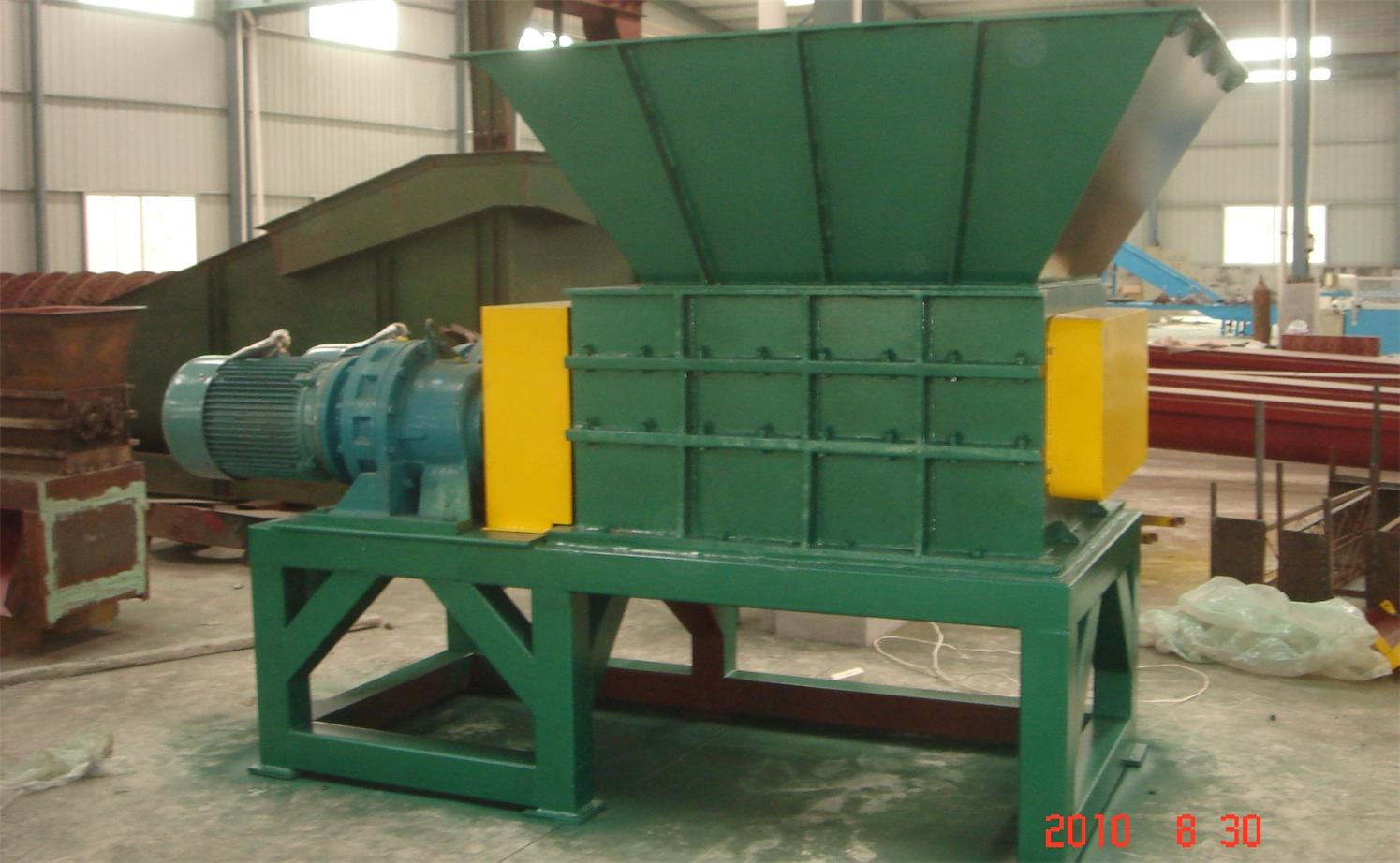
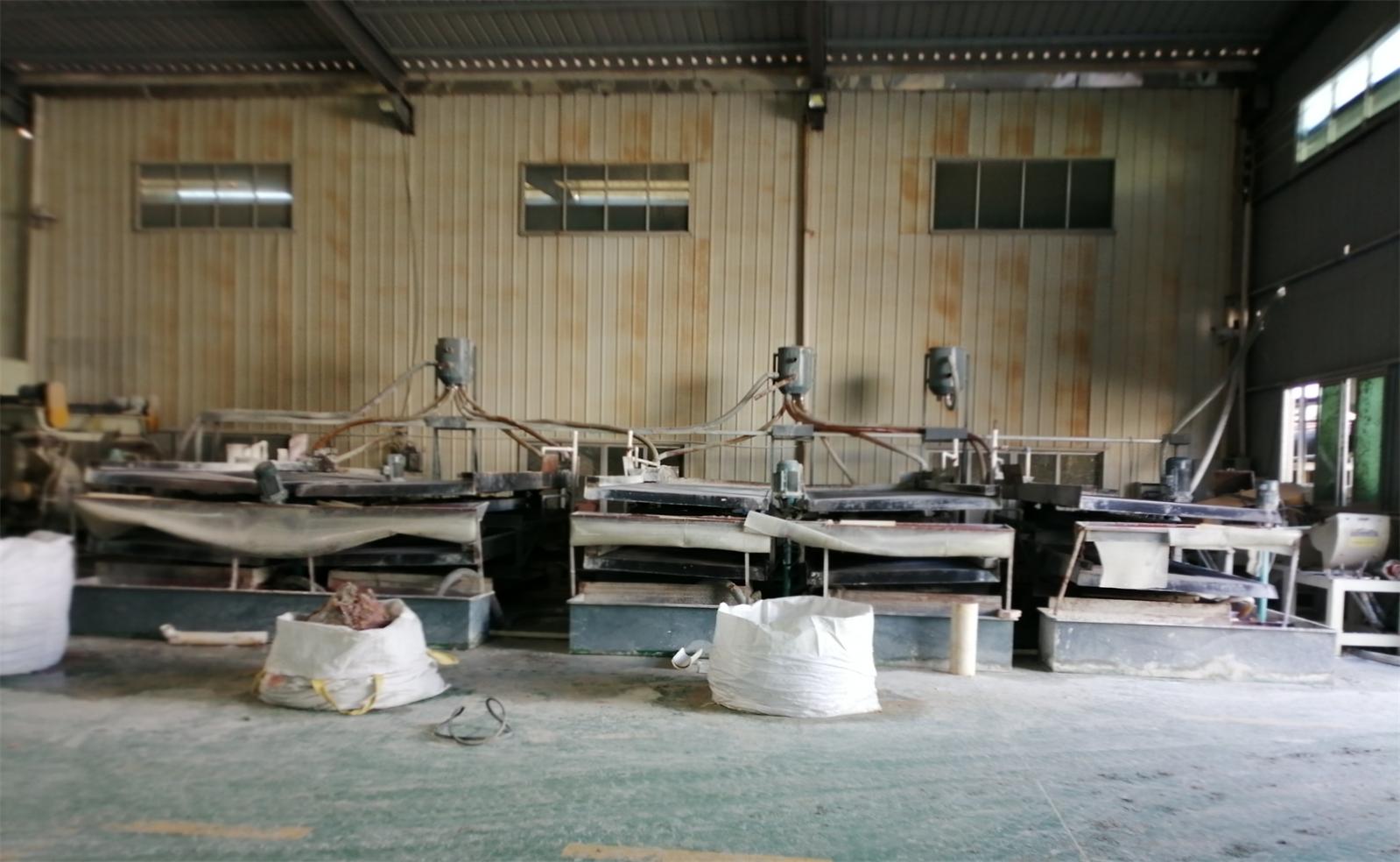
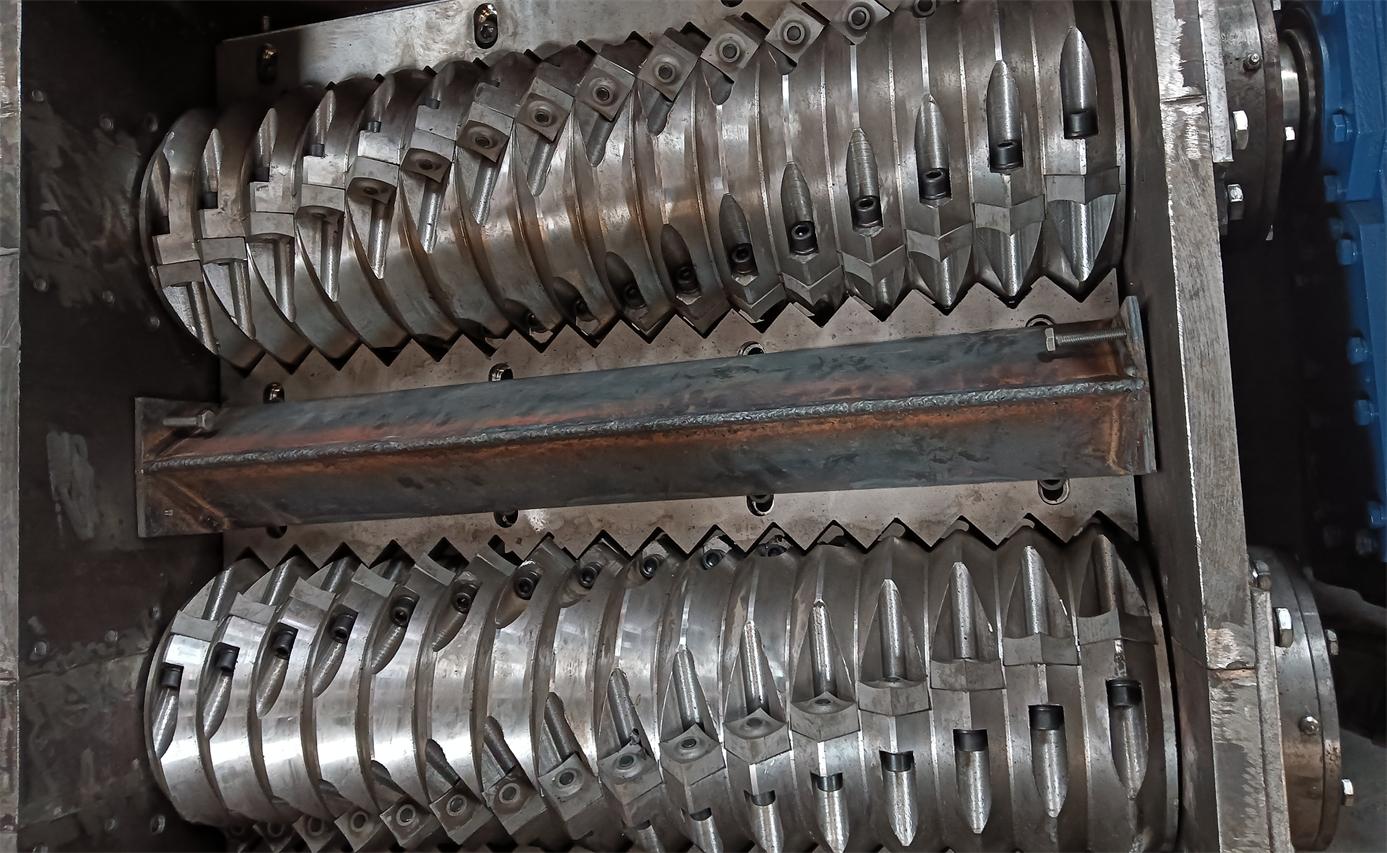
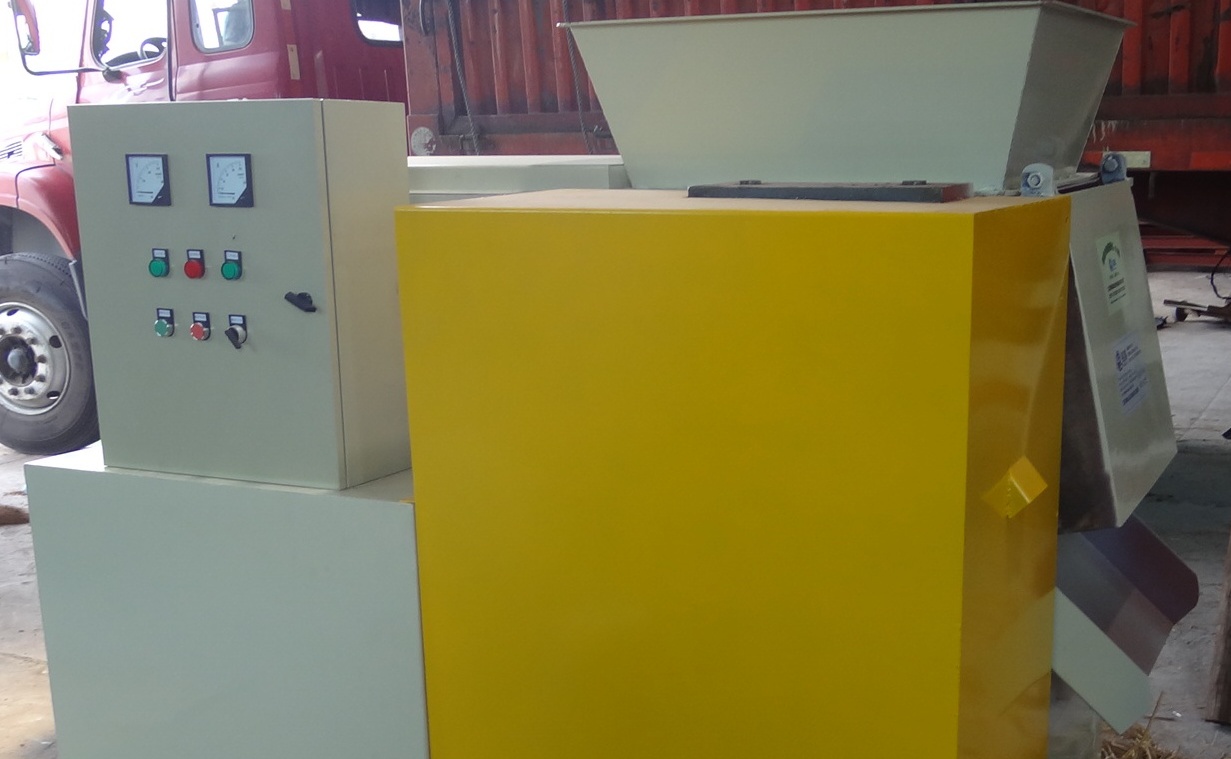
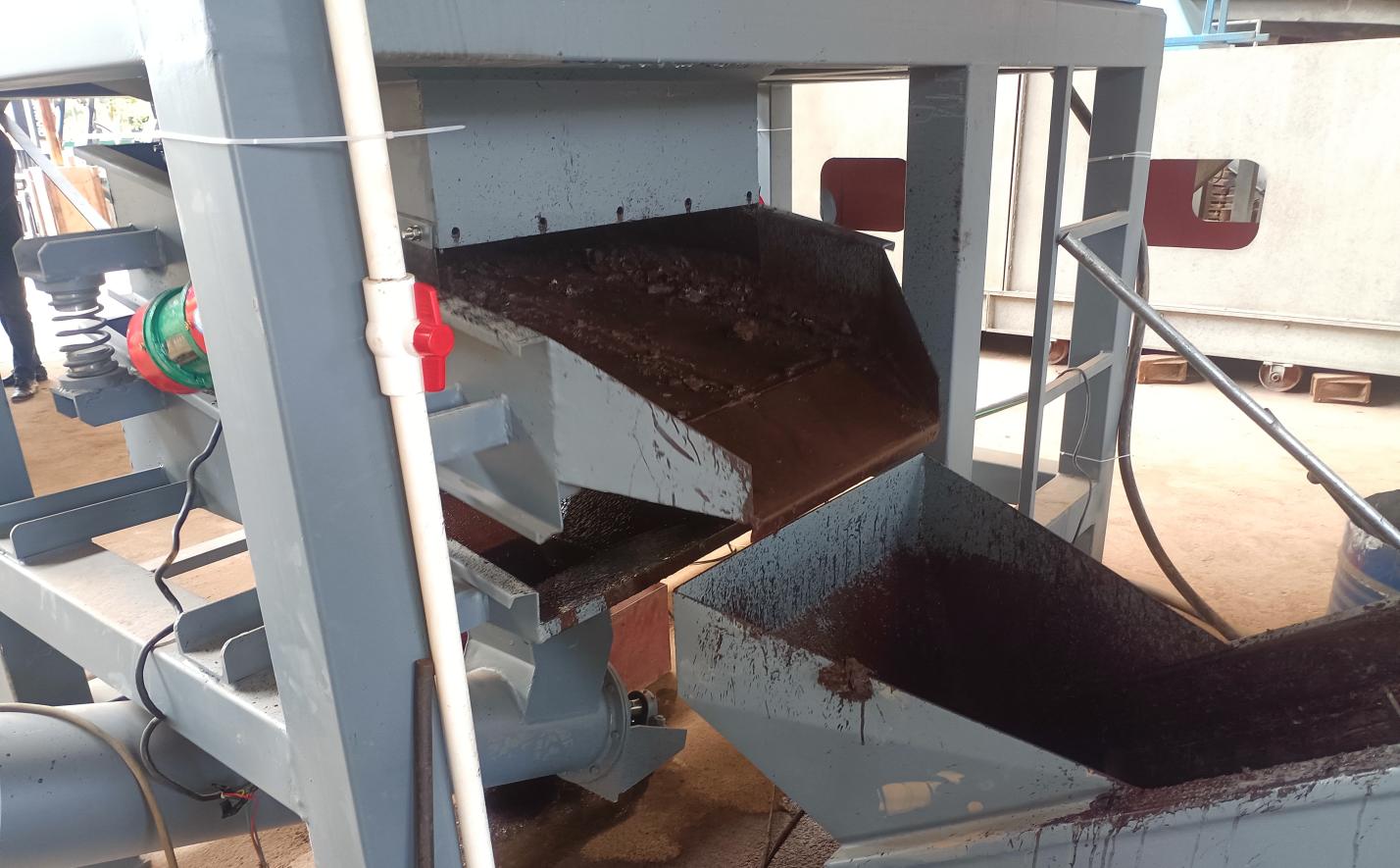
Investing in recycling equipment is a big decision—one that can shape the future of your business for years to come. Whether you're a seasoned recycler looking to expand or a newcomer eager to tap into the growing battery recycling market, understanding when your investment will start paying off is critical. This is where the break-even point (BEP) comes in. For those eyeing lead-acid battery recycling, in particular, calculating the BEP for equipment like lead acid battery cutter equipment or a lead acid battery breaking and separation system isn't just about crunching numbers—it's about ensuring your business stays profitable, sustainable, and ready to adapt to market changes. Let's walk through how to do it, step by step.
What is Break-even Point (BEP), and Why Does It Matter for Your Recycling Business?
Simply put, the break-even point is the moment when your total revenue from recycling equals your total costs. Before that point, you're operating at a loss; after it, every additional battery processed puts profit in your pocket. For recycling businesses, where equipment costs can run into the hundreds of thousands of dollars, knowing your BEP helps you answer key questions: Can I afford this investment? How long until I start making money? Is this equipment going to be worth the cost over time?
Lead-acid batteries are everywhere—powering cars, trucks, forklifts, and backup systems. As the push for sustainability grows, so does the demand for efficient recycling solutions. But equipment like a lead acid battery breaking and separation system isn't cheap. By calculating your BEP, you're not just planning for profitability—you're protecting your business from unexpected risks, like sudden drops in lead prices or increases in energy costs.
Key Components of BEP Calculation for Lead-Acid Battery Cutter Equipment
To calculate your BEP, you'll need to nail down three core numbers: fixed costs, variable costs, and revenue per unit. Let's break each down in the context of a lead-acid battery recycling setup.
1. Fixed Costs: The "Set It and Forget It" Expenses
Fixed costs are expenses that stay the same no matter how many batteries you process. Think of them as the baseline costs to keep your equipment running, even if you're only processing one battery a day. For lead-acid battery cutter equipment, common fixed costs include:
- Equipment Purchase Price: The upfront cost of the lead acid battery cutter equipment or breaking and separation system. This could range from $50,000 to $200,000+ depending on capacity and features.
- Installation and Setup: Costs to deliver, assemble, and test the equipment, including any modifications to your facility (e.g., reinforcing floors for heavy machinery).
- Rent or Mortgage: If you're leasing or own the space where the equipment operates, this is a fixed monthly cost.
- Salaries for Core Staff: Wages for full-time employees like operators or supervisors, even if production slows down.
- Insurance and Licenses: Business insurance, environmental permits, and recycling certifications required to operate legally.
- Depreciation: The gradual loss in value of your equipment over time (a tax-deductible fixed cost).
2. Variable Costs: The Costs That Grow With Your Output
Variable costs, on the other hand, rise and fall with how much you produce. The more batteries you process, the higher these costs will be. For lead-acid battery recycling, variable costs typically include:
- Labor for Processing: Overtime pay for operators or temporary workers brought in during busy periods.
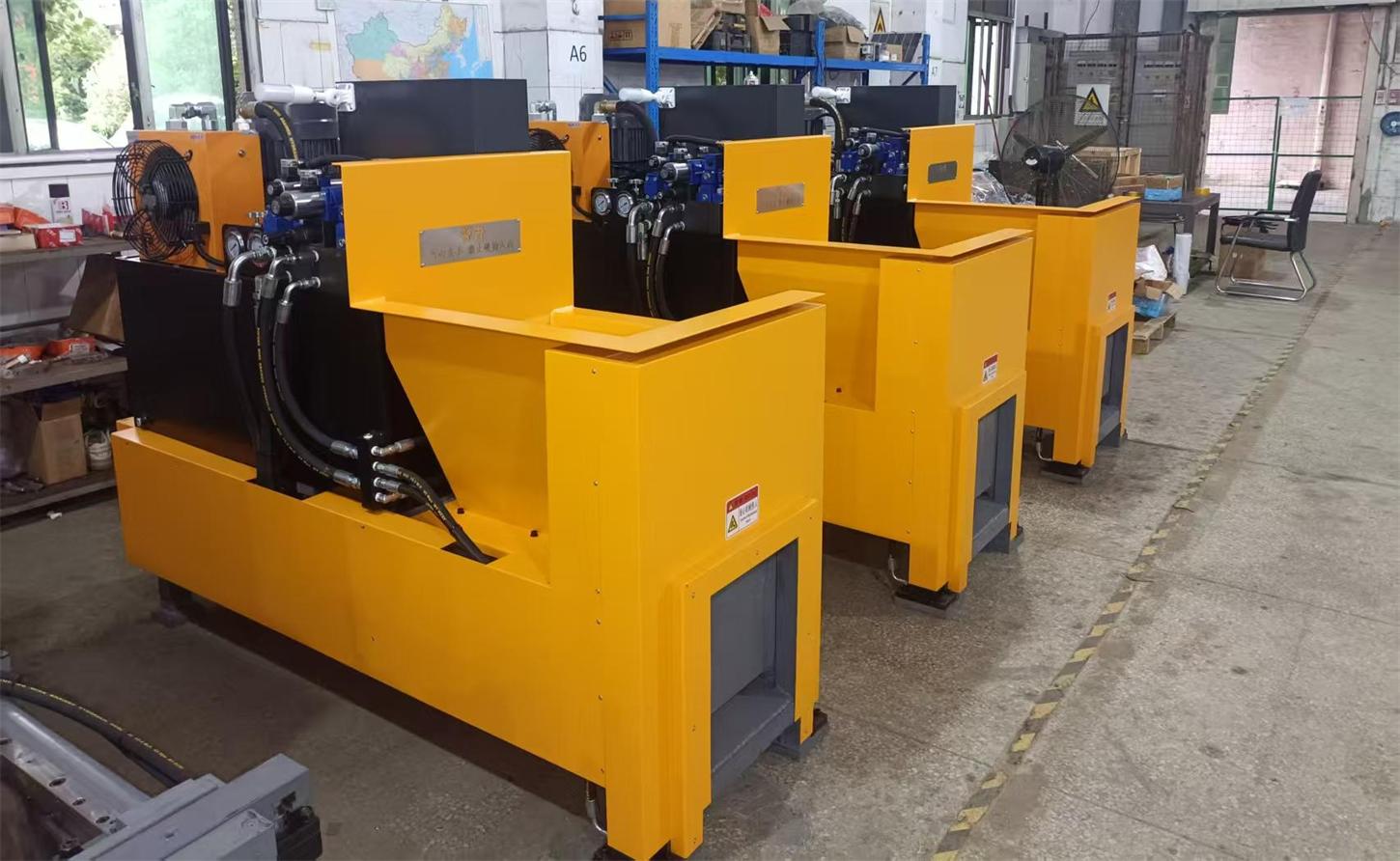
- Electricity: Running a hydraulic cutter equipment or breaking system uses a lot of power—more processing means higher energy bills.
- Consumables: Wear-and-tear items like blades for the cutter, filters for air pollution control system equipment, or lubricants for moving parts.
- Raw Material Acquisition: The cost to collect or purchase scrap lead-acid batteries (yes, this is variable—if you process more, you need more batteries).
- Transportation: Hauling scrap batteries to your facility or shipping recycled materials (lead, plastic) to buyers.
- Waste Disposal: Costs to handle non-recyclable byproducts, though with efficient equipment, this should be minimal.
3. Revenue per Unit: What You Earn for Each Battery Processed
Revenue per unit is the income you generate from processing one battery (or one ton of batteries). For lead-acid batteries, this comes from selling the recycled materials: lead plates, plastic casings, and sometimes sulfuric acid (neutralized and repurposed). To calculate this, you'll need to estimate:
- Material Yield: How much lead, plastic, and other materials you can recover per battery. A typical car battery weighs ~40 lbs, with ~60% lead, 30% plastic, and 10% acid/water.
- Market Prices: Current rates for recycled lead (check commodity exchanges like the LME), plastic pellets, and other byproducts. Prices fluctuate, so use average historical data or conservative estimates.
Step-by-Step Guide to Calculating Your Break-even Point
Now that you know the components, let's put them together. The formula for BEP in units (number of batteries processed) is:
BEP (Units) = Total Fixed Costs / (Revenue per Unit – Variable Cost per Unit)
The term (Revenue per Unit – Variable Cost per Unit) is called the contribution margin per unit —it's how much each battery contributes to covering fixed costs and, eventually, profit.
Let's break this down into actionable steps:
Step 1: Tally Up Your Total Fixed Costs
List all fixed costs and add them up for a specific period (we'll use monthly for this example). Let's say you're investing in a mid-sized lead acid battery breaking and separation system. Here's a sample fixed cost breakdown:
| Fixed Cost Category | Monthly Cost (USD) |
|---|---|
| Equipment Loan Payment (Amortized over 5 years) | $3,000 |
| Installation (One-time cost, amortized over 3 years) | $800 |
| Rent (Facility Space) | $1,500 |
| Full-Time Operator Salary | $4,000 |
| Insurance & Licenses | $500 |
| Depreciation | $1,200 |
| Total Monthly Fixed Costs | $11,000 |
Step 2: Calculate Variable Cost per Unit
Next, figure out how much it costs to process one battery. Let's assume you process 1,000 batteries per month (a reasonable starting volume). Here's a variable cost example:
| Variable Cost Category | Total Monthly Cost (USD) | Cost per Battery (USD) |
|---|---|---|
| Scrap Battery Acquisition (avg. $5 per battery) | $5,000 | $5.00 |
| Electricity | $1,500 | $1.50 |
| Labor (Overtime/Temp Workers) | $2,000 | $2.00 |
| Consumables (Blades, Filters) | $500 | $0.50 |
| Transportation | $1,000 | $1.00 |
| Total Monthly Variable Costs | $10,000 | $10.00 |
So, your variable cost per battery is $10.
Step 3: Determine Revenue per Unit
Let's say you recover 24 lbs of lead per battery (60% of 40 lbs) and 12 lbs of plastic (30%). Current market prices: lead is $0.50/lb, plastic is $0.10/lb. Revenue per battery would be:
- Lead: 24 lbs * $0.50/lb = $12
- Plastic: 12 lbs * $0.10/lb = $1.20
- Total Revenue per Battery: $13.20
Step 4: Calculate Contribution Margin per Unit
Subtract variable cost per unit from revenue per unit:
$13.20 (Revenue) – $10.00 (Variable Cost) = $3.20 (Contribution Margin per Battery)
This means each battery you process contributes $3.20 toward covering your fixed costs.
Step 5: Find Your BEP in Units
Divide total fixed costs by contribution margin per unit:
$11,000 (Fixed Costs) / $3.20 (Contribution Margin) ≈ 3,438 Batteries per Month
So, you need to process ~3,438 batteries per month to break even. At 22 working days a month, that's about 156 batteries per day.
Step 6: Calculate BEP in Revenue
Multiply BEP units by revenue per unit to see how much sales you need to break even:
3,438 Batteries * $13.20 = ~$45,382 per Month in Revenue
Factors That Can Shift Your Break-even Point
Your BEP isn't set in stone. External and internal factors can push it higher or lower. Here are the most common ones to watch:
Market Prices for Recycled Materials
Lead prices are volatile. If lead drops to $0.40/lb, your revenue per battery falls to $24*$0.40 + $1.20 = $10.80. Suddenly, contribution margin is $0.80 ($10.80 – $10), and BEP jumps to $11,000 / $0.80 = 13,750 batteries per month—way higher. On the flip side, if lead hits $0.60/lb, revenue rises to $15.60, contribution margin is $5.60, and BEP drops to ~1,964 batteries.
Equipment Efficiency and Throughput
A more efficient lead acid battery breaking and separation system can process more batteries per hour, reducing variable costs like labor and electricity per unit. For example, if your equipment runs at 50 batteries/hour instead of 30, you might cut variable costs per battery from $10 to $8.50, boosting contribution margin and lowering BEP.
Regulatory Requirements
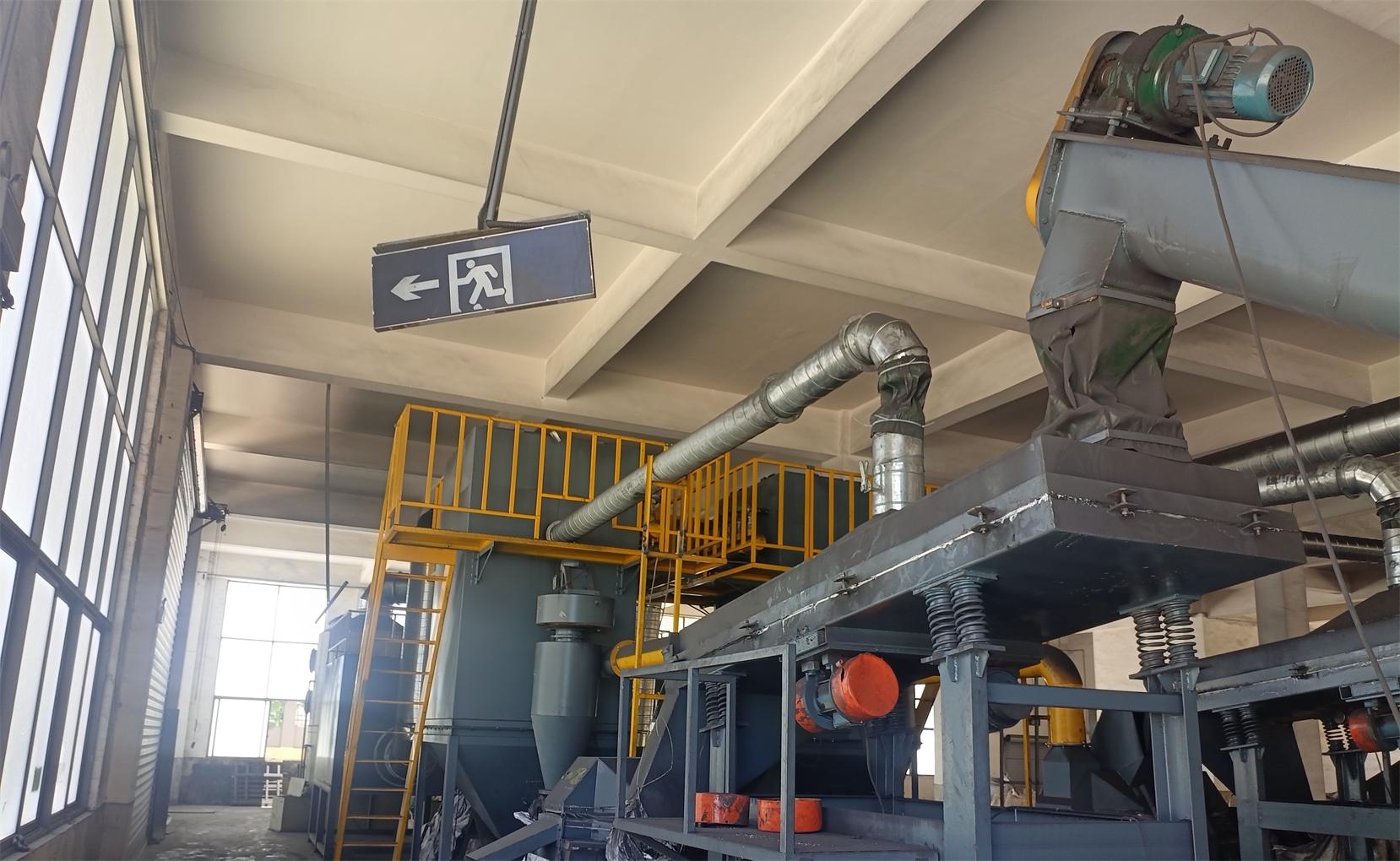
Stricter environmental rules might require upgrading your air pollution control system equipment or adding water process equipment. These could be fixed costs (new equipment) or variable costs (higher utility use), both of which can raise your BEP.
Maintenance and Downtime
Neglecting maintenance on your hydraulic cutter equipment can lead to breakdowns, reducing throughput and increasing variable costs (e.g., rush repairs). Regular upkeep keeps equipment running smoothly, preserving your contribution margin.
Tips to Lower Your Break-even Point
Want to start making profit faster? Try these strategies:
- Negotiate Equipment Costs: Buy used or lease equipment to lower upfront fixed costs. Some suppliers offer financing with lower monthly payments.
- Optimize Throughput: Run equipment during off-peak hours for lower electricity rates. Train operators to maximize efficiency (e.g., minimizing downtime between batches).
- Lock in Long-Term Contracts: Secure agreements with scrap battery suppliers for steady, lower-cost raw materials. Partner with buyers for recycled lead/plastic to stabilize revenue.
- Invest in Energy-Efficient Equipment: Newer lead acid battery cutter equipment often uses less power, slashing variable costs over time.
- Diversify Revenue Streams: If your setup allows, add complementary equipment like a plastic pneumatic conveying system to sell plastic pellets directly, increasing revenue per unit.
Final Thoughts: Beyond the Numbers
Calculating your break-even point isn't just about math—it's about making confident, data-driven decisions. By understanding fixed costs, variable costs, and revenue, you can avoid overestimating profits and underestimating expenses. Remember, the goal isn't just to hit break-even; it's to blow past it. With careful planning, efficient equipment like a lead acid battery breaking and separation system, and a pulse on market trends, your recycling business can turn scrap batteries into a steady, profitable stream of income.
So, before you sign on the dotted line for that new lead acid battery cutter equipment, grab a spreadsheet and run the numbers. Your future self—and your bottom line—will thank you.