Let's be honest - choosing an industrial shredder can feel overwhelming. Like standing in a hardware store staring at endless tools, not knowing which one actually gets the job done right. But here's what I've learned after helping countless facilities find their shredding soulmates: it's not about finding the "best" shredder out there. It's about discovering the shredder that's best for your specific needs .
Think about your scrap materials like distinct personalities. Some are tough and unyielding like armored cables, others are complex puzzle boxes like refrigerators or electronics. Would you use the same tool to handle a delicate circuit board and a massive car body? Of course not.
The Golden Rule: Your material determines your machinery. Trying to force a shredder to handle something it wasn't designed for is like trying to cut steak with a butter knife - frustrating, inefficient, and bound to break something.
What if instead of endless frustration, you could walk through your facility knowing your shredder is crushing it (pun intended)? That throughput targets get hit without drama? That downtime becomes a rare visitor instead of a constant guest? That's what happens when your shredder truly matches your material.
This guide cuts through the jargon and technical overload to show you exactly how to navigate the industrial shredder landscape. We'll explore how different shredders handle different scrap personalities, spot their strengths, and learn to match machines to materials with laser precision.
Your Shredder Toolbox: Breaking Down the Options
The Precision Specialist: Single-Shaft Shredders
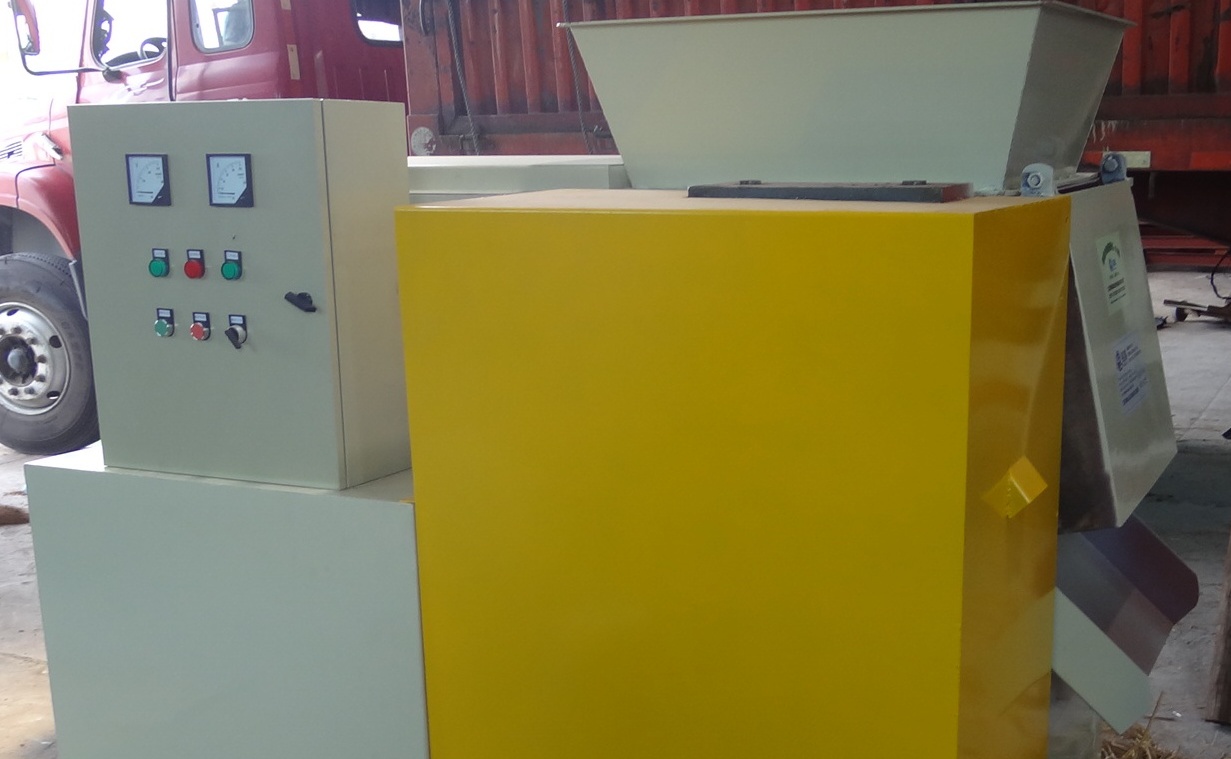
Think of the single-shaft shredder as your meticulous craftsman. With just one rotor spinning cutting blades, it processes material with controlled precision. The secret sauce? That hydraulic ram that gently but firmly pushes material against the blades. It's not brute force - it's strategic pressure.
- Plastics, especially PVC and other thin-film materials
- Lumber remnants and wood processing scraps
- E-waste components like light casings
- Rubber scraps that need uniform output sizes
Space-saver superstar: When floor space feels like luxury real estate, these compact units deliver power without claiming territory.
Economy champion: If your operation runs tight margins, the low energy appetite keeps costs in check without sacrificing capability.
The Adaptable Workhorse: Double-Shaft Shredders
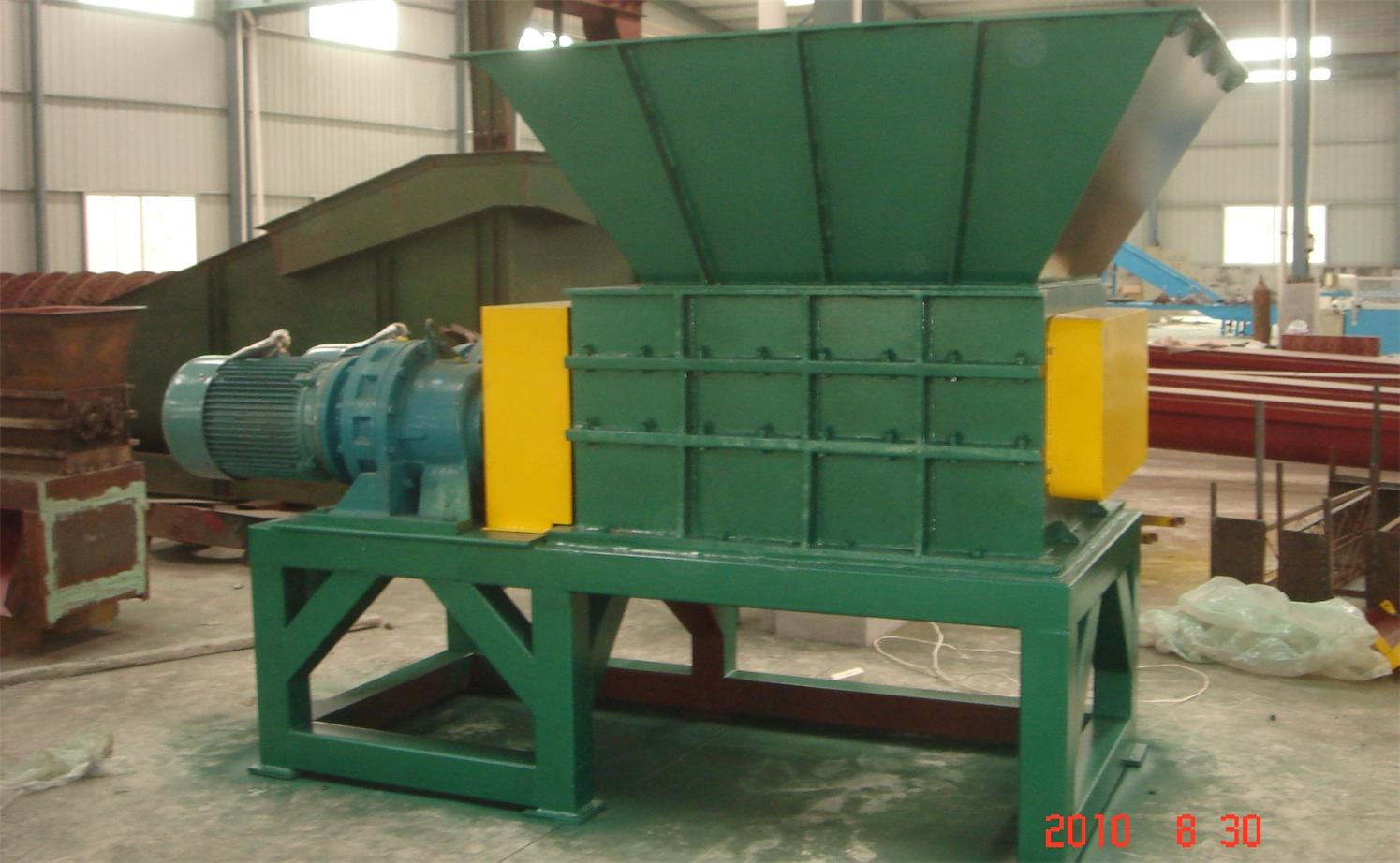
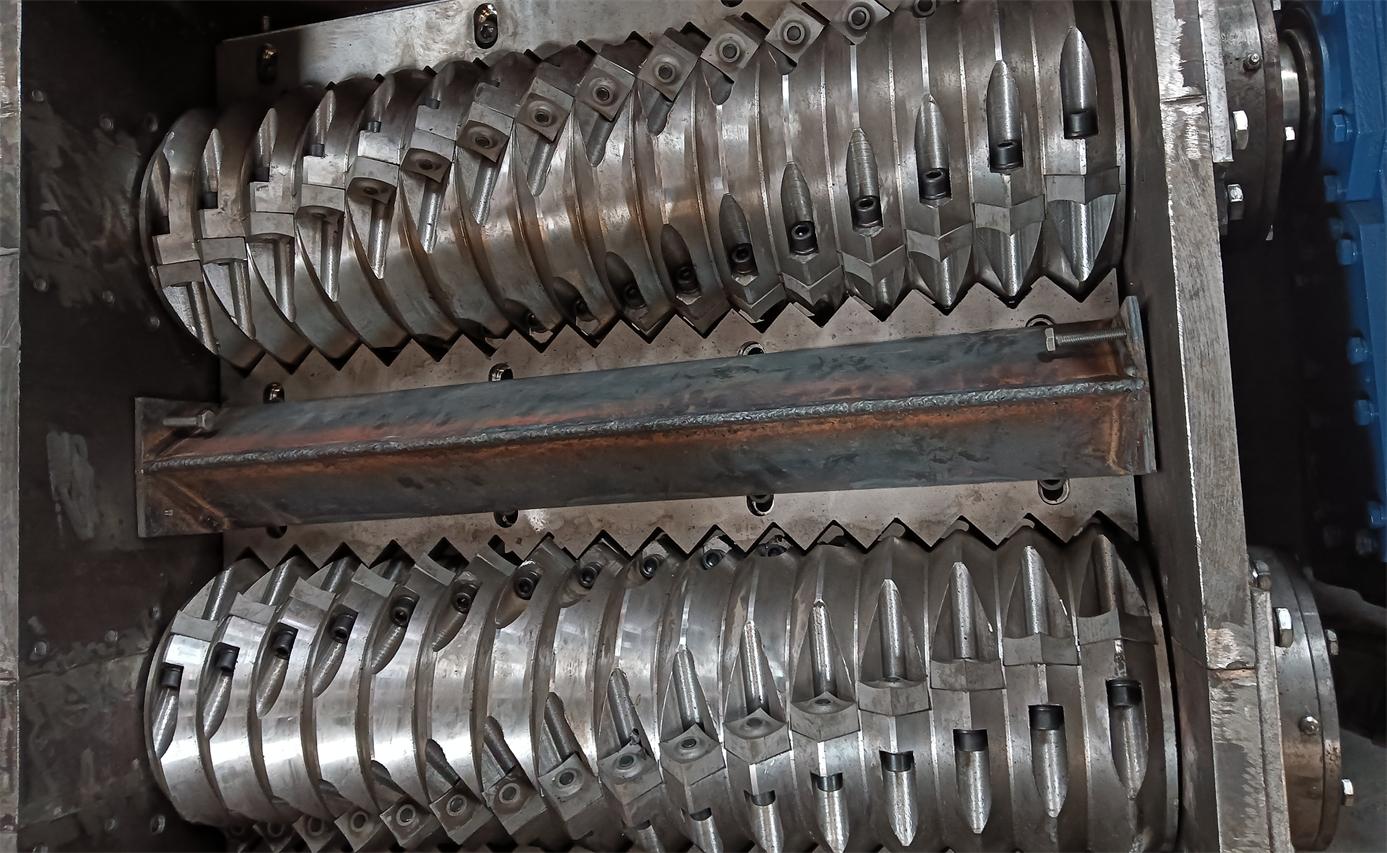
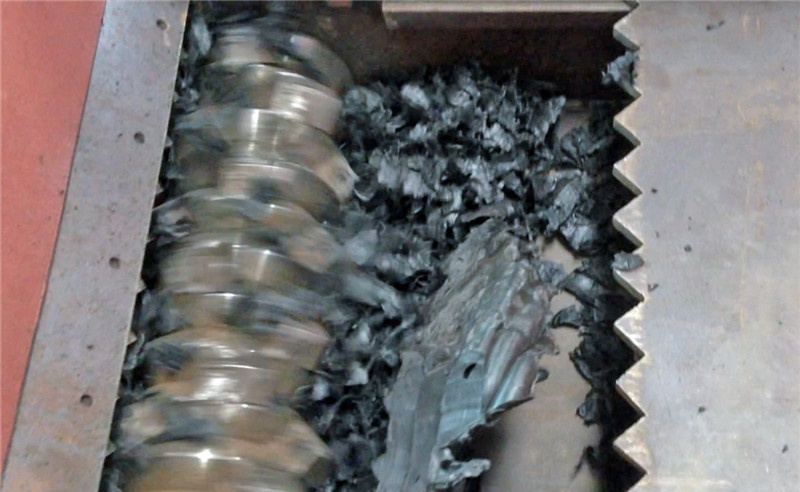
If versatility had a machine embodiment, it'd be the double-shaft shredder. Those twin rotors with intermeshing blades act like industrial-scale scissors and grappling hooks combined. They grab, tear, and precisely shear materials with impressive torque control.
Ever wondered why these are recycling facility staples? Because when your daily intake includes electronics one day, tires the next, and random municipal waste the day after - this shredder handles the identity crisis beautifully.
- Bulky appliances like washing machines and refrigerators
- Steel-belted tires and rubber products
- Mixed waste streams with varying components
- Dense materials requiring controlled tearing
Shearing muscle: Where other shredders hesitate with bulky materials, this one grips and rips consistently.
Adaptable appetite: Changes in material composition? Volume fluctuations? Daily surprises? Handled.
Tip: Blade disc width = Your output size control dial.
The Powerhouse Performer: Hammer Mill Shredders
Enter the battering ram of the shredding world. Hammer mills don't delicately slice - they smash and pulverize with rotating hammers. Material gets beaten against breaker plates until it submits and falls through the sizing screen.
Where these beasts shine: Ferrous scrap that needs fragmentation. Auto shredder residue, appliances, sheet metal – anything metallic and bulky becomes manageable under this relentless assault.
The cleaning effect: As hammers pound away, they incidentally scrape off paint, rust, and contaminants from metal surfaces. You get size reduction and cleaner material output in one operation.
- Car bodies and ASR processing
- Compacted scrap bales needing disintegration
- Appliance recycling where impurity removal matters
- High-throughput metal fragmentation facilities
Matchmaking 101: Pairing Materials with Perfect Shredders
Now comes the real artistry - translating your specific scrap stream into equipment choices. This isn't theoretical; it's about what your workers feed into that hopper every single day.
Cable Conundrums Solved
Those valuable copper cores wrapped in stubborn casing? They need thoughtful handling. Granulators handle the precision recovery, but pre-shredding is your efficiency booster. It protects downstream equipment and delivers consistent fragments.
Pro tip: Listen to your shredder! That low-speed hum? It means energy efficiency and neighbor-friendly noise levels.
Radiator Recycling Revealed
Aluminum fins and copper tubes fused together? That's a separation challenge begging for strategic shredding. You need destruction that liberates materials, not mashes them beyond recognition.
Double-Shaft Shredder: Those counter-rotating shafts act like powerful shearing jaws. They grab radiators firmly and produce fragments perfect for downstream sorting systems. See the copper and aluminum separation become cleaner and more profitable.
Bonus: This same shredder handles aluminum radiators, copper-aluminum hybrids, and even heat exchanger bundles. It's your thermal management scrap solution.
E-Waste's Tricky Components
Now let's talk about electronics recycling's VIP: circuit boards. These layered treasures need careful consideration. While most associate shredders with pure destruction, there's an art to liberating valuable metals without pulverizing components. This is where specialized equipment choices become profitable decisions.
Beyond the Brochure: Your Real-World Decision Checklist
Beyond technical specs, your shredder choice weaves into your facility's operational tapestry. Here's what actually matters on the ground:
- Your People Factor: Who's operating this equipment daily? Does the control interface match their skill level? Maintenance simplicity equals uptime longevity.
- Future-Proof Flexibility: Will your scrap streams change next year? Versatile shredders let you pivot with market demands without major capital reinvestment.
- The Noise Reality: Especially relevant in urban yards. That constant shredder roar impacts community goodwill and worker fatigue.
- Space Tango: It's not just the machine footprint - consider feed zones, discharge conveyor paths, and service access corridors. Measure thrice.
The biggest trap I see? Choosing for today's average material instead of tomorrow's peak challenges. Your shredder should handle worst-case scenarios, not just Tuesday's load.
When sizing up, remember: output size flexibility beats raw power. Controllable particle dimensions open more recycling/reuse market options. Your revenue streams thank you.
Industrial shredders become extensions of your operation's personality. Choose one that complements your workflow rhythm rather than disrupts it. Visit facilities running your prospective models. Listen to the machine's sounds, smell the operation, feel the maintenance points. Beyond all specs, trust your gut after seeing it perform with materials like yours.