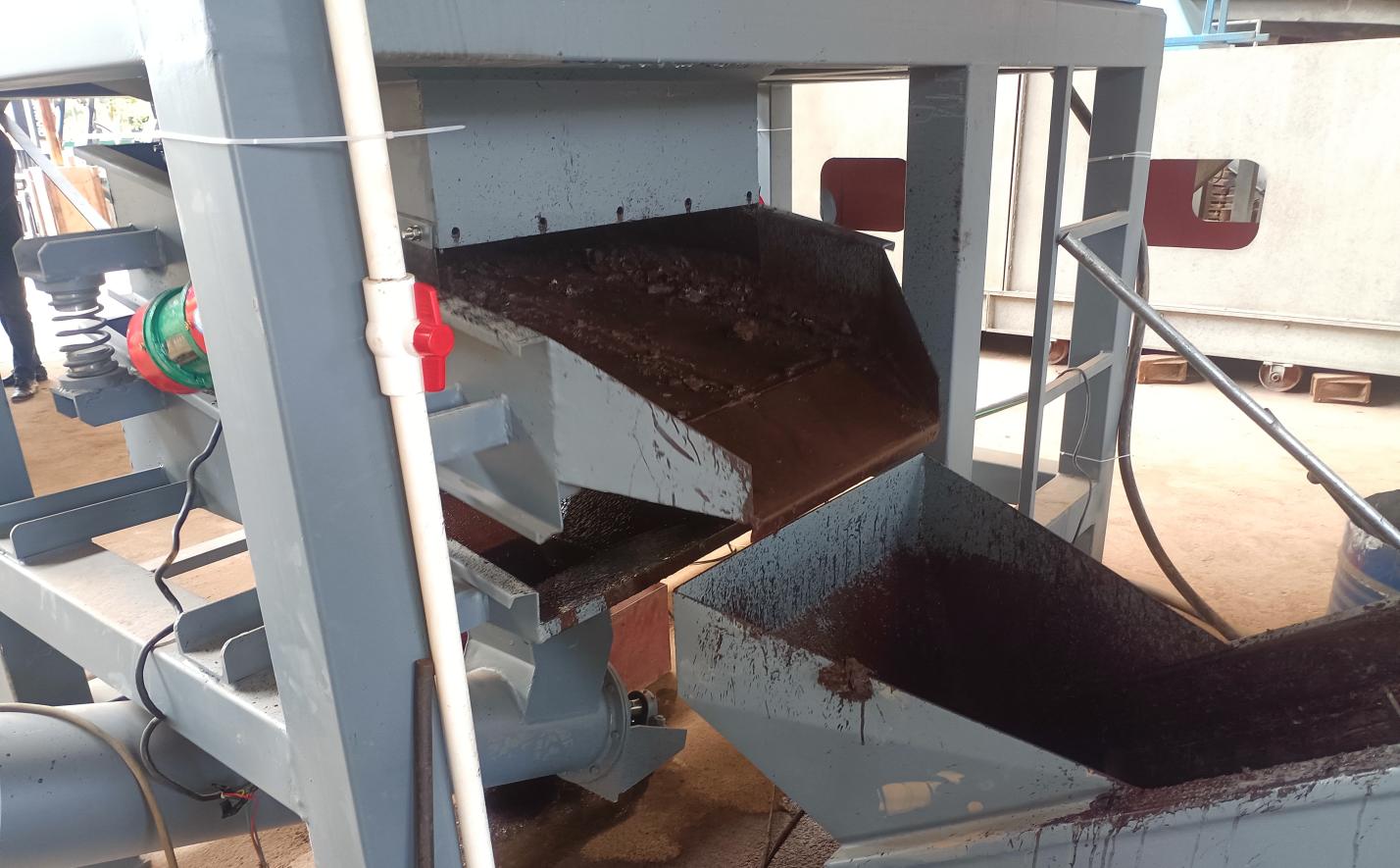
In 2025, as industries and communities strive to balance growth with environmental responsibility, the choice of a wastewater treatment plant has never been more critical. Beyond simply meeting regulatory standards, today's decision-makers are prioritizing energy efficiency—a factor that not only reduces operational costs but also aligns with global sustainability goals. Whether you're managing a manufacturing facility, a municipal water system, or a specialized industrial plant, selecting the right wastewater treatment solution involves navigating a landscape of technologies, equipment, and operational strategies. This guide will walk you through the key considerations, with a focus on energy efficiency, and highlight how integrating the right equipment—from water process systems to effluent treatment machines—can make all the difference.
Why Energy Efficiency Matters in Wastewater Treatment
Wastewater treatment is inherently energy-intensive. From pumping and aeration to chemical processing and sludge handling, every step consumes power. In fact, in many municipalities, wastewater treatment plants account for 20–30% of total energy usage. For industrial facilities, this number can be even higher, especially in sectors like food processing, pharmaceuticals, or manufacturing, where wastewater volumes and contamination levels are significant. Energy-efficient plants, however, can cut these costs by 30–50% while reducing carbon footprints. In an era of rising energy prices and stricter environmental regulations, energy efficiency isn't just a "nice-to-have"—it's a strategic imperative.
But energy efficiency isn't just about cutting costs. It also enhances reliability. Energy-efficient systems often rely on advanced technologies that minimize downtime, reduce maintenance needs, and adapt to fluctuating wastewater volumes. For example, a plant equipped with variable-speed pumps or smart aeration controls can adjust energy use in real time, ensuring optimal performance even during peak demand. Additionally, energy-efficient designs often integrate renewable energy sources, such as biogas from anaerobic digestion or solar panels, further reducing reliance on grid power and insulating operations from energy market volatility.
Key Factors to Consider When Choosing an Energy-efficient Plant
Selecting an energy-efficient wastewater treatment plant requires a holistic approach, considering both the technology itself and how it aligns with your specific needs. Below are the critical factors to evaluate:
1. Understand Your Wastewater Composition and Volume
The first step is to conduct a thorough analysis of your wastewater. What contaminants are present? Is it high in organic matter, heavy metals, or industrial chemicals? What is the average daily volume, and how much does it fluctuate? This data will dictate the type of treatment process you need—whether biological, physical-chemical, or a hybrid approach—and influence the energy efficiency of the system. For example, wastewater rich in organic material may benefit from anaerobic digestion, which can produce biogas (a renewable energy source), while water with high suspended solids might require more mechanical processing, such as screening and sedimentation.
Ignoring this step can lead to overdesigning (and overspending on energy) or underdesigning (resulting in non-compliance and costly retrofits). For instance, a plant treating low-strength municipal wastewater will have very different energy needs than one handling industrial effluent with high chemical oxygen demand (COD). By starting with a clear picture of your wastewater's characteristics, you can narrow down equipment options and focus on systems optimized for your specific scenario.
2. Evaluate Treatment Technologies: Dry Process vs. Wet Process Equipment
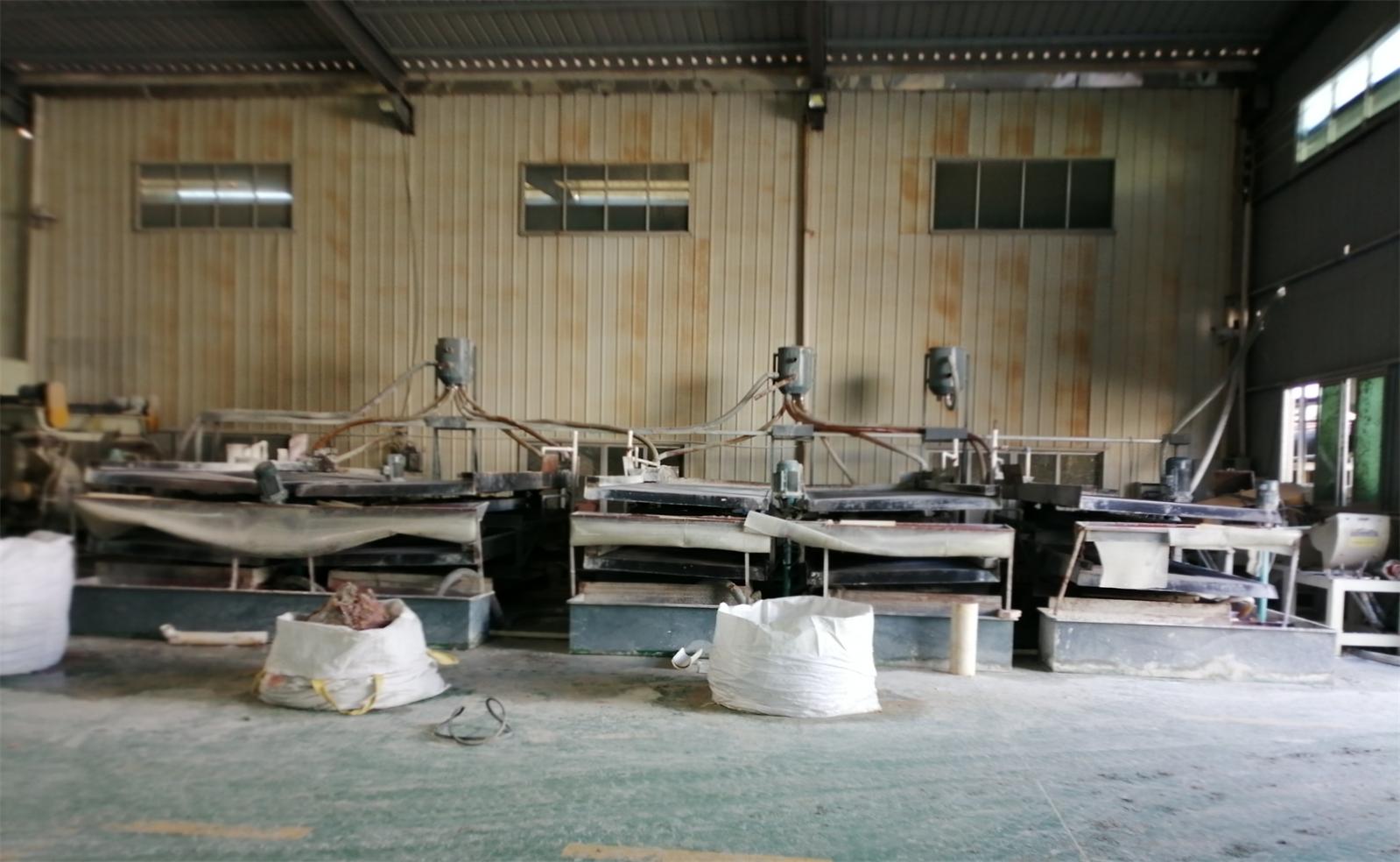
One of the most impactful decisions is choosing between dry process and wet process equipment. These two approaches differ significantly in how they treat wastewater—and in their energy requirements. Let's break down their key differences:
| Factor | Dry Process Equipment | Wet Process Equipment |
|---|---|---|
| Core Principle | Uses mechanical, thermal, or chemical methods with minimal water input; relies on evaporation, filtration, or adsorption to separate contaminants. | Uses water as a medium for treatment; includes processes like activated sludge, trickling filters, or chemical precipitation, which require large volumes of water and energy for pumping/aeration. |
| Energy Consumption | Generally lower energy use, as it reduces the need for pumping and aeration. Thermal-based dry processes may have higher energy needs, but modern designs often integrate waste heat recovery. | Higher energy use, primarily due to aeration (in biological processes) and constant water circulation. For example, activated sludge systems can consume 0.5–1.5 kWh per cubic meter of wastewater treated. |
| Water Requirement | Low water usage, making it ideal for water-scarce regions or facilities looking to minimize water intake. | High water usage, both for treatment and sludge handling, which can strain local water resources. |
| Maintenance Needs | May require more frequent maintenance on mechanical components (e.g., filters, dryers) but less on pumps and valves. | Heavier maintenance on pumps, aeration systems, and clarifiers, which are prone to clogging and wear. |
| Suitability | Best for wastewater with high solids content, low flow rates, or in regions where water is scarce. Examples: food processing sludge, industrial byproducts. | Traditional choice for municipal wastewater or high-flow industrial applications with low-to-moderate solids. Examples: urban sewage, textile dyeing effluent. |
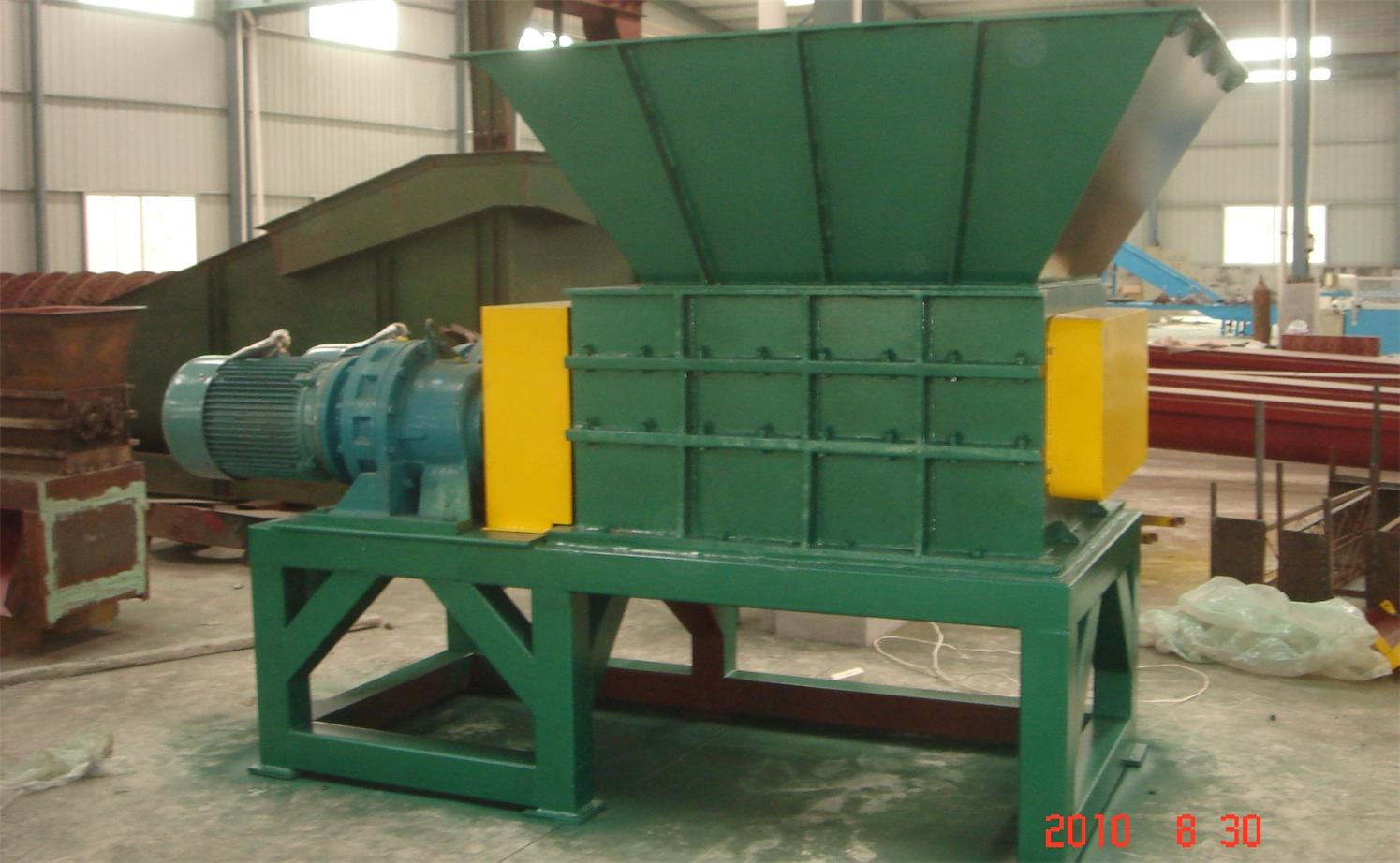
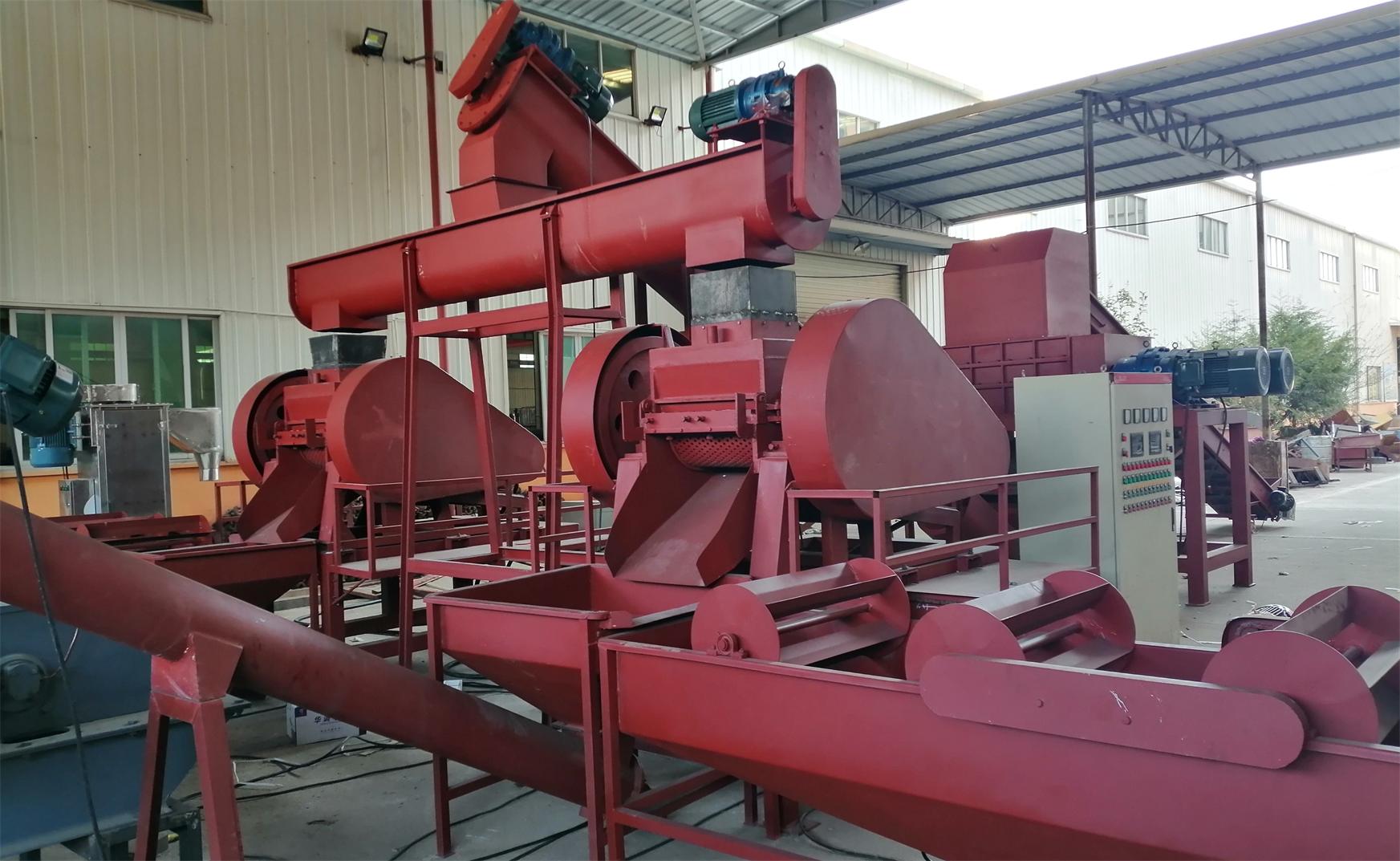
In 2025, dry process equipment is gaining traction for its energy efficiency, especially in industrial settings. For example, a food processing plant in California recently switched from a wet process to a dry compact granulator with dry separator equipment, reducing energy use by 40% and cutting water consumption by 60%. The system uses mechanical separation and low-temperature drying to process wastewater solids, eliminating the need for energy-intensive aeration tanks. However, dry processes aren't a one-size-fits-all solution—they may not be suitable for wastewater with high dissolved organic matter, which often requires biological treatment (a wet process). The key is to match the technology to your wastewater's unique profile.
3. Prioritize Energy-efficient Water Process Equipment
Beyond choosing between dry and wet processes, the specific water process equipment within your plant plays a critical role in energy efficiency. Modern water process equipment is designed with energy savings in mind, incorporating features like variable-frequency drives (VFDs), high-efficiency motors, and smart sensors. For example, submersible pumps with VFDs can adjust their speed based on real-time flow rates, reducing energy waste during low-demand periods. Similarly, membrane bioreactors (MBRs)—a type of advanced water process equipment—combine biological treatment with membrane filtration, requiring less energy than traditional activated sludge systems while producing higher-quality effluent.
Another innovation in water process equipment is the use of gravity-driven systems. By designing the plant layout to leverage natural elevation changes, you can minimize the need for pumping, which is often the single largest energy consumer in treatment plants. For instance, a municipal plant in the Netherlands uses a series of terraced treatment ponds, where wastewater flows by gravity through screening, sedimentation, and biological stages. This design reduces pumping energy by 70% compared to conventional plants, proving that sometimes simplicity and nature-inspired engineering are the best paths to efficiency.
4. Invest in High-Quality Effluent Treatment Machine Equipment
Effluent treatment machine equipment is the final line of defense before treated water is discharged or reused. While it's tempting to cut costs here, skimping on effluent treatment can lead to higher energy use downstream. For example, outdated filtration systems may require frequent backwashing, which consumes large amounts of water and energy. In contrast, modern effluent treatment machines—such as ultrafiltration (UF) or reverse osmosis (RO) systems with energy recovery devices—can reduce energy use by 30–50% compared to older models.
Effluent treatment machines also play a role in resource recovery, which can offset energy costs. For instance, some advanced systems are designed to capture nutrients like nitrogen and phosphorus from treated wastewater, converting them into fertilizers. Others recover heat from wastewater, using it to preheat incoming water or power facility heating systems. A brewery in Germany, for example, installed an effluent heat recovery system that captures 80% of the heat from its wastewater, reducing its boiler fuel consumption by 25% annually. By viewing effluent treatment as an opportunity for resource recovery—not just a compliance step—you can turn a cost center into an energy-saving asset.
5. Integrate Air Pollution Control System Equipment
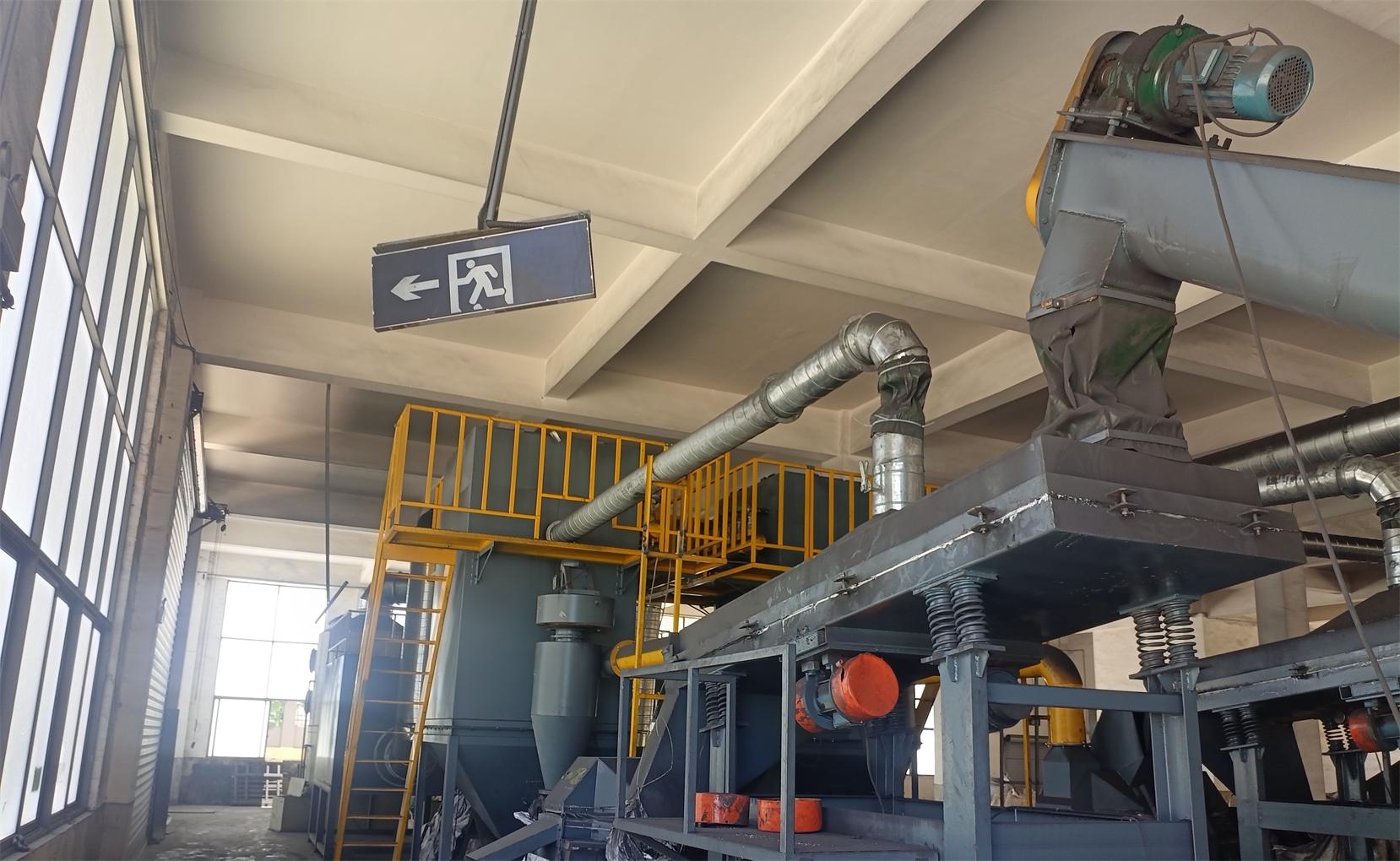
While often overlooked in wastewater treatment discussions, air pollution control system equipment is a critical component of an energy-efficient plant. Wastewater treatment processes can release volatile organic compounds (VOCs), hydrogen sulfide, and other pollutants into the air, which must be treated to meet air quality standards. However, traditional air pollution control systems—such as thermal oxidizers or chemical scrubbers—are energy-intensive. Modern air pollution control system equipment, however, uses low-energy alternatives like biofilters or adsorption units, which require minimal power to operate.
Integration is key here. By designing the wastewater treatment plant and air pollution control system to work in tandem, you can optimize energy use. For example, heat from anaerobic digestion (used to treat organic wastewater) can be redirected to power a biofilter, reducing the need for external energy. Similarly, using treated wastewater to humidify biofilters eliminates the need for fresh water, creating a closed-loop system that saves both water and energy. In 2025, with stricter air quality regulations on the horizon, integrating efficient air pollution control equipment isn't just compliant—it's a smart energy move.
Practical Tips for Selecting Your Energy-efficient Plant
Now that you understand the key factors, here are some actionable tips to guide your selection process:
Conduct an Energy Audit First
Before investing in new equipment, conduct a baseline energy audit of your current operations (if you have an existing plant) or a detailed analysis of your projected wastewater characteristics (if building new). This audit should identify energy hotspots, such as inefficient pumps or outdated aeration systems, and help you prioritize upgrades. Many equipment suppliers offer free energy audits as part of their consulting services, so take advantage of this to get data-driven insights.
Look for Certifications and Third-Party Validation
Not all "energy-efficient" claims are created equal. When evaluating equipment suppliers, look for certifications from reputable organizations, such as the Energy Star program, the Water Environment Federation (WEF), or local environmental agencies. These certifications ensure that the equipment has been tested and verified to meet strict energy efficiency standards. Additionally, ask for case studies or references from similar facilities—real-world performance data is often more telling than marketing materials.
Consider Lifecycle Costs, Not Just Upfront Price
It's easy to be swayed by a low upfront price tag, but energy-efficient equipment often has a higher initial cost. However, the savings in energy and maintenance over time almost always offset this investment. For example, a high-efficiency pump may cost 30% more than a standard model, but it can pay for itself in energy savings within 2–3 years. When comparing options, calculate the total lifecycle cost (TLC), which includes purchase price, installation, energy, maintenance, and disposal costs over the equipment's expected lifespan. This will give you a clearer picture of long-term value.
Plan for Scalability and Future Expansion
Your wastewater treatment needs will evolve over time, whether due to business growth, regulatory changes, or shifts in production processes. Choose equipment that can scale with your needs without requiring a complete overhaul. Modular systems, for example, allow you to add capacity incrementally, avoiding over-investment in energy and infrastructure upfront. Similarly, look for equipment with flexible controls that can adapt to changing wastewater compositions—this future-proofs your plant and ensures energy efficiency even as your operations change.
Conclusion: Building a Sustainable Future with Energy-efficient Wastewater Treatment
In 2025, choosing an energy-efficient wastewater treatment plant is more than a technical decision—it's a commitment to sustainability, cost resilience, and environmental stewardship. By focusing on factors like treatment technology (dry process vs. wet process equipment), water process efficiency, effluent treatment, and air pollution control, you can build a system that meets your needs today while positioning you for success tomorrow. Remember, the goal isn't just to treat wastewater—it's to treat it in a way that minimizes energy use, reduces costs, and contributes to a healthier planet.
As you embark on this journey, partner with suppliers who prioritize innovation and energy efficiency. Look for those who offer not just equipment, but comprehensive support—from initial audits and design to installation and ongoing maintenance. With the right approach and the right equipment, your wastewater treatment plant can become a model of efficiency, proving that environmental responsibility and operational success can go hand in hand.