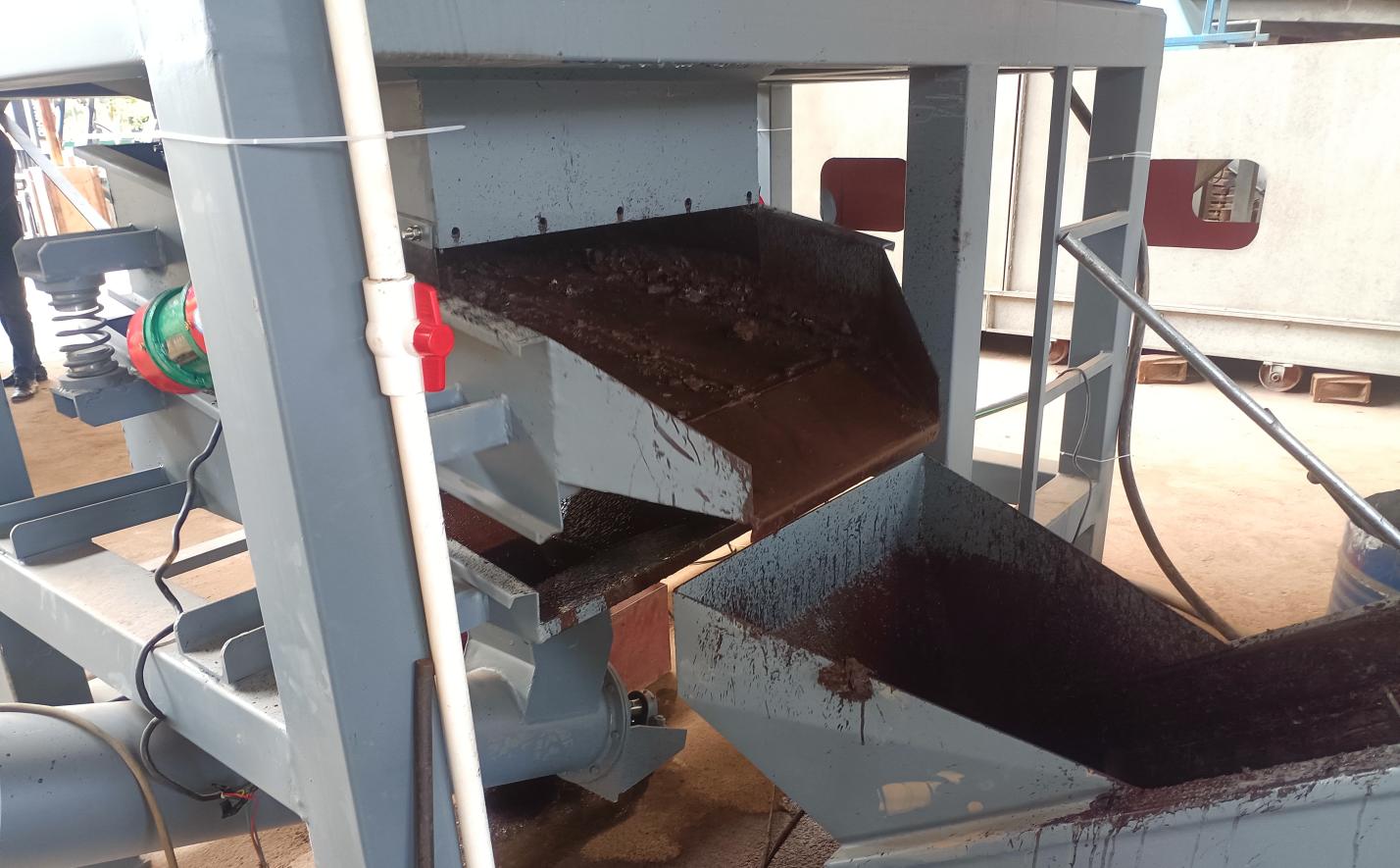
With global copper demand continuing to rise and environmental regulations tightening, investing in cable recycling has become a profitable and responsible business decision. However, selecting the right cable recycling equipment can be challenging, especially for newcomers to the industry. This guide will walk you through the key factors to consider when choosing machinery that matches your operational needs and long-term goals.
1. Assess Your Raw Materials
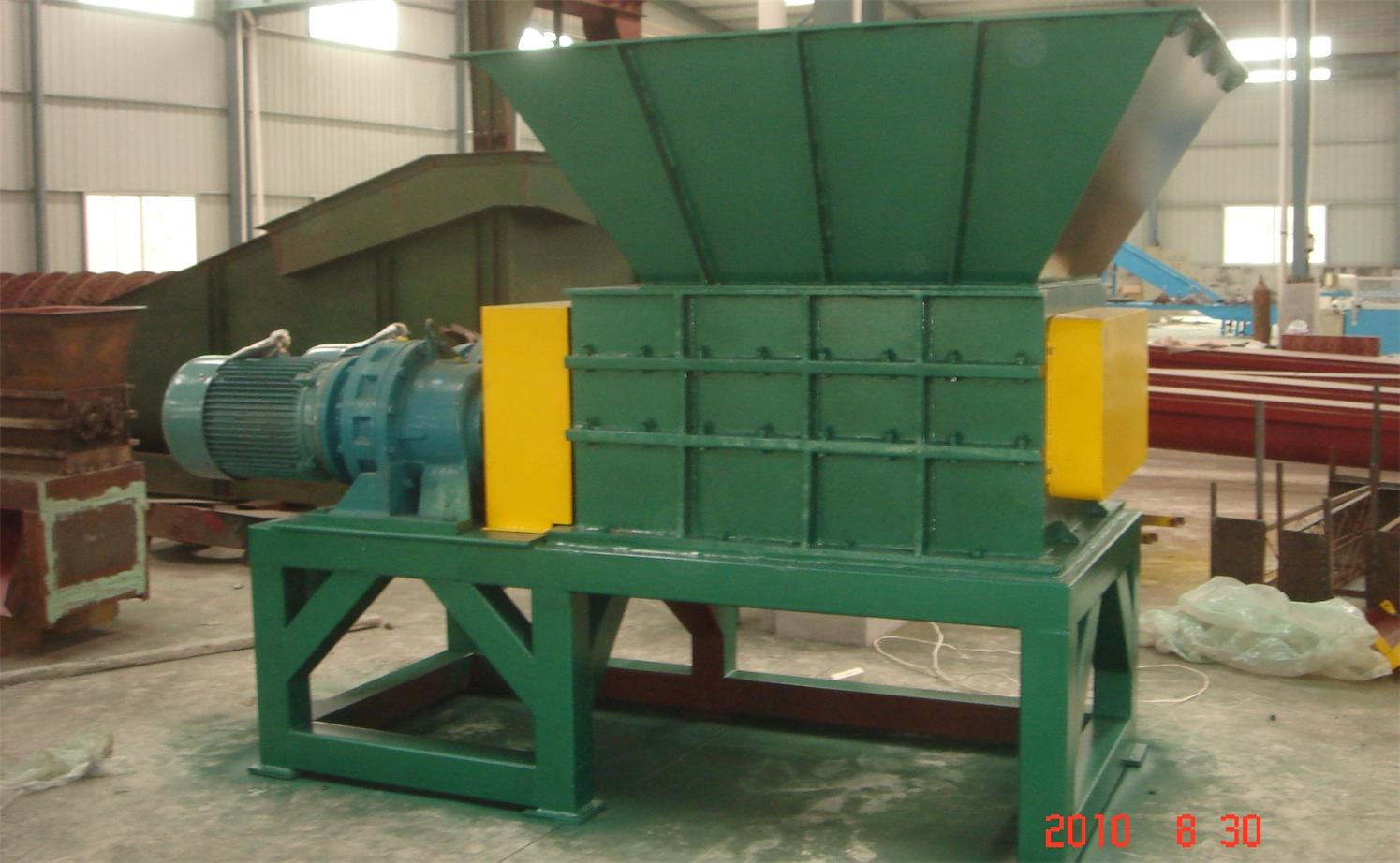
Before purchasing any equipment, it is essential to understand the types of cables you will process. Scrap cables vary significantly in diameter, insulation material, and metal content. Common inputs include household wires, industrial cables, armored cables, and jelly-filled telecommunications cables. Each type requires different preprocessing steps. For example, thick armored cables may need a powerful shredder as a pre-chopper, while thin household wires can go directly into a granulator. Knowing your material stream helps you determine the required capacity, blade configuration, and separation technology.
2. Understand the Core Equipment Types
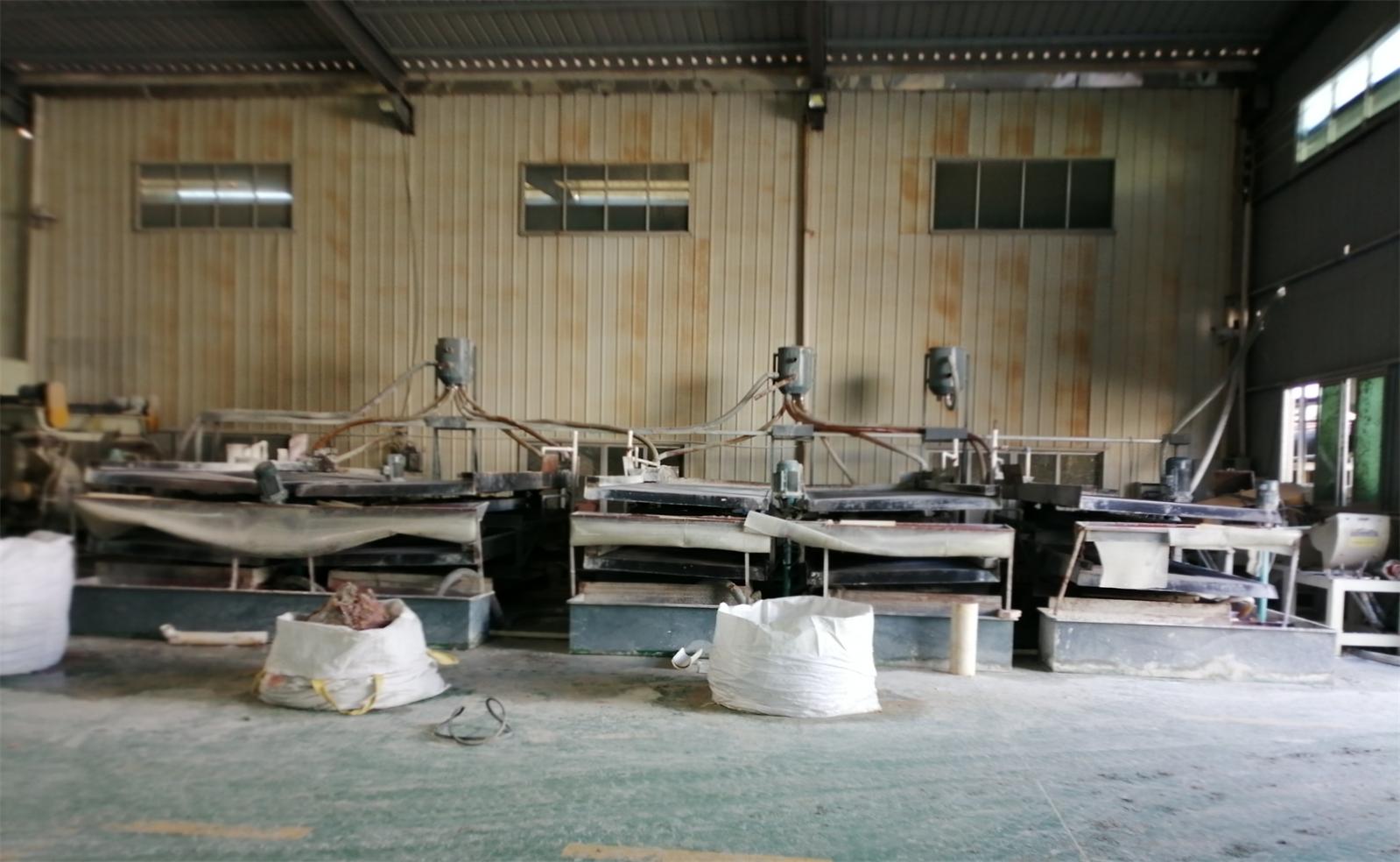
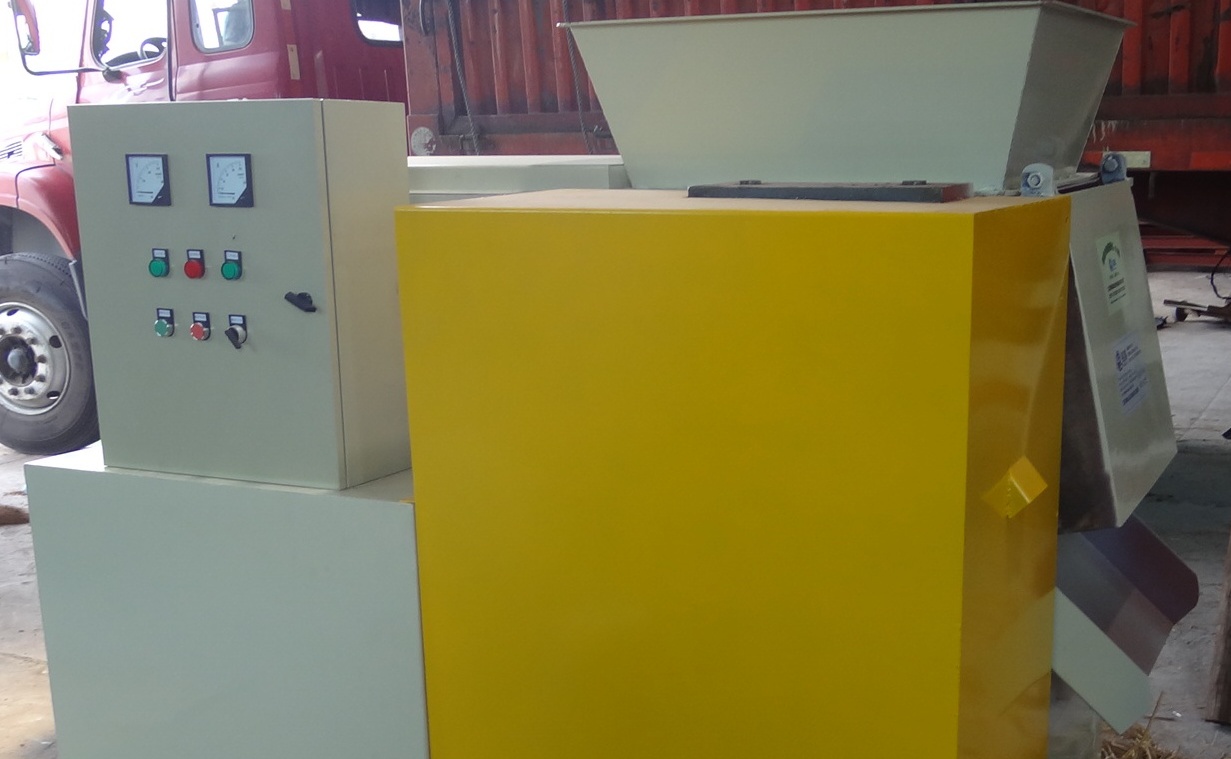
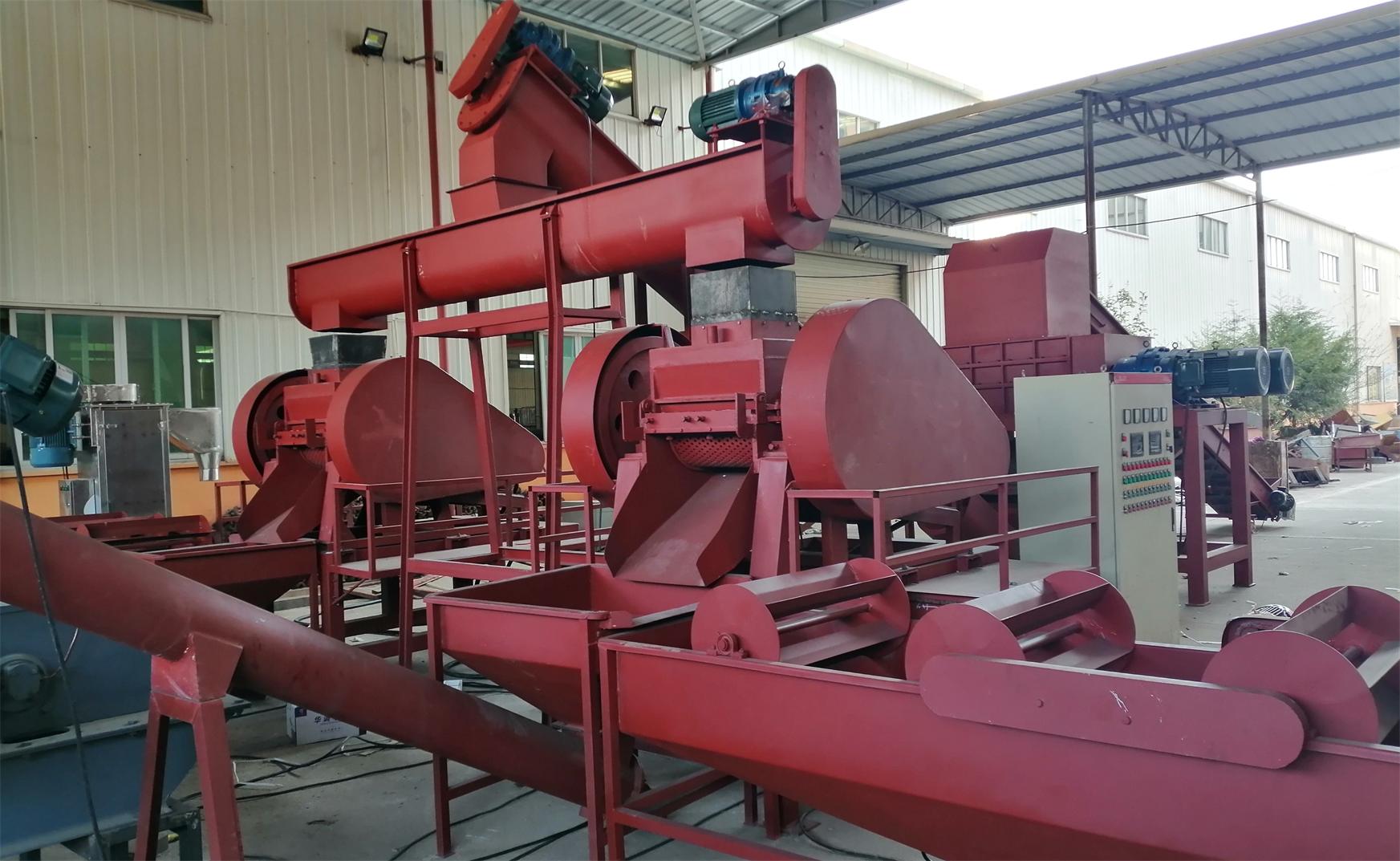
A complete cable recycling line typically includes several integrated machines. The first stage often involves a scrap cable stripper for large-diameter cables, which removes the outer insulation before granulation. For mixed or smaller cables, a cable granulator is the core machine. Granulators crush the material into small particles, and then an air or water separator separates copper or aluminum from plastic insulation. Some advanced systems also include an electrostatic separator for secondary purification, achieving higher metal purity.
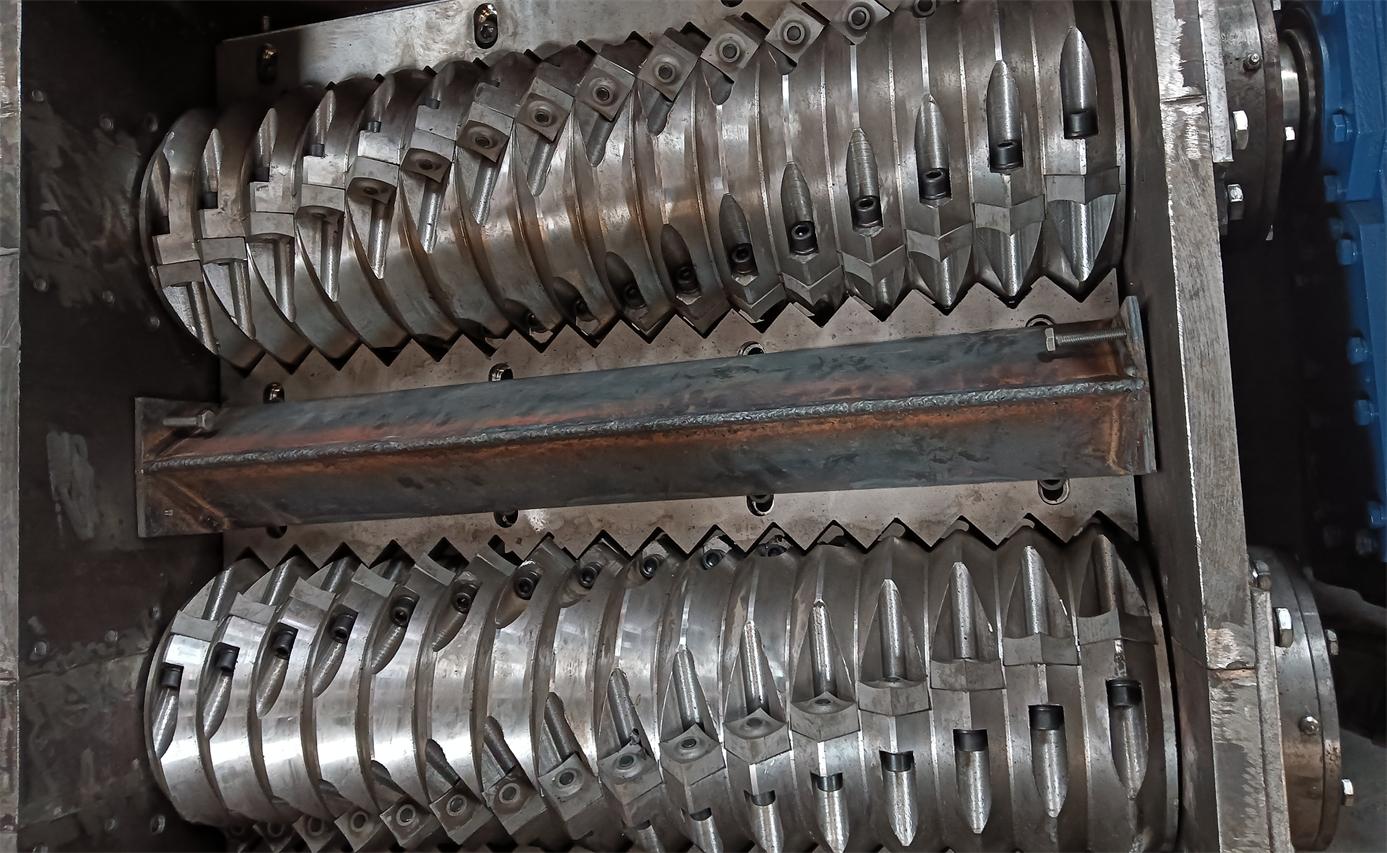
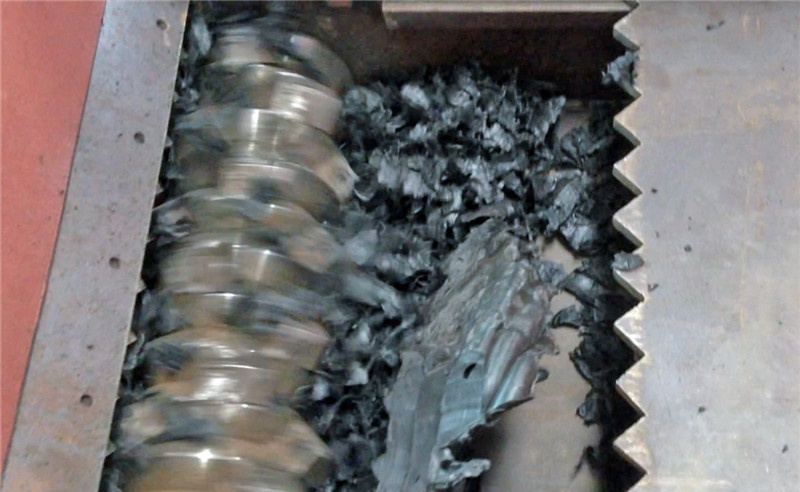
When evaluating a cable recycling machine, pay close attention to the crushing chamber design, blade material, and screen specifications. High-quality blades made from hardened steel ensure longer service life and consistent output size. The separation system should match your target purity levels. Dry separation is suitable for most standard applications, while wet separation may be necessary when processing complex printed circuit boards or materials with heavy contamination.
3. Match Capacity to Your Business Scale
Capacity is one of the most critical parameters. Equipment ranges from small units processing 100 kg per hour to industrial plants handling over 1,000 kg per hour. Overestimating your needs can lead to unnecessary capital expenditure, while underestimating creates production bottlenecks. Consider not only your current waste supply but also projected growth over the next three to five years. A modular system that allows capacity expansion can be a smart choice for growing operations. Also, remember that real-world throughput often differs from catalog specifications due to material variability, so request test runs with your actual feedstock whenever possible.
4. Evaluate Build Quality and Component Durability
Cable recycling is abrasive work. Crushing blades, screens, and bearings undergo significant wear. Look for machines built with high-strength alloy steel shafts, thickened steel plate housings, and blades that specify material grades such as SKD-11 or Cr12MoV. Proper heat treatment and surface hardening should achieve hardness levels around HRC 58-62. Ask the manufacturer about expected blade lifespan, availability of spare parts, and recommended maintenance intervals. Reputable suppliers will provide clear documentation and keep critical components in stock for fast delivery.
5. Choose a Supplier with Turnkey Experience
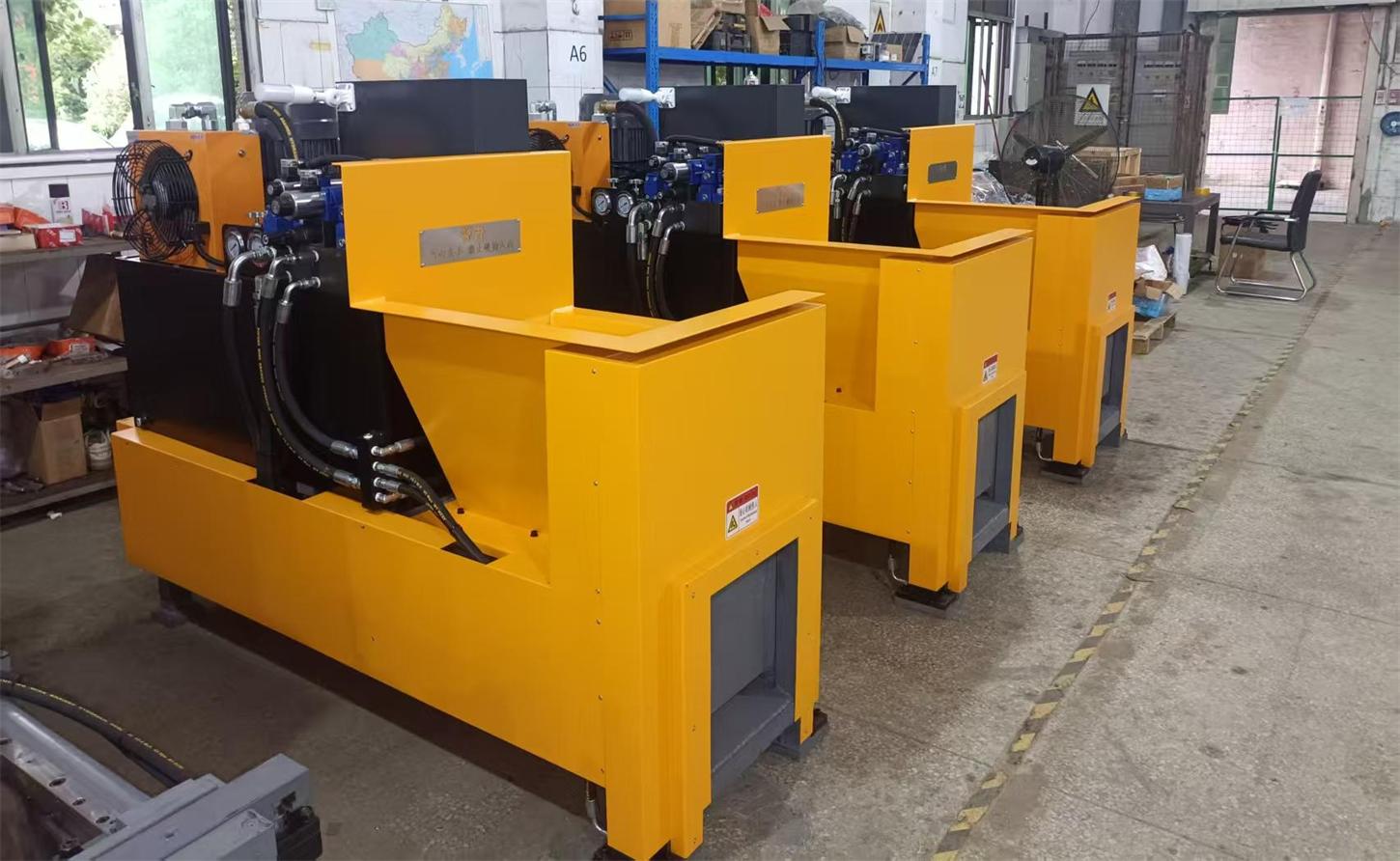
Beyond the machines themselves, the experience and support of your supplier play a decisive role in project success. A company that offers turnkey solutions including layout design, installation, commissioning, and operator training can save you months of trial and error. San Lan Technologies, established in 2007, has supplied cable recycling equipment to customers in over 21 countries. Their engineering team includes professionals with master's degrees in mechanical engineering and more than 15 years of hands-on experience in e-waste recycling machinery. This depth of expertise ensures that equipment is not only well-built but also properly integrated into efficient, environmentally compliant processing lines.
Key advantages of working with an experienced manufacturer:
- Customized plant design based on your material and site conditions
- One-stop purchasing for crushers, separators, shredders, and auxiliary equipment
- Professional installation and commissioning support
- Assistance with sourcing raw materials and selling recovered metals
6. Consider Environmental and Safety Compliance
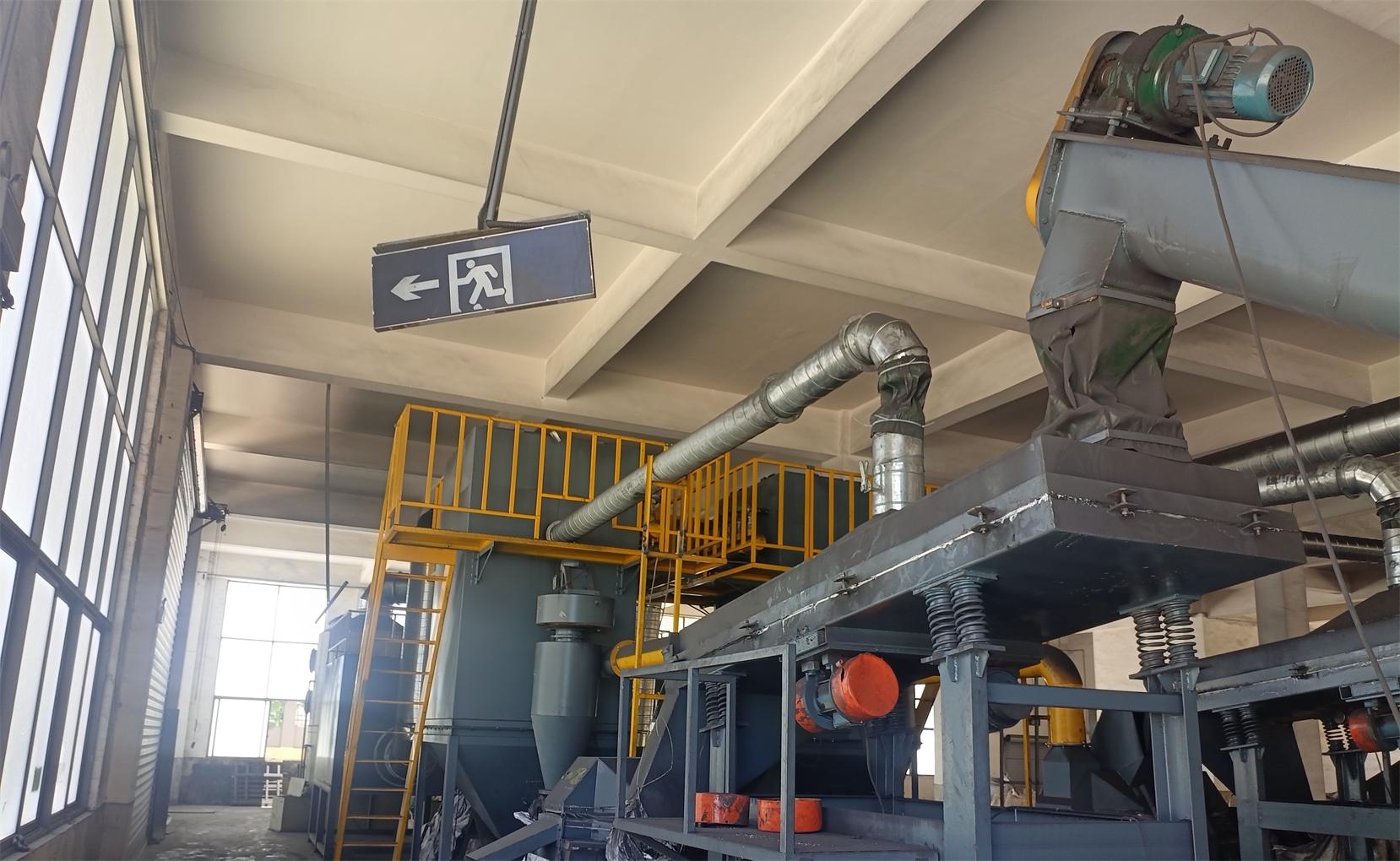
Modern recycling plants must meet strict environmental standards. Dust collection systems, noise reduction measures, and wastewater treatment (for wet processes) are not optional extras but essential components. Dry separation systems should include pulse bag dust collectors and cyclone separators to prevent airborne particle emissions. If your operation involves lead-acid batteries or lithium batteries alongside cable recycling, dedicated air pollution control systems may be required. Choose equipment designed with these compliance requirements in mind to avoid costly retrofits or regulatory penalties later.
7. Plan for Maintenance and Operational Efficiency
Even the best machinery requires regular maintenance. Daily cleaning of crusher screens and separator beds prevents material buildup that degrades sorting accuracy. Weekly checks of drive belt tension and bearing lubrication reduce unexpected downtime. Quarterly blade inspections and sharpening keep output quality consistent. When selecting a copper wire recycling machine, evaluate how easily you can access wear parts and whether the manufacturer provides detailed maintenance guides and responsive technical support. Equipment with well-designed access panels and standardized components simplifies upkeep and reduces long-term operating costs.
Conclusion: Choosing the right cable recycling equipment requires careful analysis of your materials, capacity needs, and supplier capabilities. By focusing on build quality, separation efficiency, and long-term support, you can build a recycling operation that delivers both profitability and environmental benefits. If you are planning a cable recycling project or upgrading an existing line, contact San Lan Technologies to discuss your requirements and explore equipment options tailored to your business.