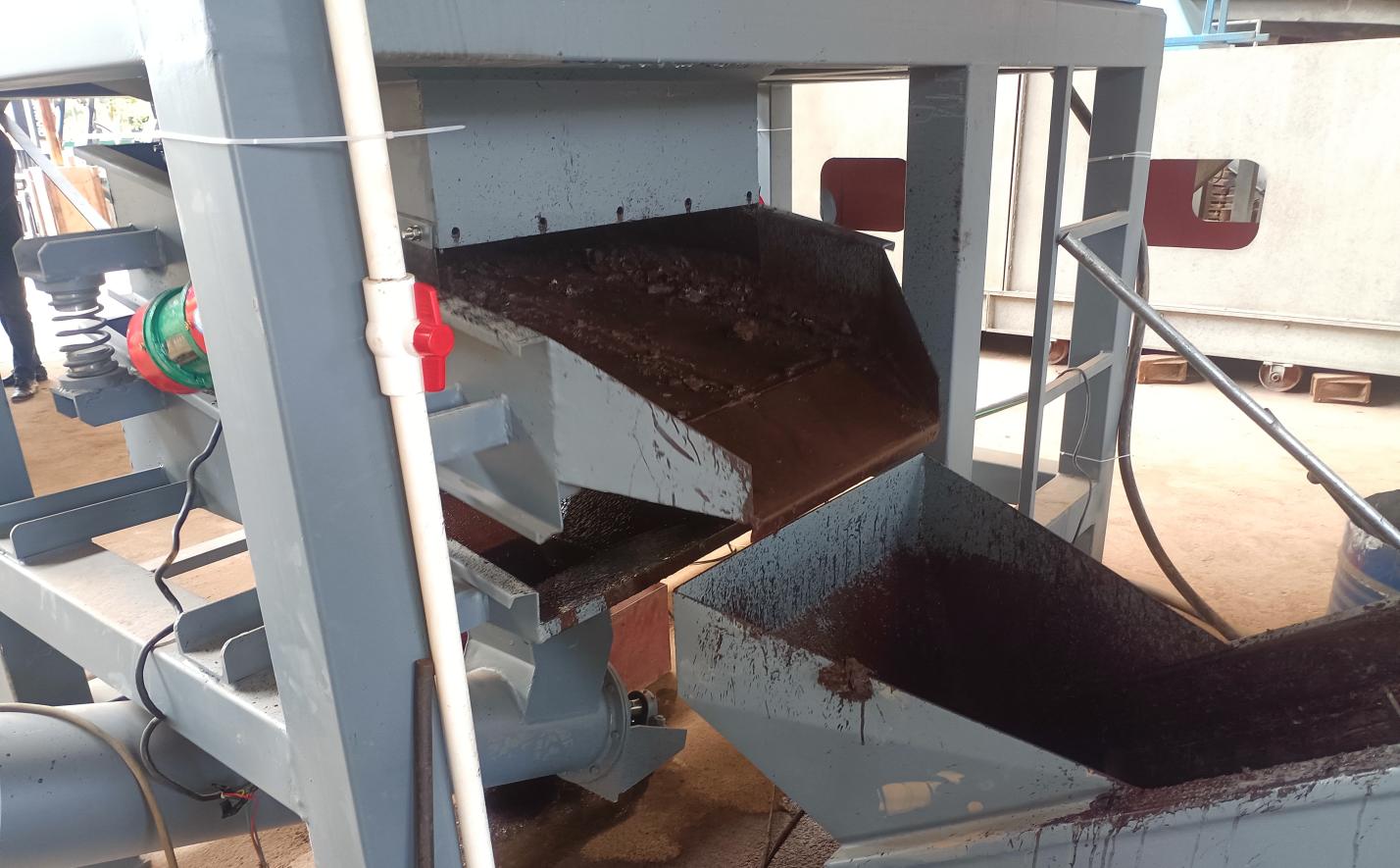
The pile of scrap cable in your yard is not waste. It is copper waiting to be recovered. But without the right equipment, that copper stays locked inside plastic insulation, and your margin stays locked at zero.
Cable recycling equipment has become one of the most consistent profit centers in the metal recovery industry. As infrastructure projects expand and electrical installations age, the volume of end-of-life cable continues to grow. For operators who invest in the right machinery, this stream represents a reliable source of high-purity copper and aluminum with strong resale value.
Most cable recycling operations follow a simple but critical sequence: size reduction, separation, and collection. The exact configuration depends on your feed material.
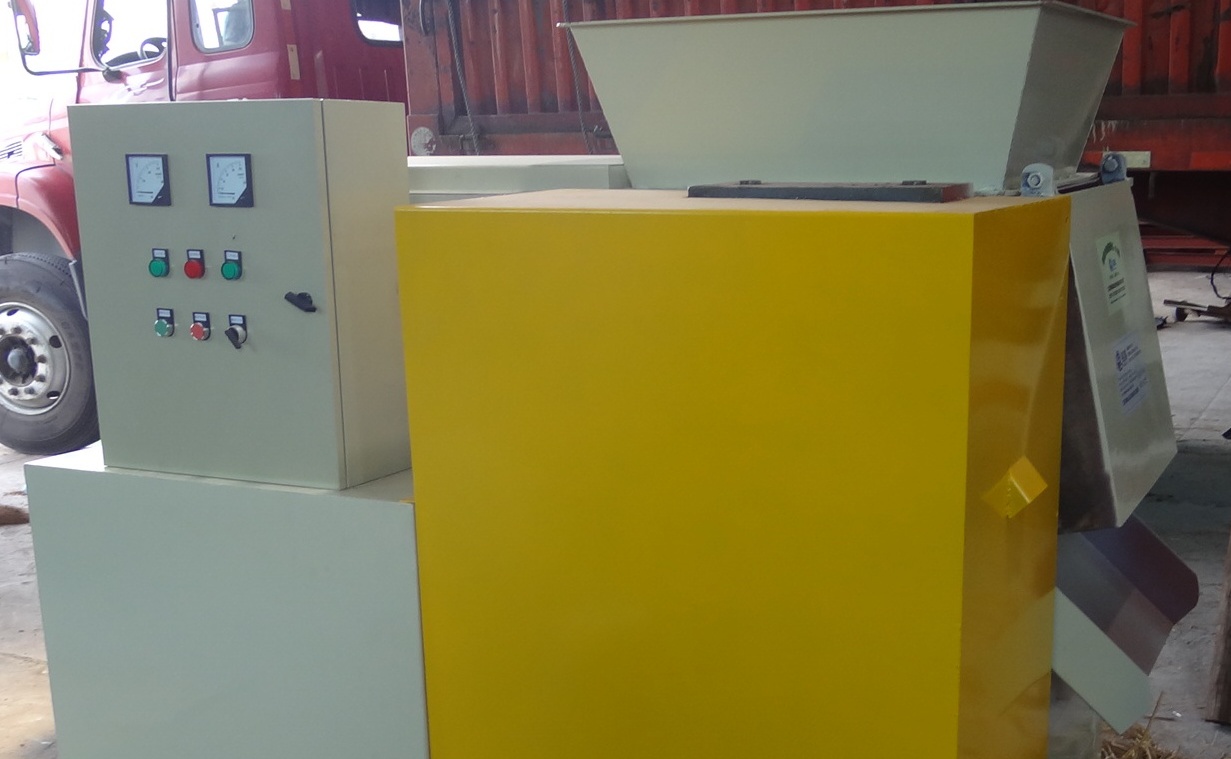
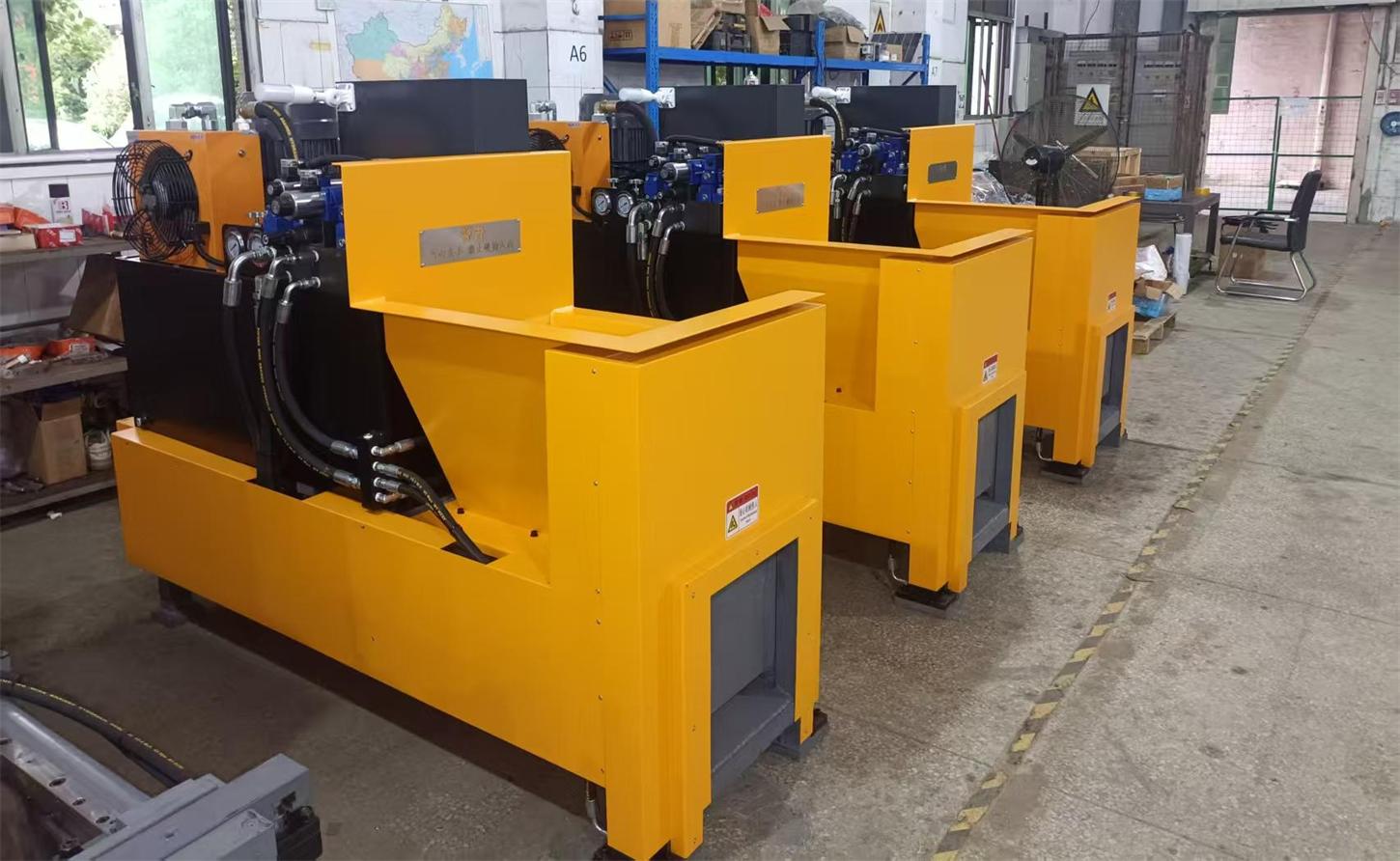
For thick, armored cable or large-diameter industrial wire, a scrap cable stripper equipment is often the first step. Stripping removes the outer jacket before granulation, reducing wear on downstream machinery and improving overall throughput. San Lan's stripper range handles cable diameters from 1.5 mm to 150 mm, with throughput up to 1,500 kg per ten-hour shift.
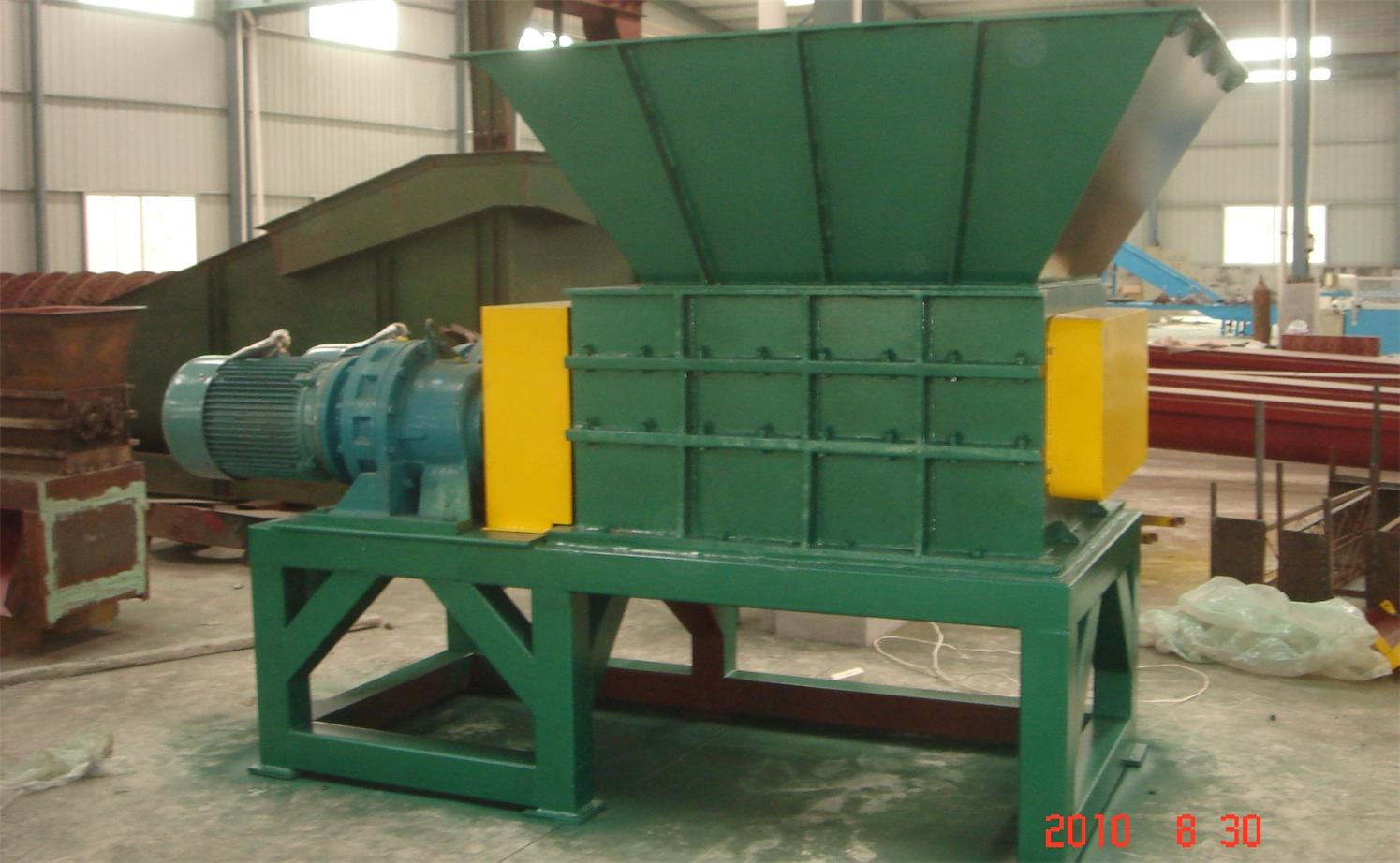
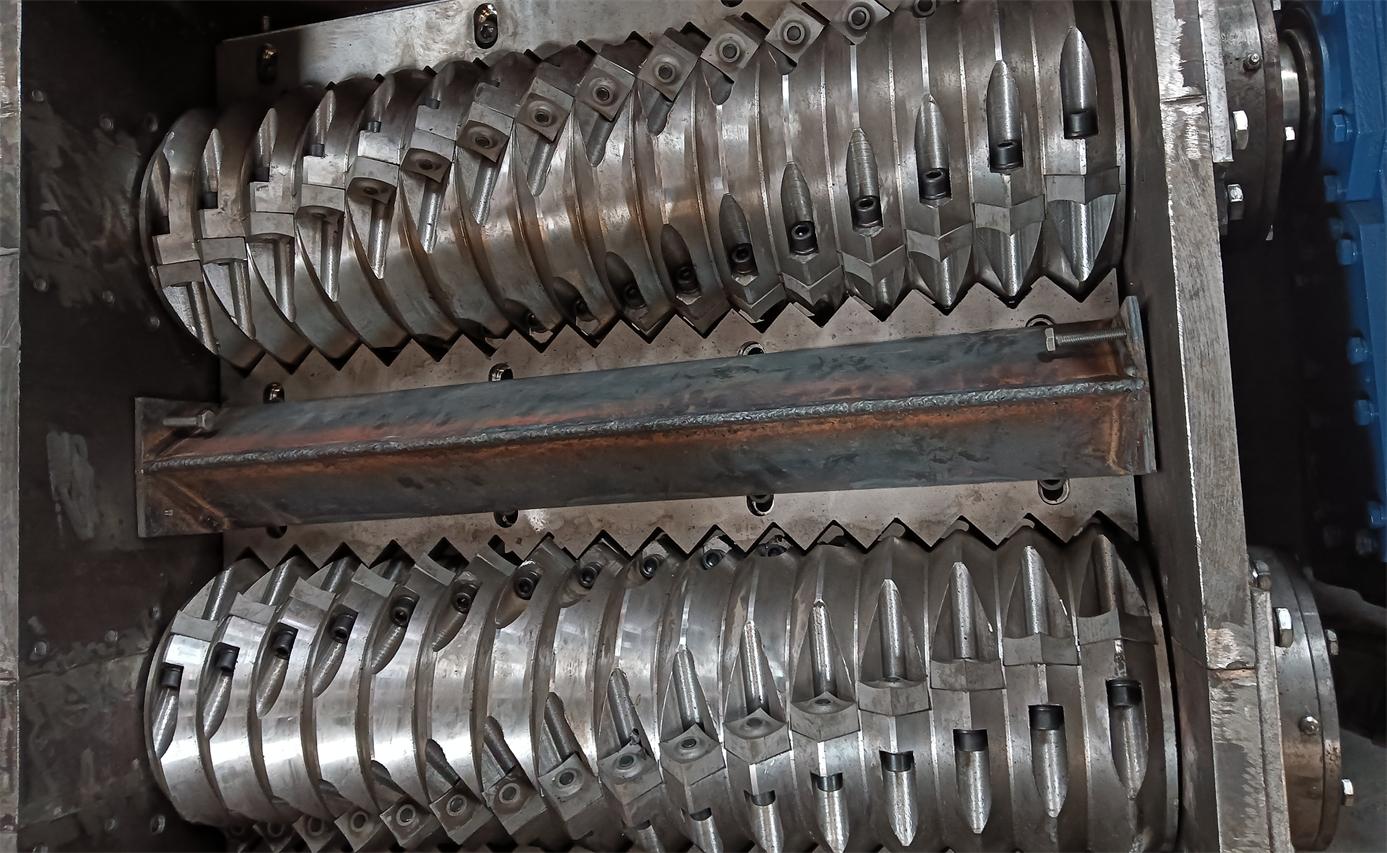
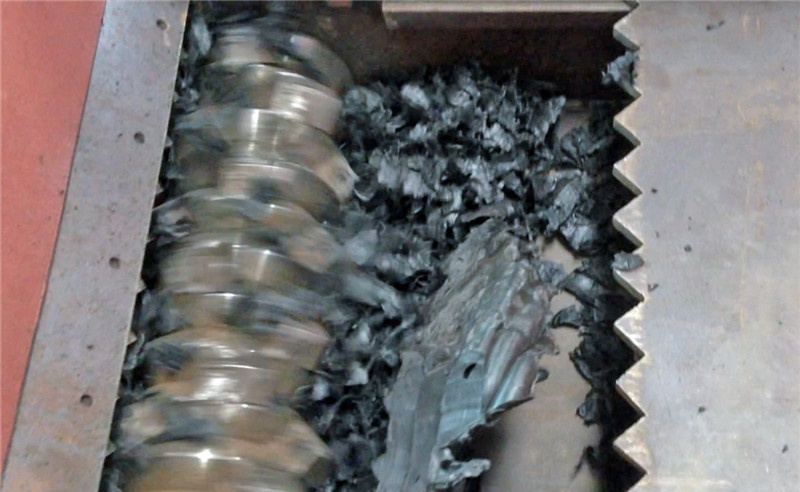
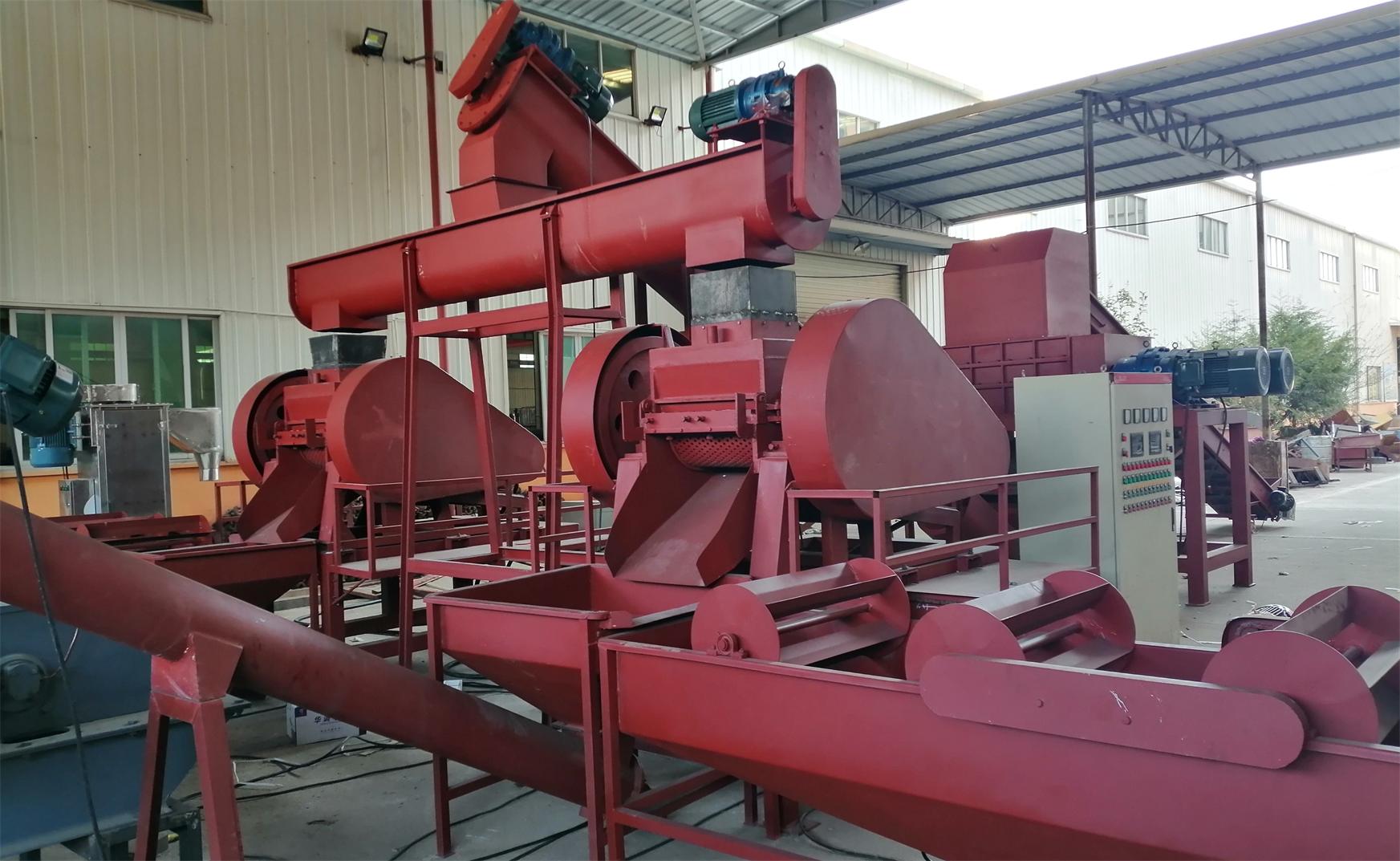
For mixed cable scrap — the typical collection of household wire, communication cable, and thin automotive harnesses — a cable recycling machine with integrated granulator and separator handles the entire process in one line. The granulator chops the cable into small particles, and the separator sorts metal from plastic using air classification or water-based density separation.
What cable diameters and types will you process? Some machines handle only dry, clean wire. Others process jelly-filled cable or wire with connectors intact. San Lan offers specialized solutions including a jelly-filled cable recycling plant for telecommunications cable.
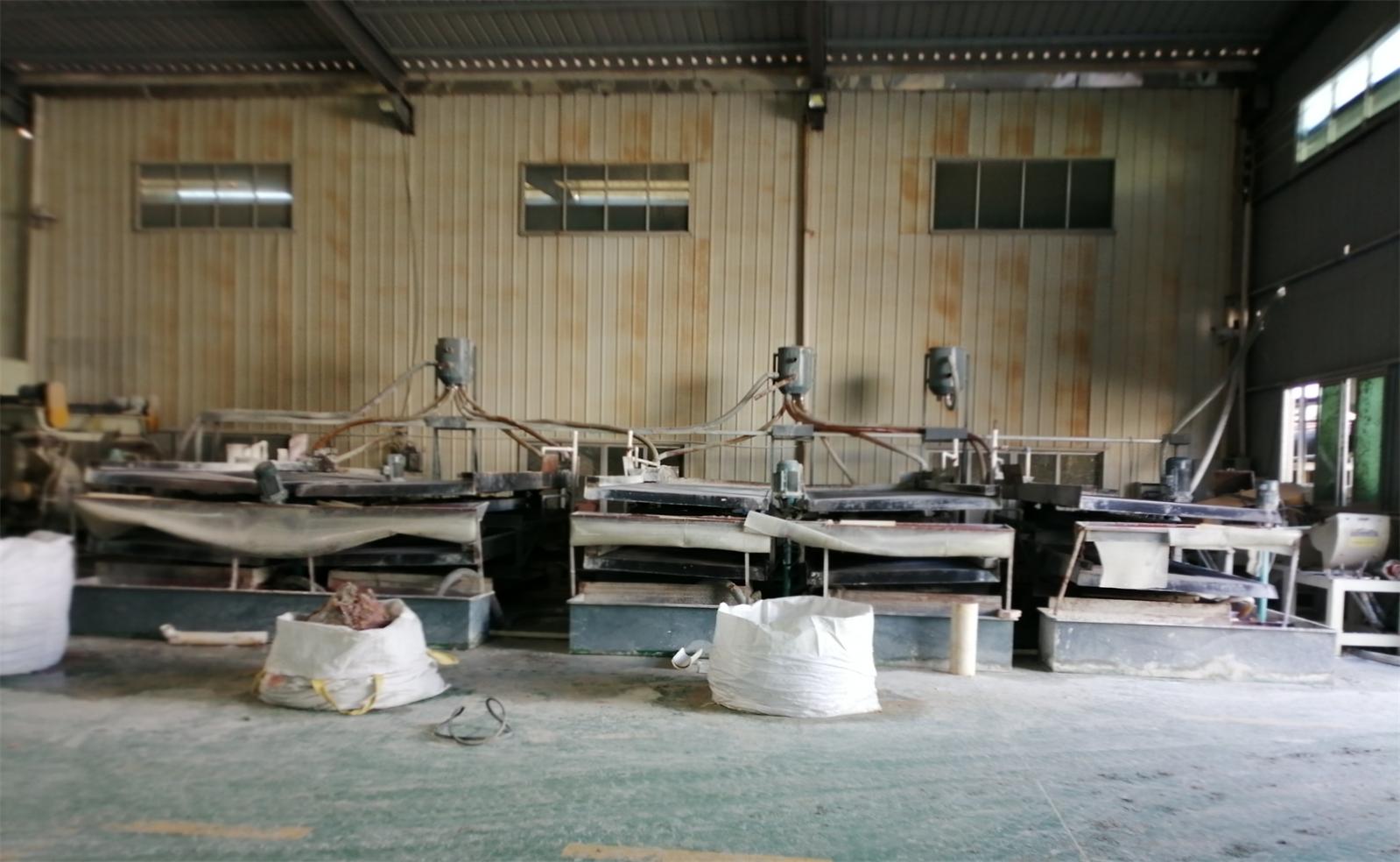
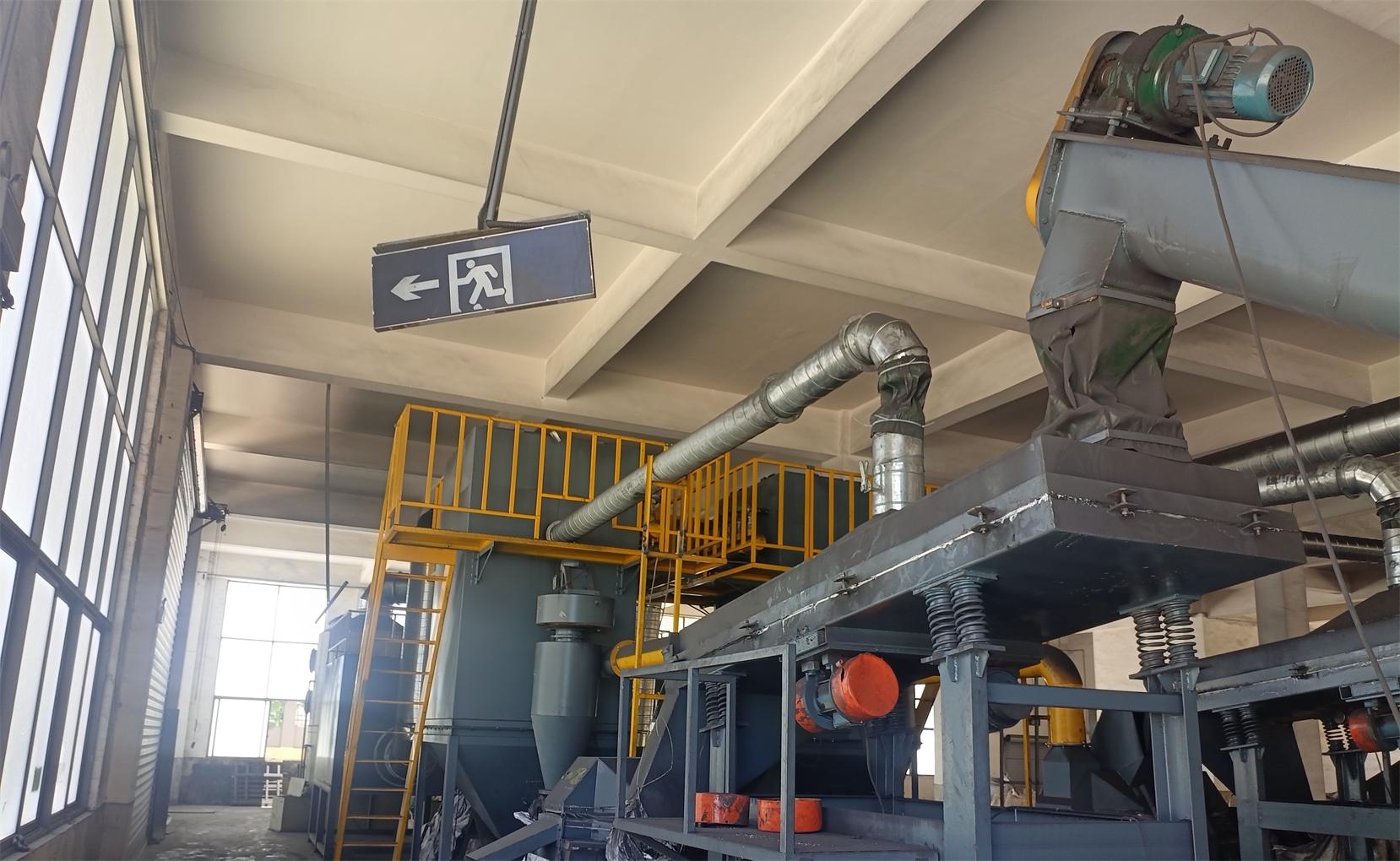
Dry separation uses air classification and vibrating screens. It works well for clean, homogeneous scrap and requires no water treatment. Wet separation uses water density separation. It achieves higher purity and can process cable with components or heavy contamination. The trade-off is a water treatment circuit. San Lan provides both dry-separator and wet-separator configurations.
Overbuilding capacity ties up capital. Underbuilding capacity creates bottlenecks. Match your equipment to your realistic monthly feed volume, with headroom for growth. San Lan's cable granulator range covers compact units for small yards up to larger systems for industrial-scale operations.
Installation, commissioning, spare parts availability, and technical consultation matter more than the initial price. A machine that sits idle because of a missing part costs more than a slightly higher initial investment.
San Lan Technologies Co., Ltd, established in 2007, manufactures a full range of copper wire recycling machine and integrated cable recycling plants. With customers in over 21 countries across Singapore, Colombia, Vietnam, Mexico, Argentina, Korea, Malaysia, and others, the company has built a track record in diverse operating conditions.
The technical team includes mechanical engineers with master's degrees and more than 15 years of direct experience in e-waste recycling equipment design. Beyond standalone machines, San Lan provides EPC project support — engineering, procurement, and construction — for operators building new recycling facilities. The company also assists with waste material sourcing, plant installation and commissioning, and even product offtake for recovered copper.
Whether you are expanding an existing scrap yard or launching a dedicated cable recycling operation, equipment selection determines your recovery rate, operating cost, and environmental compliance. Contact San Lan Technologies to discuss your material stream and capacity requirements.