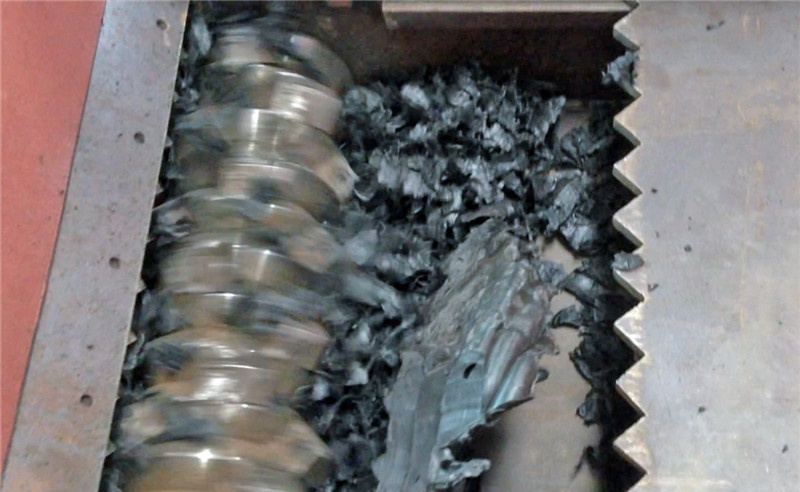
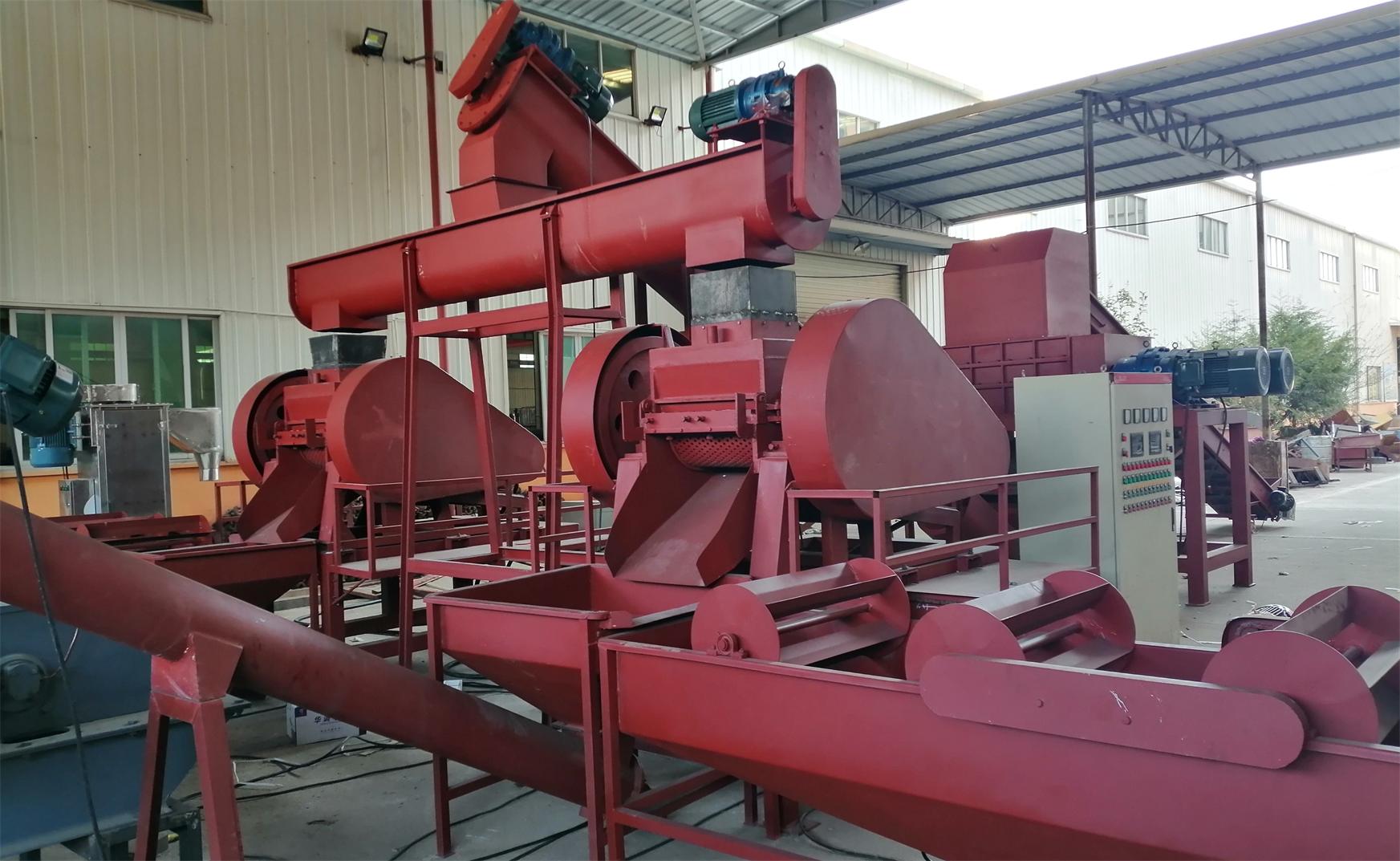
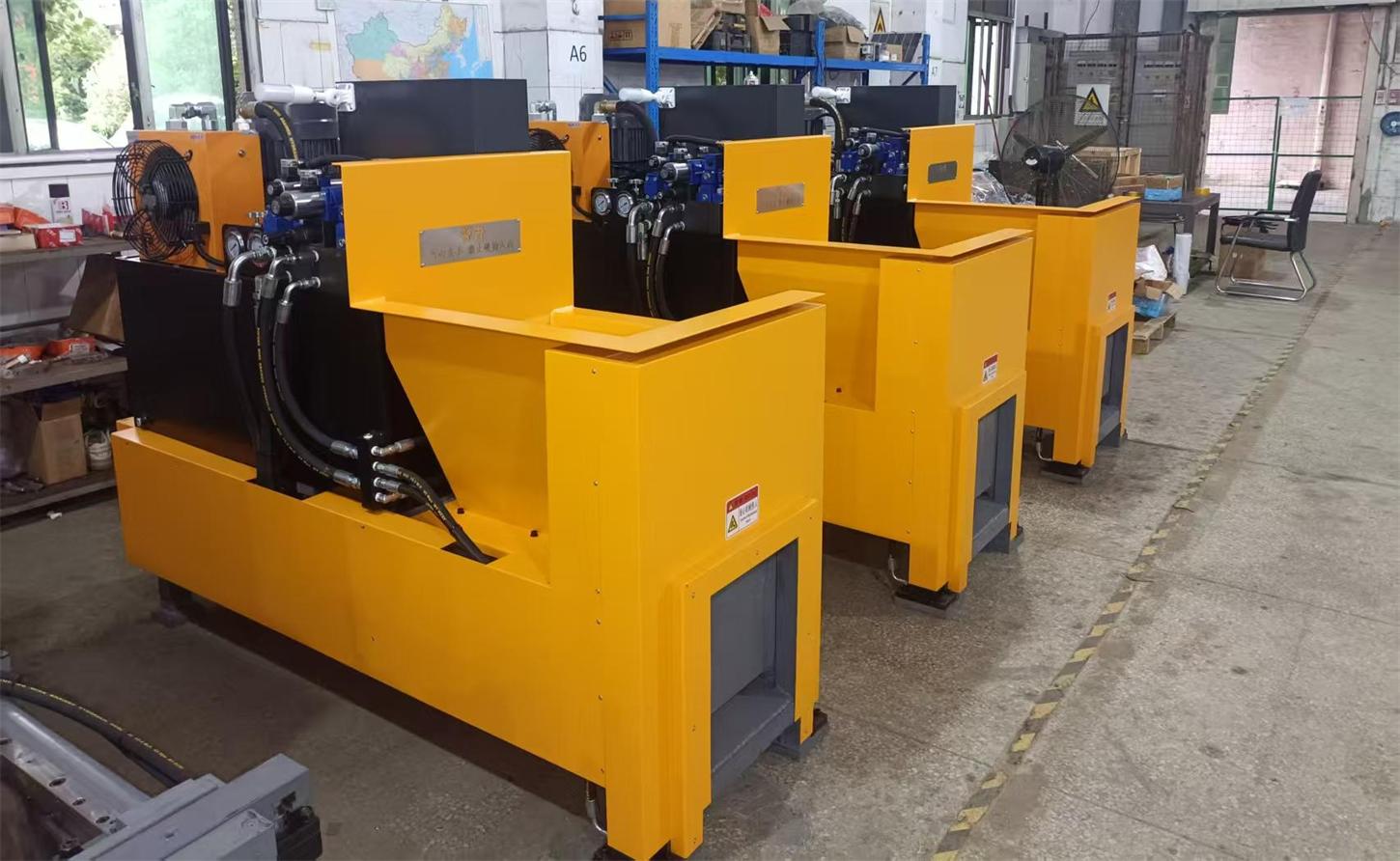
Every year, millions of tonnes of electronic waste end up in landfills or informal recycling operations. Among all e-waste streams, printed circuit boards (PCBs) stand out as one of the most valuable — and one of the most challenging to process. A single tonne of mobile phone circuit boards can contain more gold than a tonne of high-grade mined ore, along with substantial quantities of copper, silver, and palladium. Yet recovering these metals efficiently requires the right circuit board recycling equipment — a decision that can make or break the profitability of your entire operation.
Why Investing in PCB Recycling Equipment Makes Business Sense
The global e-waste recycling market is projected to reach $145 billion by 2030, driven by rising electronics consumption, shorter device lifecycles, and stricter environmental regulations worldwide. Circuit boards represent one of the highest-value fractions within this waste stream. They contain copper (typically 10–25% by weight), along with precious metals that command strong market prices year after year.
For recycling businesses, the calculation is straightforward: every kilogram of PCB waste that passes through your facility represents recoverable metal value. The key question is not whether to recycle PCBs, but how to do it with the highest recovery rate, the lowest operating cost, and full environmental compliance. This is where choosing the right recycling equipment becomes critical.
Understanding Circuit Board Recycling: Dry Process vs. Wet Process
Modern circuit board recycling plants use either a dry (air-based) separation process or a wet (water-based) separation process. Each method has distinct advantages depending on your feedstock, capacity requirements, and end-product goals.
Dry Process (Air Separation)
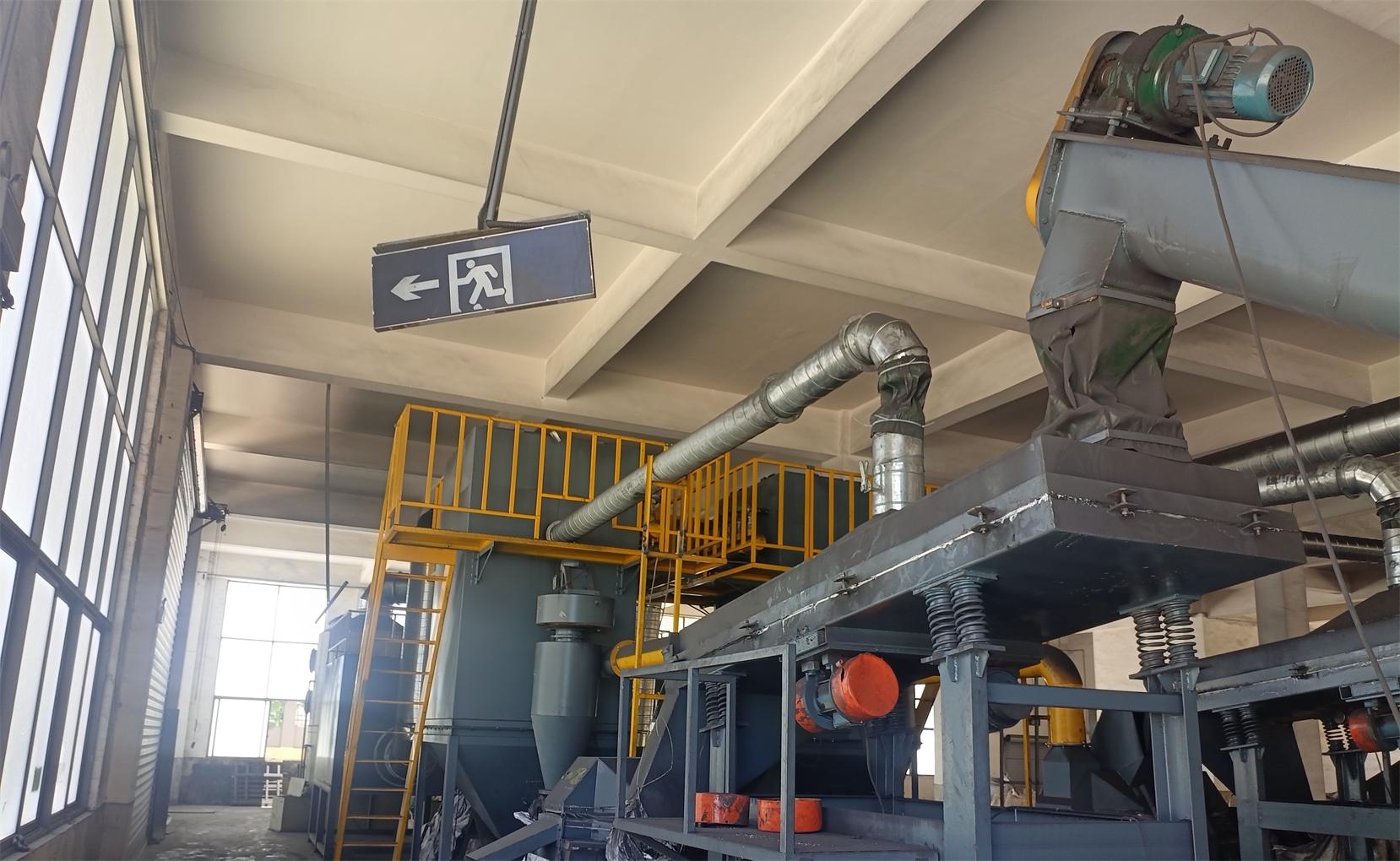
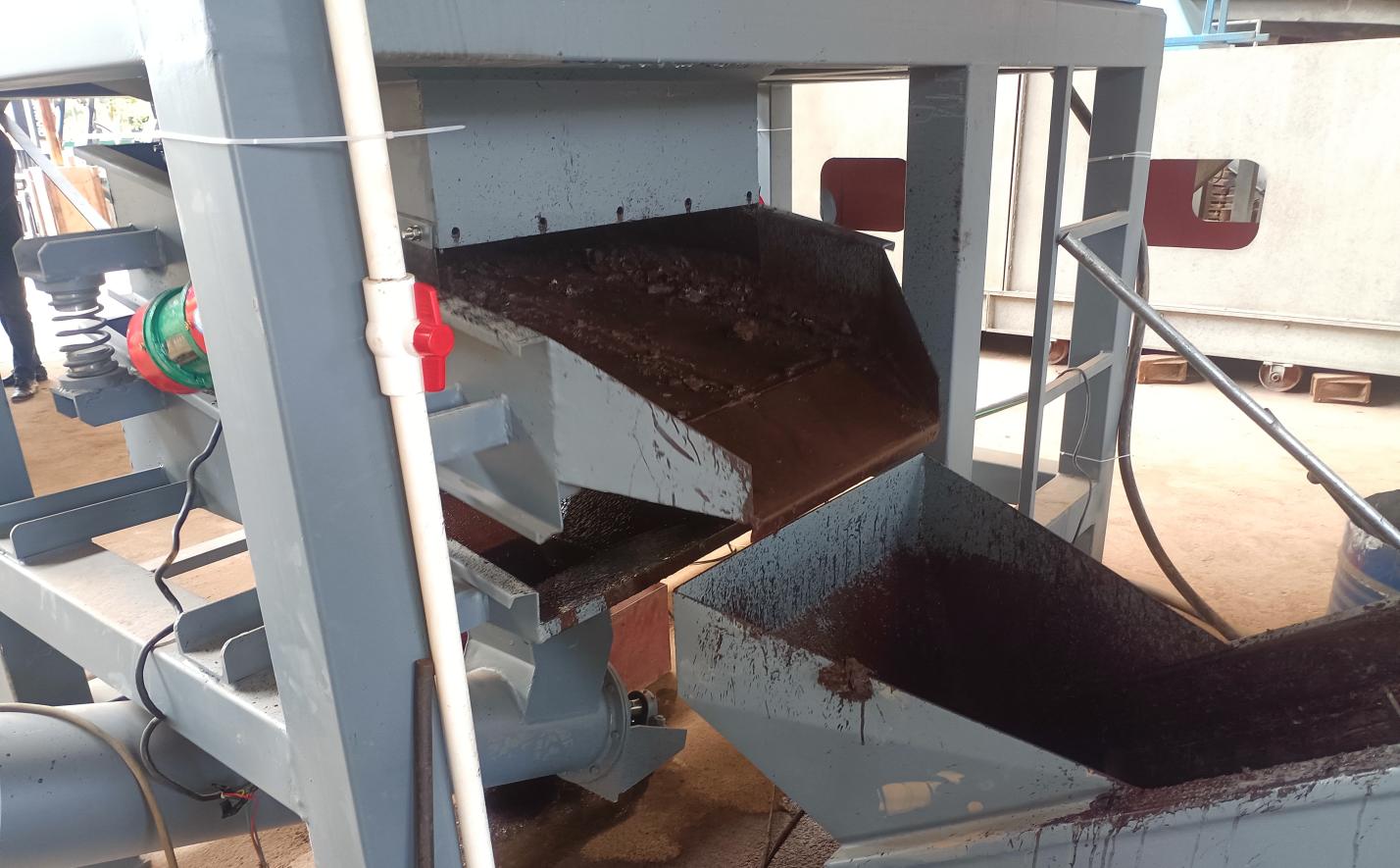
Dry process equipment uses air flow, vibrating screens, and electrostatic separators to sort crushed PCB particles by density and conductivity. The main advantage is that it produces no wastewater, which simplifies environmental permitting and reduces operating costs. Modern dry separation systems can achieve copper powder purity of 96–98%, making them suitable for most commercial recycling operations. These systems typically include an air separator, a dry vibrating screen, a cyclone separator, and a pulse bag dust collector — all working together in a closed-loop system that prevents dust pollution.
Wet Process (Water Separation)
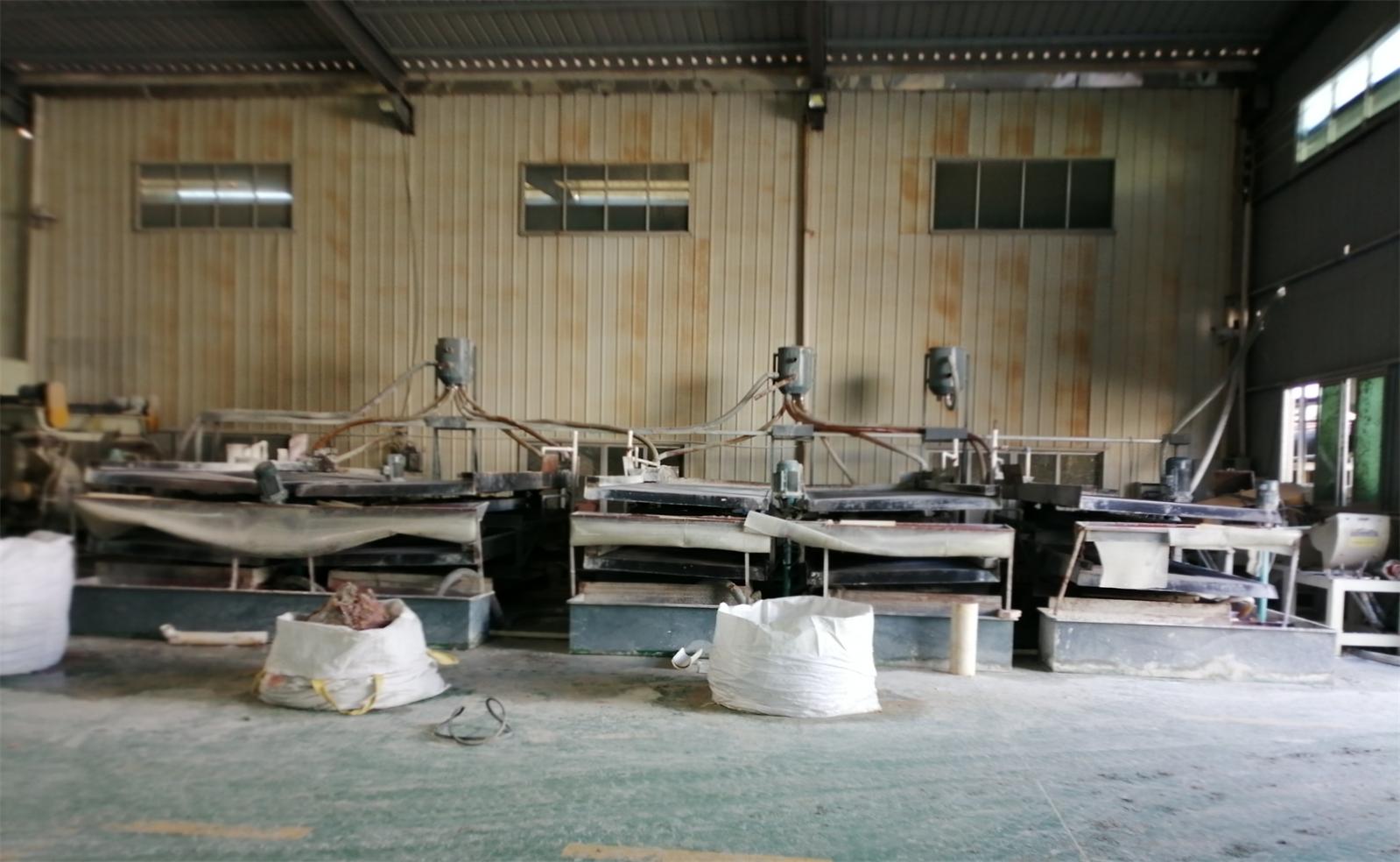
Wet separation uses water as a medium to separate metals from non-metallic materials based on specific gravity differences. While wet systems require a water treatment circuit, they often achieve slightly higher recovery rates and can handle PCB waste that still has components attached — eliminating the need for a separate dismantling step. Wet process plants are particularly effective for operations processing mixed or lower-grade PCB scrap.
The choice between dry and wet ultimately depends on local water availability, environmental regulations, and the specific composition of your feedstock. Many established recyclers operate both types or choose a hybrid approach tailored to their material flow.
Key Factors to Consider When Selecting Equipment
1. Processing Capacity
Circuit board recycling plants come in a wide range of capacities, from compact 300–500 kg/hour units suitable for small-scale operations to large 2,000 kg/hour industrial systems. Your choice should match both your current feedstock volume and your growth projections over the next 3–5 years. A plant that is too small will bottleneck your operation; one that is too large will sit underutilized and tie up capital.
2. Copper Recovery Rate and Purity
The two metrics that determine your revenue are recovery rate (how much of the available copper you actually extract) and purity (the quality of the copper powder you produce). Top-tier systems achieve recovery rates above 95% and copper purity of 96–98%. These numbers translate directly to your bottom line — a 5% difference in recovery rate on a 2,000 kg/hour plant processing 16 tonnes per day can mean hundreds of thousands of dollars in additional annual revenue.
3. Environmental Compliance
PCB recycling generates dust and, in wet processes, wastewater. Your equipment must include adequate dust collection systems (pulse bag filters, cyclone separators) and, where applicable, water treatment capabilities. Regulations are tightening globally, and investing in compliant equipment upfront avoids costly retrofits and potential shutdowns later.
4. Automation and Ease of Operation
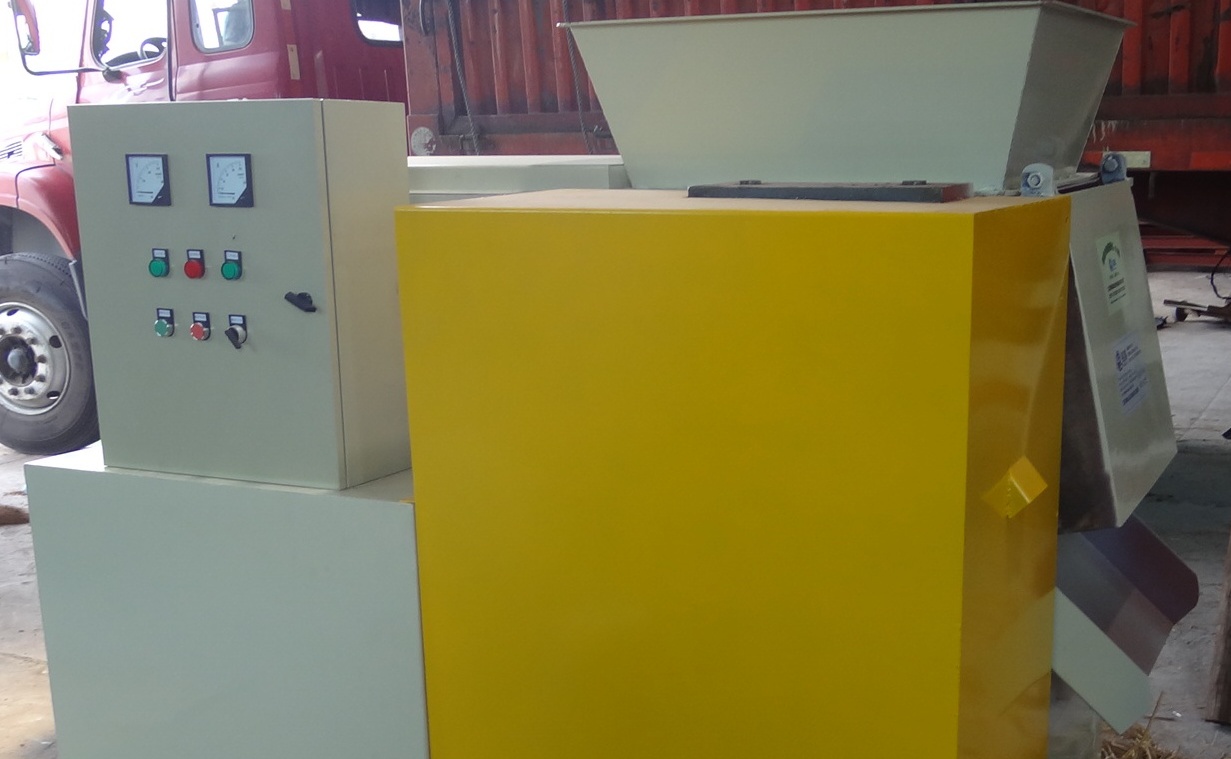
A fully automated mechanical process reduces labor costs, improves consistency, and minimizes operator error. Look for equipment with PLC control systems, automated feeding mechanisms, and intuitive interfaces. The best plants require minimal operator intervention once running, freeing your team to focus on feedstock sourcing and output logistics.
San Lan Technologies: A Trusted Recycling Equipment Supplier
Since 2007, San Lan Technologies Co., Ltd has established itself as a professional recycling equipment supplier serving customers across more than 21 countries, including Singapore, Mexico, South Korea, Malaysia, South Africa, and Saudi Arabia. Headquartered in Ganzhou, Jiangxi Province, China, the company manufactures a complete range of circuit board recycling plants with capacities from 300 kg/hour to 2,000 kg/hour — available in both dry and wet separation configurations.
San Lan's circuit board recycling lineup includes:
— The WCBD-300A compact dry separator plant, ideal for entry-level operations processing 300–500 kg/hour
— The WCBD-1000A and WCBD-2000A air separation plants with third-generation separation technology achieving 96–98% copper purity
— The WCB-005C and WCB-2000C wet separator plants, capable of handling PCB waste with components still attached
What sets San Lan apart from many equipment manufacturers is their comprehensive EPC (Engineering, Procurement, Construction) project capability. Rather than simply selling machinery, San Lan's team — led by engineers with master's degrees in mechanical engineering and over 15 years of industry experience — provides customized plant design, one-stop procurement, and on-site installation and commissioning support. This turnkey approach is particularly valuable for first-time recyclers who need guidance through every stage of setting up a facility.
Beyond the equipment itself, San Lan offers value-added services that address common pain points in the recycling business: helping customers source waste materials (PCB scrap, cable scrap, used lead acid batteries), assisting with the sale of end products such as copper powder and copper rice, and even connecting customers with potential investors and partners for recycling plant construction projects.
Beyond Circuit Boards: A Complete E-Waste Solution
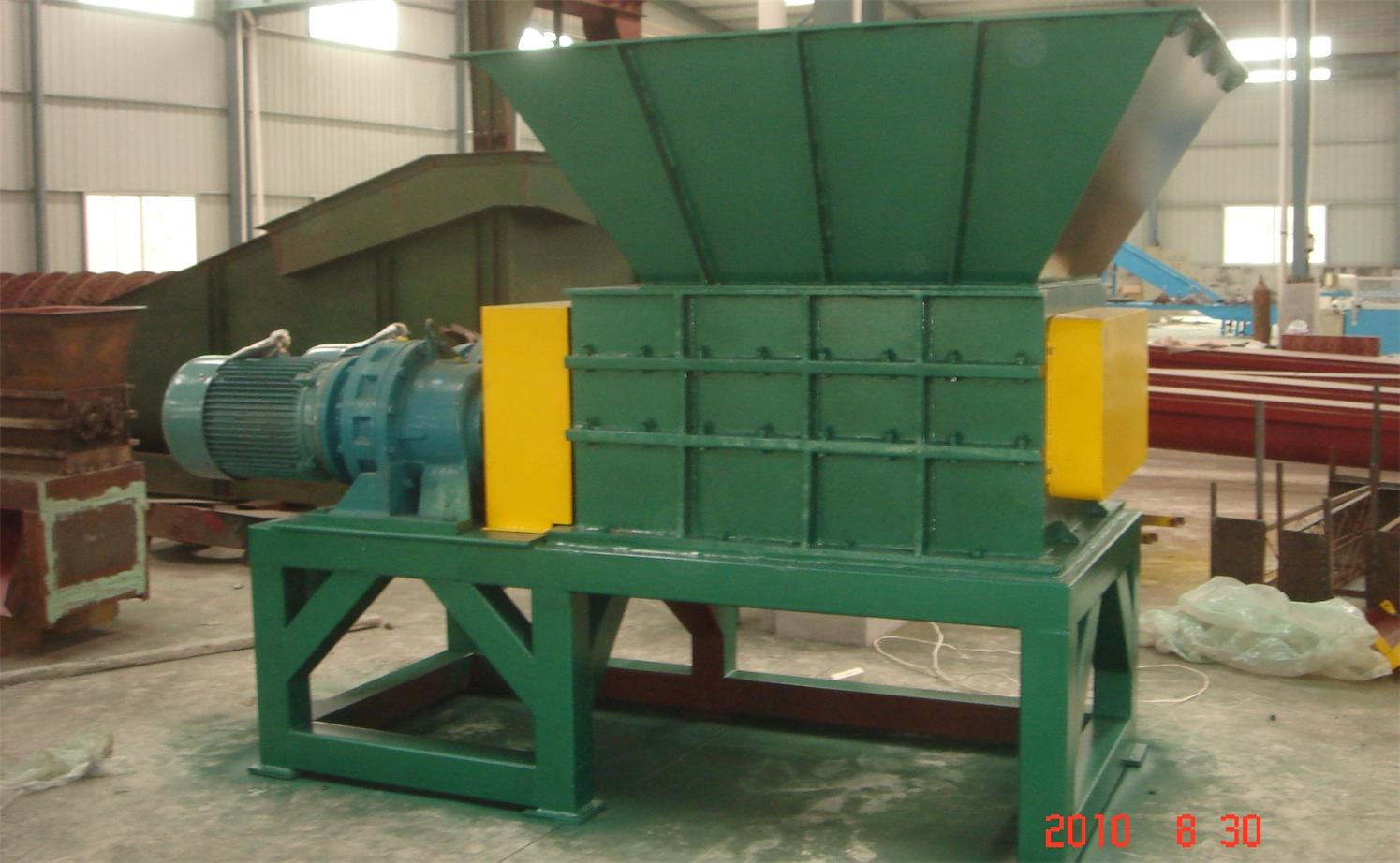
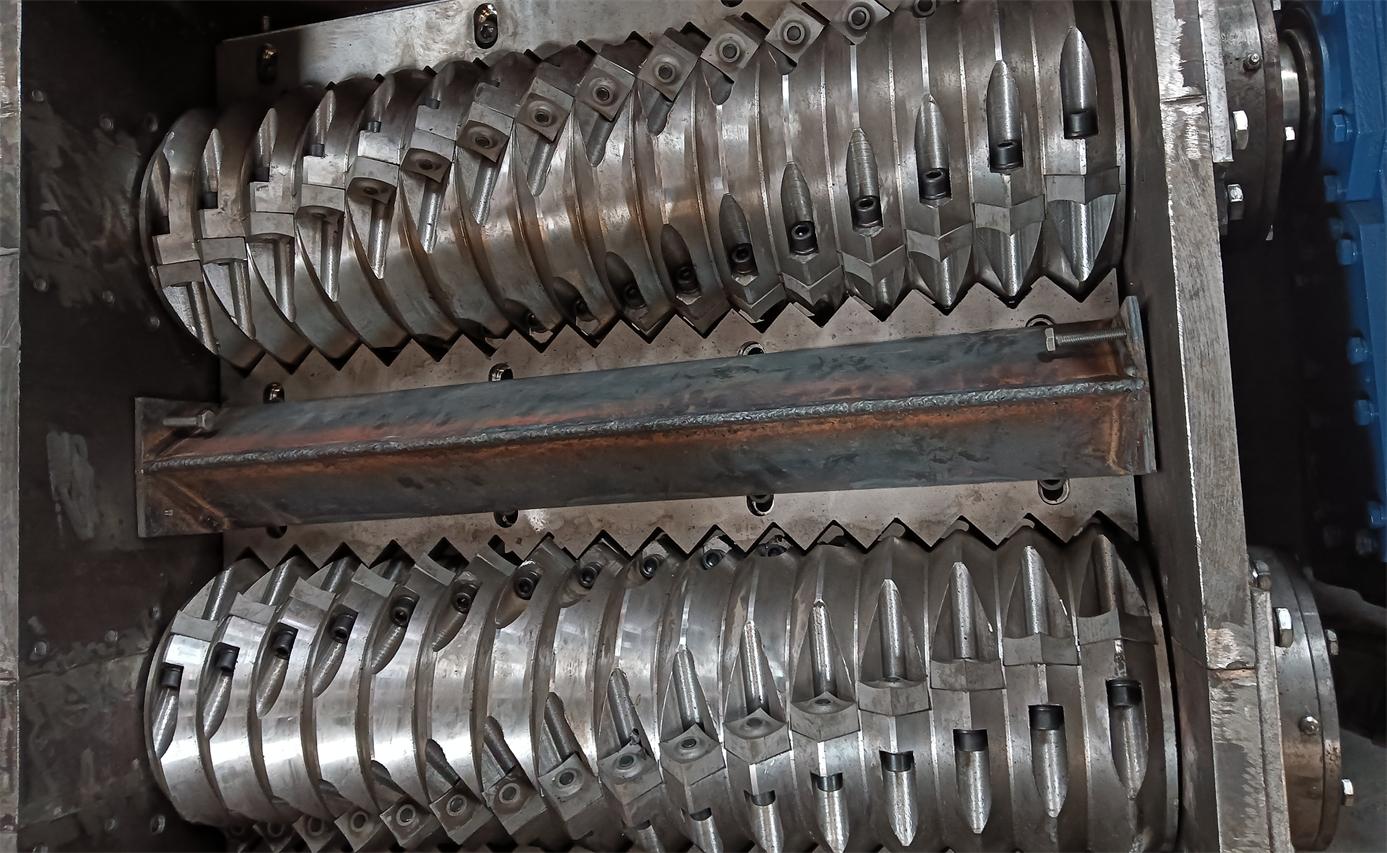
While circuit board recycling is a core strength, San Lan's product portfolio extends across the full spectrum of e-waste processing. Their manufacturing range includes lead acid battery recycling plants (breaking and separation systems, rotary furnaces, desulfurization units, and refinery kettles), lithium-ion battery recycling plants with capacities from 500 to 2,500 kg/hour, cable recycling machines and granulators, and specialized equipment for CRT monitors, refrigerators, air conditioners, and electric motors. For recyclers looking to diversify their feedstock or expand into adjacent waste streams, having a single equipment partner across multiple categories simplifies procurement, maintenance, and technical support.
Making the Right Investment
Selecting circuit board recycling equipment is a decision that will shape your operation's efficiency, profitability, and compliance for years to come. The right equipment supplier should offer more than a machine — they should provide engineering expertise, installation support, and ongoing technical assistance. With nearly two decades of experience, a global customer base, and a comprehensive product line spanning the entire e-waste recycling chain, San Lan Technologies represents a strong option for recyclers at any stage of growth.
Ready to Start or Expand Your PCB Recycling Operation?
Contact San Lan Technologies today to discuss your project requirements. Whether you need a single machine or a complete turnkey recycling plant, their engineering team can design a solution tailored to your feedstock, capacity goals, and budget. Reach out via email at info@san-lan.com or visit www.san-lan.com to explore the full product range.