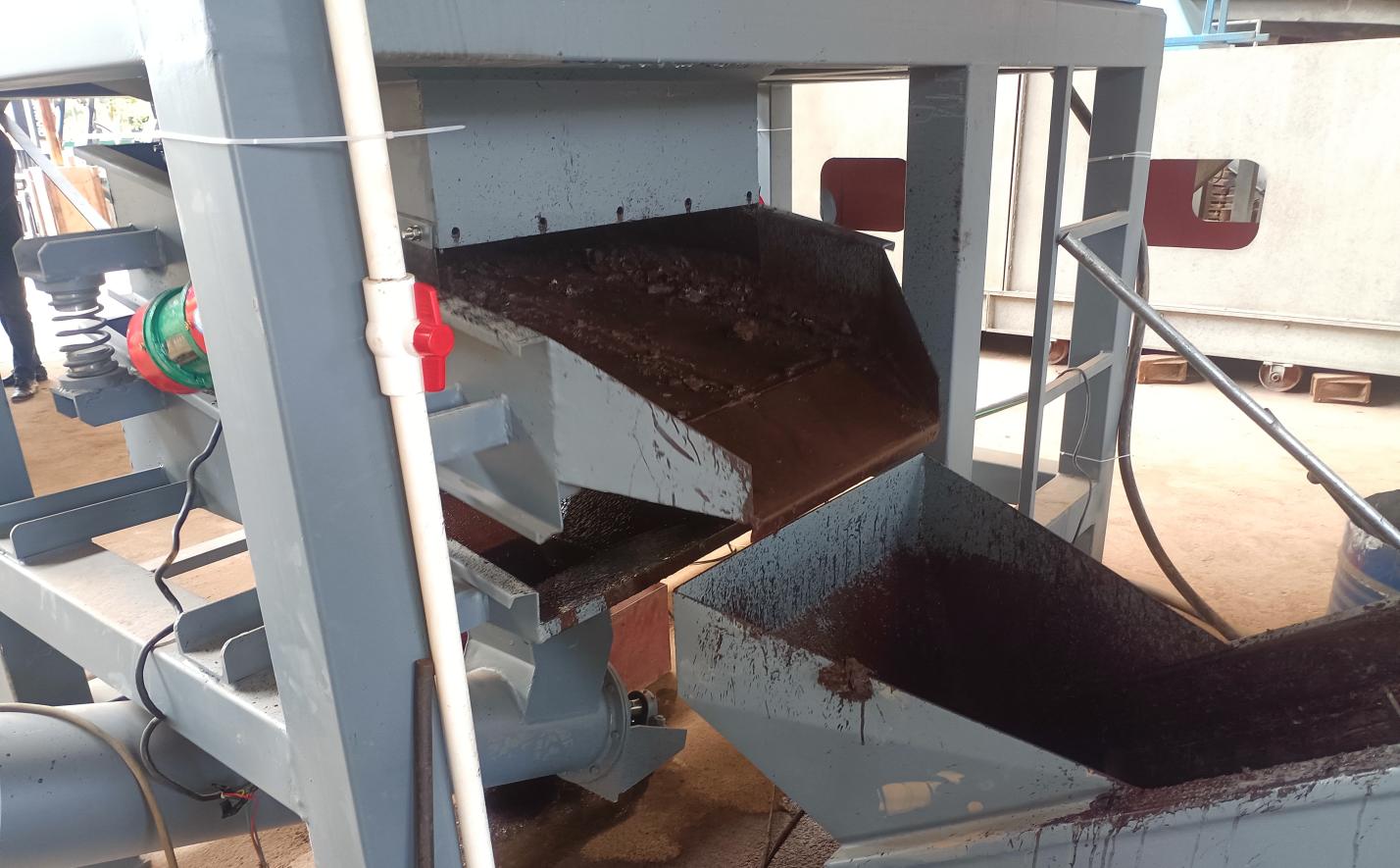
How to Choose the Right E-Waste Recycling Equipment for Maximum Recovery and Profit
The global e-waste recycling market is growing rapidly, driven by stricter environmental regulations and increasing demand for recovered metals. Whether you are starting a new recycling operation or upgrading existing facilities, selecting the right equipment is the most critical decision you will make.
Why E-Waste Recycling Is a High-Growth Opportunity
Electronic waste represents one of the fastest-growing waste streams worldwide. According to the UNITAR Global E-Waste Monitor, millions of tonnes of e-waste are generated annually, yet a significant portion still goes to informal or improper disposal channels. This gap creates a massive opportunity for formal recyclers who invest in professional recycling equipment.
The economic case is compelling. Recovered metals such as copper, lead, lithium, cobalt, and nickel command strong prices in global commodity markets. A well-designed recycling plant can achieve recovery rates exceeding 90% for many materials, turning waste streams into profitable revenue sources while meeting environmental compliance requirements.
Key Equipment Categories for a Complete Recycling Operation
A comprehensive e-waste recycling facility typically requires multiple processing lines to handle different material streams. Here are the core equipment categories that serious operators should consider:
Battery Recycling Systems
Lead-acid and lithium-ion battery recycling plants break down used batteries to recover lead, lithium, cobalt, nickel, and plastic components.
Circuit Board Recycling
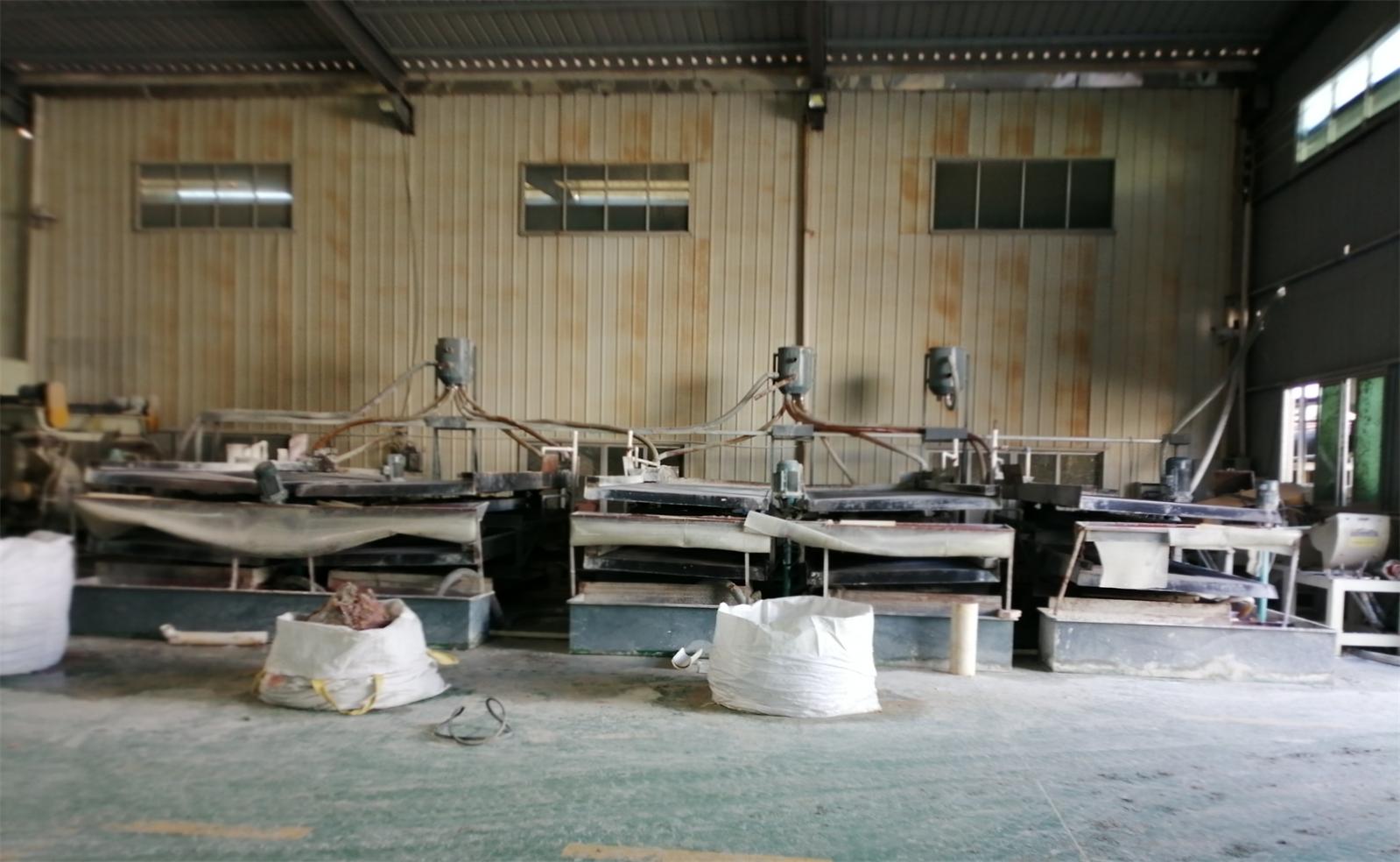
PCB recycling equipment extracts copper powder and precious metals from printed circuit boards through mechanical or wet separation processes.
Cable Recycling Machines
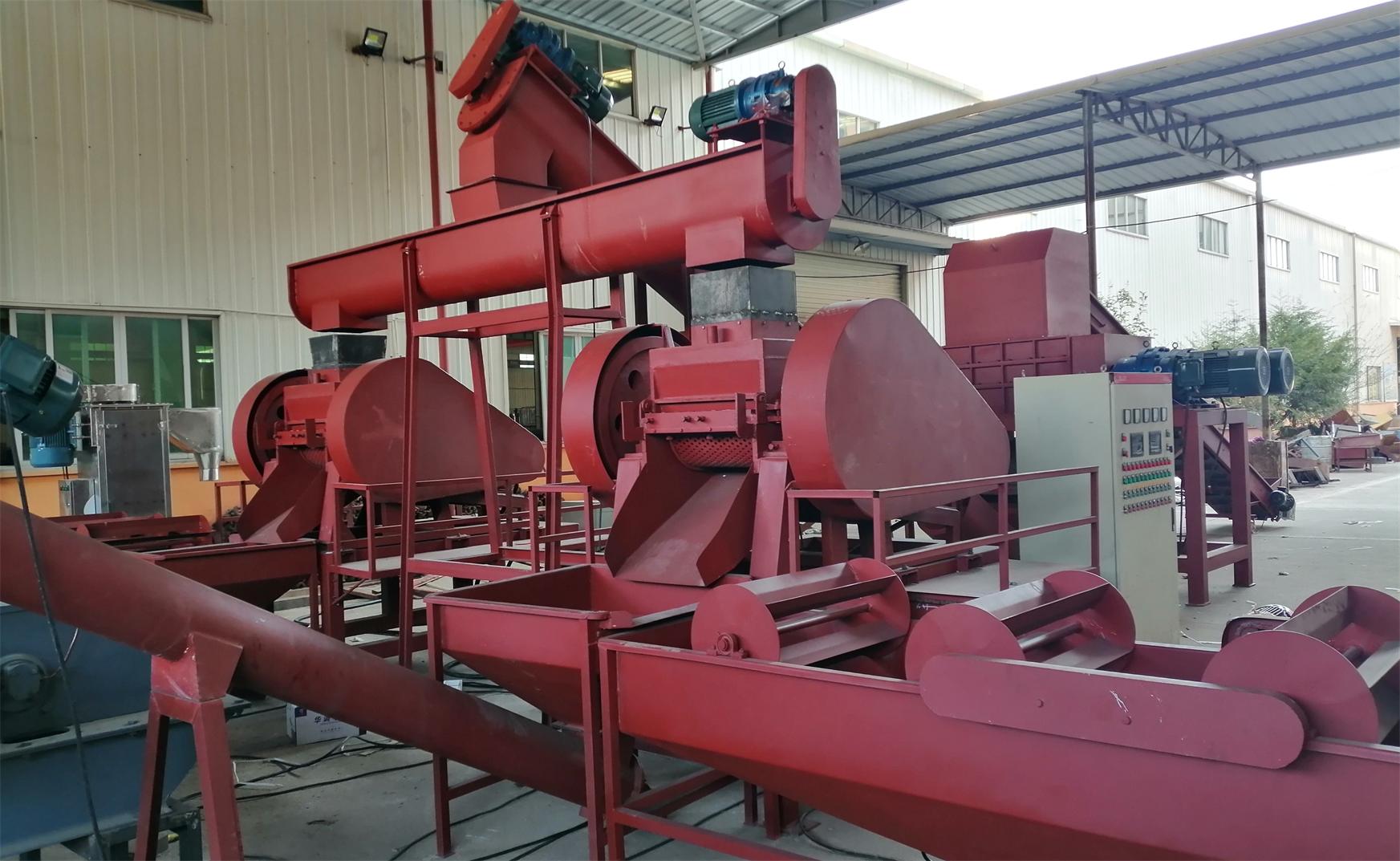
Cable granulators and strippers separate copper or aluminum from plastic insulation, producing high-purity metal granules.
Shredders and Pre-Choppers
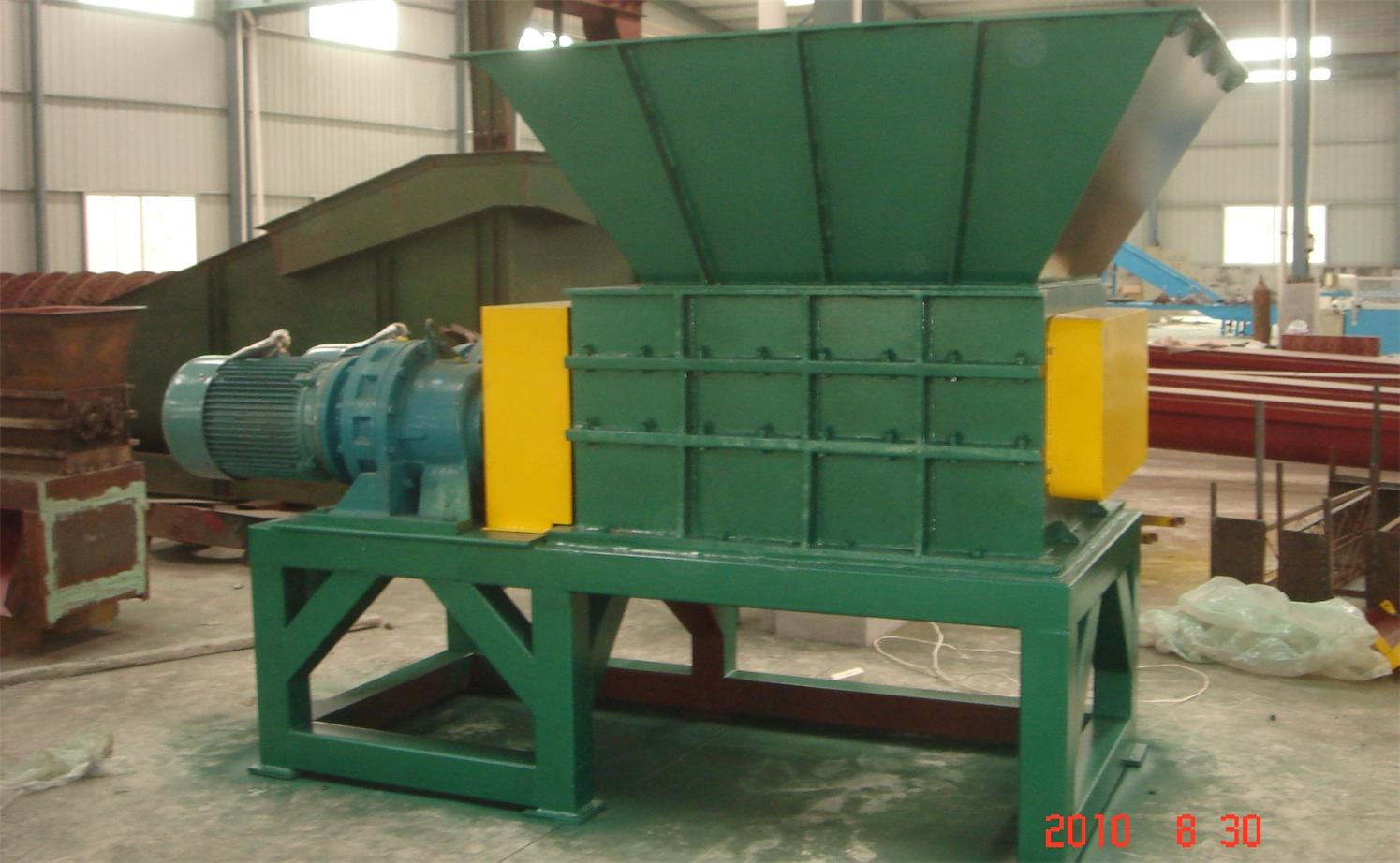
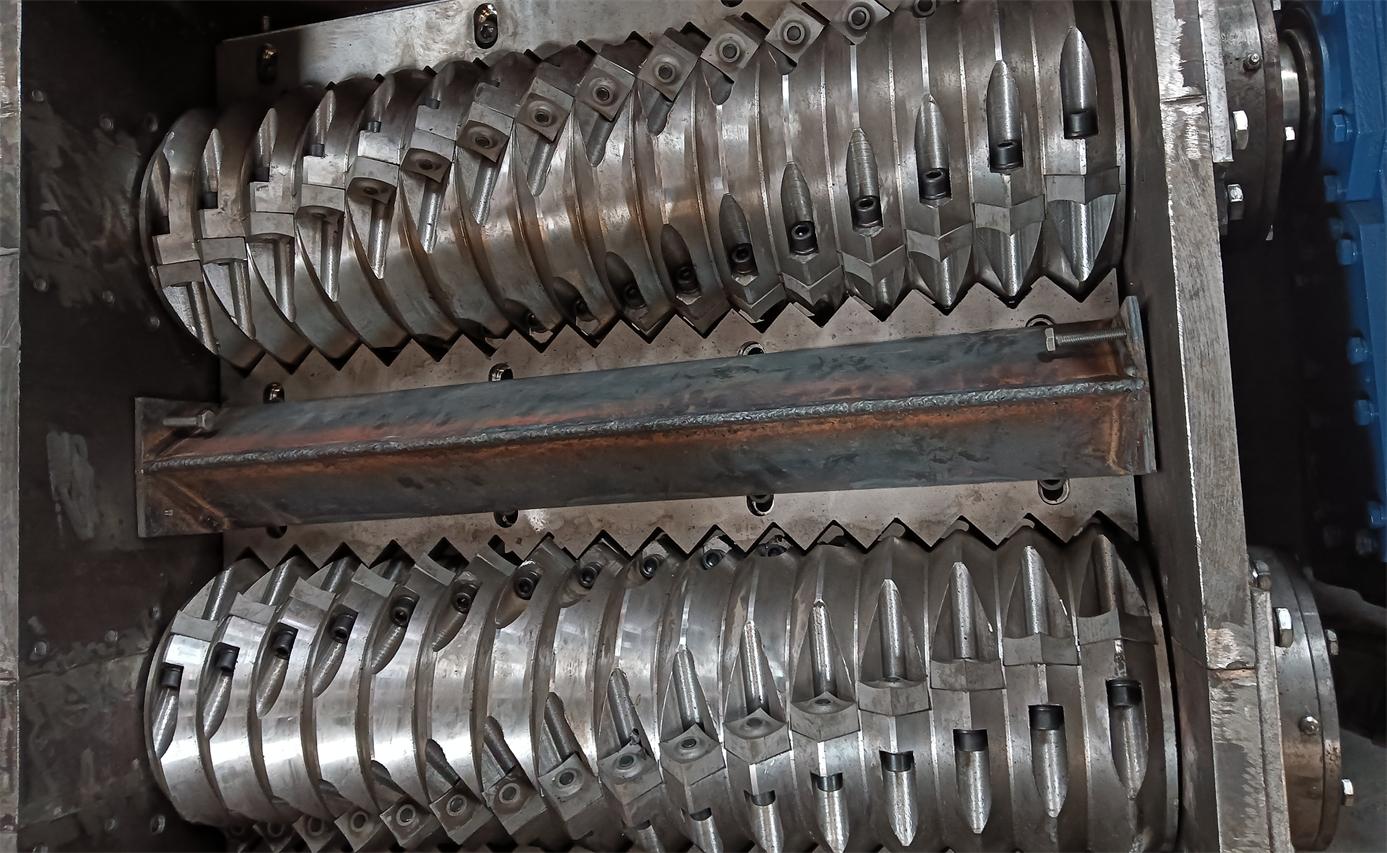
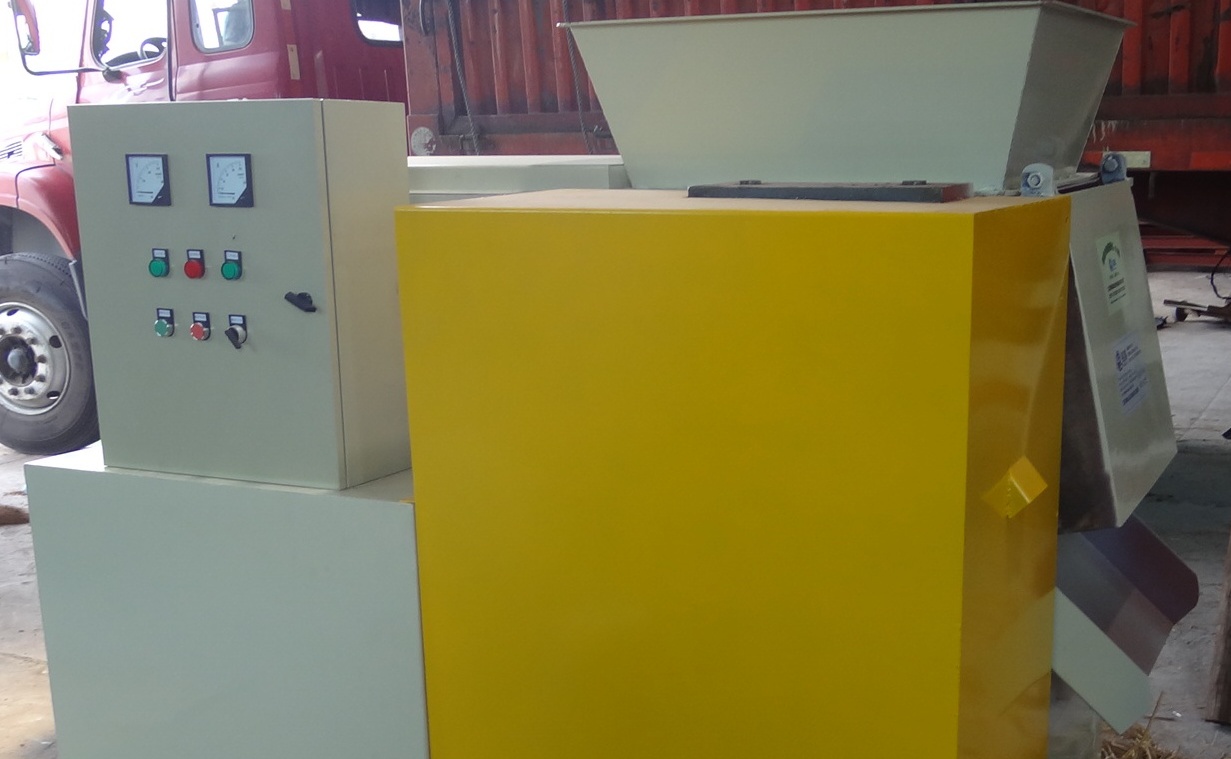
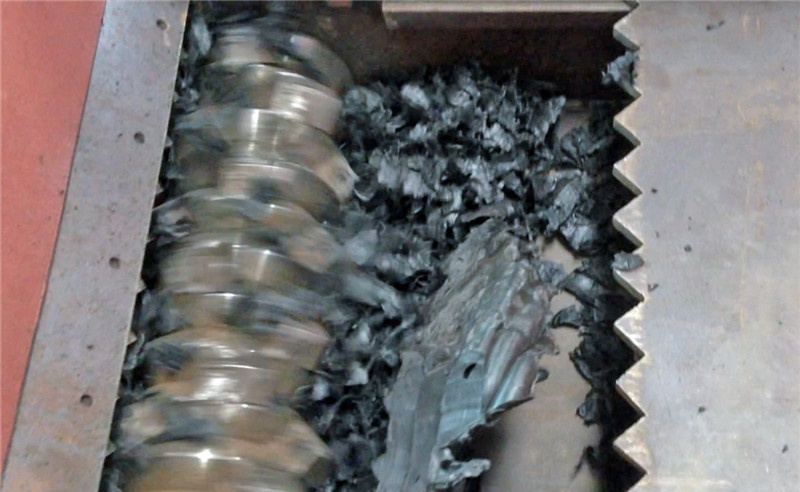
Industrial shredders pre-process large e-waste items such as refrigerators, CRT monitors, and mixed scrap before further separation.
What to Look for in a Recycling Equipment Supplier
Not all equipment manufacturers deliver the same value. When evaluating potential suppliers, experienced operators focus on several key factors that directly impact long-term profitability and operational reliability.
Essential Supplier Evaluation Criteria
- Technical expertise and experience: Look for manufacturers with proven track records in your specific recycling segment. Mechanical engineering depth matters when equipment must run continuously under demanding conditions.
- Recovery rate performance: The difference between 85% and 95% recovery rates compounds dramatically over years of operation. Demand verifiable performance data, not marketing claims.
- Customization capability: Every feedstock and market is different. Suppliers who offer customized plant design and capacity adjustments provide better long-term value than one-size-fits-all solutions.
- After-sales support: Installation, commissioning, spare parts availability, and technical support determine whether your plant achieves designed capacity or sits idle.
- Environmental compliance: Equipment must meet local emission, effluent, and safety standards. Suppliers familiar with international regulations can save costly retrofitting.
- Full project capability: EPC (Engineering, Procurement, Construction) experience indicates a supplier can manage complex projects from design through commissioning.
Battery Recycling: Lead-Acid vs. Lithium-Ion
Battery recycling deserves special attention because it represents two distinct business models with different equipment requirements.
Lead-acid battery recycling remains the volume backbone of the battery recycling industry. Mature technology, established end-markets for recovered lead, and relatively lower capital requirements make it an attractive entry point. A complete lead acid battery recycling equipment line typically includes battery breakers, separation systems, desulfurization units, smelting furnaces, refining kettles, and pollution control systems. Recovery rates for lead can reach 95% or higher with properly designed equipment.
Lithium-ion battery recycling is where the steepest growth is occurring. As electric vehicle adoption accelerates globally, the pipeline of end-of-life lithium-ion batteries is expanding rapidly. A professional lithium battery recycling plant must safely discharge, dismantle, crush, and separate batteries to recover black mass containing valuable nickel, cobalt, and graphite, plus copper, aluminum, and plastic fractions. Capacity requirements vary from 500 kg/hour for smaller operations up to 2,500 kg/hour or more for industrial-scale facilities.
Cable and Circuit Board Recycling: High-Margin Streams
Beyond batteries, cable and circuit board recycling represent profitable specialized streams that many operators overlook. Scrap cables contain copper and aluminum that can be separated efficiently with the right cable recycling equipment. Modern cable granulators achieve copper purity of 96-98% through dry air separation or wet separation processes, with capacities ranging from 200 kg/hour to over 1,000 kg/hour.
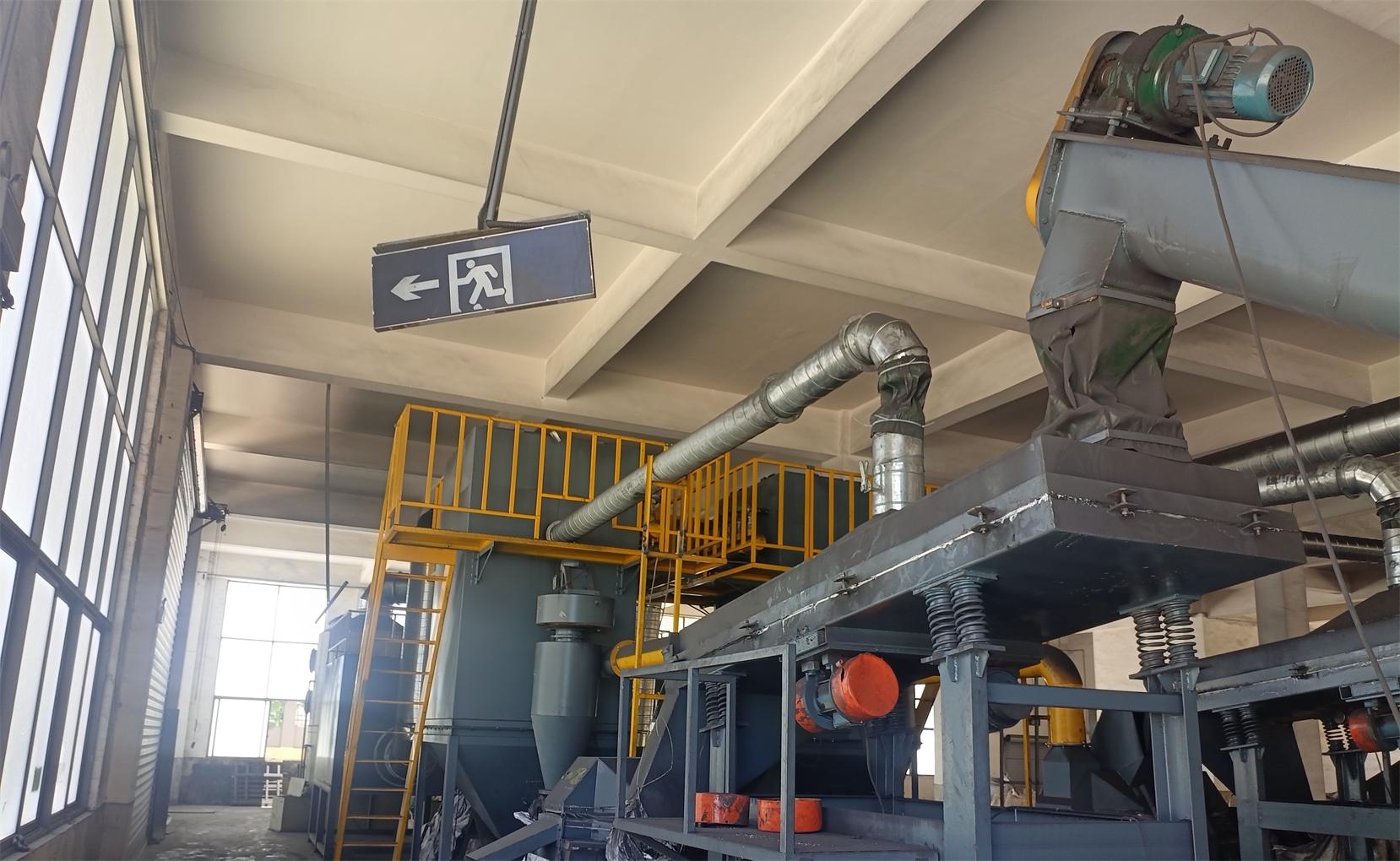
Circuit board recycling similarly offers strong economics. PCB recycling plants with wet or dry separation technology can process 300-2,000 kg/hour, recovering copper powder and precious metals while maintaining environmental compliance through integrated dust collection and effluent treatment.
Why San Lan Technologies Stands Out
San Lan Technologies Co., Ltd, established in 2007 and based in Ganzhou, Jiangxi Province, China, has built a reputation as a professional manufacturer of WEEE recycling machines and mining equipment. With customers across more than 21 countries including Singapore, Colombia, Vietnam, Mexico, Argentina, Korea, Malaysia, and South Africa, the company has demonstrated its ability to serve diverse markets with varying regulatory and operational requirements.
San Lan Core Strengths
- Technical depth: Engineering team holds master's degrees in mechanical engineering with over 15 years of hands-on experience in e-waste recycling machine design.
- Full EPC capability: Delivers complete plant projects from customized design and equipment supply through installation and commissioning.
- Integrated solutions: Beyond equipment manufacturing, San Lan assists with waste material sourcing, product offtake for recovered metals, and investor partnership for plant construction.
- Comprehensive product range: Offers complete lines for lead-acid batteries, lithium-ion batteries, circuit boards, cables, CRT monitors, refrigerators, motors, and more.
- Global experience: Bilingual English-Chinese support and demonstrated understanding of intercultural business environments.
Making the Right Investment Decision
Choosing e-waste recycling equipment is not simply a procurement exercise. It is a strategic decision that shapes your operational capabilities, recovery economics, and regulatory compliance for years to come. The best investments are made with clear understanding of feedstock availability, target recovery rates, local environmental requirements, and total cost of ownership rather than just initial equipment price.
Operators who partner with experienced equipment manufacturers gain more than machinery. They gain access to technical expertise, process optimization guidance, and project execution capabilities that significantly reduce the risk of costly mistakes during plant setup and early operations.
Ready to explore your e-waste recycling project? San Lan Technologies offers professional consultation on plant design, equipment selection, and project feasibility. With over 15 years of manufacturing experience and installations across 21+ countries, we help operators build recycling facilities that achieve high recovery rates and strong long-term profitability.