A recycler in Mexico recently shared a story that sounds familiar to many in this industry. He had spent months trying to source lead acid battery recycling equipment from multiple vendors, only to discover that the machines could not handle the volume he promised his buyers. The separation efficiency was lower than quoted. The after-sales support disappeared once the deposit cleared. He had to start over, six months behind schedule.
This is not a rare case. E-waste recycling is a capital-intensive business where equipment quality directly determines whether you recover value or create more waste. The wrong machine does not just slow you down. It contaminates your output, violates environmental regulations, and erodes the margins that make recycling viable in the first place.
Why Equipment Choice Defines Your Recycling Operation
E-waste contains valuable metals like copper, aluminum, lead, and lithium, alongside hazardous substances including mercury, cadmium, and lead compounds. The challenge is separating the valuable from the hazardous without releasing toxins into the environment.
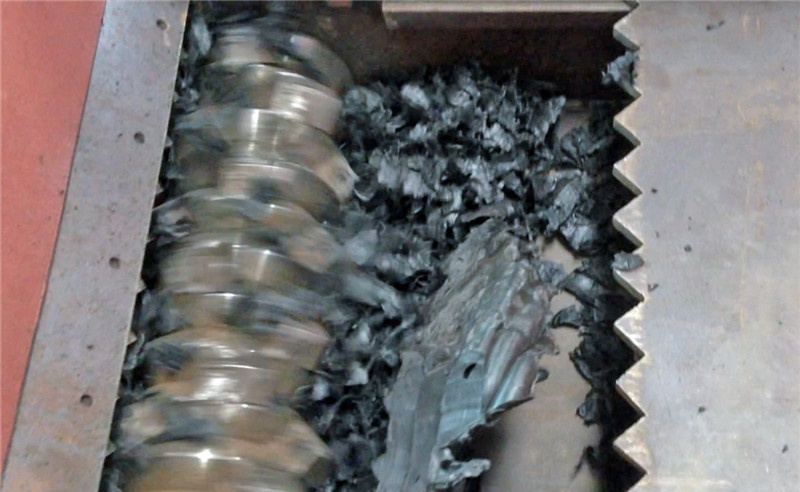
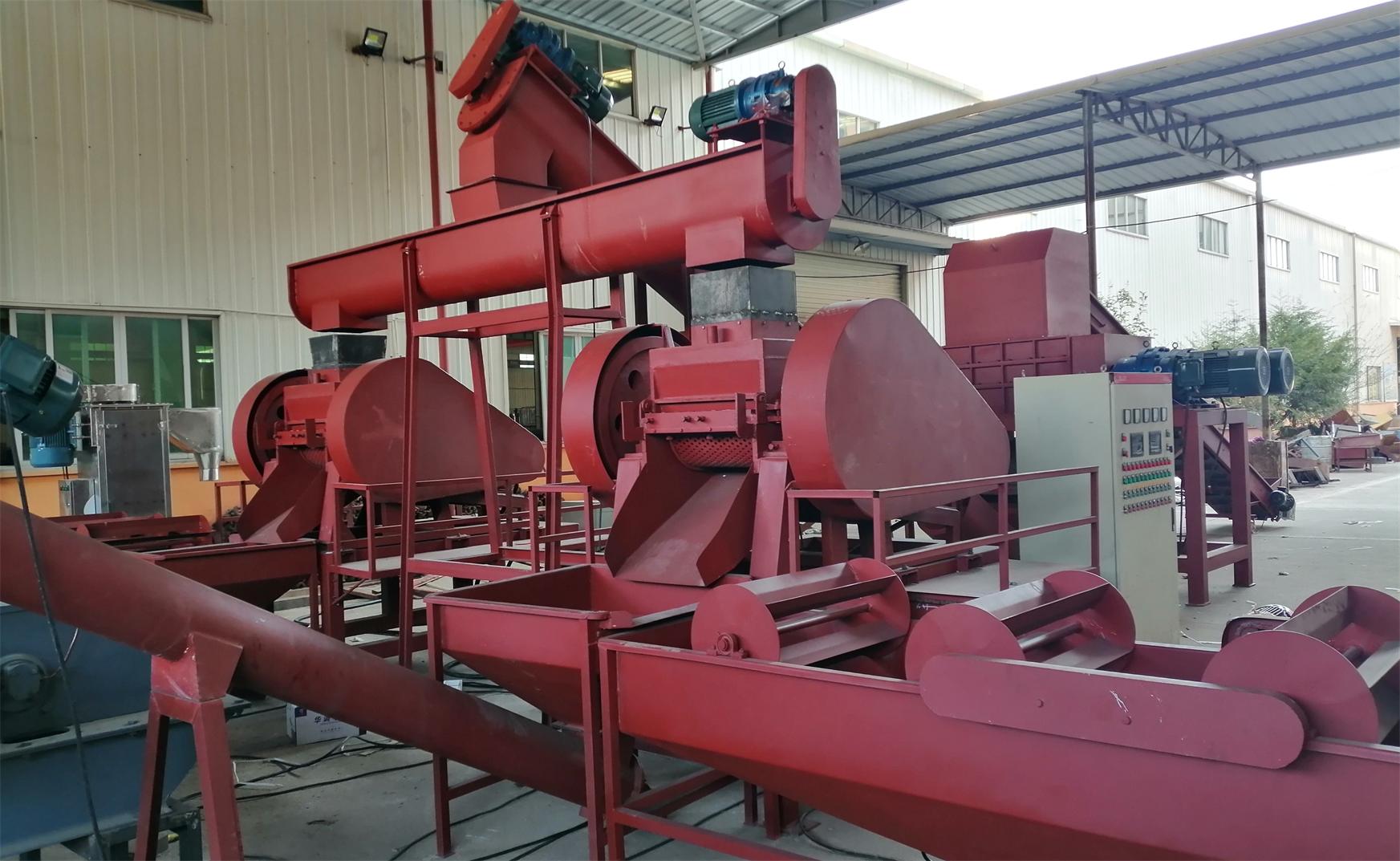
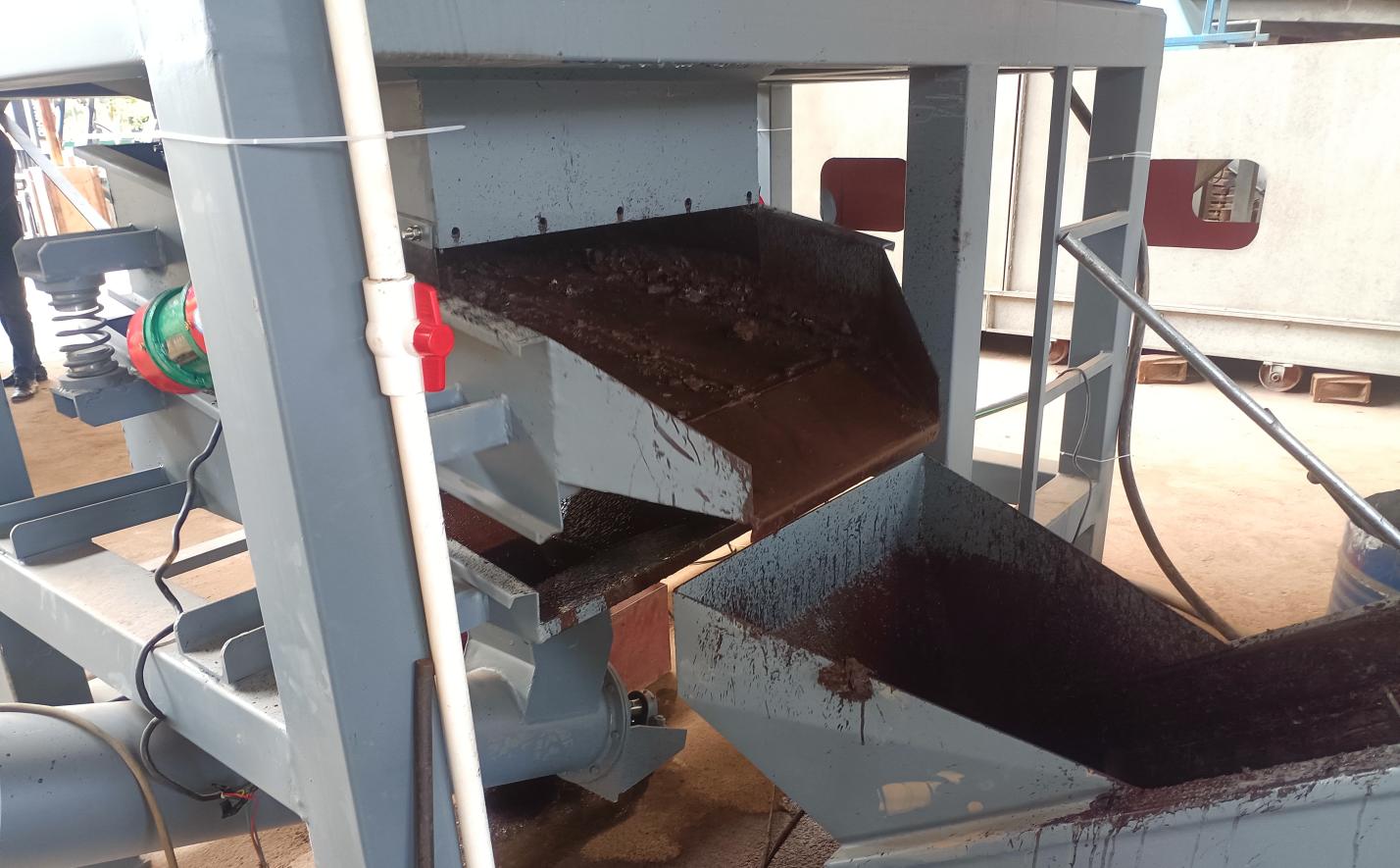
Professional recycling equipment is designed to handle this dual challenge. A lead acid battery recycling plant, for example, must break batteries safely, neutralize sulfuric acid, separate lead paste from plastic and lead grids, and recover lead with purity levels that downstream buyers will accept. Each stage requires specific machinery: cutters, breaking and separation systems, desulfurization units, smelting furnaces, and air pollution control systems.
Similarly, cable recycling equipment must strip or granulate mixed cables, then separate copper or aluminum from plastic insulation with enough purity to sell into metal markets. Circuit board recycling demands even finer separation technology to recover copper powder and precious metals from complex layered materials.
Three Core Equipment Categories Every Recycler Should Understand
Lead Acid Battery Recycling Systems
Used lead acid batteries represent one of the most recycled products on earth, with well-established recovery pathways for lead, plastic, and acid. A complete plant typically includes battery cutters, breaking and separation equipment, paste filtration systems, desulfurization units, smelting furnaces (rotary or blast), refinery kettles, air pollution control, and wastewater treatment. Capacity ranges from 1 to 10 metric tons per hour depending on configuration.
Cable and Wire Recycling Lines
Cable recycling equipment spans from manual and electric scrap cable strippers for small operations to fully automated cable granulator plants with dry or wet separators for industrial volumes. Granulators process mixed cables into copper or aluminum granules and plastic pellets, with separation purity reaching 96 to 98 percent for copper powder. Wet separation systems can handle finer materials and achieve higher recovery rates for complex cable types.
Circuit Board Recovery Plants
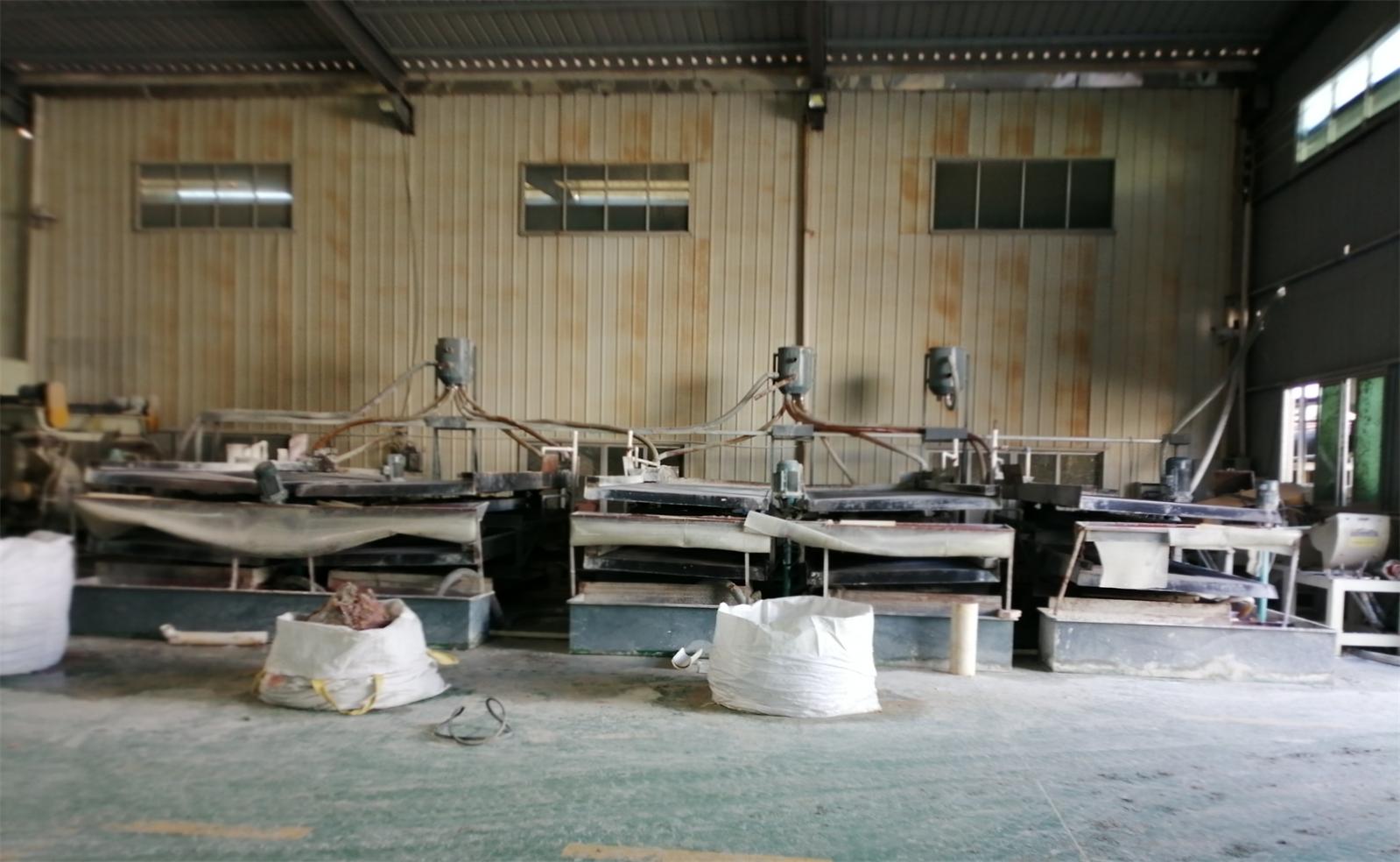
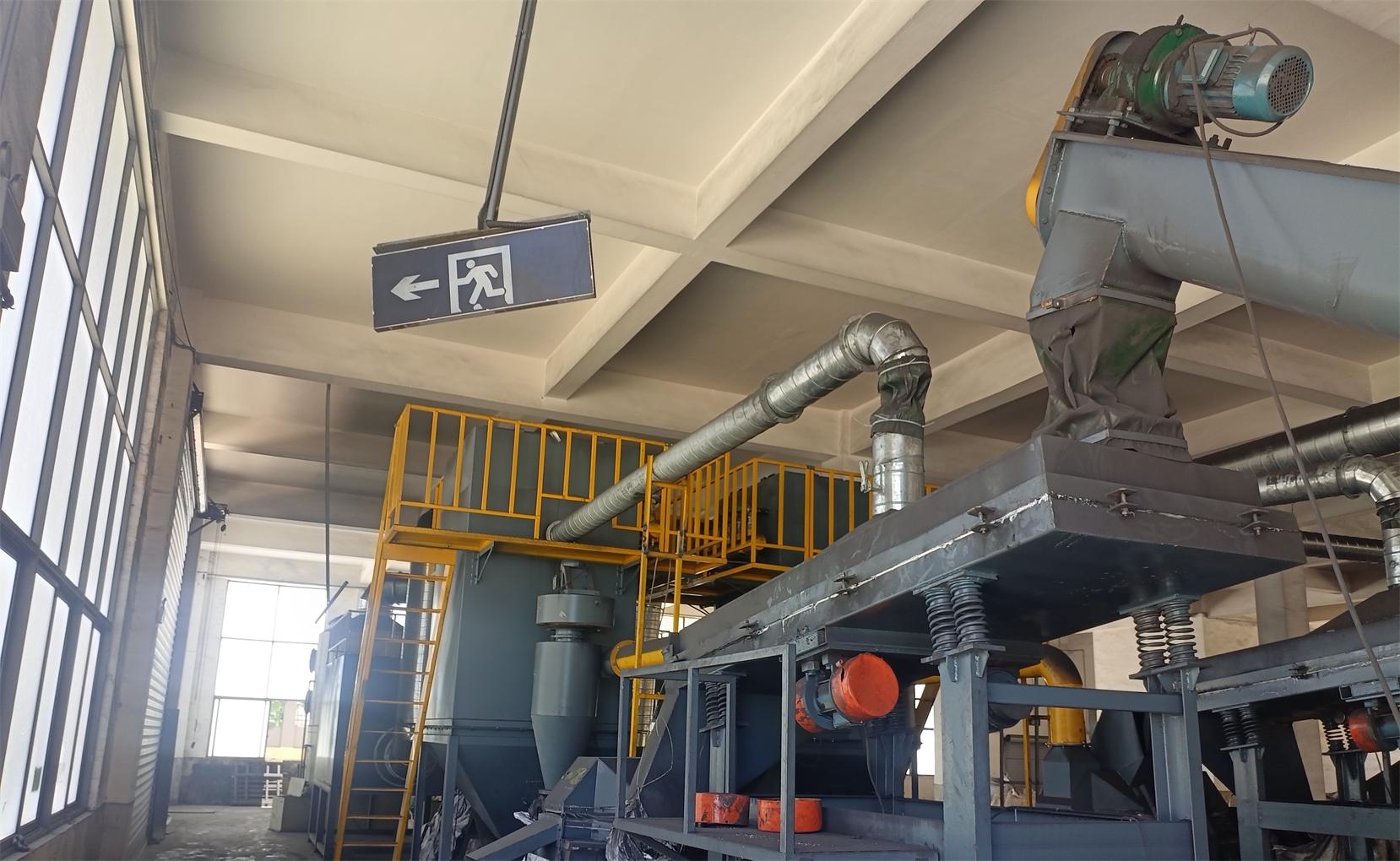
Printed circuit boards contain copper, gold, silver, and palladium, but also brominated flame retardants and other hazardous substances. Circuit board recycling equipment uses mechanical crushing combined with air separation, electrostatic separation, or wet separation to recover metal powder without burning or chemical leaching. Dry systems avoid wastewater but may generate dust, requiring effective dust collection. Wet systems achieve higher purity but need water treatment infrastructure.
What to Look for in a Recycling Equipment Supplier
Choosing a supplier is as important as choosing the equipment itself. Here are the factors that separate reliable manufacturers from risky intermediaries:
- Technical depth, not just assembly. Ask whether the supplier designs and builds core components in-house or merely assembles purchased parts. Manufacturers with mechanical engineering expertise can customize equipment for your specific feedstock and troubleshoot issues without endless back-and-forth with third parties.
- Project execution experience. EPC (Engineering, Procurement, Construction) capability matters. A supplier who has delivered complete plants before understands layout planning, utility integration, installation timelines, and commissioning protocols. This reduces the risk of cost overruns and startup delays.
- Environmental compliance integration. Recycling machinery without pollution control is incomplete. Verify that the supplier provides or at least specifies air pollution control systems, wastewater treatment, and dust collection matched to local environmental regulations.
- After-sales infrastructure. Spare parts availability, remote technical support, and on-site commissioning assistance are essential. Ask for specific references from customers in your region who have operated the equipment for more than one year.
- Business model flexibility. Some suppliers offer only equipment sales. Others help source raw materials, connect you with product buyers, or even participate in plant investment. Depending on your capital structure and market access, these additional services can accelerate your path to profitability.
Red Flags That Should Make You Walk Away
Not every supplier deserves your trust. Watch for these warning signs during negotiations:
- Vague specifications. If recovery rates, power consumption, or throughput numbers are missing or described only with phrases like "high efficiency," demand documented test results from operating plants.
- No installation reference. A supplier who cannot name three customers with operational plants in your target capacity range is either new to the market or has unhappy customers.
- Missing pollution control. Any recycling plant proposal that omits air, water, or dust control systems is not a complete solution. You will pay for that omission later in fines or retrofit costs.
- Payment terms that demand full upfront payment. Standard practice in equipment manufacturing includes staged payments tied to production milestones, inspection, and shipment.
San Lan Technologies: A Manufacturer With End-to-End Capability
San Lan Technologies Co., Ltd, established in 2007 in Jiangxi Province, China, manufactures a comprehensive range of WEEE recycling machinery and mining equipment. The company operates as both an equipment builder and an EPC project contractor, with customers across more than 21 countries including Singapore, Colombia, Vietnam, Mexico, Argentina, Korea, Malaysia, and South Africa.
The technical team includes mechanical engineering professionals with over 15 years of direct experience in e-waste recycling machine design. This matters because recycling equipment faces abrasive wear, corrosive environments, and varying feedstock qualities that require practical engineering judgment, not just textbook design.
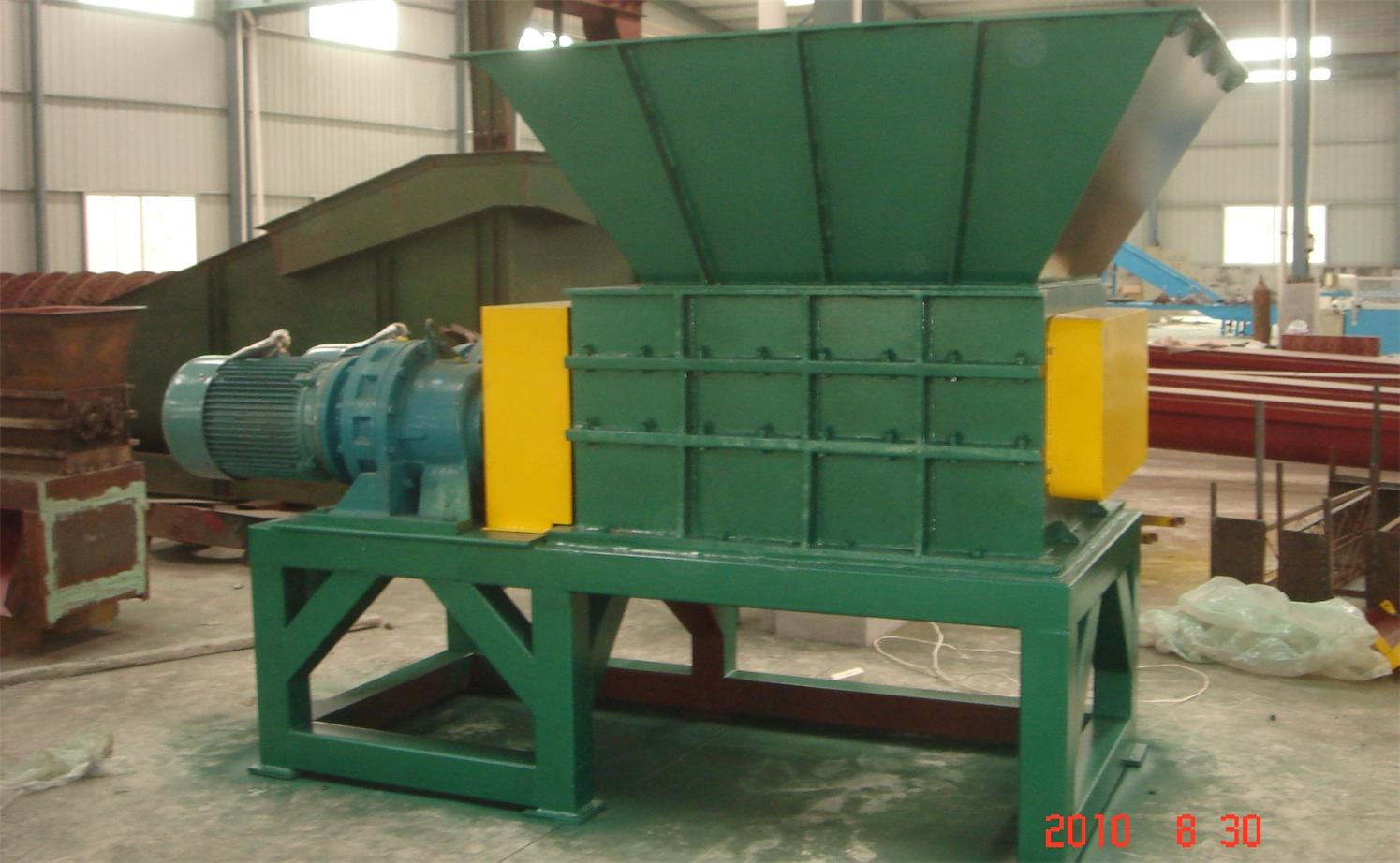
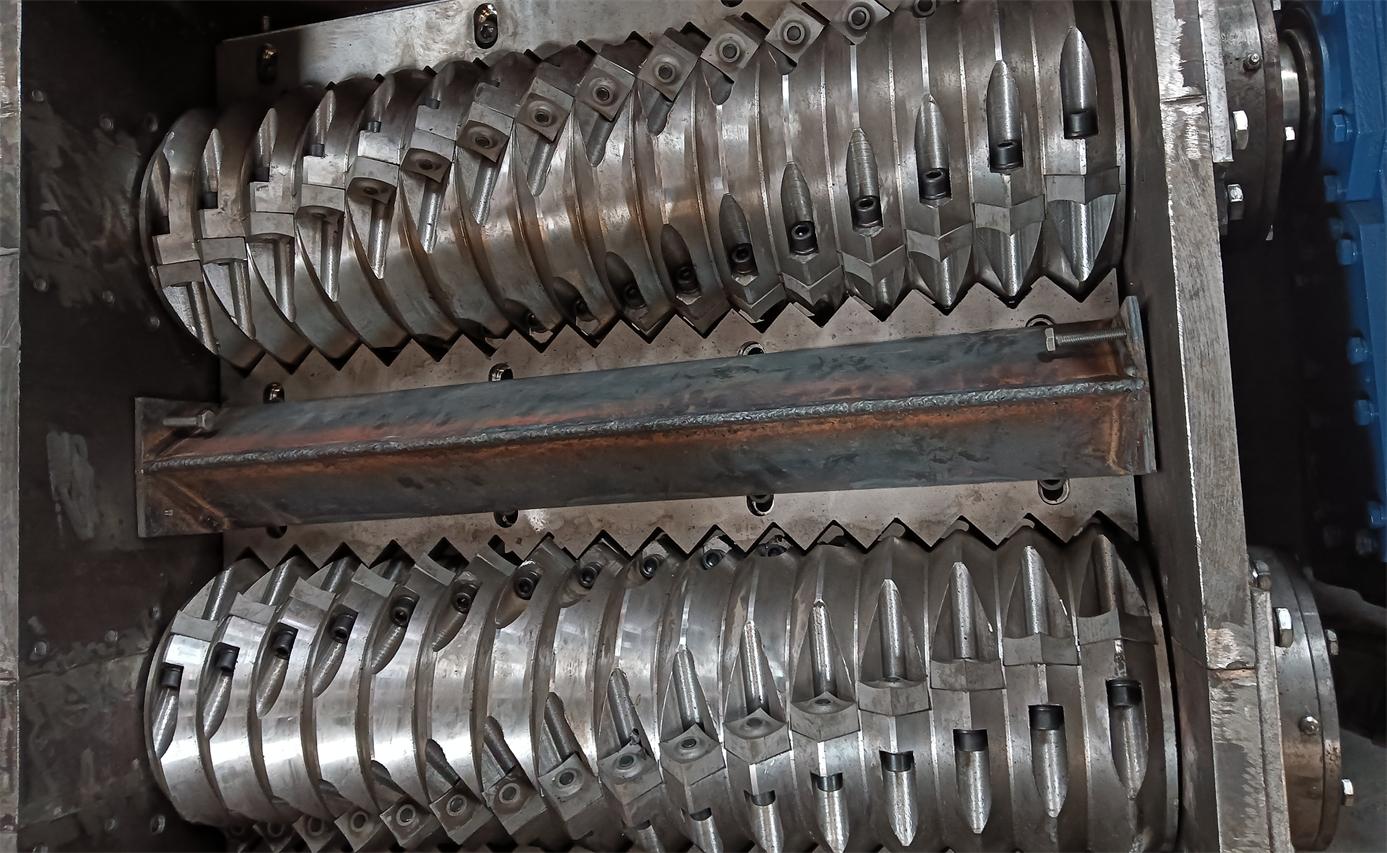
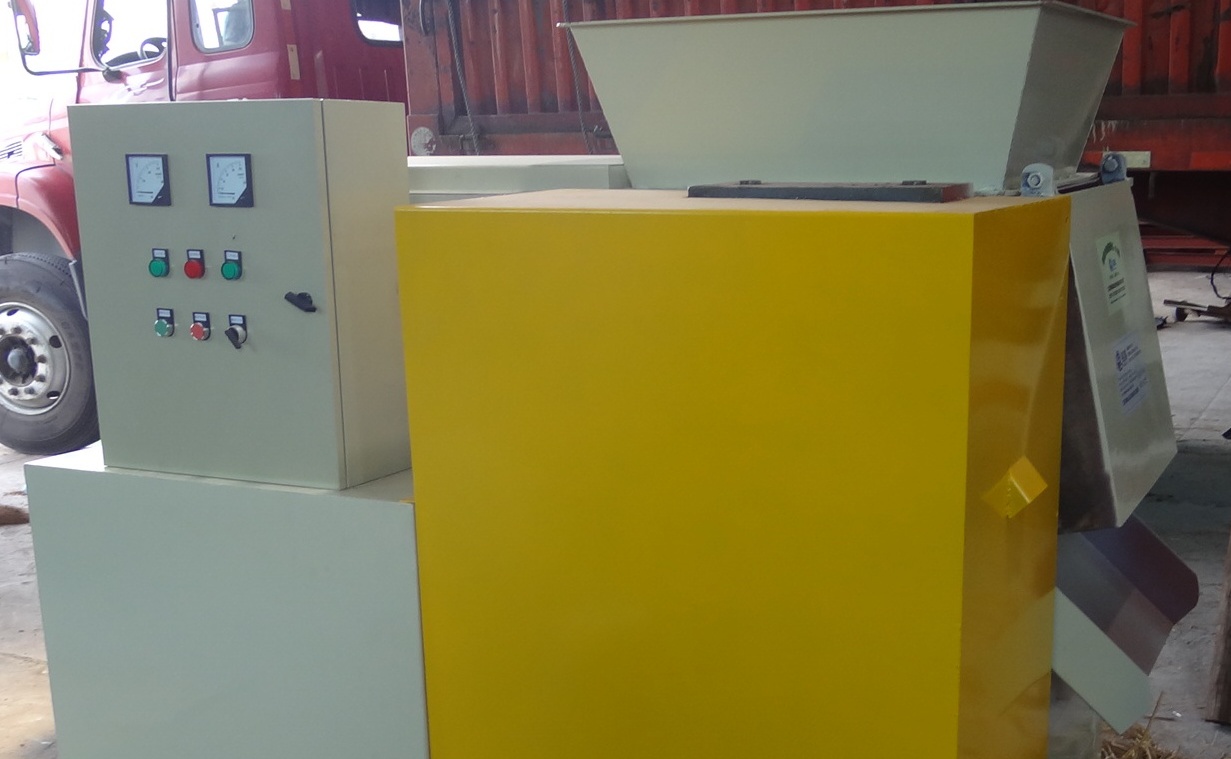
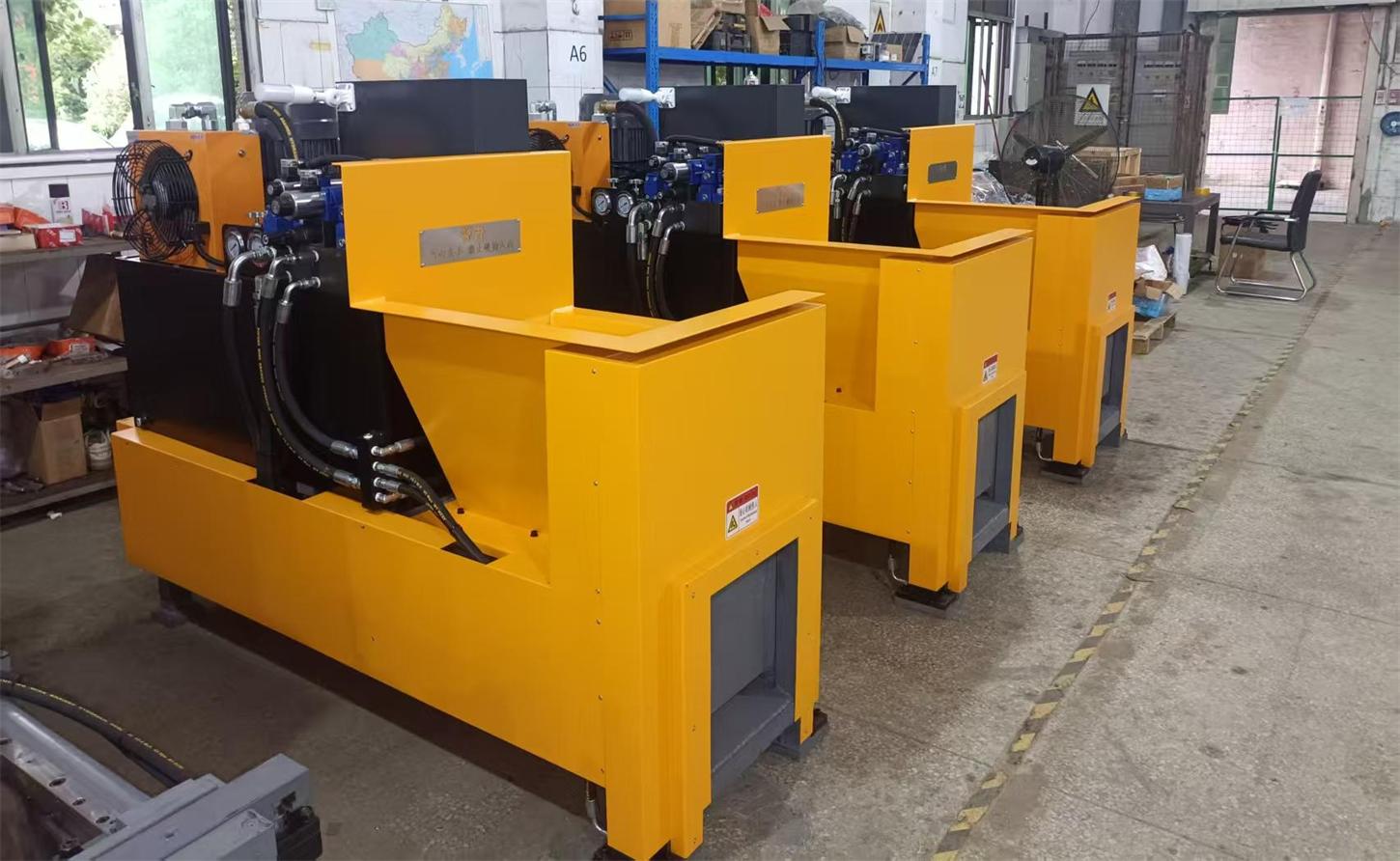
Product range highlights: Lead acid battery recycling plants (1-10 MT/hour), lithium battery recycling systems (500-2500 kg/hour), circuit board recycling plants with dry and wet separation (300-5000 kg/hour), cable recycling lines, CRT recycling machines, refrigerator and AC recycling equipment, motor recycling machines, shredders and pre-choppers, hydraulic press machines, metal melting furnaces, and lithium ore extraction plants.
Beyond equipment manufacturing, San Lan provides value-added services that reduce startup risk for new recycling ventures: help purchasing waste material feedstock, assistance selling recovered products like copper rice and lead ingots, customized plant design, installation and commissioning, and even partnerships for plant construction investment where capital is a constraint.
Communication is handled in both English and Chinese, which simplifies technical discussions and contract negotiations for international buyers. The company also maintains active presences on LinkedIn, Facebook, and YouTube where operational videos and technical updates are published.
Building a recycling plant is a multi-year commitment. The equipment you choose on day one will shape your operating costs, product quality, and regulatory compliance for the next decade. Before you sign any purchase order, verify the supplier's technical depth, project track record, and after-sales commitment. Request a detailed process flow diagram, documented recovery rates from operating reference plants, and a clear spare parts and support plan.
If you are evaluating lead acid battery recycling equipment, cable recycling equipment, or circuit board recycling equipment, visit san-lan.com to review technical specifications, explore complete plant configurations, or request a customized proposal for your feedstock and capacity requirements.