How to Choose the Right E-Waste Recycling Equipment for Your Business
The global e-waste stream is growing at an unprecedented pace. For entrepreneurs and established companies alike, this surge represents both an environmental challenge and a significant business opportunity. Investing in the right recycling equipment can transform discarded electronics into valuable raw materials while generating substantial returns.
However, entering the e-waste recycling industry requires more than just capital. It demands a clear understanding of the materials you plan to process, the technology needed to recover them efficiently, and a reliable equipment supplier who can support your operation from start to finish.
Understand Your Feedstock Before You Invest
The first step in selecting recycling equipment is identifying your primary feedstock. Different waste streams require entirely different processing lines. For example, if your raw material consists of used lead-acid batteries, you will need a complete lead acid battery recycling equipment line that includes breaking and separation systems, de-sulfurization units, smelting furnaces, and air pollution control systems. These plants are designed to recover lead paste, lead grids, and plastic shells while treating acidic wastewater and exhaust gases to meet environmental standards.
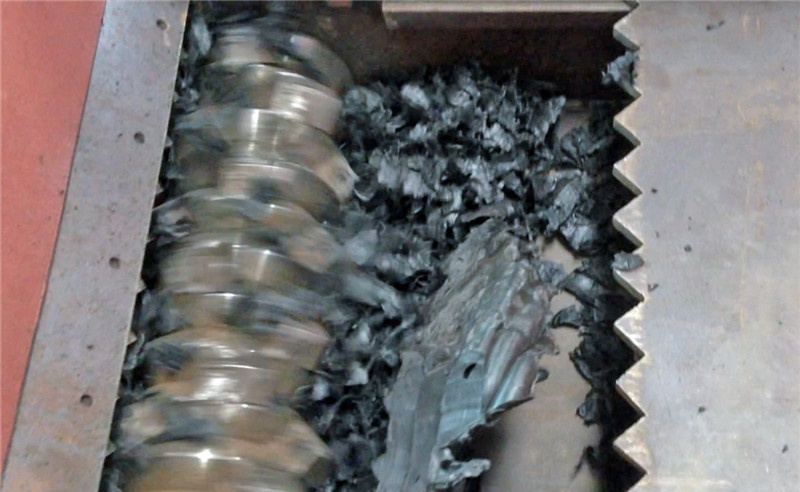
On the other hand, if you are targeting the rapidly expanding electric vehicle and consumer electronics markets, a lithium battery recycling plant is essential. Modern lithium-ion battery recycling systems use mechanical crushing, granulation, and multi-stage separation to recover black mass (containing nickel, cobalt, and graphite), copper, aluminum, and plastic. Capacity typically ranges from 500 to 2,500 kg per hour, depending on your scale.
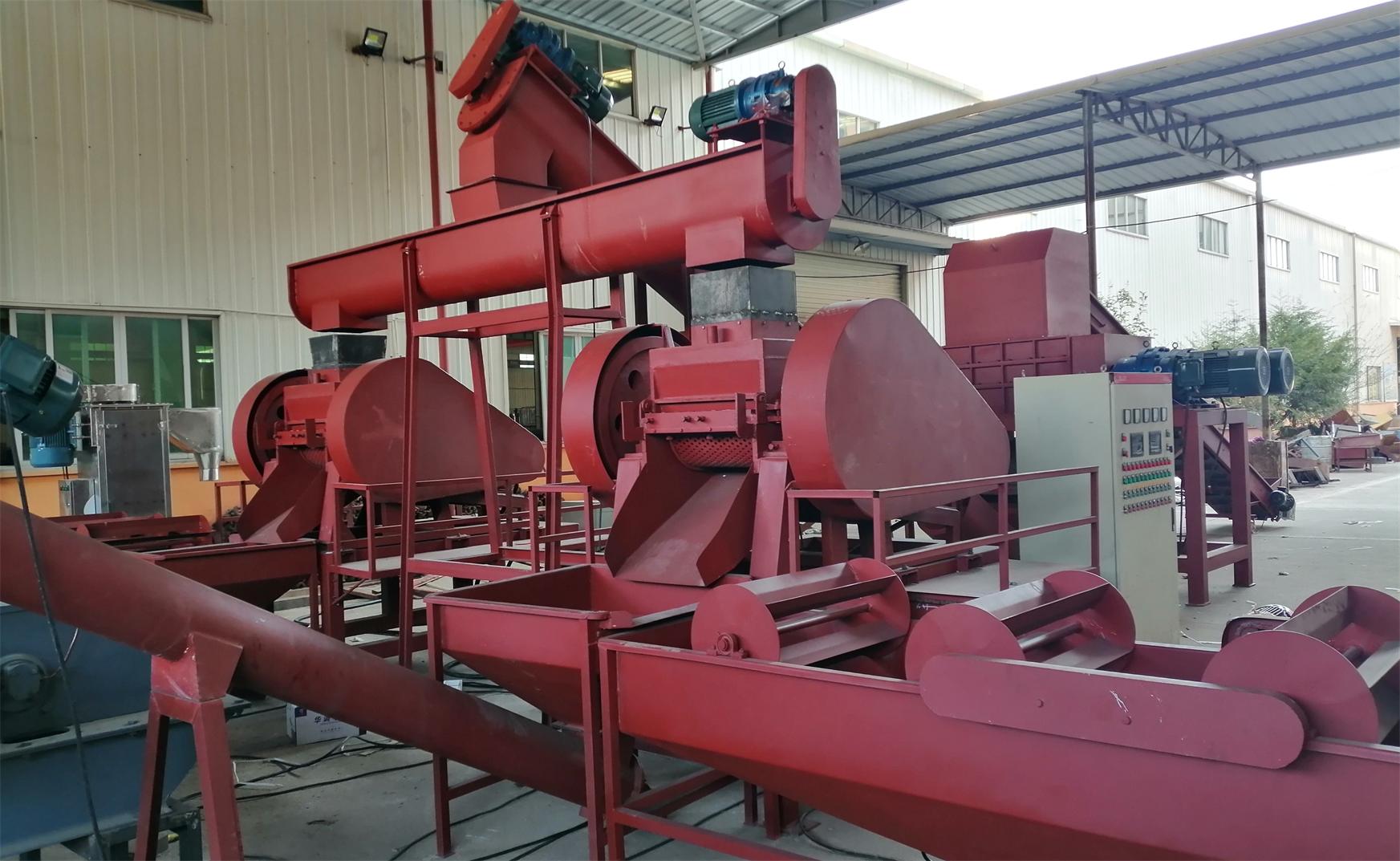
For operations focused on copper recovery from wire scrap, a cable recycling machine—also known as a cable granulator—offers an efficient solution. These machines crush and separate scrap cables to produce pure copper granules and plastic insulation, with some models handling up to 1,200 kg per hour. Similarly, a circuit board recycling plant uses dry or wet separation methods to extract copper powder and precious metals from discarded PCBs, achieving recovery rates of 95% or higher.
Evaluate Technology and Recovery Rates
Not all recycling equipment is created equal. Recovery rate, processing capacity, energy consumption, and environmental compliance are critical metrics that directly impact your profitability. When comparing suppliers, ask for detailed technical specifications and, whenever possible, arrange a site visit or virtual demonstration.
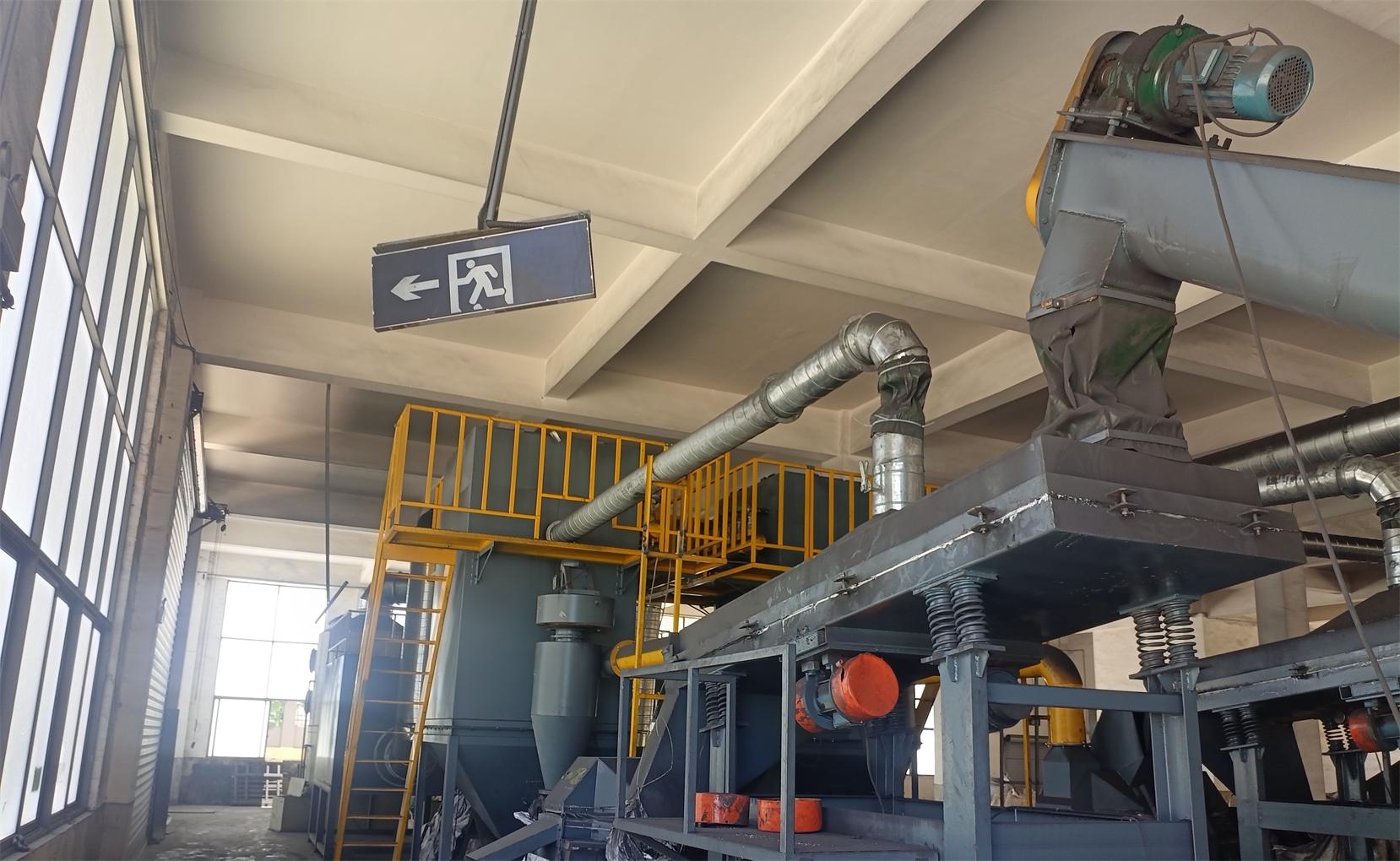
Look for systems that integrate multiple stages of processing—pre-crushing, magnetic separation, air or water separation, and dust collection—into a cohesive line. Advanced plants now feature automated controls, near-infrared heating for energy savings, and modular designs that allow capacity expansion as your business grows.
Choose a Supplier with Proven Experience
Equipment quality matters, but so does the supplier's ability to deliver comprehensive project support. A manufacturer with deep industry experience can provide far more than machines. They can assist with raw material sourcing, plant layout design, installation and commissioning, operator training, and even help you find buyers for your recovered materials.
San Lan Technologies: A Trusted Partner Since 2007
San Lan Technologies Co., Ltd has built a reputation as a professional manufacturer of WEEE recycling machines and mining equipment. With customers in over 21 countries—including Singapore, Colombia, Vietnam, Mexico, Argentina, and South Africa—the company offers a full portfolio of recycling solutions.
Their product range includes:
Lead acid battery recycling plants with capacity from 1 to 10 MT per hour
Lithium battery recycling plants processing 500–2,500 kg per hour
Cable recycling machines and granulators for copper recovery
Circuit board recycling plants with wet and dry separation options
Refrigerator and AC recycling systems
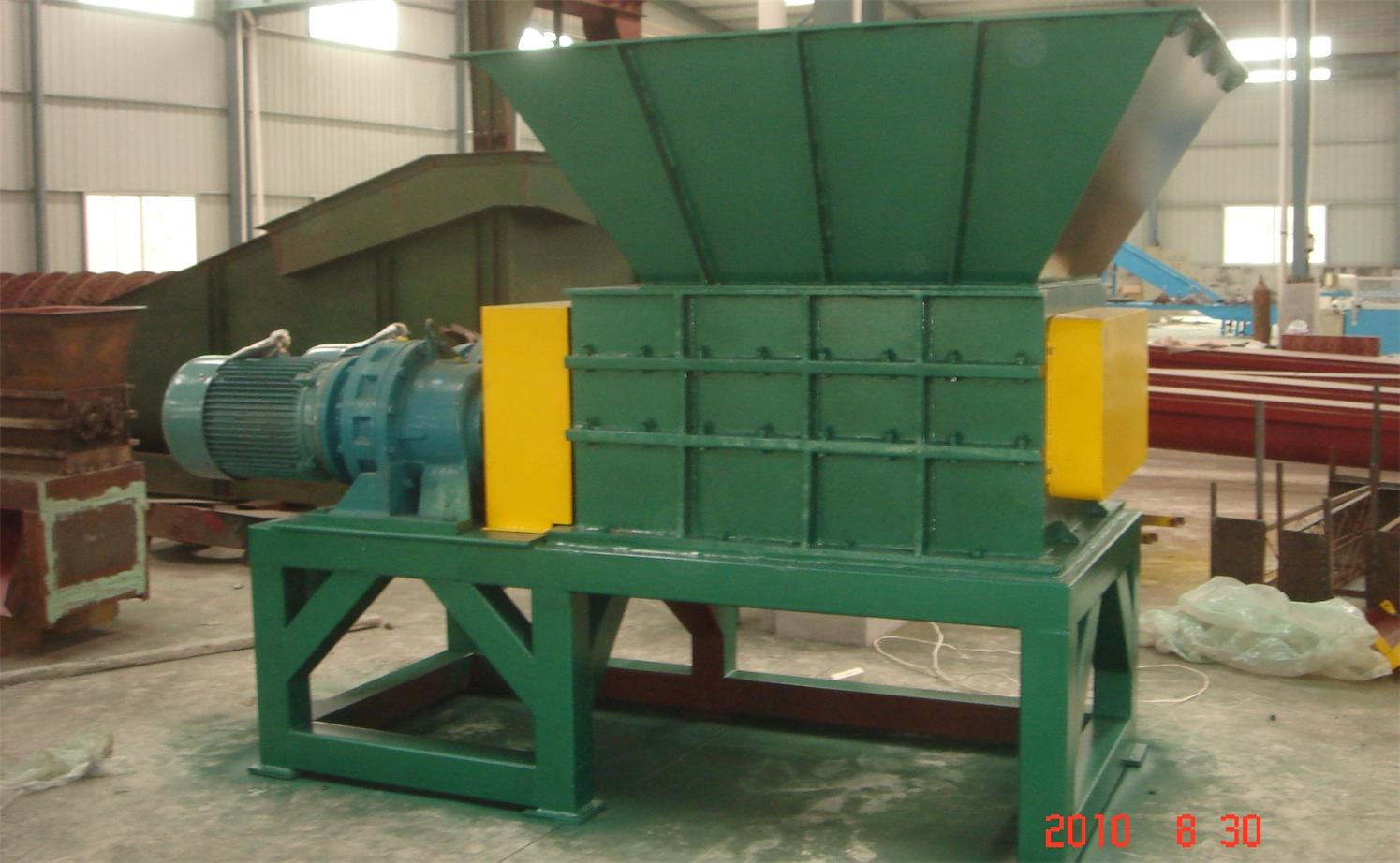
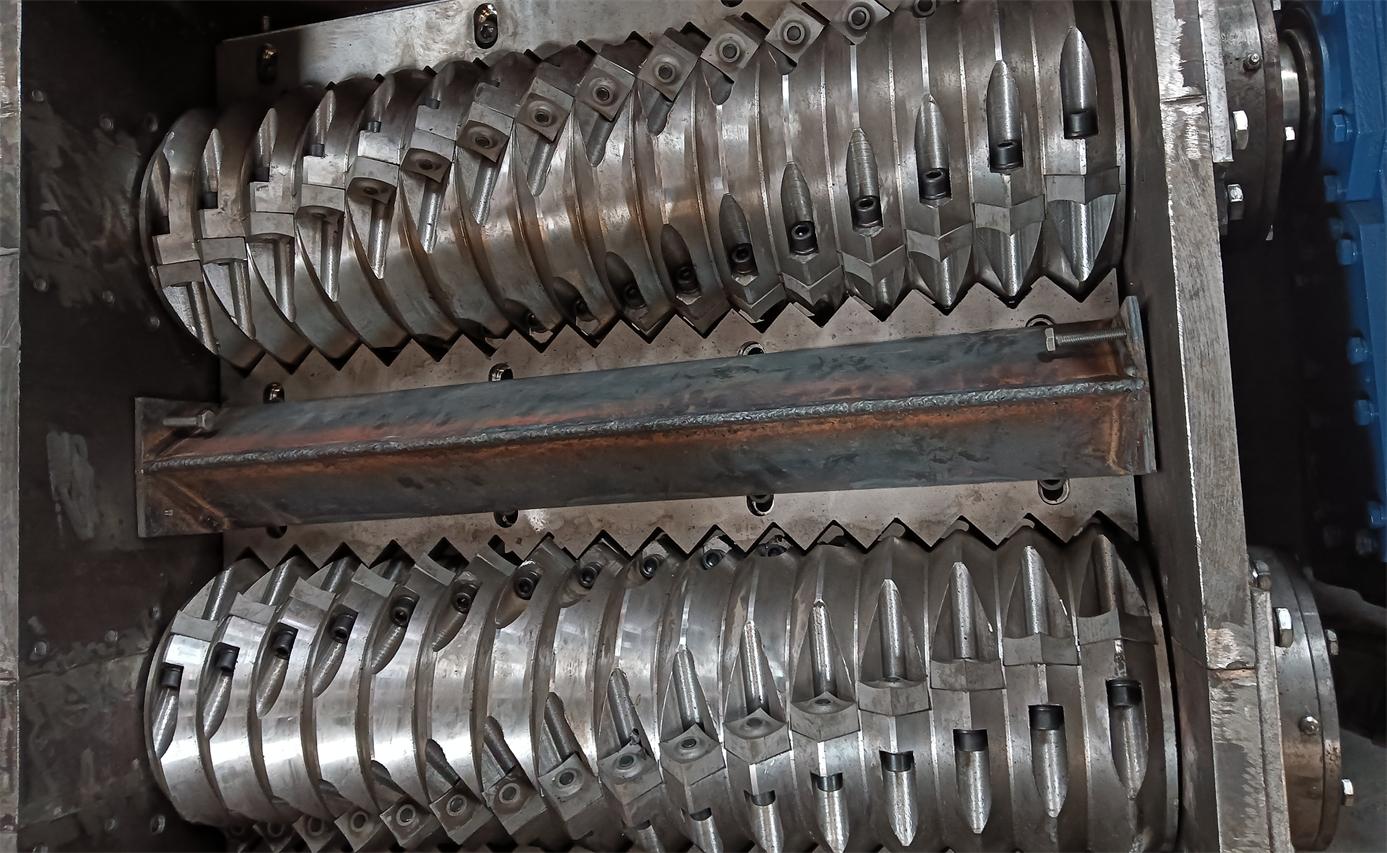
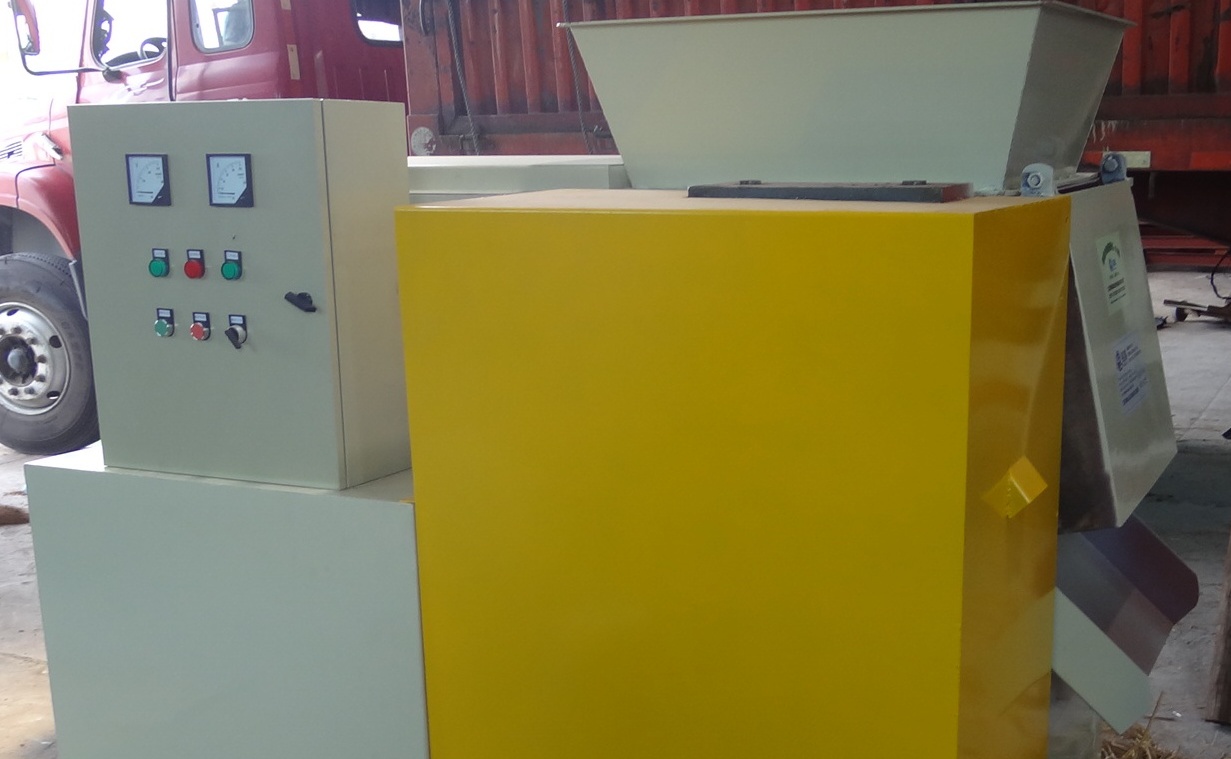
Industrial shredders and metal melting furnaces
What sets experienced suppliers apart is their capability to execute EPC (Engineering, Procurement, Construction) projects. This means they can design a customized recycling plant tailored to your local regulations, material composition, and production targets, then handle the entire implementation process. For new entrants to the recycling industry, this turnkey approach significantly reduces risk and accelerates time to revenue.
Consider Environmental Compliance from Day One
E-waste recycling involves hazardous materials—lead, acid, refrigerants, mercury, and lithium electrolytes. Regulatory frameworks vary by country, but all major markets enforce strict emissions and waste disposal standards. Your equipment must include proper air pollution control systems, water treatment plants, and dust collection units.
Reputable manufacturers design their plants with environmental compliance built in. For instance, lead acid battery recycling lines should include acid-neutralization systems, effluent treatment machines, and filtration systems that meet international standards. Lithium battery plants require gas absorption and neutralization systems to handle harmful emissions during crushing. Ignoring these components can lead to costly shutdowns and legal penalties.
Calculate Your Return on Investment
A well-designed recycling plant can deliver impressive economics. Copper recovered from cable scrap often commands market prices close to virgin metal. Lead ingots from used batteries are actively traded globally. The black mass recovered from lithium batteries contains valuable cobalt and nickel that battery manufacturers are eager to purchase.
When evaluating equipment, consider not only the purchase price but also operating costs, energy consumption, labor requirements, and maintenance intervals. A slightly higher upfront investment in efficient, automated equipment often pays for itself through lower running costs and higher recovery yields.
Start Your Recycling Project with Confidence
The e-waste recycling industry is entering a period of rapid expansion, driven by stricter environmental regulations, rising metal prices, and the global push toward circular economies. Whether you are planning to recycle lead-acid batteries, lithium-ion cells, scrap cables, or circuit boards, success depends on choosing the right equipment and the right partner.
San Lan Technologies brings together technical expertise, global project experience, and a comprehensive product range to help recycling businesses start and scale efficiently. From initial consultation to after-sales support, their team works closely with customers to ensure every plant delivers optimal performance and compliance. Contact San Lan Technologies today to discuss your project requirements and discover how the right equipment can turn waste into profit.