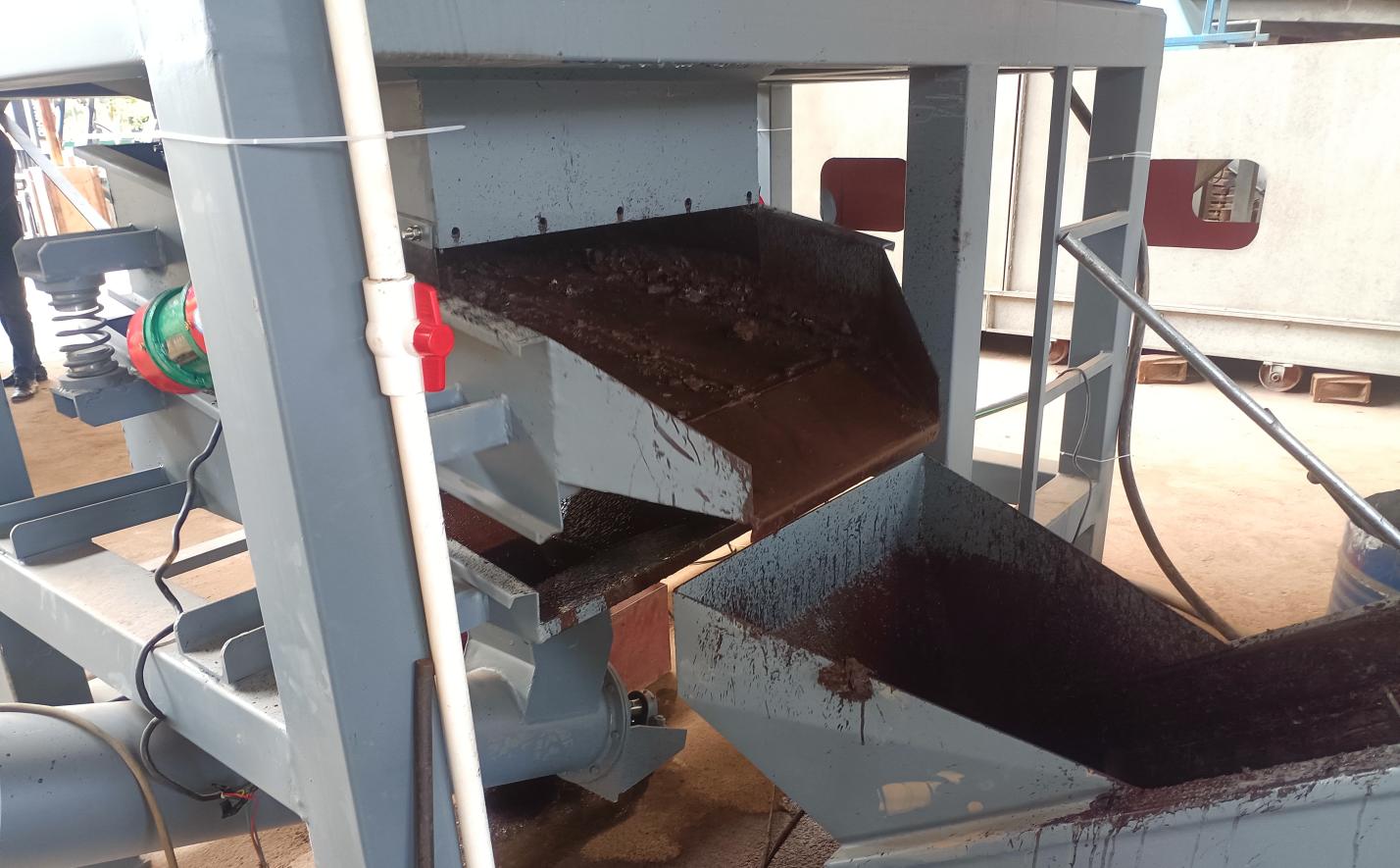
The global surge in electronic waste presents both a challenge and a significant business opportunity. With millions of tons of discarded electronics generated annually, investing in reliable recycling equipment has become essential for companies looking to recover valuable materials while meeting environmental regulations.
Understanding the Core Recycling Equipment Categories
Before making any investment, it is important to understand the main types of e-waste recycling machinery available on the market today. Each category is designed to handle specific waste streams and deliver targeted outputs.
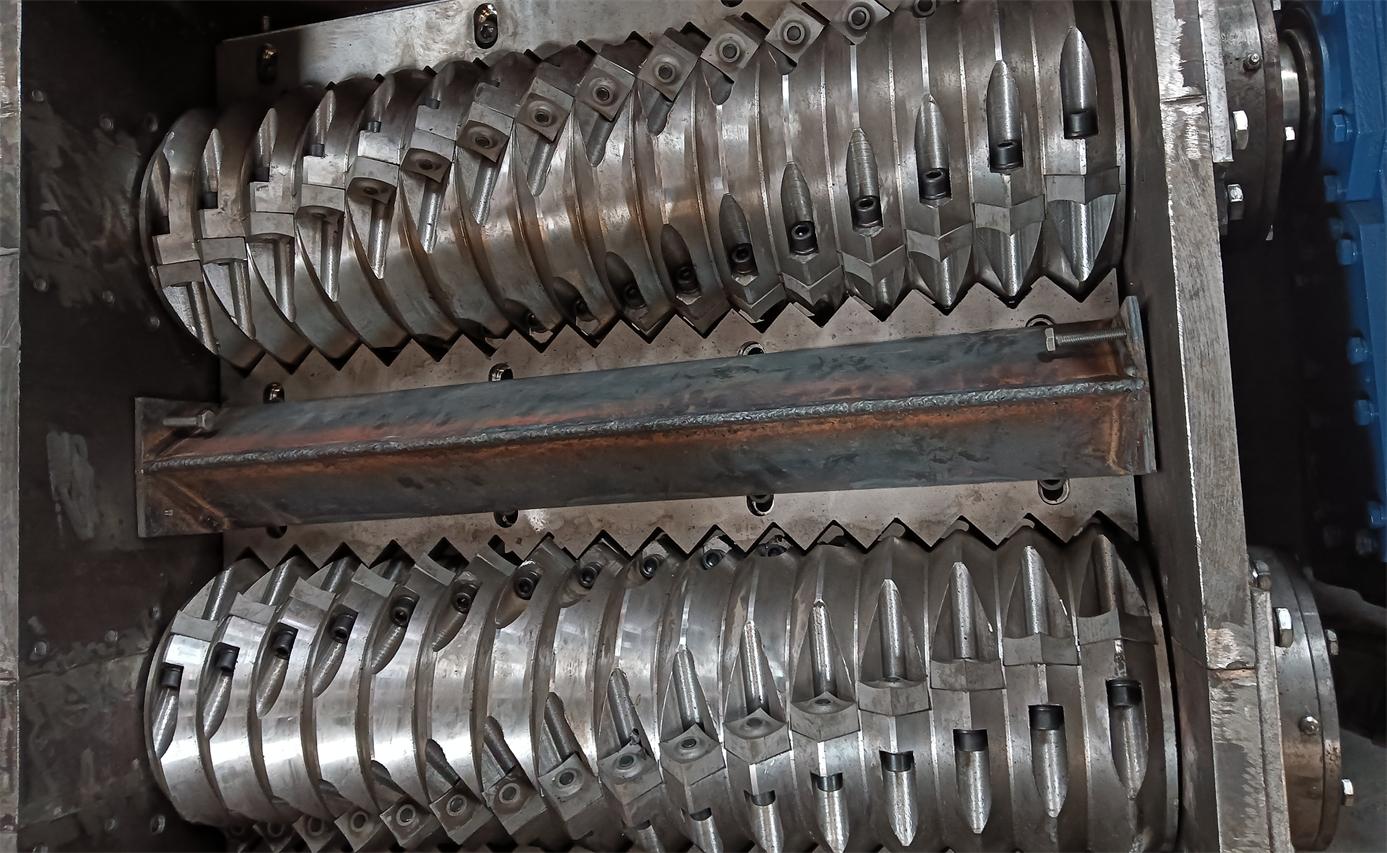
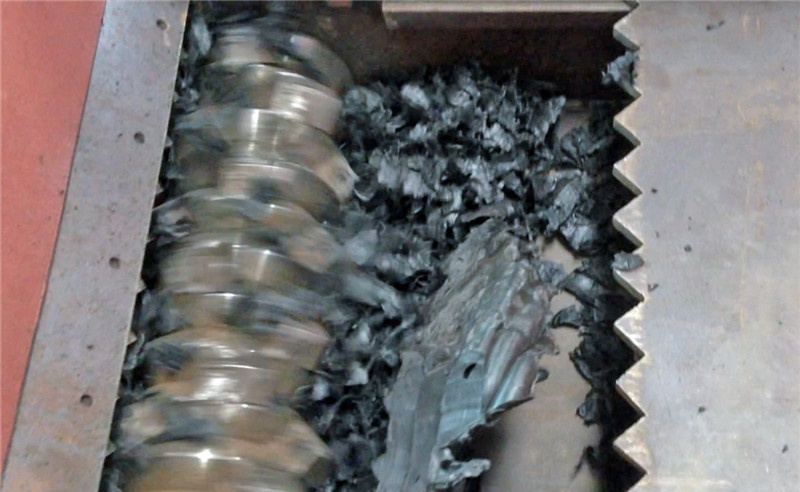
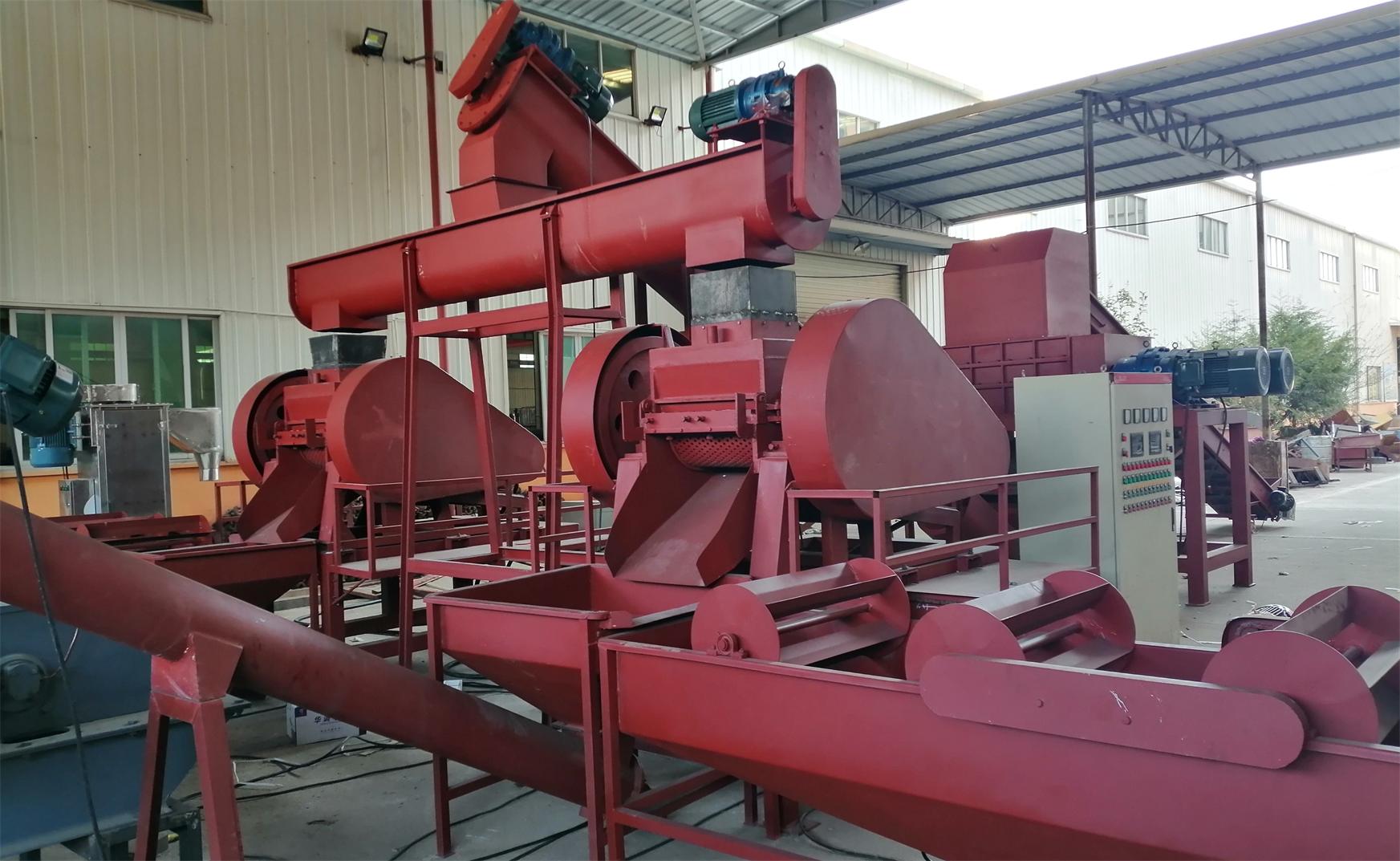
Cable Recycling Systems: Scrap cables and wires contain valuable copper and aluminum that can be recovered efficiently. Modern cable recycling equipment uses crushing, air separation, or electrostatic separation to separate metal from plastic insulation without using fire, water, or chemicals. Capacities typically range from 100 kg/hour to over 1,000 kg/hour depending on the model.
Battery Recycling Plants: Used lead acid batteries and lithium-ion batteries require specialized handling due to their chemical composition. A complete lead acid battery recycling equipment setup typically includes breaking and separation systems, desulfurization units, smelting furnaces, and air pollution control systems. For lithium batteries, the process involves discharging, pre-crushing, and separating black mass, plastic, copper, and aluminum.
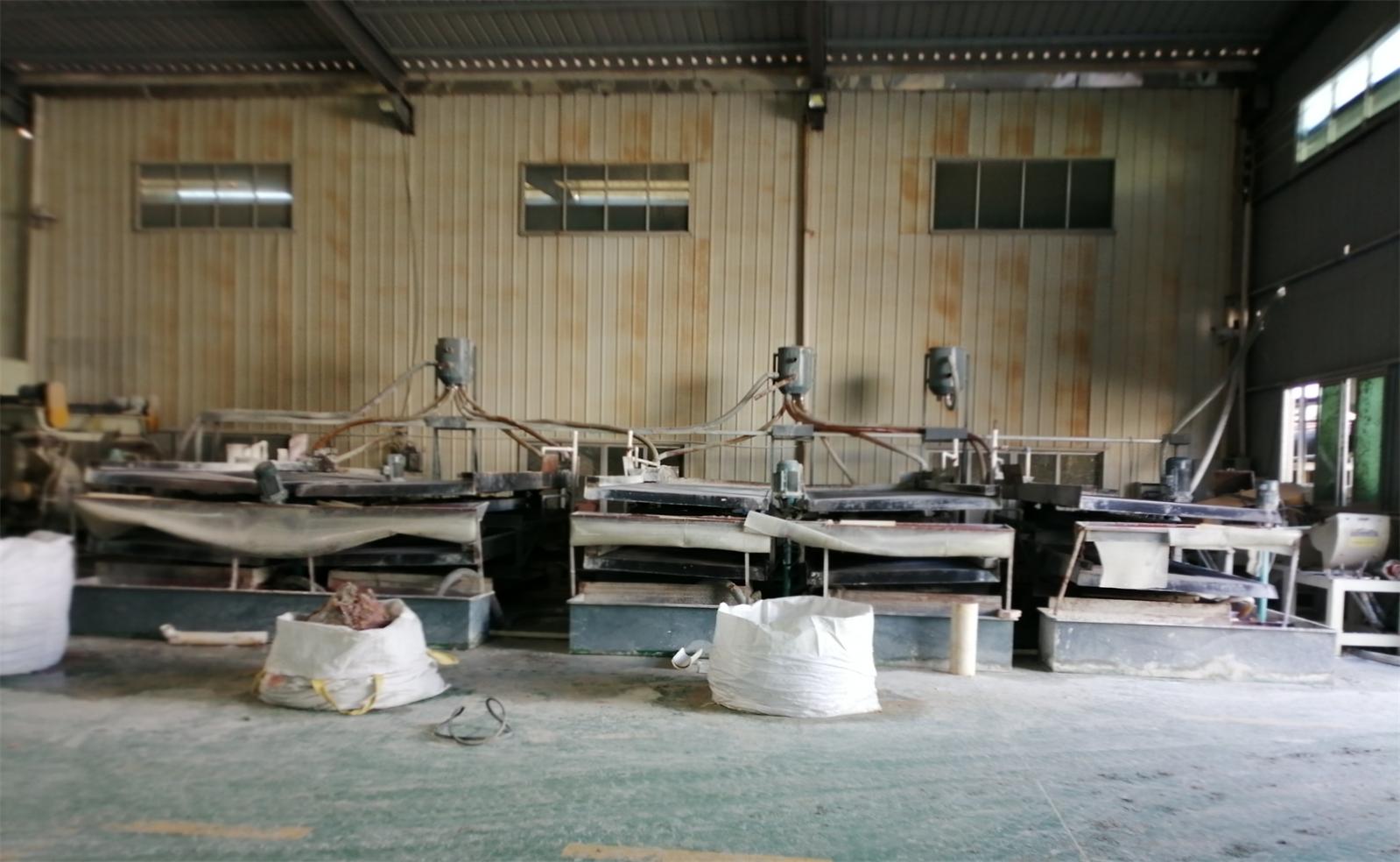
PCB Recycling Lines: Printed circuit boards contain precious metals and copper that justify dedicated recovery efforts. Circuit board recycling equipment can process 300 to 2,000 kg/hour using dry or wet separation methods, achieving copper powder purity levels of 96% to 98%.
Key Factors to Consider When Selecting Equipment
Choosing the right recycling machinery involves more than comparing prices. Here are the critical factors that experienced buyers evaluate:
Processing Capacity: Match the equipment capacity to your available feedstock. Over-investing in oversized equipment strains your budget, while under-capacity limits your growth.
Recovery Rate: High separation efficiency directly impacts profitability. Look for systems that achieve recovery rates above 95% for target materials.
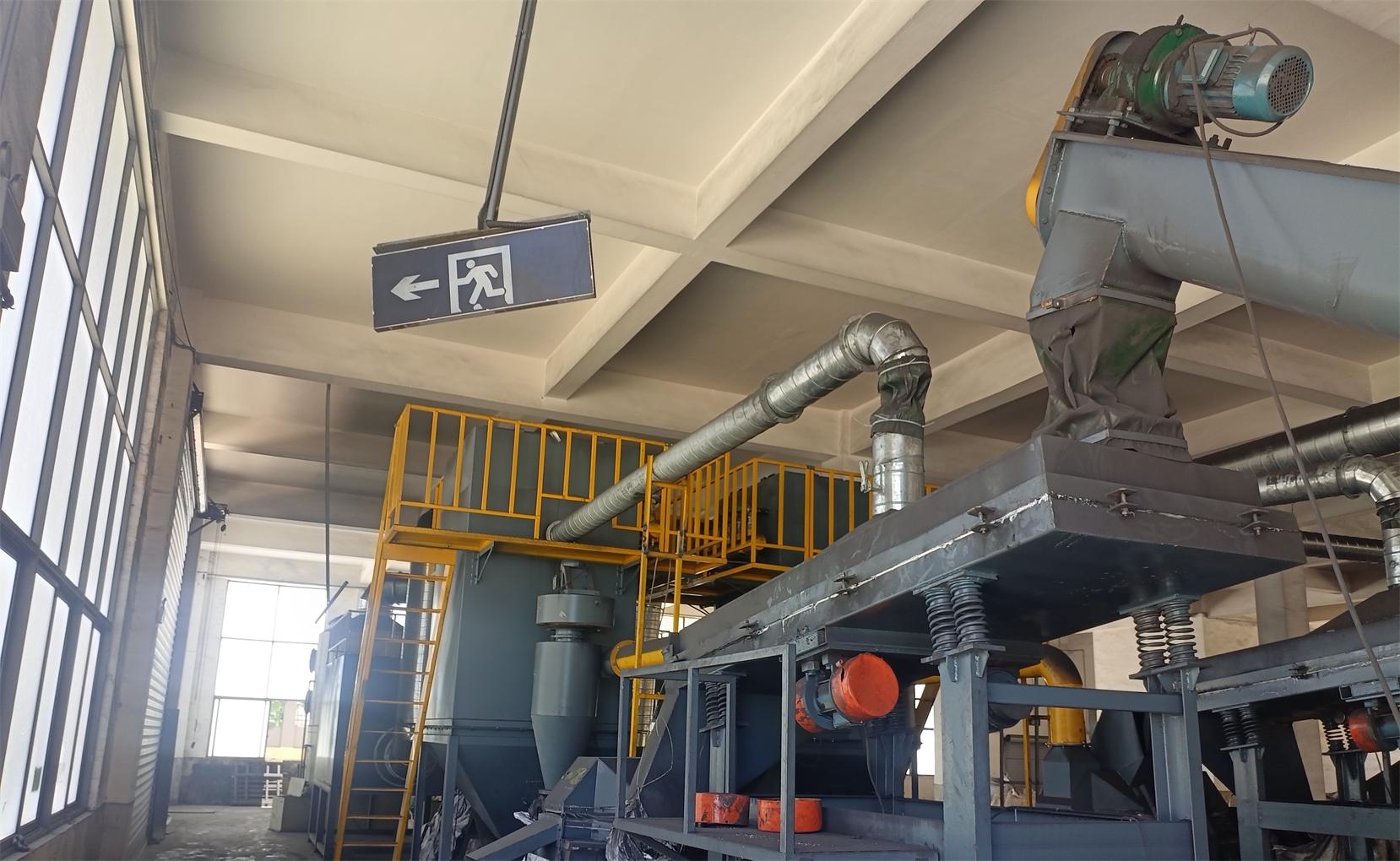
Environmental Compliance: Ensure the equipment includes proper dust collection, exhaust treatment, and wastewater management to meet local environmental standards.
Technical Support: Installation, commissioning, and operator training are essential for getting your plant operational quickly and safely.
The Value of Working with an Experienced Manufacturer
While many suppliers offer recycling machines, partnering with a manufacturer that has deep project experience can significantly reduce your implementation risks. Companies that have delivered turnkey recycling plants across multiple countries bring practical insights that catalog resellers simply cannot match.
San Lan Technologies Co., Ltd, established in 2007, has built and supported e-waste recycling plants in over 21 countries including Singapore, Colombia, Vietnam, Mexico, Argentina, Korea, Malaysia, and South Africa. Their engineering team holds master's degrees in mechanical engineering and brings over 15 years of hands-on experience in WEEE recycling machinery design and EPC project delivery.
What distinguishes an experienced partner is the ability to provide end-to-end support beyond just selling equipment. This includes helping customers source waste materials such as cable scrap, PCB scrap, and used lead acid batteries, as well as assisting with the sale of recovered products like copper rice, copper powder, and lead ingots.
Building a Sustainable Recycling Operation
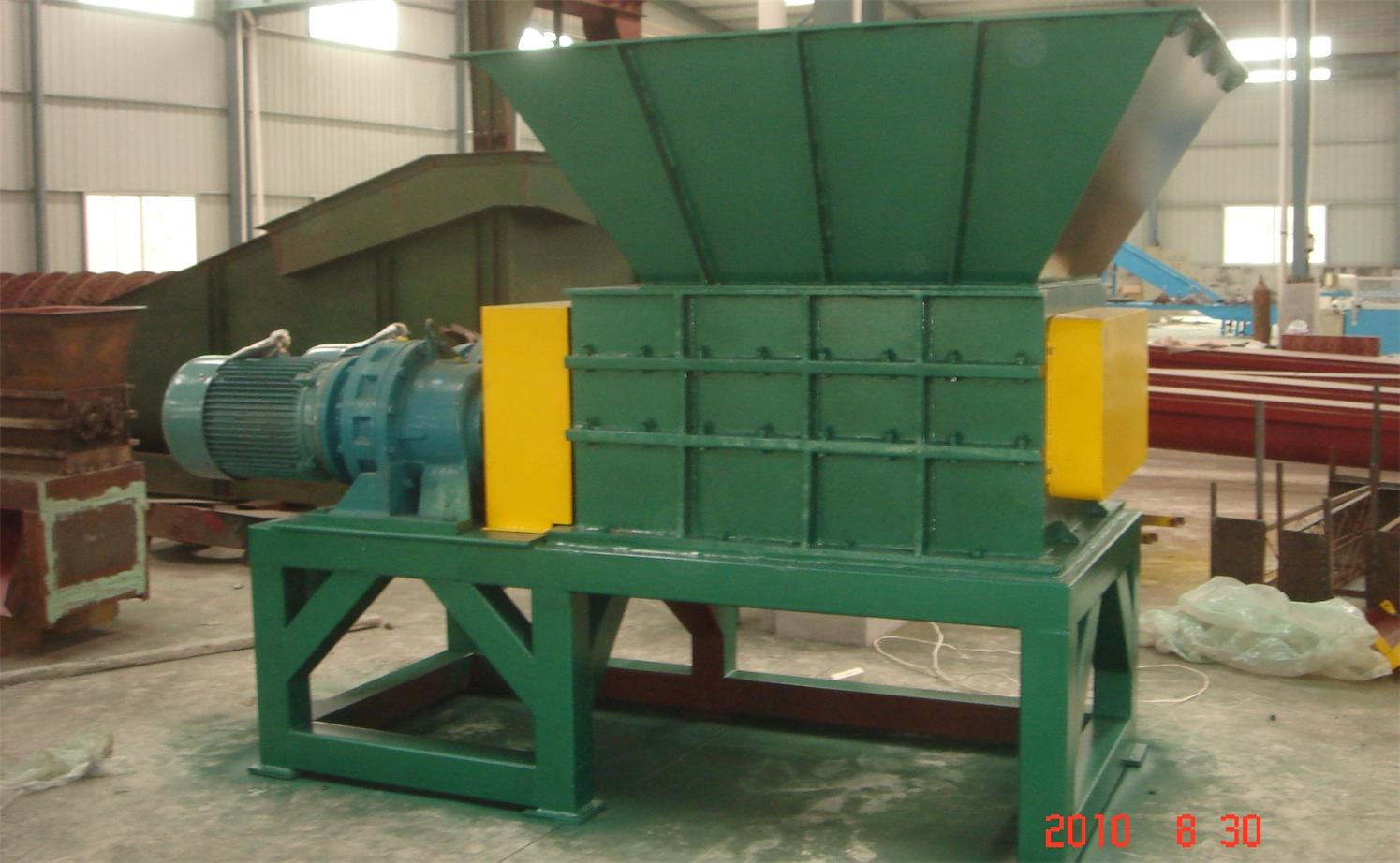
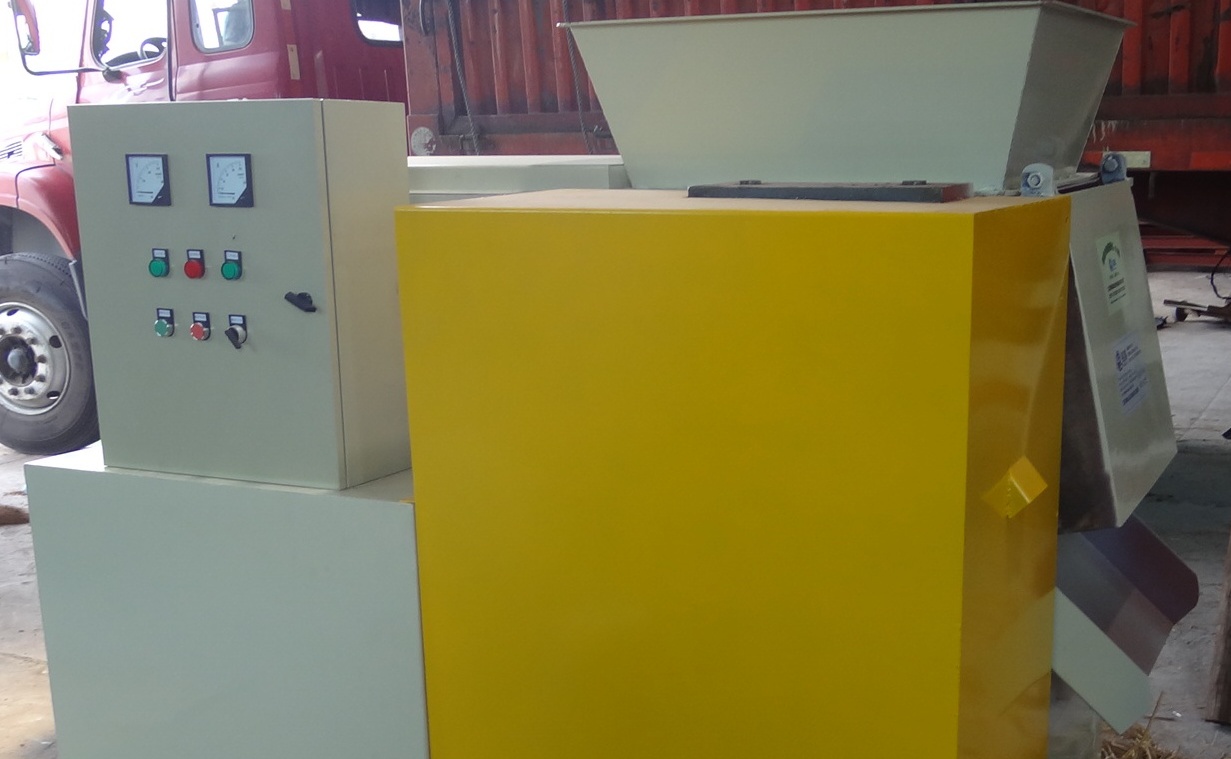
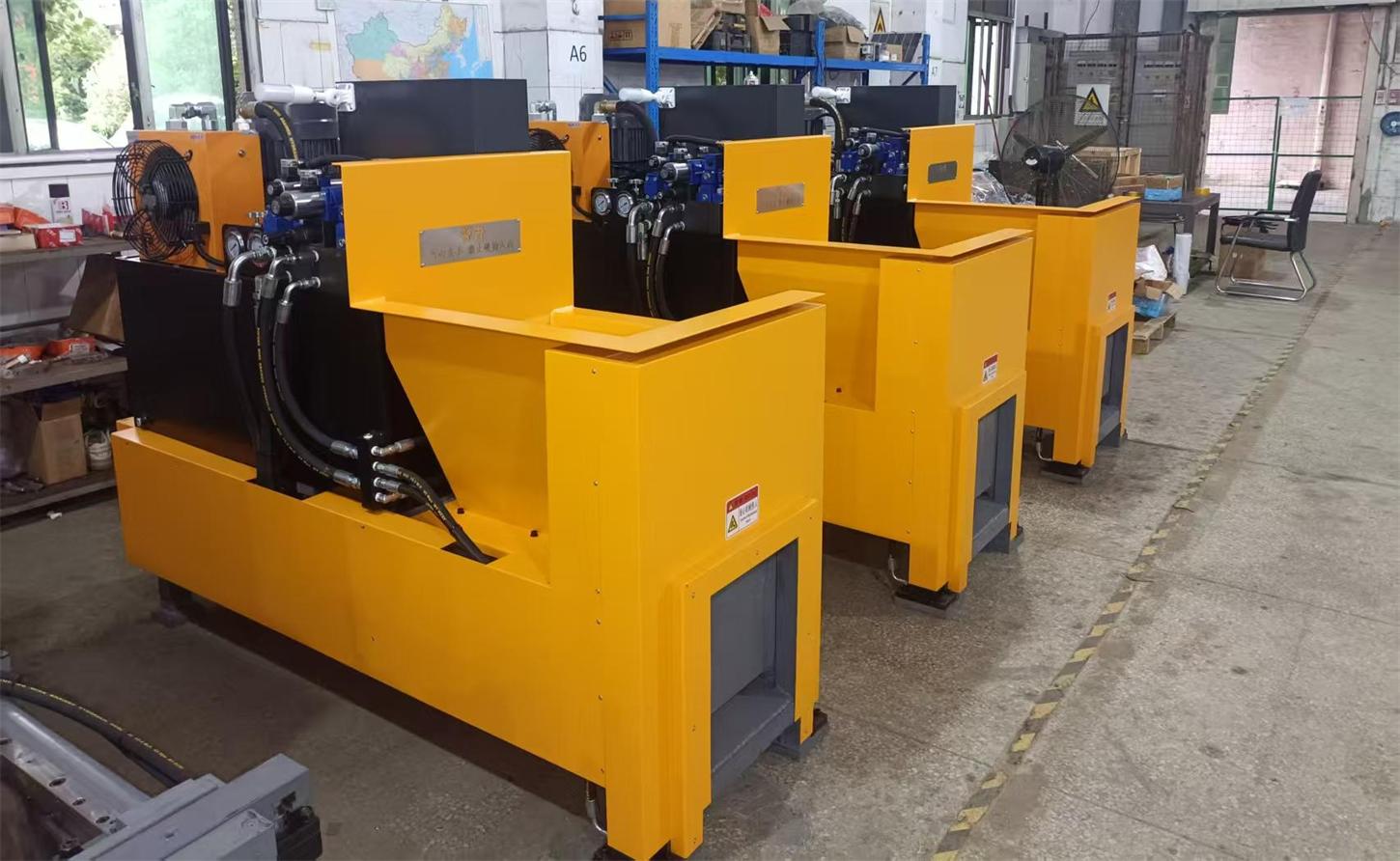
Starting a recycling business or upgrading existing facilities requires careful planning. Beyond the core machinery, consider whether your supplier can provide auxiliary equipment such as shredders, hydraulic briquetting machines, and metal melting furnaces. A unified equipment package ensures better process integration and simplifies maintenance.
Customization capability is another important factor. Every recycling operation faces different raw material compositions, local regulations, and space constraints. A supplier that offers customized design and turnkey installation can adapt the plant layout and process flow to your specific situation rather than forcing you to adapt to a fixed template.
Ready to explore your recycling equipment options? Whether you are evaluating cable recycling equipment, lead acid battery recycling equipment, or circuit board recycling equipment, starting with a clear understanding of your material stream and capacity requirements is essential. Contact a specialist who can review your project specifics and recommend a practical, cost-effective solution tailored to your goals.