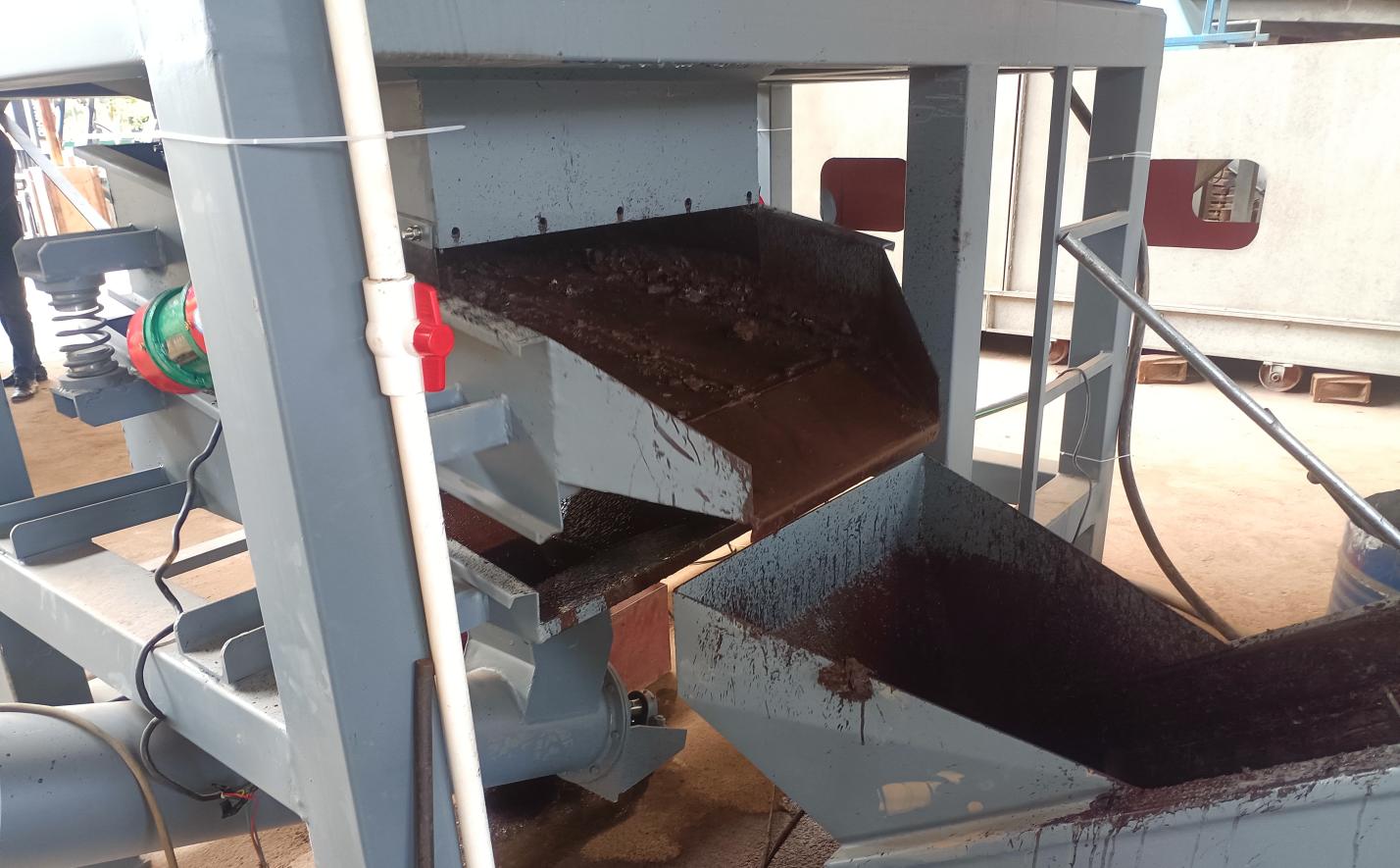
The global surge in electronic waste has created both an environmental challenge and a significant business opportunity. With over 50 million tons of e-waste generated annually worldwide, companies that invest in the right recycling infrastructure are positioning themselves at the forefront of a rapidly expanding industry. Whether you are entering the recycling market for the first time or scaling your existing operations, selecting the appropriate equipment is the most critical decision you will make.
Understanding the Core Recycling Streams
Before evaluating machinery, it is essential to understand which materials your facility will process. The four primary e-waste recycling streams each require specialized technology to maximize recovery rates and profitability.
Lead Acid Battery Recycling
Used lead acid batteries represent one of the most recycled consumer products globally. A complete lead acid battery recycling equipment setup typically includes breaking and separation systems, rotary furnaces for paste reduction, refinery kettles, and air pollution control systems. Modern plants can achieve lead recovery rates exceeding 95% while meeting strict environmental standards.
Lithium Battery Recycling
As electric vehicles and portable electronics continue to dominate the market, spent lithium-ion batteries have become a valuable feedstock. A well-designed lithium battery recycling plant recovers black mass containing nickel, cobalt, and graphite, along with copper, aluminum, and plastic fractions. Capacity requirements typically range from 500 to 2,500 kg per hour for commercial operations.
Circuit Board Processing
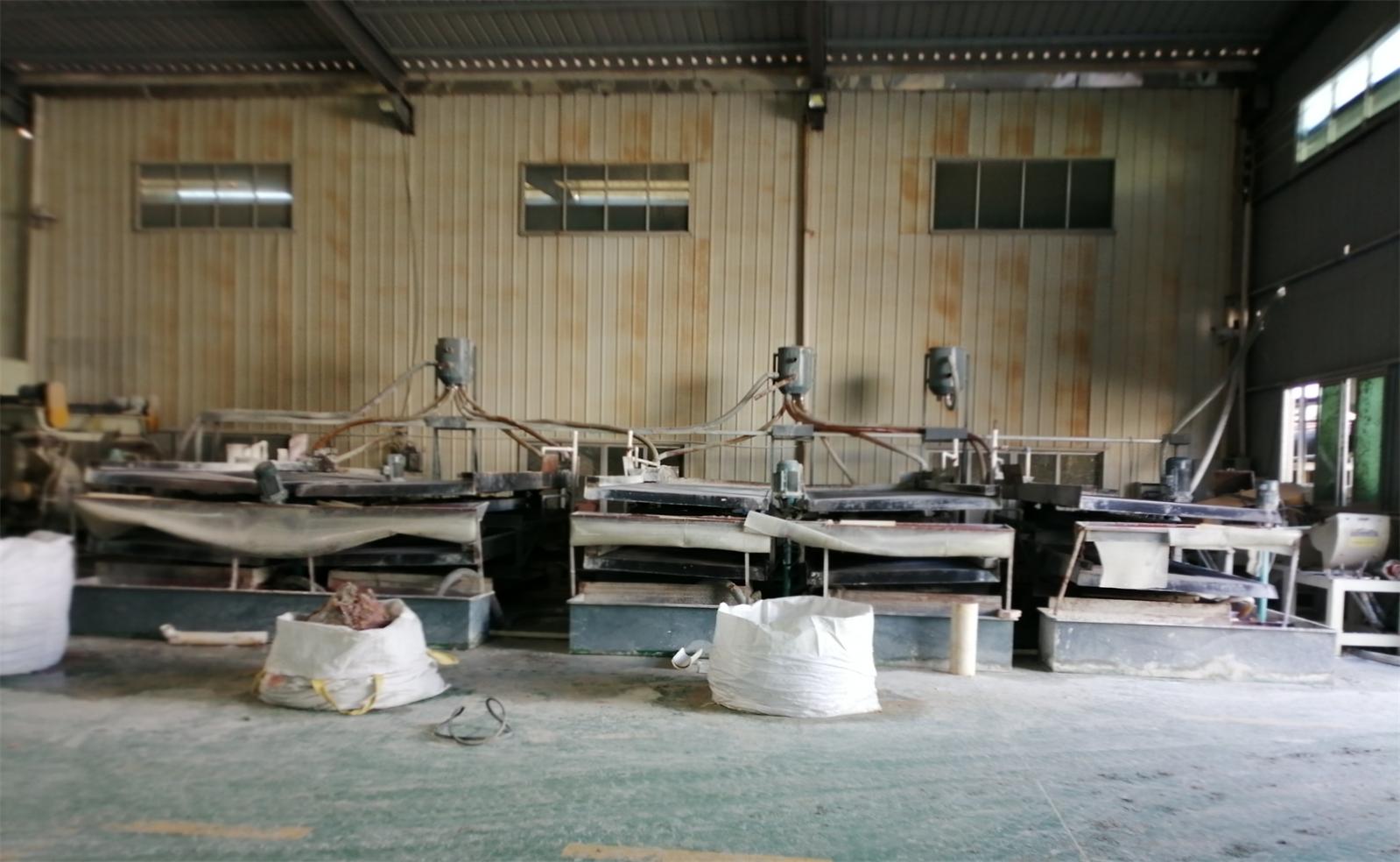
Printed circuit boards contain precious metals and high-grade copper. Advanced circuit board recycling equipment uses either dry air separation or wet separation technologies to achieve copper powder purity of 96-98% with recovery rates around 95%.
Cable and Wire Recovery
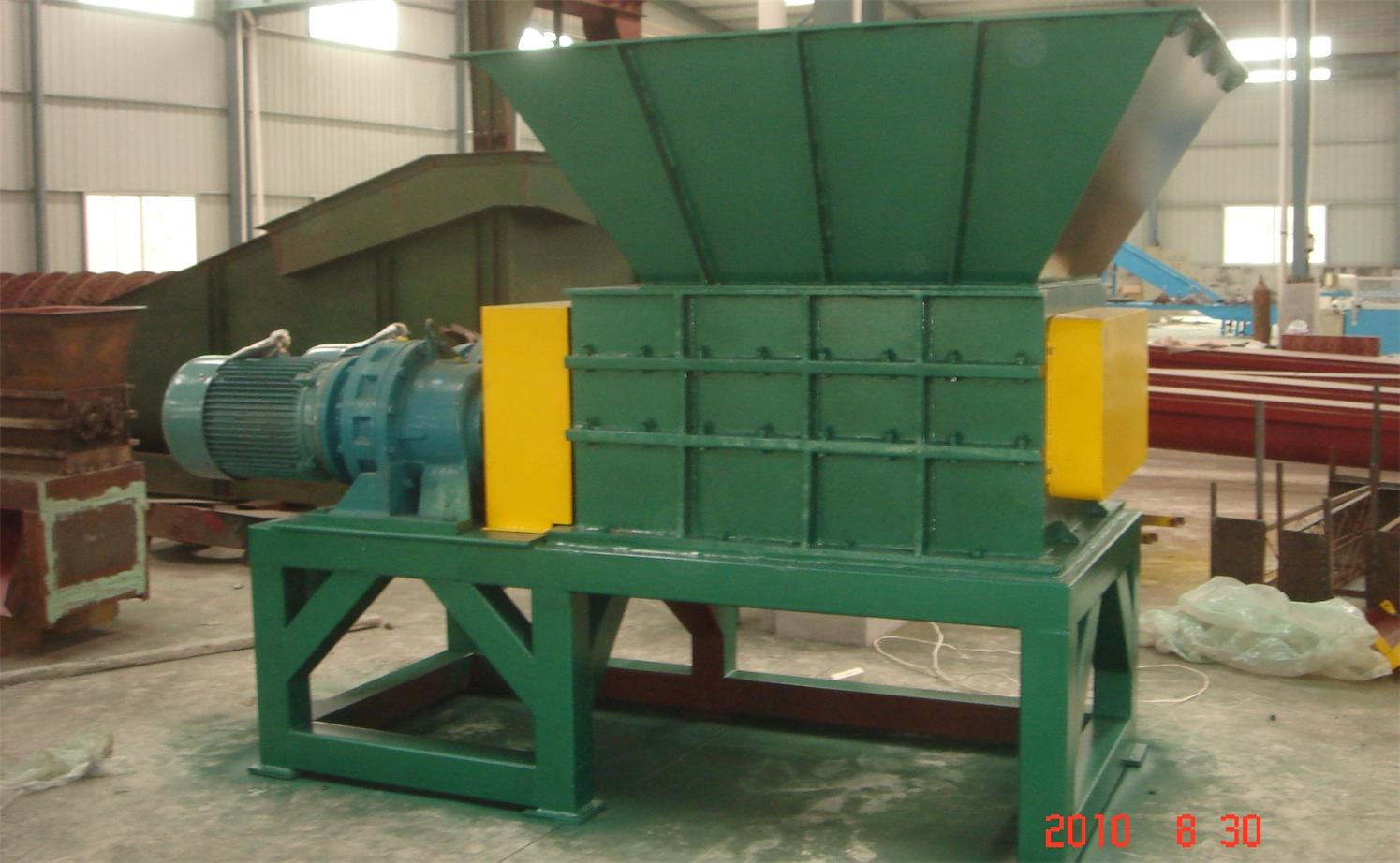
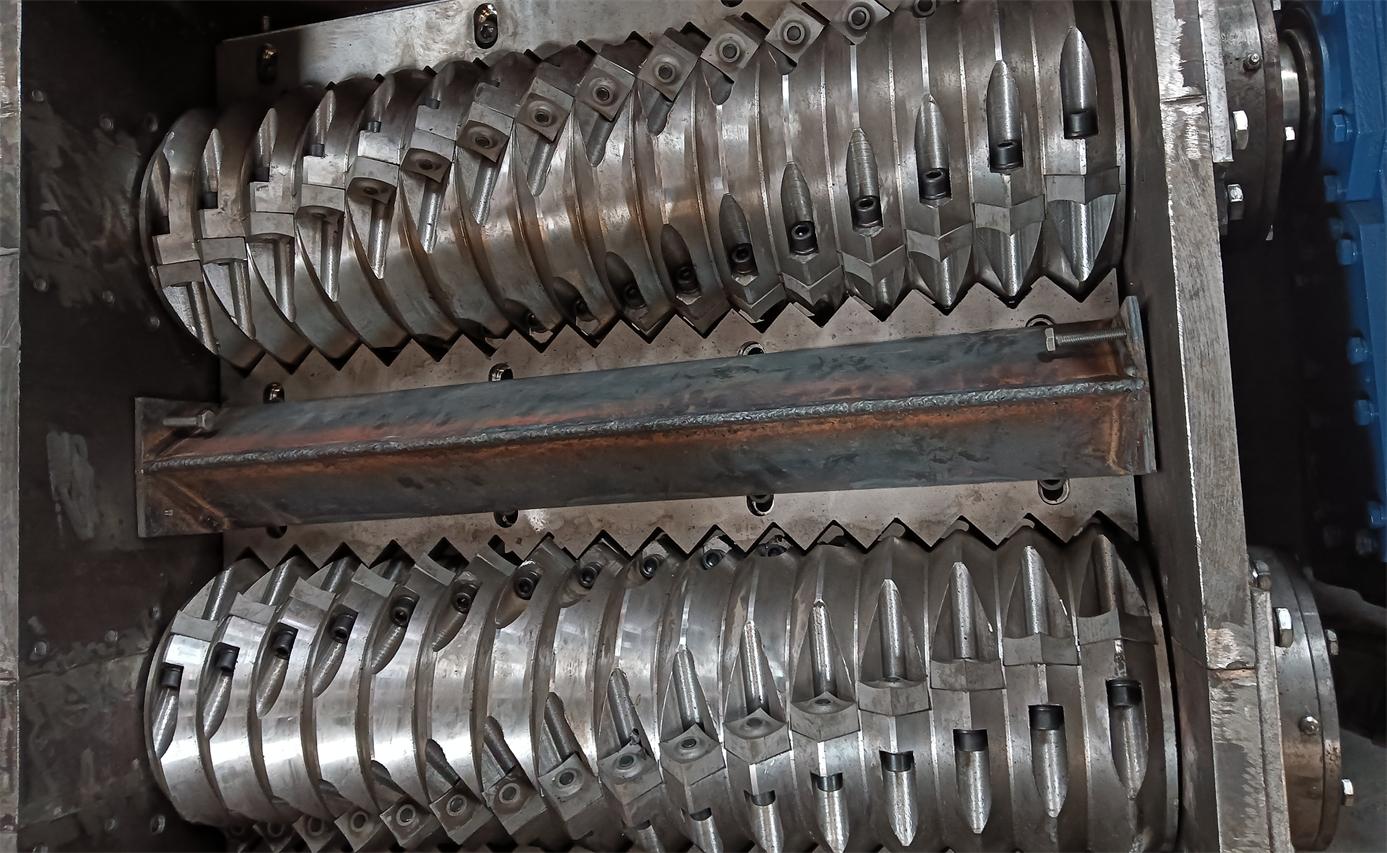
Scrap cables and wires represent a straightforward entry point into recycling. Granulators with dry separators can process various cable types, separating copper or aluminum from plastic insulation with high efficiency.
Key Factors When Selecting Recycling Equipment
Processing Capacity
Match your equipment capacity to your available feedstock. Overinvesting in oversized machinery strains cash flow, while undersized equipment creates bottlenecks.
Recovery Rate and Purity
The difference between a 90% and 95% recovery rate directly impacts your bottom line. Evaluate separation technology carefully, whether air-based, water-based, or electrostatic.
Environmental Compliance
Pollution control is not optional. Ensure your system includes dust collection, effluent treatment, and air purification components that meet local and international standards.
Automation and Labor Requirements
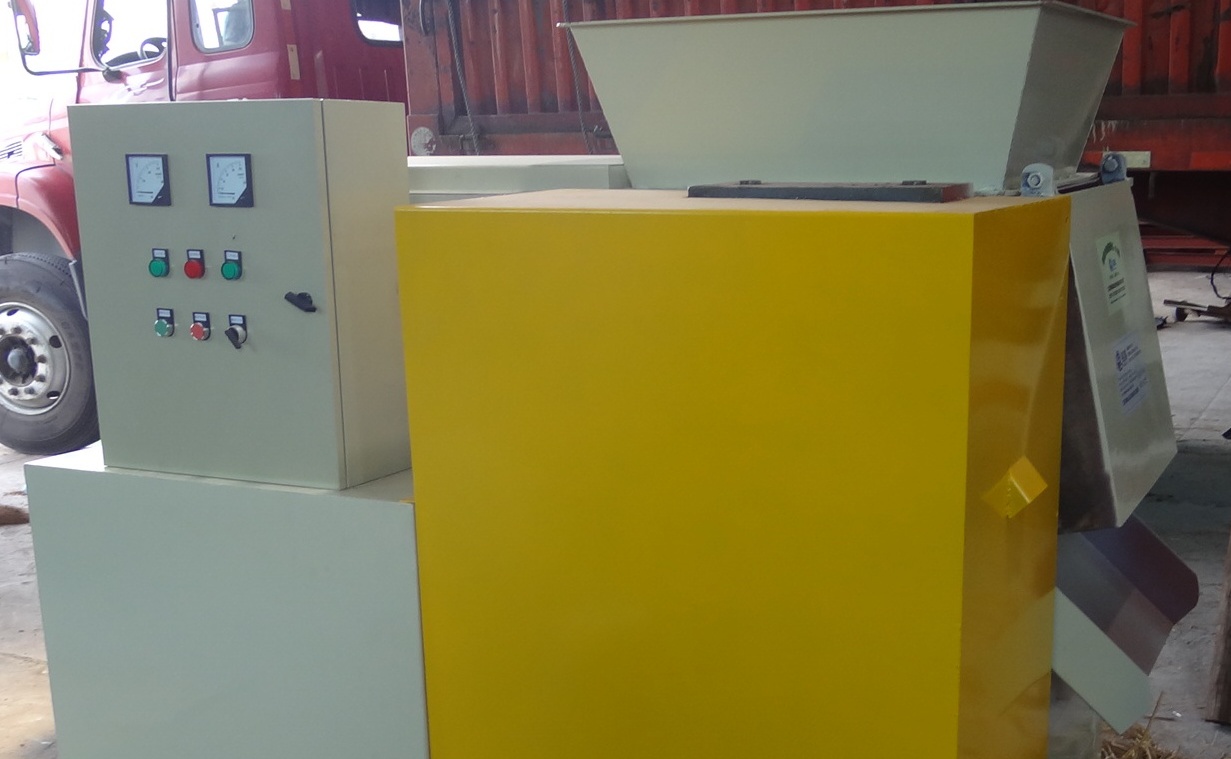
Automated feeding, sorting, and control systems reduce labor costs and improve consistency. PLC-based control systems allow for monitoring and adjustments in real time.
After-Sales Support
Installation, commissioning, operator training, and spare parts availability determine how quickly you reach profitable production levels.
Turnkey Solutions vs. Piecemeal Purchasing
While it may seem cost-effective to source individual machines from different suppliers, integrating mismatched equipment often leads to compatibility issues, delayed startups, and blame-shifting when problems arise. Turnkey solutions from a single experienced provider ensure that crushers, separators, conveyors, and control systems are engineered to work together seamlessly.
A comprehensive turnkey approach also includes plant layout design, utility planning, pollution control integration, and operational training. This holistic method typically reduces time-to-production from months to weeks.
Emerging Opportunities in Mining and Mineral Processing
Beyond traditional e-waste, the recycling industry is increasingly overlapping with mining technology. Lithium ore extraction plants, for example, use similar crushing, grinding, and separation principles to produce battery-grade concentrates. Companies with expertise in both recycling and mineral processing can offer valuable cross-disciplinary insights and equipment solutions.
Building a Profitable Recycling Operation
Success in recycling requires more than just machinery. Reliable suppliers should assist with feedstock sourcing strategies, market connections for recovered materials, and guidance on regulatory compliance. Some providers even help identify investors or partners for large-scale plant construction projects.
The most successful recycling entrepreneurs treat equipment suppliers as long-term partners rather than one-time vendors. Look for manufacturers with demonstrated international experience, technical teams with advanced engineering backgrounds, and a commitment to continuous improvement.
Ready to Build Your Recycling Business?
With over 15 years of specialized experience, San Lan Technologies Co., Ltd has supplied e-waste and battery recycling equipment to clients across more than 21 countries. From lead acid battery breaking systems to lithium battery separation plants and circuit board recovery lines, we design, manufacture, and commission complete recycling solutions tailored to your specific requirements.
Contact our engineering team today to discuss your project. Email us at info@san-lan.com or reach us via WhatsApp at +86 139 2377 4083. Let us help you turn waste into value.