How to Choose the Right E-Waste Recycling Equipment for Your Business
The global surge in electronic waste has created both an environmental challenge and a significant business opportunity. As outdated smartphones, computers, batteries, and cables pile up in landfills, forward-thinking entrepreneurs are turning this waste stream into profitable recycling operations. However, success in the e-waste recycling industry depends heavily on selecting the right equipment. With nearly two decades of experience manufacturing recycling machinery, San Lan Technologies Co., Ltd has guided businesses across 21 countries in building efficient, compliant, and profitable recycling plants. This guide walks you through the essential factors to consider when investing in e-waste recycling equipment.
Understanding the Main Categories of E-Waste Recycling Equipment
E-waste is not a single material but a complex mixture of metals, plastics, glass, and hazardous substances. Different waste streams require specialized processing equipment. Here are the three most common and profitable categories:
1. Cable Recycling Equipment
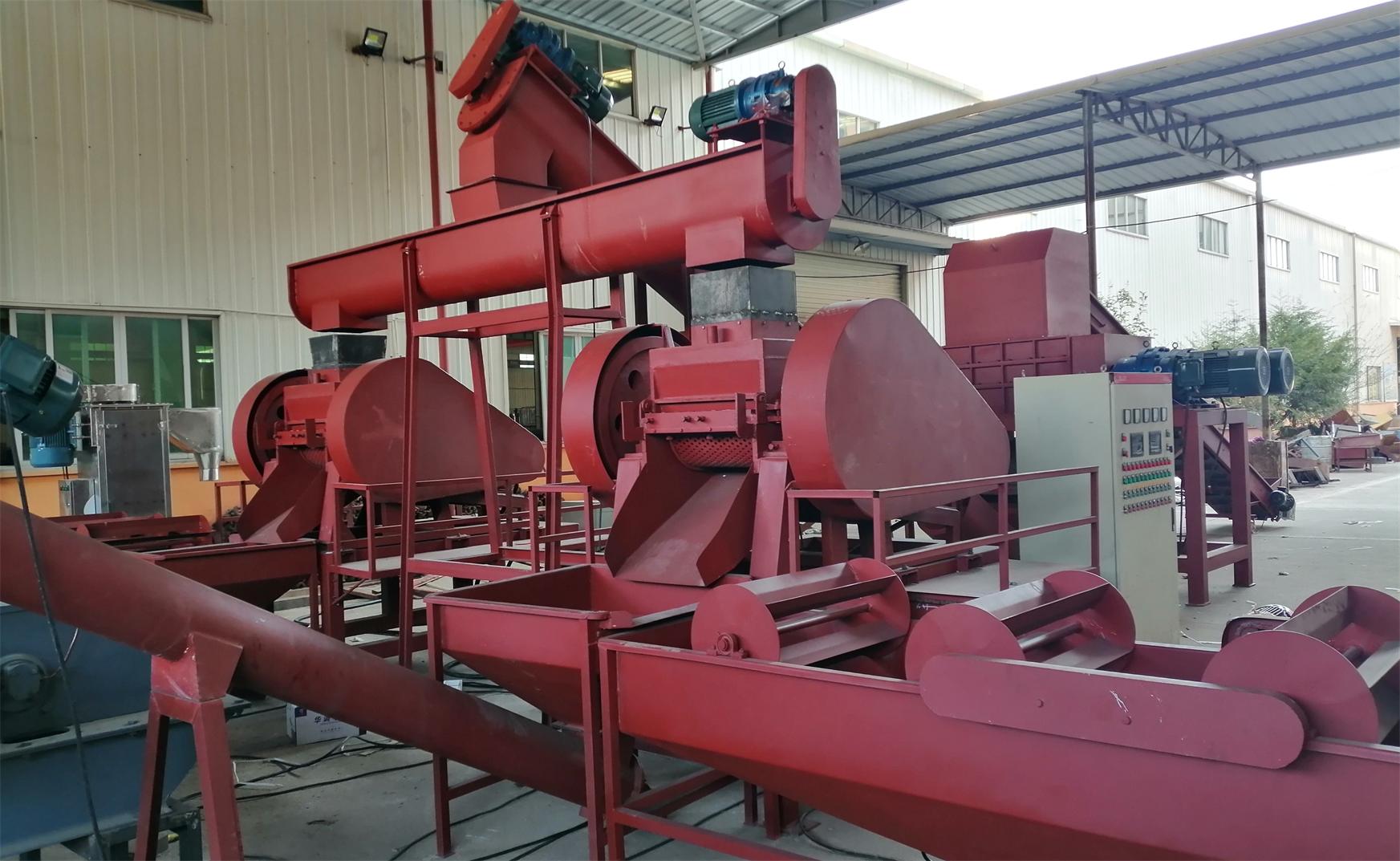
Scrap cables and wires contain valuable copper and aluminum that can be recovered and resold at premium prices. Cable recycling equipment typically includes cable strippers for large-diameter industrial cables and cable granulators for finer wires. A complete cable recycling plant uses dry or wet separation technology to isolate metal from plastic insulation with recovery rates exceeding 90%. Capacities range from compact 100 kg/hour units suitable for small workshops to industrial-scale 1200 kg/hour systems for large processing facilities.
Scrap cables and wires contain valuable copper and aluminum that can be recovered and resold at premium prices. Cable recycling equipment typically includes cable strippers for large-diameter industrial cables and cable granulators for finer wires. A complete cable recycling plant uses dry or wet separation technology to isolate metal from plastic insulation with recovery rates exceeding 90%. Capacities range from compact 100 kg/hour units suitable for small workshops to industrial-scale 1200 kg/hour systems for large processing facilities.
2. Circuit Board Recycling Equipment
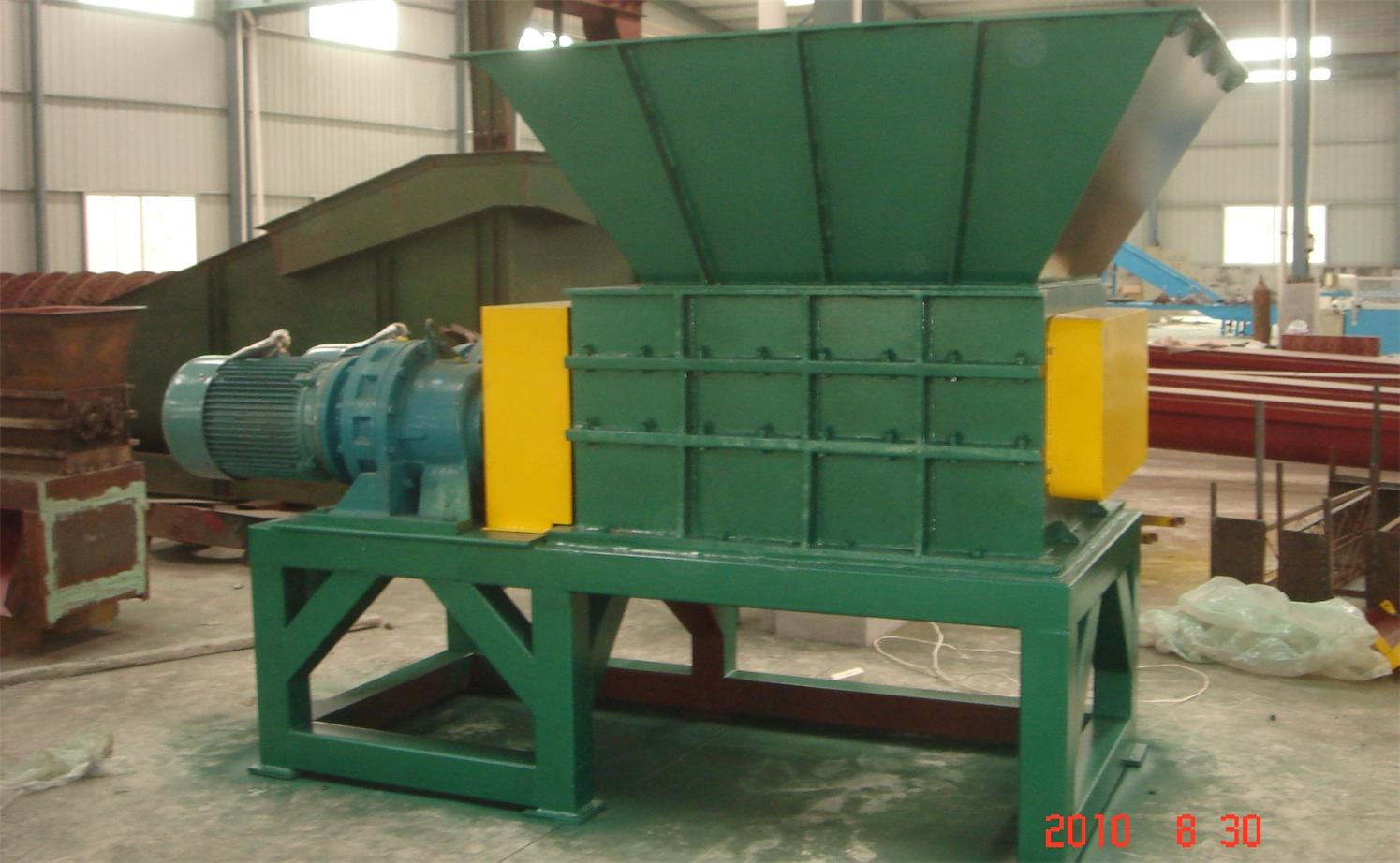
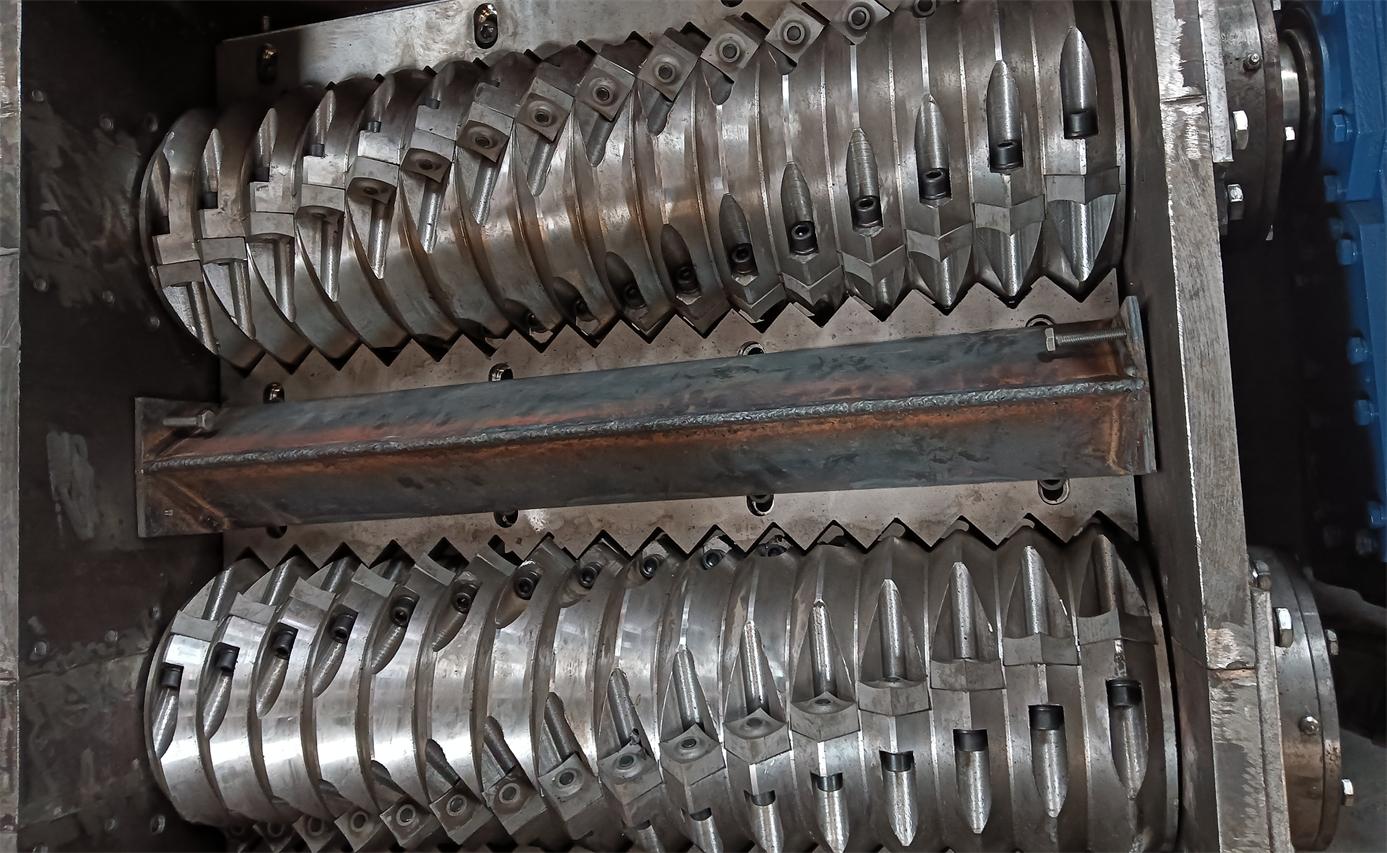
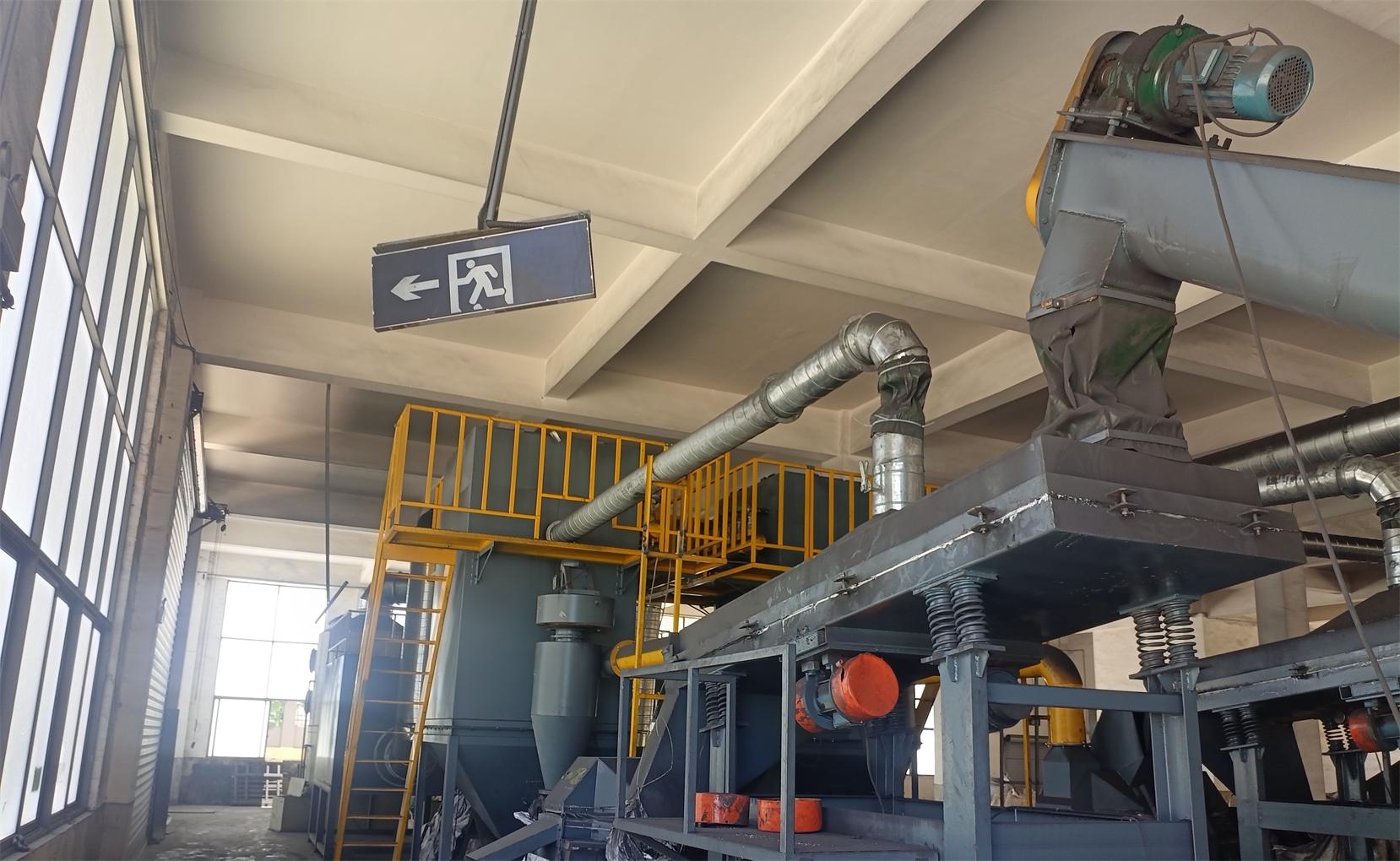
Printed circuit boards (PCBs) contain precious metals including gold, silver, palladium, and significant amounts of copper. Circuit board recycling equipment uses mechanical crushing combined with air separation or wet separation to recover copper powder with purity levels of 96-98%. Advanced plants can process 300 to 2000 kg/hour, making them suitable for operations of varying scales. The key advantage of modern PCB recycling lines is their environmentally friendly design, utilizing pulse bag dust collectors to prevent air pollution during processing.
Printed circuit boards (PCBs) contain precious metals including gold, silver, palladium, and significant amounts of copper. Circuit board recycling equipment uses mechanical crushing combined with air separation or wet separation to recover copper powder with purity levels of 96-98%. Advanced plants can process 300 to 2000 kg/hour, making them suitable for operations of varying scales. The key advantage of modern PCB recycling lines is their environmentally friendly design, utilizing pulse bag dust collectors to prevent air pollution during processing.
3. Battery Recycling Equipment
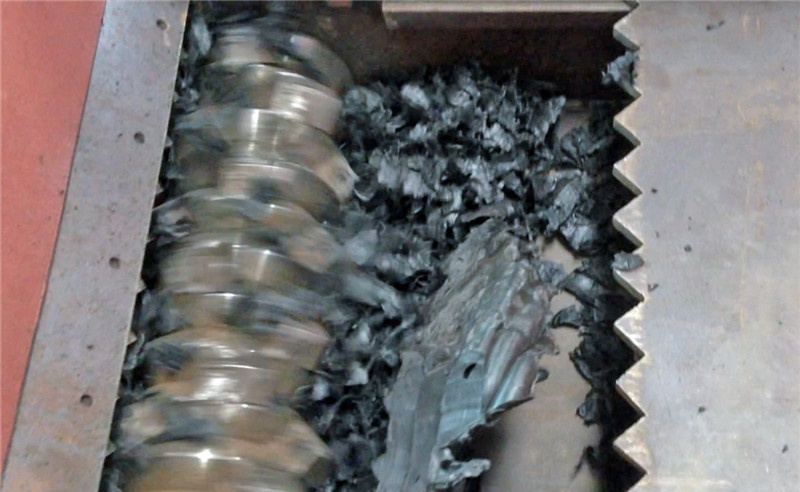
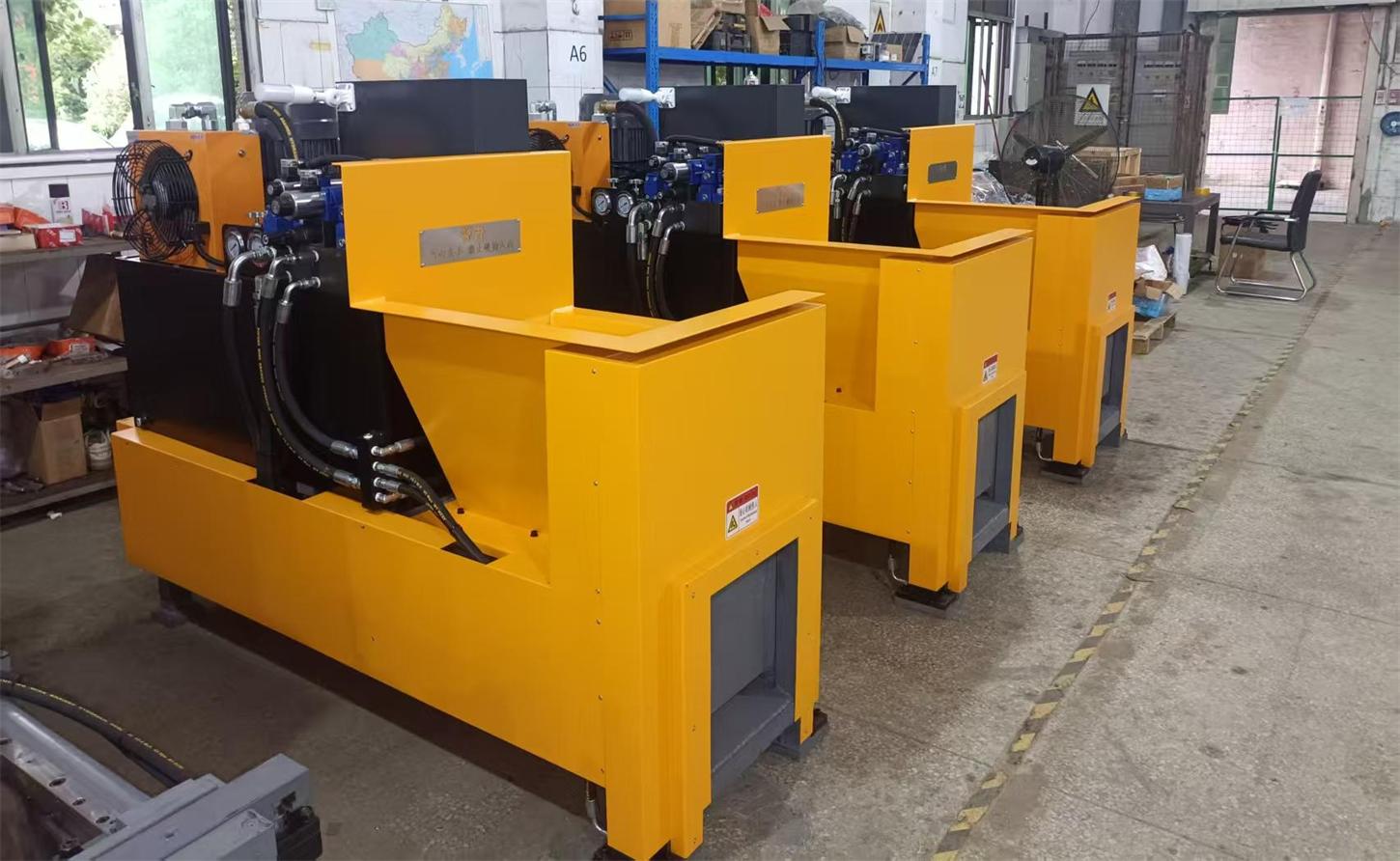
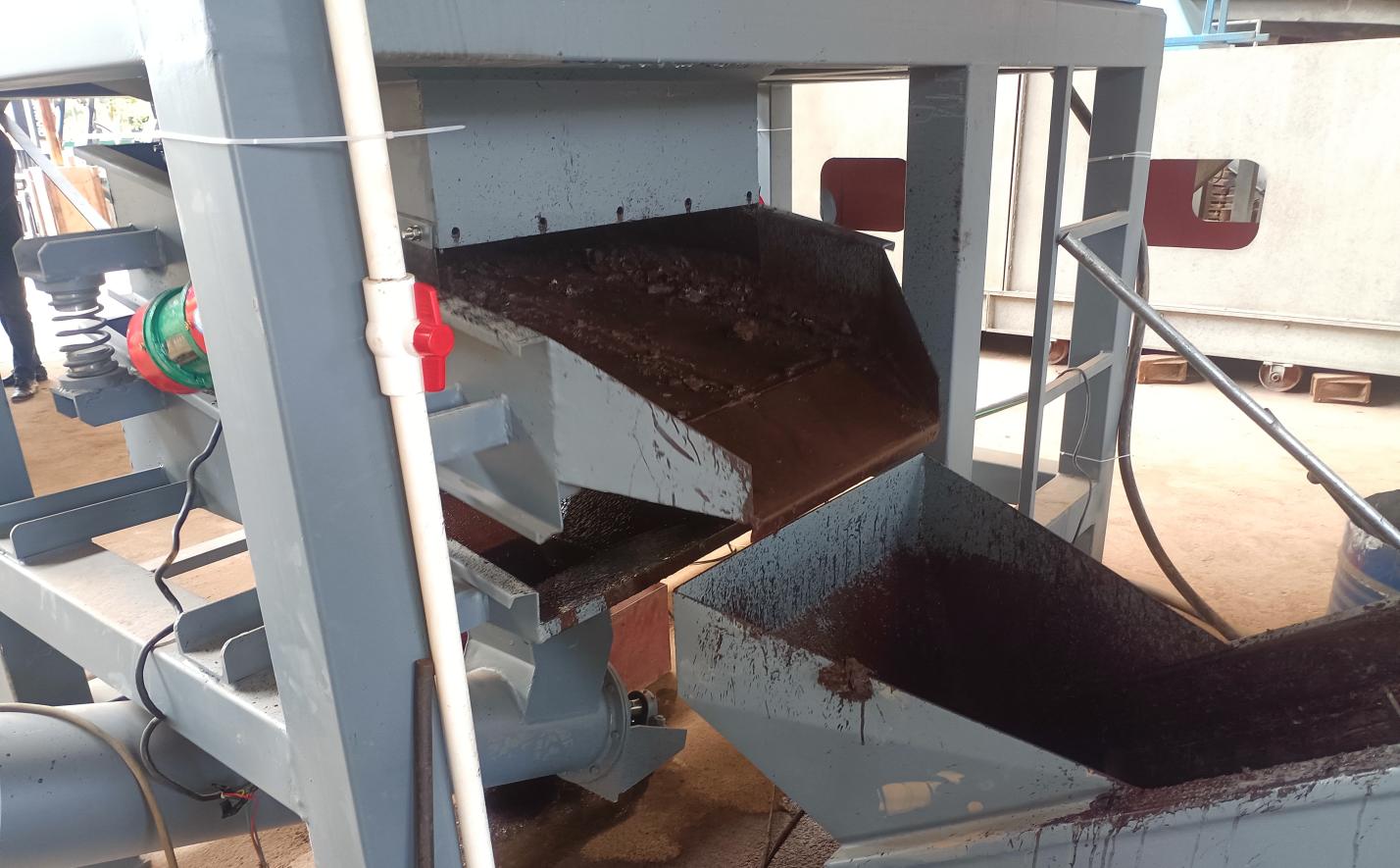
Used lead-acid batteries and lithium-ion batteries represent two of the fastest-growing waste streams globally. Lead acid battery recycling equipment breaks and separates batteries to recover lead paste, lead grids, plastic shells, and acid. Complete plants can process 1-10 metric tons per hour. For lithium batteries, specialized crushing and separation systems recover black mass containing nickel, cobalt, and graphite, along with plastic, copper, and aluminum. Both systems require integrated air pollution control to manage harmful gas emissions and ensure environmental compliance.
Used lead-acid batteries and lithium-ion batteries represent two of the fastest-growing waste streams globally. Lead acid battery recycling equipment breaks and separates batteries to recover lead paste, lead grids, plastic shells, and acid. Complete plants can process 1-10 metric tons per hour. For lithium batteries, specialized crushing and separation systems recover black mass containing nickel, cobalt, and graphite, along with plastic, copper, and aluminum. Both systems require integrated air pollution control to manage harmful gas emissions and ensure environmental compliance.
Key Factors in Equipment Selection
Choosing the right recycling equipment involves more than comparing price tags. Here are the critical factors that experienced operators evaluate:
Processing Capacity vs. Feedstock Availability
One of the most common mistakes is purchasing equipment with capacity far exceeding available raw materials. A 2000 kg/hour circuit board recycling plant is only profitable if you can consistently source 15-20 metric tons of PCB waste daily. For startups and small-to-medium operations, modular systems with 300-500 kg/hour capacity often provide better returns while allowing future expansion.
One of the most common mistakes is purchasing equipment with capacity far exceeding available raw materials. A 2000 kg/hour circuit board recycling plant is only profitable if you can consistently source 15-20 metric tons of PCB waste daily. For startups and small-to-medium operations, modular systems with 300-500 kg/hour capacity often provide better returns while allowing future expansion.
Separation Technology: Dry vs. Wet
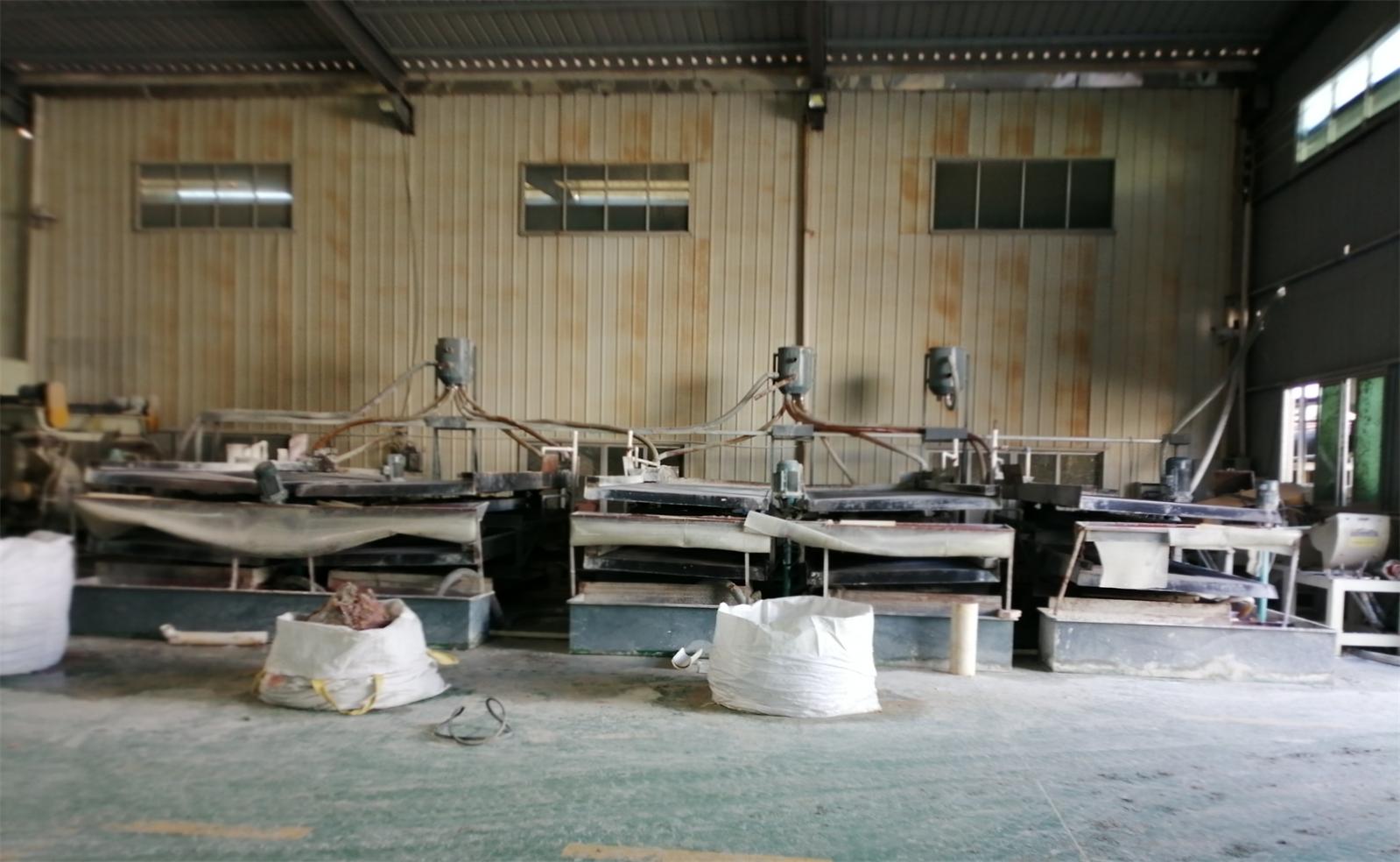
Dry separation using air classifiers and electrostatic separators is water-free and suitable for most cable and PCB recycling. Wet separation uses water-based density separation and can achieve higher purity for certain materials but requires wastewater treatment infrastructure. Your local environmental regulations and water availability will influence this choice significantly.
Dry separation using air classifiers and electrostatic separators is water-free and suitable for most cable and PCB recycling. Wet separation uses water-based density separation and can achieve higher purity for certain materials but requires wastewater treatment infrastructure. Your local environmental regulations and water availability will influence this choice significantly.
Environmental Compliance Features
Modern recycling equipment must include dust collection systems, exhaust gas purification, and wastewater treatment components. Air pollution control systems with activated carbon and HEPA filtration are essential for battery recycling plants. Leading manufacturers design complete turnkey systems where environmental protection is integrated rather than an afterthought.
Modern recycling equipment must include dust collection systems, exhaust gas purification, and wastewater treatment components. Air pollution control systems with activated carbon and HEPA filtration are essential for battery recycling plants. Leading manufacturers design complete turnkey systems where environmental protection is integrated rather than an afterthought.
Automation and Labor Requirements
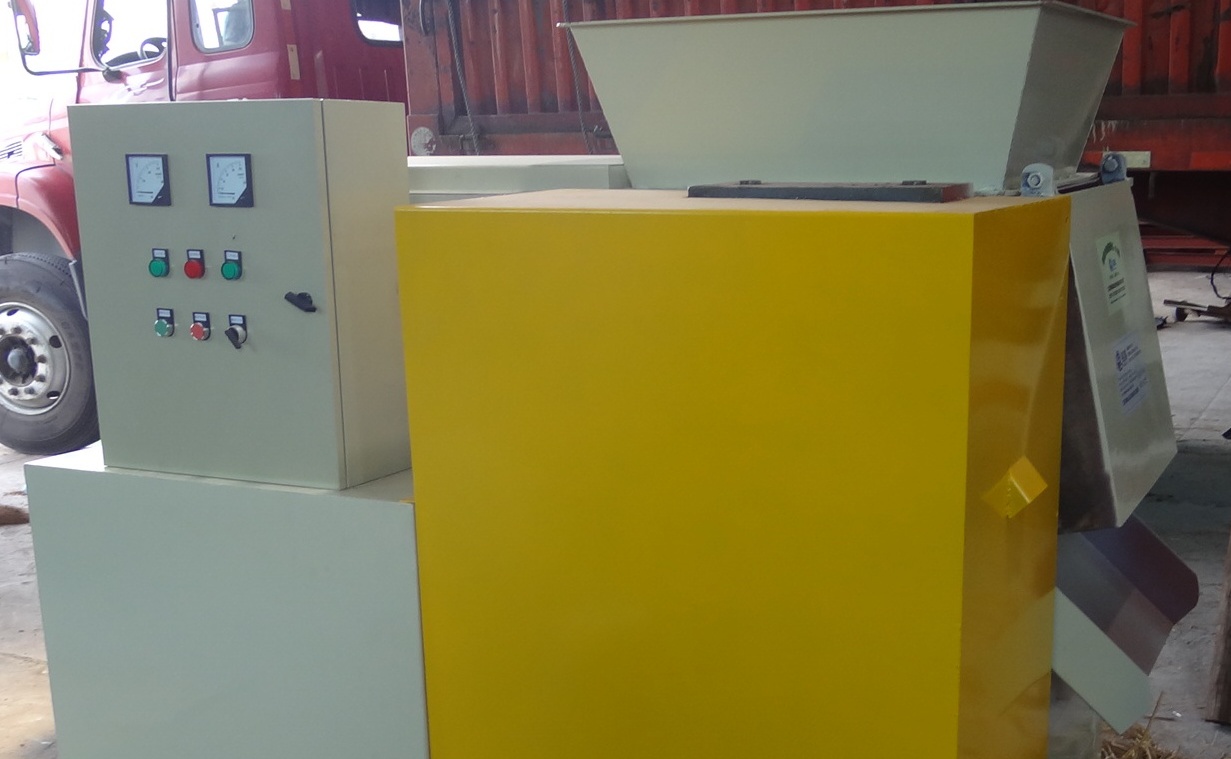
Fully automatic lines reduce labor costs and improve consistency but require higher initial investment. Semi-automatic systems are more affordable and suitable for markets with lower labor costs. Consider your local labor economics when evaluating the automation level that maximizes your return on investment.
Fully automatic lines reduce labor costs and improve consistency but require higher initial investment. Semi-automatic systems are more affordable and suitable for markets with lower labor costs. Consider your local labor economics when evaluating the automation level that maximizes your return on investment.
The Value of Turnkey Solutions and Technical Support
Many first-time investors underestimate the complexity of commissioning a recycling plant. Beyond the machinery itself, successful operations require plant layout design, installation supervision, operator training, and ongoing technical support. EPC (Engineering, Procurement, Construction) project experience becomes invaluable here. A supplier who can deliver not just equipment but a complete operational blueprint saves months of trial and error and prevents costly mistakes.
San Lan Technologies offers comprehensive support including customized plant design, one-stop equipment purchasing, installation and commissioning, raw material sourcing assistance, and even help marketing recovered products such as copper rice, copper powder, and lead ingots. This end-to-end approach has enabled clients across Asia, Africa, South America, and the Middle East to achieve profitable operations from day one.
Building a Sustainable and Profitable Recycling Business
The e-waste recycling industry rewards operators who take a long-term view. Equipment durability matters enormously, processing lines operate in harsh conditions with abrasive materials and corrosive substances. High-quality components, robust construction, and readily available spare parts minimize downtime and maintenance costs over the equipment's lifespan.
Another often-overlooked factor is the supplier's ability to help you navigate the business ecosystem. Can they connect you with reliable sources of scrap materials? Do they understand international market dynamics for recovered metals? Can they advise on plant expansion or diversification into related recycling streams? These strategic capabilities transform a simple equipment vendor into a genuine business partner.
Ready to Start Your E-Waste Recycling Venture?
San Lan Technologies Co., Ltd, established in 2007, has spent over 15 years developing and refining recycling equipment for lead-acid batteries, lithium batteries, circuit boards, cables, CRT monitors, refrigerators, and more. With customers in over 21 countries and a technical team holding master's degrees in mechanical engineering, San Lan delivers not just machinery but complete recycling solutions tailored to your local market conditions.
Visit www.san-lan.com to explore the full product range, or contact the team directly via WhatsApp at +86 139 2377 4083 or email info@san-lan.com for a personalized consultation and quotation. Turn e-waste into profit with the right partner and the right equipment.
San Lan Technologies Co., Ltd, established in 2007, has spent over 15 years developing and refining recycling equipment for lead-acid batteries, lithium batteries, circuit boards, cables, CRT monitors, refrigerators, and more. With customers in over 21 countries and a technical team holding master's degrees in mechanical engineering, San Lan delivers not just machinery but complete recycling solutions tailored to your local market conditions.
Visit www.san-lan.com to explore the full product range, or contact the team directly via WhatsApp at +86 139 2377 4083 or email info@san-lan.com for a personalized consultation and quotation. Turn e-waste into profit with the right partner and the right equipment.