The global surge in electronic consumption has created an unprecedented challenge: what happens when all these devices reach the end of their life? E-waste is now one of the fastest-growing waste streams worldwide, yet it also represents one of the most lucrative business opportunities for forward-thinking entrepreneurs. The key to unlocking this potential lies in selecting the right recycling equipment that can transform discarded electronics into valuable raw materials.
Whether you are planning to start a new recycling plant or expand your existing operation, understanding the machinery landscape is essential. This guide will walk you through the core equipment types, what to look for in a supplier, and how to maximize your return on investment.
Governments across the globe are tightening regulations around electronic waste disposal. Landfilling e-waste is increasingly restricted or banned, while extended producer responsibility laws push manufacturers to ensure their products are recycled properly. These regulatory shifts create a strong demand for professional recycling services.
Beyond compliance, e-waste is essentially a concentrated ore. Printed circuit boards contain copper and precious metals. Used batteries hold recoverable lead and lithium. Scrap cables are rich in copper and aluminum. With the right recycling equipment, these discarded materials become a steady revenue stream.
Key Insight: A well-equipped recycling plant does not just solve an environmental problem. It creates a sustainable supply of secondary raw materials that manufacturers are eager to purchase.
A comprehensive e-waste recycling operation typically requires specialized machinery for different material streams. Here are the four essential categories you should consider.
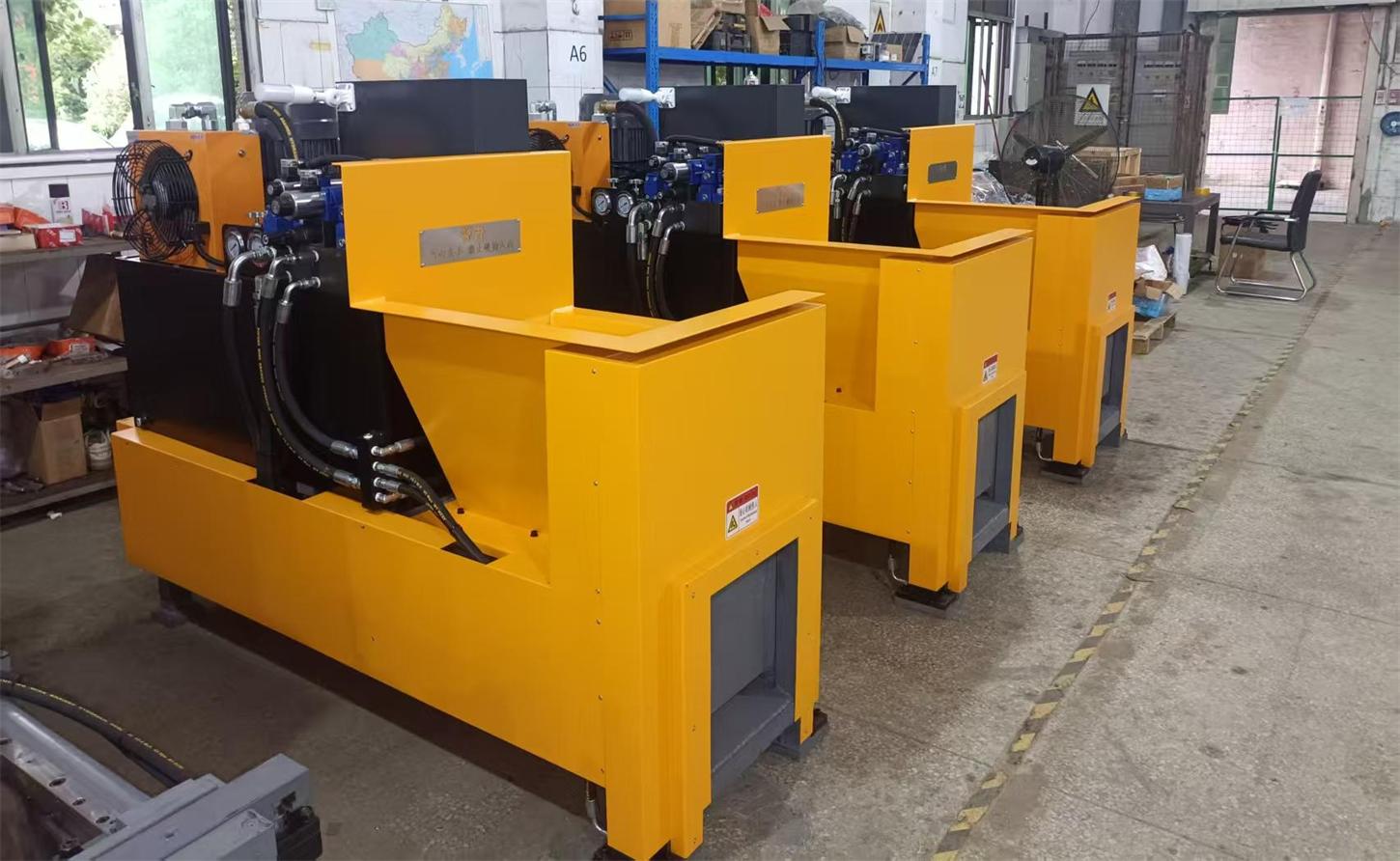
Used lead acid batteries remain a major waste stream from automotive and industrial applications. Proper recycling recovers lead, plastic, and acid while preventing toxic leakage. Modern lead acid battery recycling equipment typically includes battery breaking and separation systems, rotary furnaces for paste reduction, blast furnaces, lead refinery kettles, and air pollution control systems. A complete plant can process 1 to 10 metric tons per hour, turning hazardous waste into pure lead ingots and reusable plastic.
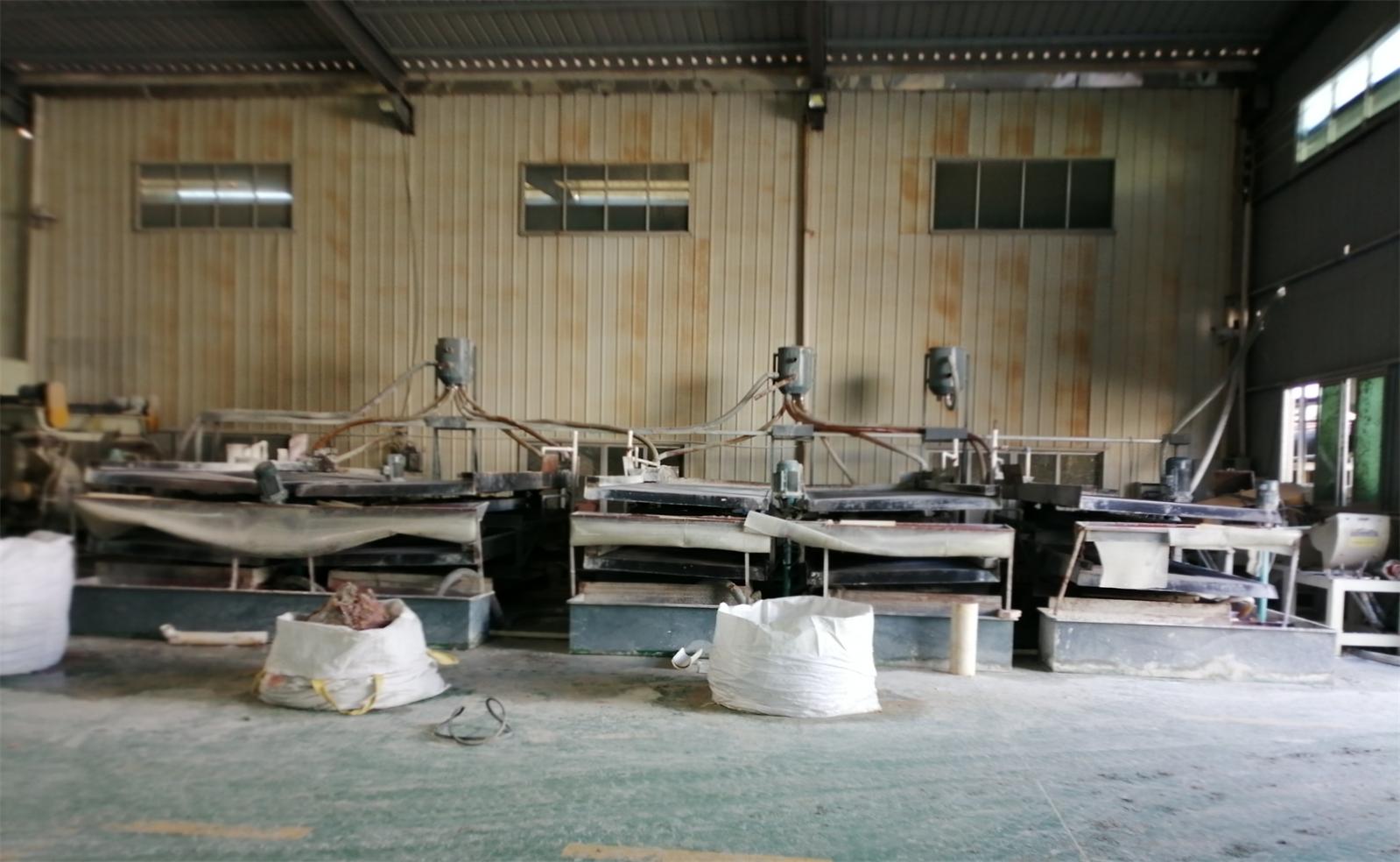
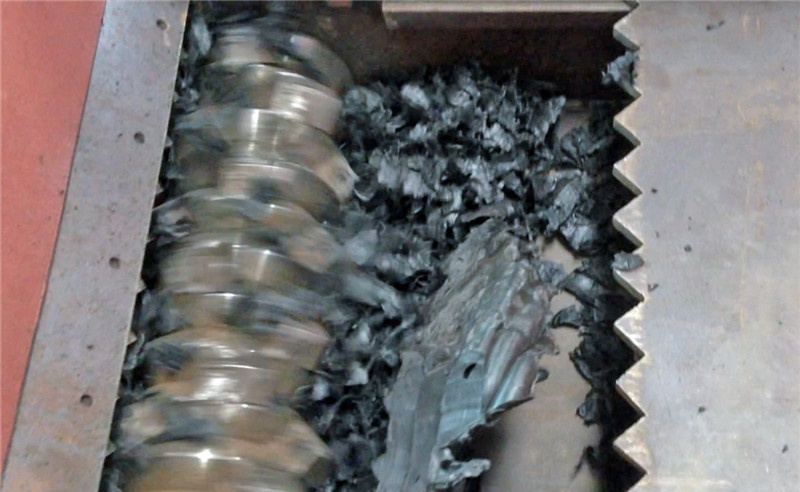
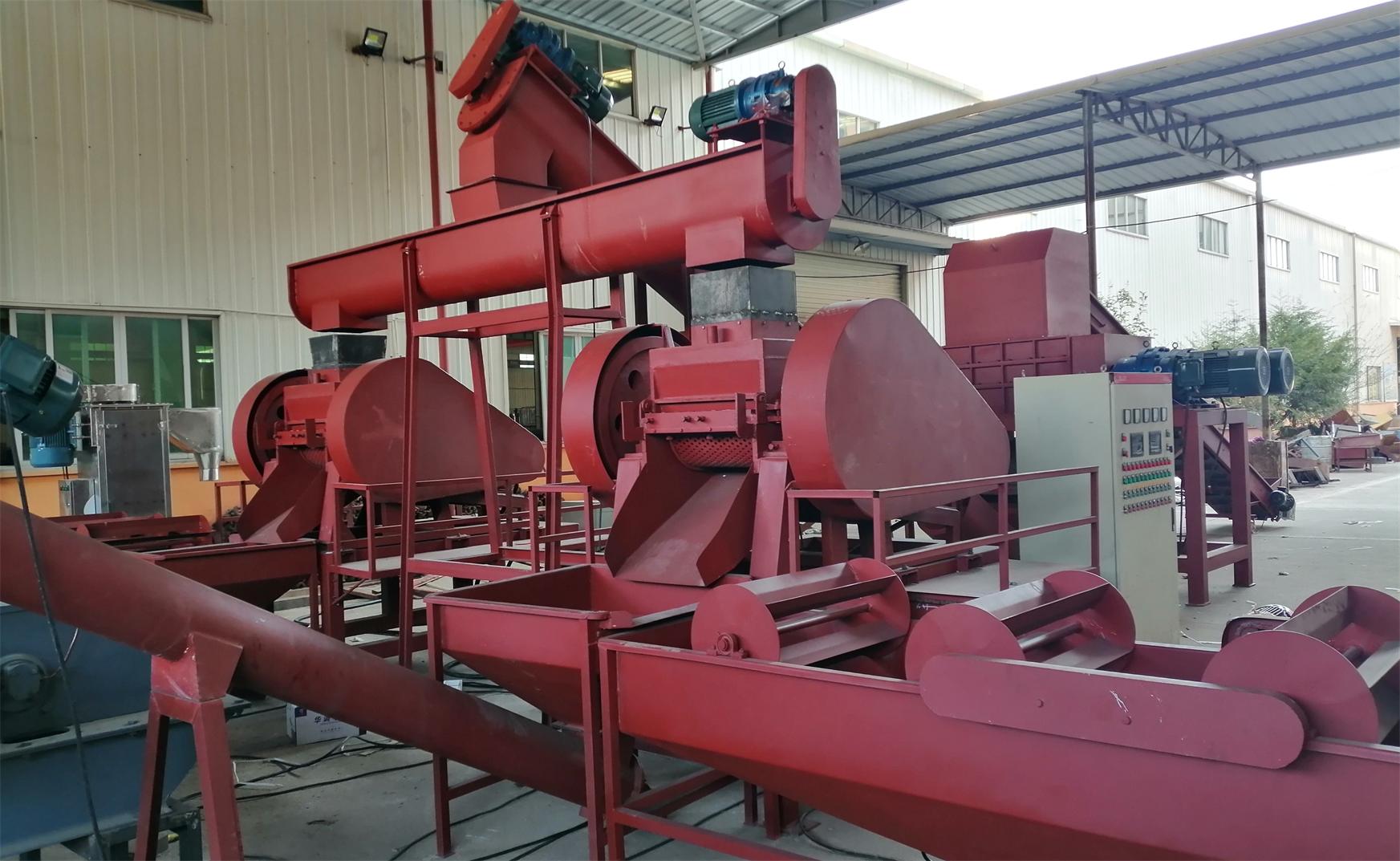
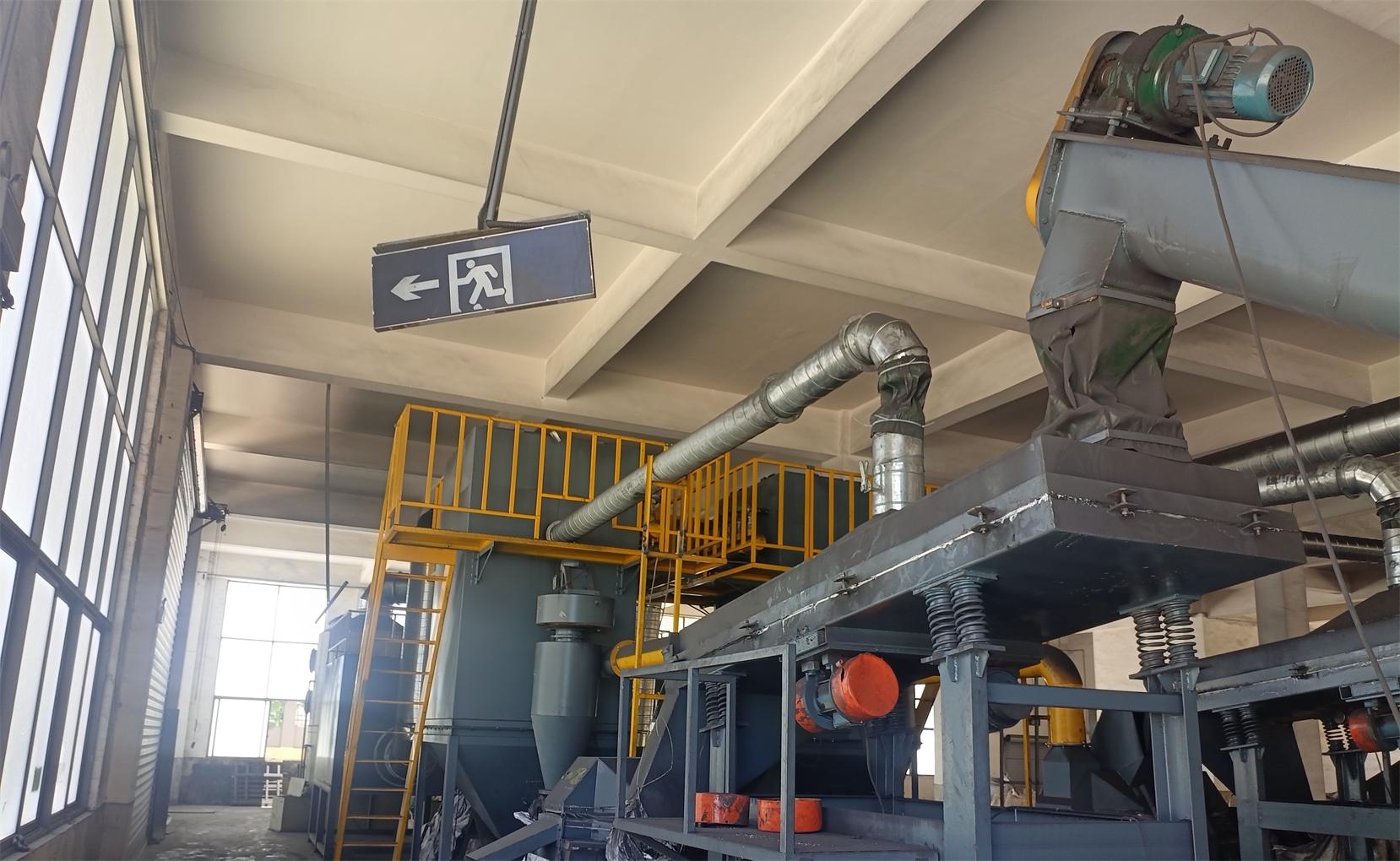
Printed circuit boards are among the most valuable components in e-waste. Specialized circuit board recycling equipment uses mechanical crushing followed by dry or wet separation to recover copper powder and precious metal concentrates. Advanced plants achieve copper powder purity of 96 to 98 percent with recovery rates around 95 percent. Dry separation systems with air classifiers and electrostatic separators are popular for their environmental advantages, while wet separation systems can handle boards still carrying electronic components.
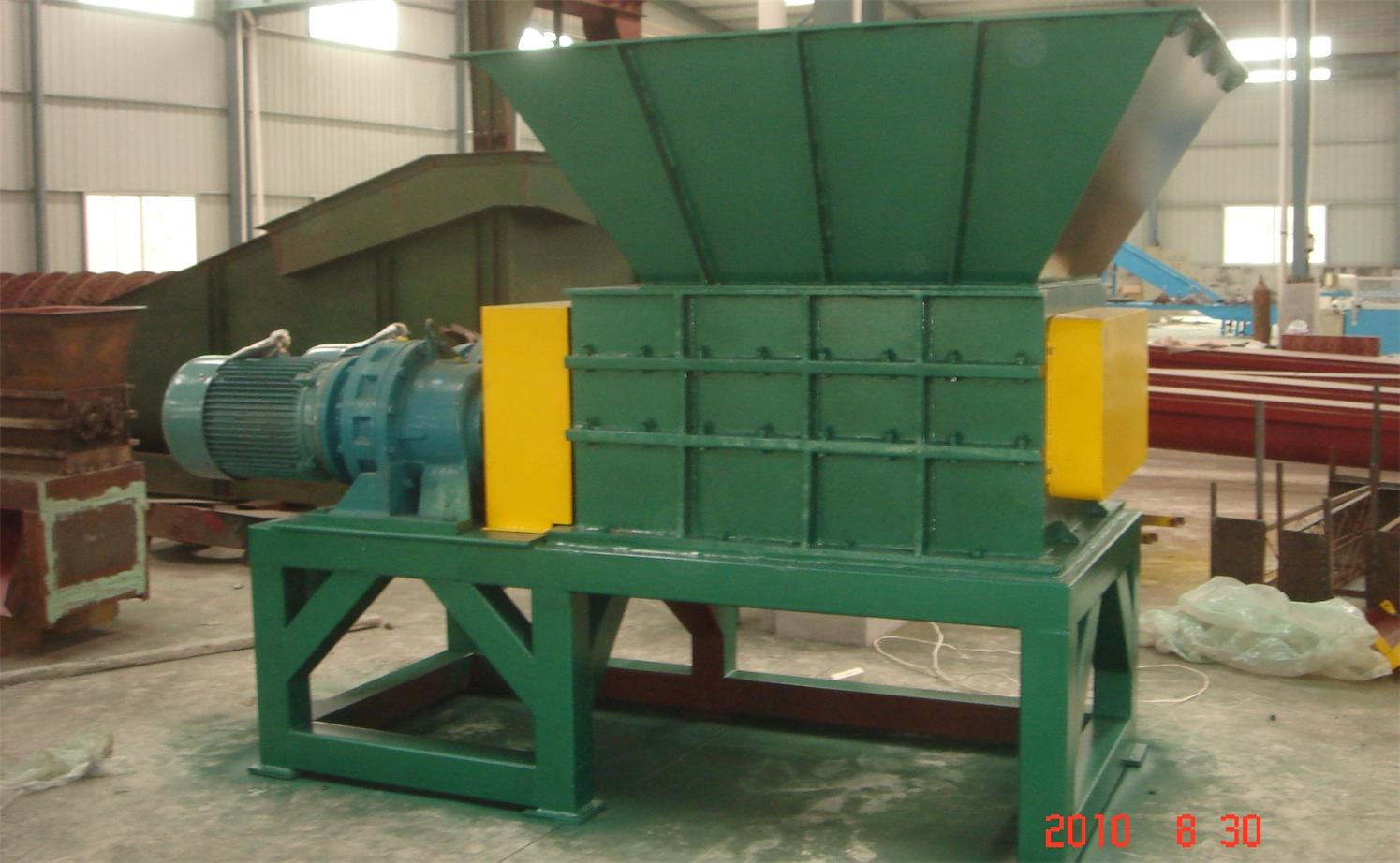
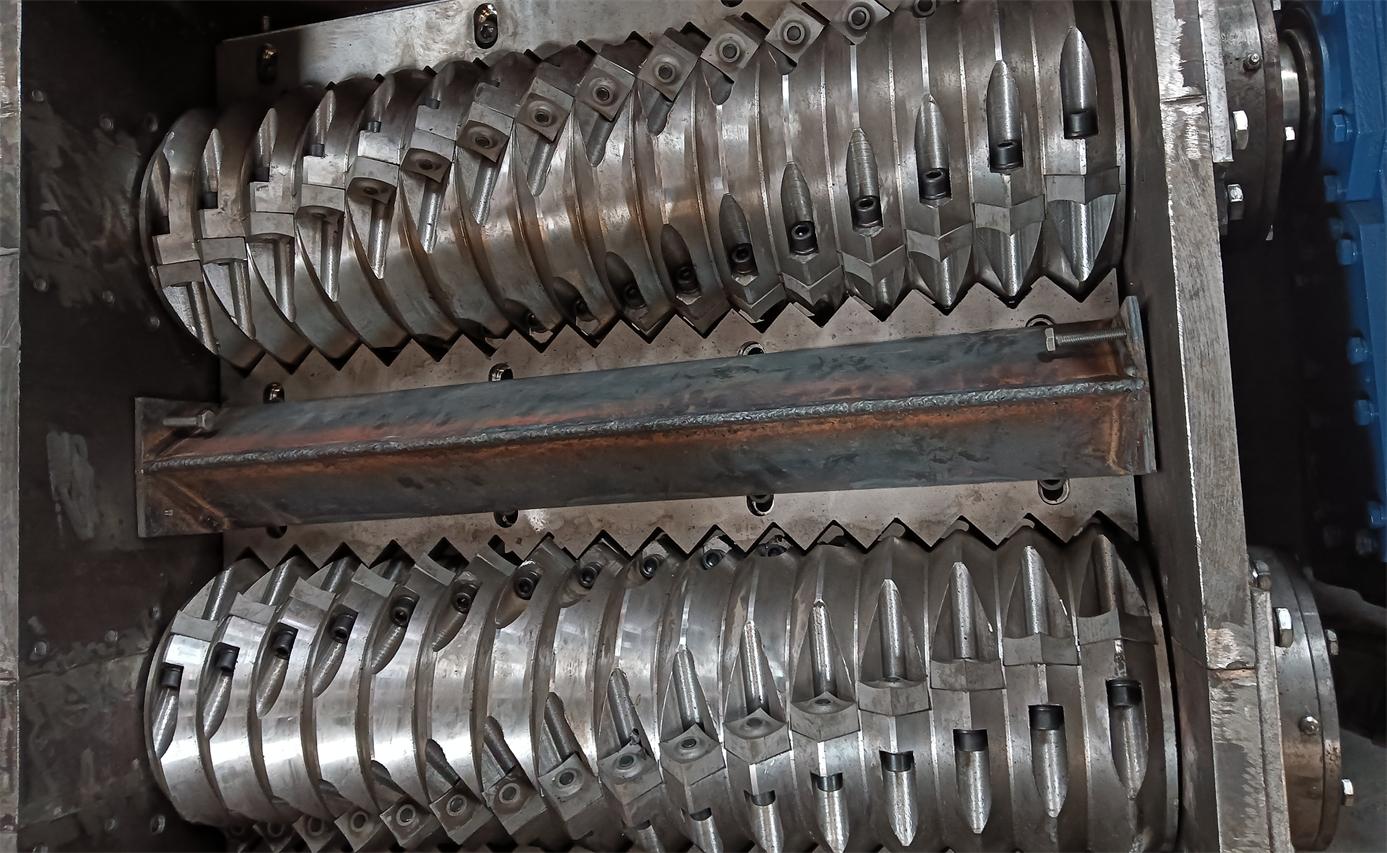
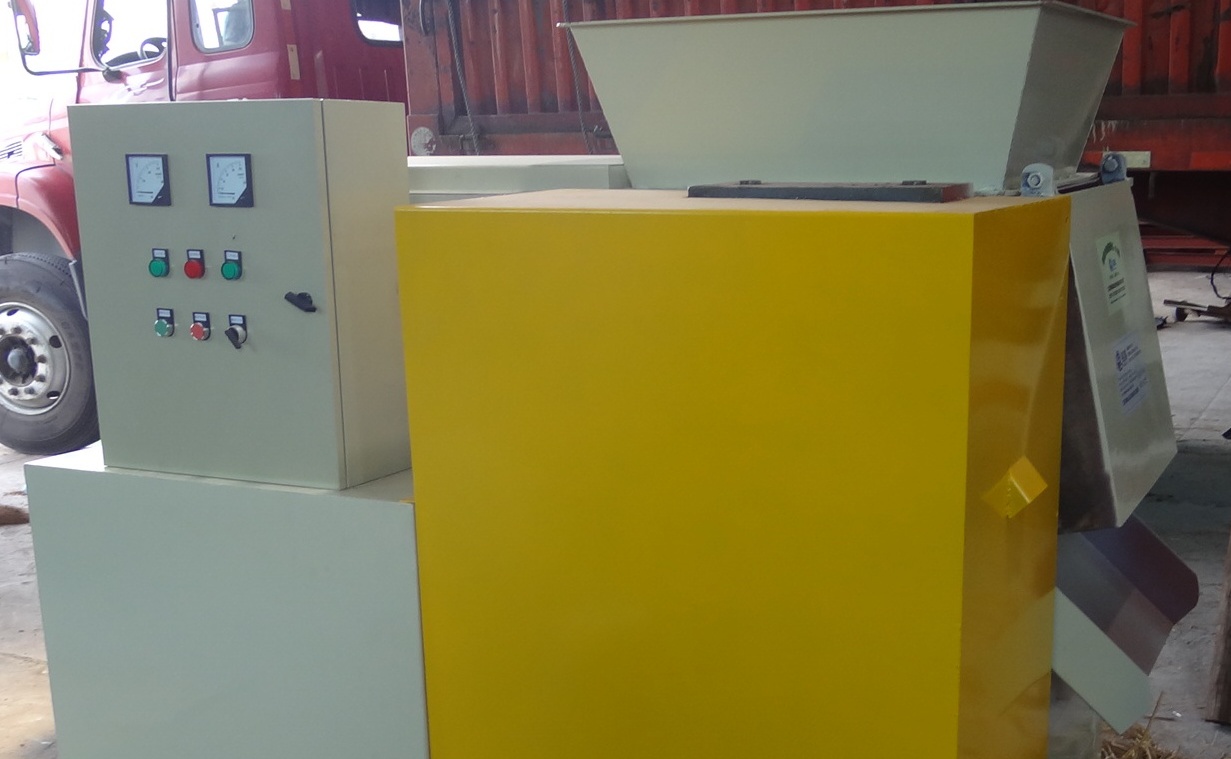
Scrap cables and wires are everywhere, from construction sites to telecommunications upgrades. The right cable recycling equipment strips or granulates these materials to separate copper or aluminum from plastic insulation. Cable strippers handle diameters from 1.5 millimeters to 150 millimeters, while cable granulators with dry separators process mixed scrap into clean copper particles. Compact granulators are ideal for small to medium operations, while high-capacity plants can process over 1,000 kilograms per hour.
With the explosion of electric vehicles and portable electronics, spent lithium-ion batteries represent both a challenge and an opportunity. Specialized li battery recycling equipment safely discharges, crushes, and separates these batteries to recover black mass containing nickel, cobalt, and graphite, along with copper, aluminum, and plastic. Capacity typically ranges from 500 to 2,500 kilograms per hour. Safety features like inert gas protection and air pollution control systems are critical due to the flammable electrolytes in these batteries.
Buying recycling machinery is a significant capital investment. The wrong choice can lead to downtime, poor recovery rates, and regulatory headaches. Here are the criteria that separate reliable suppliers from the rest.
- Technical Depth and Experience: Look for a supplier with deep engineering expertise and proven experience in e-waste recycling. A team with mechanical engineering backgrounds and over 15 years of field experience can anticipate problems before they occur.
- Turnkey Capability: The best suppliers offer engineering, procurement, and construction services. They handle customized design, equipment manufacturing, installation, and commissioning, saving you from coordinating multiple vendors.
- Environmental Compliance: Ensure the supplier designs systems that meet local emission and effluent standards. Air pollution control systems, water treatment plants, and dust collectors should be available as integrated options.
- After-Sales Support: Recycling machinery operates in harsh conditions. You need a supplier who provides spare parts, technical guidance, and troubleshooting support long after the sale.
- Global References: A supplier with customers in multiple countries has likely adapted their equipment to various raw materials, climates, and regulatory environments.
Founded in 2007, San Lan Technologies Co., Ltd has spent nearly two decades building a reputation as a trusted manufacturer of WEEE recycling machines and mining equipment. Based in Ganzhou, Jiangxi Province, China, the company serves customers across more than 21 countries, including Singapore, Colombia, Vietnam, Mexico, Argentina, South Africa, India, and Saudi Arabia.
San Lan offers a comprehensive product portfolio covering the full spectrum of e-waste recycling needs. Their lead acid battery recycling equipment lines include breaking and separating systems, de-sulfurization units, rotary furnaces, and refinery kettles. Their circuit board recycling equipment ranges from compact 300 kg/hour dry separation plants to large-scale 2,000 kg/hour wet separation systems. For cable processors, San Lan provides both scrap cable strippers and high-capacity cable granulators.
What sets San Lan apart is their commitment to full project support. Beyond manufacturing equipment, they assist customers with raw material sourcing, plant design, installation and commissioning, and even product off-take for recovered materials like copper rice, copper powder, and lead ingots. Their technical team holds master's degrees in mechanical engineering and brings deep practical knowledge of e-waste recycling processes.
Value-Added Services: San Lan helps customers purchase waste materials, connects investors with recycling plant projects, and assists in selling recovered products. This end-to-end approach reduces risk for new market entrants.
Launching a recycling plant begins with understanding your local waste stream. If your region generates large volumes of automotive batteries, lead acid battery recycling should be your priority. If you are near electronics manufacturing hubs, circuit board and lithium battery recycling may offer better returns. For areas with active construction or demolition, cable recycling is often the easiest entry point.
Once you identify your target materials, work with an experienced supplier to design a plant layout that maximizes efficiency and minimizes environmental impact. Consider starting with one product line and expanding as you gain operational experience and market traction.
Choosing the right recycling equipment is the foundation of a profitable and sustainable operation. San Lan Technologies offers proven machinery, turnkey project support, and decades of engineering expertise to help you succeed.
Visit www.san-lan.com to explore their full product range, or contact their team directly via email at info@san-lan.com or WhatsApp at +86 139 2377 4083 for a customized consultation.