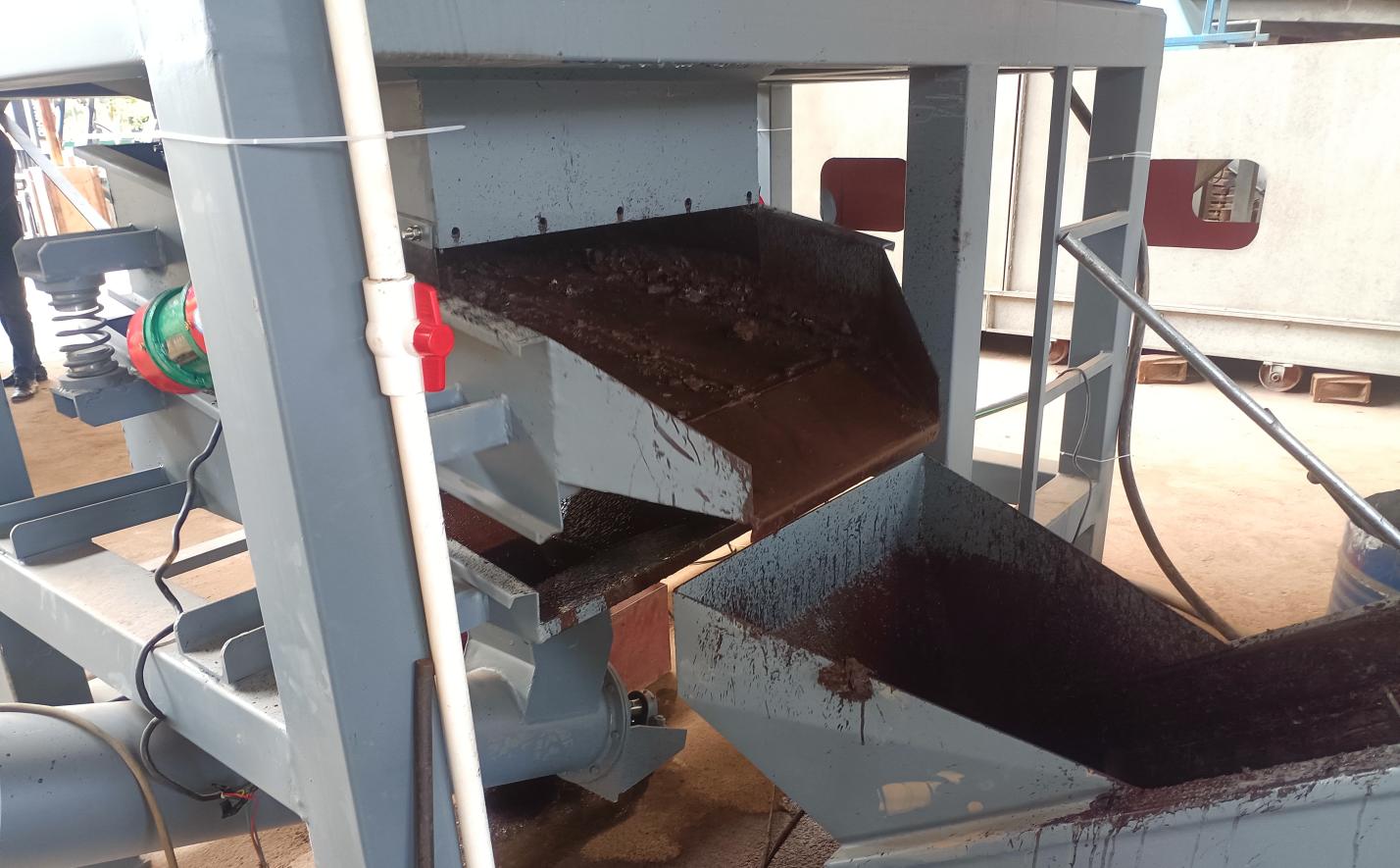
With the global surge in electronic waste, businesses and recycling entrepreneurs are increasingly looking for reliable e-waste recycling solutions. Choosing the right recycling equipment is critical to maximizing recovery rates, ensuring environmental compliance, and achieving long-term profitability. This guide will help you understand the key types of recycling machinery and what to look for in a trusted supplier.
Understanding the Main Categories of E-Waste Recycling Equipment
The e-waste recycling industry covers a broad spectrum of materials, from discarded batteries and cables to printed circuit boards and household appliances. Each category requires specialized machinery designed to handle specific recycling processes safely and efficiently.
Lead Acid Battery Recycling Equipment
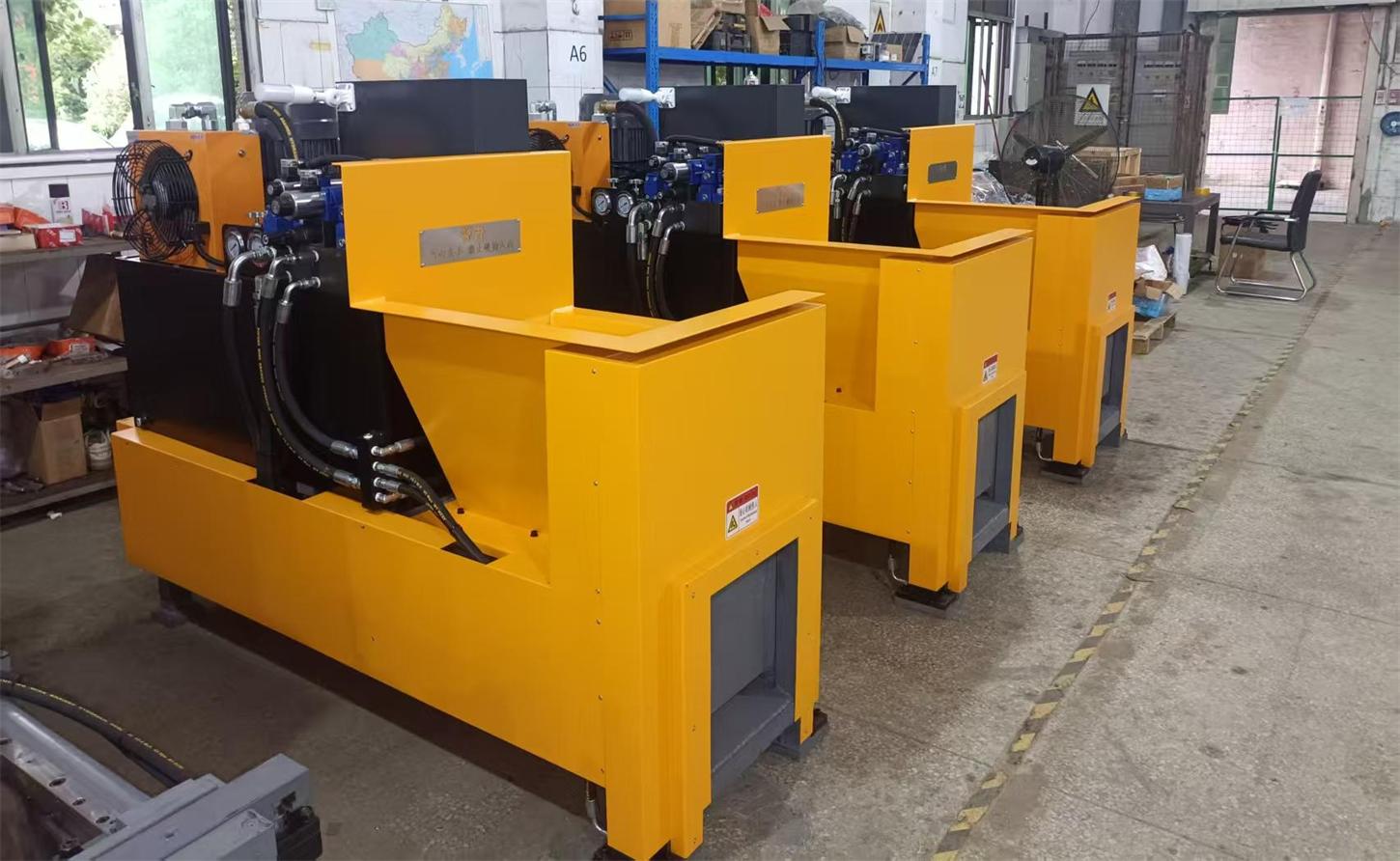
Used lead acid batteries represent one of the most recycled consumer products globally. Proper recycling prevents toxic lead and sulfuric acid from contaminating the environment while recovering valuable lead and plastic materials. A complete lead acid battery recycling equipment setup typically includes battery breaking and separation systems, de-sulfurization units, rotary furnaces for paste reduction, lead refinery kettles, and air pollution control systems. Modern plants can process 1 to 10 metric tons per hour, separating batteries into lead grid, lead paste, plastic shells, and hard rubber with high efficiency.
Cable Recycling Equipment
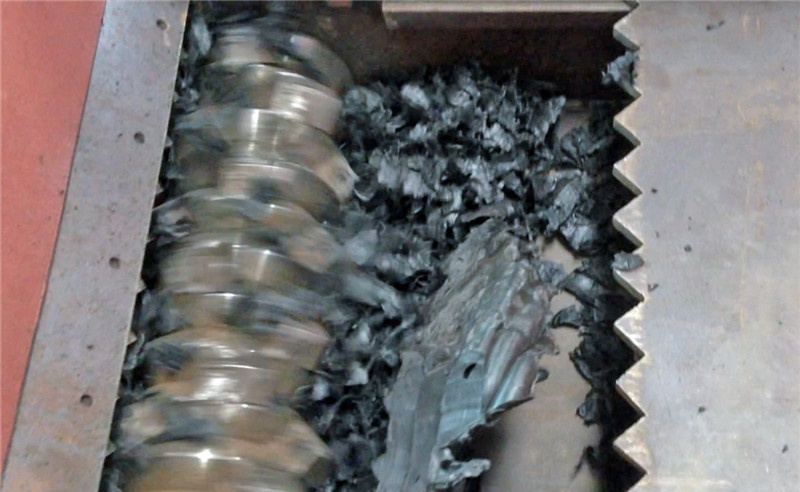
Scrap cables and wires contain valuable copper and aluminum that can be recovered and reused. Cable recycling equipment ranges from manual scrap cable strippers for small operations to fully automated cable granulators with dry or wet separators for industrial-scale processing. Advanced cable granulators can process 200 to 1,200 kg per hour, achieving high purity copper or aluminum output while separating plastic insulation for secondary use. For large cable diameters, pre-processing with hydraulic cutters or scrap cable strippers ensures smooth feeding into granulation systems.
Circuit Board Recycling Equipment
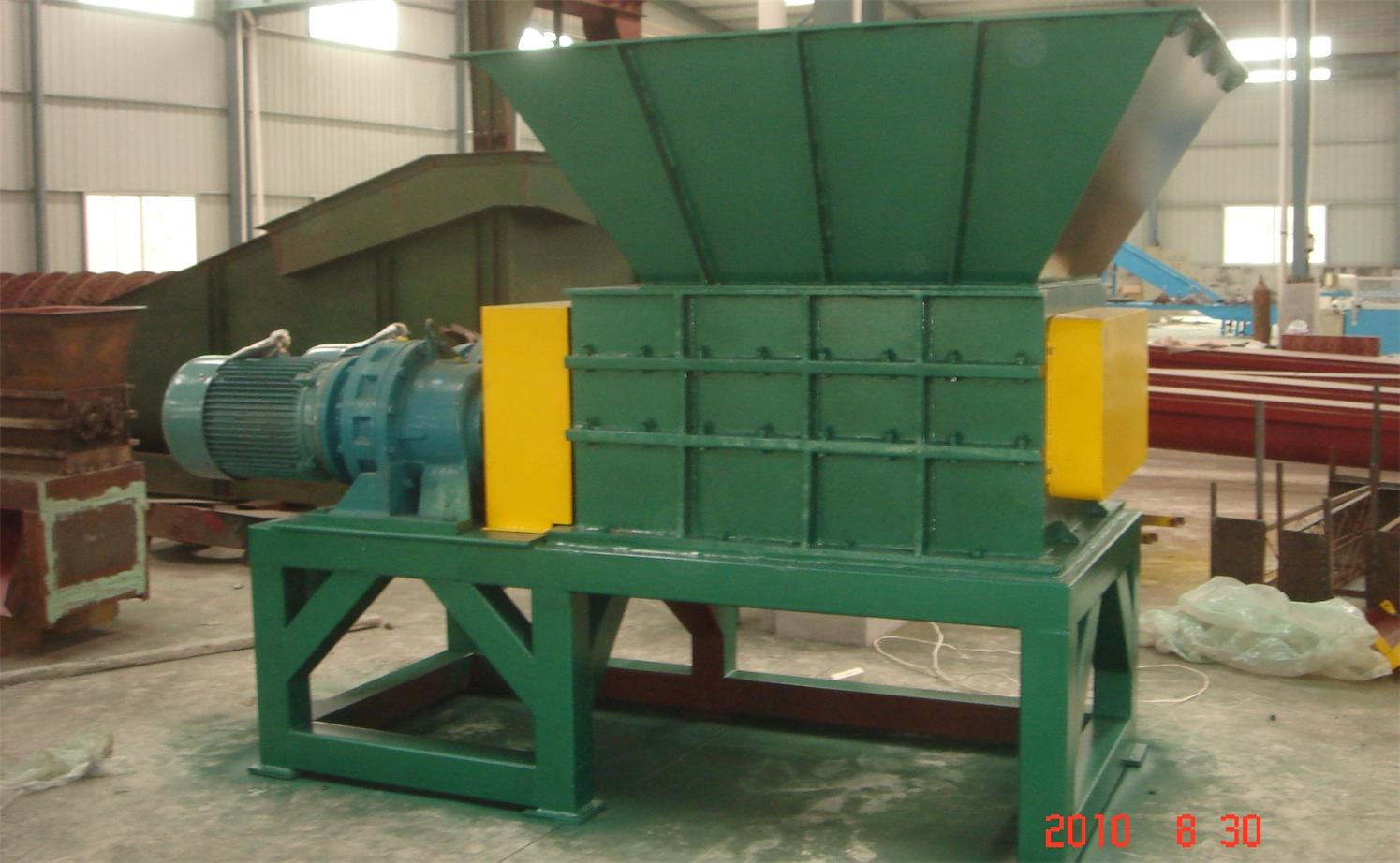
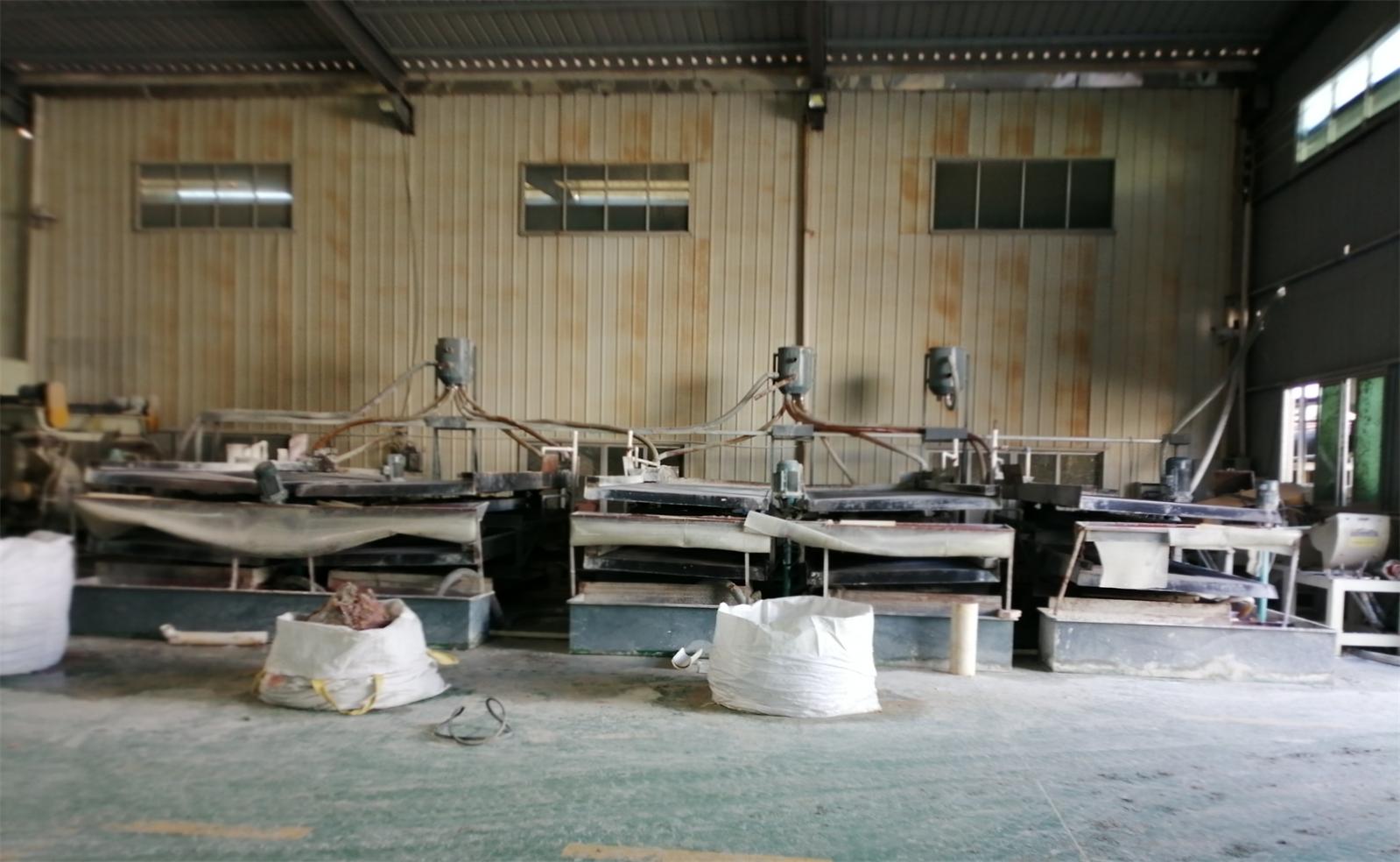
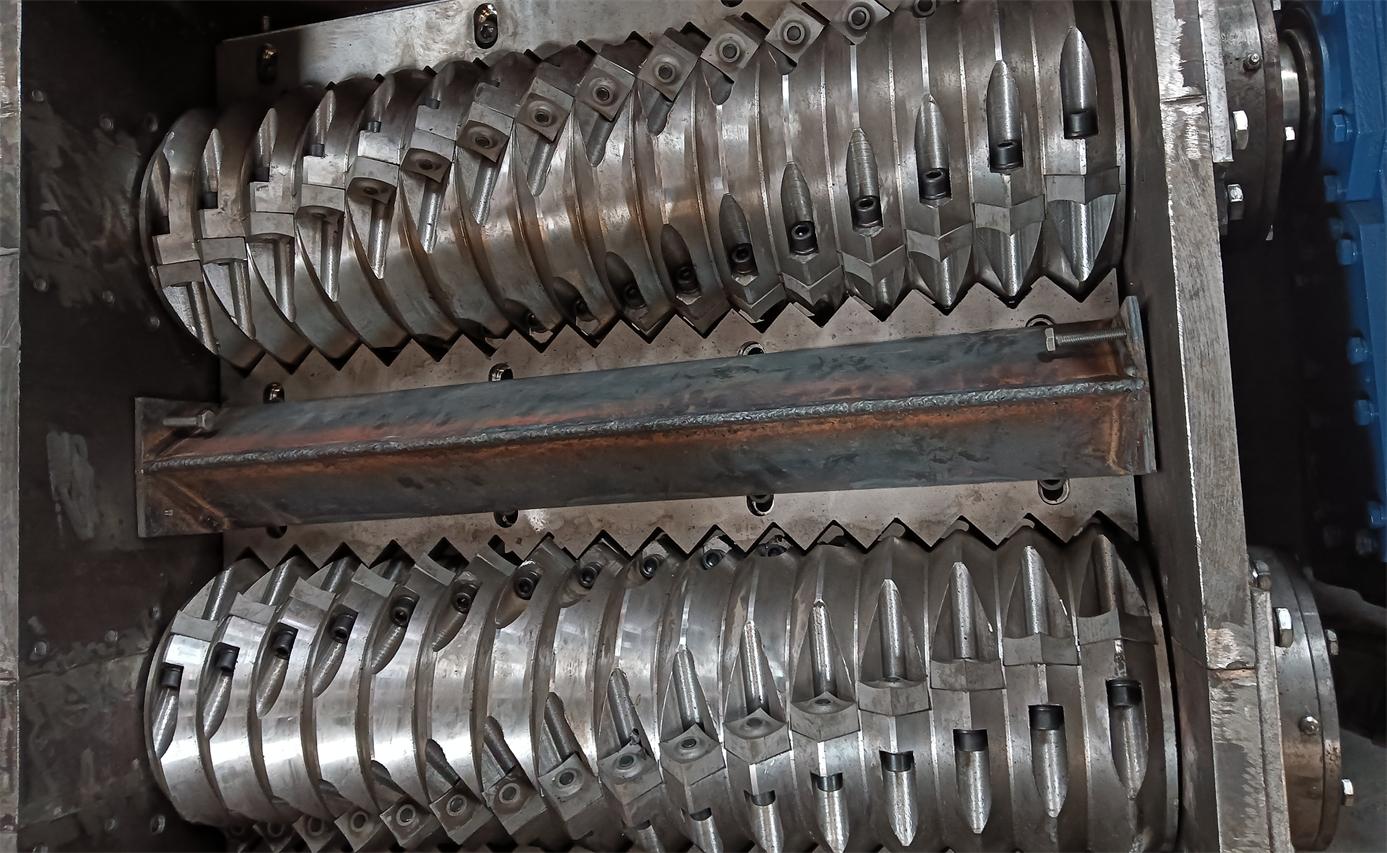
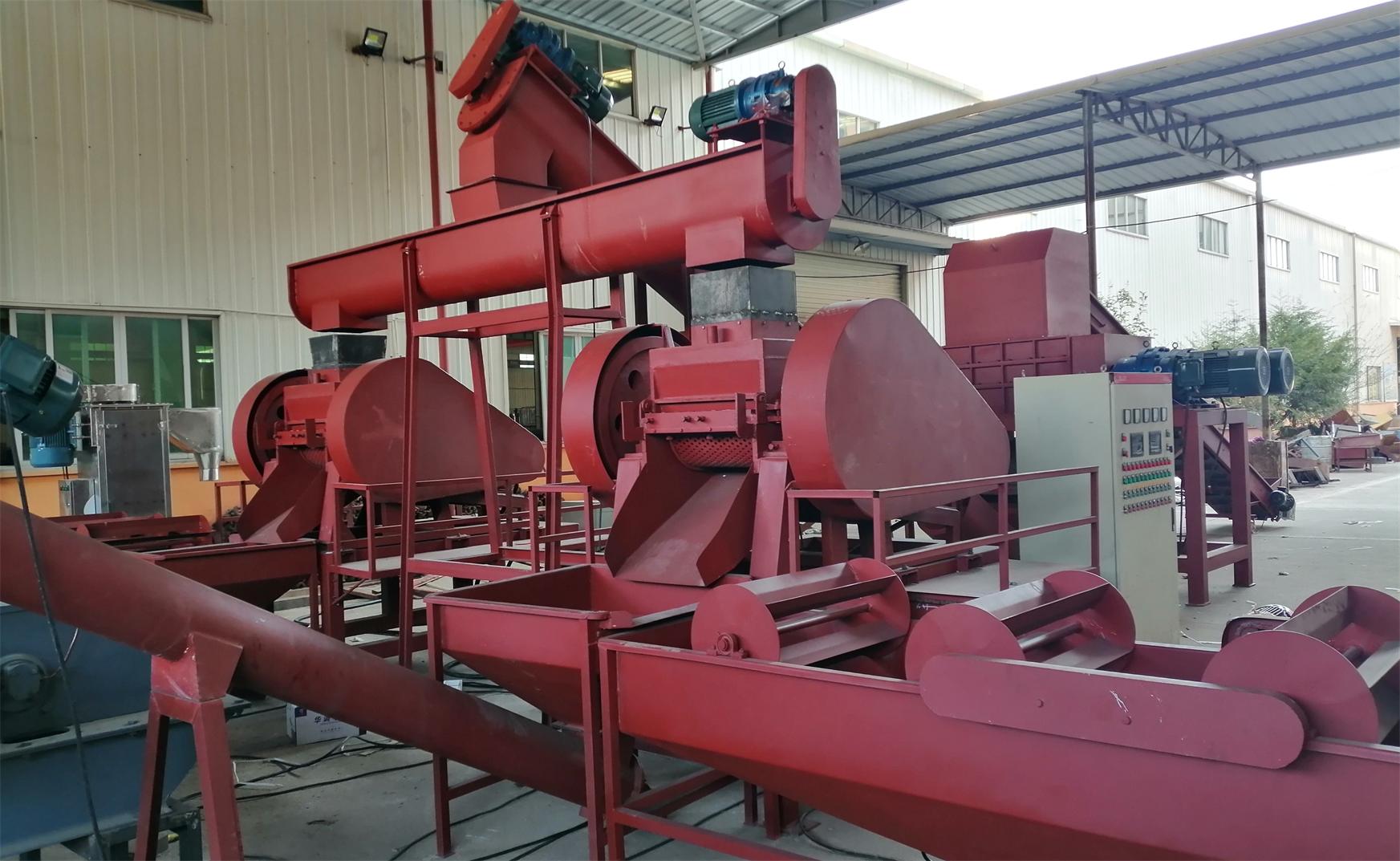
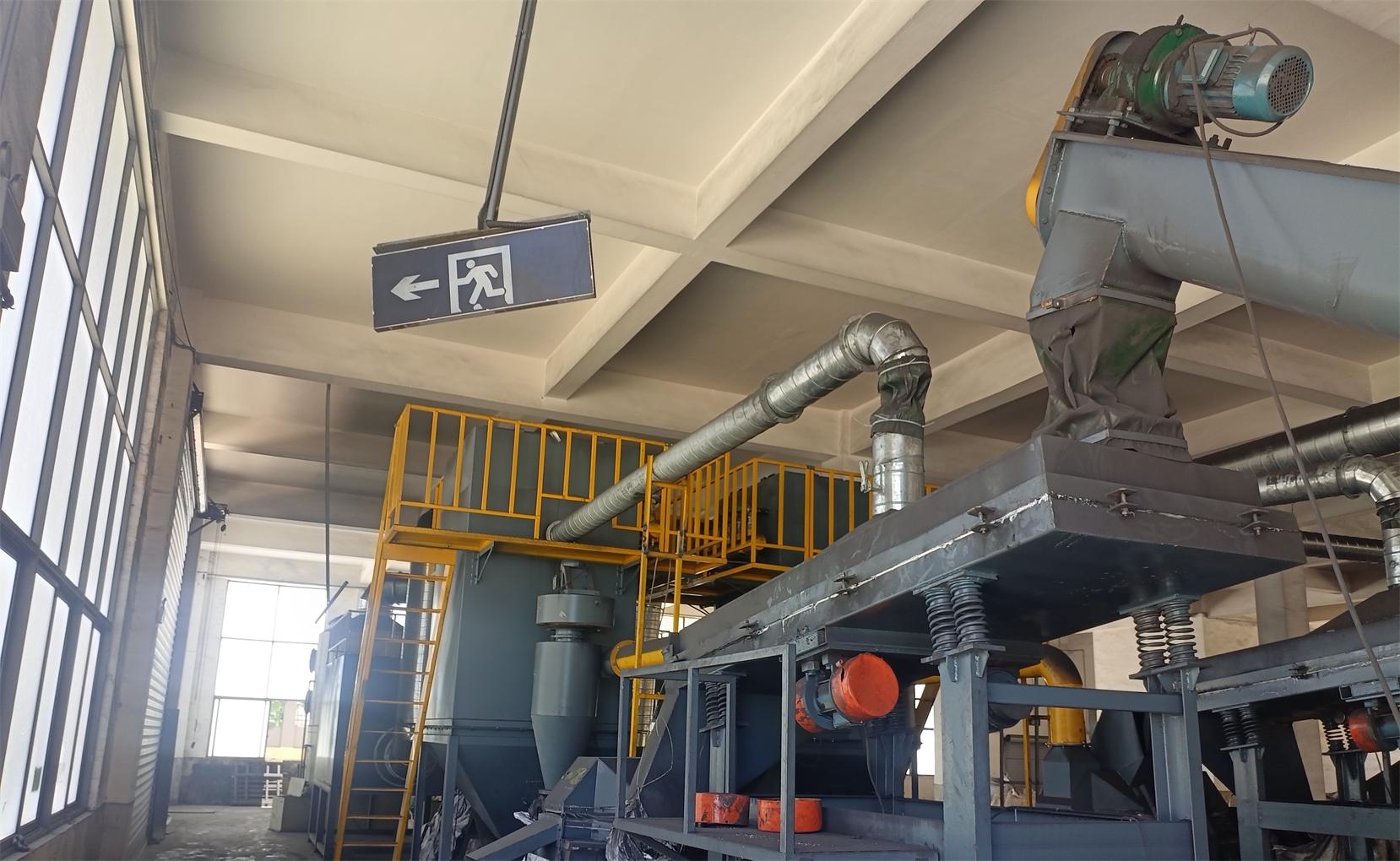
Printed circuit boards (PCBs) contain precious metals including copper, gold, silver, and palladium, making them highly valuable recycling targets. Circuit board recycling equipment uses mechanical shredding, air separation, electrostatic separation, or wet separation technologies to recover copper powder and precious metal concentrates. Depending on the model, PCB recycling plants can handle 300 to 2,000 kg per hour, with copper powder purity reaching 96% to 98%. Dry separation systems equipped with pulse bag dust collectors ensure an environmentally friendly process with minimal dust emissions.
Emerging Opportunities: Lithium Battery and Lithium Ore Processing
The rapid growth of electric vehicles and portable electronics has created massive demand for lithium battery recycling solutions. Lithium battery recycling plants break down waste Li-ion batteries to recover black mass containing nickel, cobalt, and graphite, along with copper, aluminum, and plastic components. Processing capacities typically range from 500 to 2,500 kg per hour.
In addition to battery recycling, lithium ore extraction plants are essential for meeting the growing raw material demand. These facilities process lithium crude ore or tailings to produce lithium concentrate with grades of 4% to 5%, using advanced flotation and gravity separation technologies. Tailings recovery systems can improve total recovery rates from the industry average of 65% to 75%.
Key Factors to Consider When Selecting Recycling Equipment
Investing in recycling machinery is a significant decision that affects your operational efficiency, environmental compliance, and bottom line. Here are the critical factors to evaluate:
Processing Capacity: Match equipment capacity to your projected feedstock volume. Undersized equipment creates bottlenecks, while oversized systems increase capital costs unnecessarily.
Recovery Rate and Product Purity: Higher recovery rates directly impact profitability. Look for systems with documented recovery performance, such as 95%+ metal recovery rates and 96-98% copper purity.
Environmental Compliance: Ensure the equipment includes proper pollution control systems, such as air pollution control units, water treatment plants, and dust collection systems that meet local environmental regulations.
Energy Efficiency: Energy costs represent a major operational expense. Features like near-infrared heating in refinery kettles can reduce energy consumption by 30% to 50%.
Automation and Ease of Operation: Mechanically automated processes with stable operation reduce labor costs and minimize human error.
After-Sales Support and Spare Parts Availability: Reliable technical support, installation assistance, and readily available spare parts minimize downtime.
The Value of a Full-Service Recycling Equipment Partner
Beyond equipment quality, the right supplier should offer comprehensive project support. Experienced manufacturers provide EPC (Engineering, Procurement, Construction) services, including customized plant design, equipment selection, installation, commissioning, and operator training. Some suppliers even assist with sourcing waste materials such as cable scrap, PCB scrap, and used lead acid batteries, and help customers market recovered products like copper rice, lead ingots, and aluminum granules.
Working with a bilingual supplier with strong international experience also simplifies cross-border projects. Look for companies with proven export capabilities and satisfied customers across multiple continents, from Southeast Asia and Latin America to Africa and the Middle East.
Building a Sustainable and Profitable Recycling Business
The e-waste recycling industry offers tremendous opportunities for businesses committed to environmental sustainability and resource recovery. Whether you are starting a new recycling venture or expanding existing operations, selecting the right equipment and partner is the foundation of long-term success.
Take time to evaluate your material streams, capacity requirements, and environmental obligations. Request detailed technical proposals, visit reference installations when possible, and verify the supplier's track record in delivering successful projects worldwide.
Ready to Start Your E-Waste Recycling Project?
San Lan Technologies Co., Ltd has been manufacturing e-waste recycling machinery and mining equipment since 2007. With over 60 products across 13 categories, professional technical support, and customers in more than 21 countries, we provide complete solutions from equipment supply to turnkey plant construction.
Contact us today to discuss your project requirements and receive a customized recycling solution tailored to your needs.
Email: info@san-lan.com | WhatsApp: +86 139 2377 4083