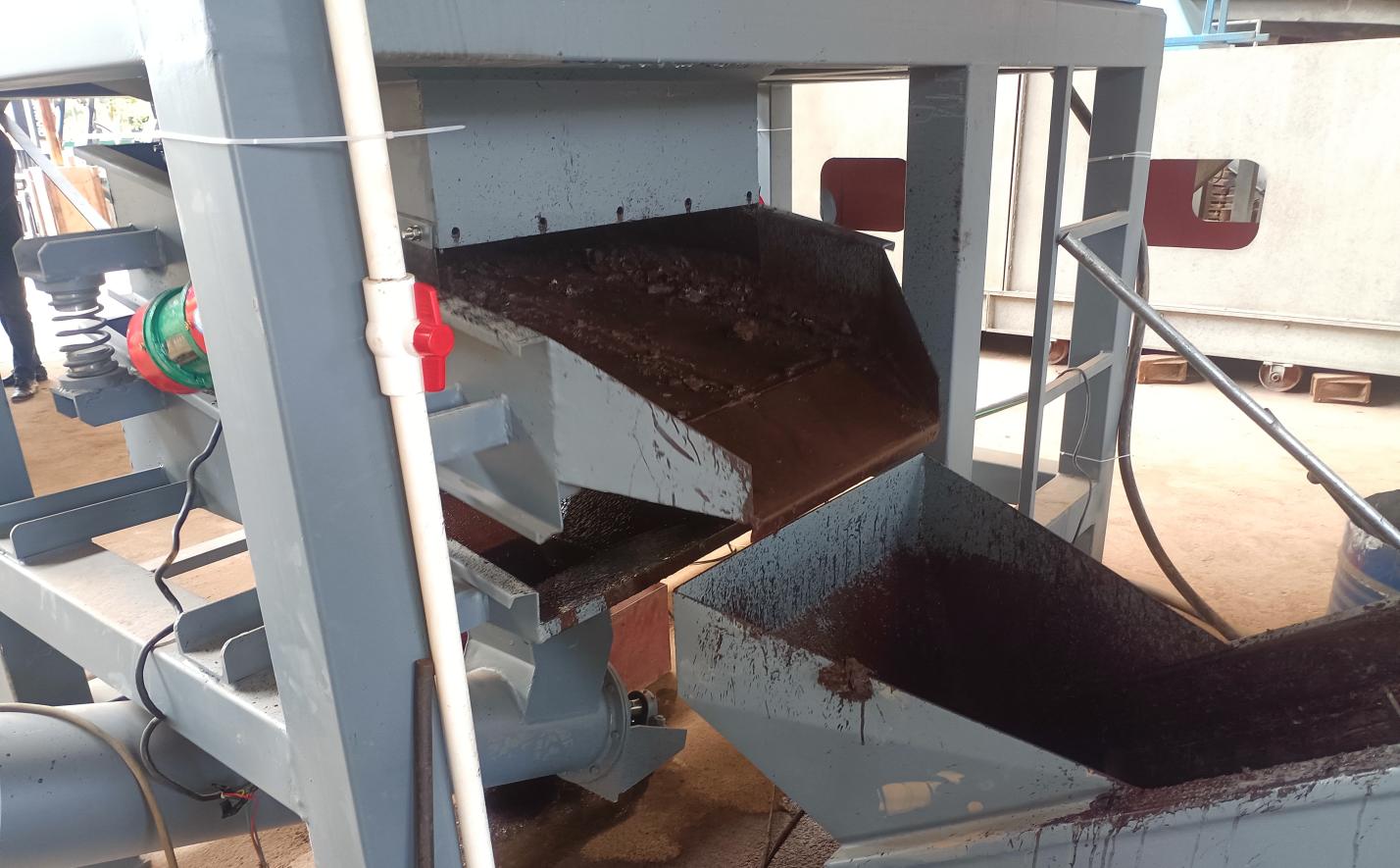
The volume of discarded electronics continues to rise worldwide, creating both an environmental challenge and a business opportunity. For investors and plant operators entering the recycling sector, selecting the right machinery is the single most important decision that determines recovery rates, operational costs, and long-term profitability. This guide breaks down what to look for when sourcing e-waste recycling equipment and how to match machinery to your specific feedstock and capacity goals.
Why E-Waste Recycling Is a Growth Sector
Governments across every continent are tightening regulations on electronic waste disposal. Landfilling of batteries, circuit boards, and cables is increasingly restricted or banned outright. At the same time, manufacturers need stable supplies of recovered copper, aluminum, lead, and precious metals to reduce reliance on virgin mining. These dual pressures create reliable demand for professional recycling infrastructure.
Feedstock is abundant and diverse: used lead acid batteries from vehicles and backup power systems, lithium-ion packs from consumer electronics and electric vehicles, printed circuit boards from obsolete computers, and scrap cable from construction and telecommunications projects. Each material stream requires specialized processing technology, which is why experienced suppliers offer dedicated lines rather than one-size-fits-all solutions.
Core Equipment Categories for Modern Recycling Plants
Before contacting suppliers, clarify which waste streams you plan to process. The three most common entry points for new recycling operations are battery recycling, circuit board recovery, and cable granulation.
Lead Acid and Lithium Battery Recycling
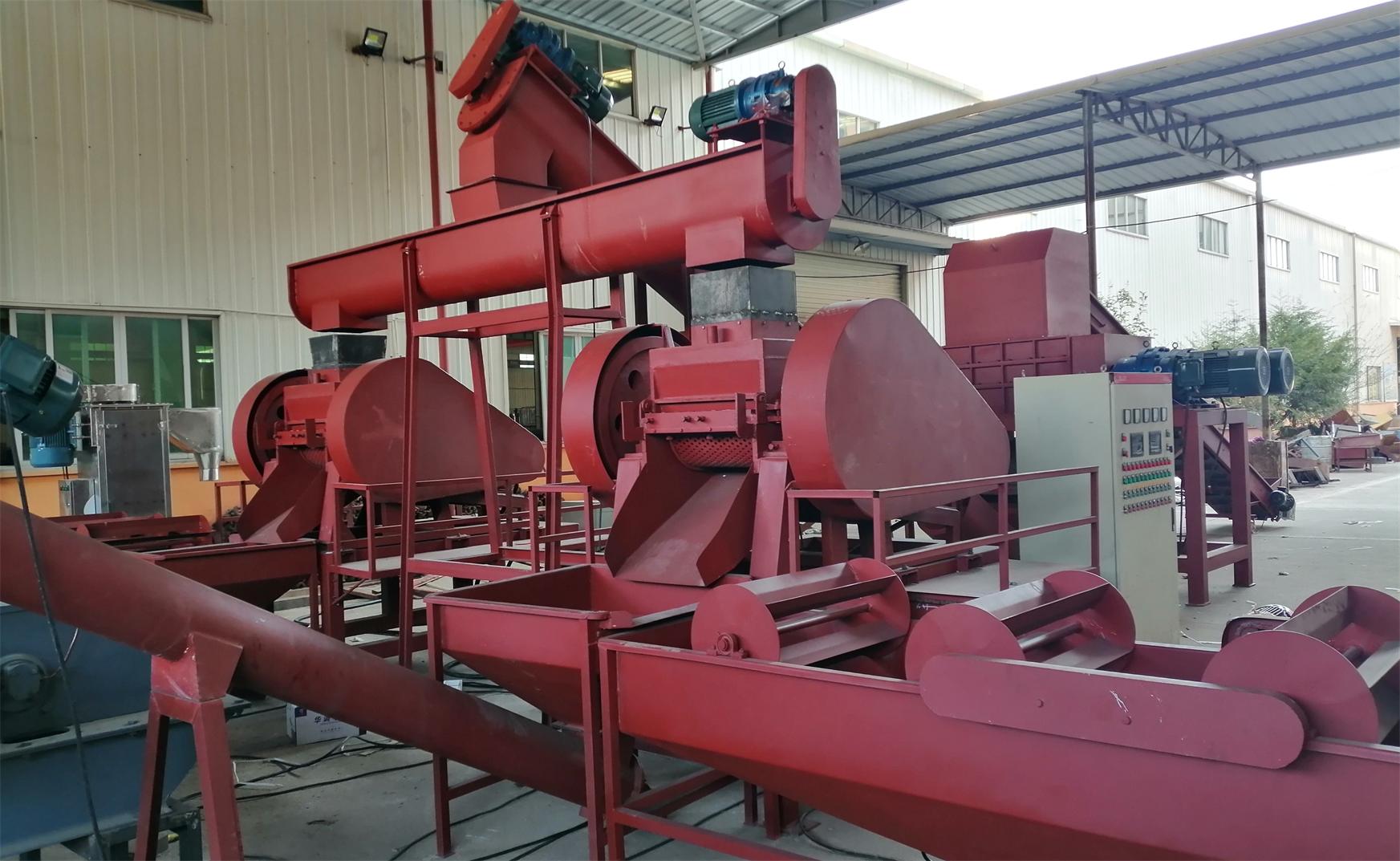
Lead acid battery recycling equipment typically includes breaking and separation systems, paste filtration units, desulfurization equipment, smelting furnaces, and air pollution control systems. A complete lead acid battery recycling plant can process 1 to 10 metric tons per hour, separating plastic casing, lead grids, lead paste, and acid for individual recovery or safe disposal. For lithium-ion batteries, the goal is to recover black mass containing nickel, cobalt, and graphite, along with copper, aluminum, and plastic fractions. Capacity ranges from 500 to 2,500 kg per hour depending on the configuration.
Circuit Board Recovery
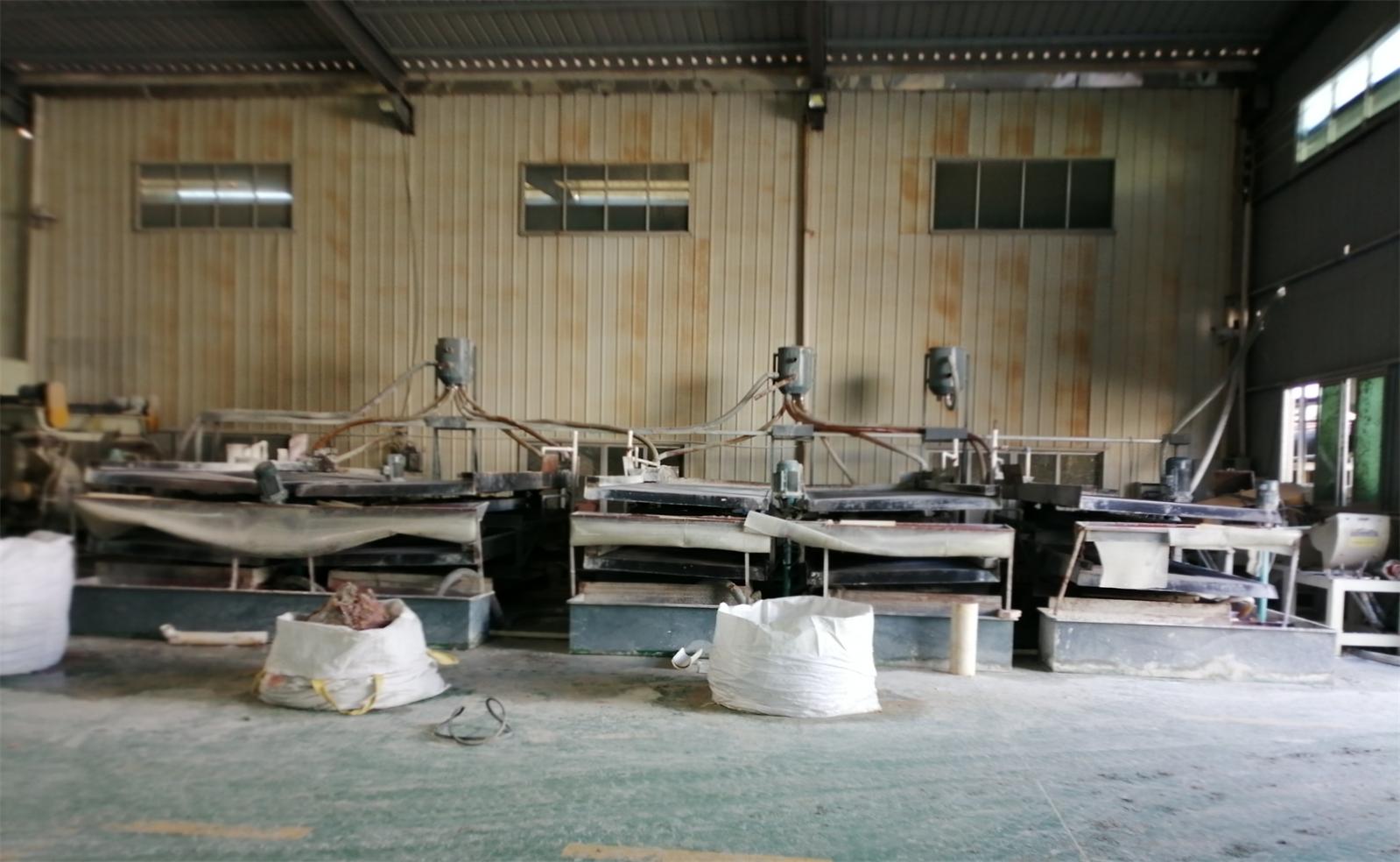
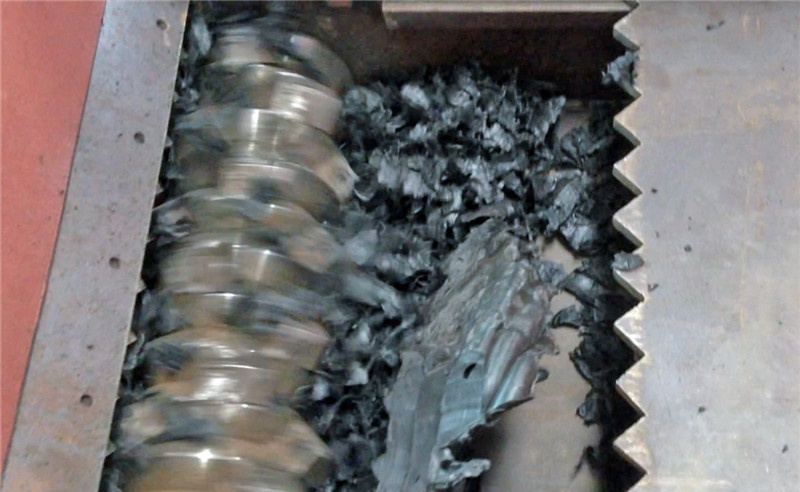
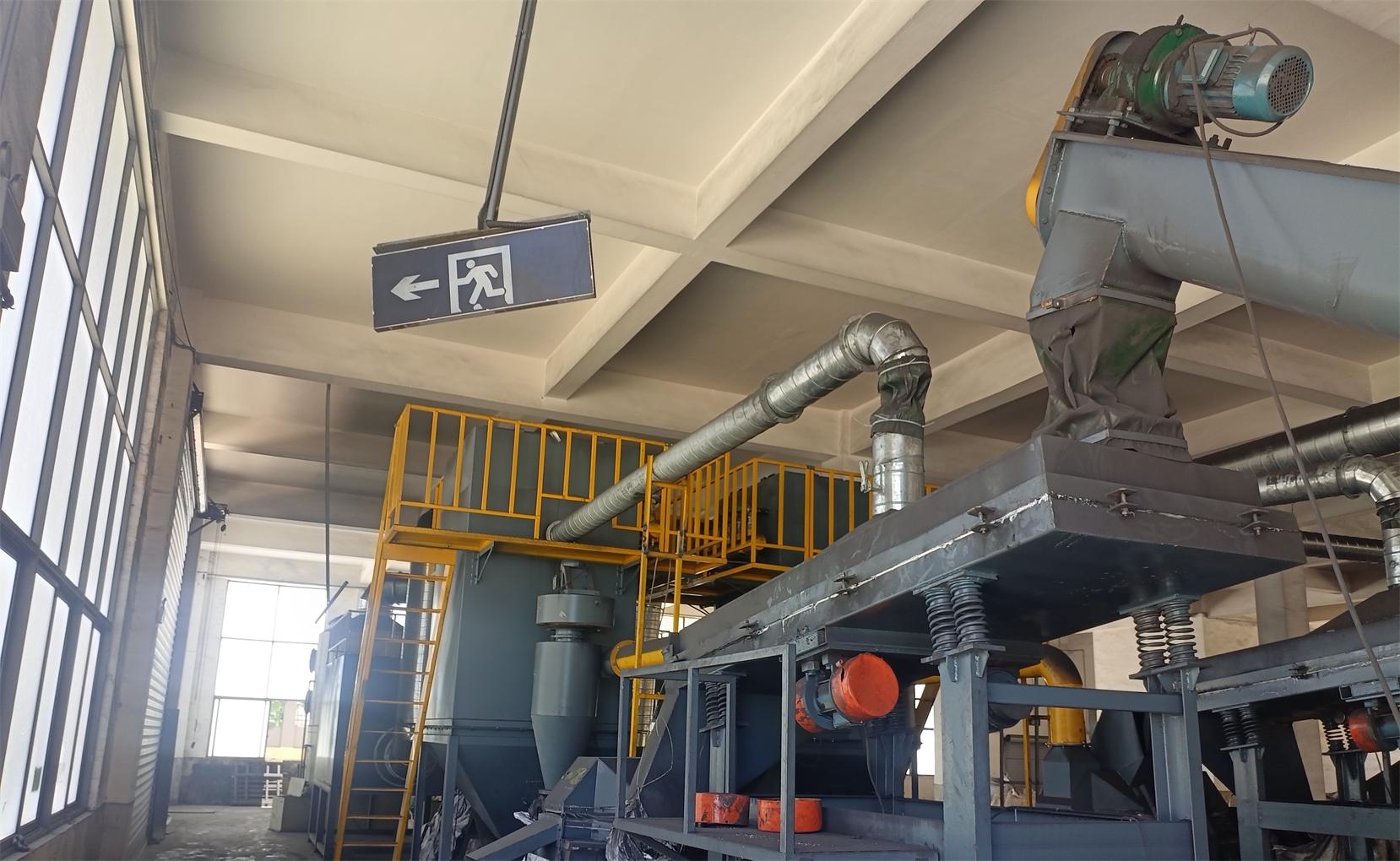
Circuit board recycling equipment uses mechanical shredding, grinding, and separation to extract copper powder and precious metals from printed circuit boards. Both dry and wet separation technologies are available. Dry systems with air separators achieve copper powder purity of 96 to 98 percent with no dust pollution when paired with pulse bag dust collectors. Wet systems using water metal separators can handle PCB waste still carrying electronic components. Capacities range from 300 kg per hour for compact setups up to 2,000 kg per hour for industrial-scale plants.
Cable and Wire Granulation
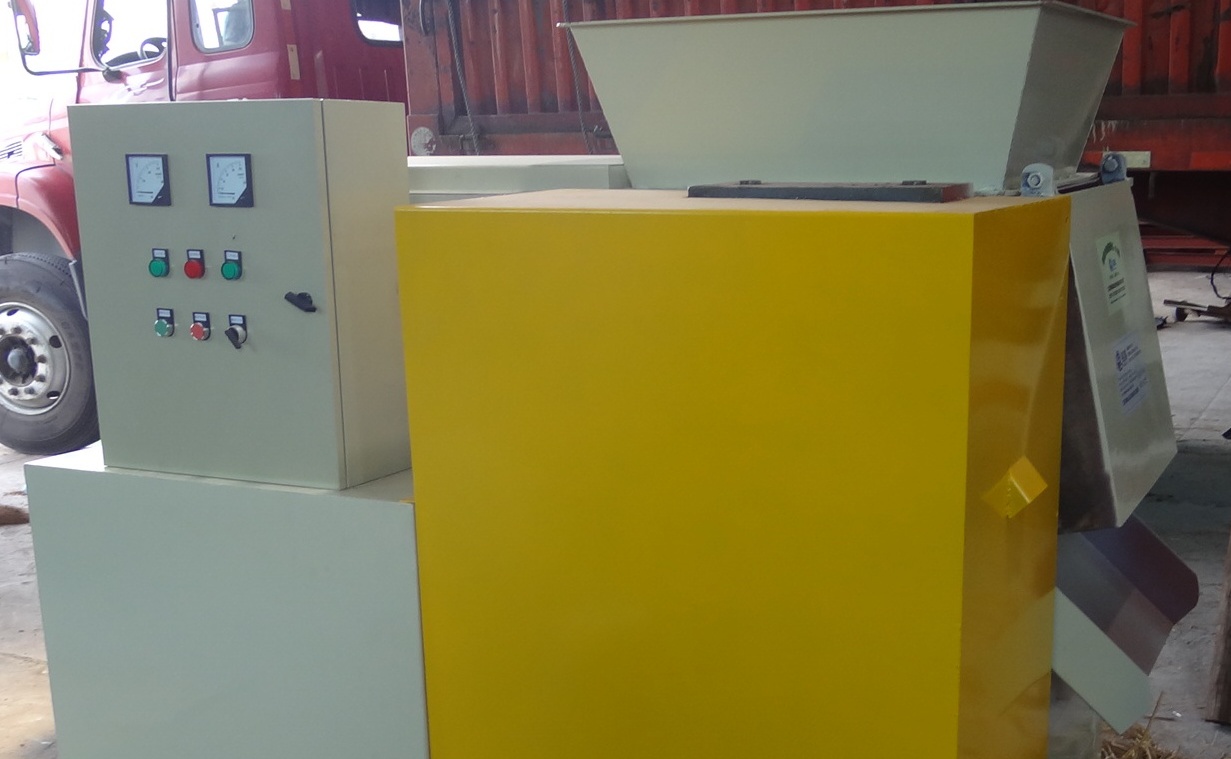
Cable recycling equipment separates copper or aluminum conductors from plastic insulation through a combination of stripping, shredding, and dry separation. Scrap cable strippers handle diameters from 1.5 mm to 150 mm, while cable granulators process mixed wire scrap into clean copper rice and plastic granules. Compact granulators with dry separators are ideal for small and medium operations, while larger plants benefit from high-capacity granulators paired with pre-choppers and shredders.
Key insight: Many successful plants start with one core line and expand. A modular approach lets you prove your feedstock supply and market channels before committing capital to additional processing streams.
What Separates Reliable Suppliers from Middlemen
The recycling equipment market includes genuine manufacturers, trading companies, and brokers. Working directly with an established manufacturer reduces cost, improves customization, and ensures spare parts availability. Here are practical criteria for evaluating a supplier:
- EPC project experience: Look for suppliers who have delivered complete engineering, procurement, and construction projects, not just individual machines. EPC capability means the supplier understands layout design, utility integration, and commissioning.
- In-house technical team: A professional support team with mechanical engineering expertise and deep field experience can solve problems faster than third-party technicians.
- Customization: Power supply, processing capacity, control language, and emission standards vary by country. The supplier should adapt equipment to local conditions rather than offering fixed configurations.
- After-sales support: Installation, commissioning, operator training, and spare parts logistics matter as much as the initial machine quality.
- Export track record: A supplier with customers across multiple continents understands shipping, documentation, and regional compliance requirements.
San Lan Technologies: A Manufacturer with Global Reach
San Lan Technologies Co., Ltd, established in 2007 and based in Ganzhou, Jiangxi Province, China, designs and manufactures a comprehensive range of WEEE recycling machinery and mining equipment. The company serves customers in more than 21 countries across Southeast Asia, Latin America, Africa, and the Middle East, including Singapore, Colombia, Vietnam, Mexico, Argentina, South Africa, India, and Saudi Arabia.
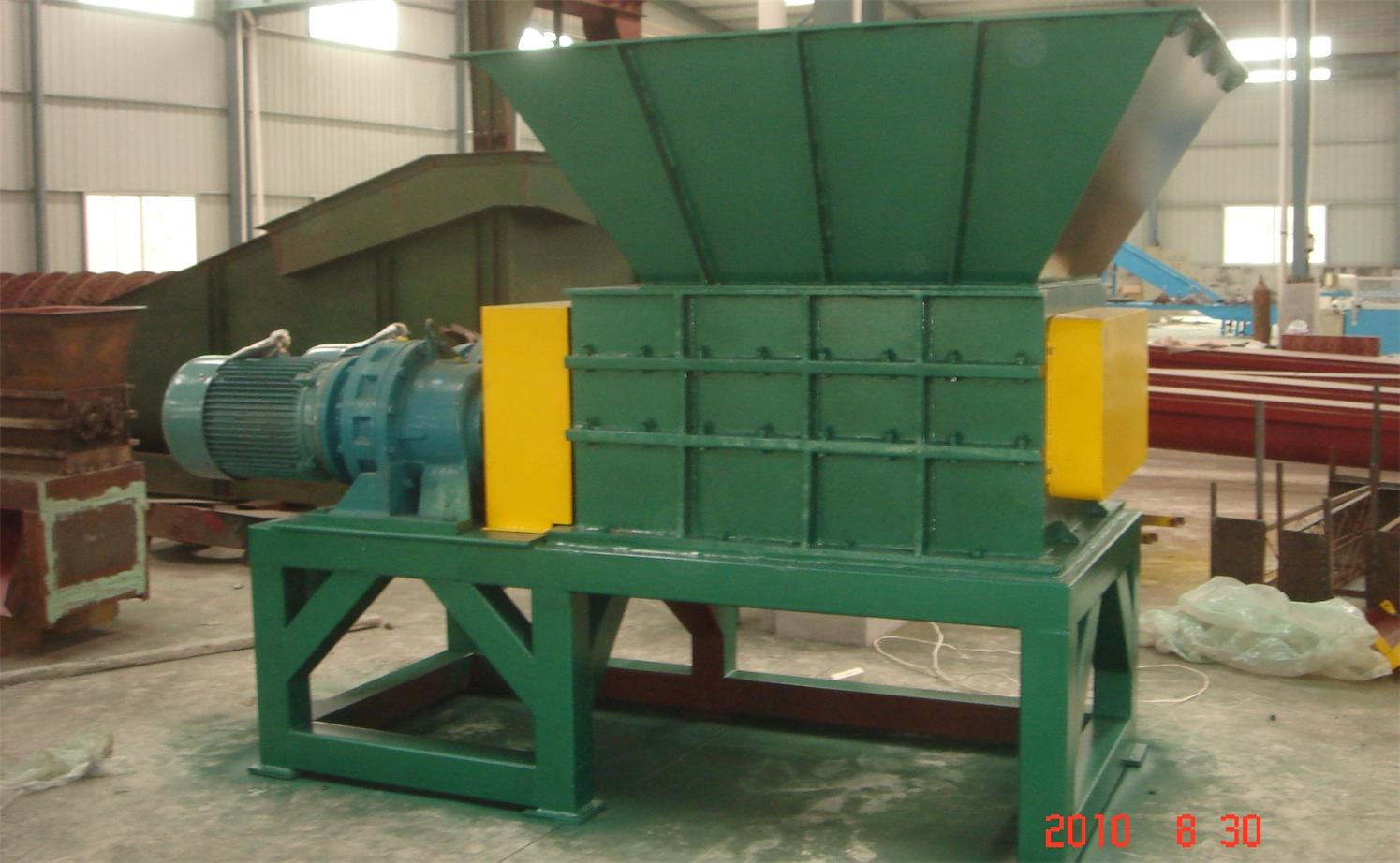
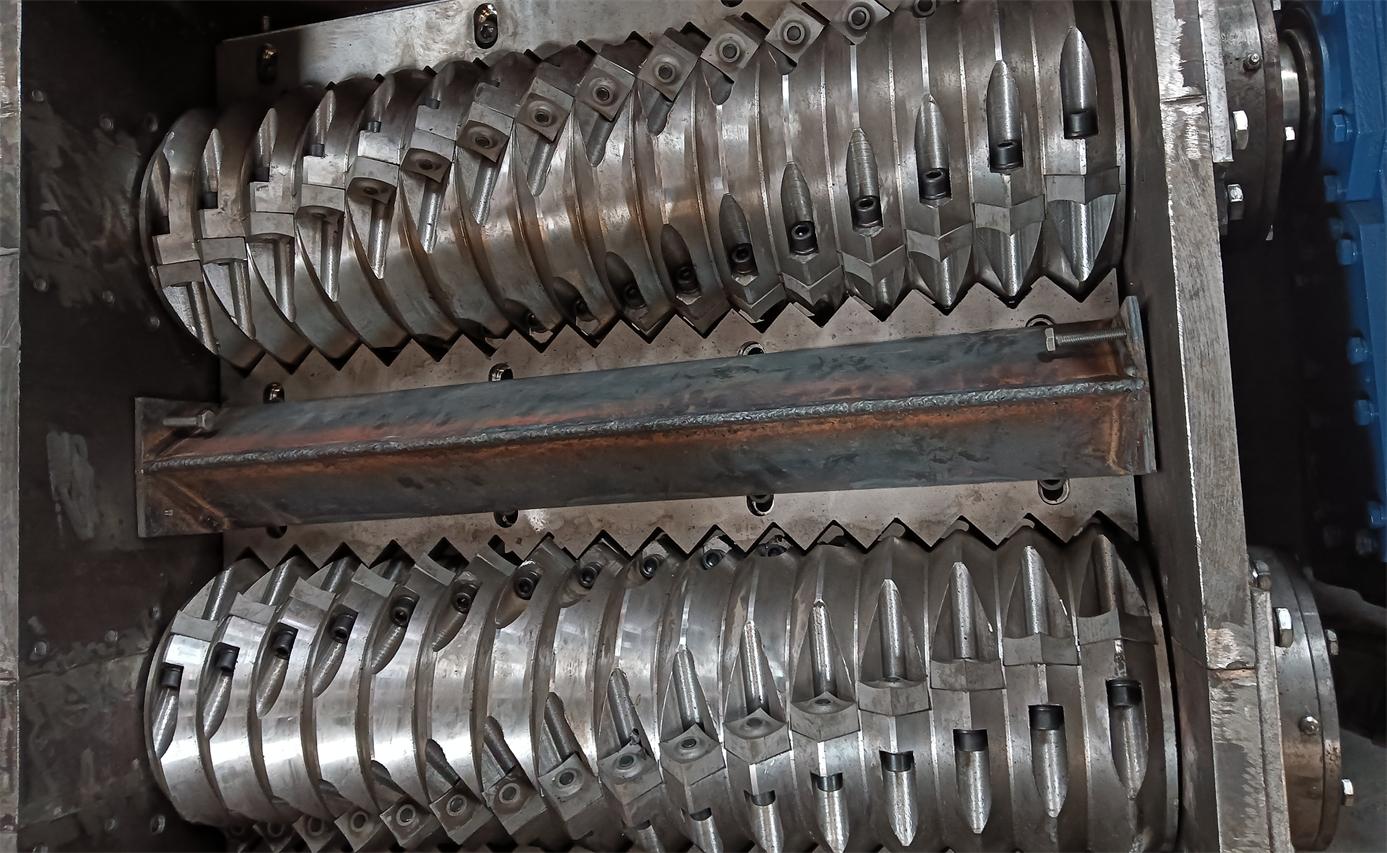
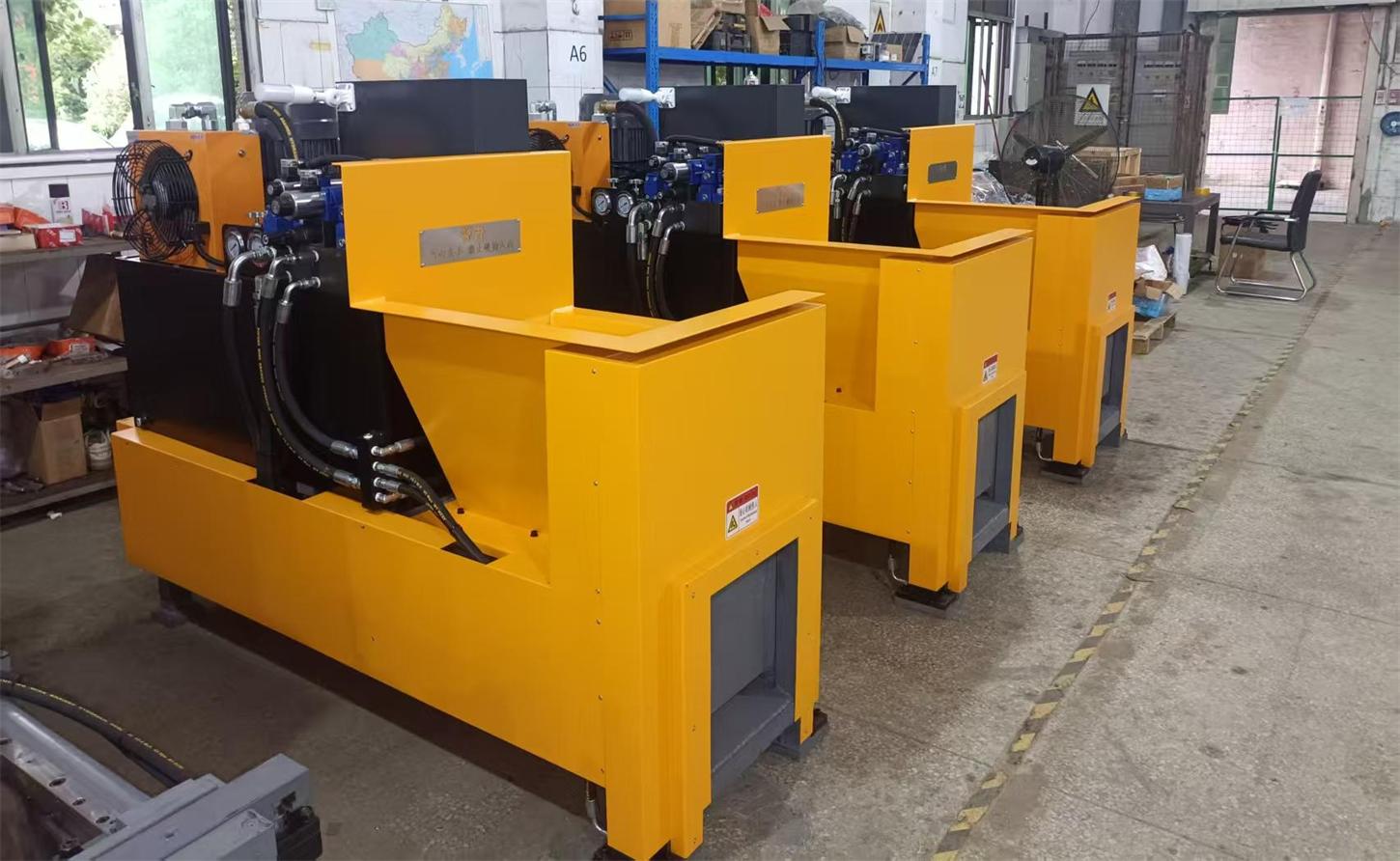
San Lan's product portfolio spans thirteen categories: lead acid battery recycling plants, lithium battery recycling lines, circuit board recycling systems, cable recycling machines, hydraulic press and briquetting equipment, shredders and pre-choppers, refrigerator and air conditioner recycling lines, CRT cutters, motor recycling machines, lamp recycling systems, metal melting furnaces, and lithium ore extraction plants. This breadth allows the company to support integrated recycling facilities that handle multiple waste streams under one roof.
Beyond equipment manufacturing, San Lan provides value-added services that reduce risk for first-time plant investors. These include customized plant design, one-stop purchasing coordination, installation and commissioning support, assistance sourcing waste feedstock, help marketing recovered products such as copper rice and lead ingots, and guidance on plant construction partnerships. The technical team includes professionals with master's degrees in mechanical engineering and more than fifteen years of direct experience in e-waste recycling machinery.
| Product Line | Typical Capacity | Key Outputs |
|---|---|---|
| Lead acid battery recycling | 1 - 10 MT/hour | Lead paste, lead grid, plastic, acid |
| Lithium battery recycling | 500 - 2,500 kg/hour | Black mass, copper, aluminum, plastic |
| Circuit board recycling | 300 - 2,000 kg/hour | Copper powder (96-98% purity) |
| Cable recycling | 200 - 15,000 kg/10hr | Copper/aluminum, plastic granules |
Practical Steps to Start Your Recycling Operation
If you are planning a new recycling plant, follow a structured approach to reduce capital risk and accelerate time to revenue.
- Step one: Confirm your feedstock supply. Secure agreements or realistic estimates for monthly volumes of batteries, circuit boards, or cable scrap.
- Step two: Define your output markets. Identify buyers for recovered copper, lead ingots, or plastic granules in your region.
- Step three: Match equipment capacity to feedstock. Oversized equipment wastes capital; undersized equipment creates bottlenecks.
- Step four: Evaluate total cost of ownership, including installation, power consumption, spare parts, and labor.
- Step five: Request a site-specific proposal with layout drawings and emission compliance documentation.
Conclusion
The e-waste recycling industry rewards operators who combine reliable feedstock with well-matched equipment and experienced manufacturing partners. Whether you are entering the market with a lead acid battery line, a circuit board recovery plant, or a cable granulation facility, the principles remain the same: understand your material, choose proven technology, and work with a supplier who can support you beyond the initial sale.
San Lan Technologies offers complete recycling plant solutions with engineering support, installation guidance, and spare parts supply. To discuss your project requirements or request a detailed quotation, contact the team at info@san-lan.com or reach out via WhatsApp at +86 139 2377 4083. Visit www.san-lan.com to explore the full product range.