Five criteria that separate reliable partners from risky transactions.
Every year, the world generates more than 50 million metric tons of electronic waste. Less than one-fifth of it is formally recycled. The gap between supply and demand is not a crisis; it is a business opportunity. For investors and plant operators entering this market, however, the single decision that determines profitability is not the price of scrap or the selling price of copper. It is the choice of equipment supplier.
A recycling plant is not a warehouse of standalone machines. It is an integrated system where shredders, separators, smelters, and pollution-control units must work together. Choose the wrong partner, and you face mismatched capacity, environmental violations, and stranded capital. Choose the right one, and you gain a technical ally who helps you from raw-material sourcing to finished-product sales.
The reality check: Many suppliers sell equipment. Few suppliers deliver turnkey plants. Even fewer help you operate them profitably. This guide explains how to tell the difference.
1. Look for a Comprehensive Product Portfolio
E-waste is not one material. It is a mix of copper cables, printed circuit boards, lead-acid batteries, lithium-ion batteries, refrigerator shells, CRT glass, and electric motors. A supplier who only manufactures one type of machine will force you to source the rest from competitors, then pray that the interfaces fit.
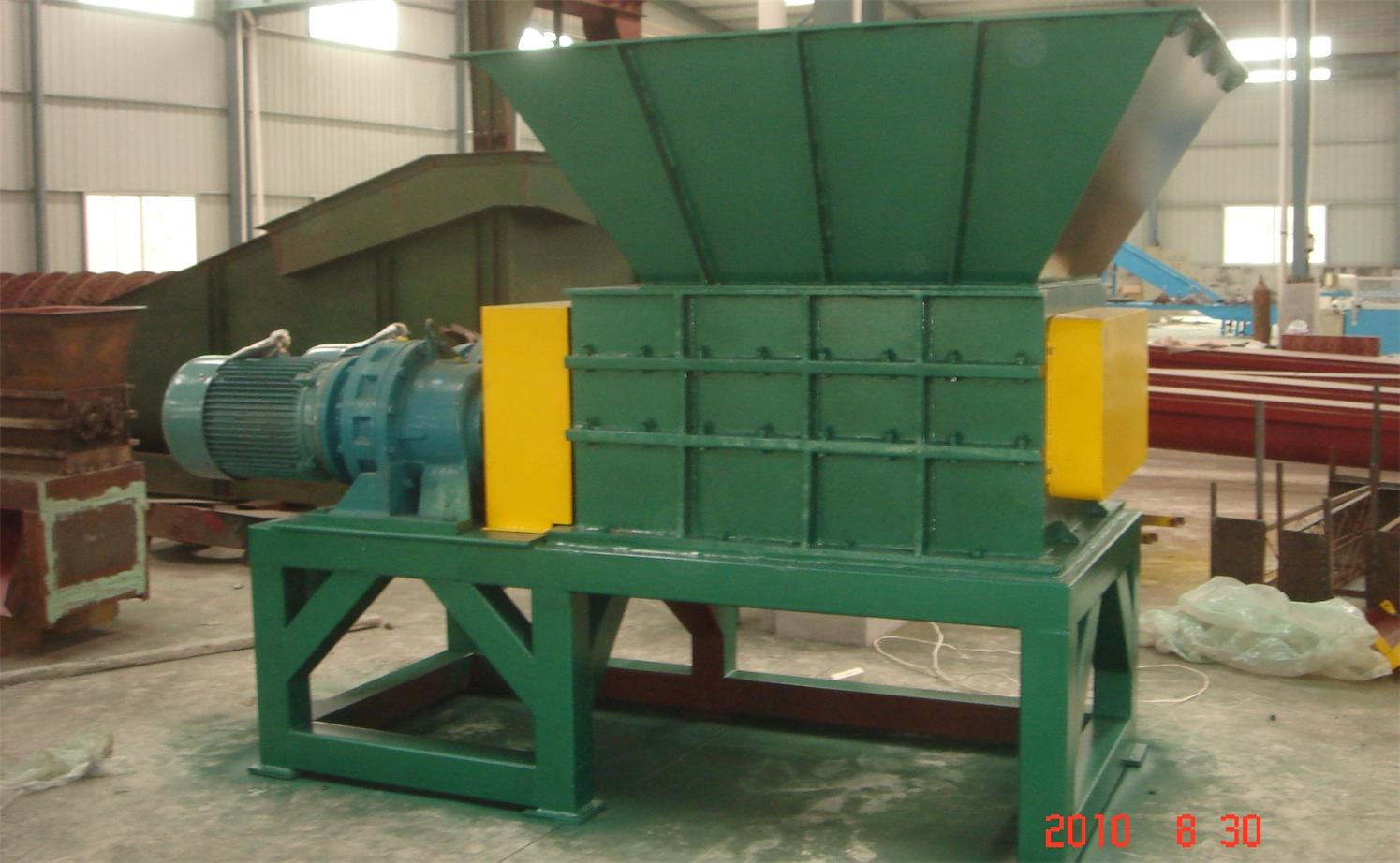
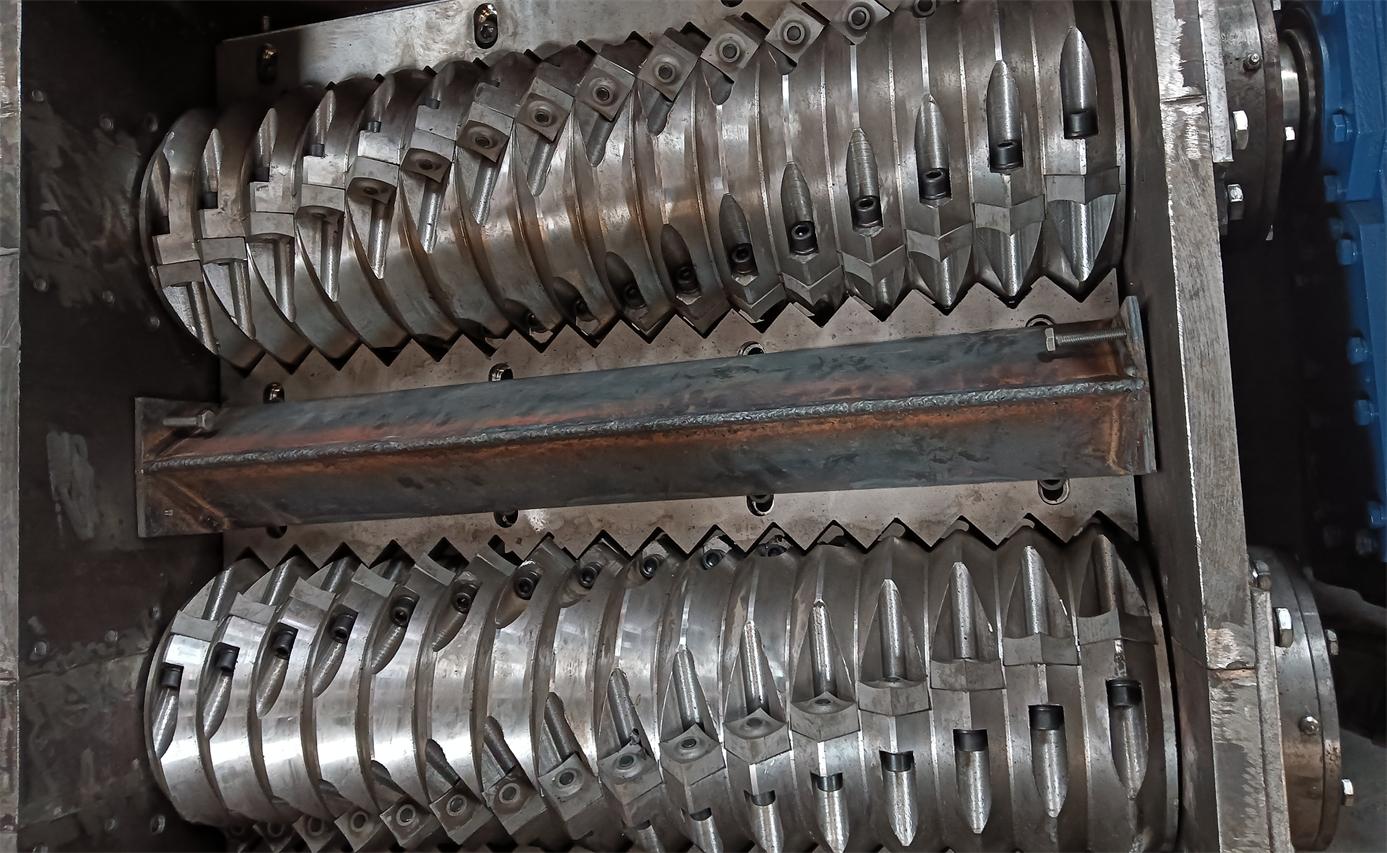
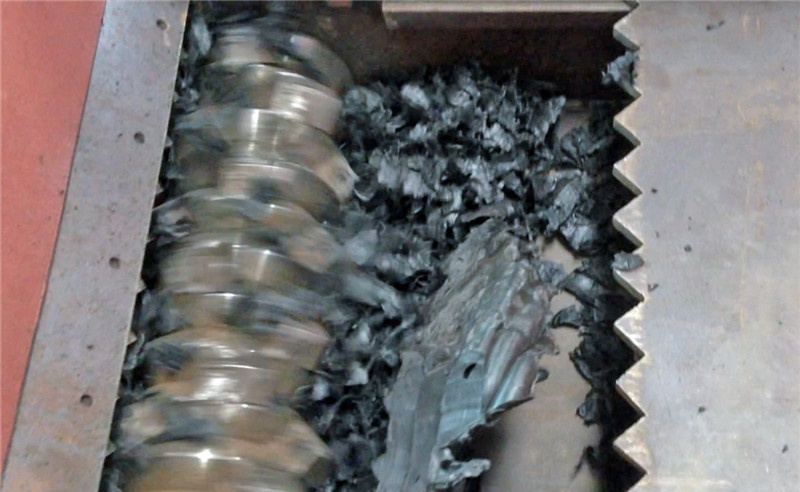
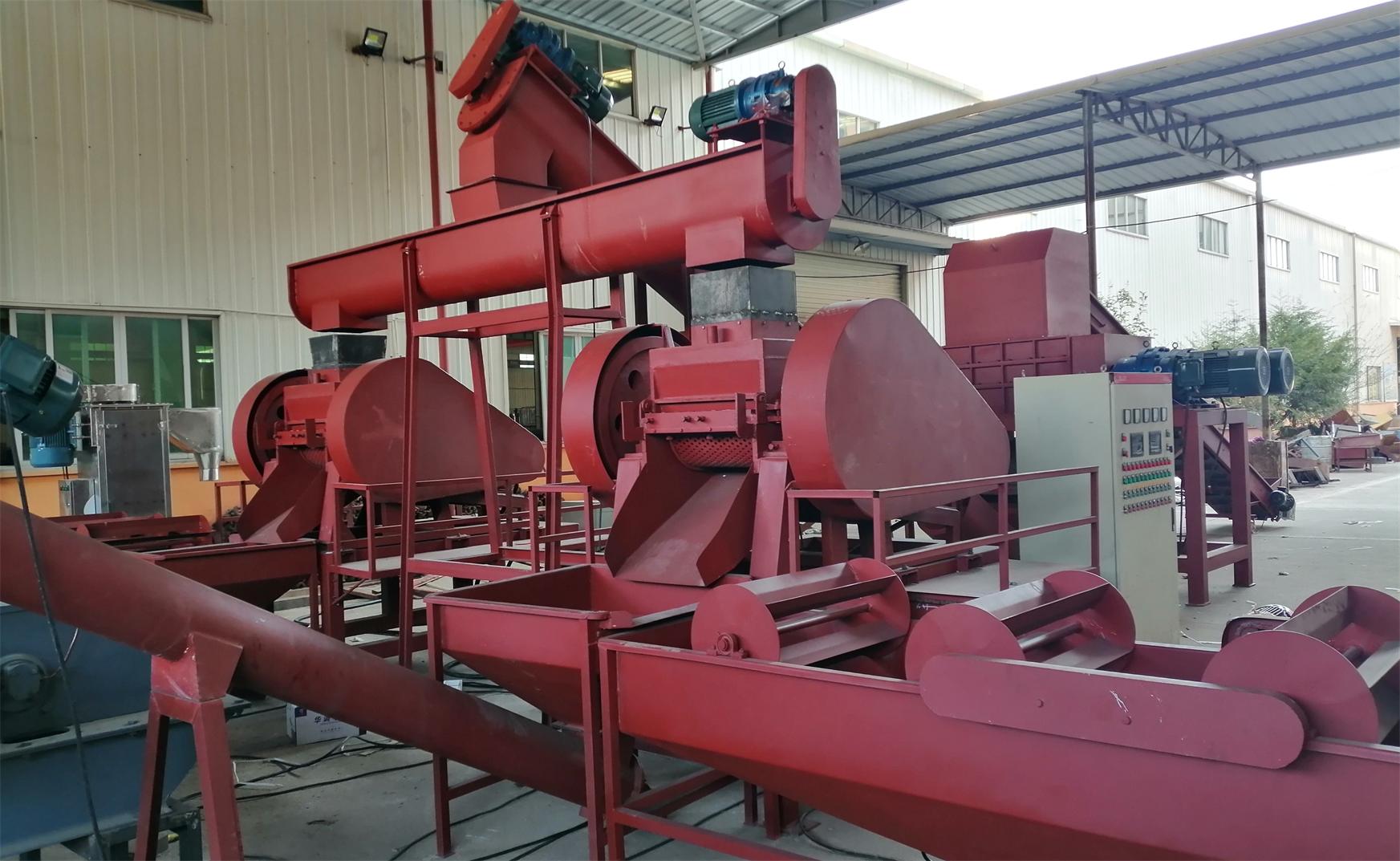
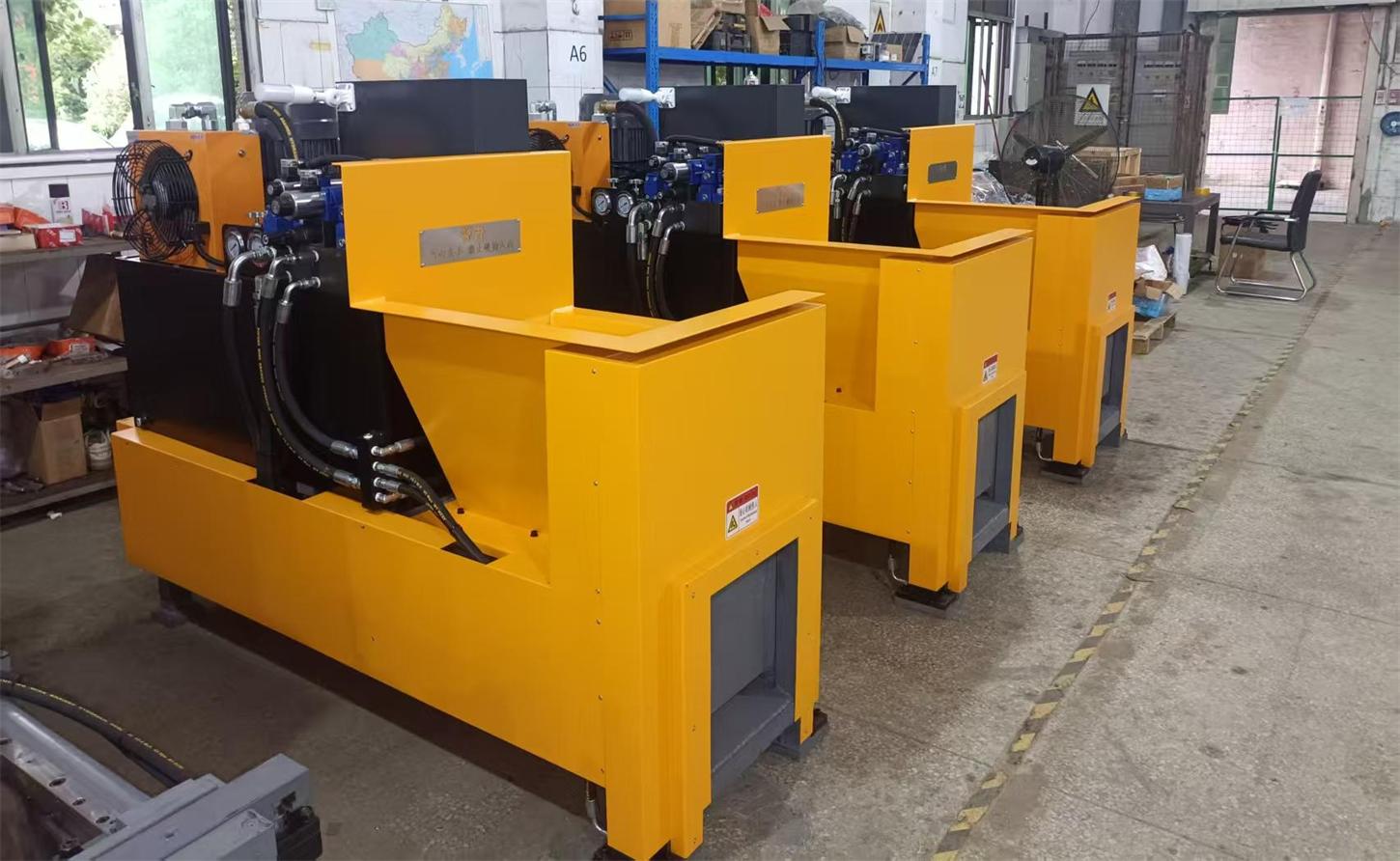
A true partner offers integrated solutions across the full spectrum. Whether you need cable recycling equipment to separate copper from plastic insulation, lead acid battery recycling equipment to recover lead paste and grids, or circuit board recycling equipment to extract copper powder and precious metals, the supplier should understand how each subsystem feeds into the next. Ask for a layout drawing that connects material flow from intake to final packaging. If they cannot produce one, they are a trader, not a manufacturer.
2. Demand Proven Technical Expertise and EPC Capability
Building a recycling plant is closer to civil engineering than to buying a car. You need foundation drawings, power-load calculations, exhaust-duct routing, and water-recycling loops. A supplier with deep EPC (Engineering, Procurement, Construction) experience can design the plant around your workshop space, your local electricity tariff, and your labor cost.
Look for a technical team whose members hold advanced degrees in mechanical engineering and have spent more than a decade in the field. Book knowledge matters, but field knowledge matters more. Ask how many plants they have commissioned, not how many machines they have shipped. A machine that runs perfectly in a Chinese factory may need voltage conversion, humidity protection, or dust sealing for your climate. Only a team with hands-on installation experience will know the difference.
3. Verify Environmental Compliance Systems
Recycling solves one environmental problem but can create others. Lead-acid battery breaking releases sulfuric acid mist. Circuit board crushing generates dust containing heavy metals. Lithium battery shredding risks thermal runaway. Without proper pollution control, your plant will be shut down before it turns a profit.
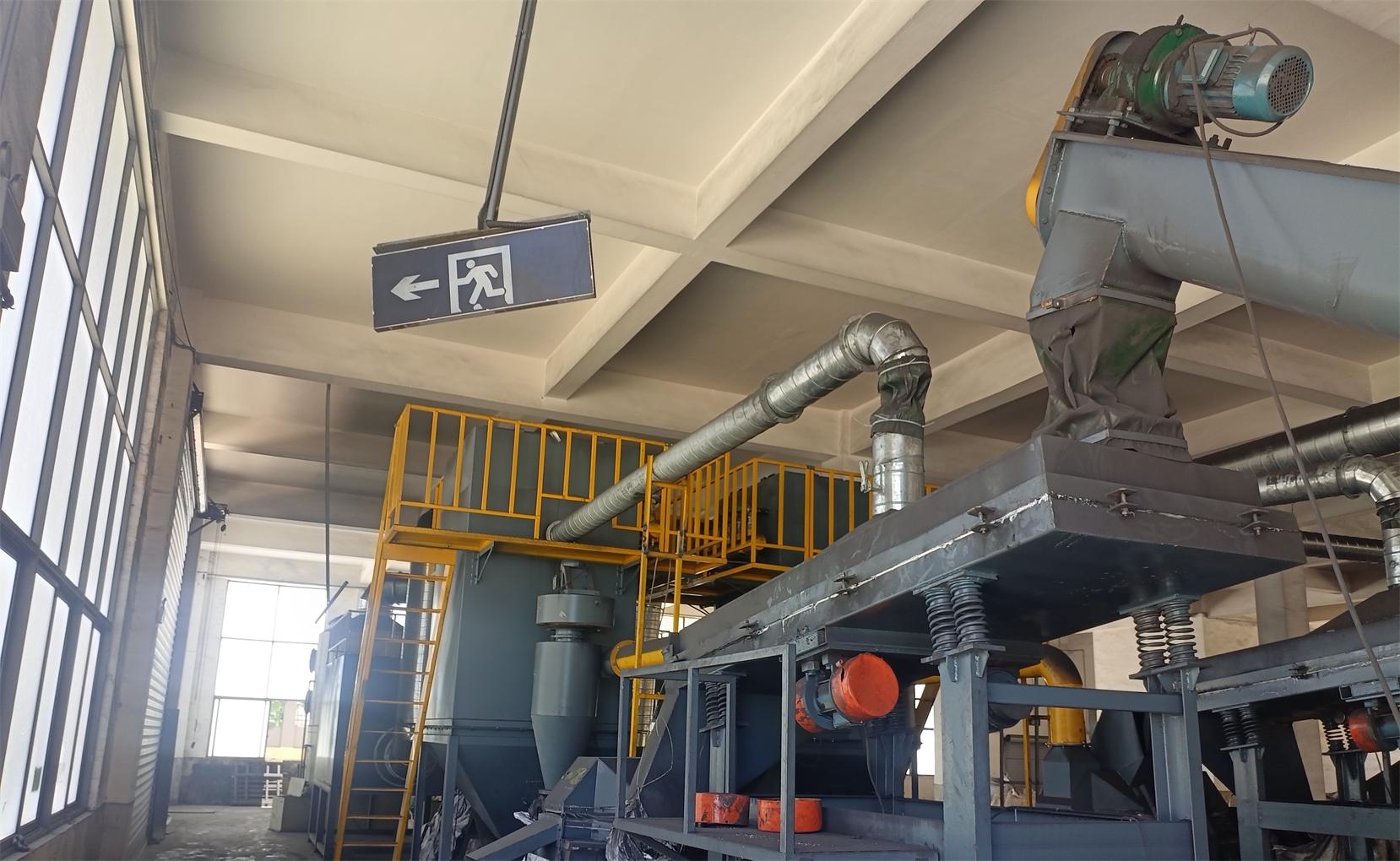
A responsible supplier integrates environmental protection into the process design, not as an afterthought. This includes air-pollution control systems for furnace exhaust and crushing dust, water-treatment plants for acidic effluent, and sealed conveyors to prevent spillage. Ask for emission-data sheets and check whether the designs meet your local environmental standards. If the supplier treats compliance as your problem, walk away.
4. Evaluate Value-Added Services Beyond the Machine
The machine is only the beginning. You also need a reliable supply of feedstock, a market for your output, and possibly co-investors to share capital risk. Suppliers who understand the full business model can connect you with cable scrap dealers, battery collectors, or smelters who buy copper rice and lead ingots. They can also introduce investors who specialize in recycling infrastructure.
This kind of support is rare because it requires the supplier to treat your balance sheet as seriously as their own. When evaluating candidates, ask specific questions: Can you introduce us to raw-material brokers in our region? Can you help us offtake the recycled copper? Do you offer installation and commissioning supervision? The answers will tell you whether you are buying a machine or entering a partnership.
5. Check Global Track Record and Communication
Recycling equipment is a global purchase. Your supplier may be in China, your engineers in Colombia, and your investors in Singapore. If the supplier has never exported to your region, expect delays in shipping, customs clearance, and after-sales support. If they cannot communicate fluently in English, expect misunderstandings in technical specifications.
Look for a partner with customers in more than twenty countries across multiple continents. Ask for references you can call. Ask whether they have technicians who can travel for installation. Ask whether they have experience with the voltage, frequency, and safety standards of your country. A supplier with a genuine international footprint will answer these questions without hesitation.
Quick Supplier Vetting Checklist
What a Full-Service Partner Looks Like
San Lan Technologies Co., Ltd., founded in 2007 and based in Ganzhou, Jiangxi Province, China, is an example of a manufacturer that operates across the full value chain. The company produces equipment for lead-acid battery recycling, lithium-ion battery recycling, circuit board recycling, cable recycling, CRT cutting, refrigerator and air-conditioner recycling, and motor dismantling. It also provides EPC project services, customized plant design, installation and commissioning, and assistance with raw-material procurement and product sales.
With customers in over twenty-one countries including Singapore, Colombia, Vietnam, Mexico, Argentina, South Africa, and India, San Lan has built a track record that spans diverse regulatory environments and material streams. The technical team includes mechanical engineers with master's degrees and more than fifteen years of hands-on experience in WEEE recycling machinery. For operators who need more than a quotation, this depth of service can mean the difference between a stalled project and a running plant.
Ready to scope your recycling plant? Visit san-lan.com to explore the full equipment catalog, or contact their team directly at info@san-lan.com or via WhatsApp at +86 139 2377 4083 for a customized plant proposal.