Why Lead Acid Battery Recycling Is a High-Growth Opportunity
Lead acid batteries remain the dominant power source for vehicles, backup power systems, and industrial equipment worldwide. Unlike many other waste streams, used lead acid batteries (ULAB) contain valuable and highly recoverable materials: lead metal, lead compounds, plastic casings, and sulfuric acid. A well-designed recycling operation can recover up to 95% of the lead content, making it one of the most economically viable recycling sectors.
However, lead acid batteries also contain hazardous materials that require specialized handling. Environmental regulations across North America, Europe, Asia, and emerging markets are becoming increasingly strict. This creates a significant barrier to entry for operations using outdated or inadequate equipment, while presenting a major opportunity for recyclers who invest in modern, compliant, and efficient recycling systems.
The Complete Lead Acid Battery Recycling Process
A professional lead acid battery recycling plant typically follows a multi-stage process to maximize material recovery while minimizing environmental impact. Understanding these stages is essential when evaluating equipment options:
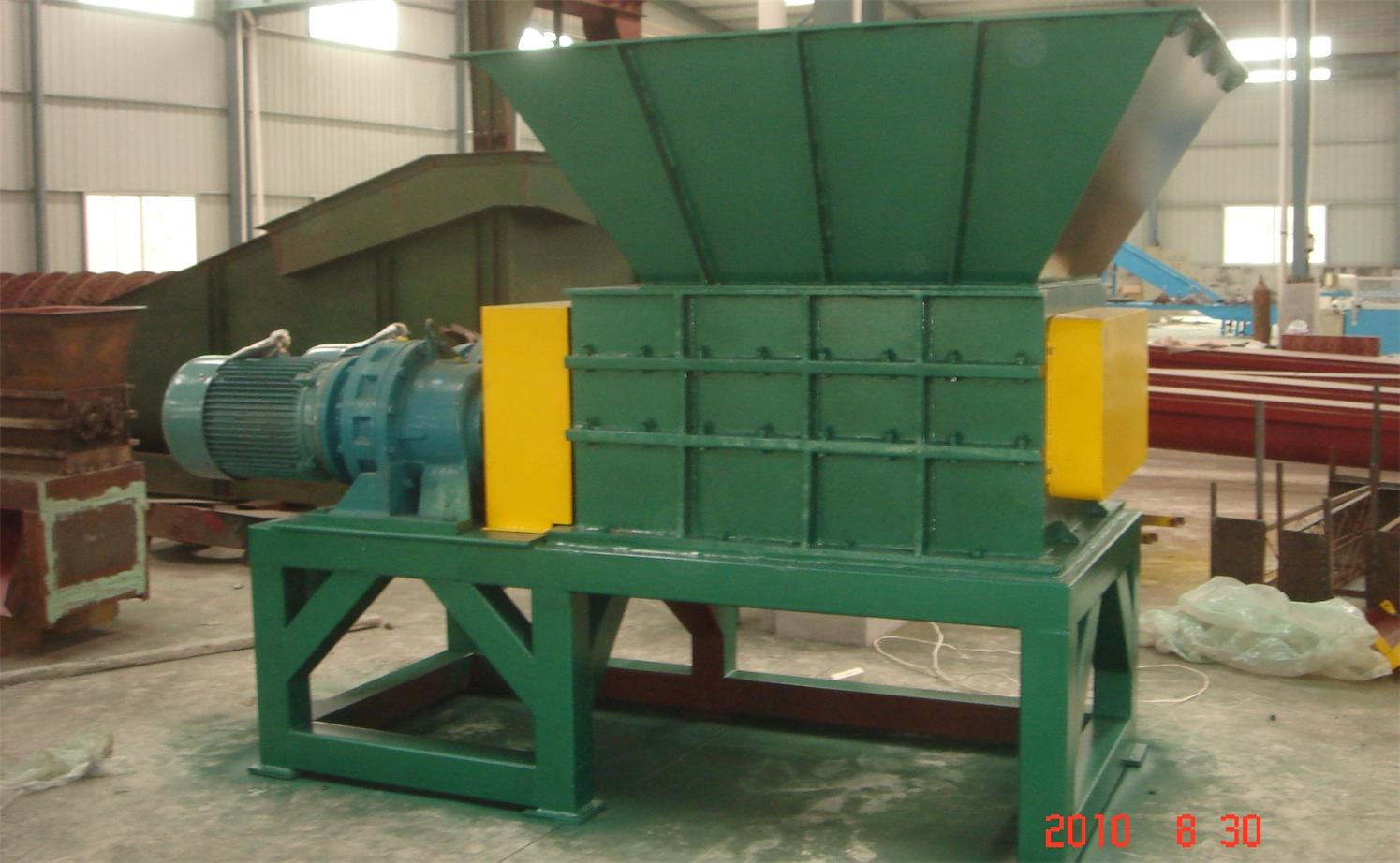
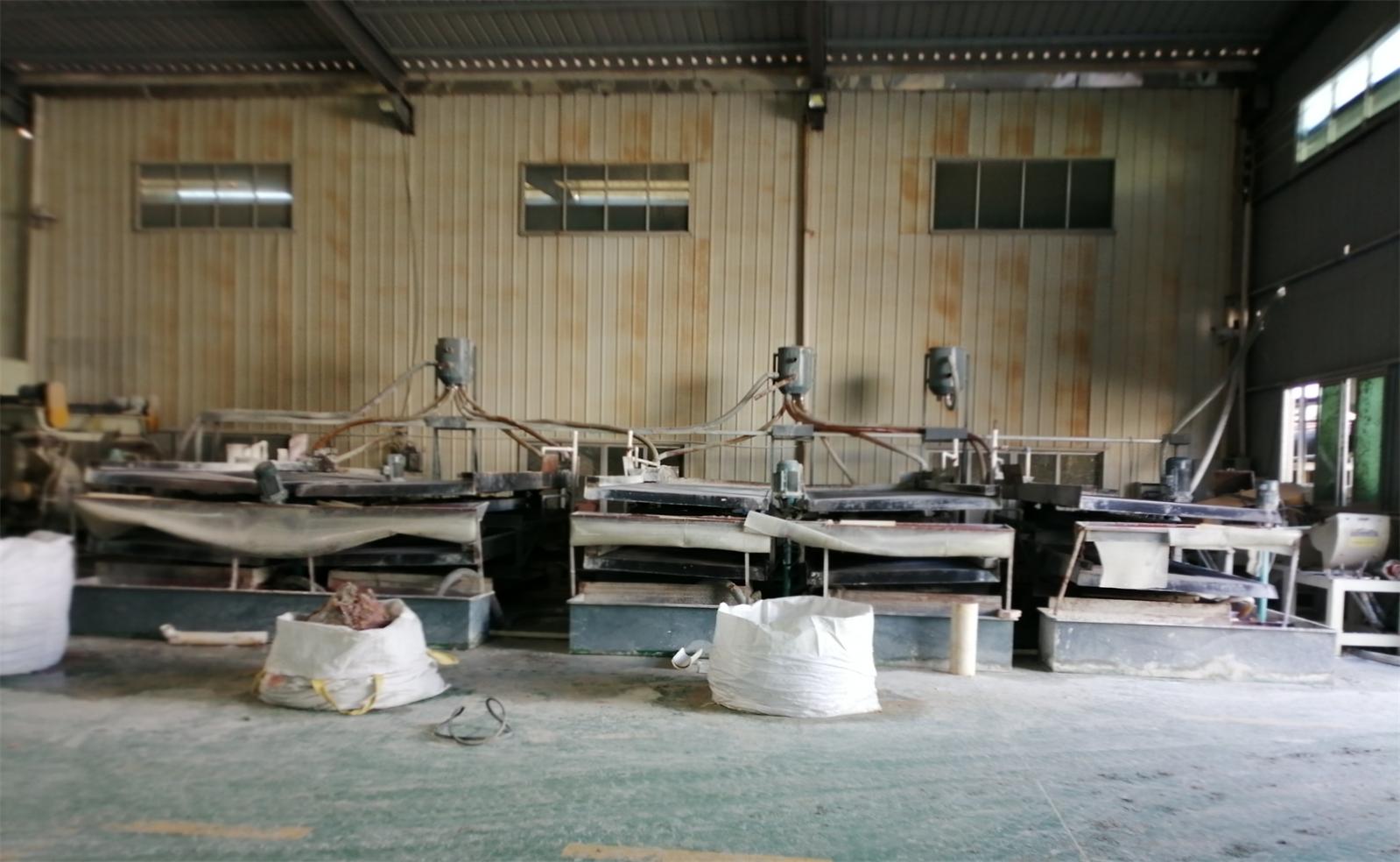
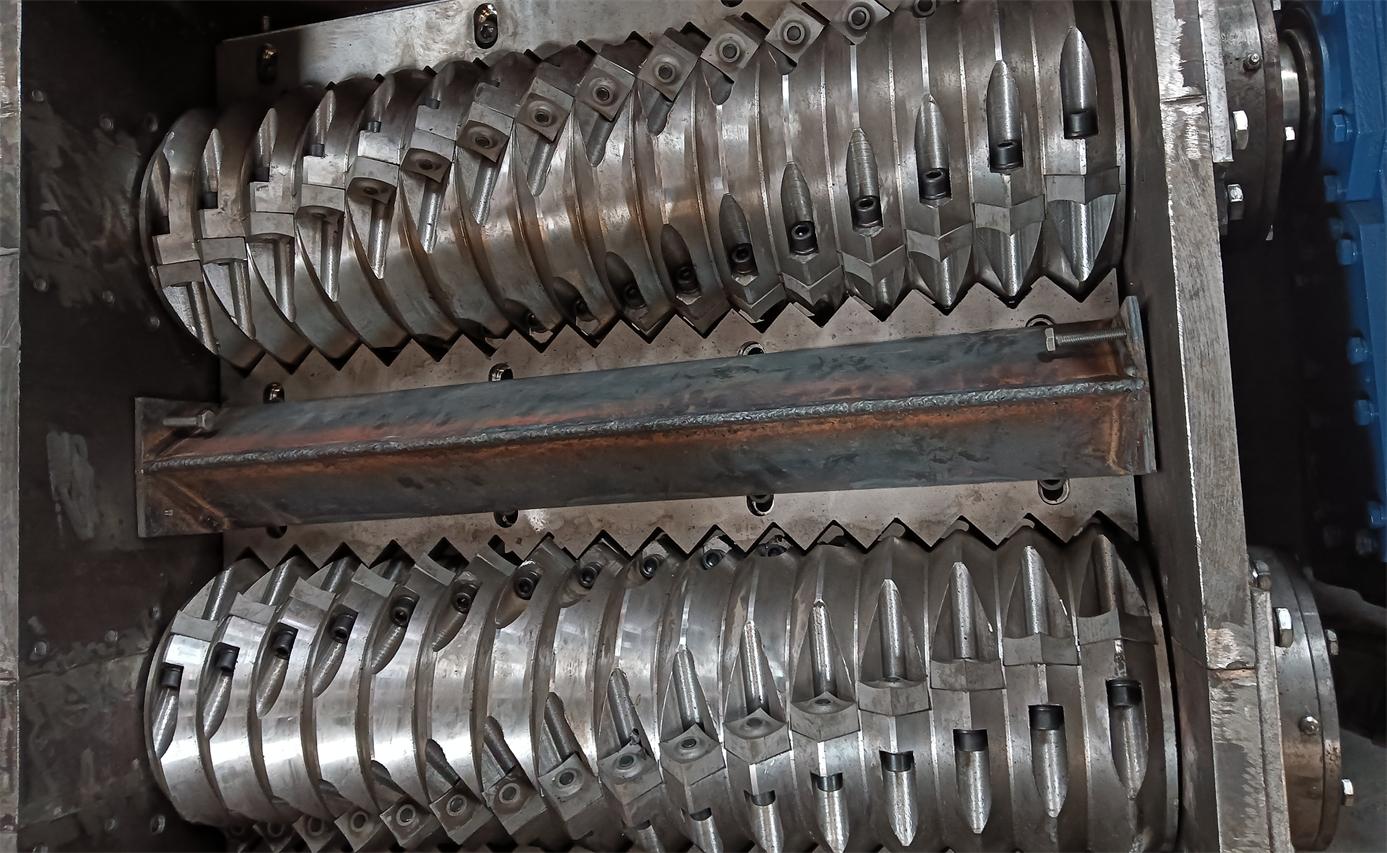
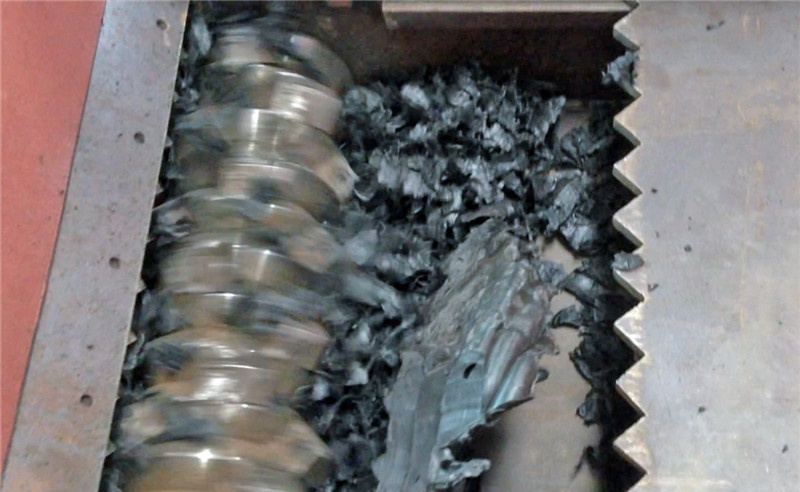
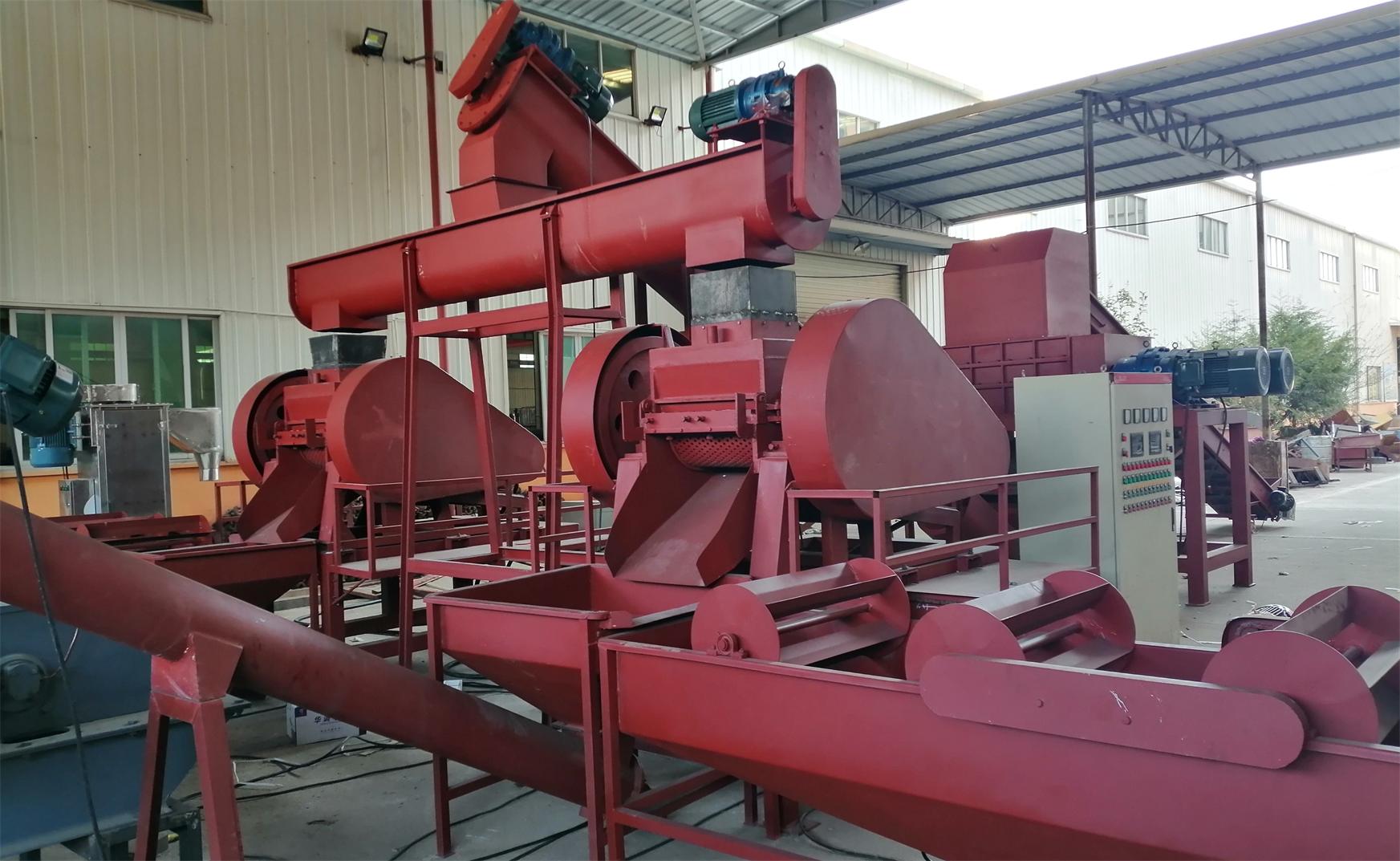
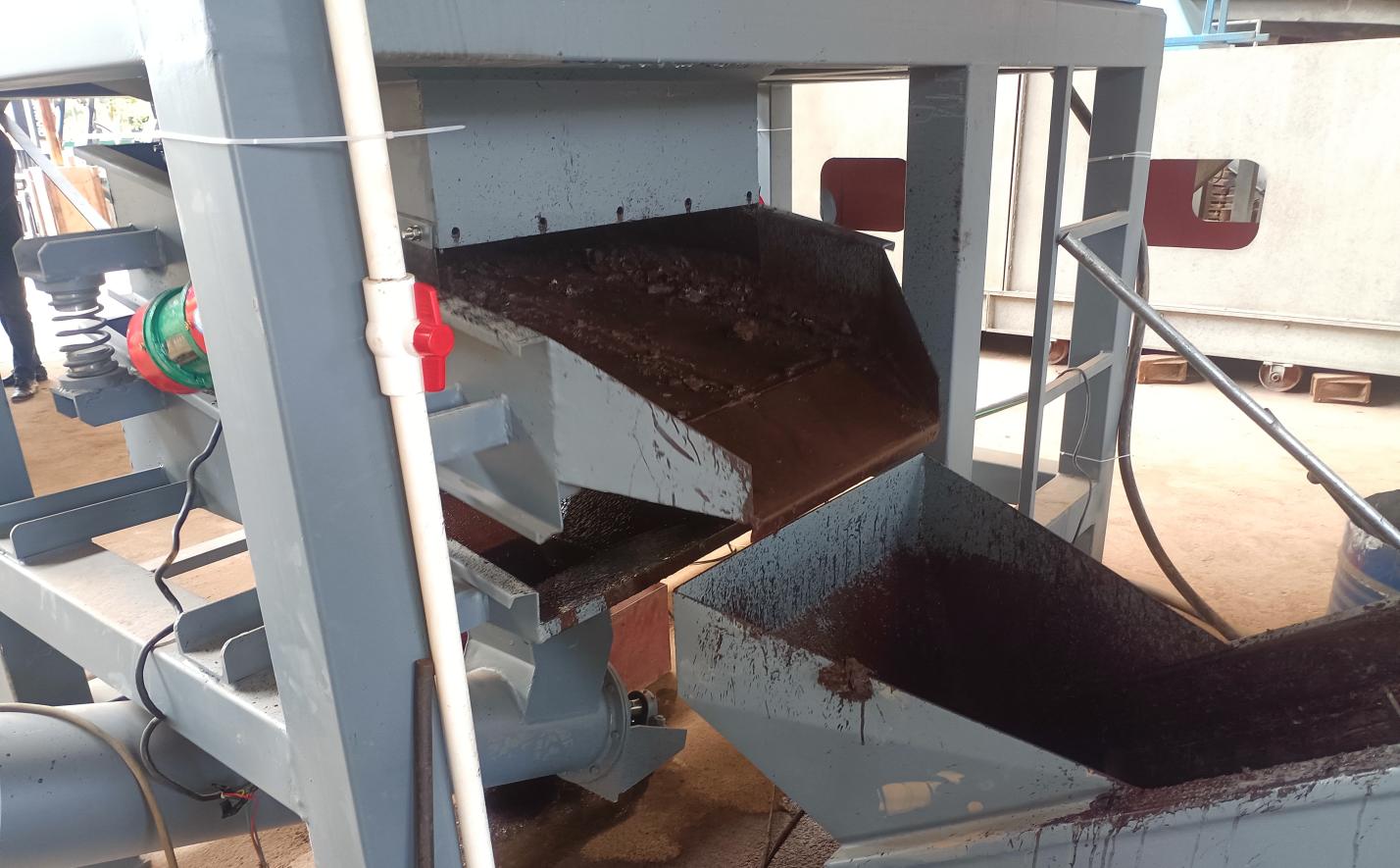
The first step involves mechanically breaking the batteries and separating the components. Advanced systems can process 1-10 metric tons per hour, separating lead paste, lead grids, plastic (PVC/PP), and hard rubber into distinct streams. The quality of separation at this stage directly impacts the purity and market value of recovered materials.
Lead paste contains lead sulfate (PbSO4), which must be treated before smelting. A desulfurization unit removes sulfur from the paste, reducing melting temperatures, decreasing SO2 emissions, and significantly saving on energy costs and chemical additives.
The processed lead paste and grids are fed into smelting furnaces. Modern operations use rotary furnaces or blast furnaces with capacities ranging from 2-20 MT per batch to 40-100 MT per 24-hour period. Lead recovery rates can reach 95% with properly designed equipment. The resulting crude lead is then refined to 99.999% purity in refinery kettle furnaces.
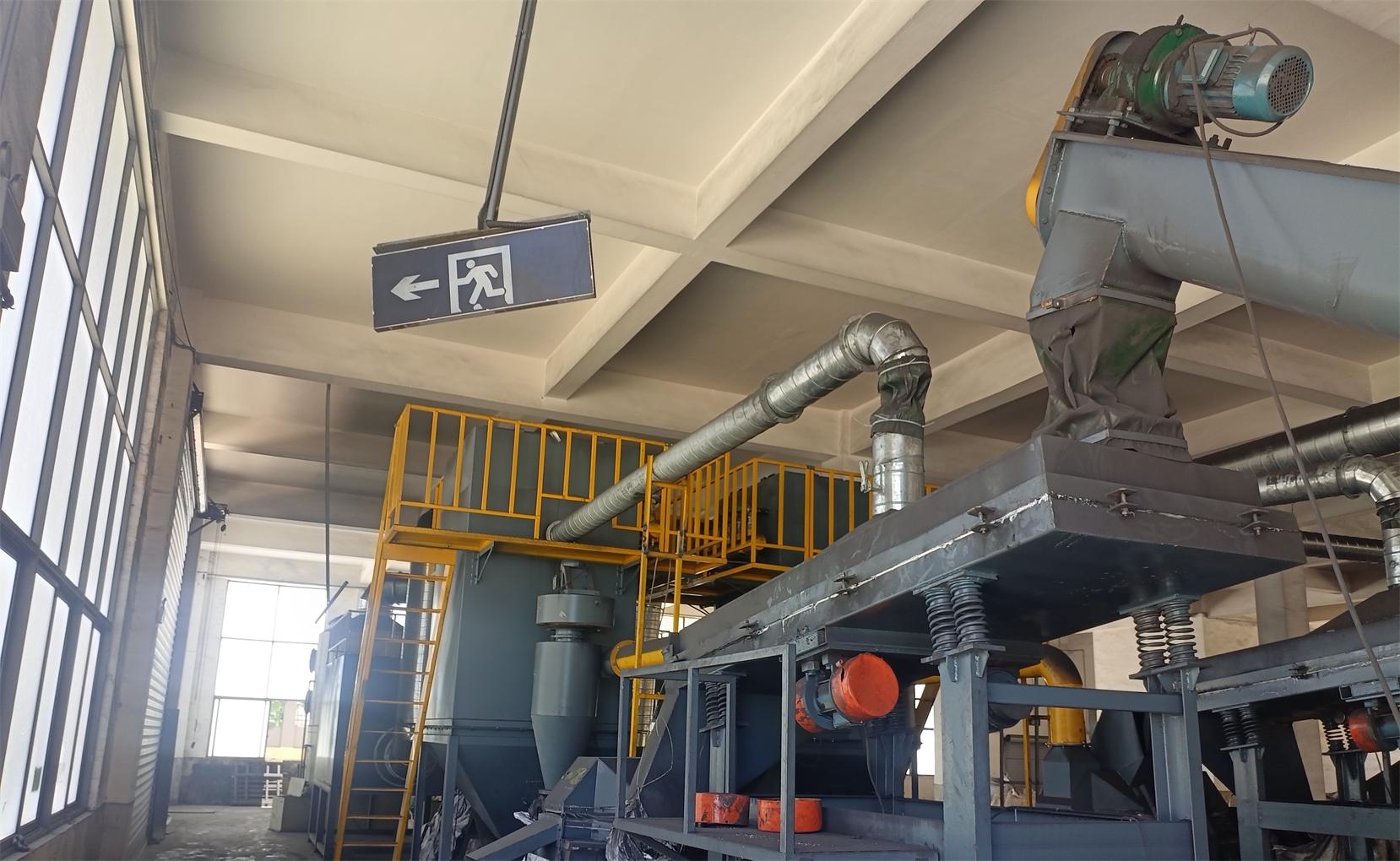
Comprehensive air pollution control systems and wastewater treatment plants are mandatory for regulatory compliance. These systems purify exhaust gases and treat acidic wastewater from the breaking-separation process, ensuring clean emissions and zero liquid discharge.
Key Equipment Components for a Modern Recycling Plant
When sourcing lead acid battery recycling equipment, look for suppliers who can provide a complete integrated system rather than standalone machines. Here are the critical components:
| Equipment | Function | Key Specification |
|---|---|---|
| Battery Breaking and Separation System | Crushes batteries and separates lead paste, grids, plastic, and acid | Capacity: 1-10 MT/hour |
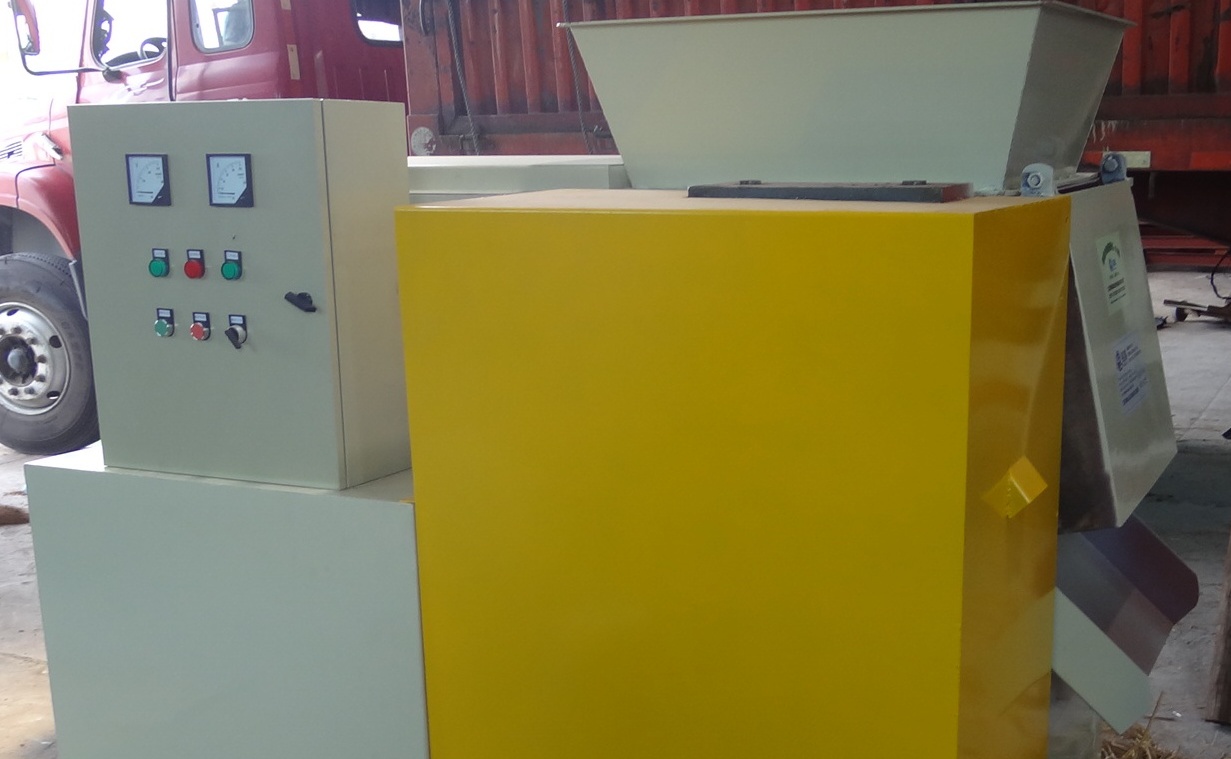
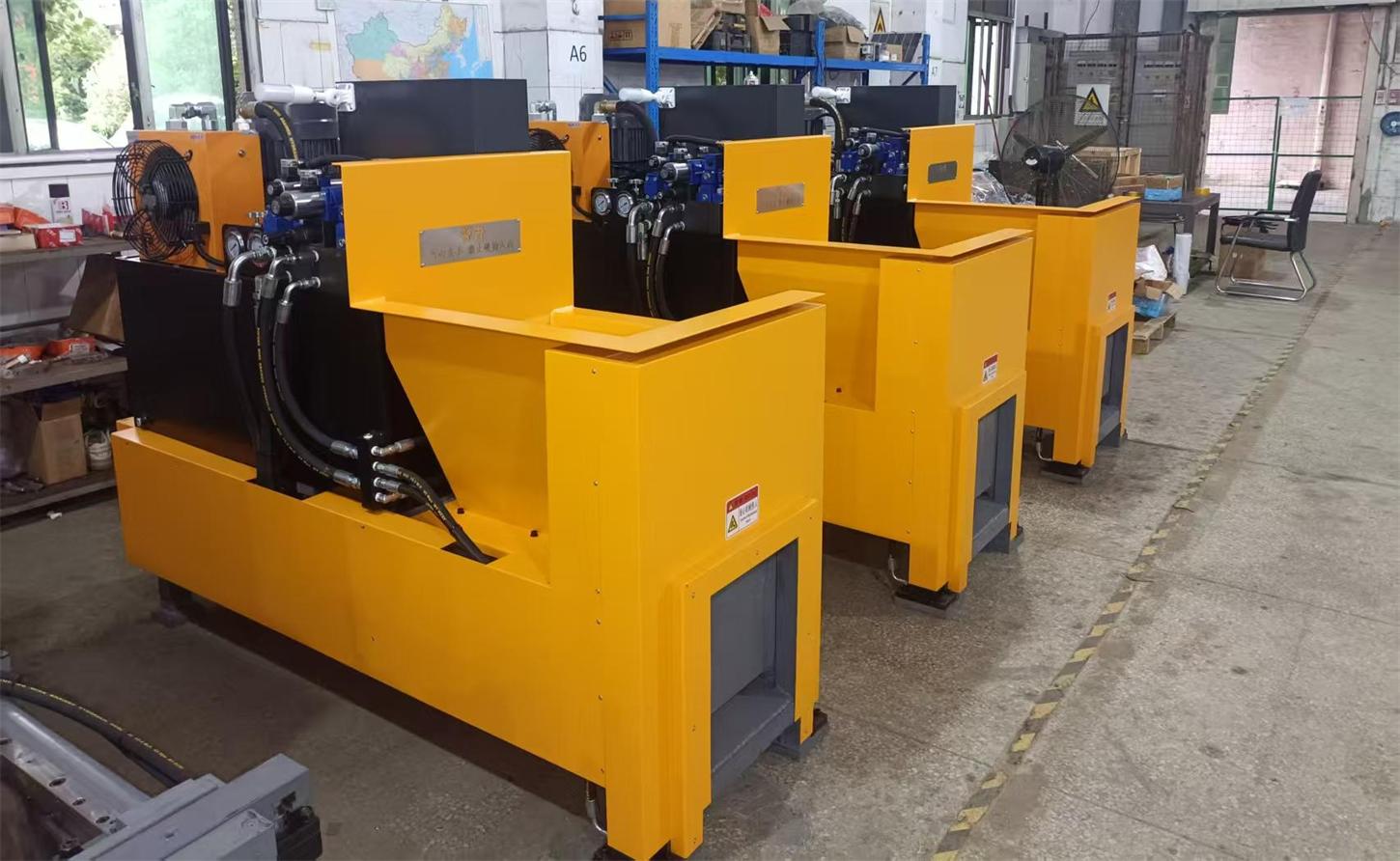
| Lead Battery Cutter | Pre-cuts batteries before feeding into breaking system | Cutting speed: ~45 seconds per piece |
| Desulfurization Unit | Removes sulfur from lead paste before smelting | Reduces SO2 emissions and energy consumption |
| Rotary Furnace | Reduces lead paste to crude metallic lead | Capacity: 2-20 MT/batch |
| Blast (Cupola) Furnace | Alternative high-volume smelting option | Max temperature: 1800°C, capacity: 40-100 MT/24h |
| Lead Refinery Kettle Furnace | Refines crude lead to 99.999% purity | Electric or gas/diesel heated options |
| Air Pollution Control System | Purifies exhaust gases from furnaces | Meets environmental emission standards |
| Wastewater Treatment Plant | Treats acidic wastewater from breaking process | Closed-loop or compliant discharge |
What to Look for in a Recycling Equipment Supplier
Not all equipment manufacturers are equal. The supplier you choose will impact your project timeline, operational costs, and regulatory compliance for years to come. Consider these critical factors:
1. Technical Expertise and Experience
Look for manufacturers with deep domain knowledge in e-waste and battery recycling specifically. A supplier with a technical team holding master's degrees in mechanical engineering and over 15 years of hands-on experience in battery recycling machinery can provide invaluable design optimization and troubleshooting support.
2. Turnkey Project Capability
The most reliable suppliers offer EPC (Engineering, Procurement, Construction) services, handling everything from customized plant design and equipment manufacturing to installation, commissioning, and operator training. This dramatically reduces project complexity and accelerates time-to-production.
3. Proven International Track Record
A supplier with customers across 20+ countries demonstrates that their equipment meets diverse regulatory standards and operational conditions. Ask for references and case studies from markets similar to yours.
4. After-Sales and Value-Added Services
Beyond equipment delivery, the best suppliers help customers source waste battery feedstock, connect with investors for plant construction, and even assist in selling recovered products like lead ingots and plastic pellets to maximize profitability.
5. Customization Flexibility
Every recycling operation has different feedstock characteristics, capacity targets, and local regulations. Ensure your supplier can customize equipment specifications rather than offering one-size-fits-all solutions.
Energy Efficiency and Environmental Compliance
Modern lead battery cutter equipment and smelting technology have made significant advances in energy efficiency. Electric-heated refinery kettles using near-infrared heating technology can reduce energy consumption by 30-50% compared to conventional systems. Similarly, well-designed desulfurization units lower both operating costs and environmental footprint.
Regulatory compliance should never be an afterthought. Leading manufacturers design their air pollution control systems and wastewater treatment plants to meet or exceed environmental requirements in the European Union, North America, and major Asian markets. Investing in compliant equipment from day one prevents costly retrofits and regulatory penalties.
Making the Right Investment Decision
Starting or upgrading a lead acid battery recycling operation requires substantial capital investment. The key to maximizing return on investment is selecting equipment that balances throughput capacity, recovery rates, energy efficiency, and operational reliability.
For new entrants, a modular approach often makes sense: begin with a core breaking and separation system, then add smelting and refining capacity as feedstock supply and market demand grow. This minimizes initial capital exposure while building operational expertise.
Established recyclers looking to expand should focus on bottleneck elimination. Often, upgrading the breaking and separation system or adding a desulfurization unit can increase overall plant throughput and profitability more cost-effectively than adding parallel smelting capacity.
Partner with an Experienced Equipment Manufacturer
San Lan Technologies Co., Ltd has been manufacturing lead refinery machine equipment and complete battery recycling plants since 2007. With customers in over 21 countries across Southeast Asia, Latin America, Africa, and the Middle East, San Lan provides turnkey recycling solutions tailored to local market conditions and regulatory requirements.
San Lan's comprehensive product range covers every stage of the lead acid battery recycling process: from hydraulic battery cutters and breaking-separation systems to rotary furnaces, blast furnaces, refinery kettles, desulfurization units, filter presses, wastewater treatment plants, and air pollution control systems. All equipment is designed for high recovery rates, energy efficiency, and environmental compliance.
Beyond equipment manufacturing, San Lan offers EPC project services, customized plant design, installation and commissioning, operator training, and ongoing technical support. The company also assists clients with waste material sourcing, investor partnerships, and product sales channels—providing a true end-to-end partnership for recycling entrepreneurs and established operators alike.
Ready to Start or Expand Your Lead Acid Battery Recycling Operation?
Whether you are planning a new recycling plant or upgrading existing equipment, selecting the right machinery partner is critical to your success. Contact San Lan Technologies today to discuss your project requirements, request a customized quotation, or arrange a technical consultation with our engineering team.
Email: info@san-lan.com
WhatsApp: +86 139 2377 4083
Website: www.san-lan.com