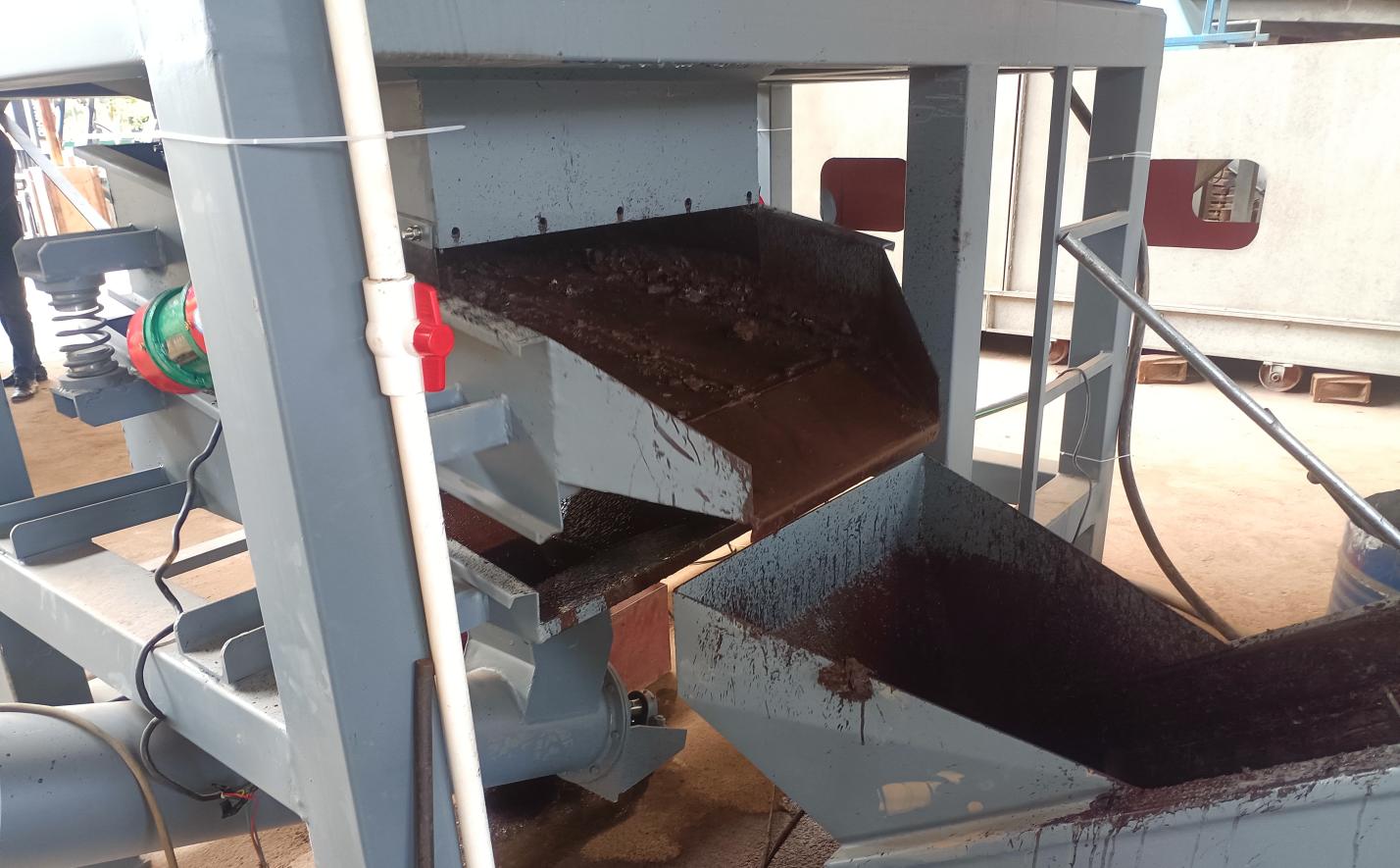
Every year, mountains of discarded cables, used batteries, and obsolete circuit boards pile up in warehouses and landfills. For entrepreneurs and facility operators who see opportunity in this waste stream, the decision to invest in recycling equipment is only the first step. The harder question is: who should build and support that equipment for the next ten to fifteen years?
The difference between a vendor who simply ships a machine and a partner who engineers a complete solution often determines whether a recycling plant turns a reliable profit or becomes a maintenance nightmare. This guide walks through what to look for before you sign a purchase order.
The Hidden Cost of Choosing the Wrong Machine
Low upfront pricing can be tempting, but recycling machinery operates in harsh conditions: abrasive metal dust, acidic vapors, heavy vibration, and continuous loading. A machine built with undersized bearings, thin blades, or poor sealing will cost far more in downtime, spare parts, and lost production than the initial savings.
Worse, some suppliers offer little after the container arrives. Without on-site installation guidance, staff training, and ready access to replacement parts, even a well-built machine can sit idle for weeks while operators struggle to dial it in.
Key takeaway: Evaluate total cost of ownership, not just the invoice price. Ask potential suppliers about mean time between failures, blade replacement intervals, and whether they keep critical spare parts in stock for immediate shipment.
Three Recycling Streams Worth Your Attention
Modern recycling plants rarely rely on a single feedstock. Diversification protects revenue when one commodity price dips. Here are three proven streams that share compatible preprocessing equipment but use different separation technologies downstream.
If your operation plans to process more than one of these streams, it pays to work with a manufacturer who offers the full range rather than patching together machines from three different countries with incompatible controls and spare parts.
Five Signs of a True Equipment Partner
After reviewing dozens of supplier proposals over the years, experienced operators tend to judge manufacturers on five criteria that separate serious partners from trading companies:
Why Deep Experience Matters on the Factory Floor
Recycling equipment is not a commodity. The same granulator model that performs beautifully on clean copper wire may struggle with oily armored cable or mixed automotive harnesses. A supplier who has commissioned plants across diverse climates and feedstock types knows which adjustments matter before problems appear.
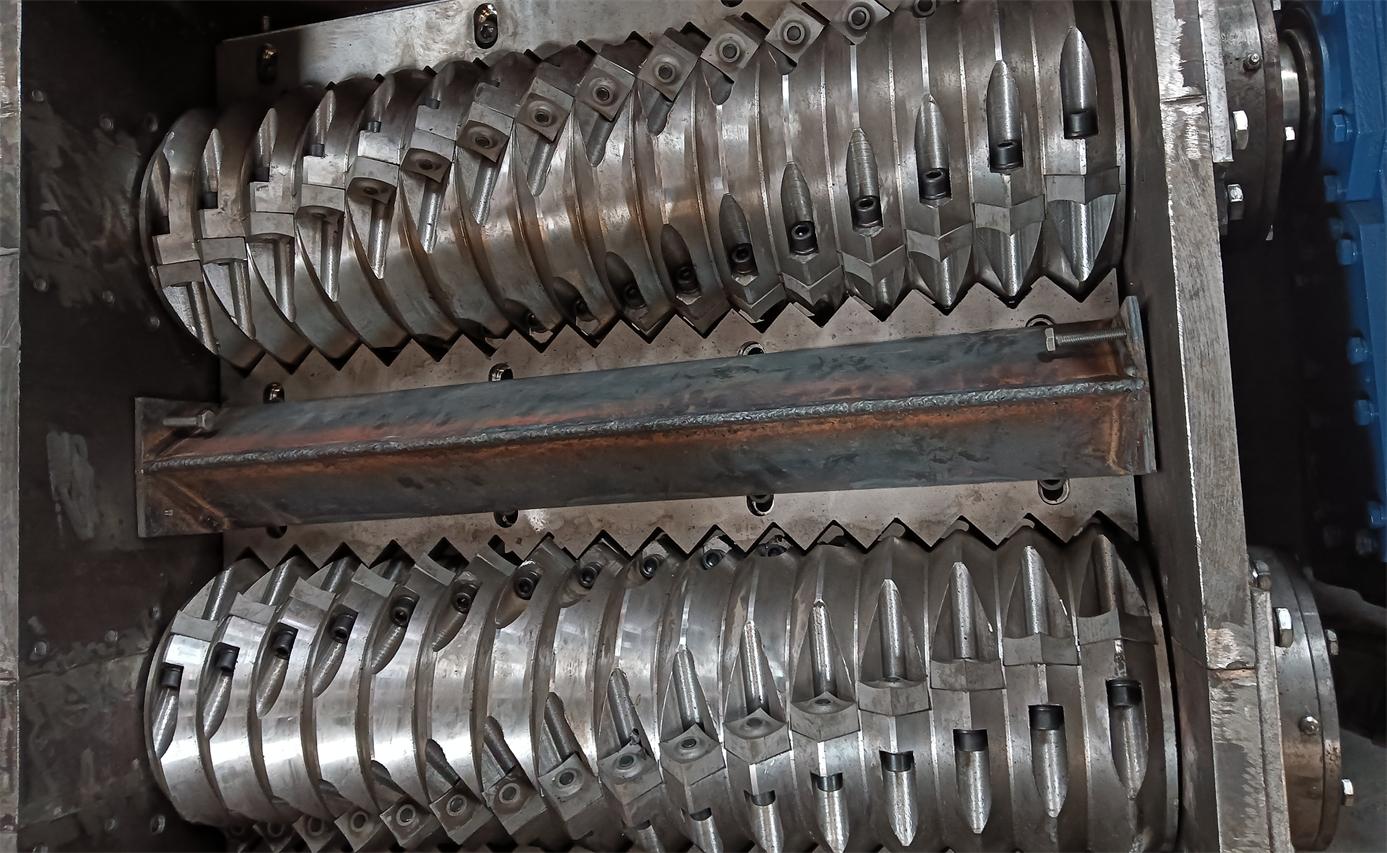
San Lan Technologies Co., Ltd, established in 2007, has built and supported recycling plants in more than 21 countries. Their engineering team holds master's degrees in mechanical engineering and averages over 15 years of hands-on experience in e-waste recycling machinery. That depth shows up in details like reinforced crusher housings, adjustable separation airflow, and modular furnace designs that let operators scale capacity without replacing the entire line.
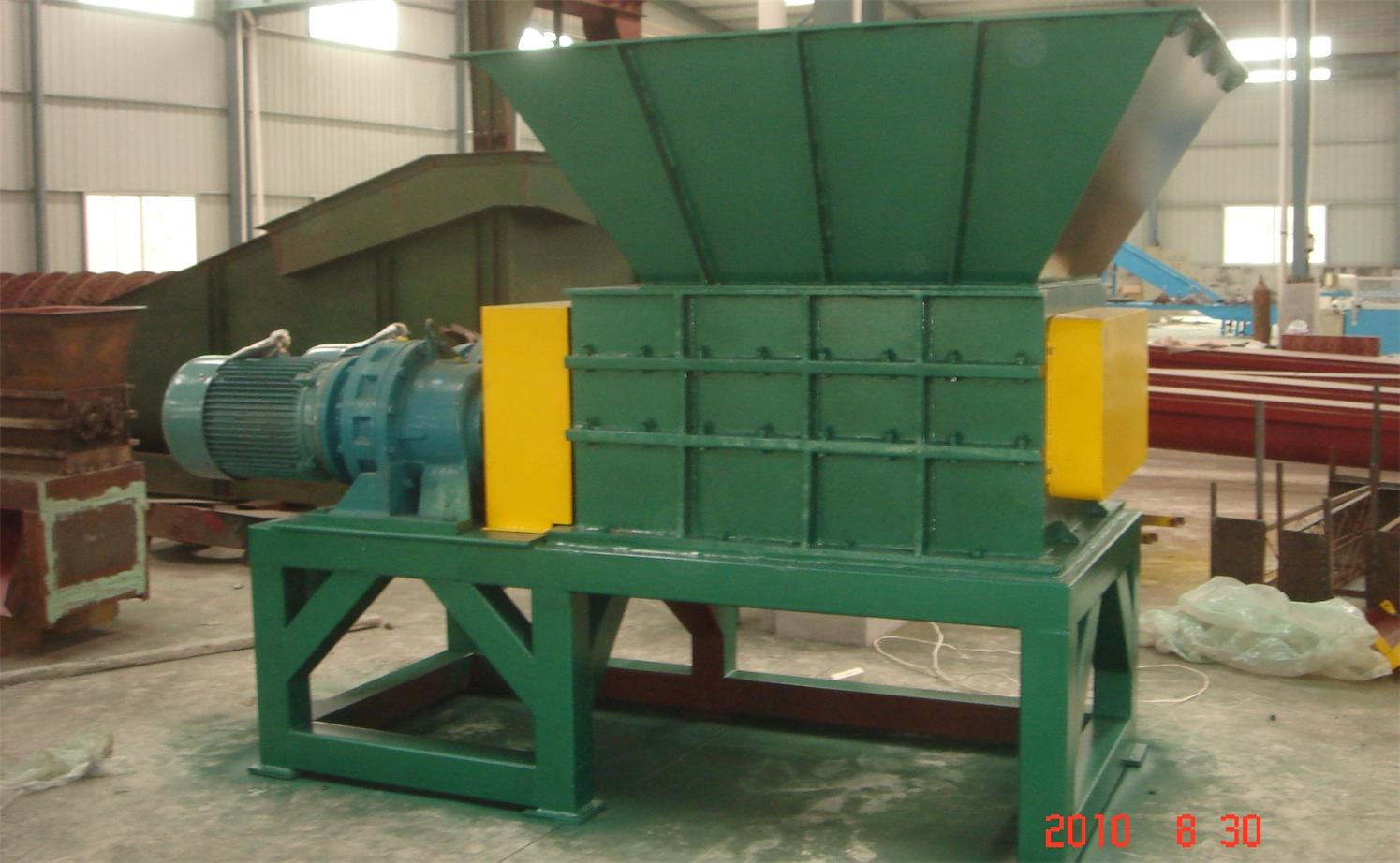
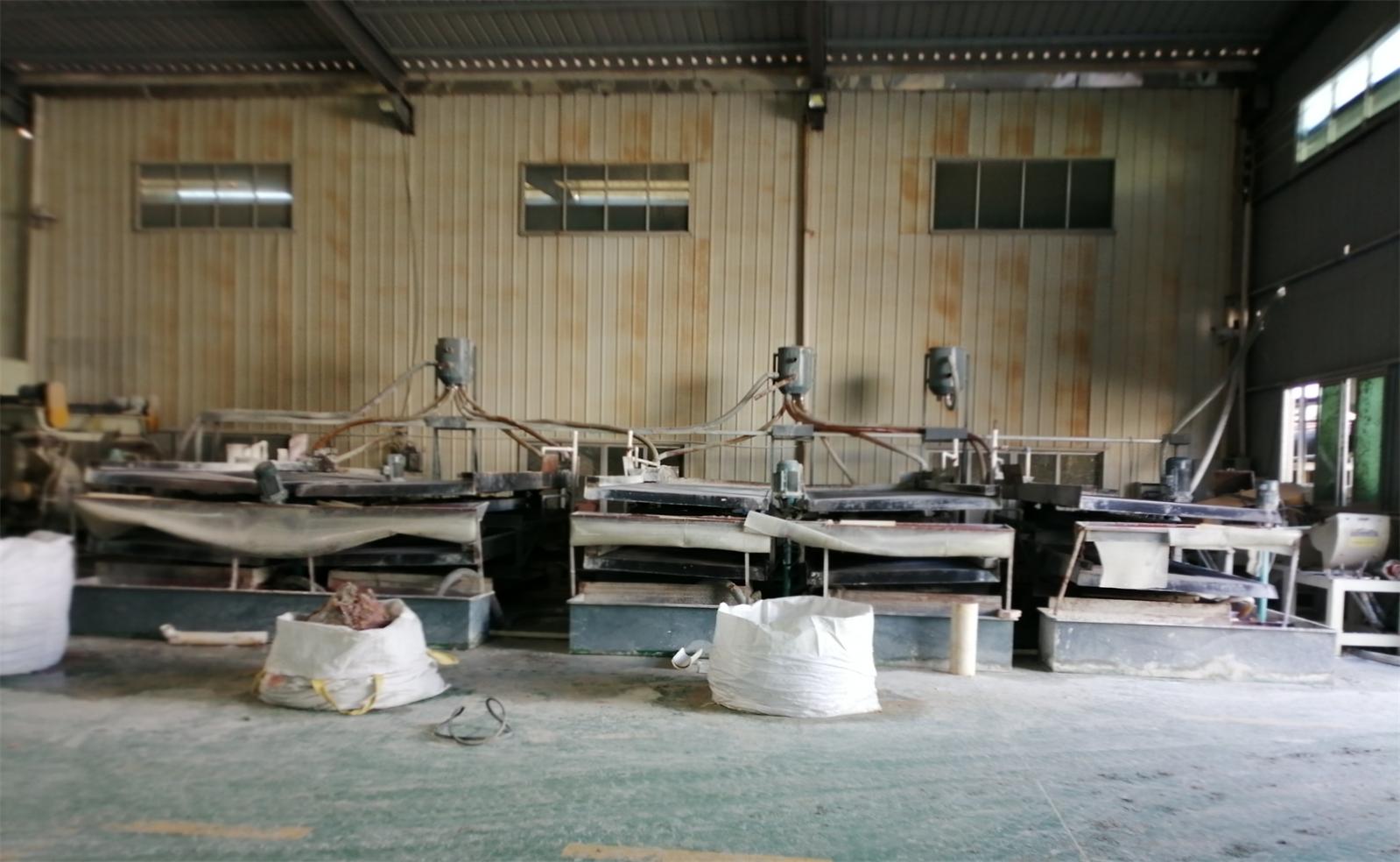
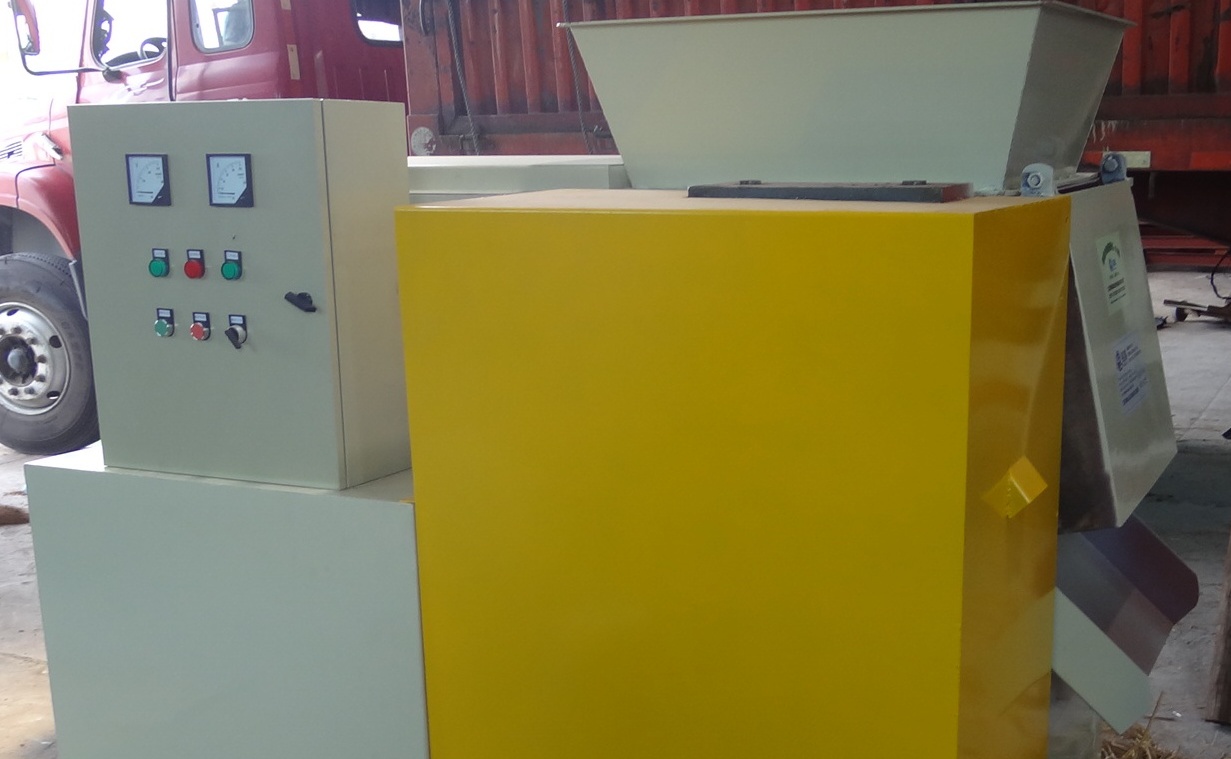
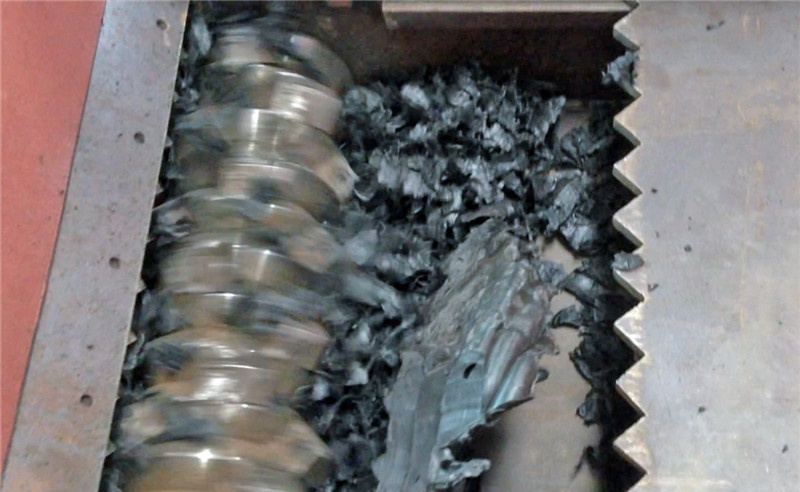
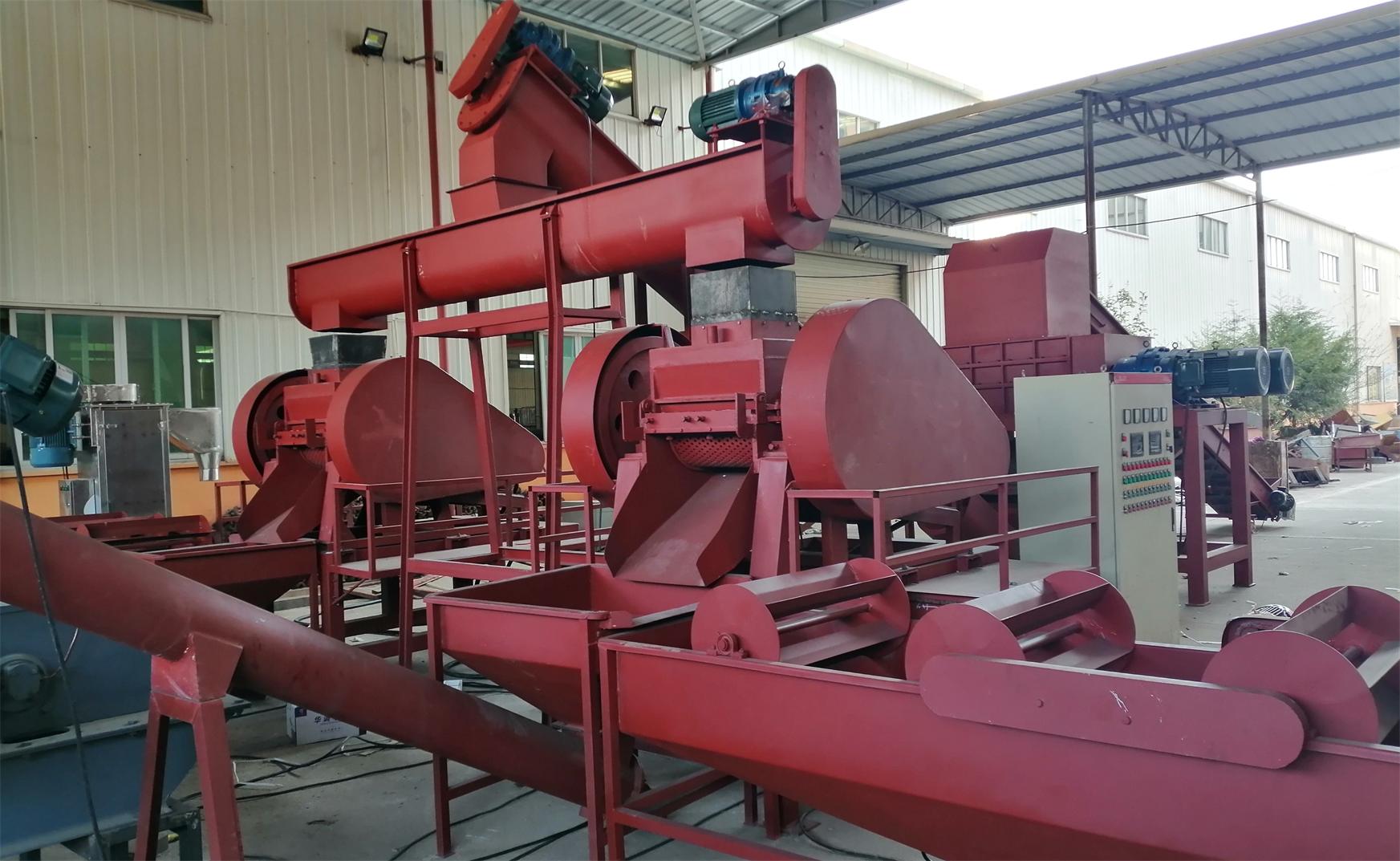
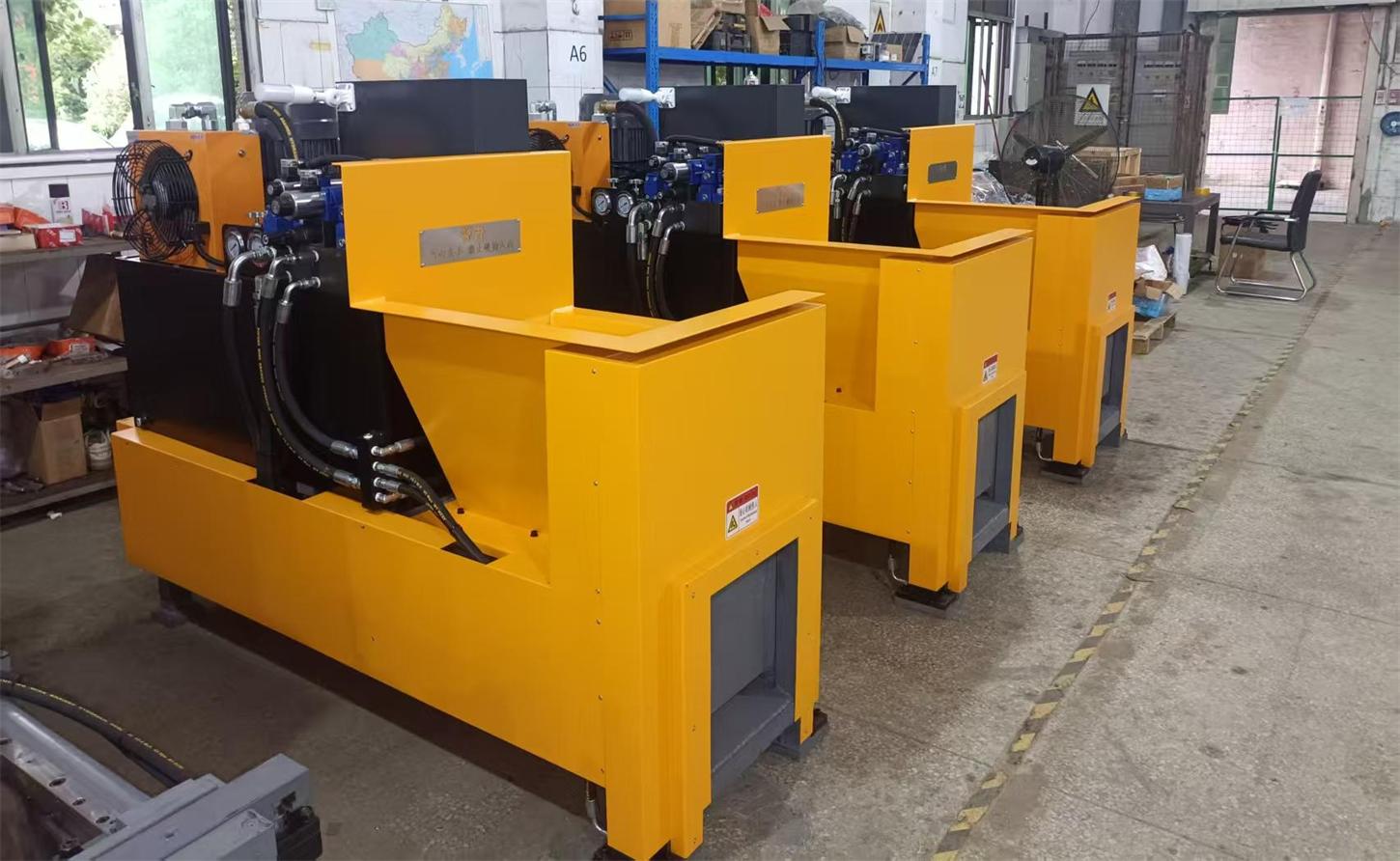
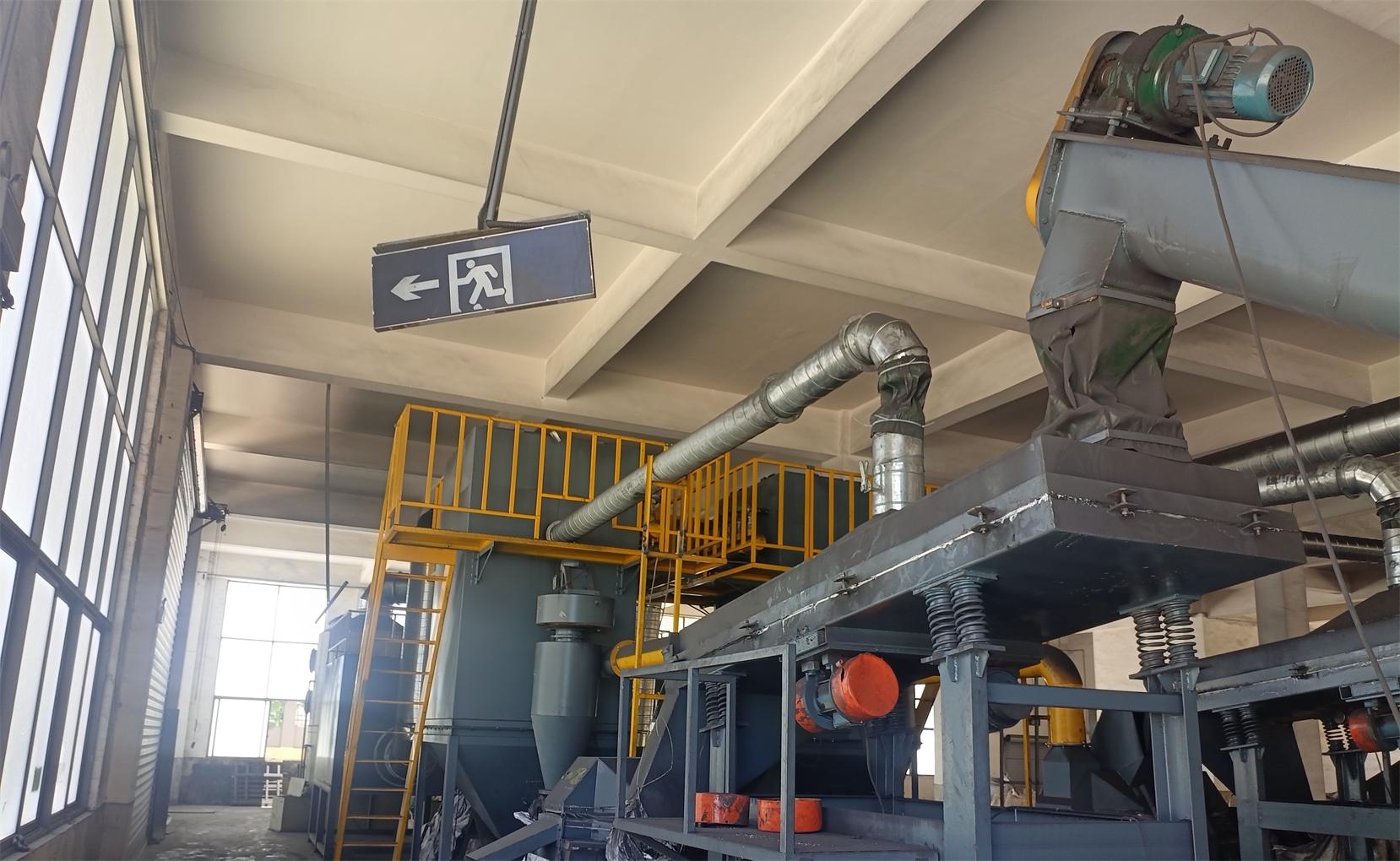
Their product range covers the full recycling value chain: cable recycling equipment from strippers to high-capacity granulators; lead acid battery recycling equipment including breaking systems, desulfurization units, rotary furnaces, and refinery kettles; and circuit board recycling equipment with both dry air separation and wet metal recovery options. Auxiliary systems such as shredders, hydraulic presses, air pollution control, and water treatment plants are engineered to work together rather than bolted on as afterthoughts.
Beyond the Machine: Partnerships That Protect Your Investment
San Lan's approach reflects an understanding that most recycling entrepreneurs need more than steel and motors. They need reliable feedstock supply, they need buyers for recovered commodities, and they need guidance on plant layout that satisfies local environmental regulations.
To address these needs, San Lan offers customized plant design, one-stop purchasing for integrated lines, installation and commissioning supervision, assistance in sourcing scrap material, and help connecting operators with buyers for copper rice, lead ingots, and other recovered outputs. For investors evaluating new plant construction, they also welcome partnership discussions.
Bottom line: The right equipment partner does not disappear after the deposit clears. They stay engaged through installation, ramp-up, and the years of operation that follow.
Questions to Ask Before You Decide
Use this short checklist during your next supplier conversation:
Ready to explore a recycling plant tailored to your material and market?
San Lan Technologies Co., Ltd designs, builds, and supports complete e-waste and battery recycling plants for operators worldwide. Whether you are starting with cable granulation or planning a multi-stream facility with lead acid battery, lithium battery, and PCB processing lines, their engineering team can configure a solution around your capacity targets, space constraints, and budget.
Visit www.san-lan.com to review the full product catalog, or contact their team directly at info@san-lan.com and +86 139 2377 4083 (WhatsApp/WeChat) to discuss your project requirements.