How to Choose the Right Recycling Equipment Supplier for Your E-Waste Business
A practical guide to evaluating suppliers, understanding your recycling needs, and making an investment that pays off
The global e-waste stream is growing at an unprecedented rate. With millions of tons of discarded electronics, batteries, cables, and appliances entering the waste chain each year, the demand for efficient recycling infrastructure has never been higher. Whether you are starting a new recycling facility or upgrading an existing operation, one decision will shape your entire project: choosing the right recycling equipment supplier.
A reliable supplier does more than sell machines. They understand your raw material, your throughput targets, your local environmental regulations, and your long-term business goals. This article walks through the key factors to consider when selecting a recycling equipment partner, and explains why an integrated approach to e-waste recycling delivers better results.
1. Understand Your Material Stream First
Every recycling project starts with a clear definition of the input material. Different waste streams require fundamentally different processing technologies. Before you contact any supplier, answer these questions:
What type of waste will you process? (Lead acid batteries, lithium-ion batteries, circuit boards, cables, CRT monitors, motors, etc.)
What is your expected daily throughput in tons?
What end products do you want to recover? (Lead ingots, copper powder, black mass, aluminum, plastic granules, etc.)
What environmental regulations apply in your region?
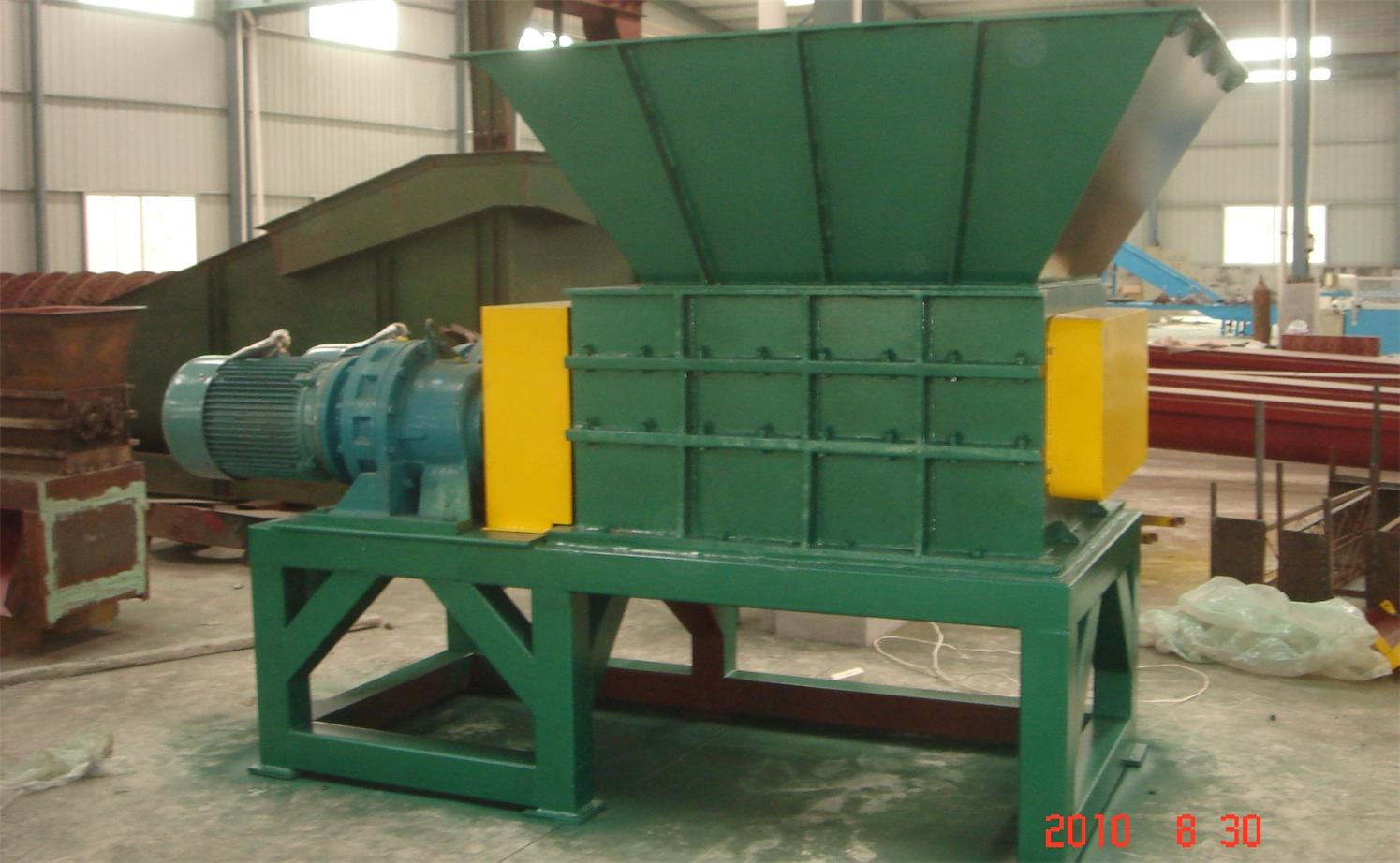
For example, if you plan to recycle used lead acid batteries, you need a complete lead acid battery recycling equipment line that includes battery cutting, crushing and separation, desulfurization, smelting, and refining systems. If you are handling mixed e-waste, you may need a combination of circuit board recycling equipment, cable recycling equipment, and shredding systems. A supplier with a broad product portfolio can design a unified solution instead of forcing you to piece together machines from multiple vendors.
2. Look for Turnkey EPC Capability
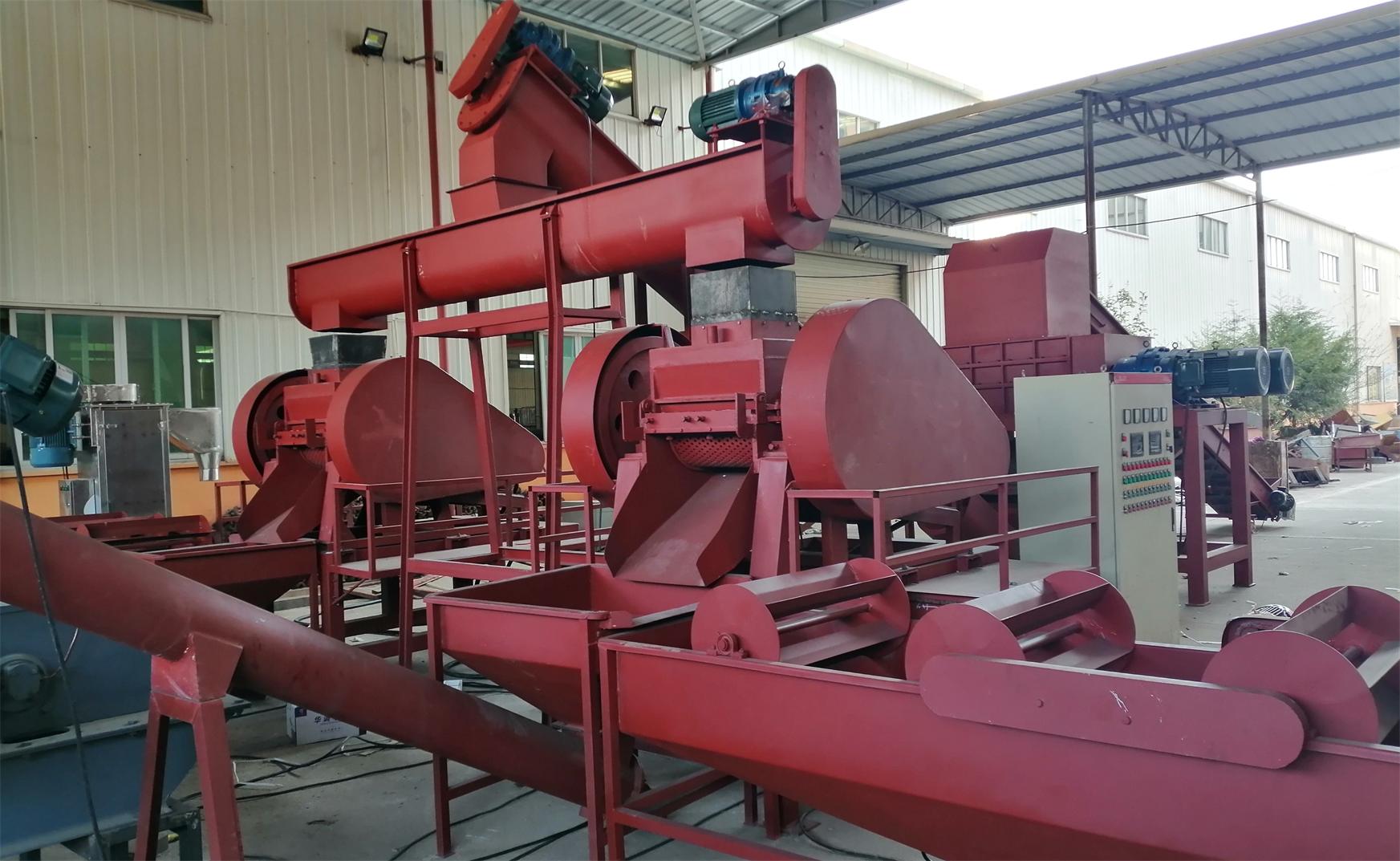
Many equipment suppliers only manufacture and ship machines. The real value comes from a partner who can handle the entire project lifecycle: Engineering design, Procurement of all equipment, and Construction of the complete plant (EPC). This turnkey approach eliminates the coordination nightmare of managing multiple vendors and ensures that every component in your recycling line works together seamlessly.
A qualified EPC partner will customize the plant layout based on your available space, power supply, and production targets. They will also manage installation and commissioning on-site, train your operators, and provide ongoing technical support. This is especially important for complex recycling lines such as li battery recycling equipment, where safety protocols for handling flammable electrolytes and gas treatment systems must be carefully engineered.
3. Evaluate the Supplier's Product Range and Depth
The breadth of a supplier's product catalog reveals their engineering capability. A manufacturer that covers multiple recycling verticals is likely to have deeper technical expertise than one that specializes in a single machine type. Here are the core recycling lines a comprehensive supplier should offer:
Lead Acid Battery Recycling Plant
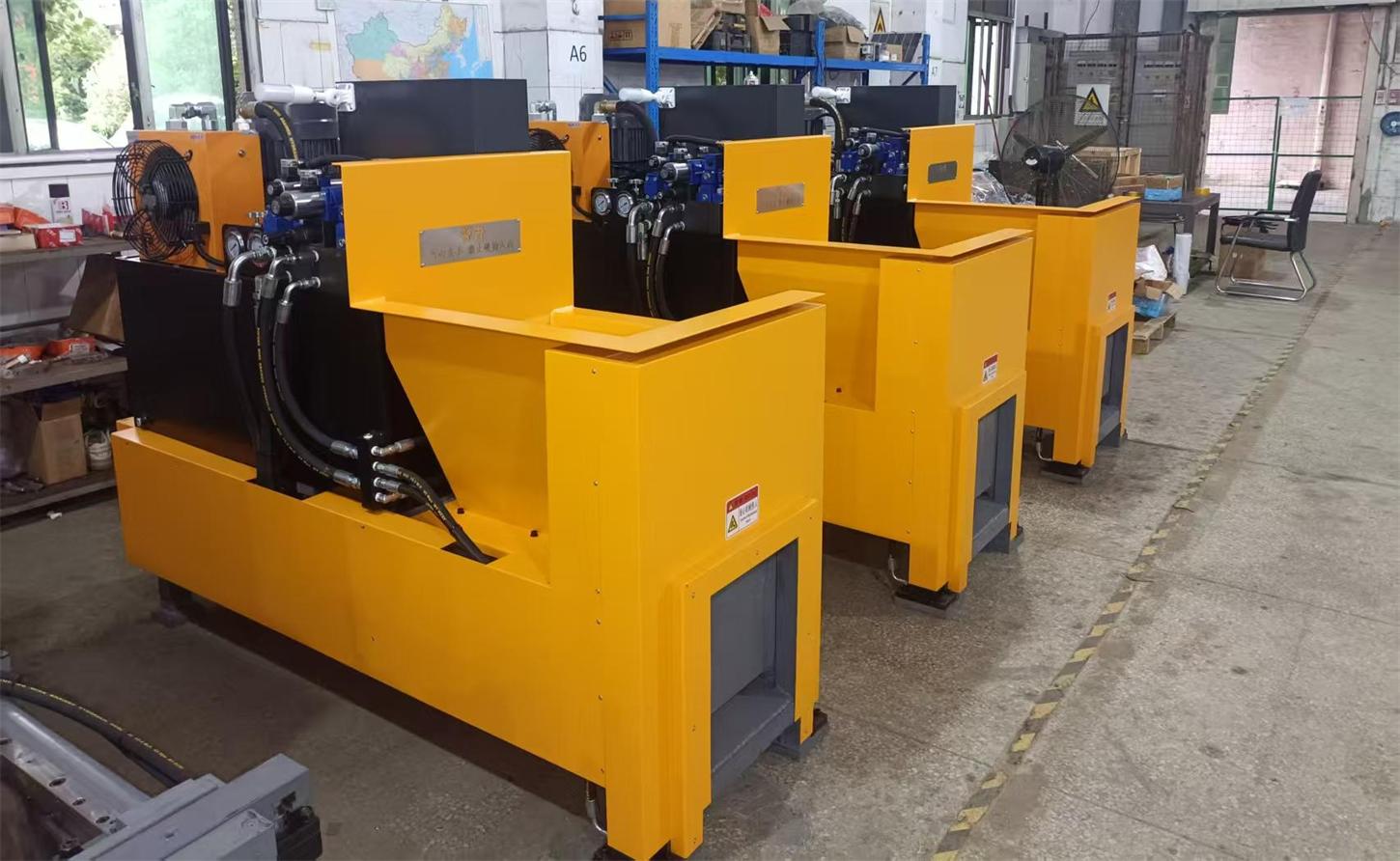
A complete lead acid battery recycling line includes a battery cutter, breaking and separation system, filter press for lead paste collection, desulfurization unit, smelting furnace (rotary or blast furnace), lead refinery kettle, and air pollution control system. The best systems recover lead, plastic (PP/PVC), and sulfuric acid with minimal waste. Look for capacity options ranging from 1 to 10 metric tons per hour.
Lithium-Ion Battery Recycling Plant
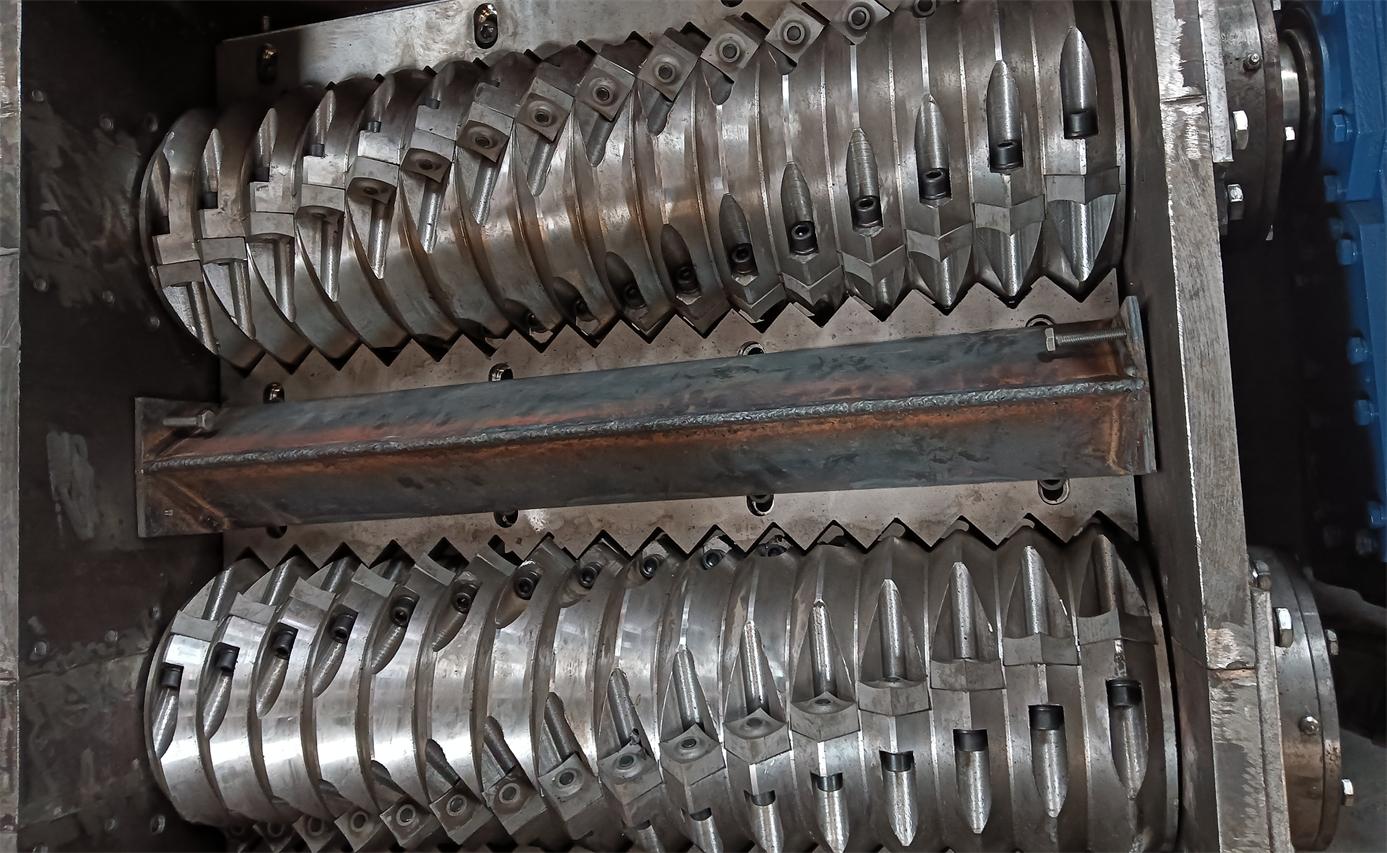
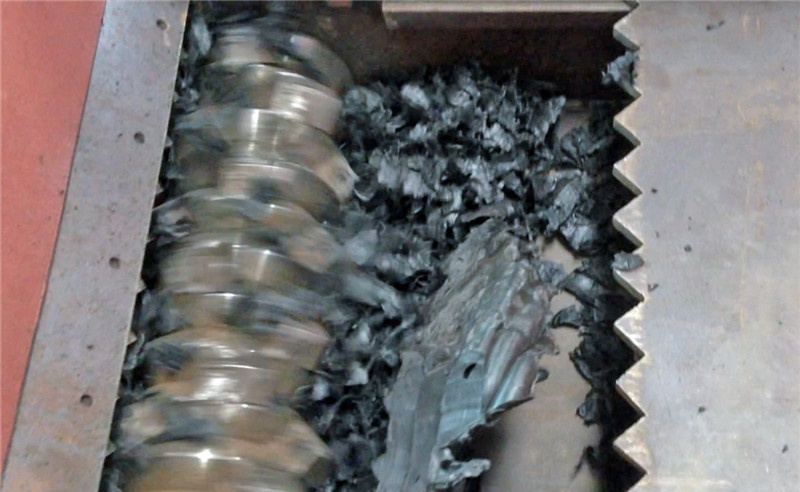
Lithium battery recycling is technically demanding due to the risk of thermal runaway. A well-designed line includes a discharging system, pre-crushing, secondary granulation, black powder (Ni/Co/graphite) separation, and magnetic separation of steel. Capacities typically range from 500 to 2,500 kg per hour. The system should also include an air pollution control unit to neutralize harmful gases.
Circuit Board Recycling Plant
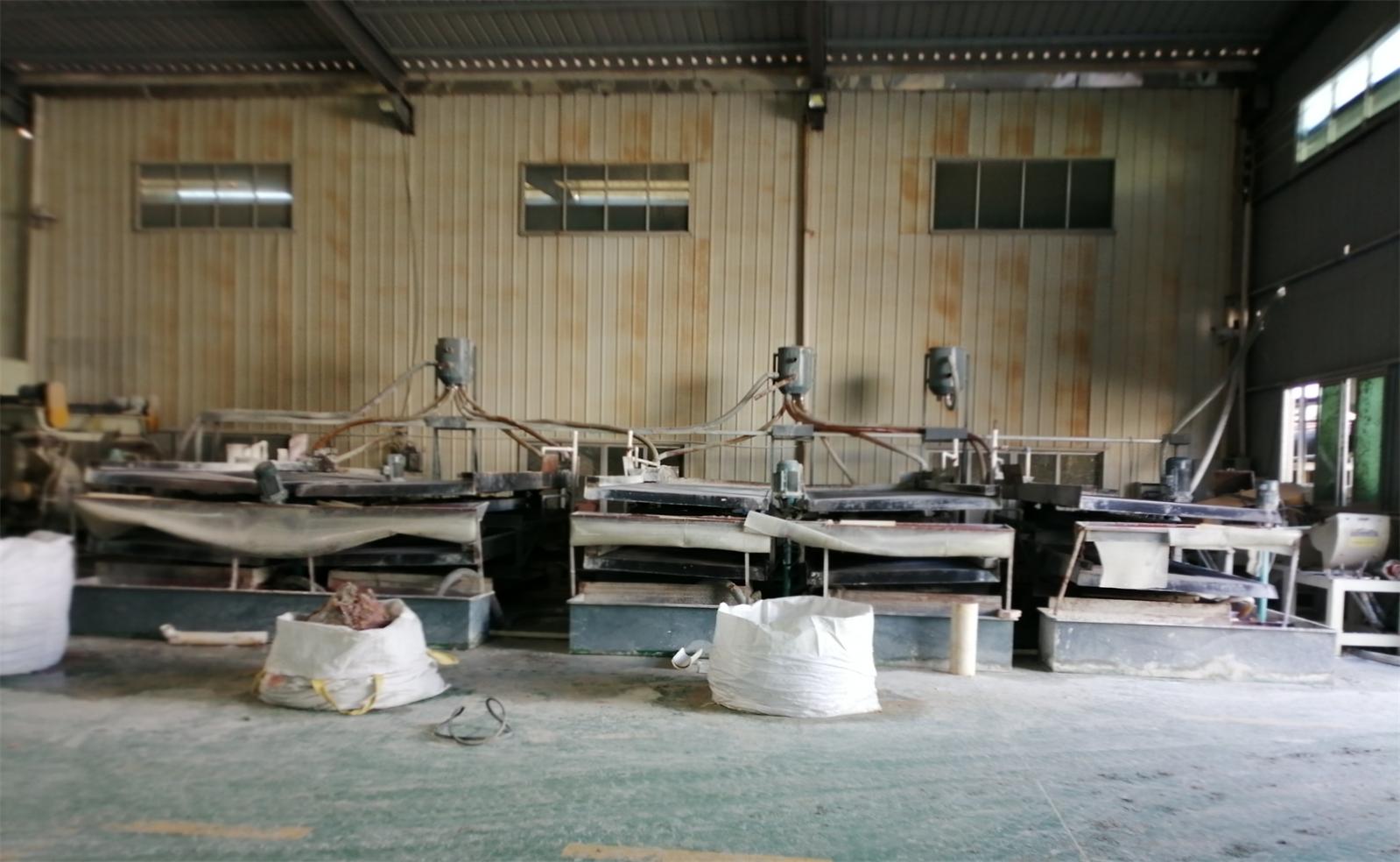
PCB recycling lines recover copper powder and precious metals from waste circuit boards. Modern systems use either dry separation (air separator + electrostatic separator) or wet separation (water shaking table) technologies. Copper powder purity can reach 96-98% with dry separation systems. Capacities range from 300 to 5,000 kg per hour.
Cable Recycling Plant
Cable recycling equipment separates copper or aluminum from plastic insulation. The line typically includes a cable stripper for large-diameter cables and a granulator with dry separator for smaller wires. Specialized systems are also available for jelly-filled cables used in telecommunications.
4. Check Real-World Experience and Customer References
A supplier's track record speaks louder than any sales pitch. Ask for references from customers who have installed similar recycling lines. Reputable suppliers will have clients across multiple countries and regions, demonstrating their ability to handle international logistics, local installation requirements, and diverse regulatory environments.
Look for evidence of long-term customer relationships and repeat business. A supplier that has been operating for 15+ years and has served customers in 20+ countries is likely to be stable and reliable. Also, check whether the supplier's technical team has relevant academic backgrounds (such as mechanical engineering degrees) and hands-on industry experience.
5. Consider Value-Added Services Beyond Equipment
The best recycling equipment suppliers go beyond manufacturing. They help you solve practical business problems:
Help sourcing waste materials - A supplier with industry connections can help you find reliable sources of scrap batteries, PCBs, or cables to keep your plant running at capacity.
Help selling end products - Copper rice, lead ingots, and black mass are valuable commodities. A well-connected supplier can introduce you to buyers.
Investor and partner matching - If you need co-investment for your recycling plant, some suppliers can connect you with potential partners.
Customized design - Every facility is different. Your supplier should be willing to customize the layout and equipment configuration to your specific needs.
Installation and commissioning - On-site support ensures your plant starts up correctly and your team is properly trained.
6. Environmental Compliance and Safety
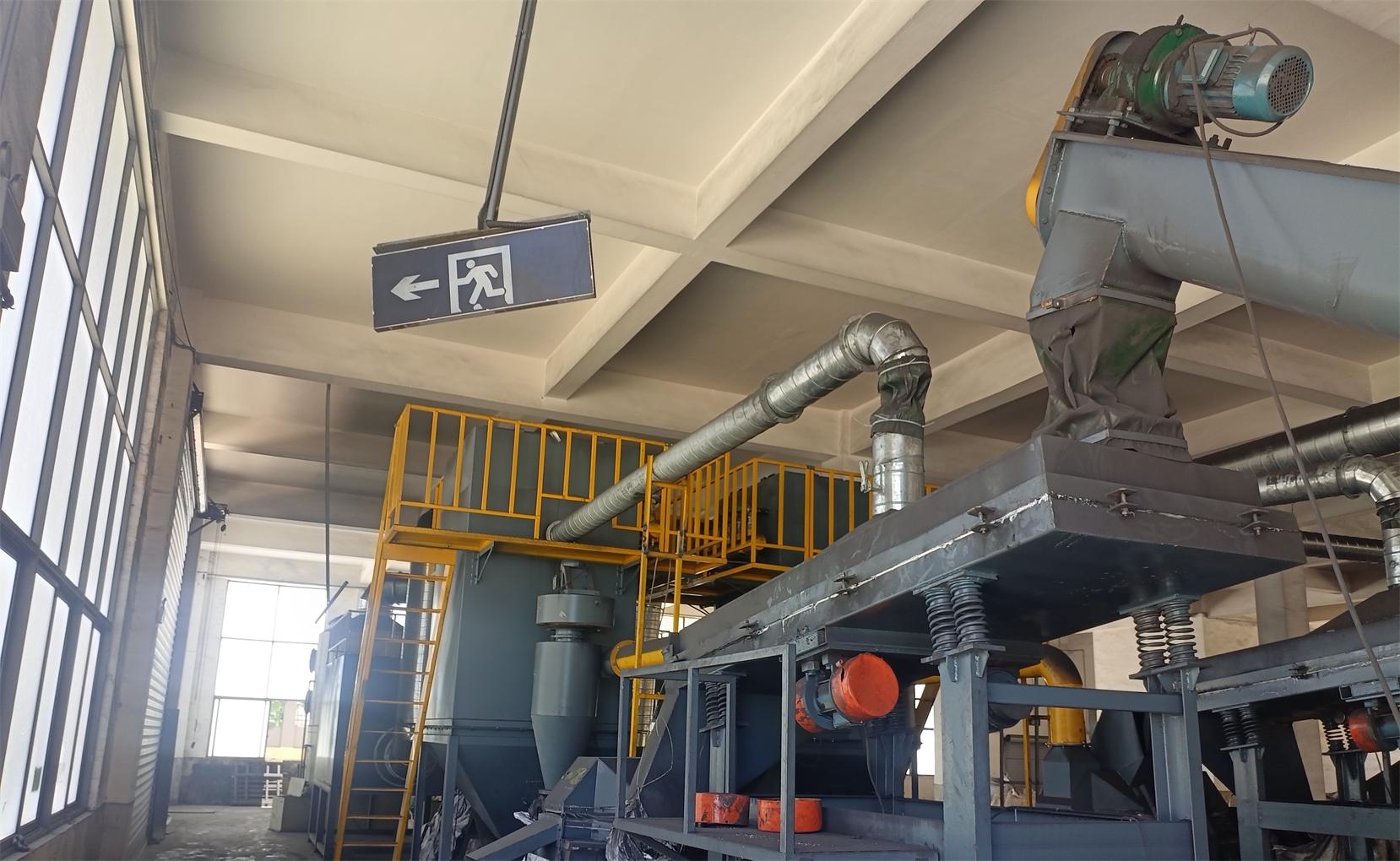
E-waste recycling is heavily regulated in most countries. Your equipment must meet local environmental standards for air emissions, wastewater treatment, and noise levels. A responsible supplier will include air pollution control systems, wastewater treatment plants, and dust collection units as standard components of their recycling lines, not as optional extras.
For lead acid battery recycling, desulfurization units are critical to reduce SO2 emissions. For lithium battery recycling, gas treatment systems must handle electrolyte vapors and prevent fire hazards. For lamp recycling, mercury capture systems (HEPA and activated carbon filters) are mandatory. Make sure your supplier addresses these requirements proactively.
Making the Right Choice
Choosing a recycling equipment supplier is a long-term partnership decision. The right supplier becomes an extension of your team, helping you navigate technical challenges, scale your operations, and maximize profitability. Look for a partner with:
A comprehensive product range covering multiple recycling verticals
Proven EPC capability from design through commissioning
International customer references spanning 20+ countries
Technical team with engineering degrees and 15+ years of experience
Value-added services including material sourcing and product sales support
Full environmental compliance systems built into every line
Ready to Build Your Recycling Plant?
San Lan Technologies Co., Ltd. has been a professional recycling equipment supplier since 2007, manufacturing complete e-waste recycling plants and mining equipment. With customers in over 21 countries and a technical team holding master's degrees in mechanical engineering, San Lan provides turnkey EPC solutions for lead acid battery recycling, lithium battery recycling, circuit board recycling, cable recycling, and more. From customized design to installation and commissioning, we help you build a recycling business that works. Contact us today to discuss your project.