Salvaging copper from old motors isn't just about making a few extra bucks - it's about reclaiming valuable resources that would otherwise go to waste. That copper winding hiding inside motors you thought were junk? That's treasure waiting to be unlocked.
Having worked with hundreds of these motors, I've learned that copper recovery isn't rocket science, but doing it properly makes all the difference. In this guide, I'll walk you through how to get the copper out safely and efficiently, whether you're handling one motor or a dozen.
Why Bother with Motor Copper?
Let's be real - stripping copper from motors takes effort. So why do it? Here's the honest truth from someone who's processed thousands of these units:
- Hidden value: That seemingly worthless motor could contain several pounds of pure copper wire, worth significant money at recycling centers
- Environmental win: Recycling copper uses about 85% less energy than mining new material
- Skill development: You're learning valuable dismantling skills that transfer to other salvage projects
- Space recovery: Clearing out that pile of dead motors creates valuable workshop space
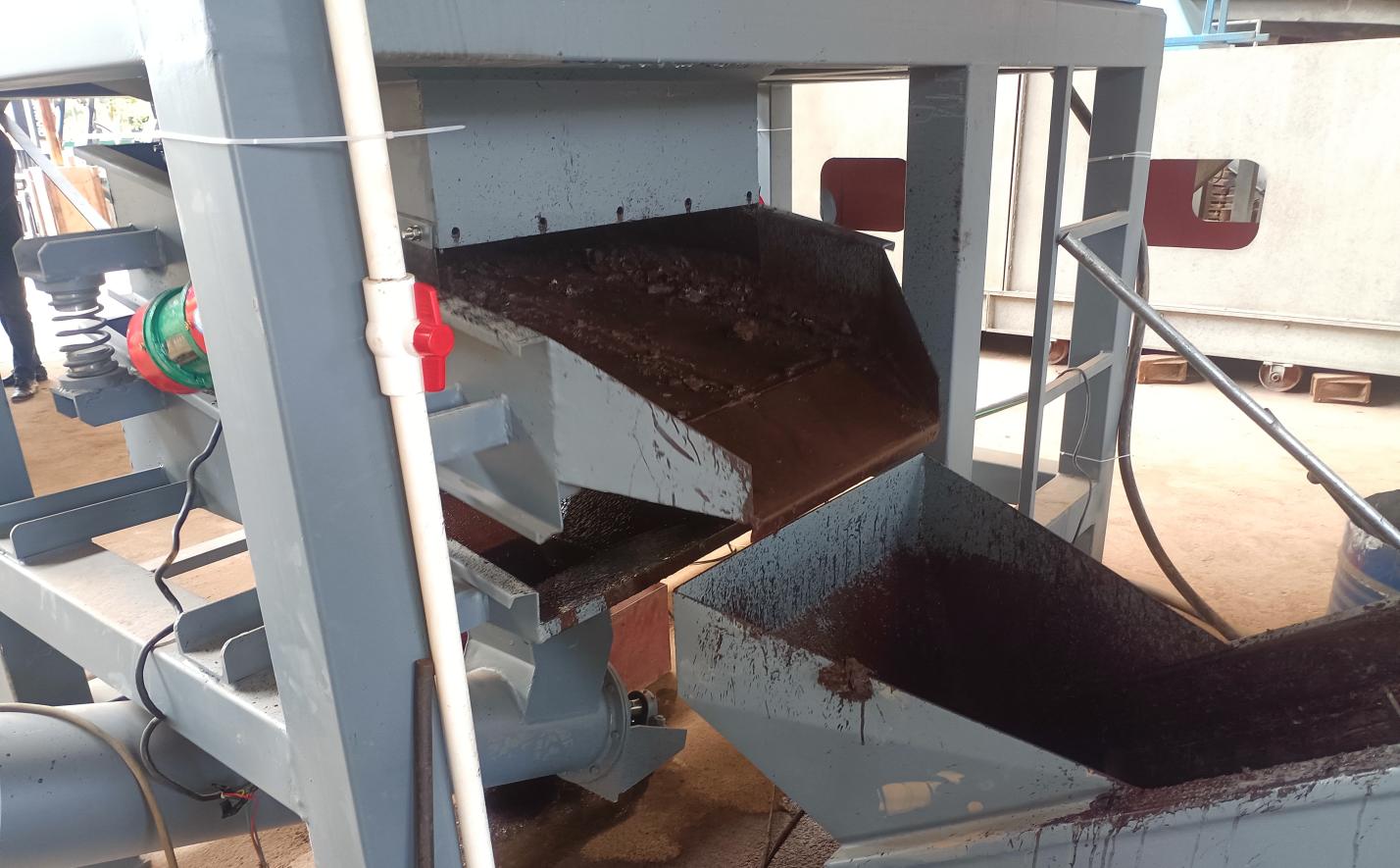
And here's the best part: Modern recycling facilities use advanced motor recycling technology to process large volumes efficiently. Even on a smaller scale, you can benefit from similar principles.
Expert Insight: "I always tell beginners - don't underestimate the learning curve. The first few motors will test your patience, but it gets dramatically easier after about five units. Stick with it!"
Essential Prep Work
Before we dive into the dismantling steps, let's set you up for success with the right prep:
Safety Equipment
- Thick work gloves (leather is best)
- Impact-resistant safety glasses
- Sturdy work boots
- Dust mask (N95 or better)
Essential Tools
- Socket and wrench set
- Flathead and Phillips screwdrivers
- Needle-nose pliers
- Wire cutters
- Multimeter (for verifying power disconnection)
Workspace Setup
- Sturdy workbench with vises
- Bright lighting
- Designated sorting containers
- Fire extinguisher nearby
Industrial Options
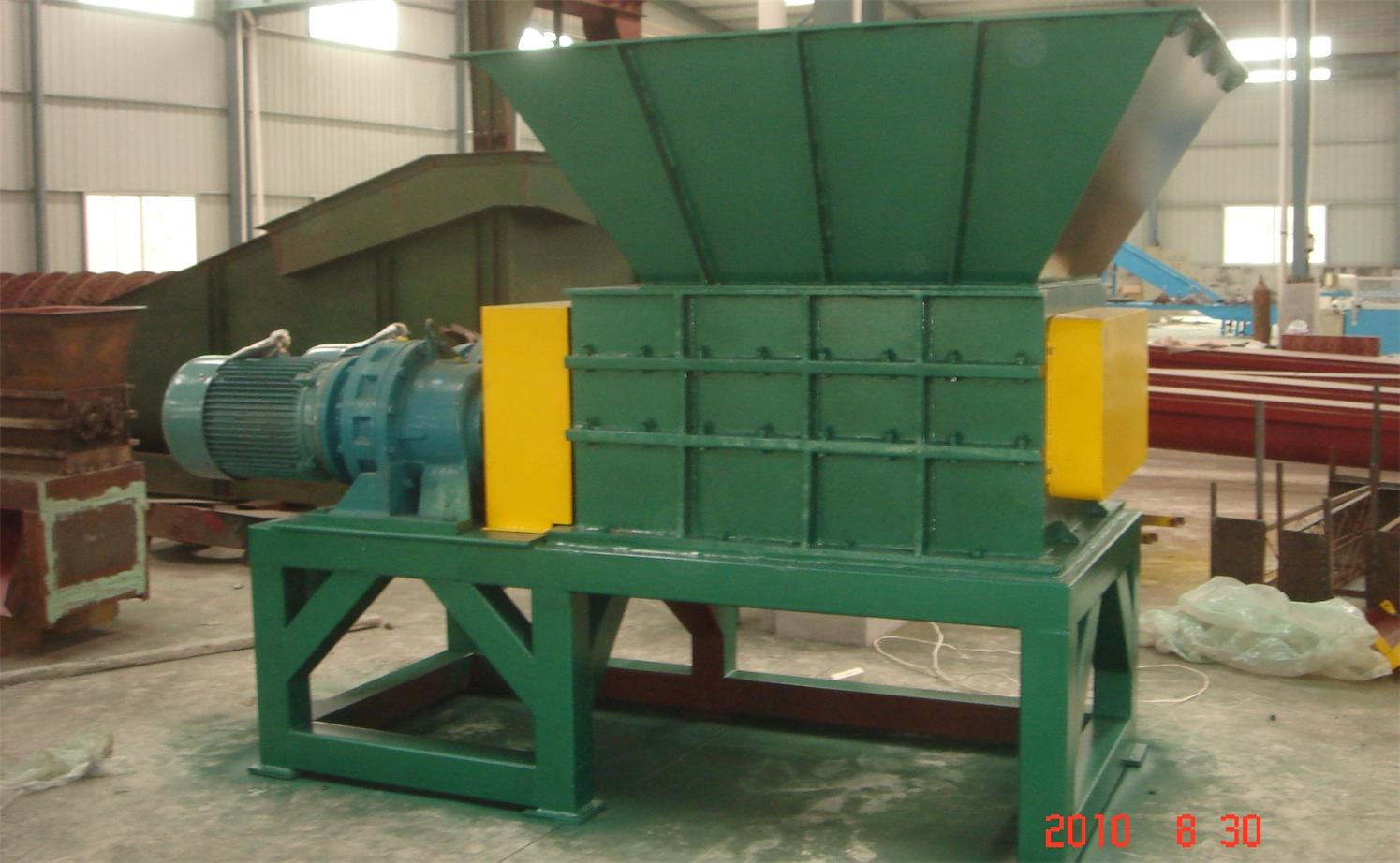
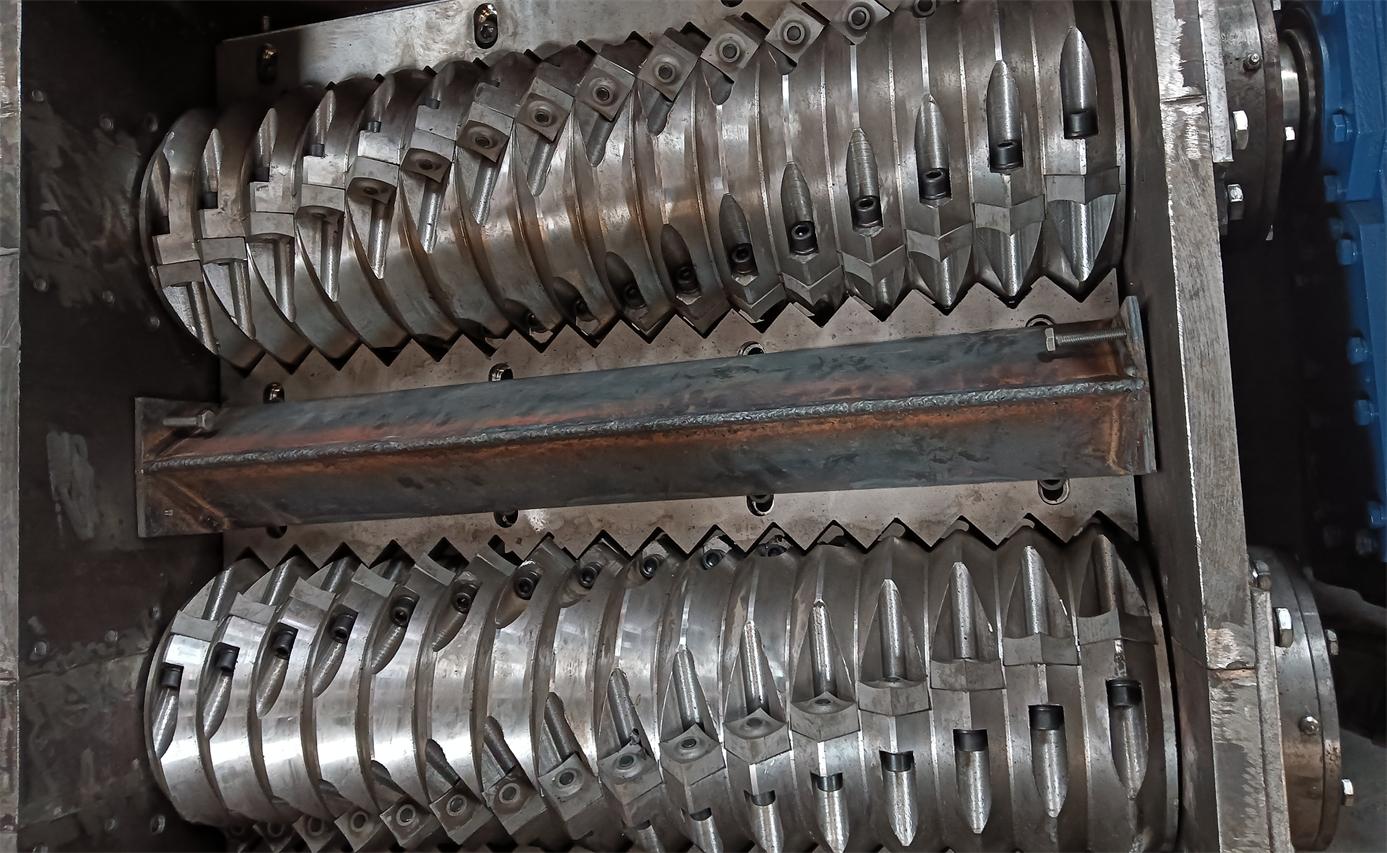
- Motor disassembly machines
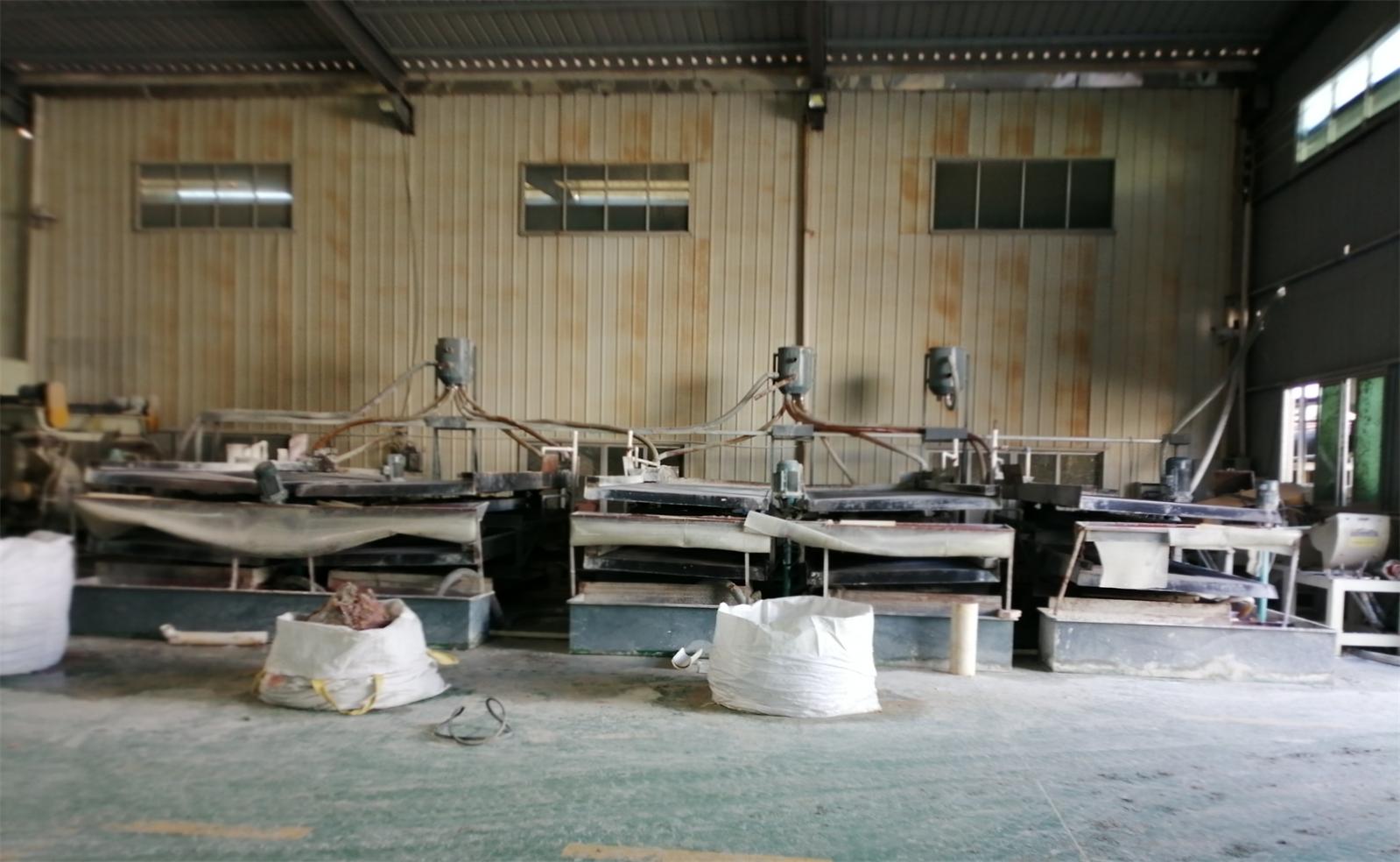
- Copper granulator equipment
- Waste motor cutting systems
Safety First: Never skip confirming power disconnection. I've seen experienced technicians get careless. Test every motor with a multimeter even if it "looks" dead. Stored electricity can pack a nasty surprise.
Step-by-Step Removal Process
Position the motor securely on your work surface. Rotate it to identify all access points. Most motors have:
- A front housing cover secured by screws
- Rear bearing casing with retention clips
- Often a wiring access panel on the side
I always start by documenting with photos - it helps when reassembling if you plan to reuse the casing. Plus, having visual reference prevents those "where did this part go?" moments.
The approach changes depending on motor design:
- Small appliances: Typically require T8/T9 screwdrivers for star-shaped fasteners
- Industrial motors: Often have standard hex bolts or flanged connections
- Older units: May have rivets that need drilling out
For stubborn cases, penetrating oil is your friend. Apply along seams and wait 10 minutes before trying again. Avoid excessive force that could damage the housing.
Once the casing is off, you'll typically encounter:
- The laminated stator core (steel/iron layers)
- Copper windings neatly arranged in slots
- Connecting wires to external terminals
Carefully trace connections using a bright flashlight. I keep a small paint marker handy to label any complex connection points before snipping wires.
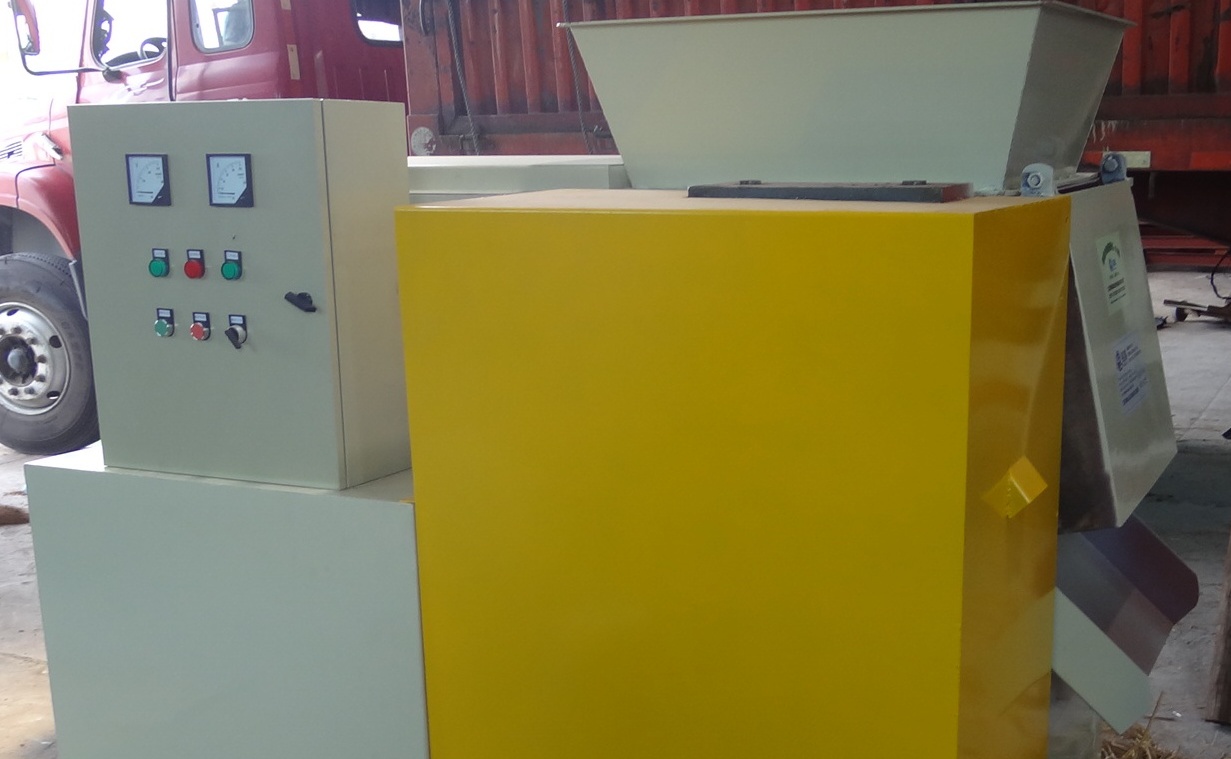
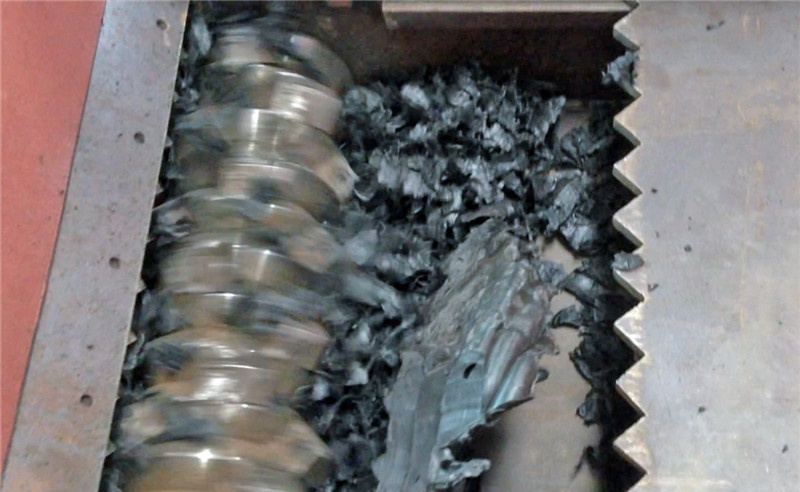
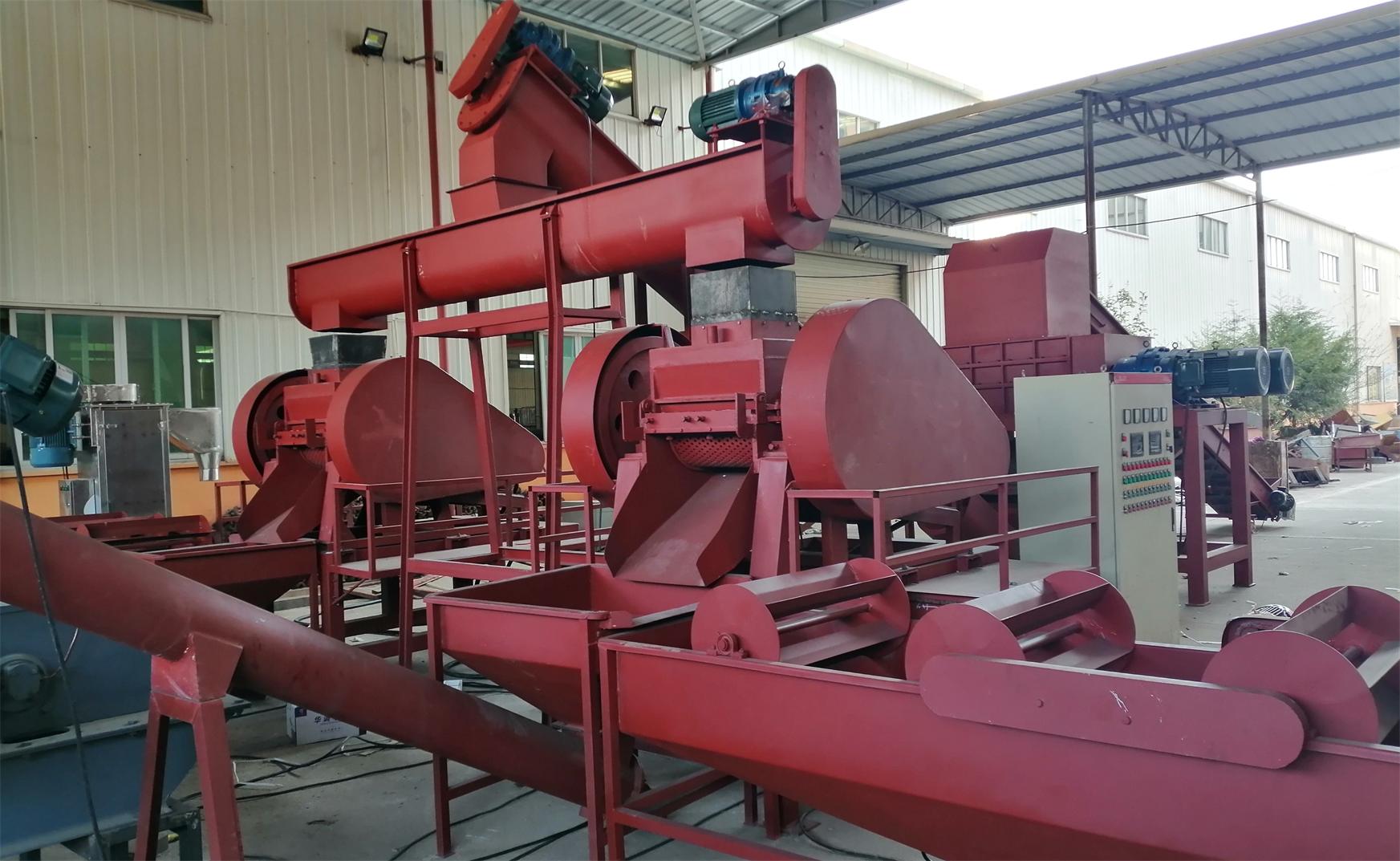
Professional Tip: Consider using a copper granulator machine for higher volume processing. These specialized devices automate the extraction process and are worth the investment if you're handling multiple motors weekly.
The extraction method depends on your tools:
- Manual method: Use needle-nose pliers to unwind copper from core slots. Work methodically to prevent kinking or breaking the wire.
- Mechanical extraction: Specialized pullers create consistent tension for cleaner removal. These tools significantly reduce hand fatigue.
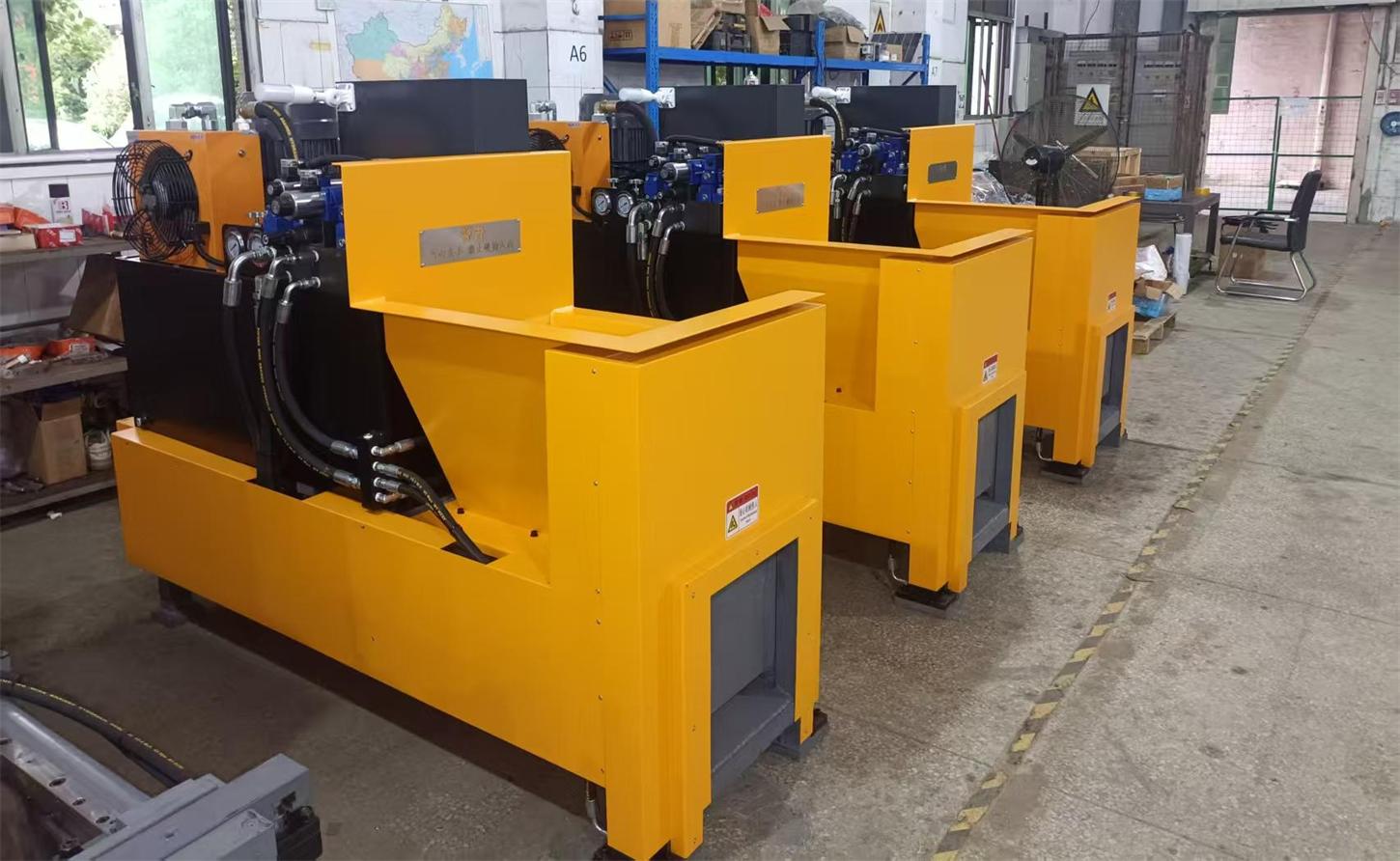
- Industrial solutions: For serious volumes, hydraulic motor recycling machines streamline the entire process.
When you encounter impregnated resins (common in industrial motors), moderate heat application from a heat gun can soften the material for easier extraction.
Once free, you'll want to clean and prepare the copper:
- Use compressed air to blow away loose insulation
- For stubborn coatings, a mechanical wire stripper can remove residue
- Compress larger quantities using baling systems for efficient storage
- Separate by copper grade whenever possible
Don't discard those steel laminations! Recycling centers pay for these too, though at lower rates than copper. Keeping metals separated maximizes your return.
Making Your Process More Efficient
After processing hundreds of these units, I've identified these time-saving strategies:
Pre-sorting Saves Hours
Group motors by size and type before starting. Similar units allow you to establish an efficient rhythm. I typically sort into these categories:
- Small appliance motors (under 1 lb copper content)
- Power tool motors with brushes
- Industrial three-phase units
- HVAC system motors
Tool Organization Matters
Keep frequently used tools within arm's reach. I position my setup as follows:
- Primary disassembly tools at 10 o'clock position
- Coil extraction tools at 2 o'clock
- Cleaning supplies at 4 o'clock
- Storage bins at 6 o'clock
This workflow optimization cuts about 25% off my processing time per motor.
Know When to Upgrade
Manual extraction makes sense for occasional projects, but consider investing in better equipment if:
- You're processing 5+ motors weekly
- Experiencing hand fatigue or strain
- Copper wire frequently breaks during extraction
- Spending more than 20 minutes per motor
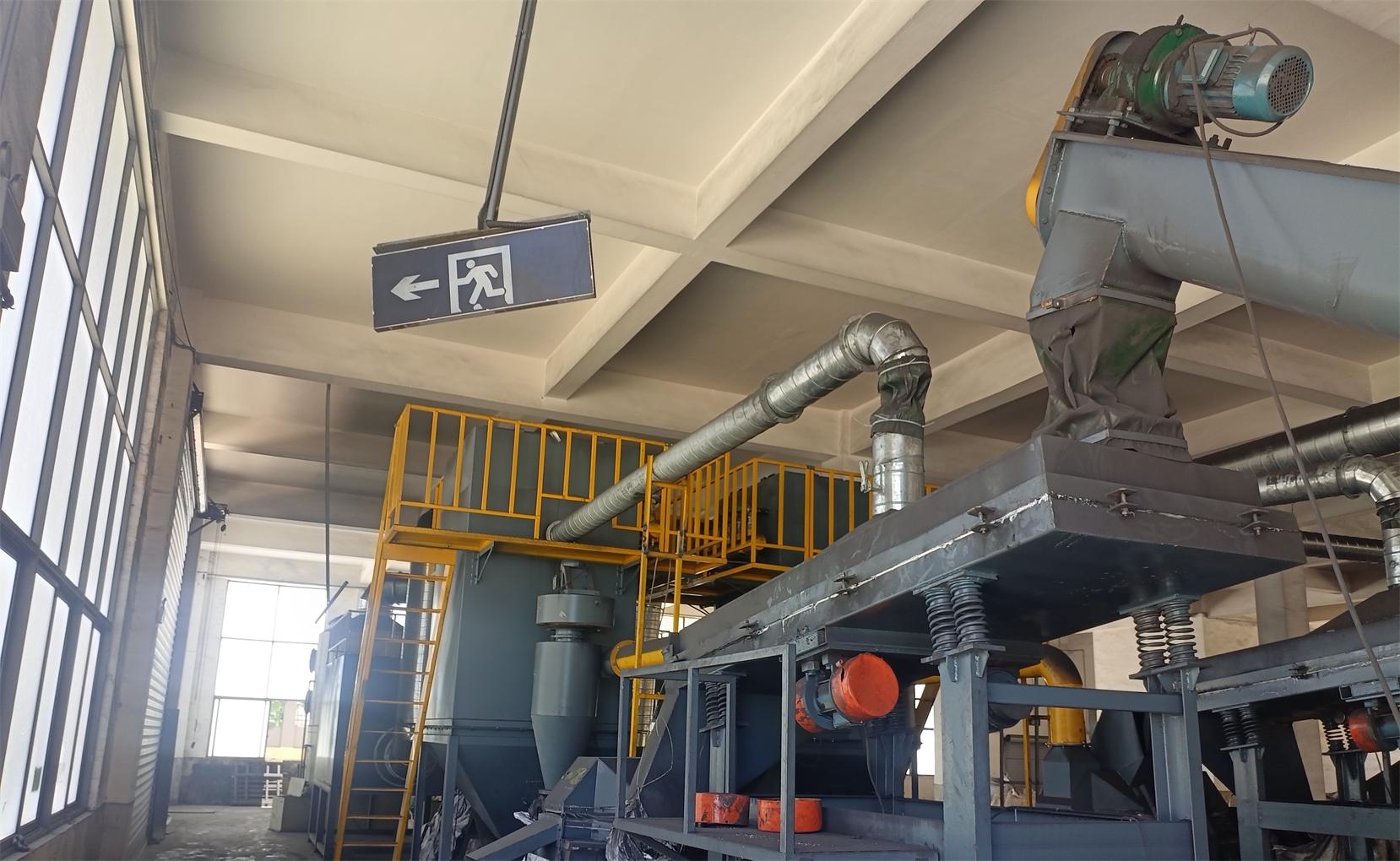
Professional motor recycling technology pays for itself surprisingly fast through increased throughput and better material recovery rates.
Beyond Extraction: Handling Components
Don't stop at the copper - each motor contains valuable components you should handle properly:
Bearings
Most motors contain sealed bearings that can be refurbished or sold for scrap. Clean with solvent and inspect for wear.
Steel Components
Separate ferrous and non-ferrous metals using magnets. Cast aluminum parts have significant scrap value.
Electrical Components
Terminals, brushes, and wiring harnesses contain copper and other reclaimable materials.
Magnets
Some motors contain powerful neodymium magnets worth salvaging for DIY projects or resale.
Recycling Insight: Scrap yards often pay premium prices for prepared materials. Taking an extra ten minutes to separate copper from steel and properly bag materials can increase your payout by 15-20%.
Environmental Considerations
Responsible copper recovery goes beyond financial benefits:
Proper Disposal
Never landfill motor components:
- Insulation materials may contain hazardous compounds
- Bearing lubricants can contaminate soil
- Many jurisdictions regulate motor disposal
Build relationships with certified e-waste recyclers who handle these materials appropriately.
The Bigger Picture
Reclaiming copper creates real environmental benefits:
- Recycled copper requires 90% less energy than virgin material
- Reduces pressure on mining operations
- Prevents hazardous runoff from landfill decomposition
With modern motor recycling technology , we're closing materials loops that were unimaginable just decades ago.
Documenting Your Impact
Tracking your recovery efforts provides surprising benefits:
- Measures operational efficiency improvements
- Provides documentation for environmental credits
- Creates case studies for community projects
- Offers personal accomplishment metrics
I maintain a simple spreadsheet tracking motors processed, copper recovered, and other material yields. Seeing the tonnage add up provides great motivation.
Closing Thoughts
Removing copper from motor stators evolves from a challenging task to a satisfying process once you master the techniques. Each motor presents its own personality - some practically give up their copper willingly, while others make you work for every ounce.
The most important lesson from my years of salvaging? Don't underestimate the cumulative impact. That small motor from a kitchen appliance might only yield a few ounces, but process a dozen and you've got several pounds of valuable copper. Do that consistently and you've created a meaningful revenue stream while contributing to environmental sustainability.
Modern tools like copper granulator machines continue to advance the efficiency of metal recovery, but the fundamental principles remain grounded in understanding your materials and taking methodical approaches. Start small, prioritize safety, and develop your process one motor at a time. Before long, you'll look at every discarded appliance as an opportunity rather than waste.
Remember that the recycling ecosystem continues evolving too. Connect with local scrap yards to understand their requirements, and build relationships with facilities investing in advanced motor recycling technology . Together, we're making responsible resource recovery not just possible, but practical for everyone.