Did you know that copper prices have skyrocketed over 40% in just the past year? That gleaming metal hidden inside discarded wires is more than just trash—it's a golden opportunity waiting to be seized. Across the globe, entrepreneurs like you are turning what others overlook into steady profit streams. But here's the catch: many dive into copper wire recycling only to end up disappointed, wondering why their neighbor is banking serious cash while they barely break even.
As someone who's helped countless recycling startups find their footing, I can tell you the secret isn't just hard work. It's about smart strategies that transform "maybe profitable" into "wildly successful." The truth is, copper recycling isn't a magical money tree—it's a nuanced business that rewards those who understand its rhythms and quirks. Let's peel back the layers of this industry together and discover how you can position yourself for maximum returns.
The reality check: Some recyclers pocket hefty profits while others scrape by because the difference often comes down to:
Why Copper Wire Recycling Packs Serious Profit Potential
Picture this: our modern lives are swimming in discarded copper. From the tangled wires in construction sites to dated electronics gathering dust in basements, this metal is hiding in plain sight everywhere. And here's why that matters to your wallet:
Unlike many commodities, copper faces soaring global demand coupled with constrained supply. Tech companies scramble for every ounce as they build electric vehicles and expand renewable energy infrastructure. Recycling feeds this hunger efficiently—scrap copper requires 90% less energy to process than mining fresh ore. That dual benefit—environmental win plus high demand—creates a beautiful profit sweet spot.
But potential doesn't automatically translate to profit. Your success hinges on avoiding these common traps:
- Timing errors: Buying raw materials when copper prices peak and selling when they dip
- Equipment inefficiency: Settling for machinery that sacrifices recovery rates
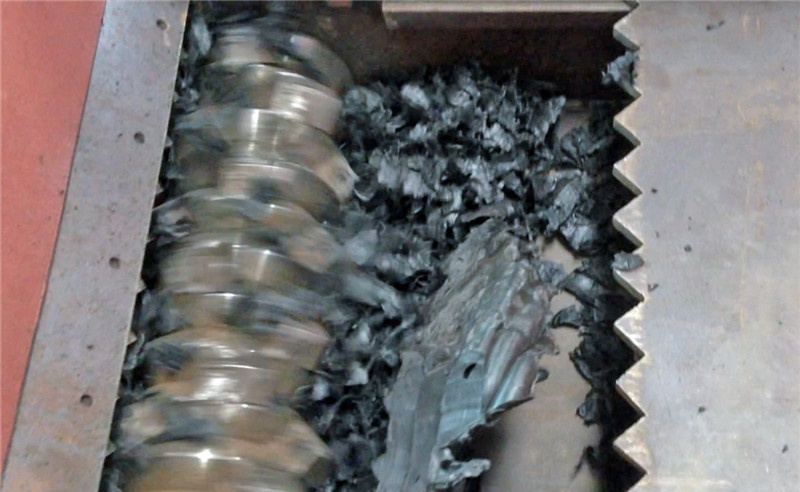
- Process gaps: Losing copper in the separation process and failing to capture plastic byproduct value
Your Equipment Blueprint: Picking Profit-Boosting Machinery
This is where dreams get crushed or catapulted. Your machines aren't just tools—they're profit multipliers or profit vampires. Let me break down how to choose wisely based on your operation scale:
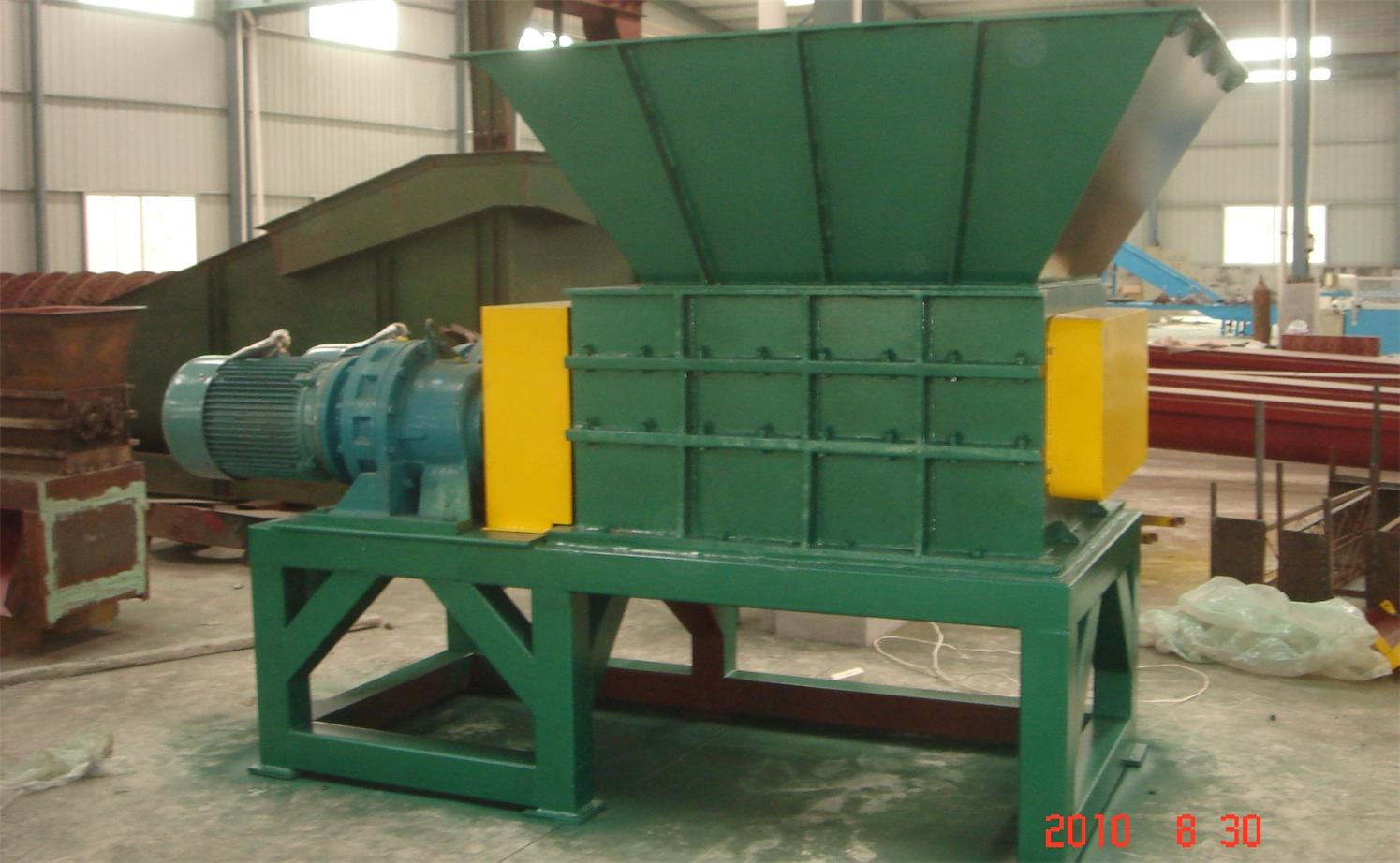
Small operations (garage startups): Manual strippers are affordable entry points but demand serious labor. Use portable electric strippers for efficiency.
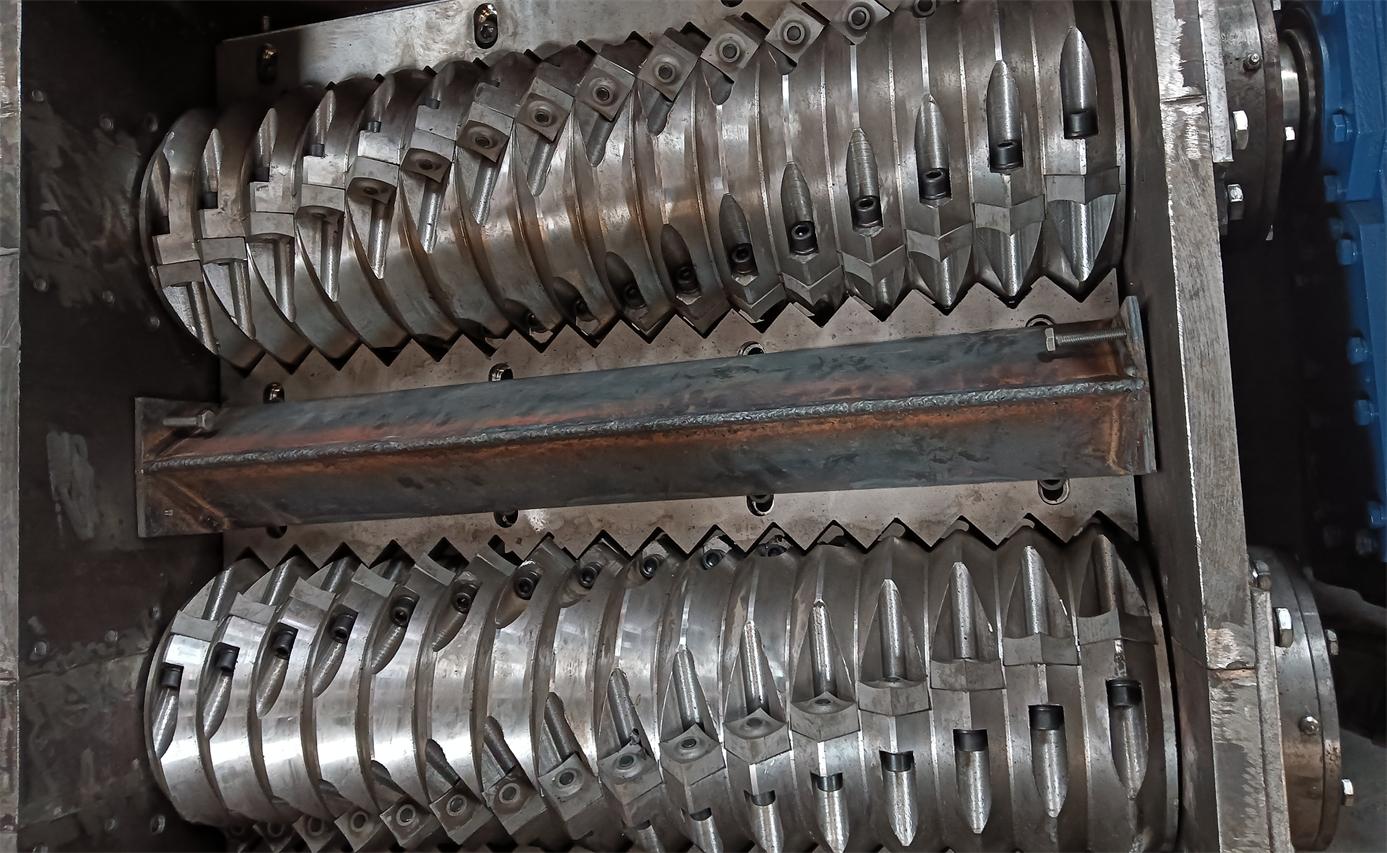
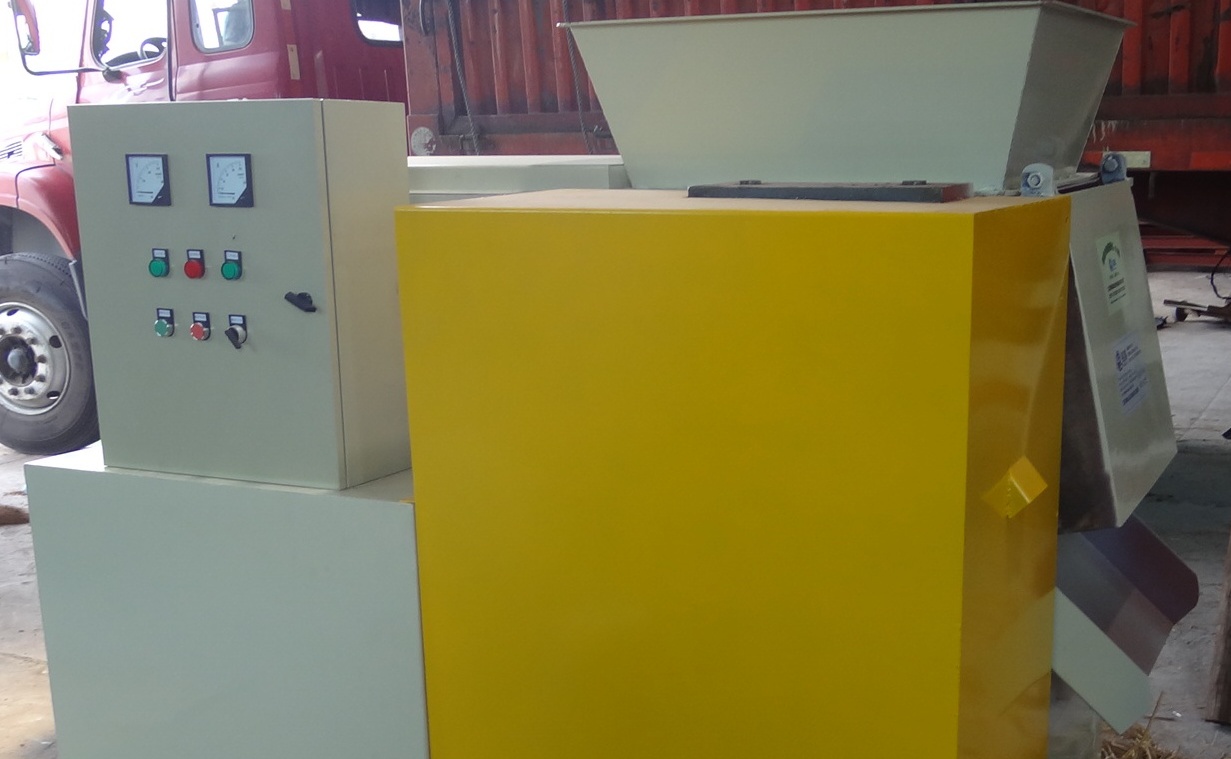
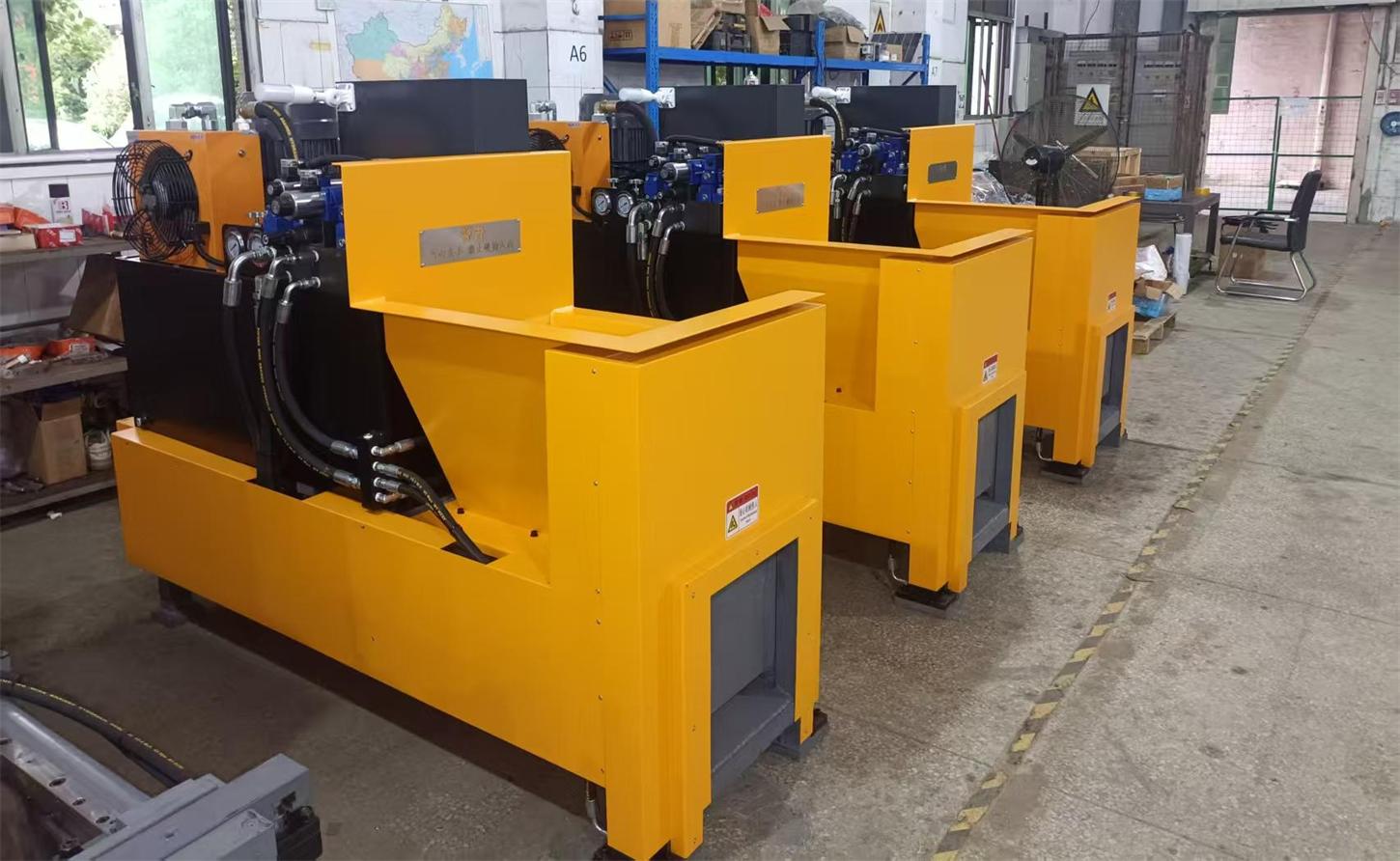
Growing businesses: Semi-automatic copper granulator machines offer the perfect middle ground—boosting output while maintaining control.
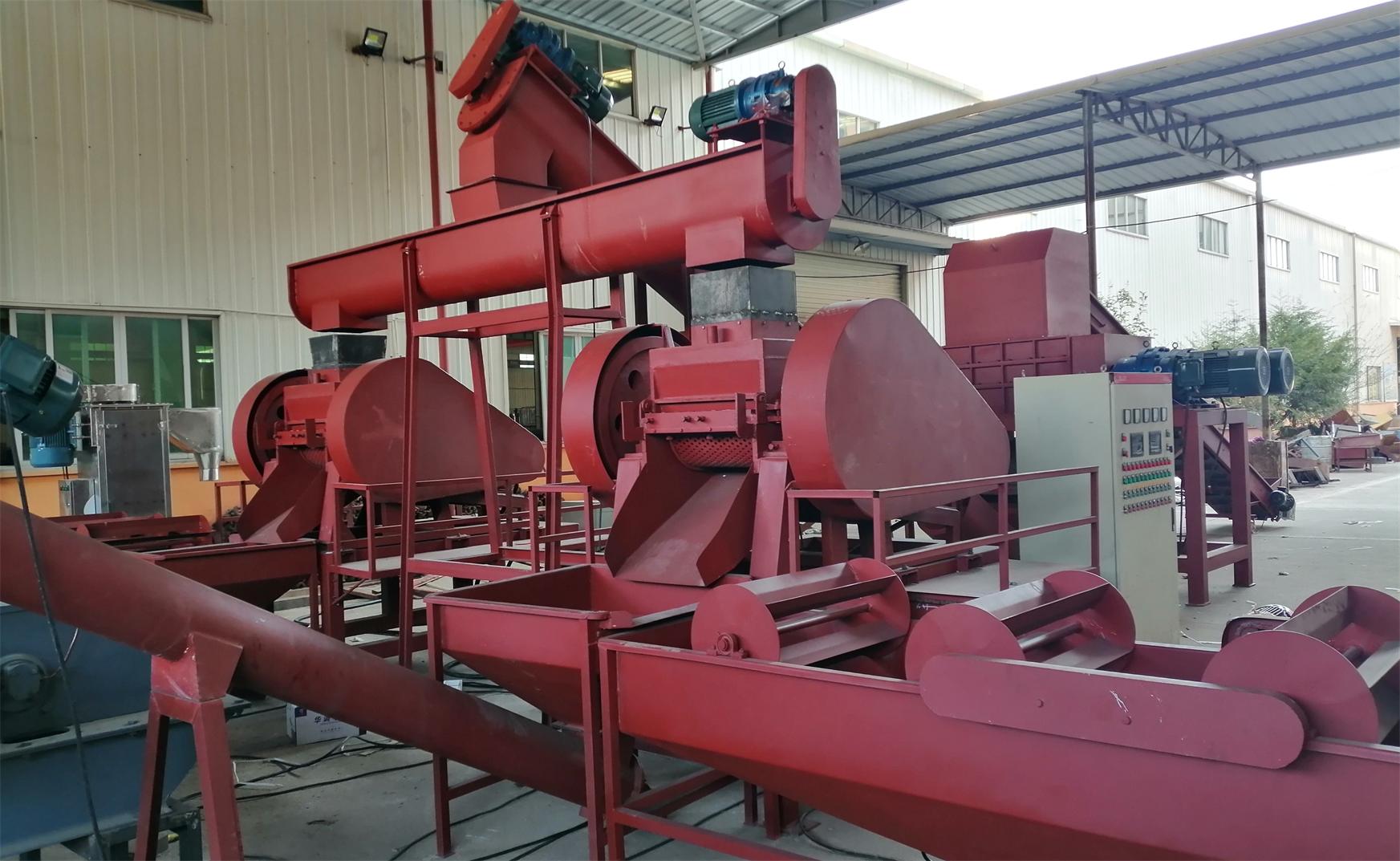
Industrial setups: Advanced copper wire recycling systems with AI sorting capabilities maximize recovery rates on large volumes.
The smartest operators I know treat machinery decisions like stock investments—they focus on long-term ROI rather than upfront costs. A higher-precision separator that recovers 99.9% pure copper pays for itself surprisingly fast compared to cheaper alternatives leaving 15-20% of valuable material trapped in plastic casings.
Remember this golden rule: Your machines need to match both your current wire types AND foreseeable scaling. I've seen countless recyclers forced into expensive mid-business equipment swaps because they underestimated future needs.
Extracting Every Ounce of Value: Processing Secrets
Here's where artistry meets science. Top recyclers squeeze profit from every strand through:
The Triple-R System:
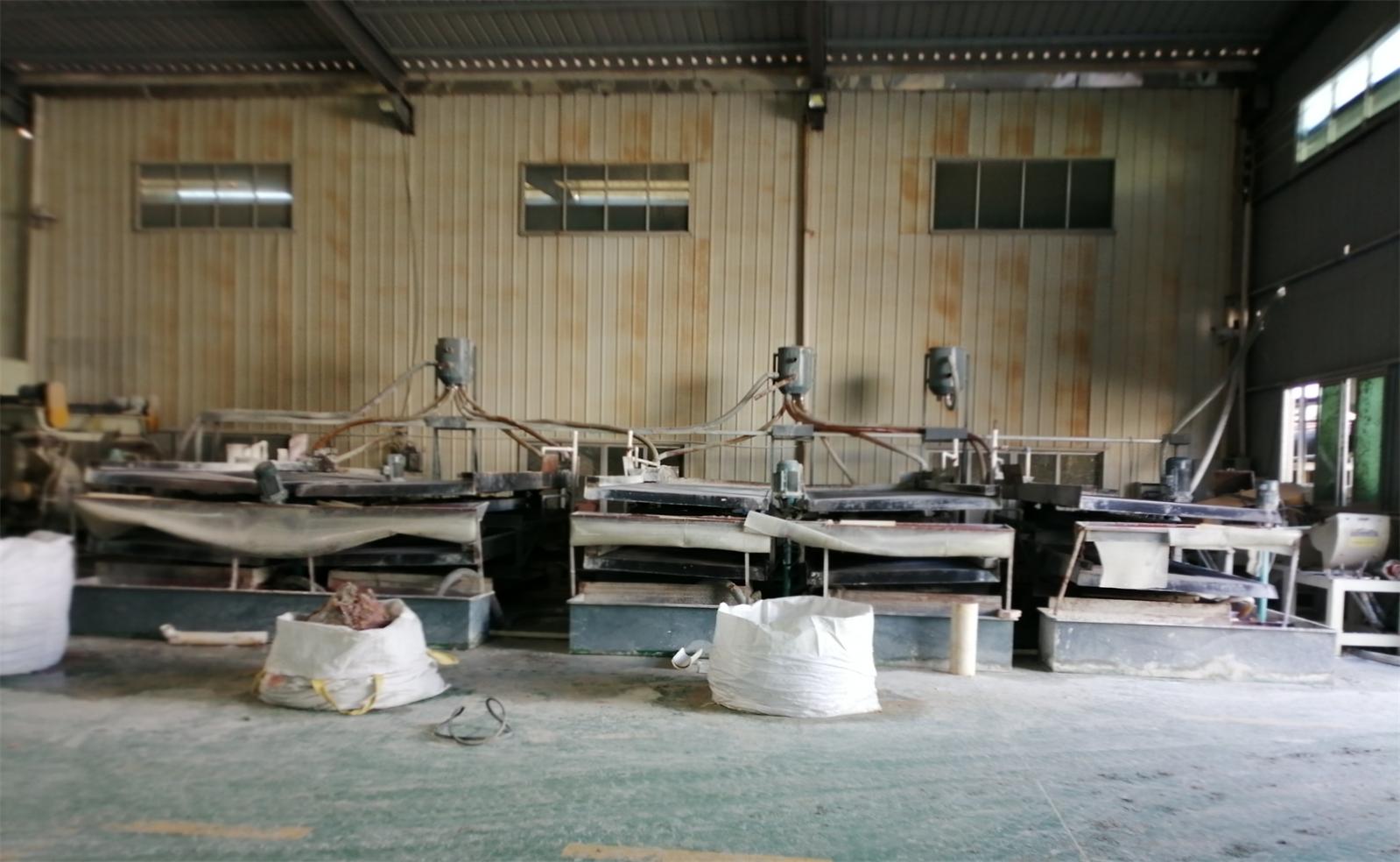
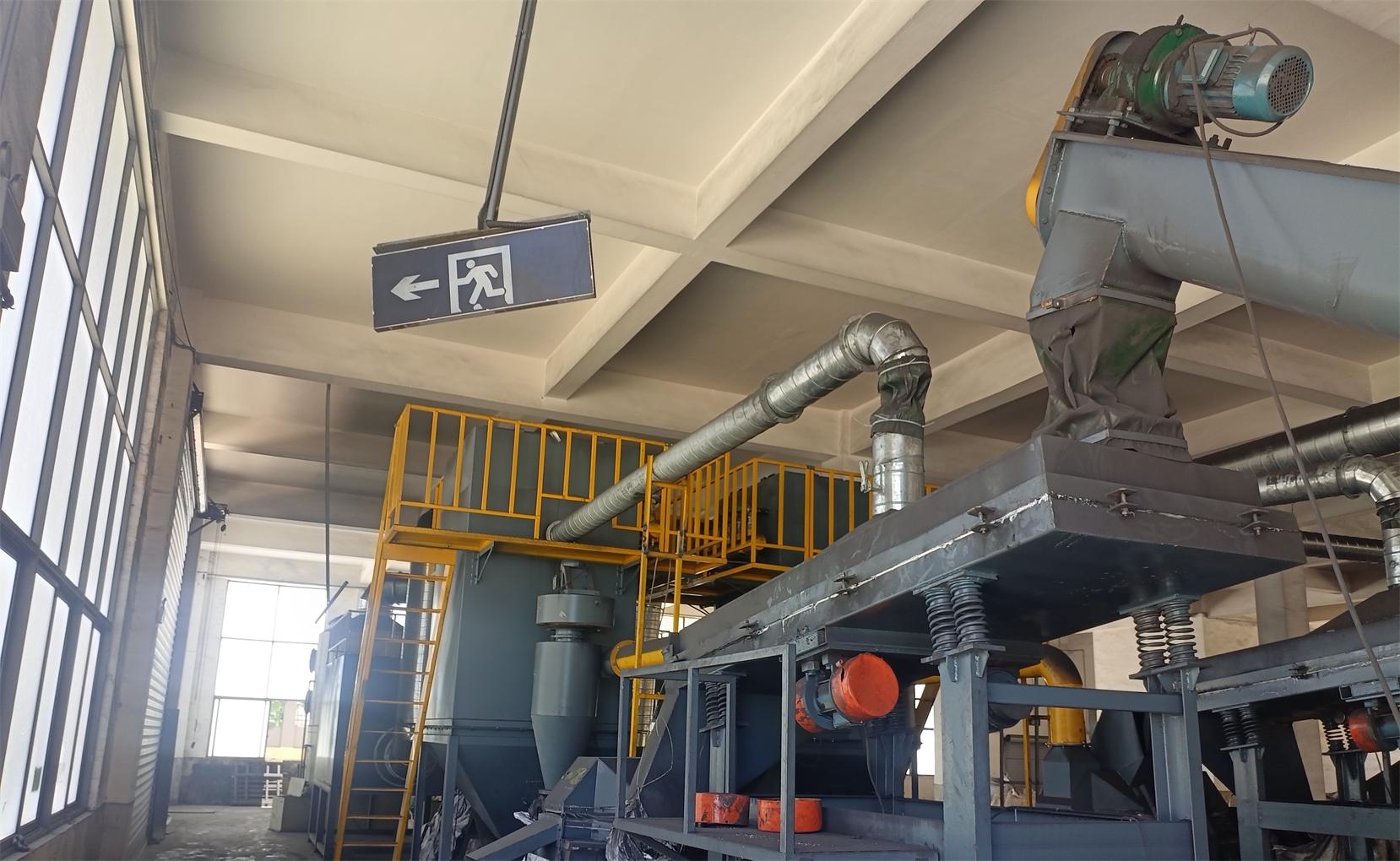
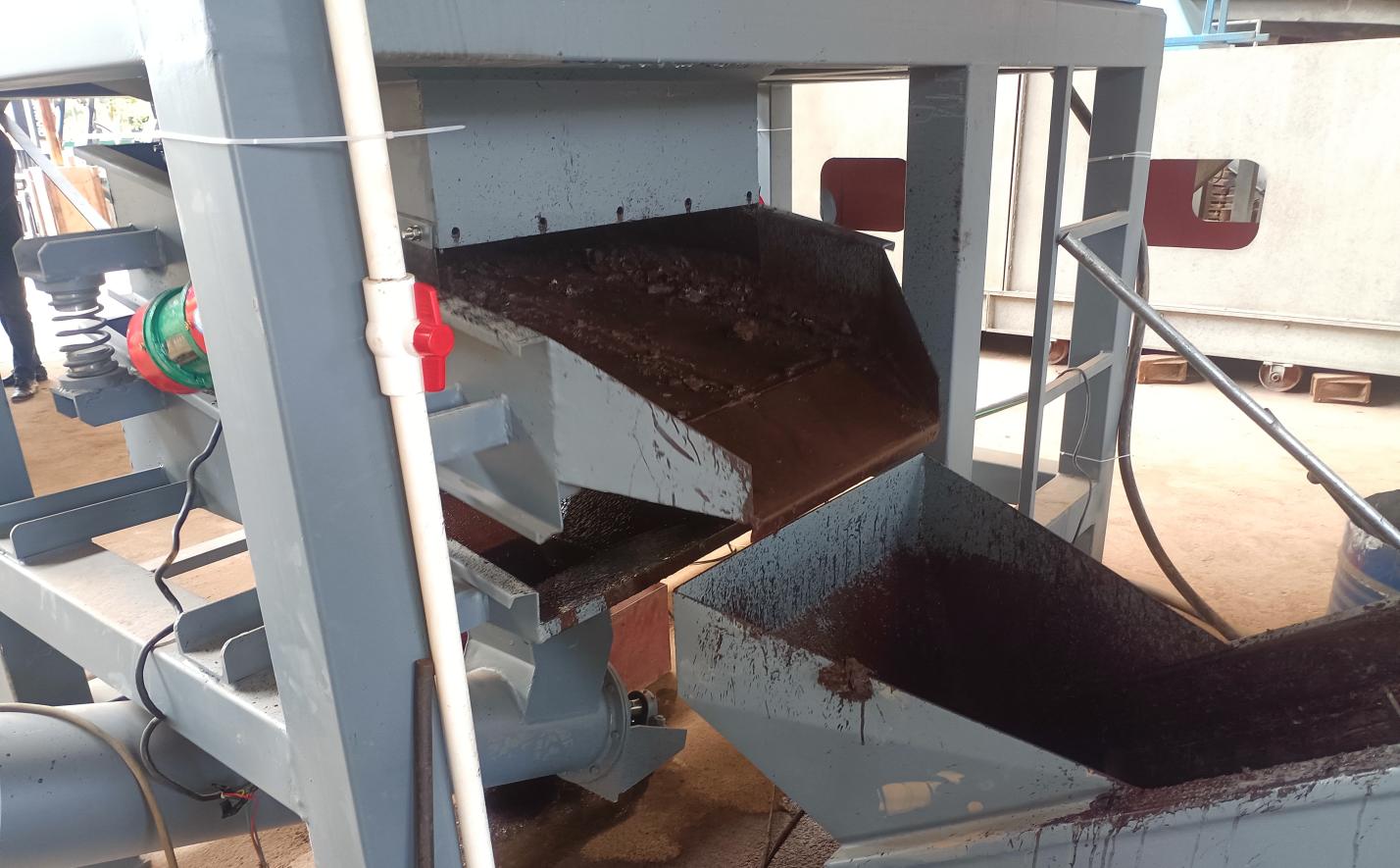
- Recovery: Using vibration tables and electro-separation ensures no copper escapes processing
- Refinement: Purifying copper to 99.9% grade through secondary processing
- Repurposing: Selling plastic casings to manufacturers instead of treating them as waste
Profit whisper: Your plastic byproduct isn't trash—it's a second revenue stream waiting to be tapped. Recycling innovators report that selling processed plastics to eco-conscious manufacturers adds 15-25% to their bottom line.
Don't overlook safety either. When stripping wires becomes your daily grind, protective gear and proper ventilation are non-negotiable. Injured workers or shutdowns from safety violations erode profits faster than any market fluctuation.
Building Your Copper Empire: Scaling Strategies
Startup energy is great, but real wealth comes from smart scaling. The most successful recyclers I've worked with all share this approach:
Market Rhythm Mastery: Track copper prices like a stock trader. Accumulate inventory during price dips, process rapidly during climbs.
Supply Chain Optimization: Develop relationships with construction firms, factories, and electronic repair shops—their "waste" is your goldmine.
Brand Premium Creation: Market your copper as "eco-certified" to secure 5-7% price premiums from green manufacturers.
When you're ready to scale, consider adding circuit board recycling—it complements copper recovery beautifully while boosting your scrap sourcing options.
Future-Proofing Your Recycling Business
The copper game isn't static. Winners adapt to emerging opportunities:
Green Premiums: With governments increasingly mandating recycled content in electronics, positioning yourself as a certified sustainable supplier opens doors to premium contracts.
Advanced Material Recovery: Invest in technologies that extract valuable alloys and trace metals alongside raw copper—they turn byproducts into profit centers.
The global recycled copper market is projected to surge past $90 billion by 2031. This isn't just about stripping wires—it's about claiming your slice of a circular economy revolution where waste transforms into wealth.
The most rewarding business ventures combine profit with purpose. With each spool of copper wire you breathe new life into, you're not just building your bank account—you're reshaping our planet's resource story. That's the kind of legacy that pays dividends far beyond dollars.