The Quote Quest: Why Multiple Quotes Matter
Picture this: You need a hydraulic baler for your recycling operation. You've got production targets to hit, budgets to manage, and efficiency goals to achieve. But how do you ensure you're getting the best solution without breaking the bank or compromising quality?
Many companies make the mistake of settling for the first quote they receive. But this approach leaves money on the table and opportunities unexplored. Requesting quotes from multiple suppliers is like assembling a puzzle - each piece gives you a clearer picture of what's truly available in the market.
Getting multiple quotes does more than just help you find the best price. It reveals:
- Differences in equipment capabilities that you might have overlooked
- Variations in service quality and support commitments
- Creative solutions to your specific operational challenges
- True market value for the hydraulic baler configuration you need
Preparing Your Hydraulic Baler Wishlist
Before reaching out to suppliers, get crystal clear on what you need. Consider your operation's current and future demands.
Define Your Capacity Requirements
How much material do you process daily? Monthly? Projected growth over 3-5 years? Knowing your throughput needs prevents buying equipment that's either insufficient or overkill.
Identify Material Specifications
What materials will you bale? Cardboard has different requirements than plastic bottles or aluminum cans. Density, moisture content, and contamination levels all affect baler selection.
Space and Installation Considerations
Measure your available space twice! Note ceiling heights, doorway widths, power sources, and flow paths. This directly impacts which baler models will actually fit your facility.
Set Your Budget Framework
What's your comfortable investment range? Remember to account for lifetime costs including maintenance, repairs, energy consumption, and training.
Creating a Comprehensive Request for Quotation (RFQ)
Your RFQ is your instruction manual for suppliers. The more precise you are, the more comparable your quotes will be.
A powerful RFQ includes:
- Technical specifications: Dimensions, pressure rating, cycle time, bale size, power requirements
- Performance expectations: Tons per day/hour, material density handling capabilities
- Site prep information: Floor specifications, power availability, operating environment
- Training requirements: On-site training hours, multilingual documentation needs
- Maintenance expectations: PM schedule, warranty terms, parts availability
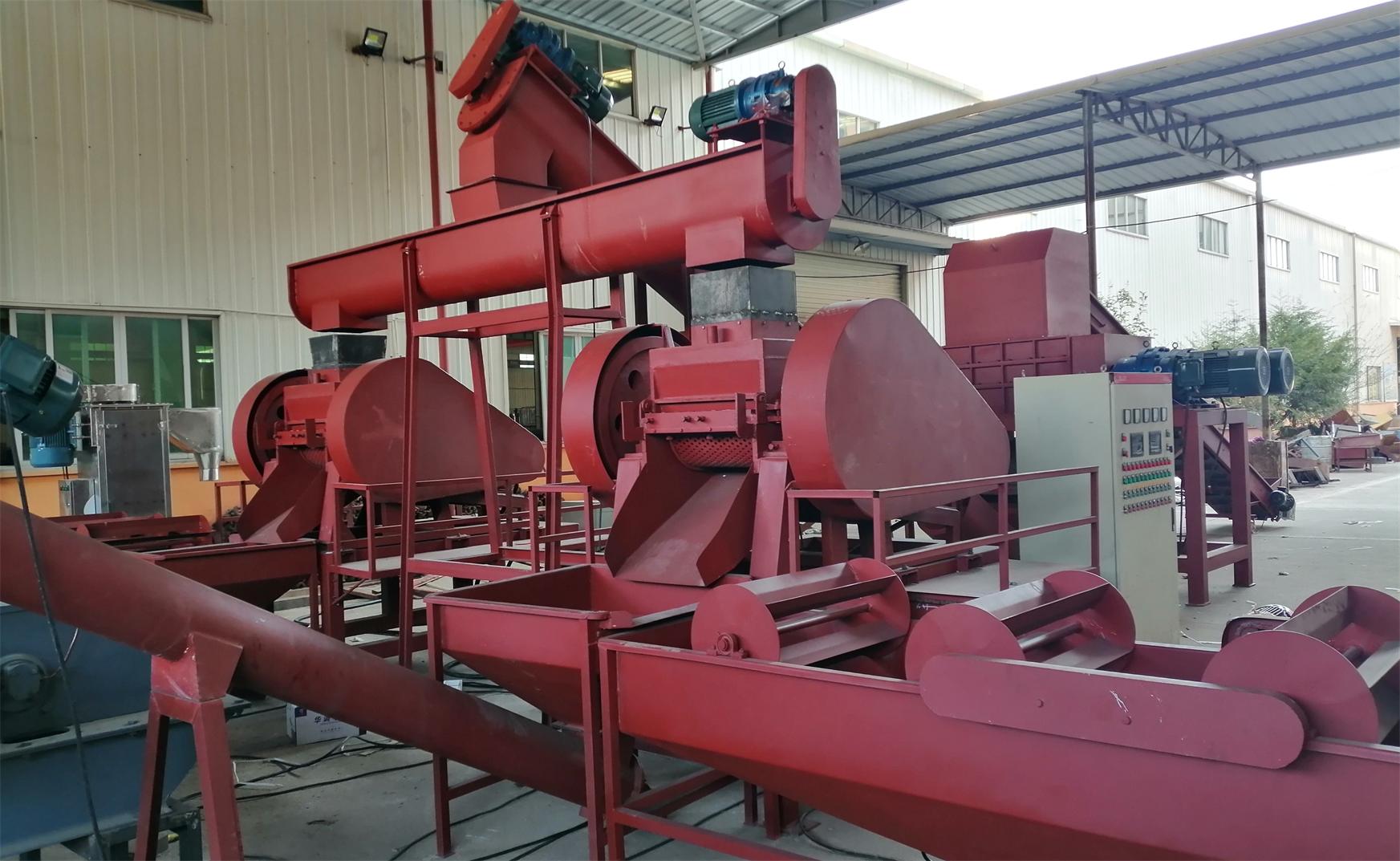
For complex operations involving both balers and granulators, consider how equipment like a wire and cable granulation system might integrate with your baler workflow for maximum efficiency.
The Supplier Outreach Strategy
Finding the right suppliers is an art form. Look beyond the obvious choices.
Cast a Wide Net Initially
Start with 5-8 potential suppliers. Include a mix of large manufacturers, specialized regional players, and perhaps a newer entrant with innovative technology.
Vet Each Supplier Thoroughly
Ask for references from similar-sized operations in your industry. Check their after-sales service reputation. How quickly do they respond to service calls? What's their part replacement policy?
Be Responsive and Consistent
Respond to clarification requests promptly and provide the same information to all suppliers. This maintains fairness while speeding up the process.
Arrange Site Visits (Virtual or In-Person)
There's no substitute for seeing how different balers actually operate. If possible, have suppliers demonstrate equipment functionality specifically for your material stream.
Analyzing and Comparing Quotes
When quotes start arriving, create a standardized comparison matrix. Focus on both visible and hidden factors.
Key comparison points:
| Comparison Factor | Importance Level | Notes |
|---|---|---|
| Total Installed Cost | Critical | Includes all delivery, setup, and installation fees |
| Performance Guarantees | Critical | What do they guarantee - uptime? Output? |
| Maintenance Costs | High | Year 1-5 projections for parts and service |
| Energy Efficiency | Medium/High | Estimated power consumption cycles |
| Safety Features | Critical | Interlocks, emergency stops, guarding systems |
Pay special attention to how different suppliers address your unique operational challenges. The most impressive quotes often come from companies that listened carefully to your specific needs rather than pushing standard solutions.
Making the Final Decision
Choosing isn't just about price tags. It's about finding the best long-term partner for your operation.
Schedule Finalist Demonstrations
Narrow down to 2-3 top candidates and have them demonstrate why their solution stands out. What special features address your pain points? How intuitive is their operation interface?
Dig Into Service Level Agreements
Baler breakdowns mean production halts. What guaranteed response times do they offer? How extensive is their service network? Do they provide loaner equipment during extended repairs?
Negotiate Terms Confidently
Use your competitive quotes as leverage. Ask finalists if they can match competitors' terms on price, warranty, training, or service packages.
Complete Due Diligence
Call references provided and visit existing installations if possible. Look beyond brochure promises to real-world performance in environments like yours.
Implementation and Relationship Building
Your relationship with the supplier begins at installation, not ends there.
Schedule detailed implementation meetings covering:
Establish key partnership metrics from day one:
- Equipment uptime targets
- Monthly performance reviews for the first 3 months
- Service ticket resolution times
- Cost per bale benchmarks
- Operator satisfaction surveys
The Human Factor in Equipment Selection
Beyond technical specifications and price points, your hydraulic baler purchase impacts real people in your operation.
Consider the operator who'll be standing at this machine 8 hours a day. How intuitive are the controls? How safe does it feel? How much physical strain does it demand?
Talk to the maintenance team about accessibility for repairs. Are common service points easily reachable? How specialized are the tools required?
The best equipment decisions blend technical capability with human-centered design. When operators feel heard in the selection process, they'll treat the baler like more than just company property - they'll treat it as their personal tool for success.
Wrapping Up the Quote Journey
Obtaining accurate quotes from multiple hydraulic baler suppliers requires significant effort but delivers immense value. You gain market knowledge, build supplier relationships, and ensure your equipment solution fits like a glove rather than being crammed into your operation.
The process transforms an equipment purchase from a transaction into a strategic partnership. It elevates you from equipment buyer to business partner in the eyes of suppliers. This shift in dynamic creates lasting benefits - from prioritized service to early access to new innovations.
Final reminders for your quote journey:
- Give all suppliers the same information at the same time
- Always clarify whether quotes include "soft costs"
- Document your entire process for future reference
- Give finalists constructive feedback regardless of outcome
- Consider multi-year service agreements in negotiations
In the end, putting in this work builds more than just a baler acquisition - it builds confidence that you've made the right decision for your people, your productivity, and your profitability.