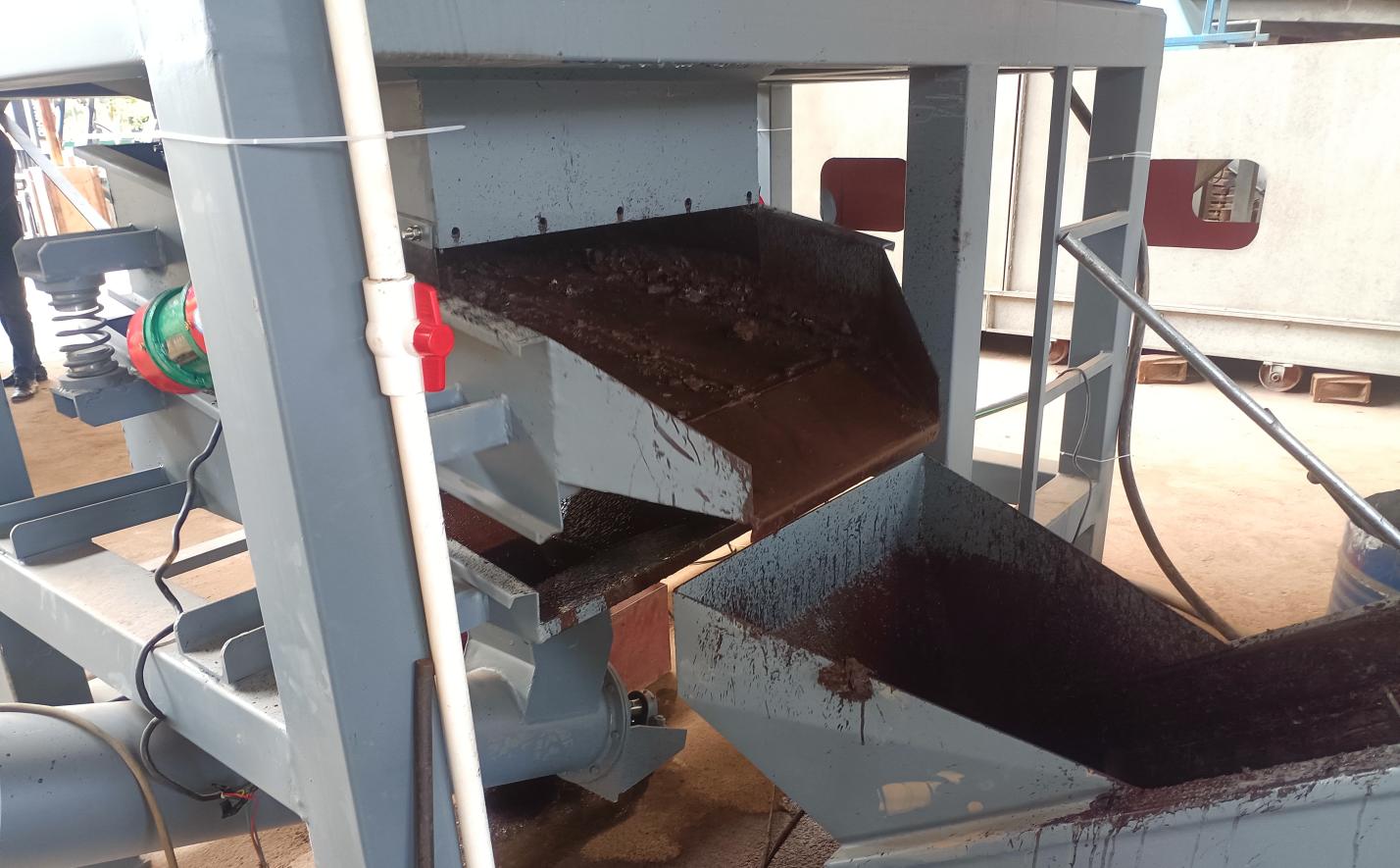
Hey there, recycling enthusiasts! Ever wonder why your scrap copper wire isn't yielding the returns you'd hoped for? That beautiful reddish-brown metal we call copper is actually worth a small fortune in recycling. But here's the thing - to extract its full value, you need to approach copper wire granulators with both know-how and finesse.
You see, operating a copper wire granulator isn't like using your kitchen blender - it's a sophisticated system with nuances that make all the difference between copper dust and perfectly separated copper particles ready for reuse. With the right techniques, these machines become workhorses that effortlessly turn that jumble of discarded wires into pure profit.
Having worked with countless professionals in scrap yards and recycling facilities, I've seen firsthand the frustration when machines underperform. But I've also witnessed the beautiful transformation when operators master the art of granulation. That's why we're diving deep today - to transform you into a granulation pro who can maximize returns while minimizing waste.
Getting Friendly With Your Machine
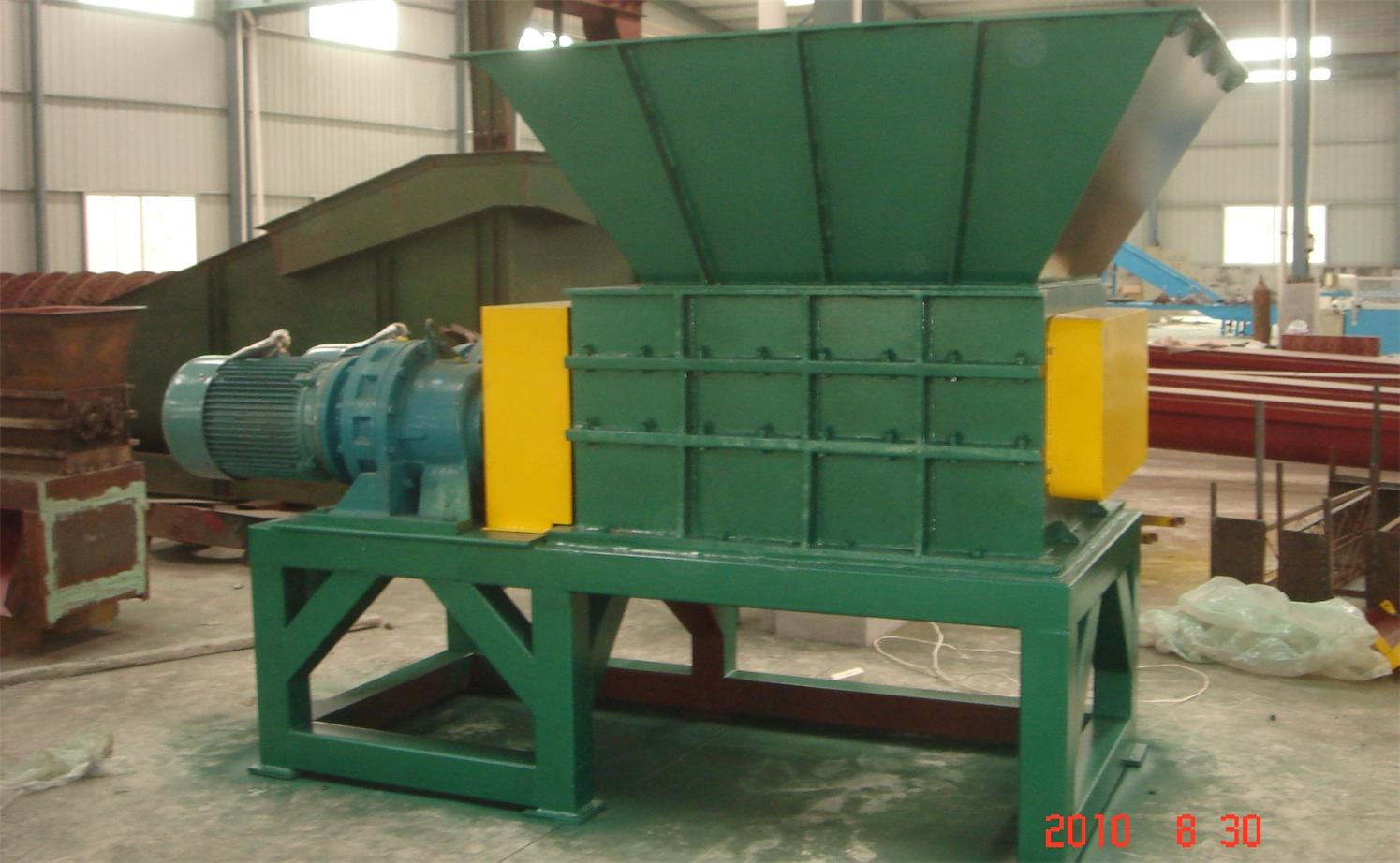
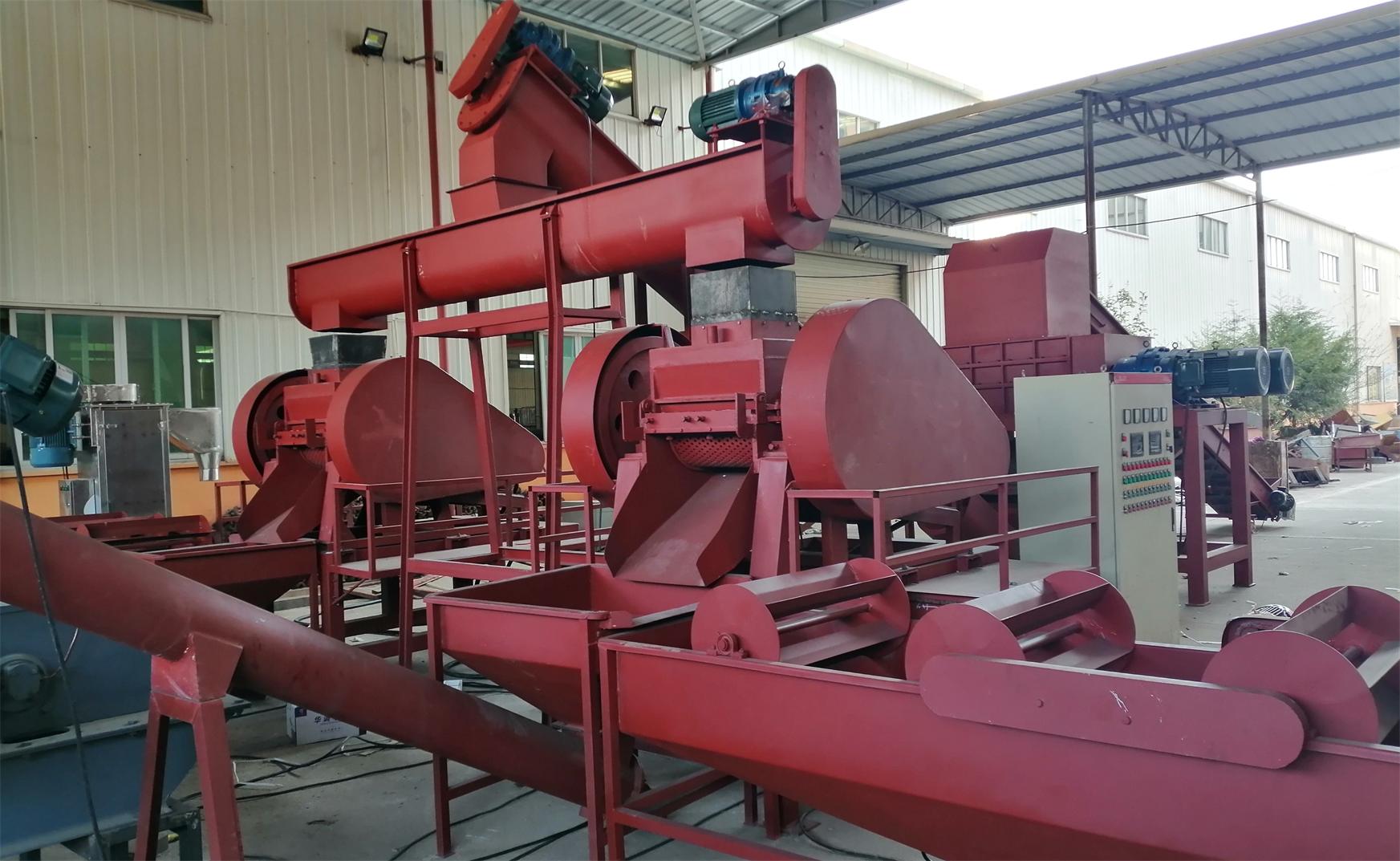
Before we get to the fun part of operating, let's become best pals with what we're working with. A copper wire granulator isn't some magic box - it's a sophisticated system designed for one purpose: separating copper from insulation efficiently.
Here's what makes it tick:
- Feeding zone: Where wire meets machine - think of this as the welcoming committee
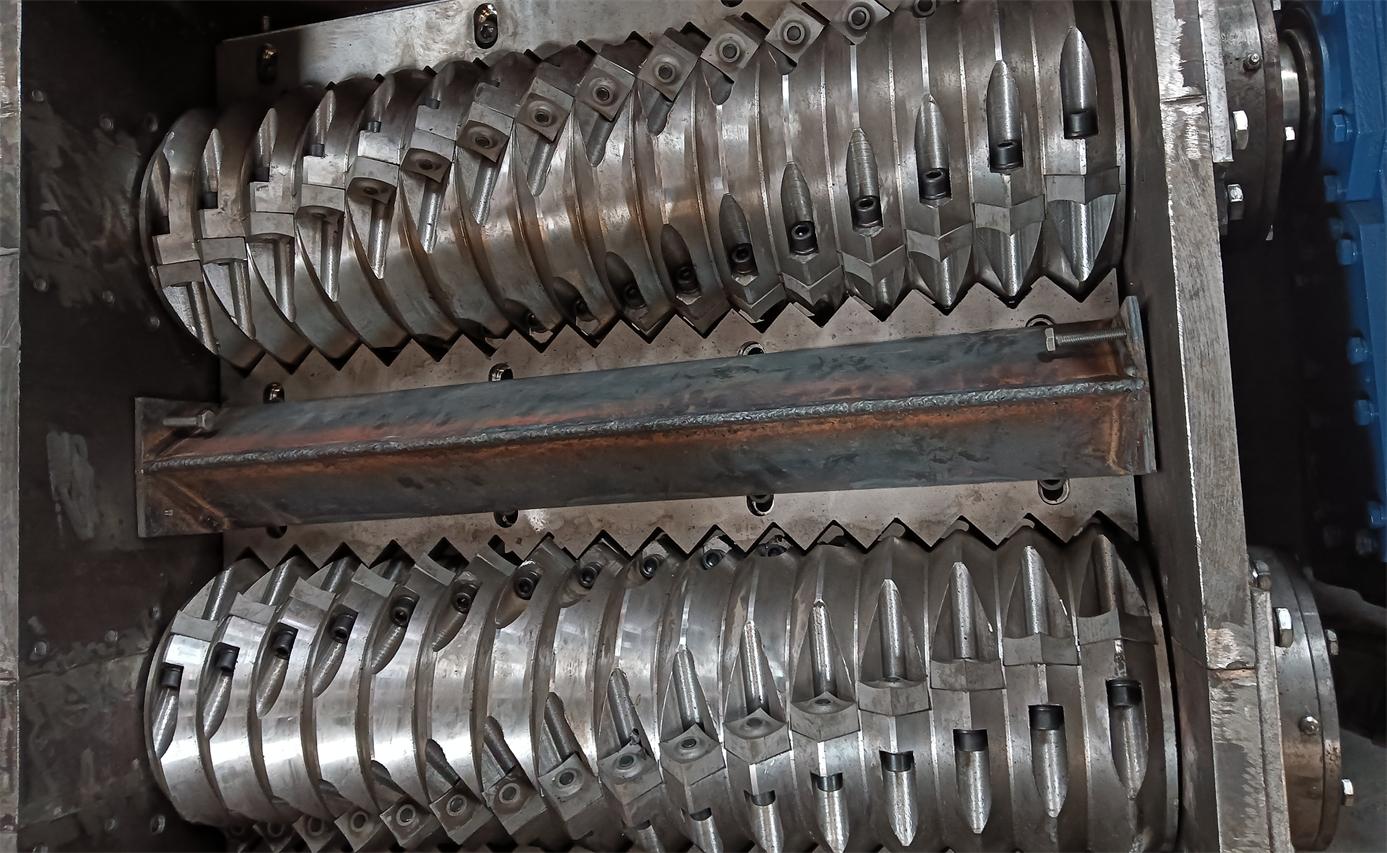
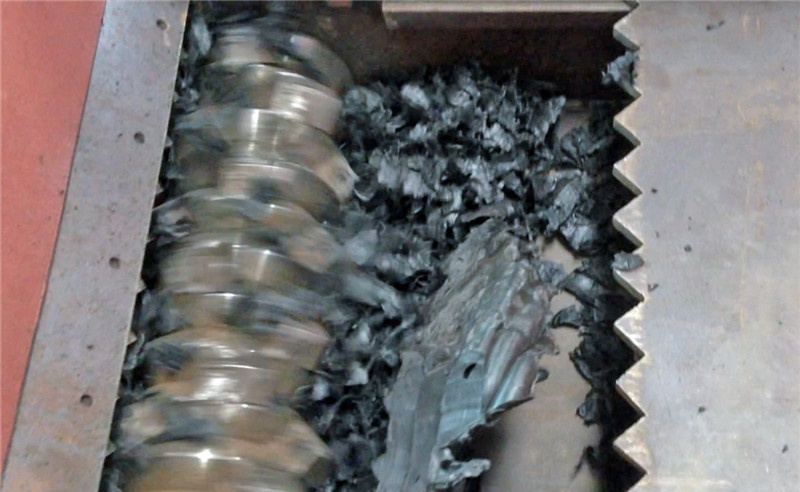
- Shredding unit: The powerful heart that breaks down wires using strategically placed blades
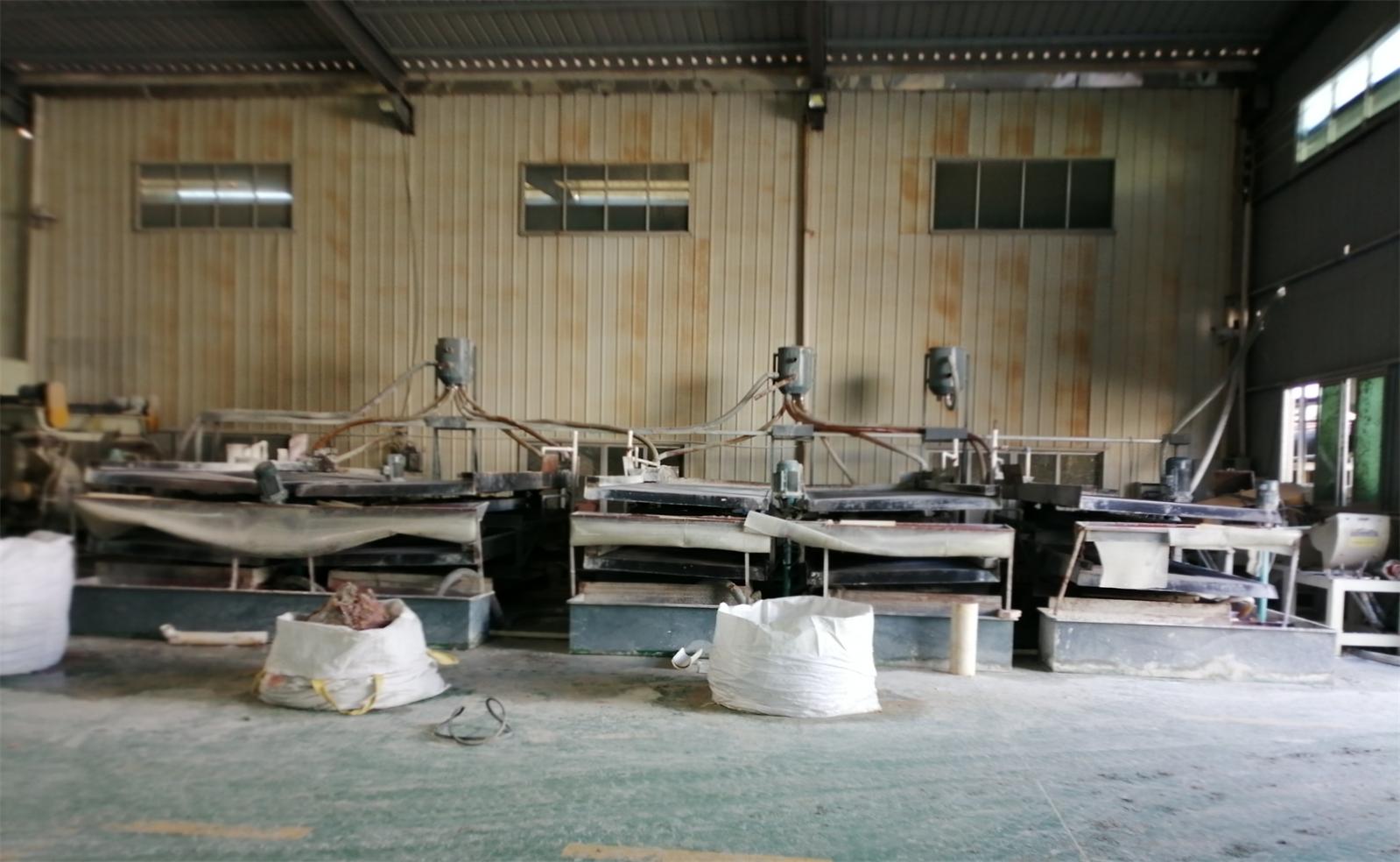
- Separation module: The sorting wizard that separates copper from its plastic coating
- Collection system: Where your newly liberated copper waits to be gathered
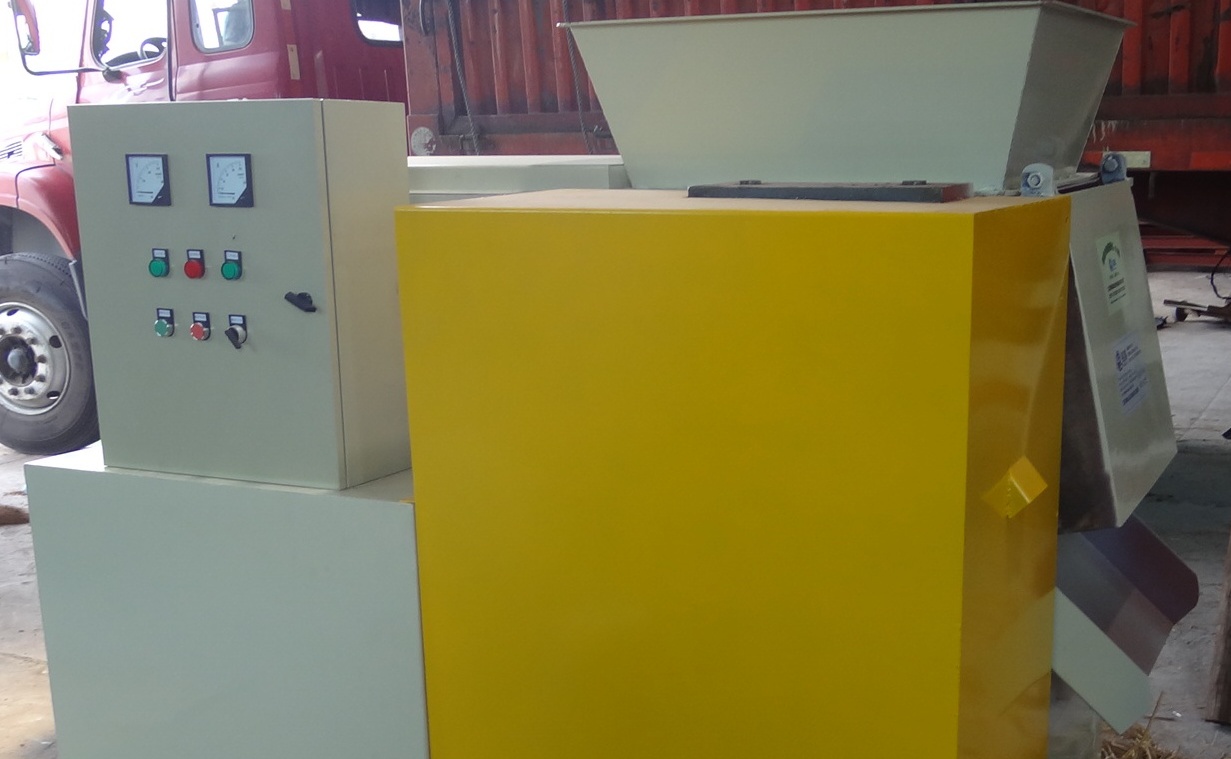
- Control panel: The mission control where you direct the entire operation
Pro Tip: Invest time learning each component on your specific model. They all have personality quirks! Treat them like individual team members - know their strengths, weaknesses, and special needs.
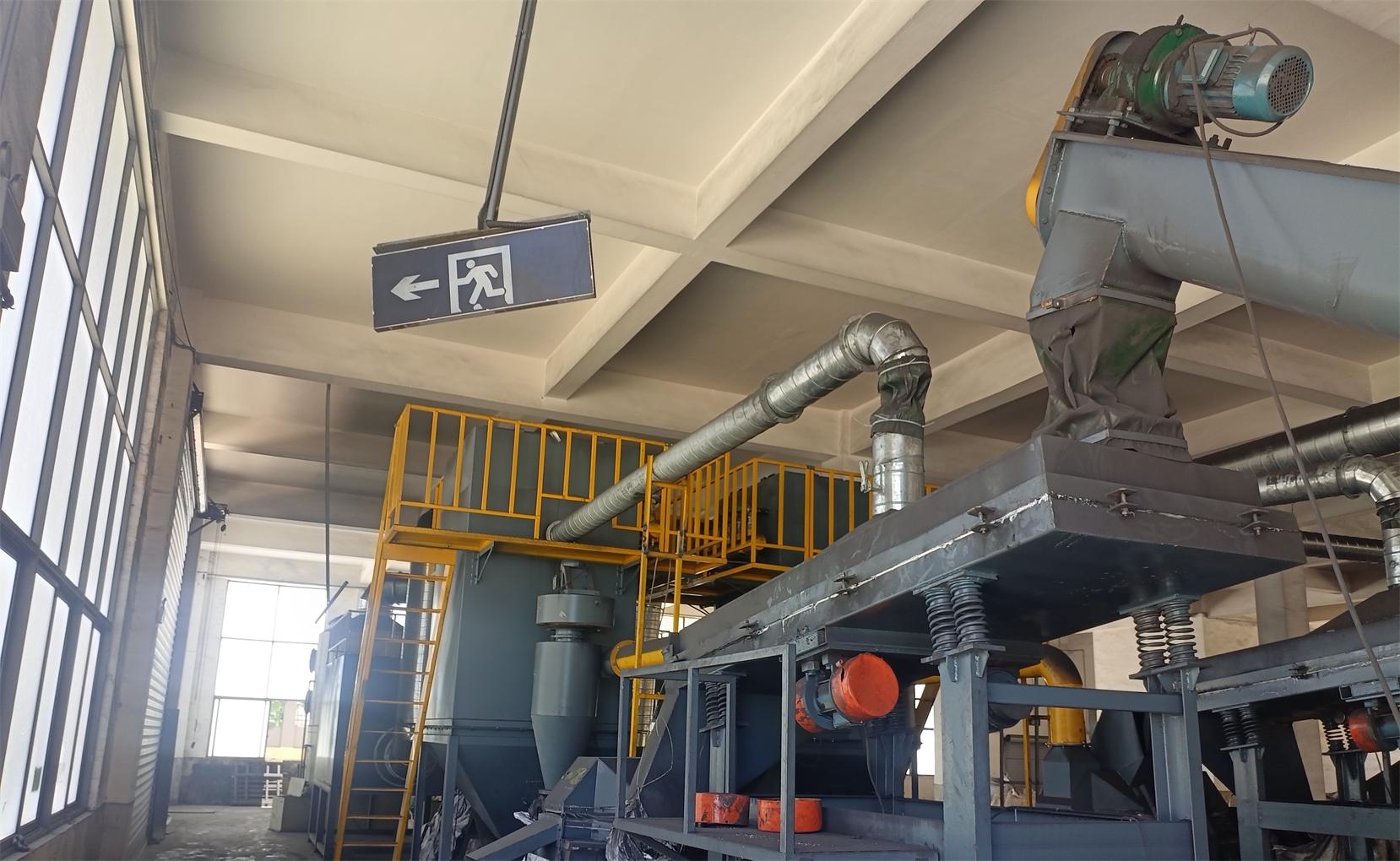
The separation process is where the real engineering shines. By combining air flow, vibration, and gravity in just the right ratios, these units achieve something remarkable: pure copper separated from insulation with minimal cross-contamination.
Preparation Is Everything
Now, let's talk pre-game prep - because what you do before feeding wire into your granulator determines the entire outcome. This step gets overlooked way too often!
The Sorting Game:
Not all wires are created equal, and your granulator knows it. Different wires have different properties:
- Insulation thickness varies (thin appliance wire vs thick power cables)
- Copper purity levels differ (cables may contain alloys)
- Wire diameters require different handling settings
Imagine trying to bake cookies without separating ingredients first - it would be a disaster! Sorting wires into categories makes granulation predictable. Trust me, the 30 minutes you spend sorting saves hours of frustration later.
Cleaning Isn't Optional:
We're not talking about a quick rinse. I mean proper cleaning to remove:
- Surface dirt and debris
- Oil and grease residues
- Accidental metal contaminants
Critical Safety Note: Always wear your PPE! That means industrial gloves, safety goggles, and proper masks. I can't stress this enough - copper dust and flying plastic particles are no joke. Even veteran operators get complacent about this, but those micro-particles can cause serious lung damage over time.
The Operation Dance: Step By Step
Okay, now for the main event - actually running the machine. Forget what everyone else has told you; this is where we separate the amateurs from the pros.
1. The Feed:
This is where most folks mess up. Here's what happens when you get it wrong:
- Too much wire = machine choking
- Too little wire = inefficient operation
- Wrong feed rate = inconsistent results
Find that sweet spot where wires enter steadily but never pile up. Listen to your machine - a happy granulator hums with a steady rhythm, not strained grunts.
2. Setting Up Your Settings:
Every batch is different. Dial in your settings:
- Blade configuration for wire thickness
- Airflow settings for current conditions
- Vibration intensity based on wire composition
3. The Monitoring Mindset:
Never "set and forget"! Constantly check:
- Output quality (copper purity)
- Temperature (overheating kills machines)
- Unusual sounds (they speak volumes!)
Golden Rule: Make tiny adjustments! Granulators respond beautifully to subtle tweaks, not dramatic changes. Think of it like tuning a guitar rather than rebuilding an engine.
4. Consistent Output Checks:
Regularly grab samples. How's the separation quality? Does the copper look clean? Is there unexpected plastic contamination? Treat each batch like a personal chef tasting their creation - be critical but constructive.
Mastering Advanced Techniques
Now that you've got the basics down, let's elevate your skills with some pro-level techniques that'll turn you into a granulation wizard.
The Moisture Factor:
Many overlook this critical element. Wires behave differently based on humidity:
- Damp wires need more air pressure for separation
- Overly dry insulation may shred too fine
Temperature Sensitivity:
Your environment matters:
- Colder temps: wires become more brittle
- Hotter temps: plastics may become sticky
- Solution: Adjust processing speeds accordingly
When You Need Special Help:
For certain wires, don't hesitate to incorporate a cable stripping machine into your pre-processing. These specialized units can handle tricky cases that standard granulators might struggle with. Particularly for thicker cables or complex wiring bundles, a dedicated stripper can preserve the integrity of the copper far better than granulation alone.
The Recycling Effect Multiplier:
Here's what separates decent from exceptional results:
- Batch consistency: Maintain uniform batches - mix similar wires together
- Rotation rhythm: Alternate among your equipment to prevent wear on any single component
- Particle perfection: Target the optimal particle size for your downstream buyers
The Maintenance Mindset
Want to know the #1 reason granulators underperform? Neglected maintenance. These machines may look tough, but they crave regular care.
Daily TLC:
After each shift:
- Complete machine purge - never leave materials inside overnight
- Wipe down all surfaces to prevent dust accumulation
- Check blade sharpness and alignment
- Clear screens and filters
- Listen for any strange sounds during shutdown
Weekly Deep Cleaning:
This isn't optional! Set aside 2-3 hours weekly to:
- Remove screens and scrub them spotless
- Thoroughly clean the separation chambers
- Inspect all electrical connections for wear
- Lubricate moving parts according to specs
The Quarterly Checkup:
Like a health screening for your gear:
- replace worn blades before they break
- Calibrate scales and sensors
- Thoroughly inspect belts and bearings
- Review motor performance data
Pro Tip: Keep an equipment log! Record every service, adjustment, and weird occurrence. This becomes your diagnostic bible when issues arise. The time you invest in tracking pays back tenfold in troubleshooting time saved.
Troubleshooting Masterclass
Even the best operators face issues. Here's how to tackle the top problems before they derail your operation.
Poor Separation Syndrome:
If copper is staying mixed with plastic:
- Check airflow settings (the #1 culprit)
- Examine screen condition
- Verify vibration system performance
- Assess feed material consistency
The Clogging Conundrum:
Prevention beats cure:
- Always pre-clean materials
- Maintain consistent feed rates
- Implement moisture control
- Regularly clear discharge paths
If clogged: Never force material through - it's time for a controlled shutdown and system purge.
Unhappy Machine Noises:
Your machine talks to you - learn its language:
- High-pitched screams? Often bearing trouble
- Knocking sounds? Potential unbalanced components
- Grinding noises? Blade engagement issues
- Squealing? Typically friction points needing lubrication
Output Fluctuations:
If your copper purity suddenly drops:
- Immediately stop feeding material
- Check for:
- Worn blades
- Sensor calibration issues
- Loose components
- Changed material characteristics
- Make one adjustment at a time, then test
Beyond Basics: Maximizing ROI
Now let's talk brass tacks - making the most profit from your setup. Because ultimately, that's why we're all here.
The Waste Hierarchy:
Not all scrap is equal:
- #0 Copper: Bare bright wire - highest value
- #1 Copper: Clean, unalloyed wire
- #2 Copper: Minor contamination allowed
- Insulation Purity: Separated clean plastic fetches premium prices
The Packaging Difference:
Presentation matters:
- Copper granules in sealed containers
- Sorted plastics in bales or bulk bags
- Clean surfaces with no contamination
- Accurate weight documentation
Quality packaging communicates quality content. I've seen buyers pay 15-20% premiums just for perfectly packaged materials.
Understanding Market Dynamics:
You should know:
- Daily copper pricing trends
- Local recycling regulations
- Upcoming policy changes
- Your buyer's preferred specs
- Transportation cost variables
Cash Flow Tip: Build relationships with multiple buyers. Having options means leverage when negotiating prices. Plus, different yards specialize in different material grades. Match your outputs to their specialties for maximum returns.
Beyond Your Walls - The Bigger Picture
Why does all this matter? Because copper granulation isn't just about making money today - it's about building a sustainable future for everyone.
The Ecological Footprint:
Did you know?
- Recycled copper requires 85% less energy than virgin mining
- Proper granulation keeps tons of waste from landfills
- Every ton of recycled copper saves 40kg of toxic emissions
Economic Impacts:
Your operation matters:
- Creates skilled green jobs locally
- Supports domestic manufacturing supply chains
- Reduces dependence on imported materials
- Creates economic stability in communities
The Technology Horizon:
Where we're headed:
- Machine learning optimization
- Automated sorting upgrades
- Improved separation techniques
- Enhanced recovery of micro-copper particles
- Integrated systems managing multiple streams like circuit board recycling alongside copper
What does this mean for you? Stay curious about emerging technologies. The innovators are creating tools that will make your job easier and more profitable. Keep an eye out for:
- Smart sensors that auto-adjust settings
- Enhanced energy recovery systems
- AI-assisted maintenance prediction
- Advanced separation modules
- Improved safety systems
The Path Forward
Mastering copper wire granulation requires dedication, but rewards with dividends - both financial and environmental. Remember:
- Preparation is never wasted time - it's performance insurance
- Consistency beats heroic efforts every single time
- Your machine will reward good care with great returns
- Regular small maintenance prevents catastrophic repairs
- Understanding the "why" makes the "how" more effective
The journey to becoming a granulation pro starts with one intentional step. Which area will you tackle first? Remember - the difference between a functional operation and an exceptional one often comes down to details. The attention you bring to each process transforms copper recovery from adequate to outstanding.
Final Wisdom: Document your journey! Record every setting change, each maintenance activity, and all adjustments. This isn't busywork - it's building your personal knowledge database that will pay off for years to come.
Your skill in operating a copper wire granulator matters more than ever. With each efficient operation, you're not just making money - you're actively building a cleaner world. Now go forth and granulate with greatness!