Think about all those discarded electrical cables you've seen in junkyards or construction sites. What if I told you that copper wire recycling can be a game-changer not just for your wallet, but for our planet too? This isn't just recycling – it's reclaiming valuable resources buried in what others call trash.
Right now, mountains of abandoned cables are sitting in landfills while manufacturers mine new copper at enormous environmental cost. This hurts our planet and wastes money. But what if you could transform this 'waste' into pure profit while helping the environment? That's exactly where copper granulators come into play.
Why Copper Recycling Is Worth Your Attention
Let's get real for a moment. Recycling copper isn't some tree-hugging fantasy – it's serious business with serious payoffs. Copper maintains up to 95% of its value when recycled compared to mined material. That means the phone cables you're throwing away could literally be as valuable as buried treasure.
How valuable? Well, consider this:
- The recycled copper market hit a staggering $252 billion last year and is growing over 7% annually
- Bare bright copper wires fetch premium prices globally – we're talking $3-4 per pound!
- Energy savings? Recycling uses 80-90% less energy than mining virgin copper
Here's where it gets personal: Each ton of recycled copper prevents 15 tons of CO2 emissions. That's like taking 6 cars off the road! When you process cables through a granulator, you're fighting climate change while making money.
Know Your Cables: What's Actually Recyclable?
Not all cables are created equal when it comes to copper recovery. Through my experience running recycling operations, I've learned which types give the best returns. Here's the real-world breakdown:
| Cable Type | Copper Recovery Rate | Where You'll Find Them |
|---|---|---|
| Square Wire | 60%-73% | Electrical installations, power distribution systems |
| Automotive Wire | 50%-58% | Vehicle wiring harnesses, engine compartments |
| Network Cable | 40%-45% | Ethernet cables, server rooms, telecom equipment |
| Rubber Insulated | 28%-30% | Industrial equipment, heavy machinery wiring |
| Miscellaneous Wires | 10%-30% | Household appliances, electronics, random low-grade wiring |
Pro Tip: Always separate cable types before processing! Mixing high-grade square wire with low-grade electronics wire means leaving money on the table.
The Granulator Revolution: Physics Over Chemicals
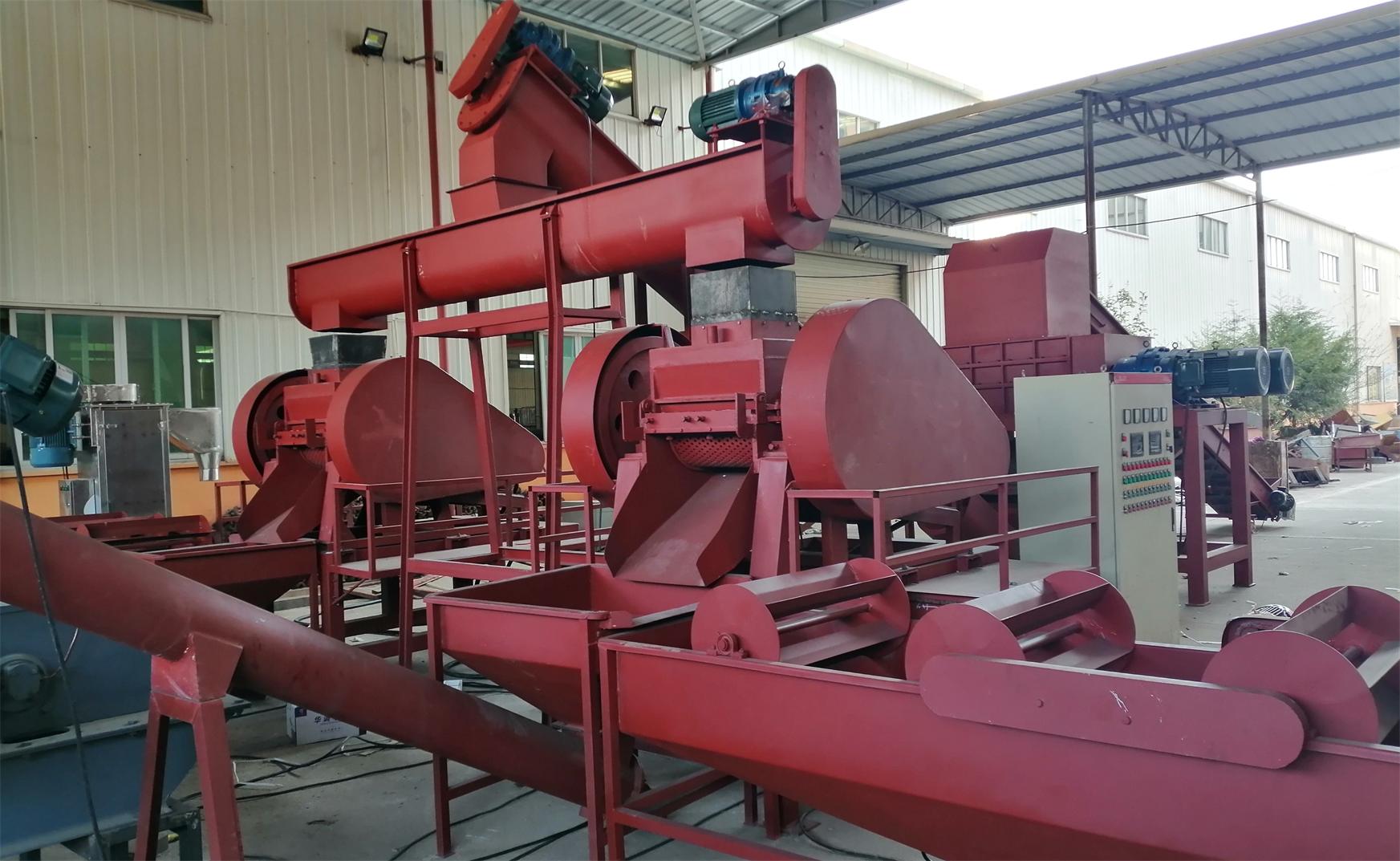
Remember when recycling wires meant either burning off insulation (toxic!) or painstaking hand-stripping? Those days are thankfully gone. Today's copper wire granulators use brilliant physics to separate materials without creating pollution.
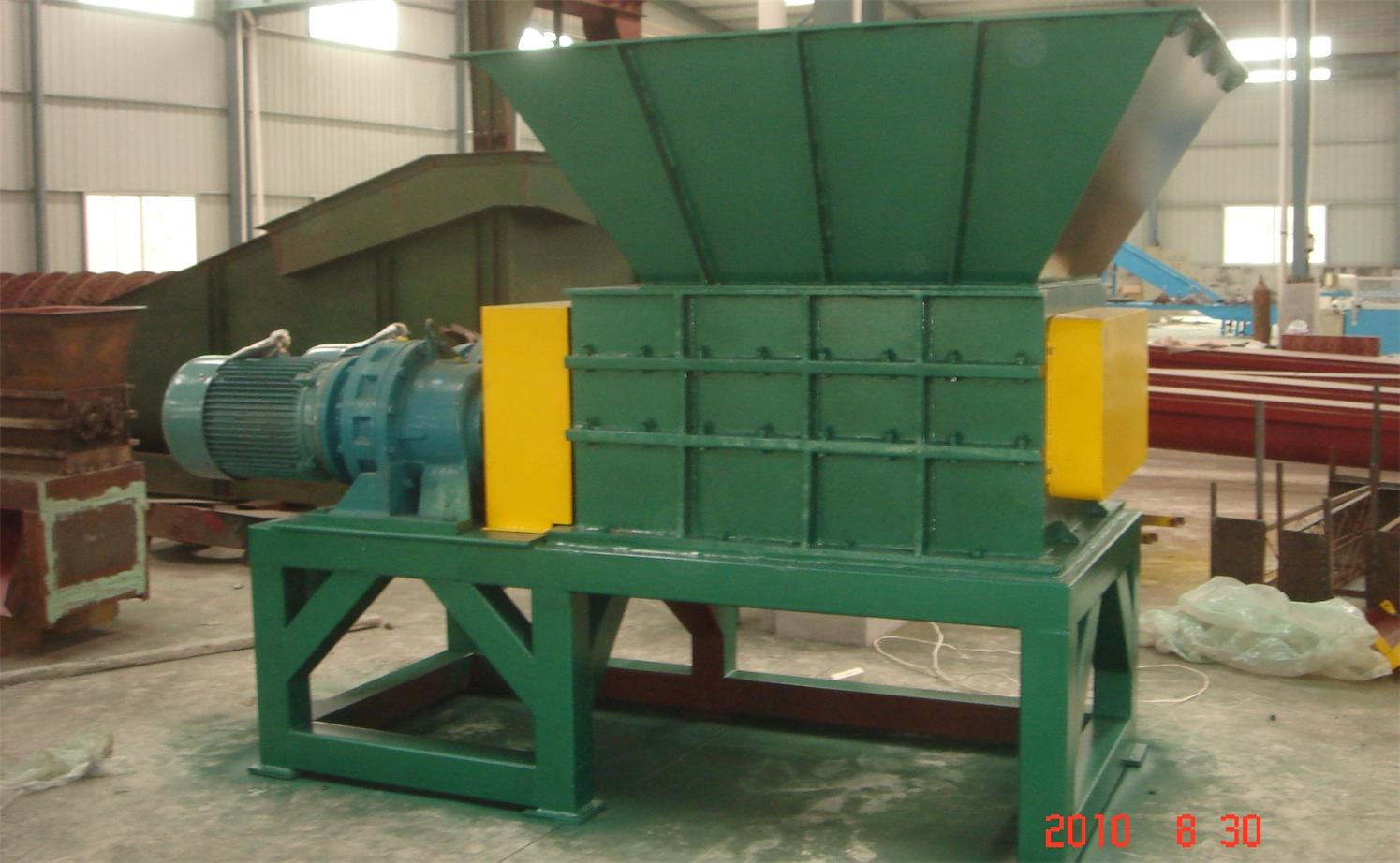
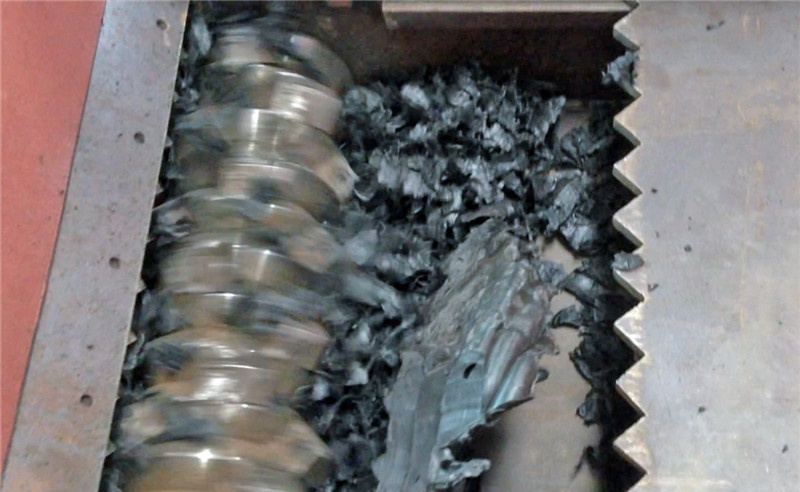
Cables become small pieces (3-5cm)
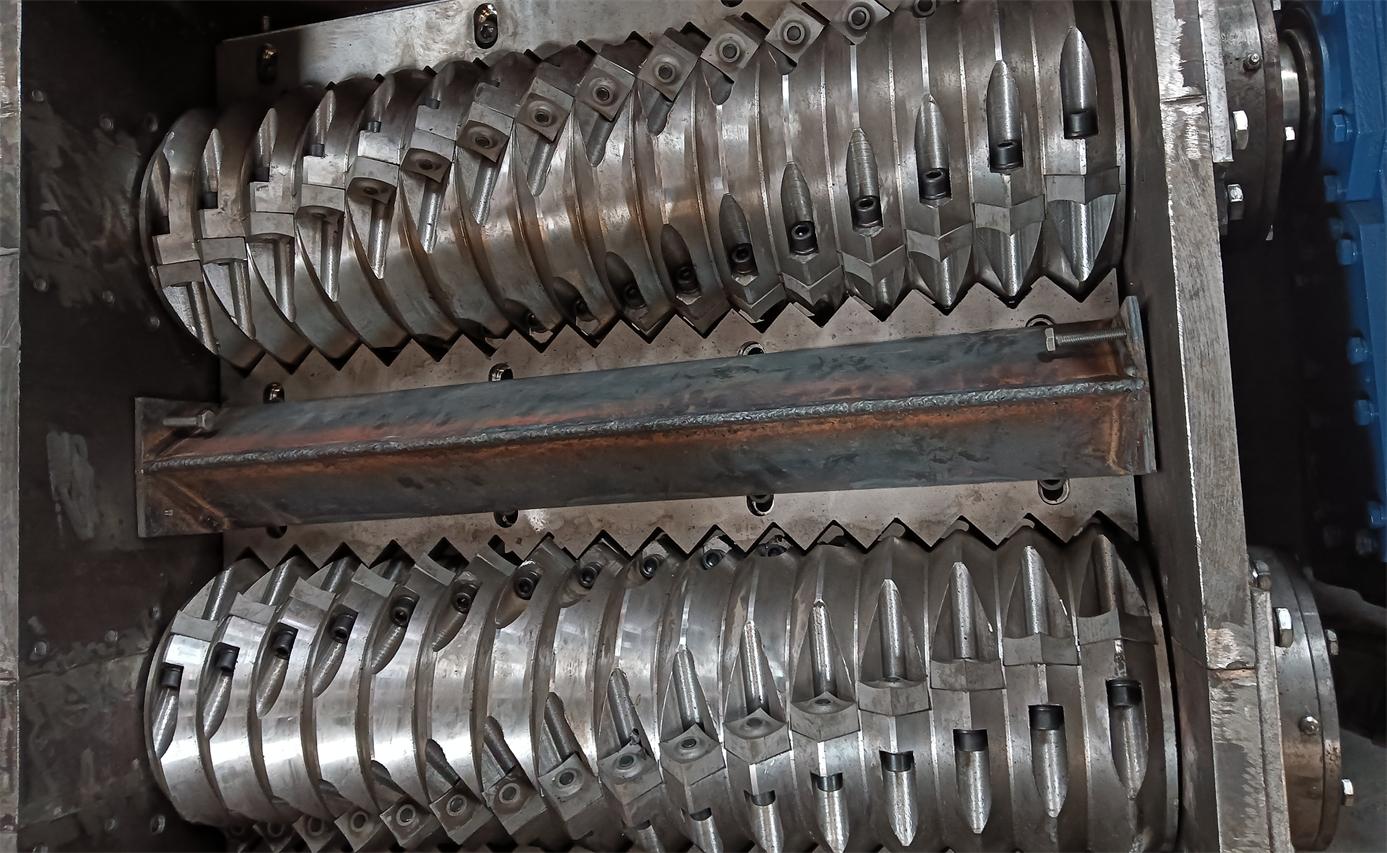
Hammer mill pulverizes materials
Density differences do the magic
Pure copper granules emerge
Separate streams of copper & plastic
The beauty? This happens through dry physical separation – no chemicals, no water, no toxic runoff. It's why modern granulators are the undisputed champions of eco-friendly cable recycling.
The Physics Magic Explained
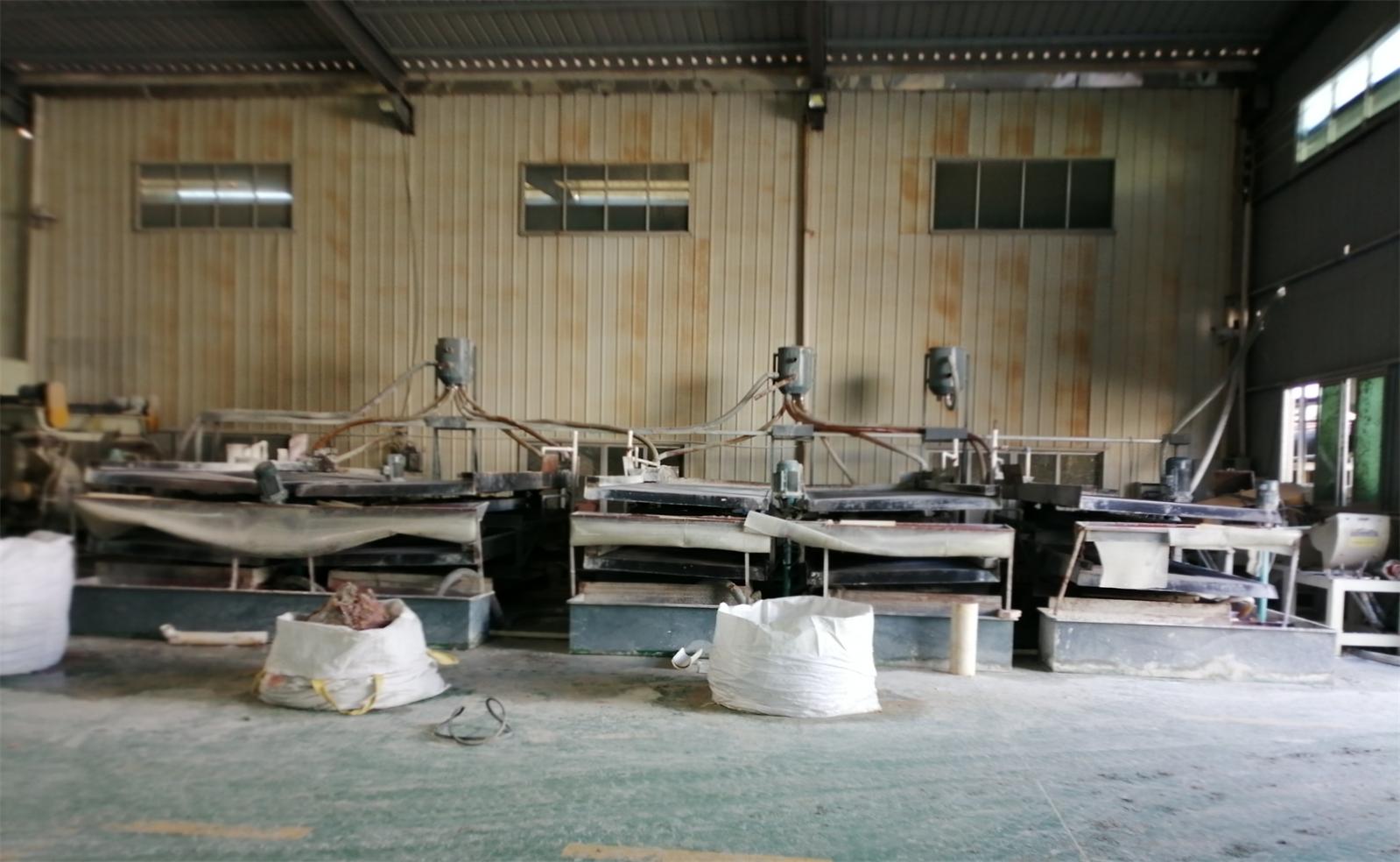
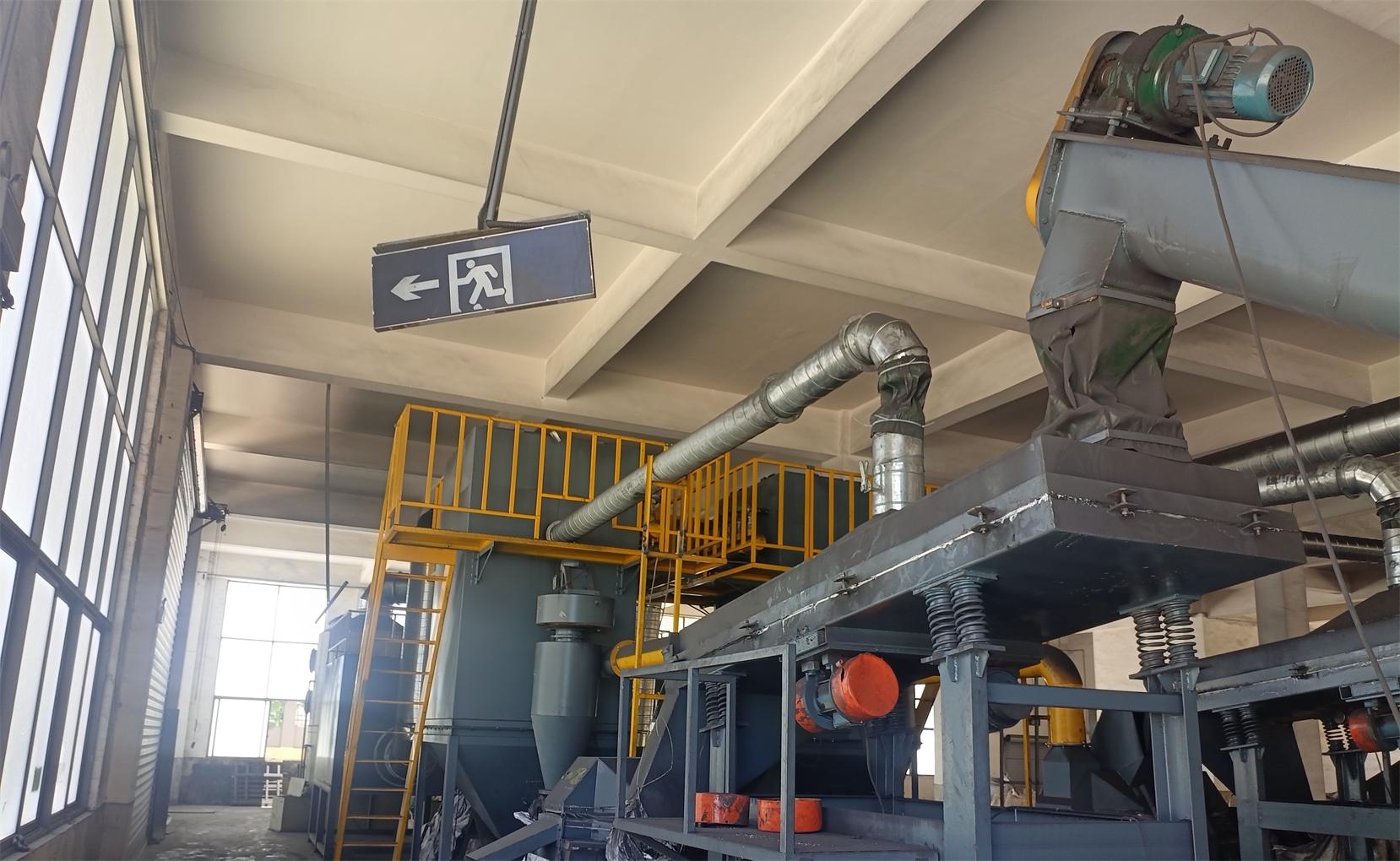
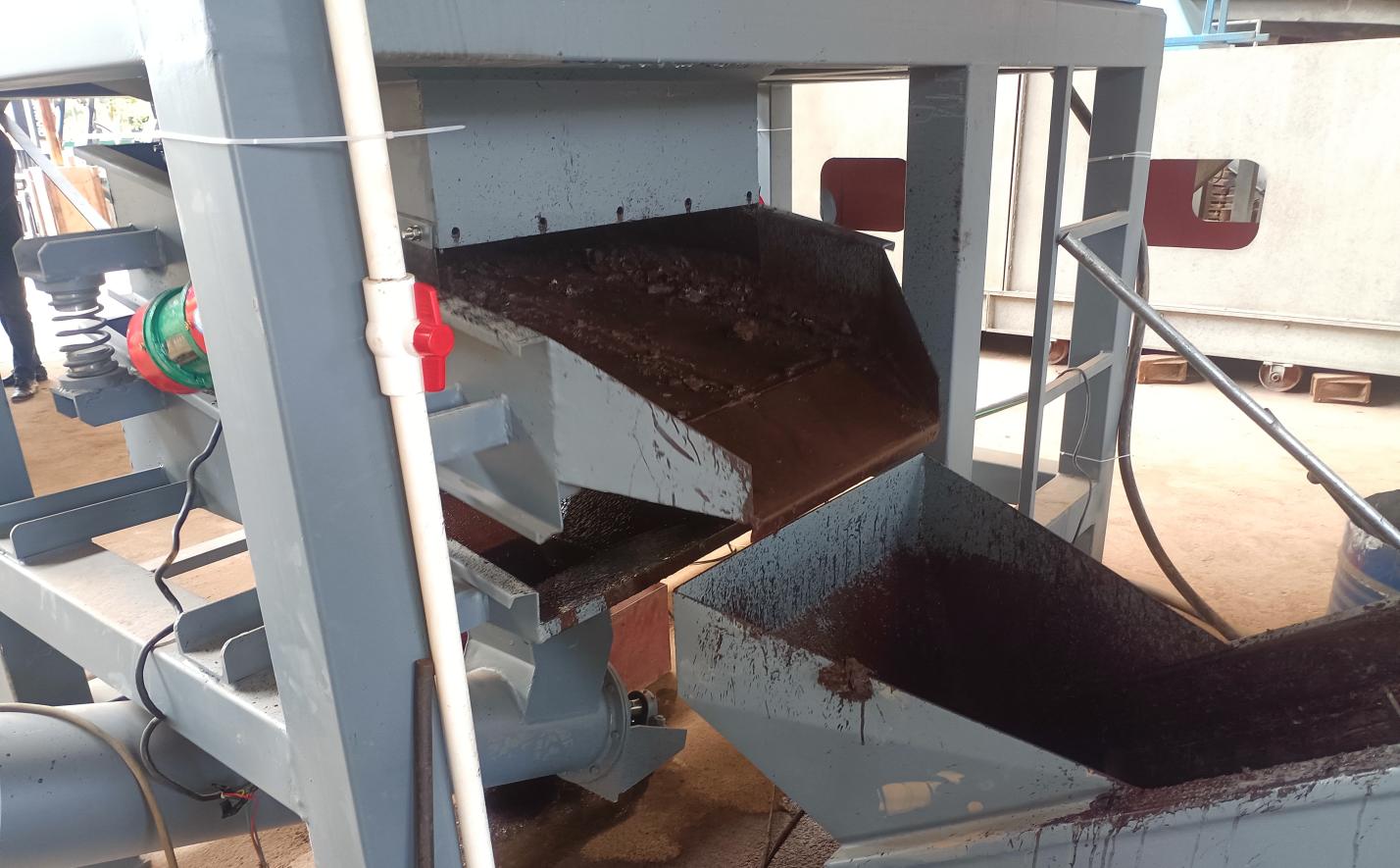
What fascinates me most is how simple physics makes it work. The crushed materials hit an airflow specific gravity separator. Here's what happens:
Heavy copper particles (density: 8.96 g/cm³) drop through the airflow
Light plastic insulation (density: 0.9-1.5 g/cm³) gets carried away
It's like how wind separates wheat from chaff – but for copper! Vibrating tables then ensure perfect separation, with 99%+ purity rates.
Game-Changing Tech Features You Need to Know
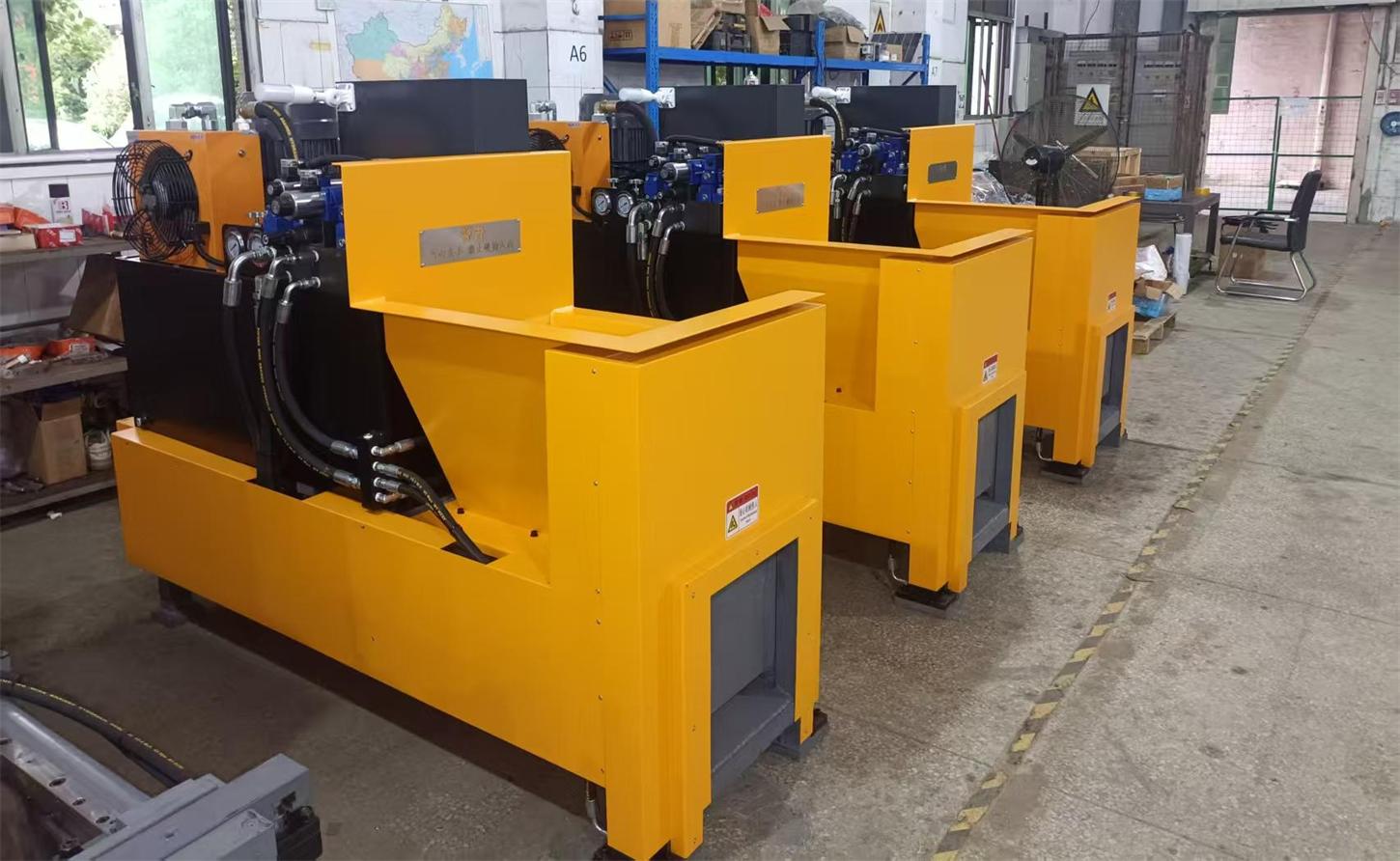
Modern granulators have gotten incredibly smart. Here are features that make today's machines investment-worthy:
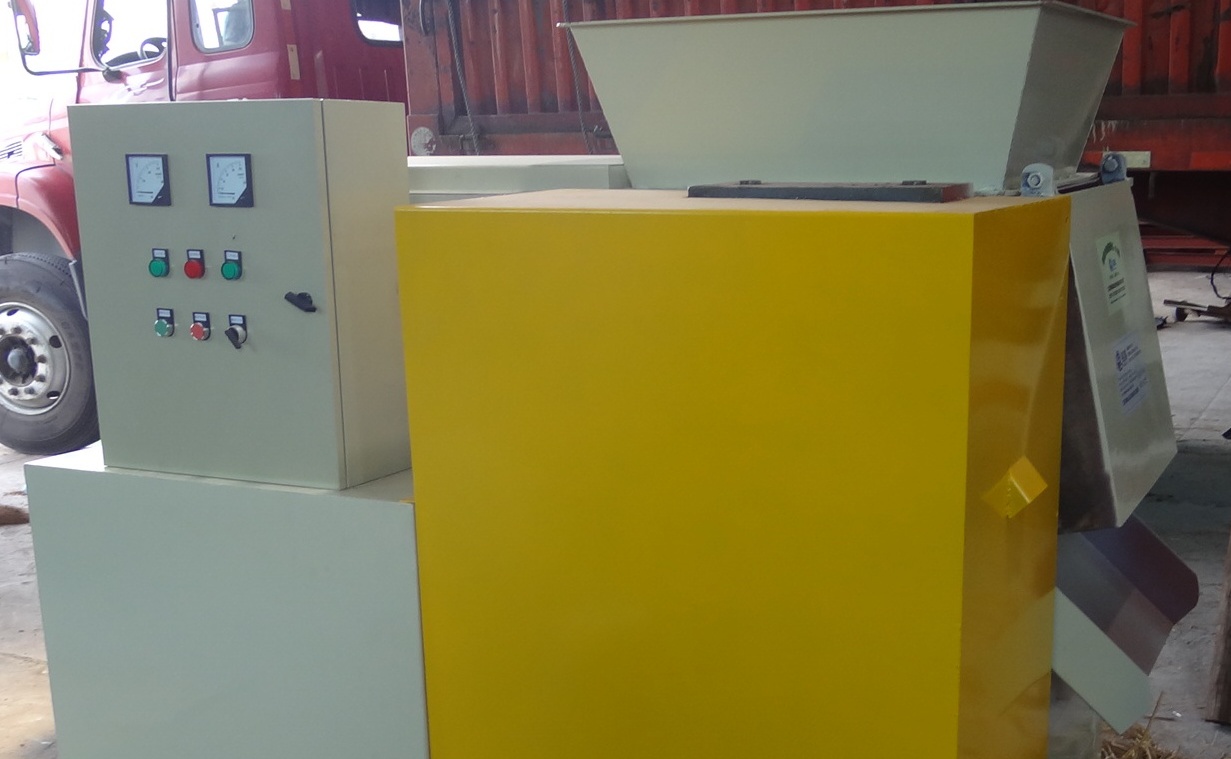
1. Three-Stage Separation Systems : Combines vibration, airflow and rotary separation for unbeatable purity
2. Smart Dust Management : Built-in cyclones and filters capture 99.9% of particles – your workshop stays clean
3. Adaptive Speed Control : Automatically adjusts processing speed for different cable types
4. Eddy Current Separators : Magnet-based systems that pull out non-ferrous metals like aluminum
The latest models even come with built-in metal detection to prevent hardware damage. I've seen what happens when a stray bolt gets into a granulator – these sensors pay for themselves the first time they prevent a breakdown.
Why This Matters More Than You Think
Beyond the obvious financial benefits, copper granulation creates meaningful change:
For Our Planet:
- Prevents 40 million tons of annual CO2 emissions (like removing 16 million cars!)
- Reduces toxic landfill buildup - plastics from insulation take centuries to decompose
- Saves virgin copper reserves - we only have about 870 million tonnes left globally
For Communities:
Small recycling operations create 5x more jobs than landfills. In economically struggling areas, that local job creation is transformative. What's more exciting than turning waste into paychecks?
For Industry:
Recycled copper meets all industrial specifications. From electronics to construction materials, this isn't 'second-rate' material – it's identical to mined copper but with a better environmental story.
Getting Started: Your Practical Roadmap
Based on helping dozens of startups, here's my blueprint:
1. Sourcing Strategies: Partner with construction/demolition firms and electronics recyclers. Most pay to dispose cables!
2. Equipment Choices: Start with 500-800kg/hour compact granulator systems (cost $25k-$50k)
3. Operation Setup: You'll need about 500 sq ft space and 3-phase power connection
4. Market Connections: Build relationships with foundries and metal brokers before processing first batch
Insider Advice: Don't neglect the plastic output! The granulated plastic insulation sells to manufacturers for products like plastic lumber. That's 5-15% extra revenue per batch.
Safety Note: Always invest in proper dust collection systems. That plastic dust isn't just messy – it's combustible and hazardous to lungs.
The Future Is Circular
This isn't just recycling – it's resource intelligence. Every cable processed through a copper granulator completes an important circle. Instead of exhausting our planet, we're harnessing what we already have.
The question isn't whether copper recycling makes sense. It's whether we can afford to keep burying our resources instead of reclaiming them. With today's technology, that choice gets clearer every day.
Modern solutions like lithium extraction plants are following the same principles - efficiently reclaiming valuable materials through advanced physical processes.