Whether it's that old blender in your kitchen or an industrial pump at work, electric motors are everywhere. They're the quiet workhorses of modern life, spinning away inside dozens of gadgets we use daily. But what happens when they finally give up? Throwing them in the trash is like tossing dollar bills and pieces of Earth's crust into a landfill. Let's explore how to turn that "junk" into both cash and environmental karma!
The Hidden Treasure Inside Every Motor
Picture this: you're holding a dusty electric motor that once powered your garage workshop drill. Though it looks like a worthless hunk of metal, it's actually a mini treasure chest! Every motor contains:
- The Stator - Think of this as the motor's backbone. Made mostly of iron/steel wrapped in copper wire, it creates the magnetic magic that makes everything spin.
- The Rotor - This is the spinning heart inside the stator. To dance around quickly and efficiently, it's usually built from lightweight aluminum or copper.
- Windings - Miles of copper wire (sometimes aluminum in newer models) coiled perfectly. This is where the real value lies - copper is the VIP of recycling!
- The Shaft - A solid steel rod that transfers all that spinning energy to whatever the motor was powering.
⚡ Here's the kicker: the copper windings alone can turn a seemingly worthless motor into a profitable recycling adventure. Recycling a single blender motor can recover enough copper to help manufacture new electronics!
Why Recycling Motors Matters
Let's be real - we're all trying to make a buck. But what if I told you recycling motors isn't just good for your wallet? Those tiny hunks of metal are environmental superheroes:
- Resource Rescue - Mining virgin copper takes massive amounts of energy. Recycling copper uses 85% less energy than digging it out of the ground.
- Landfill Lifeline - Motors leak oils and chemicals that poison groundwater. Keeping them out of dumps protects our drinking water.
- Carbon Cut - Processing recycled metals creates way fewer emissions than mining and refining ore.
♻️ Imagine this: recycling 10 average motors saves enough energy to power your home for nearly 3 days. Now multiply that across all motors trashed annually!
Your Motor Disassembly Toolkit
Getting that valuable copper out requires some basic gear. You don't need expensive equipment - just smart preparation:
Safety First!
Motors aren't dangerous when handled right, but rushing leads to trouble:
- Heavy gloves (those casings get sharp when cut!)
- Safety goggles (flying metal shards don't care about your vision)
- A sturdy workbench with vise grips
- Disposable rags for oil spills
⚠️ Watch Out! Many motors contain residual oils. Have a leak-proof container ready to collect them - pouring used motor oil down drains contaminates thousands of gallons of water.
For extraction, these basic tools handle 90% of motors:
- Cordless drill/driver with bits
- Pry bar or heavy-duty screwdriver
- Wire cutters
- Hacksaw or oscillating multi-tool
- Mallet (for stubborn rotors)
- Industrial magnets (to test metals)
Step-by-Step Motor Breakdown
Step 1: The Big Decision
Not every motor needs disassembly! Ask yourself:
- Is the motor tiny? Small motors under 3lbs often aren't worth opening.
- Do scrap yards near you take whole motors? Some pay well for clean intact units.
- How many motors do you have? Opening 20 identical units becomes efficient once you have a rhythm.
Step 2: Casing Crackdown
First, remove any visible screws. No screws? That's where cutting tools enter. Gently cut lengthwise along the casing seam until you can pry it open like a book. Some pros call this "motor shucking"!
Step 3: Copper Harvest
Here's where the real reward begins! Use wire cutters to snip any connections, then carefully unwind or pry out those beautiful copper coils. Fun fact: An average washing machine motor holds nearly a pound of pure copper!
Step 4: Sorting the Spoils
Separate everything into distinct piles:
- Clean copper wire (the premium stuff!)
- Aluminum rotors
- Steel casings and shafts
- Mixed circuit boards (found in smarter motors)
- Insulation and hazardous waste
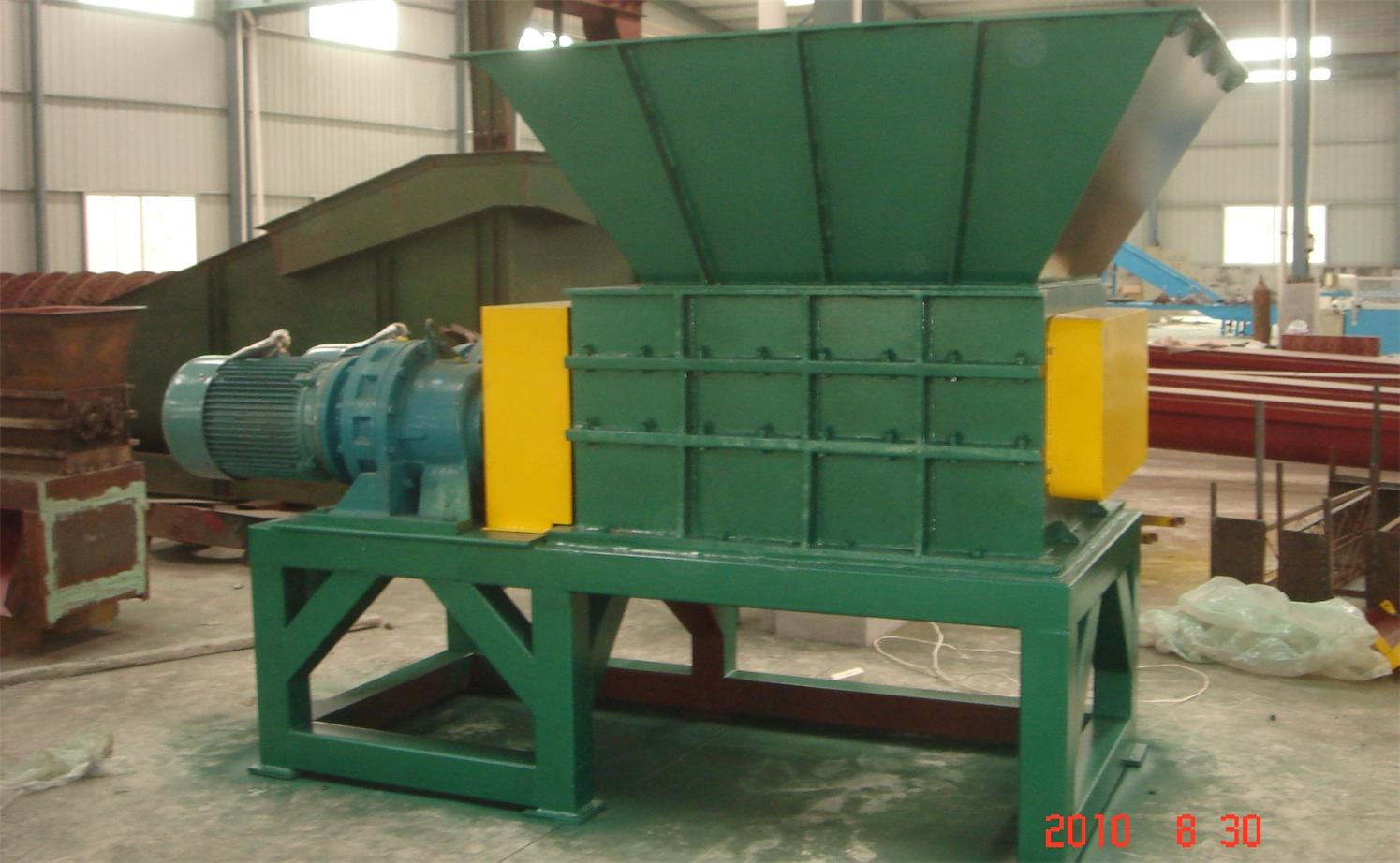
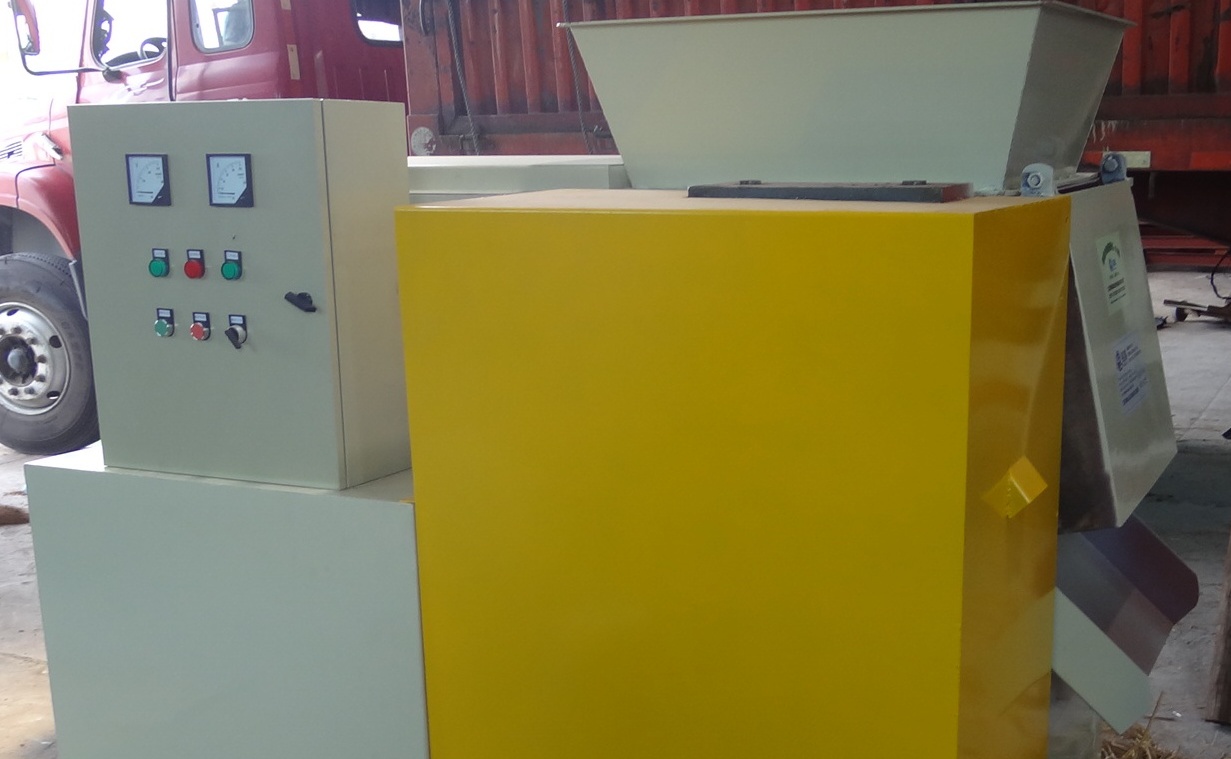
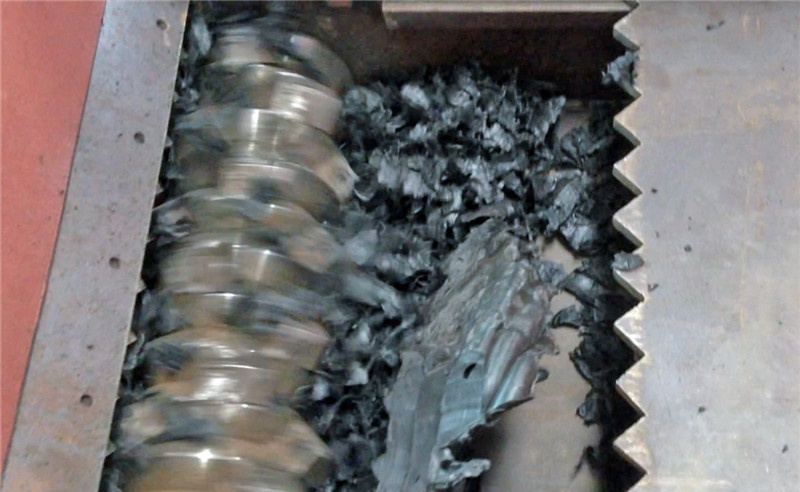
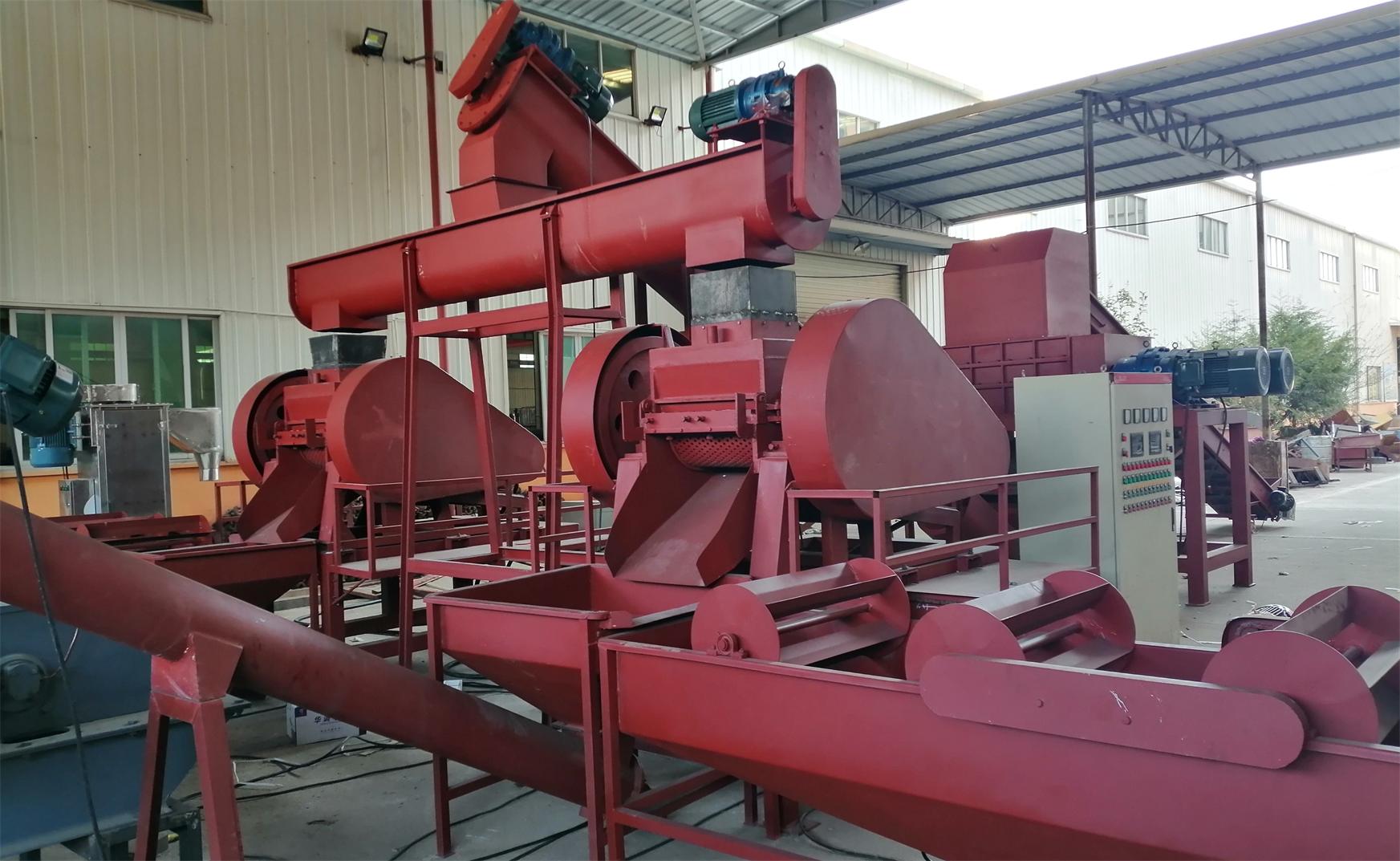
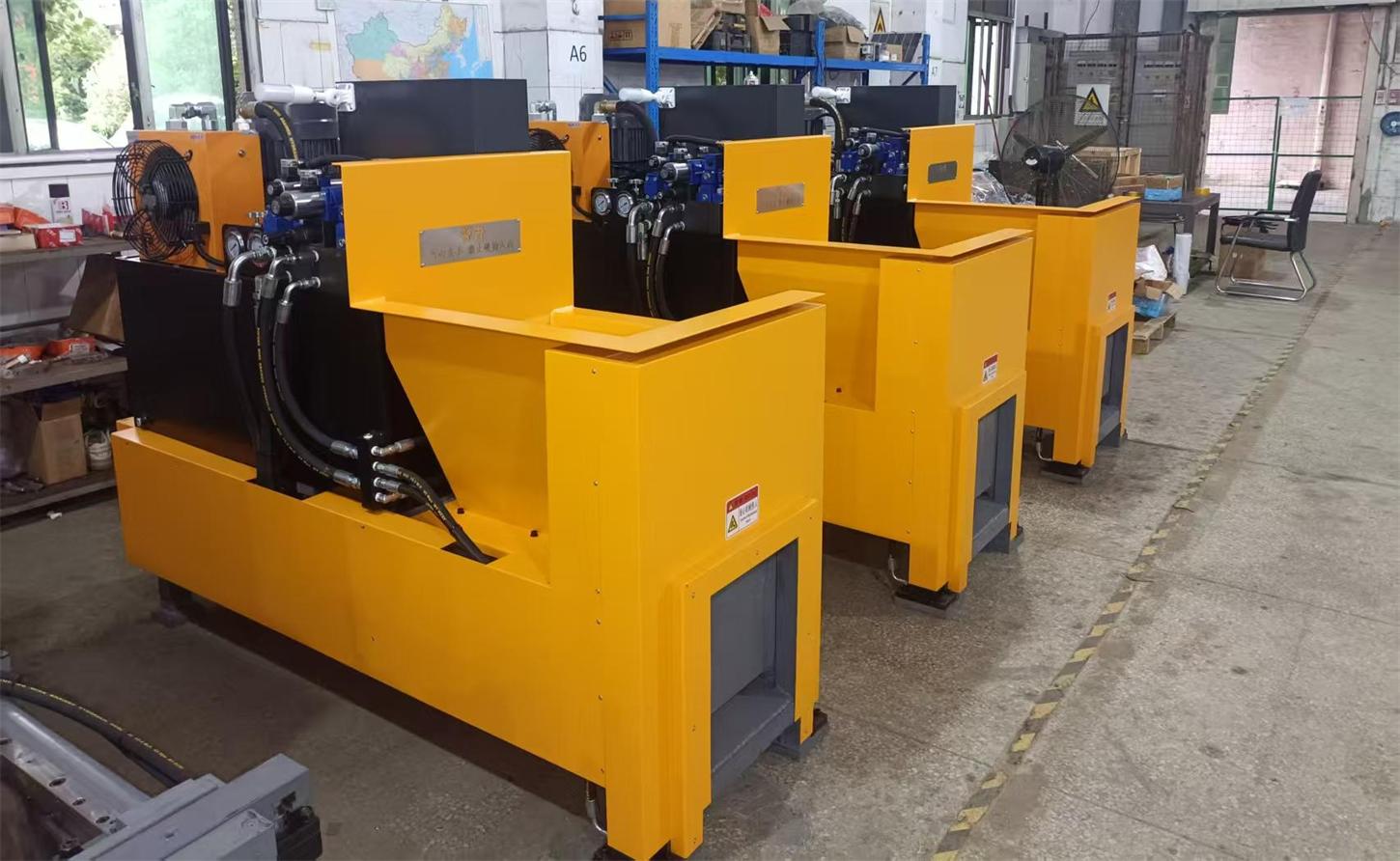
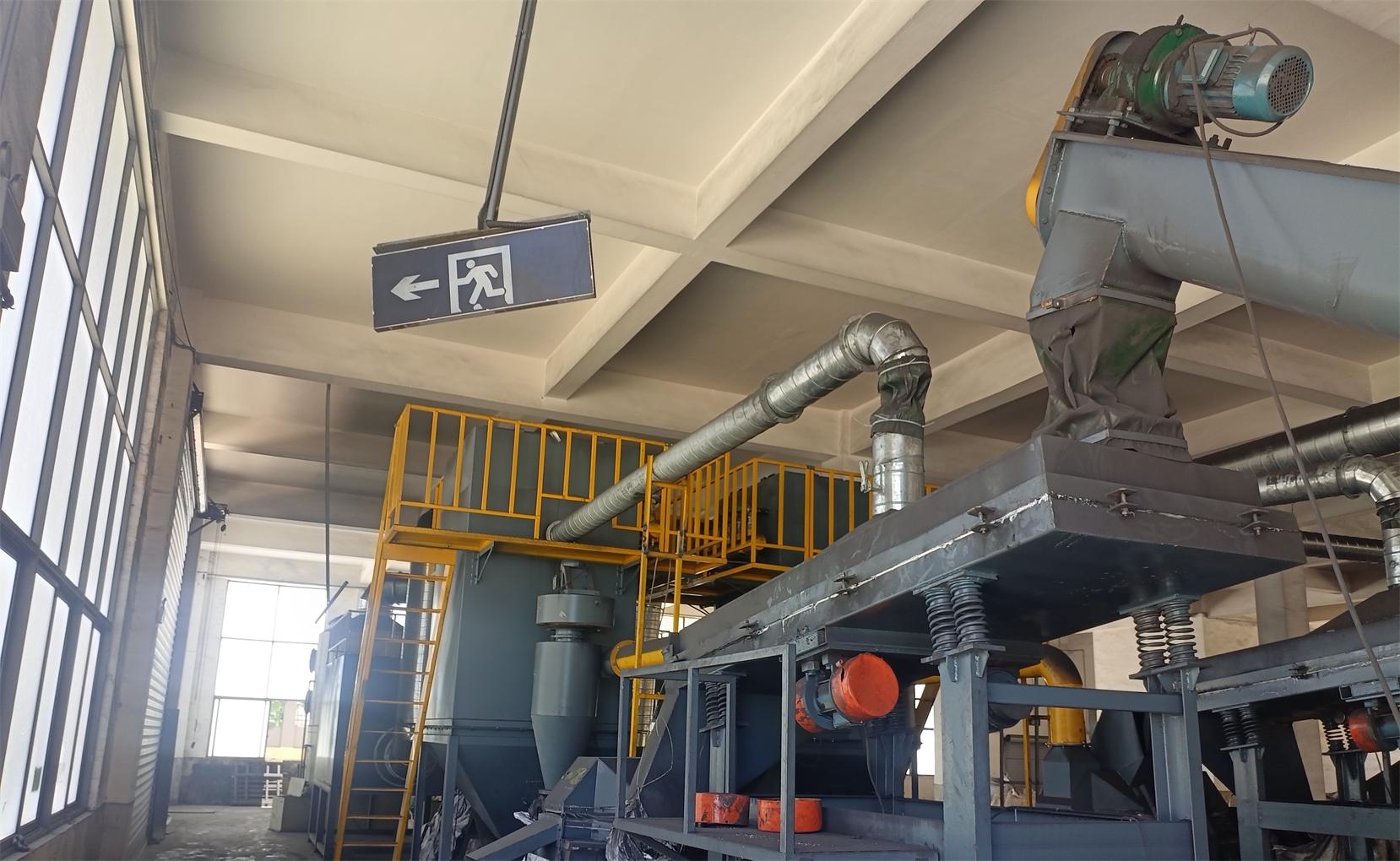
Advanced Tip: Know Your Motor Recycling Machine
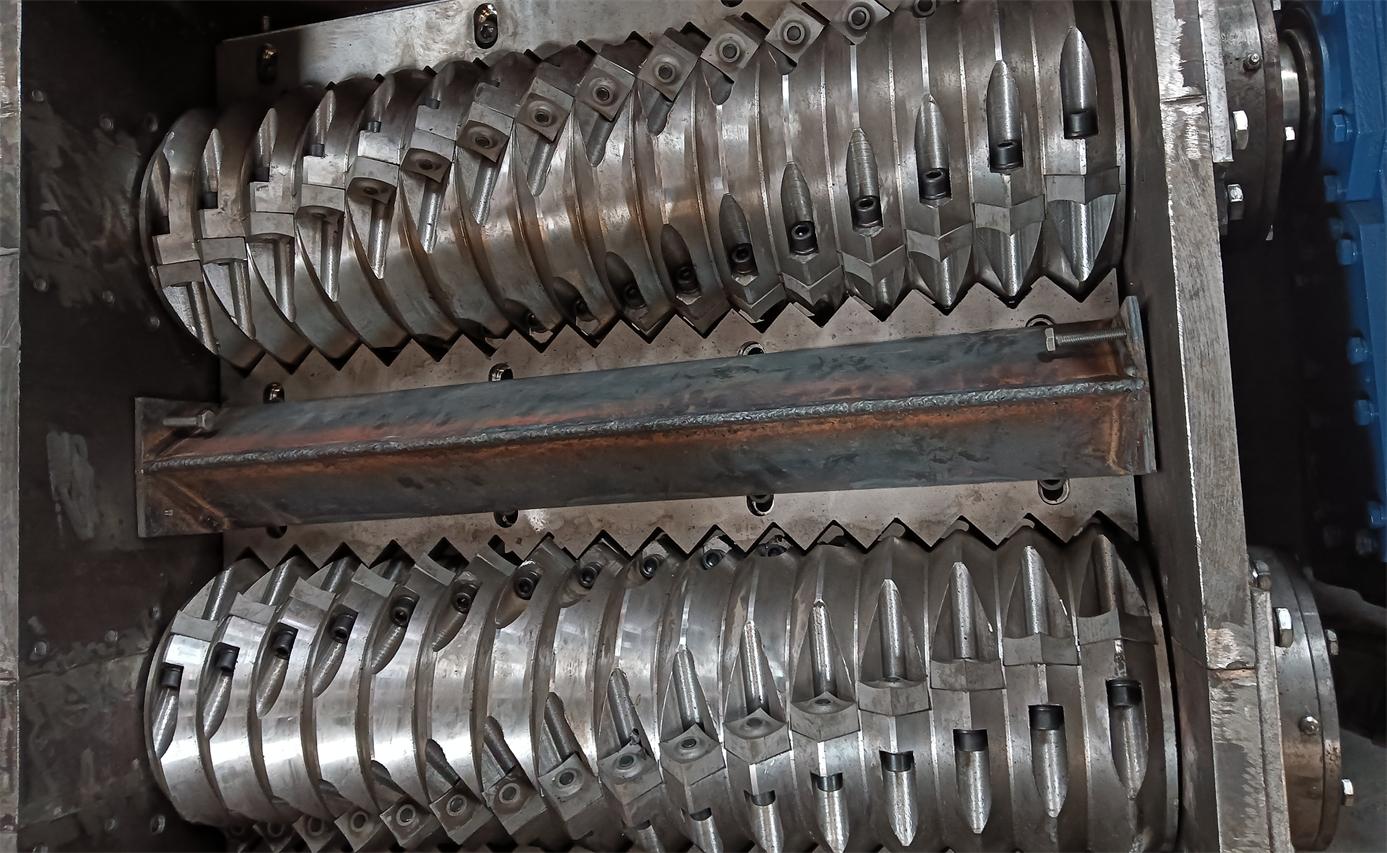
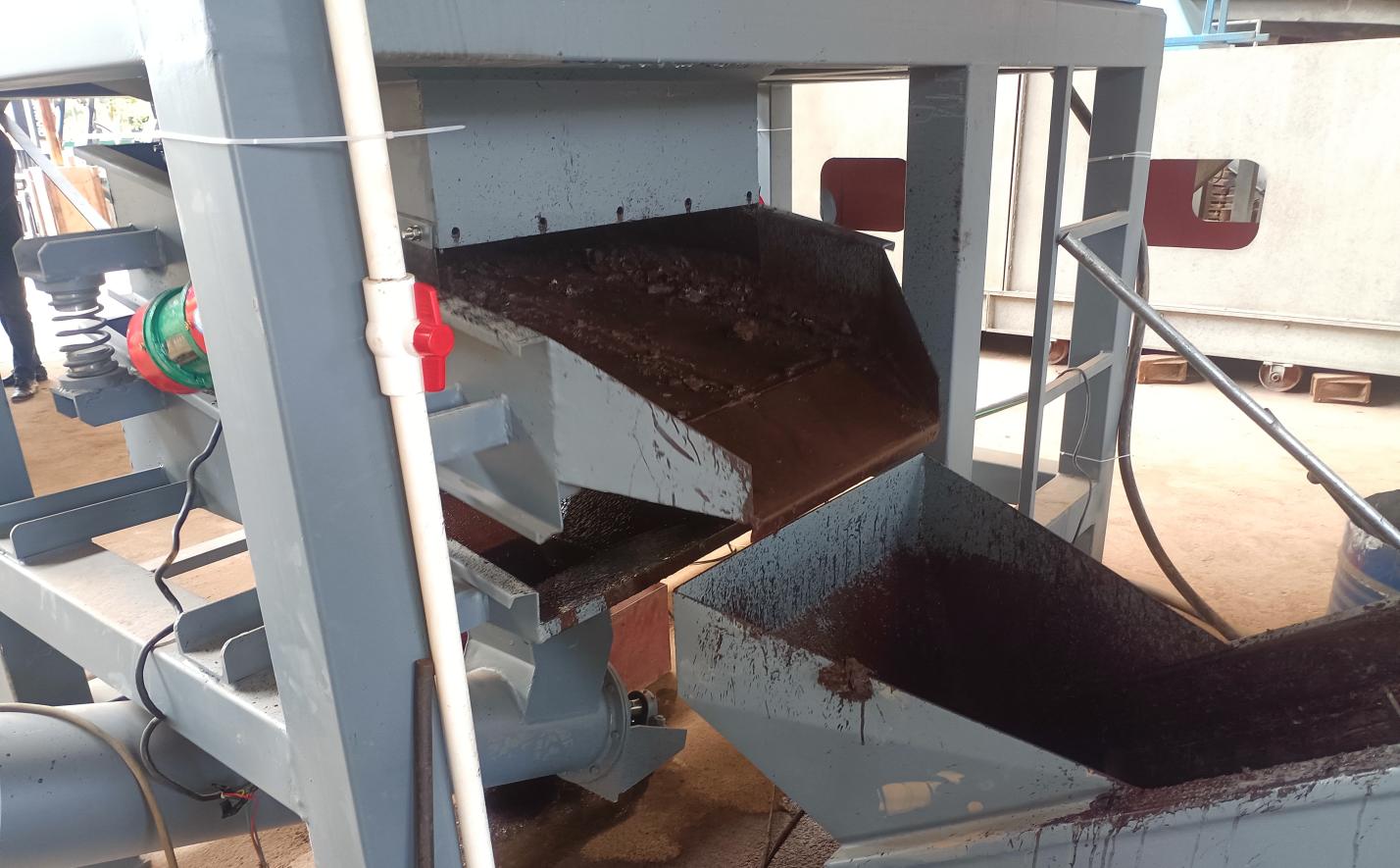
Professional recyclers use specialized equipment that makes disassembly faster and more efficient. While you don't need industrial tools at home, understanding these machines reveals smarter techniques:
- Motor Stator Cutting Systems make removing windings nearly effortless with hydraulic precision
- Demagnetization Chambers neutralize stubborn magnetic fields before disassembly
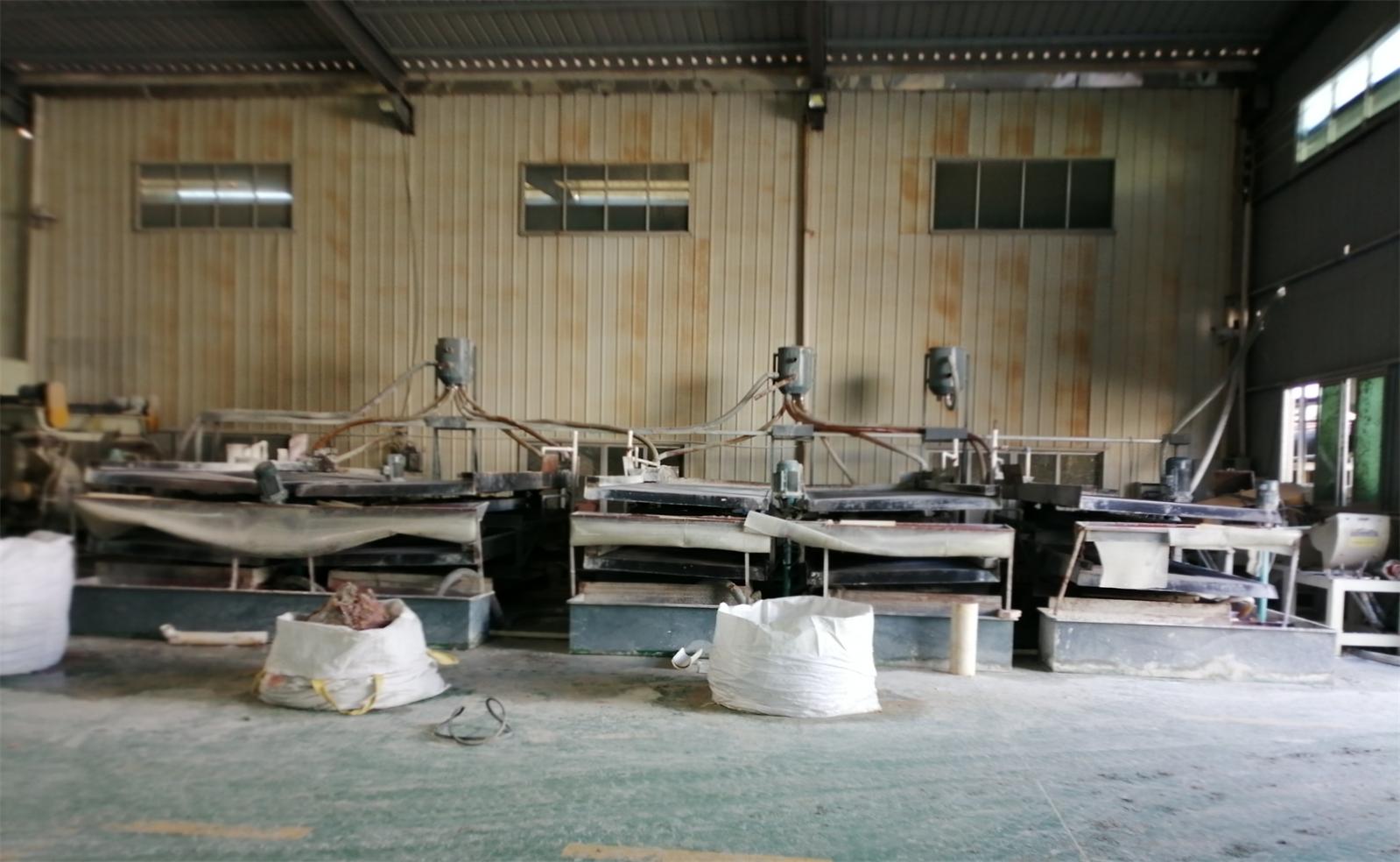
- Centrifugal Separation Tanks split metal mixtures using water and physics
Even without pro tools, you can adapt these principles: use water baths to float aluminum bits away from steel parts, or create DIY demagnetizing tools using old speaker magnets!
Maximizing Your Motor Recycling Payday
Here's where scrappers turn into smart entrepreneurs:
Know the Market
Copper prices change weekly. Track them with resources like iScrap App's market updates. Insider tip: Yard prices usually lag behind COMEX by 2-3 days - time your runs when markets climb!
Play the Long Game
Some seasons offer better pricing. Many scrappers store cleaned copper until late winter when manufacturing ramps up and demand peaks.
Relationship Recycling
Find a yard you trust and stick with them. Reputable yards offer loyalty programs - my local spot gives regulars up to 7% better pricing!
⚠️ Dirty Little Secret: Some yards short-weight new scrappers. Always verify their scales with a known weight (like a gym plate) before selling!
The Future of Motor Recycling
Change is accelerating in our industry:
- New magnet technologies using rare earth elements require advanced separation techniques
- AI-powered sorting systems can identify motor types before shredding
- Urban mining initiatives turn cities into resource reservoirs
- Decentralized micro-recycling hubs are popping up in neighborhoods
Ultimately, every motor recycled contributes to a circular economy where waste becomes resource. The coffee grinder motor you recycled today might power an electric scooter next year!
Final Thoughts
Recycling motors blends old-school hands-on skills with cutting-edge environmental science. Whether you're doing it for extra cash or to shrink your ecological footprint, remember: each motor contains a story of resources recovered and pollution prevented. That satisfying clink of copper hitting your collection bucket? That's the sound of a smarter, cleaner world being built.
️ My parting advice? Start small with household motors, master your techniques, then scale up. Before you know it, you'll spot recycling opportunities everywhere - and your wallet and planet will both thank you!