Picture this: every year, enough copper wire is thrown away globally to circle the Earth multiple times. Yet this "trash" contains pure profit potential waiting to be unlocked. If you're dreaming about building a business that makes both financial and environmental sense in 2025, copper wire recycling might just be your golden ticket. Forget dry, technical manuals – let's talk real-world strategy for turning discarded cables into cold, hard cash.
Why Copper Wire Recycling is a 2025 Goldmine
The numbers speak louder than any sales pitch. Copper prices have consistently outperformed most commodities over the past decade, creating a perfect storm for recyclers:
- Global copper shortages are projected to exceed 10 million tons by 2025
- Recycled copper requires 85% less energy than mining new copper
- Construction and electronics industries pay premium prices for quality recycled copper
I've watched newcomers enter this space and transform pickup trucks into fleets within two years. The secret? Smart execution – not flashy equipment.
Your Step-by-Step Launch Blueprint
1. Market Research That Actually Works
Forget generic surveys. Get your boots dirty:
- Chat with local electricians about their scrap disposal headaches
- Visit construction sites to see what wires end up in dumpsters
- Track copper prices like a day trader using LME and COMEX apps
Real Talk: When Sarah started her Detroit operation, she discovered local auto plants were paying disposal fees for wiring harness scraps. By offering free pickup, she built instant inventory from what was literally being thrown away.
2. Equipment Choices That Won't Break the Bank
Here's where most beginners overspend. You need three essentials:
- Wire Stripper: Manual for precision, automatic for volume
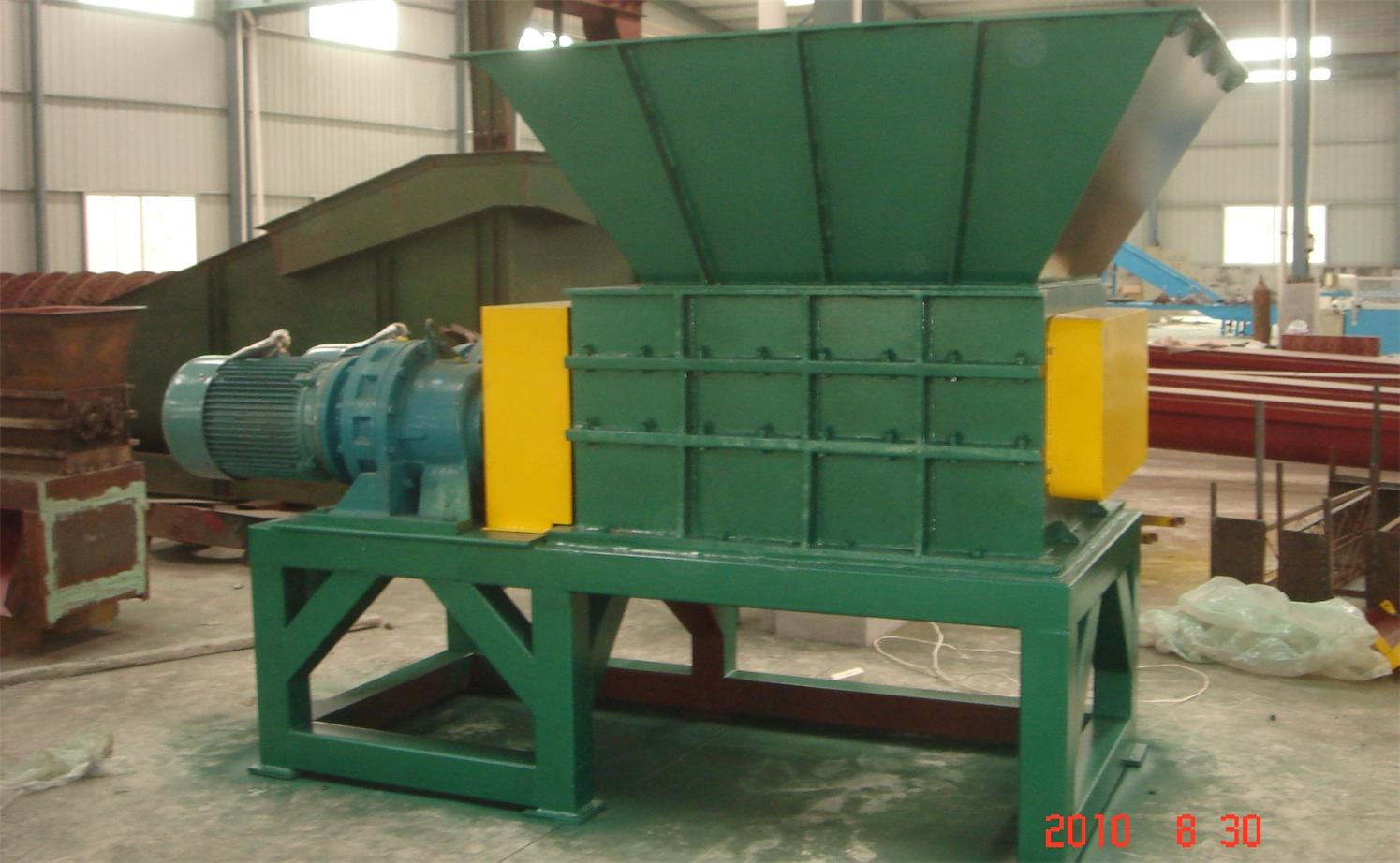
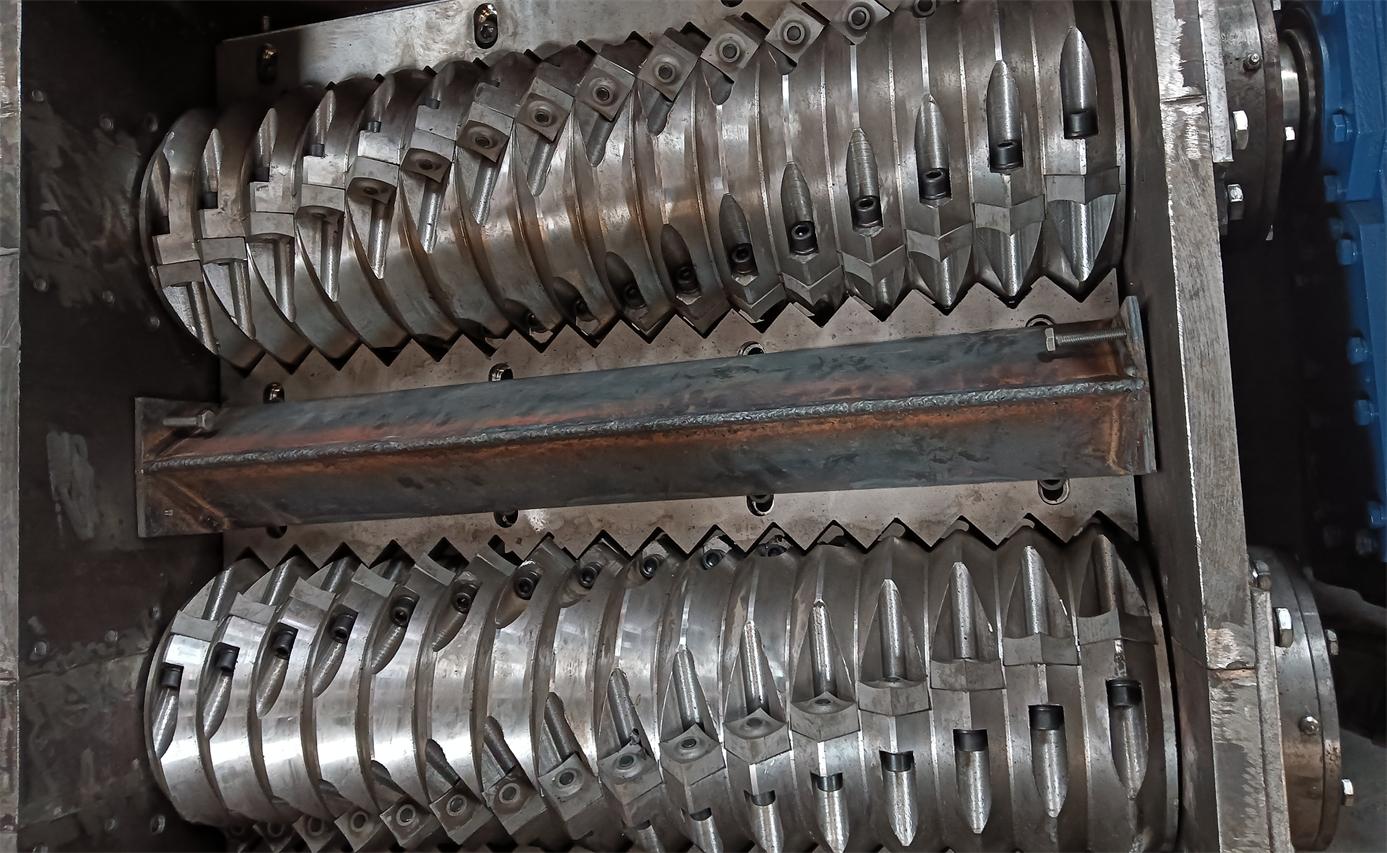
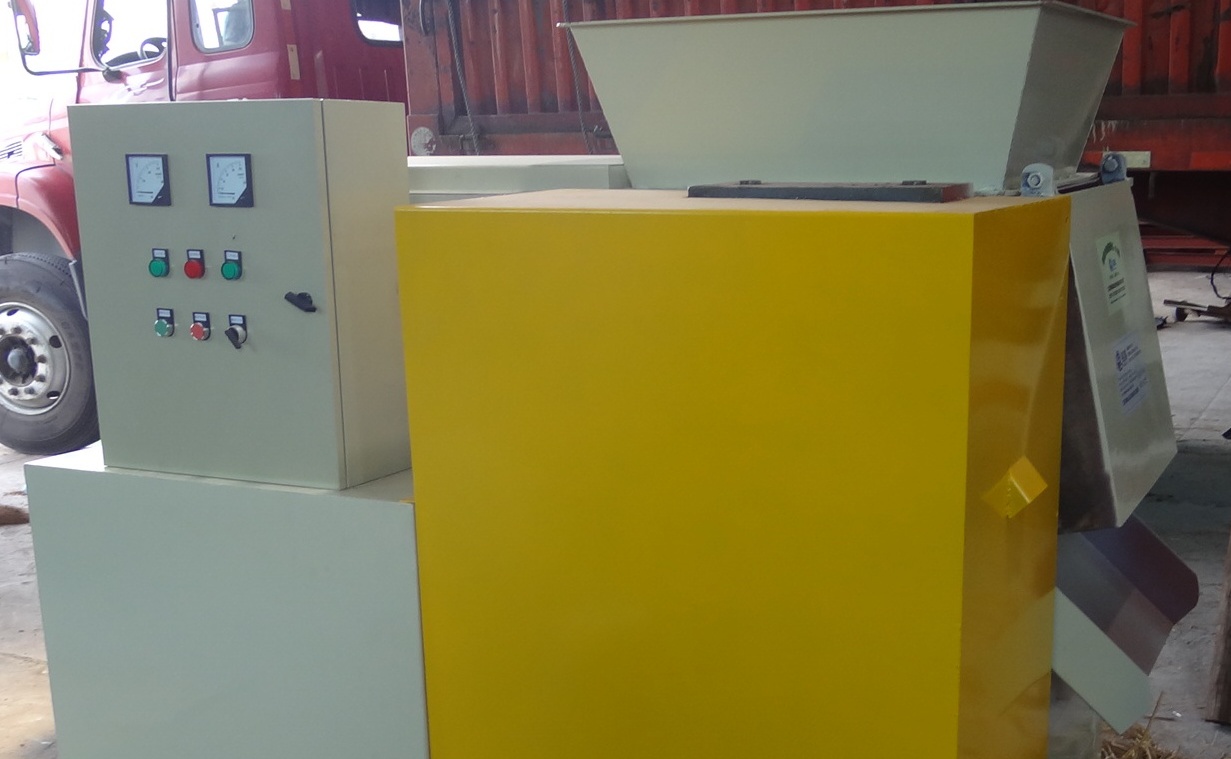
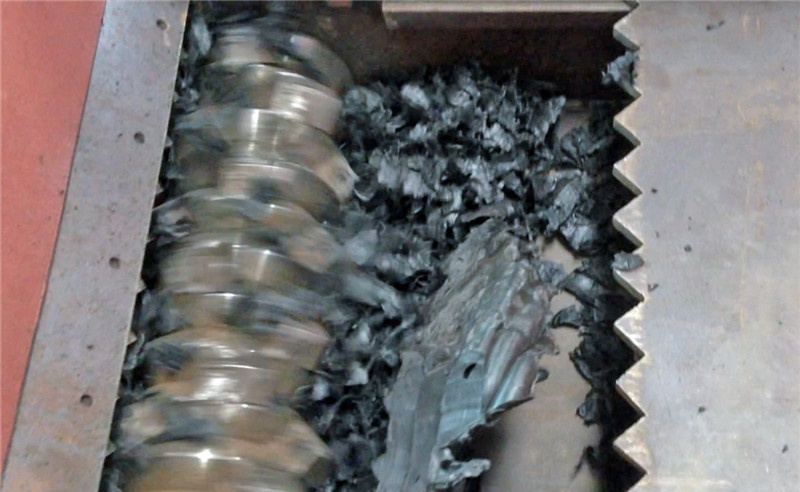
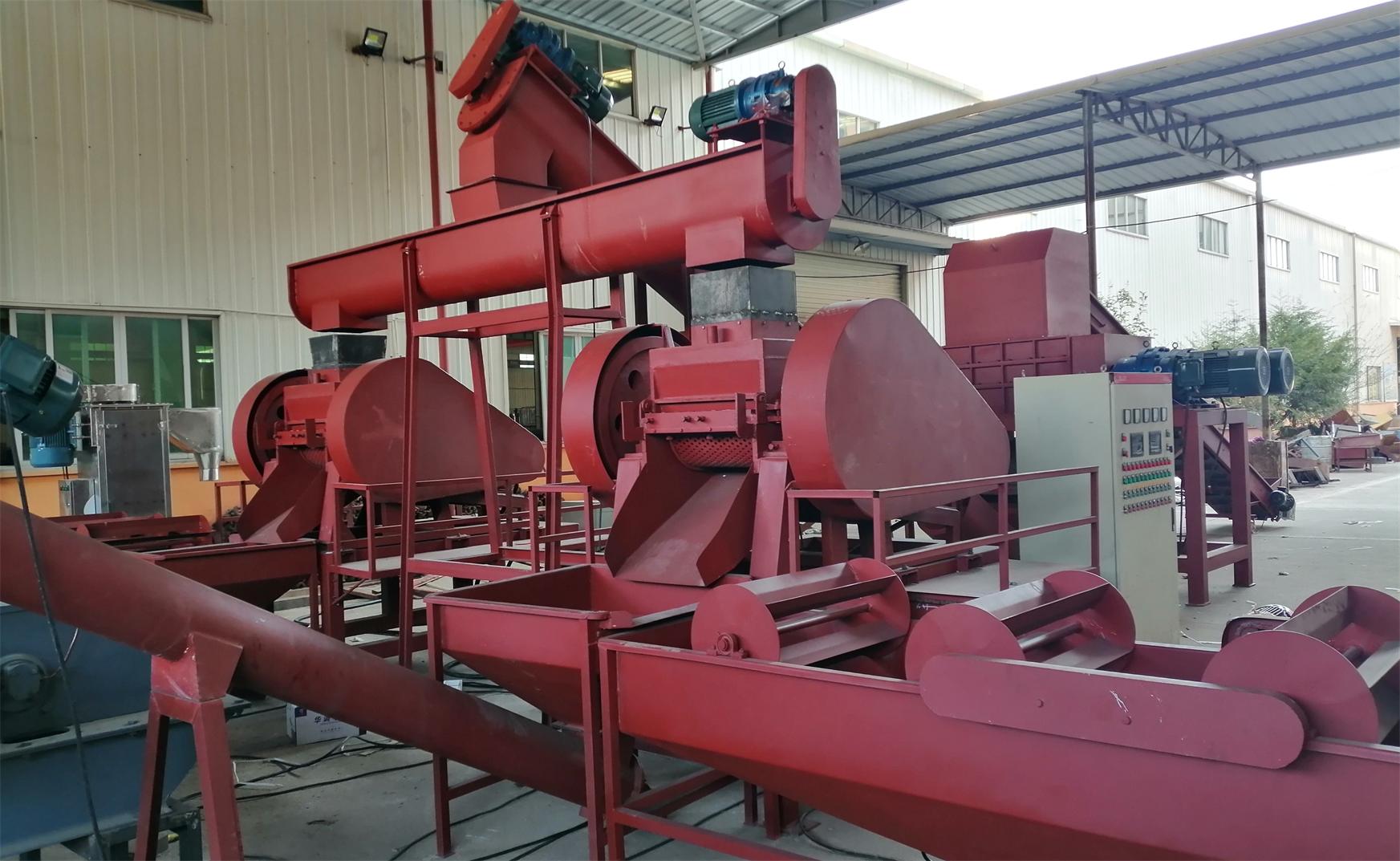
- Granulator: Converts wire into pure copper pellets
- Safety Gear: No negotiation – gloves, goggles, respirators
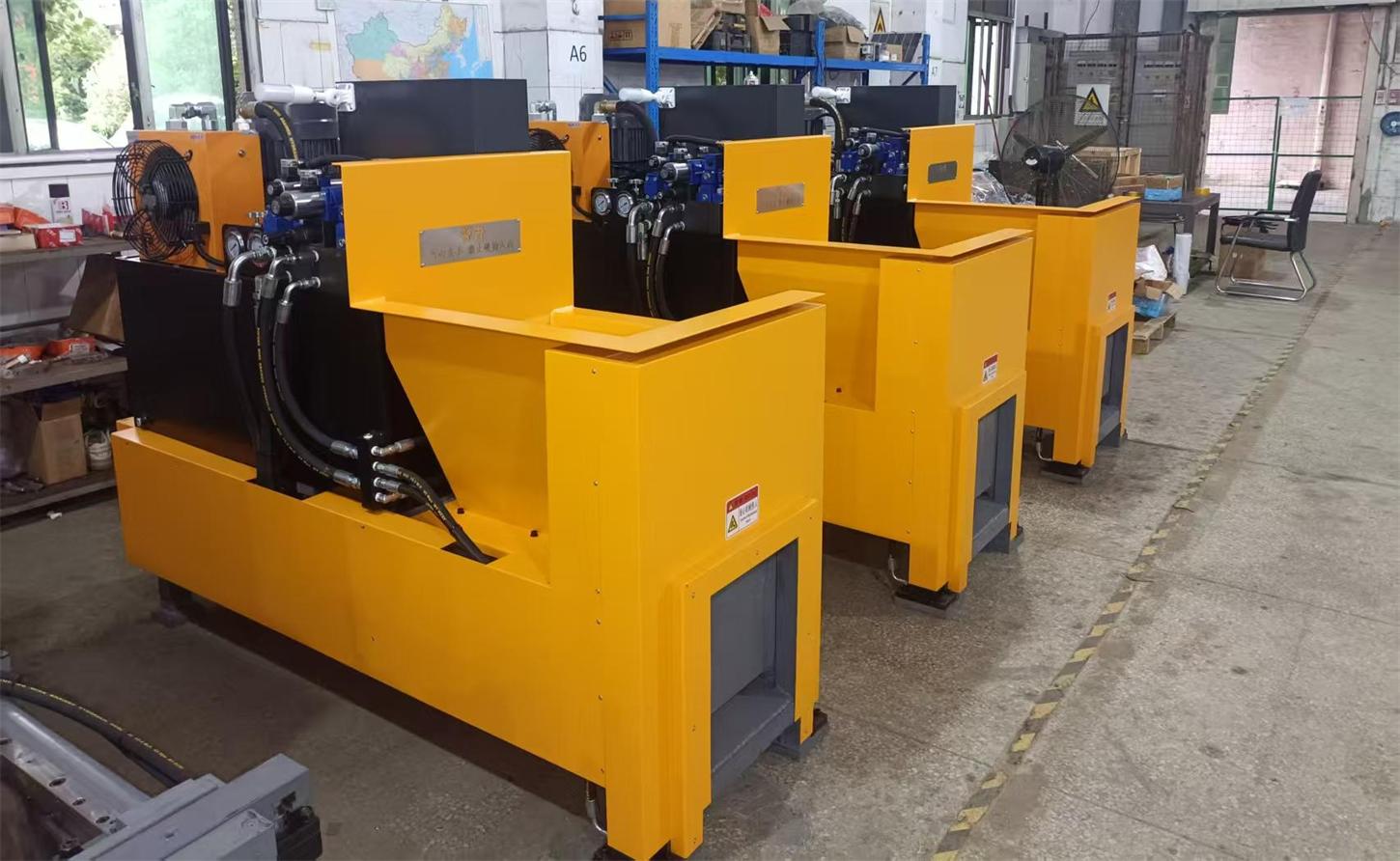
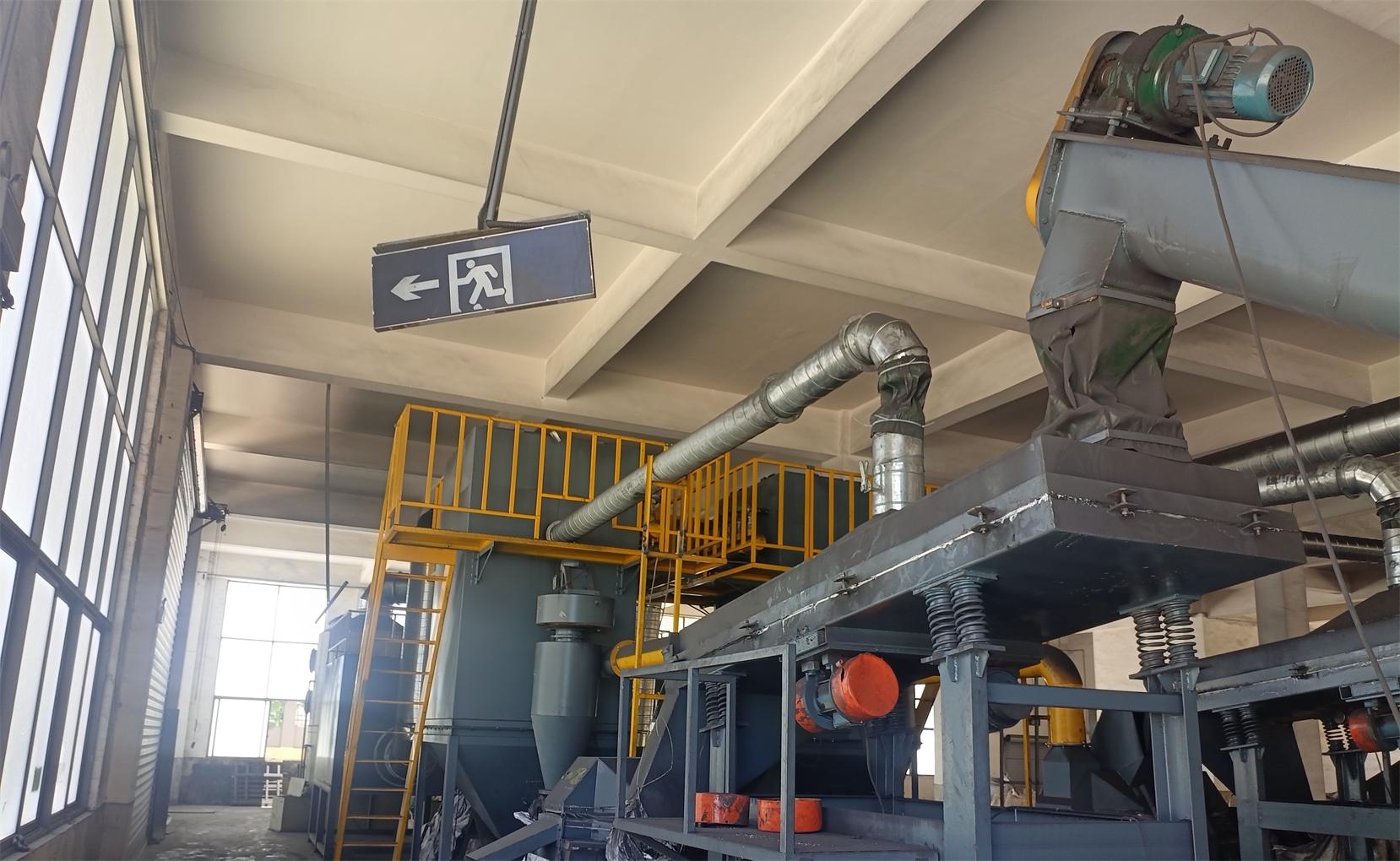
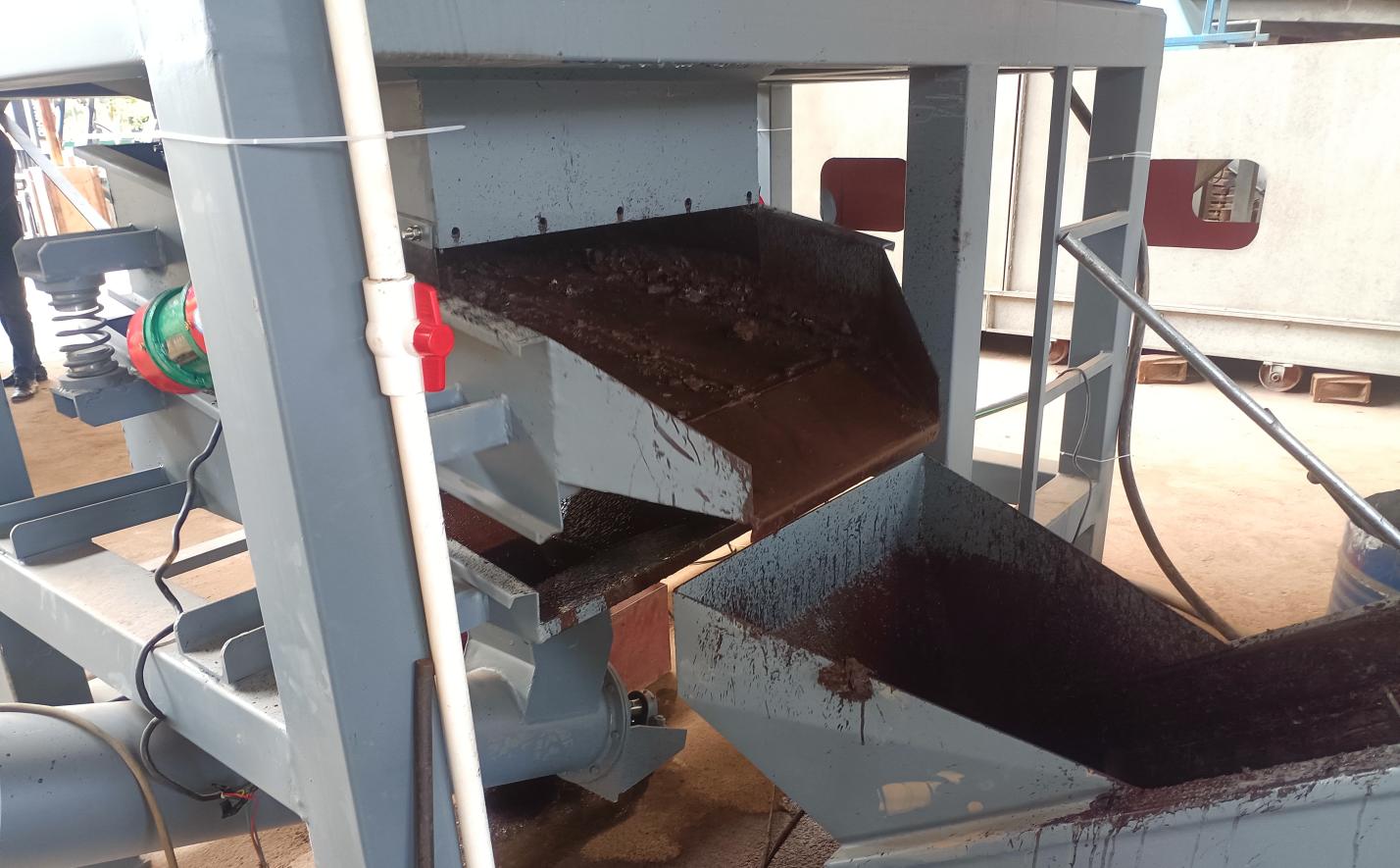
A quality copper granulator machine remains the backbone of any serious operation, turning messy cable tangles into sellable product. Forget the hype about full automation; start with semi-manual systems that teach you the craft.
3. Supply Chains That Don't Fail
The best equipment means nothing without raw materials. Build relationships that matter:
- Construction Supervisors: Offer 10% above market for clean sorted wire
- Renovation Crews: Place collection bins on job sites
- Scrapyards: Buy their unsorted wire bundles at discount
My first-year mistake? Chasing volume over quality. Better to get 100lbs of clean copper than 500lbs of dirty mixed scrap.
Cost Structure That Makes Sense
| Expense Category | Startup Cost | Monthly Cost |
|---|---|---|
| Equipment | $15,000-$25,000 | $300 (maintenance) |
| Facility | $3,000 (deposit) | $1,200-$2,000 |
| Inventory | $1,000-$5,000 | Variable |
The moment you see copper prices dip, stockpile inventory. When prices rebound (and they always do), your stored material becomes instant profit.
Legal Navigation Without the Headaches
Compliance is your armor against shutdowns:
- EPA ID Number: Non-negotiable for hazardous material handling
- Zoning Permits: Industrial zones only – residential is instant trouble
- Insurance: At minimum $1M liability plus worker's comp
Mistake I Made: Almost signed a lease without checking zoning. Saved by a $100 consultation with a land use attorney. Always budget for legal advice.
2025 Marketing Playbook
"Build it and they will come" went extinct with Blockbuster. Modern approaches that work:
- Geo-Targeted Facebook Ads: "We pay cash for wires" within 10 miles of industrial zones
- TikTok Demos: Show the magic transformation from scrap to shining copper pellets
- Text Alerts: Send price updates to contractors when copper spikes
My most profitable buyer came from a simple Craigslist post showing before/after photos of recycled wire. Never underestimate simple transparency.
Profit Calculation: Reality vs Hype
Sample transaction for 100lbs of insulated wire:
- Purchase price: $0.85/lb = $85
- Processing cost: $0.15/lb = $15
- Clean copper output: 70lbs
- Sale price: $3.60/lb = $252
- Profit: $252 - ($85 + $15) = $152
The real magic happens when you scale and optimize. One operator running two shifts can process over 3 tons weekly without major equipment upgrades.
Operational Challenges (And How to Beat Them)
After mentoring 27 startups, here are the real tripwires:
Quality Control
Buyers will downgrade you for:
- Traces of insulation in pellets
- Copper oxidation from improper storage
- Mixed copper grades
Solution: Invest in a basic spectrometer ($1,500). Pays for itself in one dispute avoidance.
Safety Shortcuts
Copper dust inhalation isn't a joke. I've seen respiratory citations that bankrupted promising operations.
- Mandatory mask policies with spares on hand
- Weekly tool maintenance rituals
- No loose clothing near rotating equipment
The 2025 Advantage: Emerging Tech
While traditional methods work, these innovations are game-changers:
- AI Sorting: Cameras that automatically identify wire grades on conveyors
- Blockchain Traceability: Prove ethical sourcing to premium buyers
- Mobile Processing Units: Serve remote job sites without transport costs
The winner in 2025 won't be the biggest operation, but the smartest recycler. Efficiency is your secret weapon against commodity swings.
Get Started Tomorrow Morning
Your action plan for Day One:
- Call three scrapyards for their bulk wire pricing
- Price out used stripping equipment on Craigslist
- Sketch your warehouse layout on a napkin
- Follow five industry hashtags on LinkedIn
Waiting for "perfect" is the enemy of profit. The market won't wait – copper prices can swing 10% in a single news cycle. Build relationships first, systems second, and scale third. When you stand in your warehouse smelling that distinctive copper scent, you'll know – this is how entrepreneurs build real wealth in 2025.