The practical guide to turning electronic trash into treasure
Picture your old phone – that outdated brick gathering dust in a drawer. Now picture thousands more like it, tossed daily into landfills. That's e-waste: our fastest-growing environmental challenge that happens to be packed with $60 billion worth of reusable metals. And here's the best part: you can build a thriving business around solving this problem without needing tech giant funding.
I've helped dozens of entrepreneurs launch successful e-waste operations, many starting with less than $5,000. This guide strips away the complexity and gives you a genuine roadmap – complete with budget shortcuts, regulatory workarounds, and income-generating strategies that work in the real world.
Why E-Waste is Your Golden Opportunity
The Numbers Don't Lie
Globally, we generate enough e-waste annually to bury Manhattan 15 feet deep. Yet less than 20% gets recycled properly. What's buried in that waste? Pure business opportunity:
- 1 ton of smartphones = 300x more gold than gold ore (USGS data)
- Circuit boards contain up to 40% recoverable copper
- Rare earth minerals in hard drives sell for $100+/kg
What truly excites me? This market doubles every decade. With technology becoming disposable and regulations tightening, your timing couldn't be better.
Bootstrapping Your E-Waste Empire: Phase 1 ($0-3,000 Startup)
The Garage Model: Start Small, Scale Smart
Forget giant facilities. My most successful student started by converting half his garage and banked $8,000 in month three. Here's how to replicate this:
Essential Low-Cost Equipment:
- Basic disassembly toolkit: $120 (specialized screwdrivers, pry tools, ESD-safe mats)
- Magnetic separator: $350 (for ferrous metals)
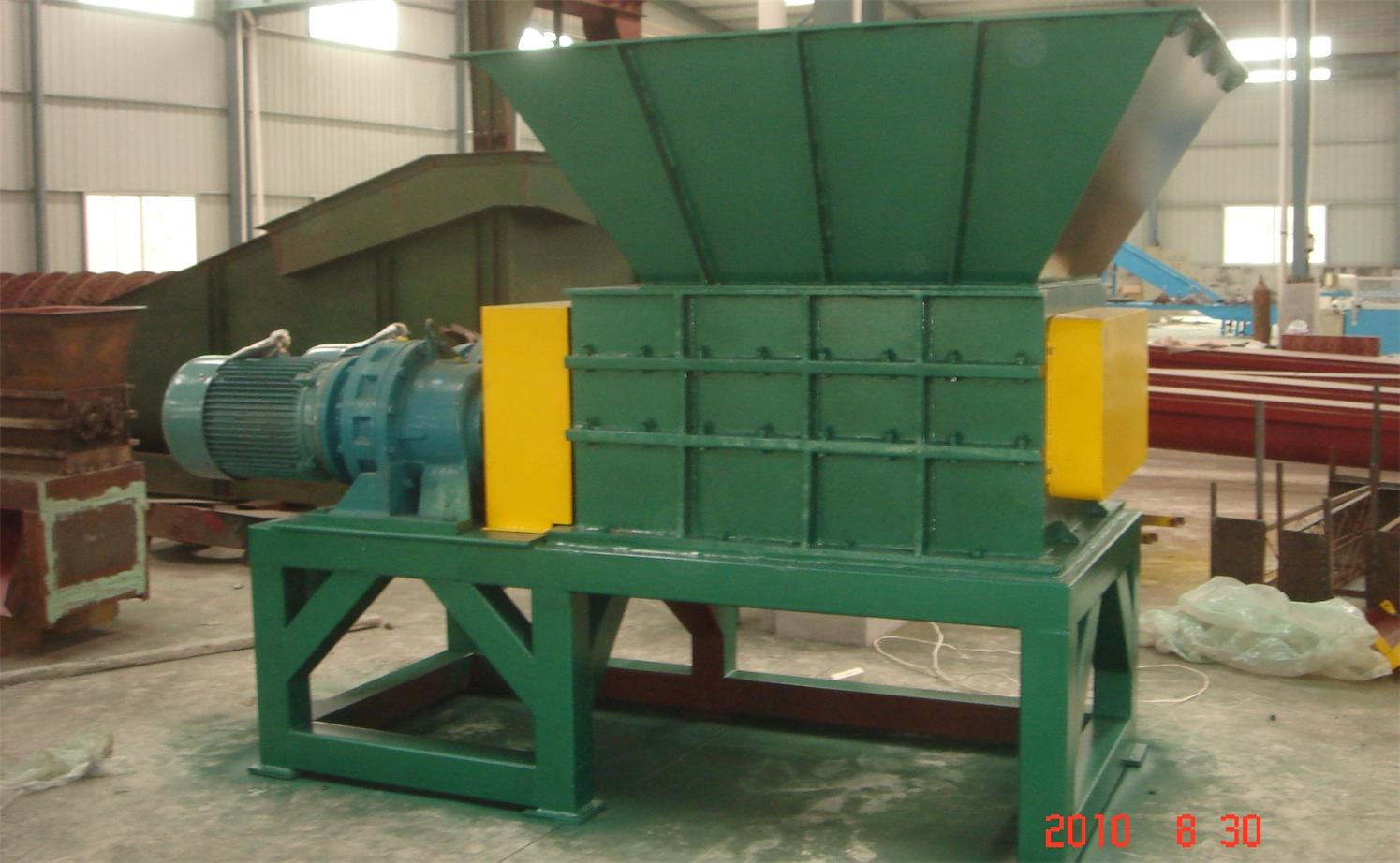
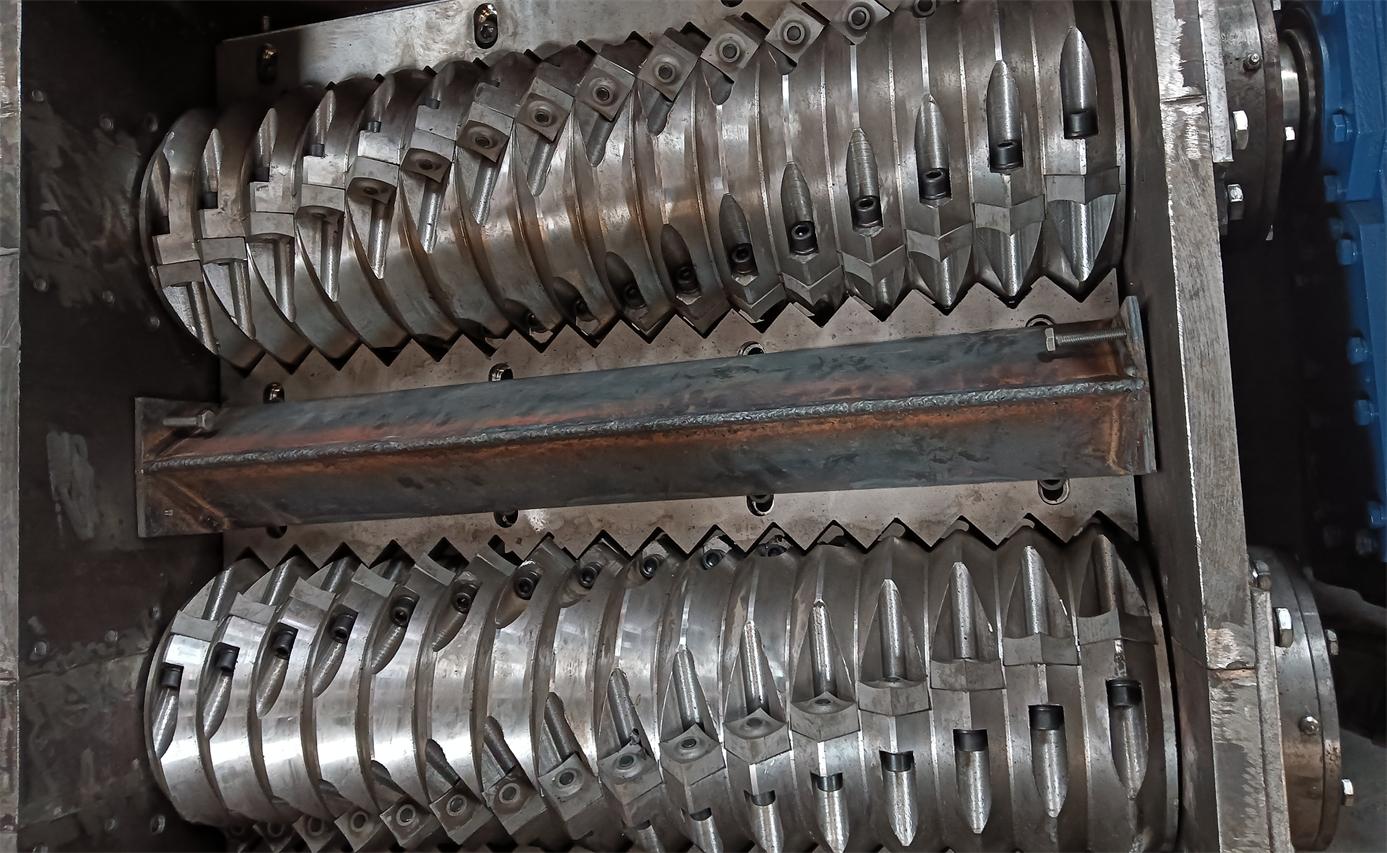
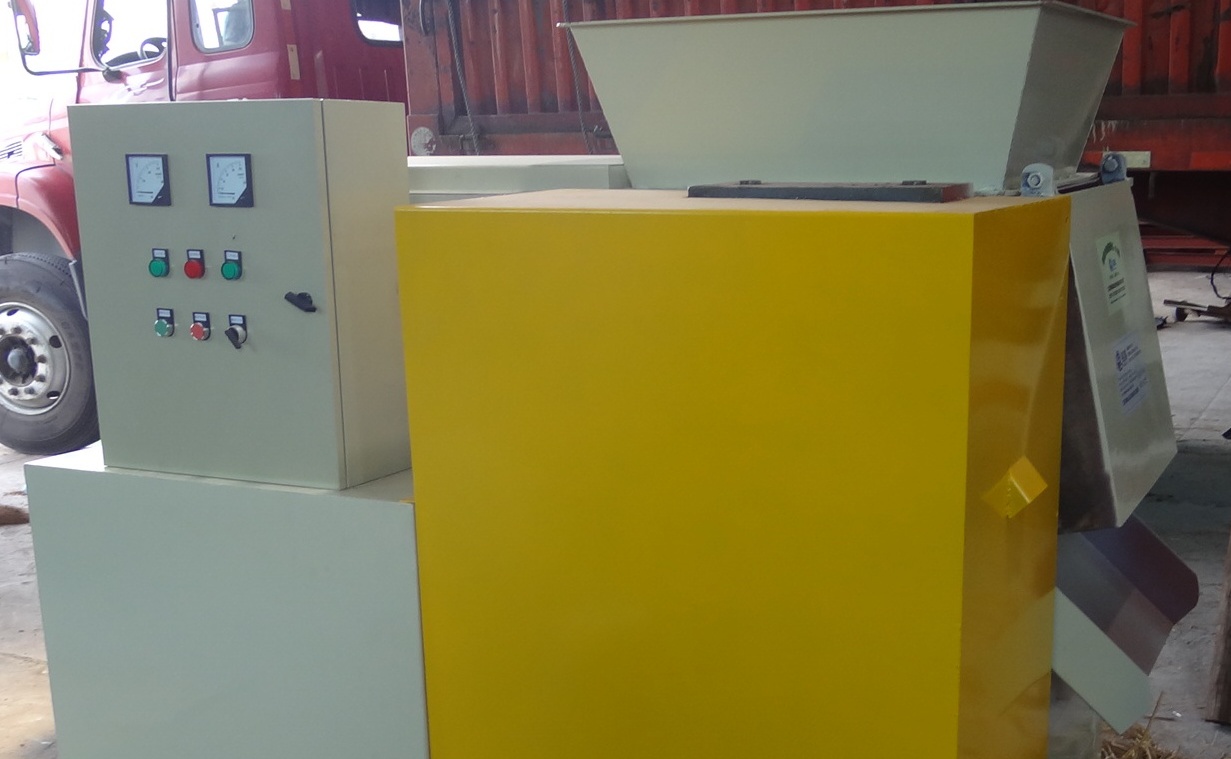
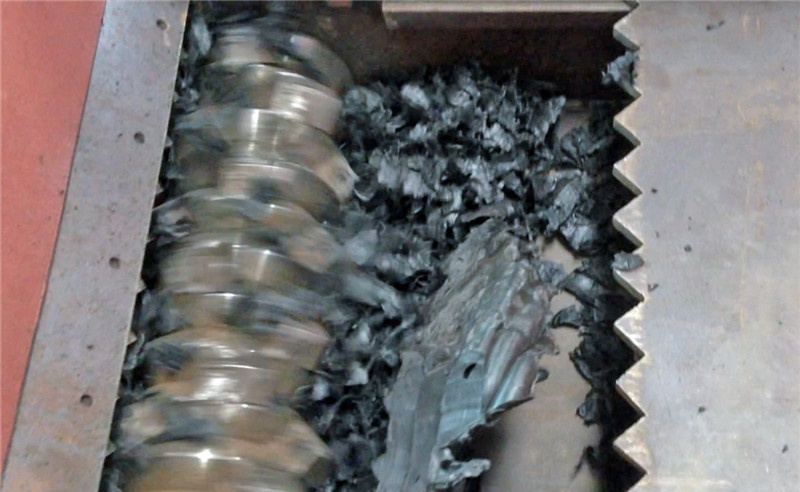
- Bench-top shredder: $600-900
- Safety gear: $200 (respirators, gloves, goggles)
- Used pickup truck: $1,500 (for collection)
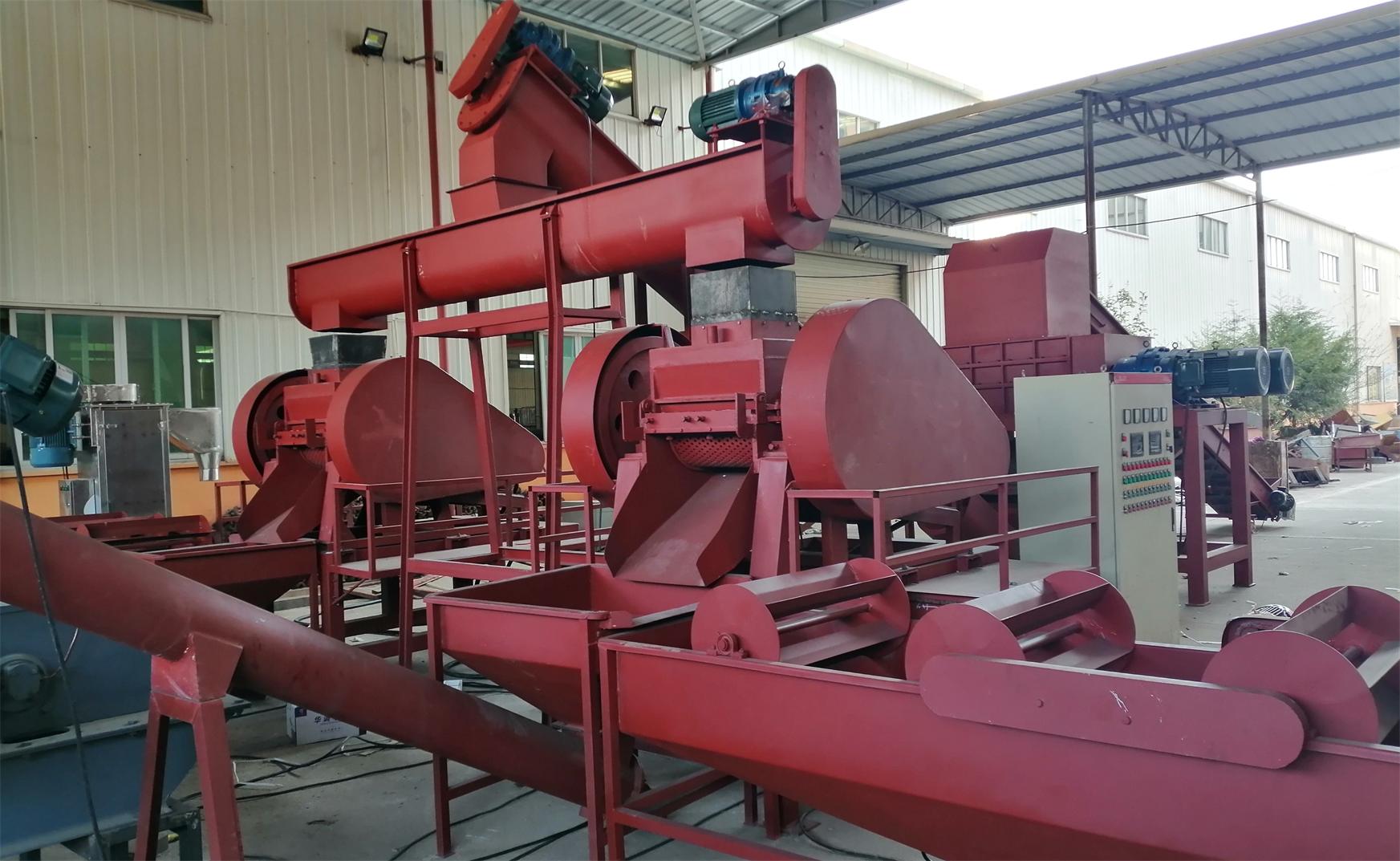
- Copper cable recycling machine: $1,200-2,000 (The workhorse that pays for itself quickly)
Pro Tip: Buy refurbished equipment from government auctions. I've seen industrial separators sell for 80% below retail.
Zero-Cost Acquisition Channels
Why pay for waste? Smart sourcing is your profit multiplier:
- Apartment Complex Partnerships: Offer free monthly e-waste events in exchange for promotion
- School "Eco Challenges": Students compete to collect most e-waste (you provide bins)
- Small Business Takebacks: Become their official recycling partner for obsolete tech
Jason in Milwaukee collects 1,200 lbs/month just from three dentist offices on his route. At $0.20/lb profit, that's $240/month recurring with zero marketing spend.
Legal Navigation Without the Headache
Essential Permits Made Simple
I'll be straight with you – regulations scare away 70% of beginners. But the paperwork isn't as bad as they say:
| Requirement | Cost | DIY Solution |
|---|---|---|
| Business Registration | $0-150 | File as LLC online through state portal |
| Local Recycling Permit | Usually $0-300 | Typically approved within 30 days if you have secure storage |
| EPA ID Number | FREE | Online RCRAInfo registration (required for hazardous handling) |
| State Environmental Approval | $0-400 | Varies by state - check DEP website |
Red Flag Warning: Never skip liability insurance! Basic $1M coverage costs $600-$1,200/year but saved Raj's business when battery acid damaged a collector's truck.
Profit Pathways: Turning Trash into Cash
The Real Money Isn't in Collection
Smart recyclers make money at multiple points:
Income Stream Breakdown:
- Component Resale (35% profit margin): RAM chips ($5-50/lb), screens ($10-80), working power supplies
- Bulk Commodities (15-25% margin): Clean aluminum ($0.90/lb), steel ($0.12/lb), copper wire ($3.20/lb)
- Corporate Services ($50-500/session): On-site data destruction with certificate
- Specialty Materials (50-80% margin): Gold from connectors, rare earth magnets from hard drives
Amanda in Ohio built her whole model around vintage electronics. She resells restored Apple IIs for $2,500+ while recycling non-salvageable parts.
Maximizing $100 Marketing Budgets
Growth Without Ad Spend
Forget billboards and radio ads. Your perfect customers are closer than you think:
Hyper-Targeted Tactics:
- Neighborhood Eco-Champions: Recruit community influencers to host collection parties (pay 15% commission)
- Facebook Tool Library Groups: Offer free "secure wipe" clinics
- Real Estate Agent Partnerships: Recycle electronics from home staging at closing
- Auto Repair Shops: Place branded collection bins for car electronics
Maria in Texas got 47 clients in one month by offering free shredding to business groups. That led to $7,500 in corporate contracts.
Scaling Up: Phase 2 Growth ($3,000-$10,000 Investment)
Value-Add Services That Double Profits
Once cash flow stabilizes, layer in high-margin upgrades:
- Refurbishment Workshop ($3k setup): Fix repairable devices for resale
- E-Waste Artisan Line: Upcycle materials into jewelry/decor
- Corporate Takeback Programs: Annual tech refresh recycling contracts
- Battery Processing: Add lead-acid and lithium handling capacity
The most successful operators I know earn 60% of profits from refurbished sales, not commodity recycling.
Operational Wisdom: Lessons from the Trenches
Safety First, Always
Cutting corners leads to disaster in this industry:
- CRT glass contains lead oxide - require P100 respirators
- Lithium batteries start chemical fires when punctured
- Mercury backlights require special handling
- Invest in covered steel waste bins ($120 each) for hazardous parts
Accounting That Prevents Nightmares
Track every gram with free tools:
- Material Tracker: Simple Google Sheets template for weight logs
- Receipt Scanners: Expensify free tier for equipment purchases
- Profit Calculator: Built-in formula in inventory spreadsheets
The Million-Dollar Question: How Soon to Profit?
Real-world numbers from my students:
| Timeline | Typical Output | Revenue Range |
|---|---|---|
| Month 1-3 | 2,000-5,000 lbs processed | $800-$2,500/month |
| Month 4-6 | Add 1 corporate client + refurb | $3,000-$6,000/month |
| Year 2 | Full processing + value-add services | $100,000+ annually |
The secret isn't massive volume - it's processing smarter. Focus on high-yield items (servers, telecom gear, medical devices) rather than household printers. I've seen focused operators hit $200/day working just 20 hours/week.
Your First Steps Tomorrow Morning
7-Day Launch Sequence
- Day 1: Map collection partners within 10 miles
- Day 2: File LLC papers online ($50 state fee)
- Day 3: Build Facebook Marketplace alerts for "broken electronics"
- Day 4: Order safety gear and basic tools
- Day 5: Create simple intake spreadsheet
- Day 6: Collect first 500 lbs using pickup truck
- Day 7: Sort, disassemble, and prep first shipment
Don't wait for perfection. Carlos in Miami started with two storage bins and a bicycle trailer. Eighteen months later, he employs seven people.
Final Truth: The e-waste industry thrives on consistency, not genius. Show up daily. Process methodically. Build relationships. The profit compounds faster than you imagine.