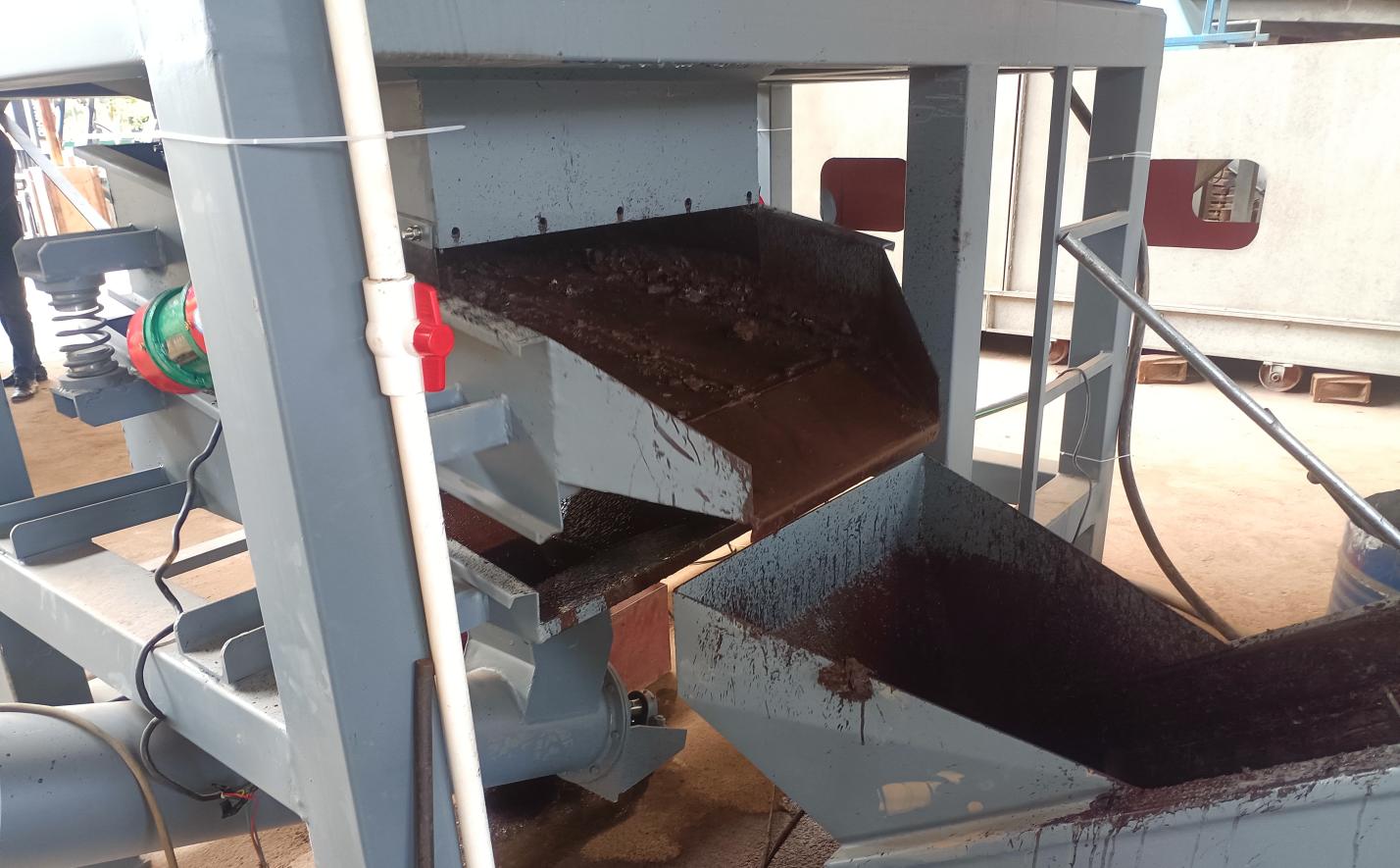
Introduction: The Stakes of Safe Lead Battery Cutter Operation
Lead-acid batteries power everything from cars to backup generators, but when they reach the end of their life, they become a ticking environmental time bomb—unless recycled properly. Each year, millions of these batteries are processed to recover lead, plastic, and acid, a critical step in reducing landfill waste and conserving finite resources. At the heart of this recycling process lies a piece of equipment that's both indispensable and potentially hazardous: the lead battery cutter. As part of the broader lead acid battery recycling equipment ecosystem, this machine slices through battery casings to separate components, but its sharp blades, hydraulic power, and proximity to toxic materials make it a site of high risk for untrained operators.
Training employees to use lead battery cutter equipment isn't just about checking a box on a safety checklist—it's about protecting lives, preventing costly accidents, and ensuring the recycling process itself remains efficient and compliant. A single mistake—like bypassing a safety guard or ignoring a worn blade—can lead to severe injuries, environmental contamination, or downtime that grinds operations to a halt. In this guide, we'll walk through a comprehensive training framework, from understanding the machine's mechanics to mastering emergency protocols, all while integrating key safety practices that keep your team and your facility secure.
Understanding the Machine: What Makes Lead Battery Cutters Unique
Before anyone steps near a lead battery cutter, they need to grasp what it does and how it fits into the larger recycling workflow. Unlike generic industrial cutters, these machines are engineered specifically for the rigors of lead-acid battery processing. They're designed to handle the weight and density of battery casings, often using hydraulic systems to deliver the force needed to slice through metal and plastic without shattering components. But this specialization also means they have unique safety considerations.
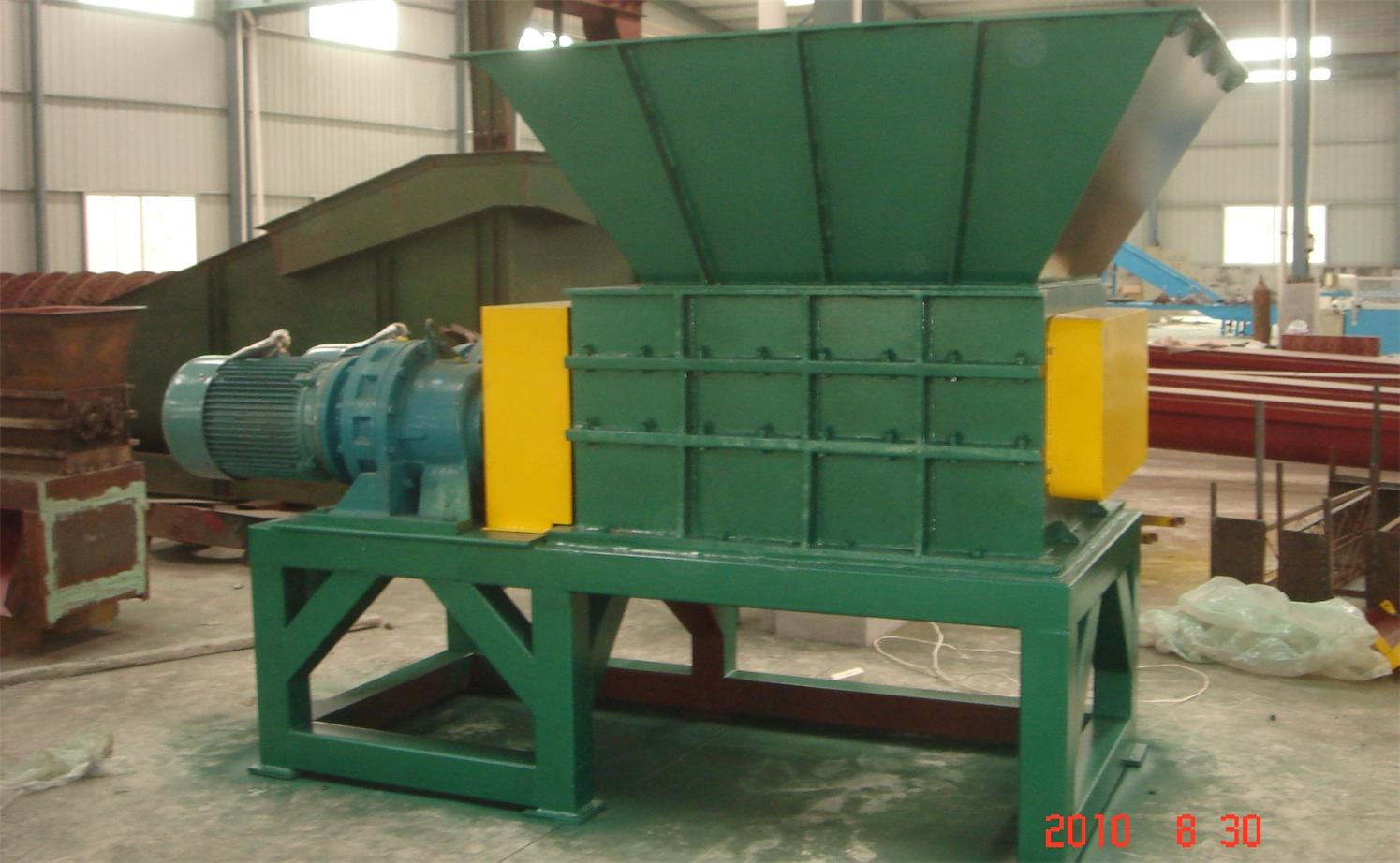
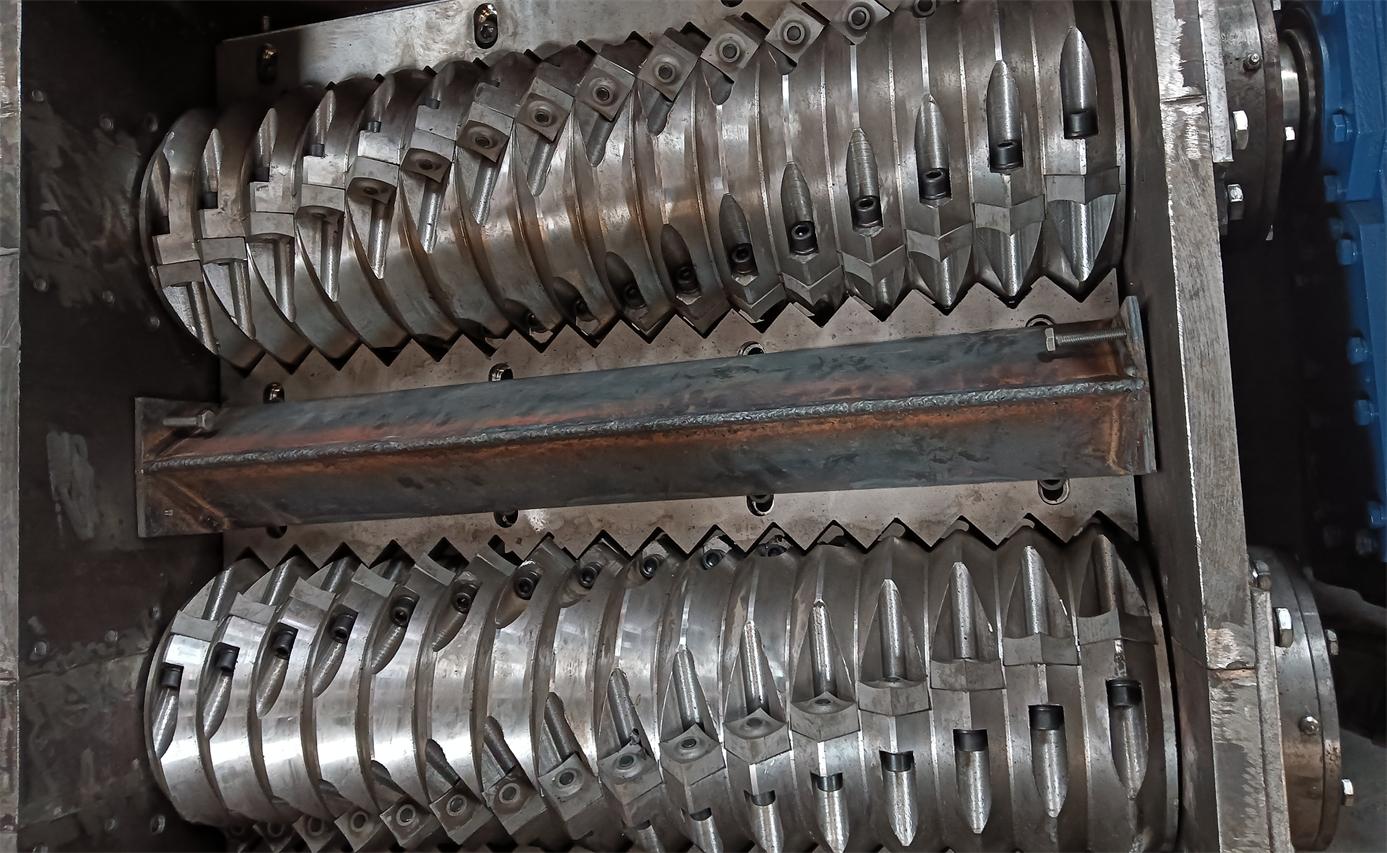
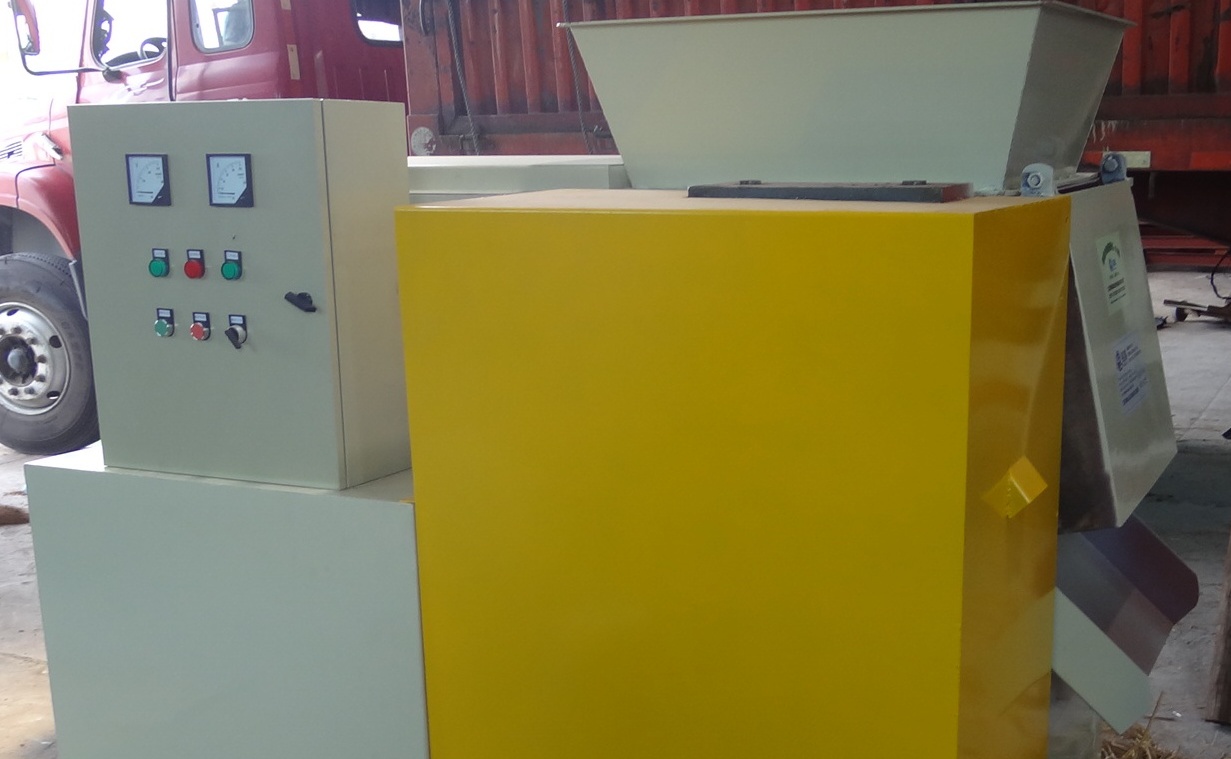
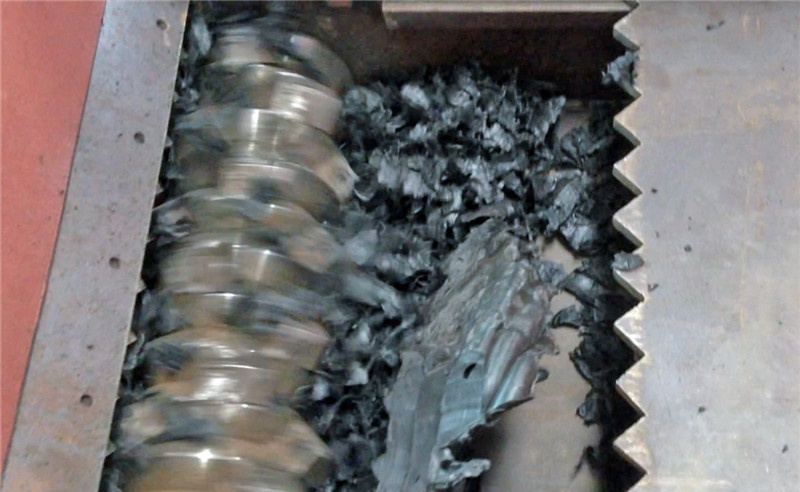
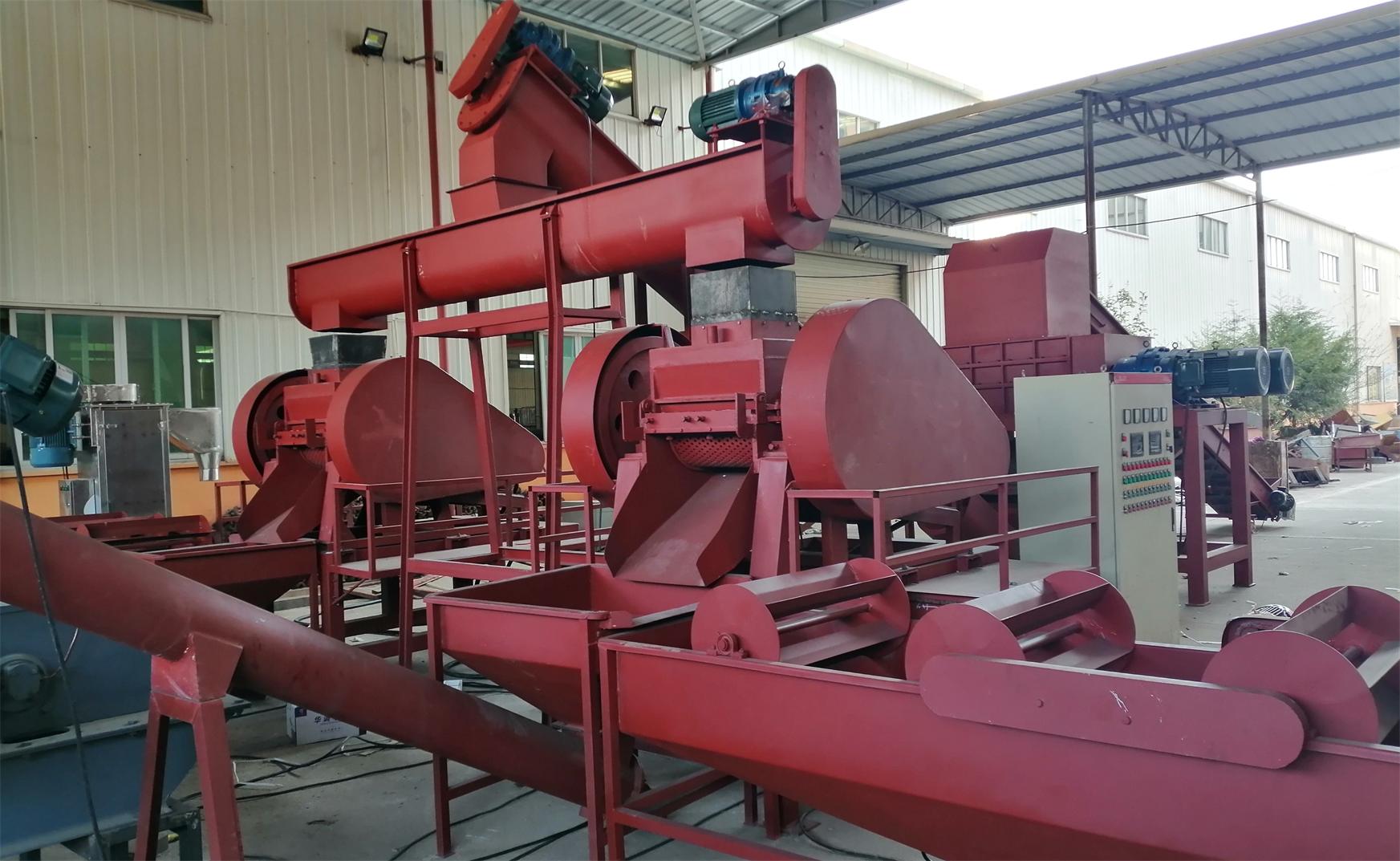
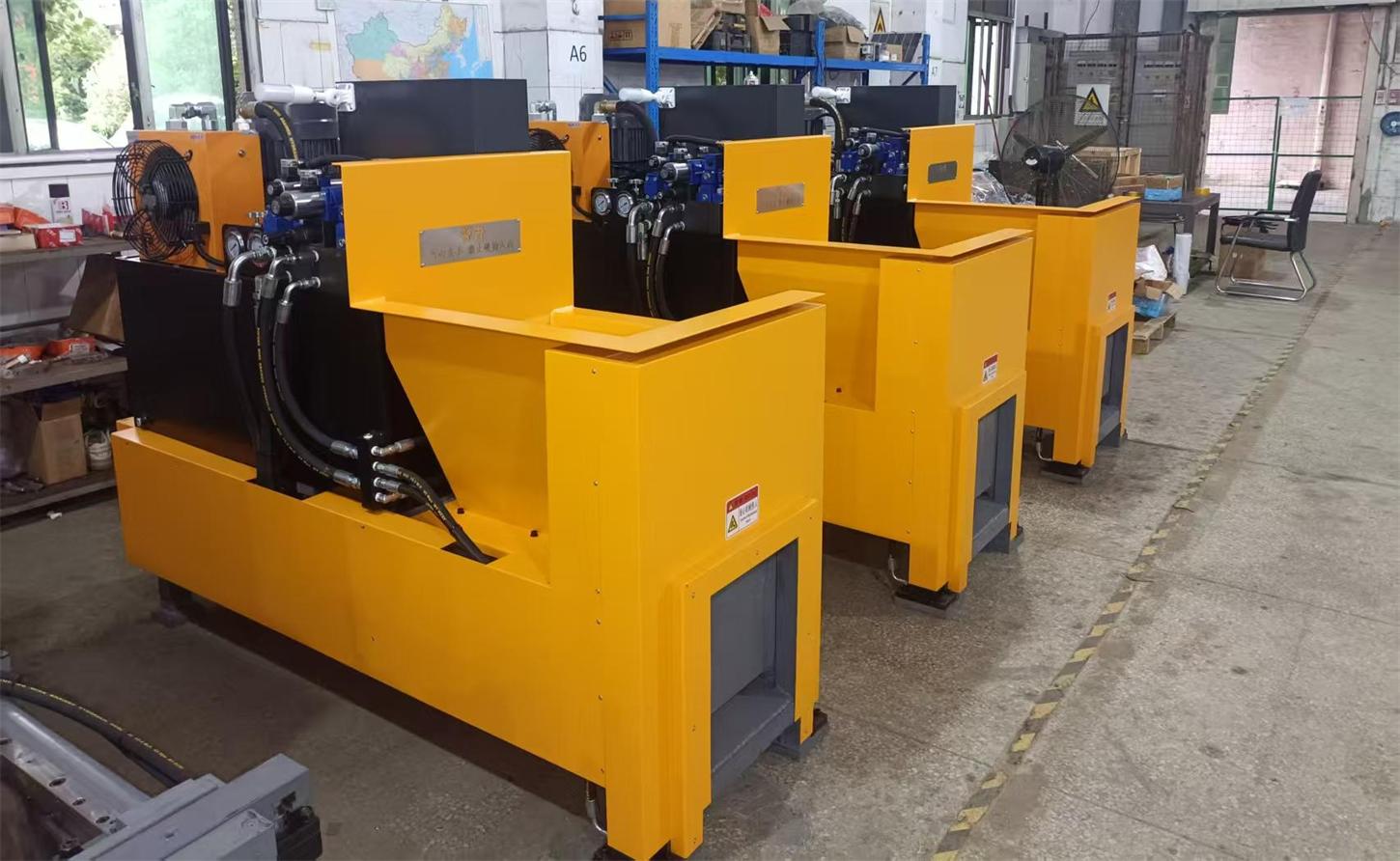
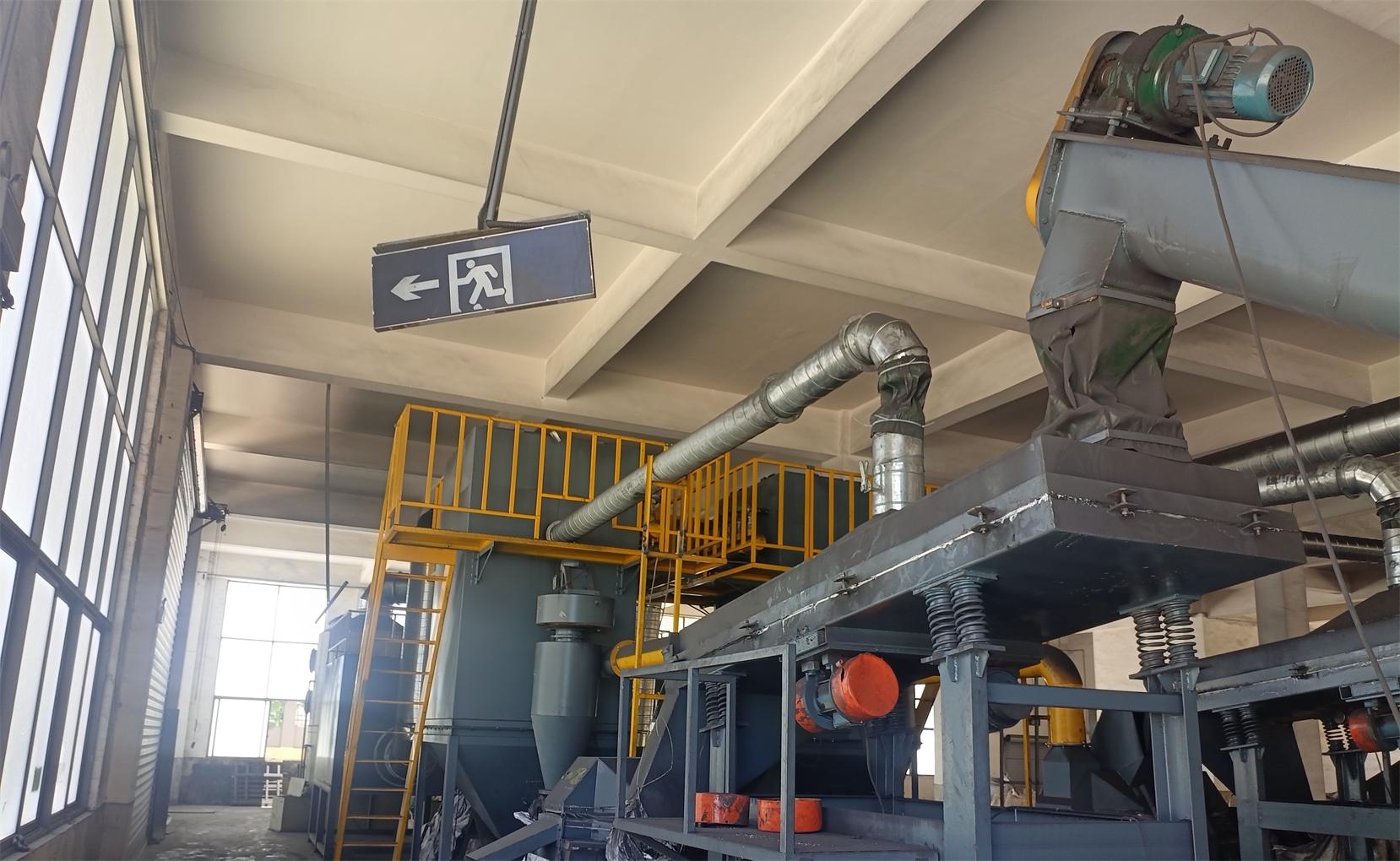
A typical lead battery cutter includes several key components: a reinforced cutting chamber with high-tensile steel blades, a hydraulic piston or motor to drive the cutting action, safety interlocks that halt operation if doors are open, and controls for adjusting cutting pressure and speed. Many are also integrated with auxiliary systems, such as conveyors that feed batteries into the cutter and air pollution control system equipment that vents toxic fumes (like lead dust or sulfuric acid mist) away from the operator. Understanding how these parts work together is the first step to operating the machine safely.
For example, the blades of a lead battery cutter aren't just sharp—they're precision-engineered to make clean cuts that minimize dust and debris. Dull blades, however, don't just slow down cutting; they increase the risk of jams, where a battery gets stuck mid-slice, forcing the operator to reach into the machine to clear it. Similarly, the hydraulic system, which powers the blade's movement, relies on pressurized fluid to function. A leak in a hydraulic hose could spray hot fluid or cause the blade to malfunction, turning a routine task into a hazard. By familiarizing operators with these components, you empower them to spot issues before they escalate.
Pre-Operation Safety: The Critical "Before You Start" Checklist
Imagine starting a car without checking the brakes—reckless, right? Operating a lead battery cutter without pre-operation checks is no different. This step isn't about being overly cautious; it's about eliminating preventable risks before they turn into emergencies. Here's a step-by-step breakdown of what operators should do every single time before powering up the machine:
1. Inspect the Machine for Wear and Damage
Begin with a visual and tactile inspection of the lead battery cutter equipment itself. Check the blades for chips, cracks, or dullness—if the edge looks rounded or nicked, replace them immediately. Examine hydraulic hoses and connections for leaks, bulges, or fraying; even a small drip can indicate a pressure issue that could fail under load. Inspect safety guards and interlocks: Are they securely fastened? Do the emergency stop buttons (both on the machine and the control panel) click when pressed? Test the door interlock by opening the cutting chamber door mid-startup— the machine should shut down instantly.
2. Verify Auxiliary Systems Are Functional
The cutter doesn't work in isolation. It relies on auxiliary equipment to keep the workspace safe. Check that the air pollution control system equipment —which may include fume hoods, filters, or scrubbers—is turned on and drawing air away from the cutting area. Lead dust and acid fumes are invisible threats; without proper ventilation, operators risk inhaling toxic particles that cause long-term health issues. Also, ensure that conveyors or feeding mechanisms are aligned correctly and free of debris, as misaligned parts can cause batteries to jam during loading.
3. Gear Up with Personal Protective Equipment (PPE)
PPE is the last line of defense against injury, and for lead battery cutter operators, it's non-negotiable. Before stepping up to the machine, operators must wear:
- Chemical-resistant gloves to protect against battery acid and lead residue
- Safety goggles or a face shield to shield eyes from flying debris
- A respirator rated for lead dust (check filters regularly for clogs)
- Steel-toed boots to guard against dropped batteries or equipment
- Flame-resistant clothing if the workspace is near heat sources (e.g., furnaces)
Enforce PPE compliance by conducting random checks and providing comfortable, well-fitting gear—if gloves are too tight or goggles fog up, operators will be tempted to remove them.
4. Clear the Workspace
A cluttered area is an accident waiting to happen. Ensure the space around the cutter is free of loose tools, spilled acid, or tripping hazards like extension cords. Verify that the air pollution control system equipment intake vents are unblocked—obstructions can reduce airflow, allowing fumes to accumulate. Finally, confirm that the emergency shutdown procedure is posted clearly nearby, with evacuation routes and contact information for supervisors or safety officers.
Step-by-Step Operational Training: How to Run the Cutter Safely
Once pre-operation checks are complete, it's time to power up the machine—but even here, there's a right and a wrong way to proceed. Rushing through the process or taking shortcuts is where most accidents occur. Below is a detailed, scripted workflow that operators should follow to ensure safe, efficient cutting:
| Step | Action | Why It Matters |
|---|---|---|
| 1 | Power on the machine in sequence: main power switch → control panel → hydraulic system. | Starting systems in the wrong order can cause electrical surges or hydraulic lock, damaging components. |
| 2 | Allow the machine to warm up for 2–3 minutes (especially in cold environments). | Hydraulic fluid thickens in cold temperatures, leading to sluggish blade movement and increased stress on the motor. |
| 3 | Load batteries into the feed tray one at a time, ensuring they're aligned with the cutting guides. | Overloading or misaligning batteries can cause jams, blade damage, or uneven cutting that leaves sharp edges. |
| 4 | Stand clear of the cutting chamber during operation—never reach into the machine while blades are moving. | Even with guards in place, flying debris or sudden movement can cause hand or arm injuries. |
| 5 | Monitor the cutting process continuously. If the machine makes unusual noises (grinding, squealing) or slows down, stop immediately. | Unusual sounds often signal blade dullness, misalignment, or a jam—ignoring them can lead to catastrophic failure. |
| 6 | For jams: Press the emergency stop, wait for blades to fully stop, then use a tool (never hands) to clear the obstruction. | Attempting to clear jams with hands while the machine is running is the leading cause of amputations in recycling facilities. |
| 7 | After cutting, allow components to exit the machine completely before loading the next battery. | Leaving debris in the chamber can cause buildup, leading to future jams or uneven cutting. |
Key Do's and Don'ts During Operation
Do: Communicate with team members. If another operator is nearby, use verbal cues ("Starting cut!") to ensure everyone is aware of the machine's status.
Don't: Bypass safety guards or interlocks, even if "it's just for a second." These features are designed to activate instantly in an emergency—removing them turns a safe machine into a weapon.
Do: Adjust cutting pressure or speed only if trained to do so. Incorrect settings can cause blades to bind or batteries to explode (if acid is punctured improperly).
Don't: Leave the machine unattended while it's running. A jam or leak can escalate quickly, and seconds matter in preventing damage.
Post-Operation Procedures: Wrapping Up Safely
The job isn't done when the last battery is cut. Post-operation procedures are just as critical as pre-operation checks, as they ensure the machine is ready for the next shift and the workspace remains hazard-free. Here's what operators need to do after shutting down the lead battery cutter equipment :
1. Power Down Properly
Shut off the machine in reverse order: hydraulic system → control panel → main power switch. Wait 30 seconds to ensure all moving parts have stopped completely before opening the cutting chamber. This prevents residual hydraulic pressure from causing unexpected blade movement.
2. Clean and Inspect the Machine
Remove any battery fragments, plastic shavings, or acid residue from the cutting chamber and feed tray using a brush or compressed air (wear eye protection when using air tools). Wipe down the exterior with a neutralizing solution (like baking soda and water) to counteract acid spills. Re-inspect blades and hoses for wear—note any issues in the maintenance log for the next shift or repair team.
3. Dispose of Waste Safely
Collect cut battery components (lead plates, plastic casings, acid) in designated, labeled containers. Ensure acid is stored in corrosion-resistant bins and disposed of according to local regulations. Never leave waste lying around the machine—this attracts pests, creates tripping hazards, and increases the risk of accidental exposure to lead or acid.
4. Log and Report Issues
Fill out a shift log detailing machine performance, any jams or malfunctions, and maintenance needs. If you noticed a blade was dull or a hose was leaking, flag it immediately—delaying repairs puts the next operator at risk. Include notes on the air pollution control system equipment as well: Did it run continuously? Were there any unusual odors or reduced airflow?
Troubleshooting and Emergency Response: What to Do When Things Go Wrong
Even with perfect training and maintenance, machines can fail. That's why operators must be prepared to respond quickly and calmly to emergencies. Below are common scenarios and how to handle them without putting yourself or others in danger:
Scenario 1: The Blade Jams Mid-Cut
Response: Press the emergency stop button immediately. Wait 10 seconds to ensure the machine is fully powered down. Use a long-handled tool (like a pry bar) to dislodge the jammed battery—never use your hands. If the jam is severe, power off the machine completely and call a maintenance technician. Never try to force the blade to move by overriding the safety interlock.
Scenario 2: A Hydraulic Hose Bursts
Response: Evacuate the area immediately—hydraulic fluid under pressure can penetrate skin or ignite if it hits a hot surface. Activate the main power shutoff (not just the machine's emergency stop) to cut all power. Notify a supervisor and the maintenance team, and keep others away until the leak is repaired. Clean up spilled fluid with absorbent pads (dispose of as hazardous waste) and check for damage to surrounding equipment.
Scenario 3: Fumes Are Escaping the Workspace
Response: If you smell sulfuric acid or notice a haze in the air, the air pollution control system equipment may be malfunctioning. Stop the machine, put on your respirator, and check the system's filters and vents for blockages. If the issue can't be fixed quickly, evacuate the area and contact the safety officer. Prolonged exposure to lead dust or acid fumes can cause respiratory damage, so take this seriously.
Scenario 4: An Operator Is Injured
Response: Call for emergency help (911 or your on-site medical team) immediately. If the injury is from acid exposure, flush the area with water for 15–20 minutes. For cuts, apply pressure with a clean cloth. Do not move seriously injured personnel unless they're in immediate danger (e.g., from fire). Secure the machine by turning off all power and posting a "Do Not Operate" sign to prevent accidental startup during the emergency response.
Continuous Training: Keeping Skills Sharp and Safety Front of Mind
Safety training isn't a one-and-done event. As equipment updates, regulations change, or new operators join the team, your training program must evolve to stay relevant. Here's how to build a culture of continuous learning around lead battery cutter equipment operation:
1. Regular Refresher Courses
Schedule quarterly training sessions to review safety protocols, practice emergency drills, and introduce new best practices. Use role-playing exercises to simulate scenarios like jams or equipment failures—hands-on practice builds muscle memory that kicks in during real emergencies. Include a written test to ensure operators retain key information, and require a passing score to maintain certification.
2. Cross-Training on Auxiliary Equipment
Operators should understand how the lead battery cutter equipment interacts with other machines in the recycling line, like separators, conveyors, or air pollution control system equipment . Cross-training helps them spot issues in the broader system that might affect cutter safety—for example, a malfunctioning conveyor could overload the cutter, leading to jams.
3. Learn from Near-Misses
Encourage operators to report near-miss incidents (e.g., a blade nearly jamming, a safety guard coming loose) without fear of punishment. Use these reports to identify training gaps: Did the operator know how to respond? Was the procedure unclear? Turn these into teachable moments in your next training session to prevent similar incidents from becoming actual accidents.
4. Celebrate Safety Wins
Recognize teams or individuals who consistently follow safety protocols—whether through a monthly "Safety Star" award or a small bonus. Positive reinforcement makes safety feel like a shared goal, not a chore. When operators see that their commitment to safe lead battery cutter equipment operation is valued, they're more likely to stay vigilant.
Conclusion: Safety Is the Foundation of Successful Recycling
Operating lead battery cutter equipment is a high-responsibility job, but with the right training, operators can perform it safely and confidently. By prioritizing pre-operation checks, following strict operational workflows, preparing for emergencies, and investing in continuous learning, you create a workplace where accidents are rare, and everyone goes home unharmed at the end of the day. Remember: The goal of recycling is to protect the planet—but that mission can never come at the expense of protecting the people who make it possible.
As you implement this training framework, keep one question in mind: Would you trust your own family member to operate this machine after following these steps? If the answer is yes, you're on the right track. If not, revisit your training materials,, and never settle for "good enough" when it comes to safety. After all, in the world of lead-acid battery recycling, the best equipment in the world is useless without a team that knows how to use it safely.