In the world of recycling and waste management, efficiency and reliability are the backbone of successful operations. Whether you're processing scrap cables, plastic waste, or electronic components, having the right equipment can make all the difference. Among the most versatile and essential machines in this space is the 2 shaft shredder equipment —a workhorse designed to break down tough materials with precision and power. In this guide, we'll walk you through everything you need to know about using a twin shaft shredder, from understanding its mechanics to mastering operation, maintenance, and real-world applications.
Understanding the Twin Shaft Shredder: What Makes It Tick?
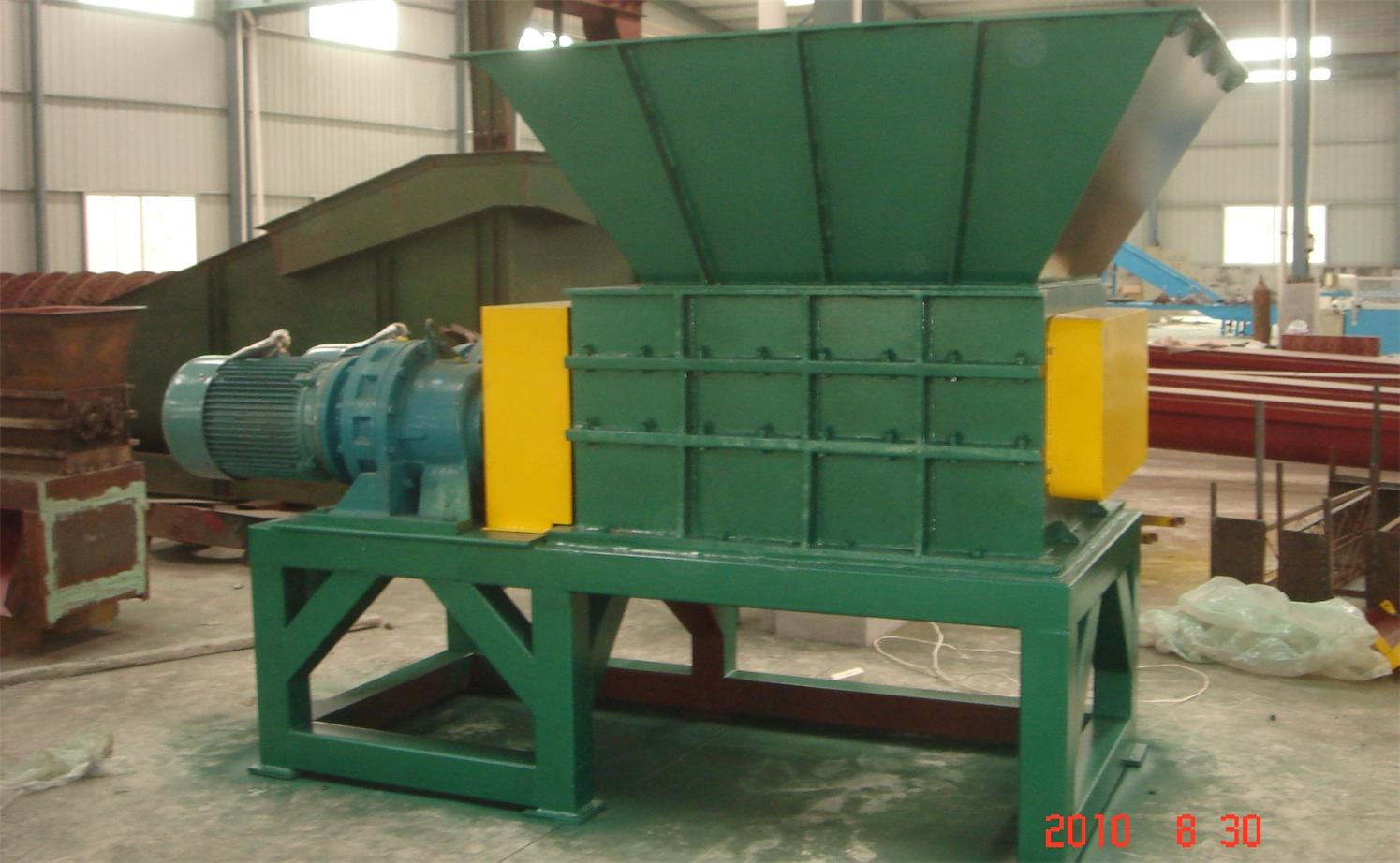
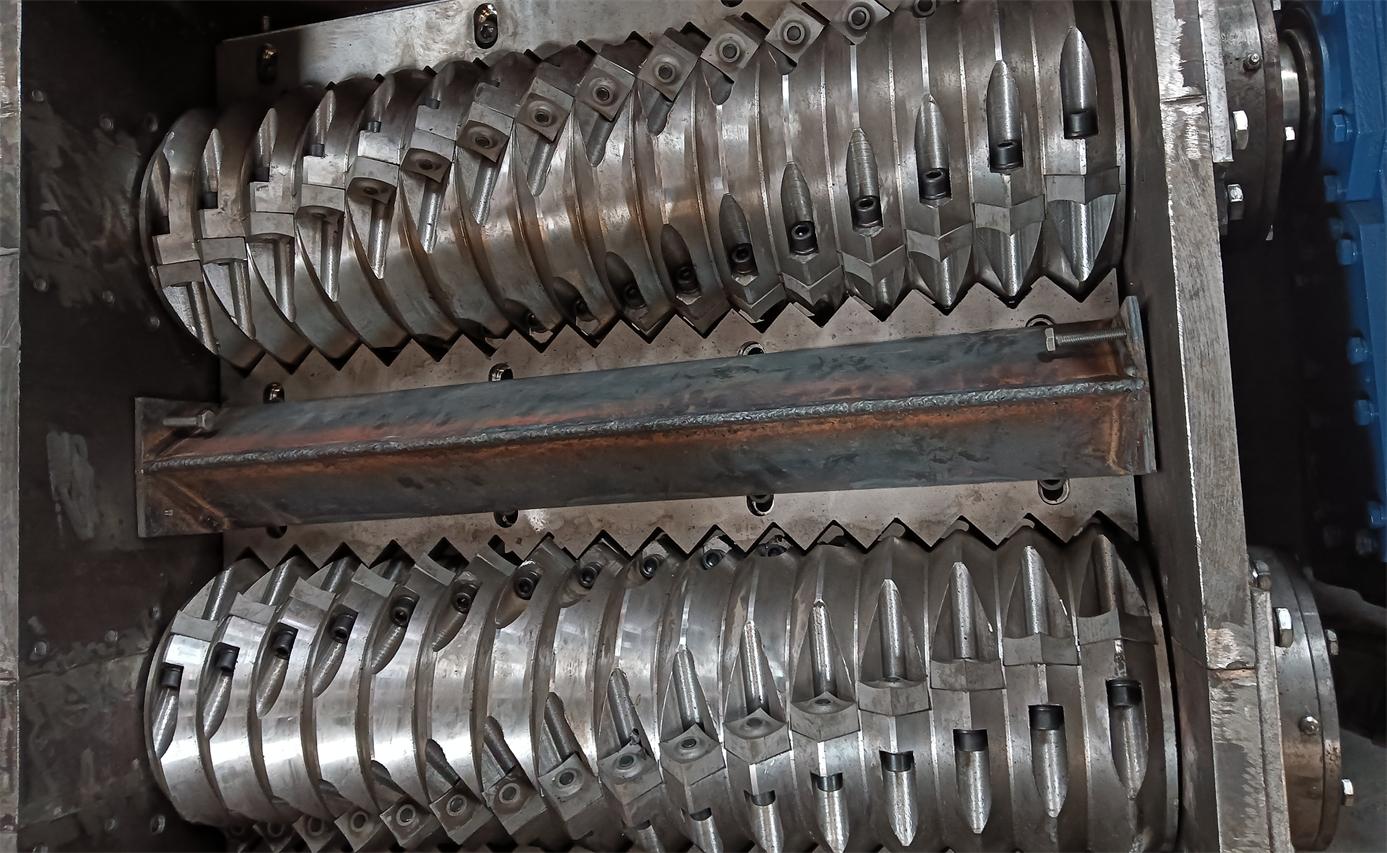
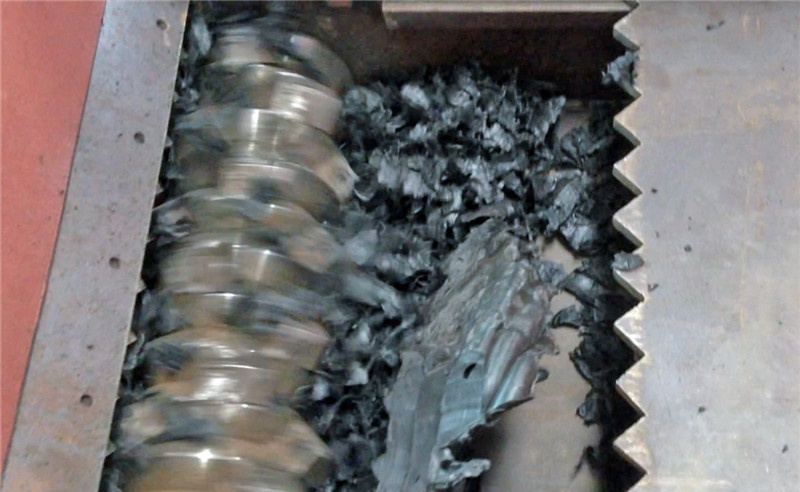
Before diving into operation, let's start with the basics: What is a twin shaft shredder, and how does it differ from other shredders? As the name suggests, a twin shaft shredder (or 2 shaft shredder equipment ) features two parallel, interlocking shafts equipped with sharp, rotating blades. These blades work together to grab, tear, and shear materials into smaller, uniform pieces—a process ideal for handling everything from thick plastic pipes to scrap metal cables.
To put it in perspective, let's compare it to other common shredder types, using the single shaft shredder equipment and 4 shaft shredder equipment as benchmarks:
| Shredder Type | Shaft Count | Blade Design | Best For | Throughput |
|---|---|---|---|---|
| Single Shaft Shredder | 1 | Single row of blades; relies on material pressure | Soft materials (e.g., cardboard, thin plastic) | Low to medium |
| 2 Shaft Shredder | 2 | Interlocking blades; "chewing" action | Medium-hard materials (cables, wood, thick plastic) | Medium to high |
| 4 Shaft Shredder | 4 | Multiple blade layers; high torque | Extremely tough materials (tires, electronic waste) | High |
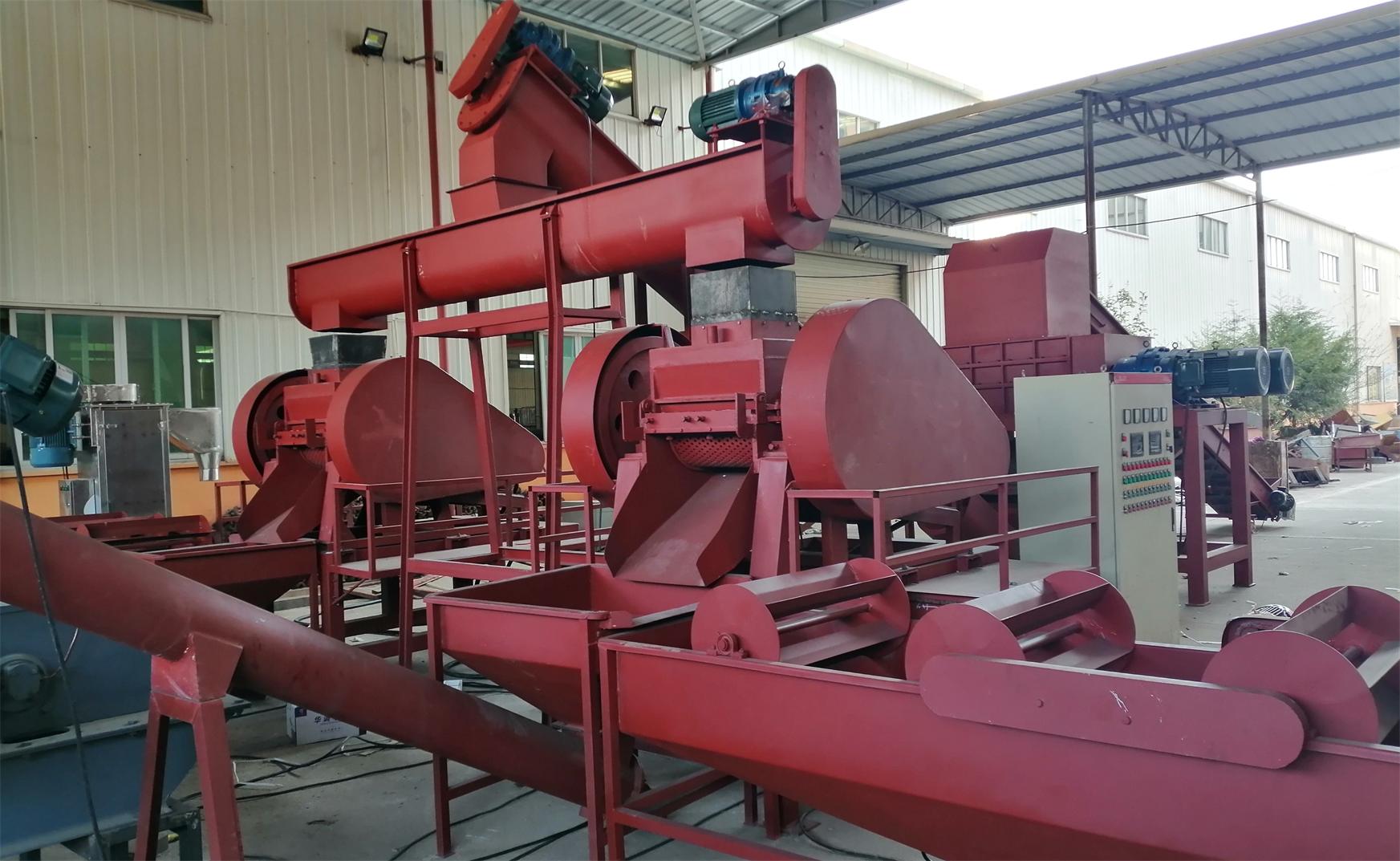
The twin shaft design strikes a perfect balance between power and precision, making it a favorite in industries like cable recycling equipment setups. For example, when processing scrap cables, the shredder works alongside tools like scrap cable stripper equipment : after stripping insulation from wires, the twin shaft shredder breaks down the copper or aluminum cores into manageable chips, ready for melting or further separation.
Pre-Operation Preparation: Safety and Setup
Like any heavy machinery, using a twin shaft shredder safely and effectively starts with preparation. Rushing into operation without proper checks can lead to accidents, equipment damage, or subpar results. Here's what you need to do before flipping the switch:
1. Prioritize Safety
Your first step is to ensure a safe workspace. Always wear personal protective equipment (PPE), including:
- Heavy-duty gloves to protect against sharp edges
- Safety glasses or a face shield to guard against flying debris
- Steel-toed boots to prevent foot injuries from falling materials
- Ear protection, as shredders can produce noise levels up to 100 dB
Additionally, clear the area around the shredder of clutter, and post warning signs to keep unauthorized personnel at a distance. Never operate the machine alone—having a colleague nearby can be a lifesaver in case of emergencies.
2. Inspect the Machine
A quick pre-operation inspection can prevent costly breakdowns. Check the following:
- Blades: Look for signs of wear, chips, or dullness. Dull blades will tear materials instead of cutting them cleanly, reducing efficiency.
- Shafts: Ensure they rotate freely without unusual grinding or resistance.
- Belts and gears: Tighten loose belts and lubricate gears as needed (refer to the manufacturer's guidelines for lubrication type and frequency).
- Emergency stop button: Test it to confirm it shuts down the machine immediately.
3. Prepare Your Materials
Twin shaft shredders work best with properly prepared materials. For cable recycling equipment applications, this often means using a scrap cable stripper equipment first to remove plastic insulation, leaving only the metal core. This step reduces contamination and ensures the shredder focuses on cutting the metal, not wasting energy on insulation.
For other materials, like plastic or wood, remove any foreign objects (e.g., rocks, nails) that could jam the shredder. If processing large items, break them into smaller pieces (6–12 inches) to make feeding easier.
Step-by-Step Operation: Running the Twin Shaft Shredder
Now that you're prepared, let's walk through the operation process. While specific steps may vary by manufacturer, these general guidelines apply to most 2 shaft shredder equipment .
Step 1: Power Up the Machine
Start by turning on the shredder's main power supply. Many models have a "soft start" feature that gradually increases shaft speed to avoid sudden jolts. Wait 30–60 seconds for the machine to reach full operating speed—you'll hear a steady, low hum when it's ready.
Step 2: Feed Materials Gradually
Resist the urge to dump a large pile of material into the hopper all at once. Instead, feed materials slowly and evenly, allowing the shredder's blades to "grab" and process them. For cables, aim for a feeding rate of 10–15 pounds per minute—adjust based on how quickly the machine processes the material without slowing down.
Pro tip: If the shredder starts to vibrate excessively or make a straining noise, stop feeding immediately. This is a sign of overloading, and continuing could damage the blades or motor.
Step 3: Monitor the Output
Keep an eye on the shredded material exiting the machine. It should be uniform in size (typically ½–2 inches, depending on blade configuration). If you notice large chunks or uneven pieces, the blades may need sharpening, or the feeding rate may be too high.
For cable recycling equipment setups, the shredded metal chips will often move to a secondary separator (e.g., a magnetic separator) to remove any remaining plastic particles. This ensures a high-purity end product, which is critical for recycling profitability.
Step 4: Shut Down Properly
When you're finished, stop feeding materials and let the shredder run for 2–3 minutes to clear any remaining debris from the blades. Then, press the stop button and wait for the shafts to come to a complete halt before turning off the main power. Never open the hopper or access panels while the machine is still moving—even a slow-moving shaft can cause serious injury.
Maintenance: Keeping Your Shredder in Top Shape
A well-maintained twin shaft shredder can last 10–15 years, while neglect can cut its lifespan in half. Here's a simple maintenance routine to follow:
Daily Checks
- Clean the hopper and discharge area to remove leftover material.
- Inspect blades for new chips or wear.
- Check oil levels in gearboxes (top off if low).
Weekly Tasks
- Lubricate shaft bearings with high-temperature grease.
- Tighten loose bolts or fasteners on the frame or blade holders.
- Test emergency stop functions again to ensure reliability.
Monthly Deep Clean
Once a month, completely power down the machine and remove the hopper to access the blades. Use a wire brush to clean built-up residue from the blade edges, and measure blade thickness—most manufacturers recommend replacing blades when they're 20% worn down.
Real-World Applications: Where Twin Shaft Shredders Shine
While we've focused on cable recycling equipment here, twin shaft shredders are incredibly versatile. Here are a few other industries where they're indispensable:
1. Electronic Waste Recycling
Old circuit boards, batteries, and e-waste contain valuable metals like gold and copper. Twin shaft shredders break these items into small pieces, making it easier to separate metals from plastic and glass using specialized separators.
2. Plastic Recycling
Thick plastic containers, pipes, and automotive parts are no match for a twin shaft shredder. Shredded plastic flakes can be melted down and reformed into new products, reducing reliance on virgin plastic.
3. Wood and Pallet Recycling
Damaged pallets, construction debris, and tree trimmings are transformed into wood chips for mulch, particleboard, or biofuel with the help of a twin shaft shredder.
Troubleshooting Common Issues
Even with proper care, you may encounter occasional hiccups. Here's how to handle the most common problems:
Jammed Shafts
If the shredder jams, hit the emergency stop button and wait for the shafts to stop. Never try to clear a jam with your hands—use a long, wooden stick to push material away from the blades. Once cleared, restart the machine and feed more slowly.
Uneven Shredding
Dull blades are usually the culprit here. Sharpen or replace blades, and ensure they're aligned correctly (misaligned blades will leave ragged edges).
Excessive Noise
Loud grinding or squealing may indicate worn bearings or loose gears. Stop operation immediately and inspect these components—delaying repairs can lead to catastrophic failure.
Final Thoughts: Mastering the Twin Shaft Shredder
The 2 shaft shredder equipment is more than just a machine—it's a cornerstone of modern recycling operations. By following the steps outlined here—prioritizing safety, preparing materials, operating mindfully, and maintaining regularly—you'll maximize efficiency, extend your shredder's lifespan, and unlock the full potential of your recycling setup, whether you're processing cables, plastic, or electronic waste.
Remember, every shredder is unique, so always consult your manufacturer's manual for model-specific guidelines. With practice and care, you'll soon be operating your twin shaft shredder like a pro, turning waste into valuable resources one shred at a time.