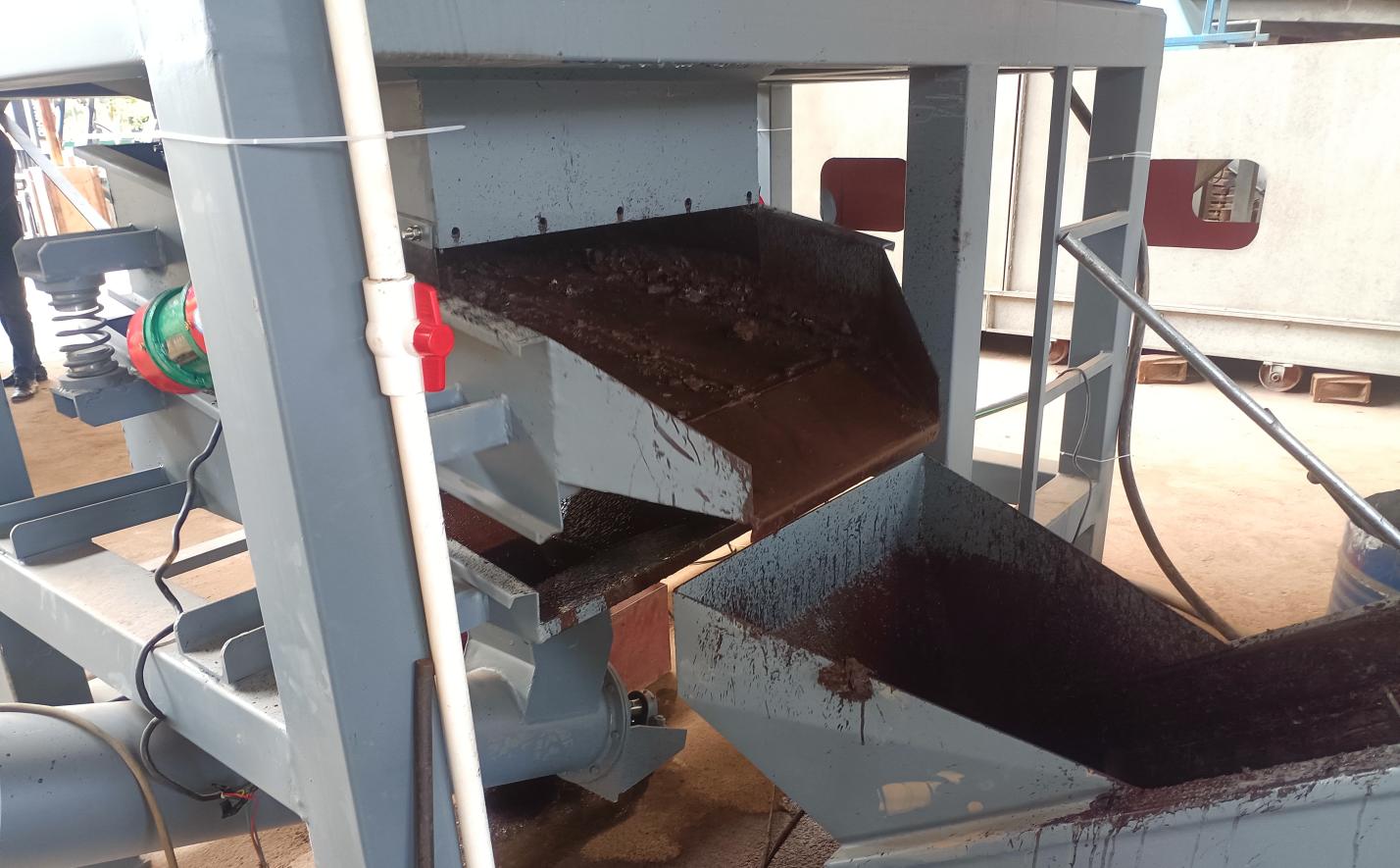
Copper scrap recycling in China isn't just about melting down old wires and pipes anymore—it's become a high-stakes dance of geopolitics, industrial innovation, and environmental urgency. Picture this: mountains of discarded electronics, tangled cables from construction sites, and copper-rich components from dead appliances all funneling into massive recycling facilities where specialized machines pulverize, sort, and refine them into valuable metal ready for rebirth. This process, crucial for feeding China's voracious copper demand, has transformed into a complex ecosystem where technology meets global trade tension.
Over the past year, whispers about scrap copper's comeback have spread through industrial corridors from Shanghai to Foshan. With copper concentrate supplies tightening like a vice and Beijing's push for "green copper" intensifying, recycling machines—from cable granulators to wire separation systems—have suddenly become the stars of a sustainability revolution. But it's not all smooth sailing. Behind the hum of shredders and granulators lurk supply anxieties, policy whiplash, and fierce competition for every kilogram of copper scrap that enters China's ports or flows from its own landfills.
Here’s the inside story of China’s scrap copper recycling machine arena in 2025—how it adapted, where it stumbled, and why it matters to everyone from electronics manufacturers to climate strategists worldwide.
The Tightrope of Supply & Policy Whirlwinds
Let's cut straight to the tension keeping recyclers awake at night: scrap is getting harder to find, and uncertainty hangs thick in the air. See, China imported a whopping 2.03 million tonnes of copper scrap between January and November 2024—that’s up nearly 14% from last year. Why the surge? Simple: primary copper ore has become scarce and pricey, and manufacturers want cheaper, low-carbon "green copper" to meet climate pledges.
2.03 million tonnes copper scrap imported (Jan-Nov 2024)
+13.7% growth vs previous year
But here’s where the plot twists. Just as recyclers were popping champagne over relaxed import rules ( recycled copper and aluminum shipments now enter with 0% duty instead of 1.5%), geopolitical thunderclouds rolled in. When Donald Trump won the U.S. presidency again, boardrooms across China lit up with worried calls. "We're dodging U.S. scrap like hot potatoes," admitted a Ningbo-based trader. "Remember 2018? Those tariffs crushed us. Nobody wants to gamble while Trump tweets threats about 60% duties."
This anxiety rippled through ports instantly. After four months of surging imports, November suddenly saw a 5.25% drop in copper scrap volumes—proof that fears weren’t theoretical. The U.S. remains China’s top source of high-grade scrap, so prolonged trade friction could starve recycling plants of critical feedstock. The irony? Just as Beijing was clearing customs barriers, its key supplier turned politically radioactive.
Copper Recycling Machinery: Innovation Under Pressure
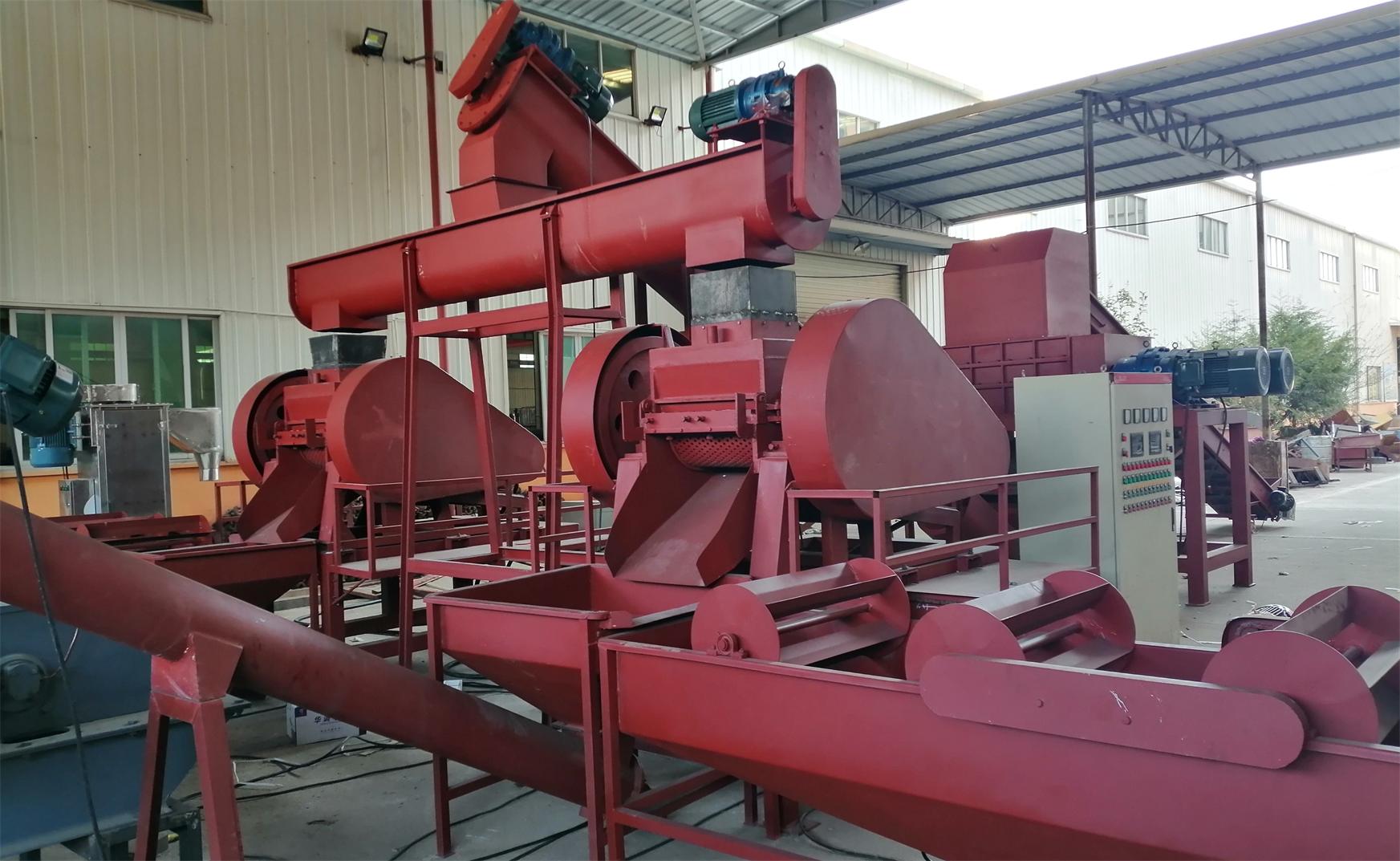
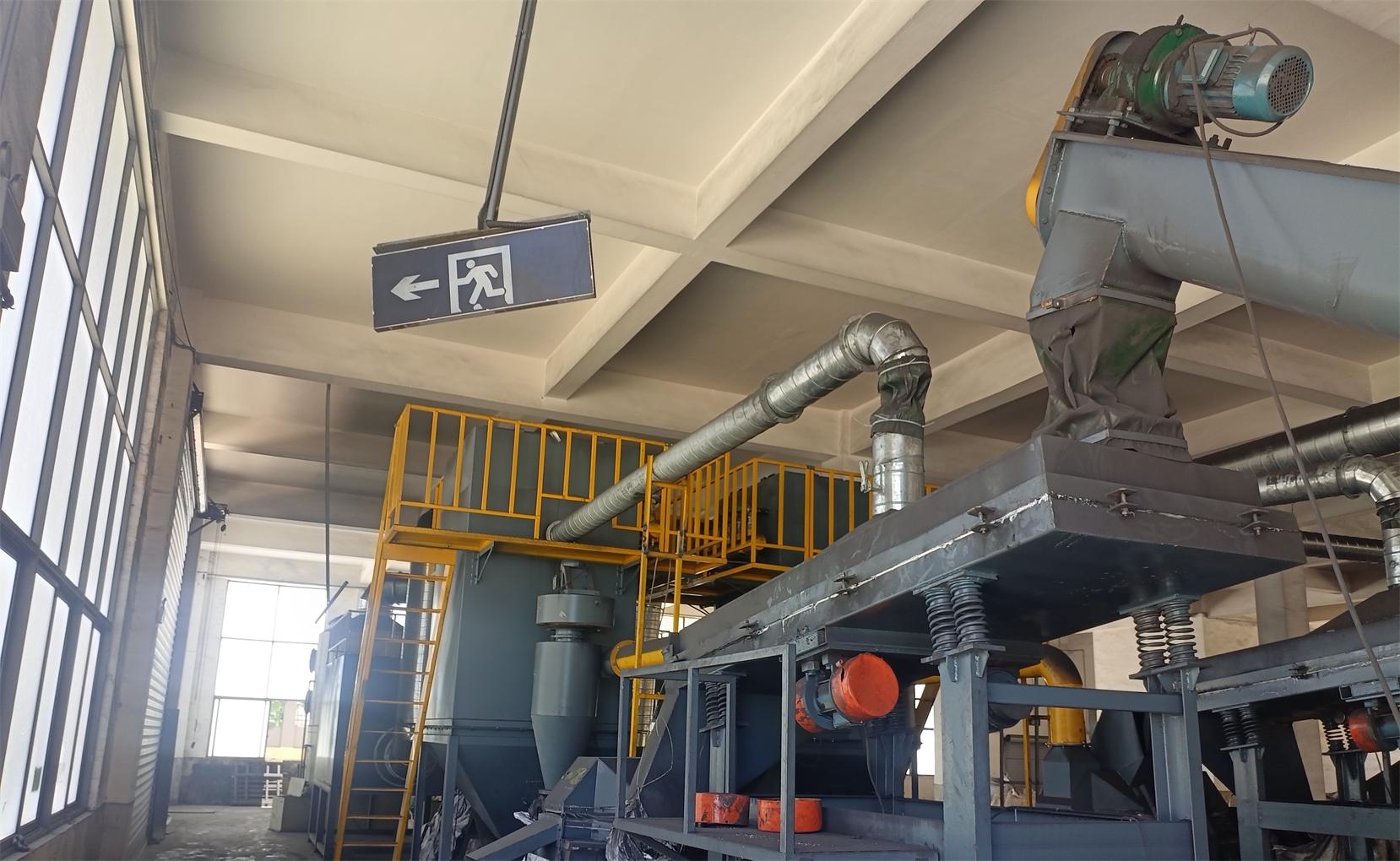
Faced with volatile supply chains, China’s recycling sector responded with two words: adaptation and automation . Step inside any modern facility today, and you'll witness a symphony of specialized machines doing heavy lifting that humans simply can't match:
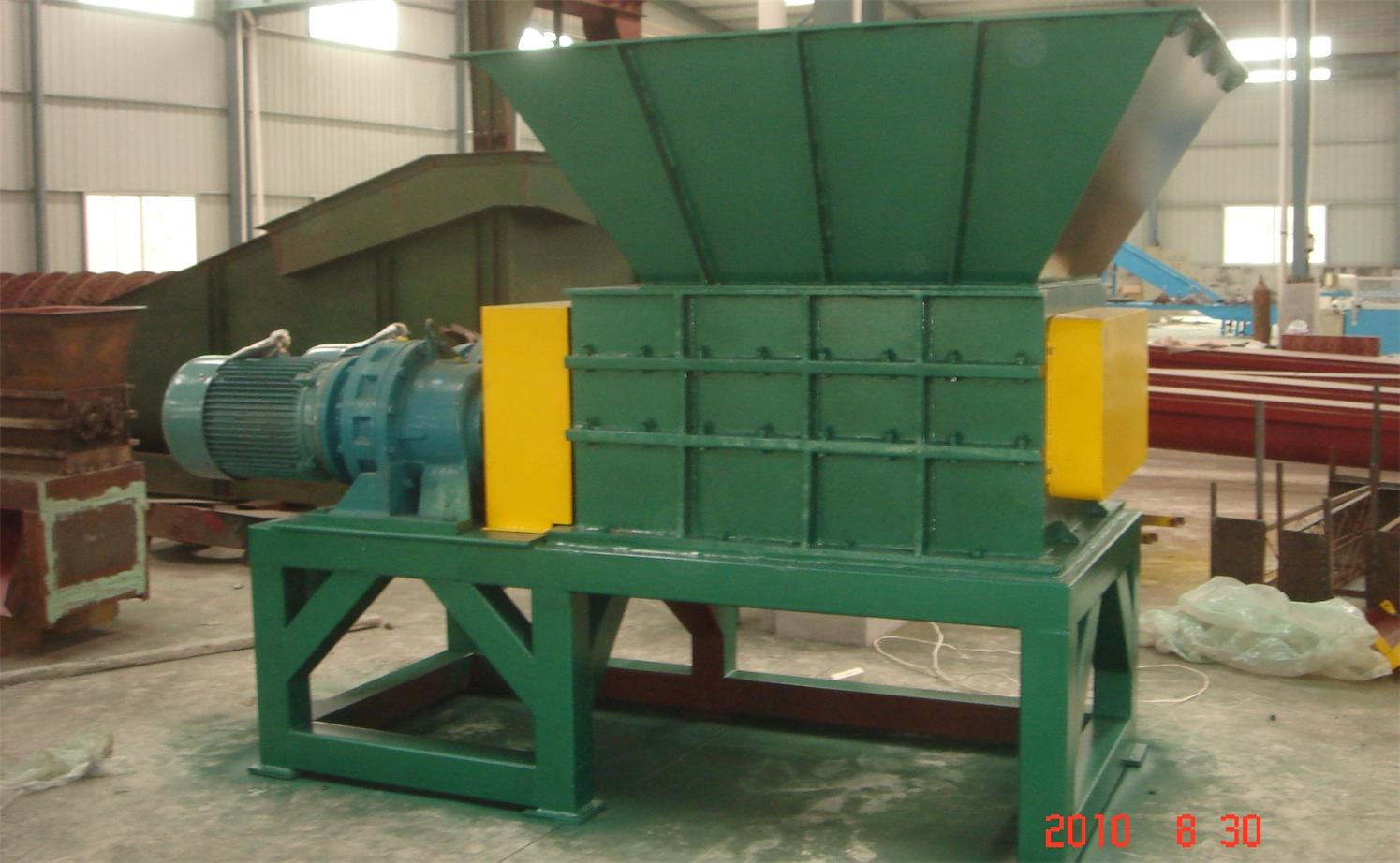
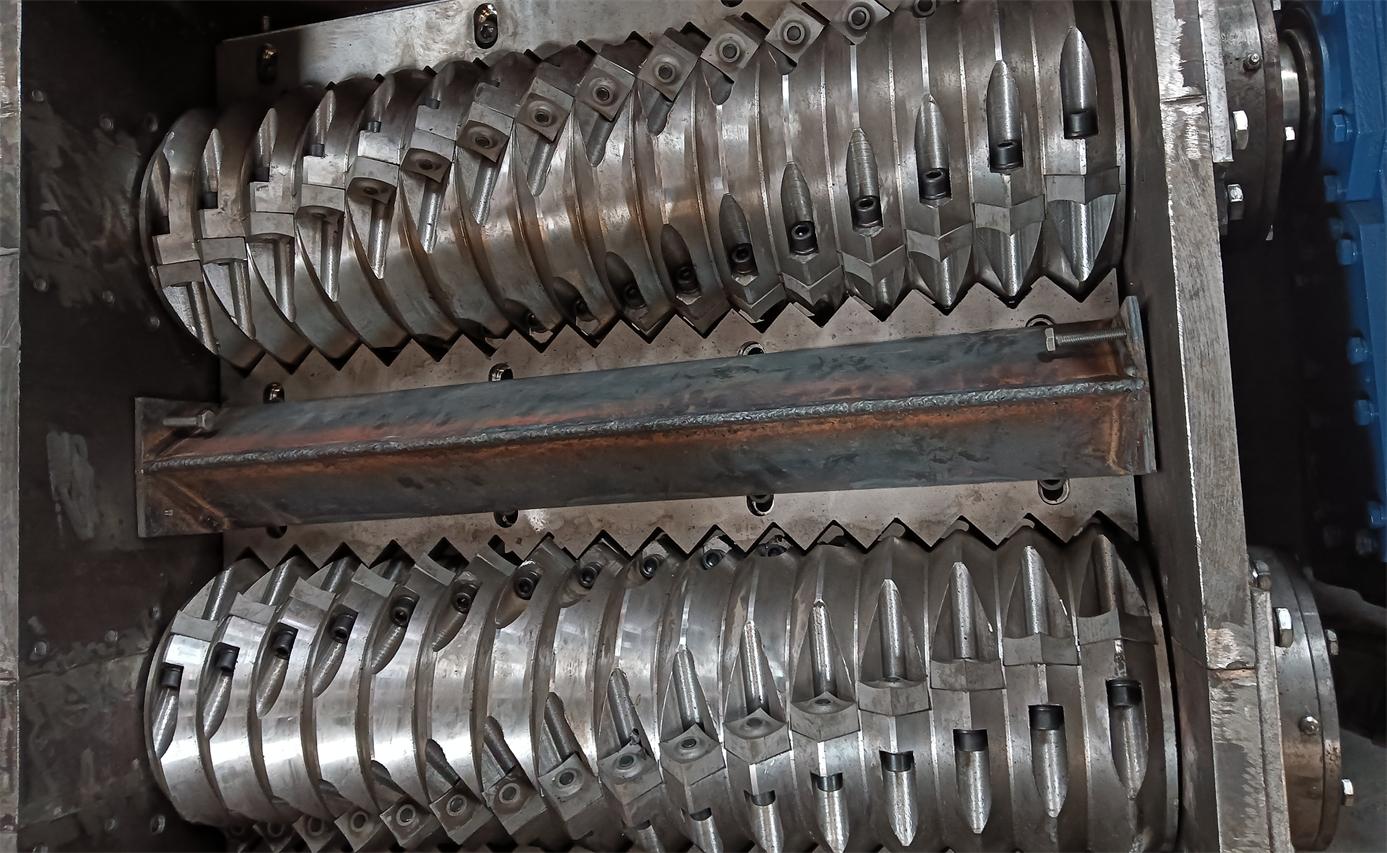
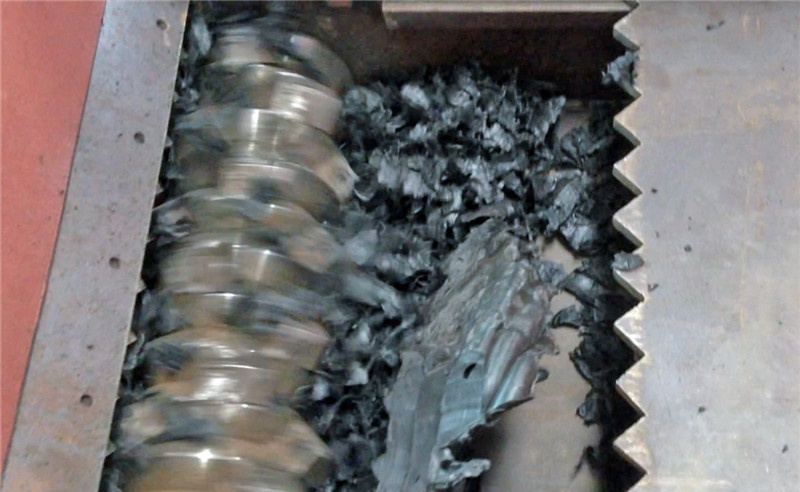
- Cable Granulators – These churn through tangles of wire, shredding insulation from copper cores with shocking efficiency. The latest models now handle everything from car wiring harnesses to fiber optic cables.
- PCB Recycling Systems – Circuit boards, once toxic landfill candidates, now get crushed and chemically treated to extract micro-grams of gold and silver alongside copper.
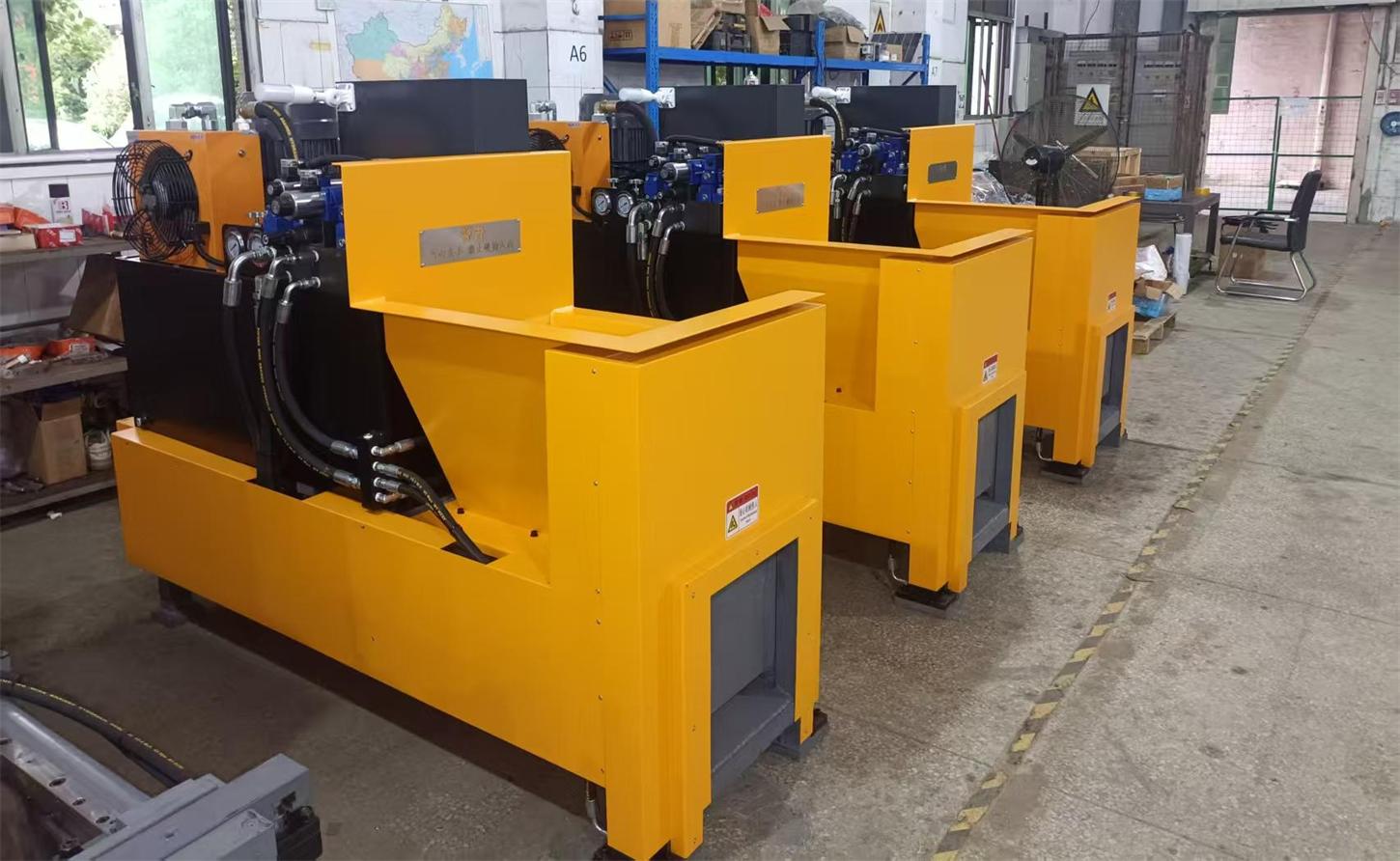
- Motor Processing Lines – Remember those industrial electric motors sitting in scrap yards? Advanced systems now disassemble them hydraulically, separating copper windings from steel housings automatically.
"Five years ago, we relied on migrant workers with hammers," laughed a Guangdong recycling plant manager. "Today, one operator manages a fully automated cable stripping and granulation line processing 2 tons per hour. Labor costs plunged while copper purity hit 99.9%."
The tech leap wasn’t optional—it was survival. As copper scrap grades grew more varied (think e-waste mixed with construction debris), machinery had to evolve quickly. Innovators like San-Lan responded with lithium battery recycling plants that safely recover copper from EV batteries alongside cobalt and lithium, while specialized blowers in granulators now capture micro-plastics before they escape into waterways.
The Rise of "Offshore Pre-Processing"
One workaround exploded in popularity: shifting messy, labor-intensive recycling steps offshore. Instead of importing bulky, contaminated scrap, Chinese firms increasingly send lower-grade material to hubs like Malaysia or Thailand. There, local workers and machines pre-sort, clean, and shred scrap before shipping cleaner, higher-value copper fragments back to China.
"It cuts import volumes by 40% and sails through customs faster," said a Shanghai trader. But there’s friction—Thailand now restricts scrap exports to develop its own recycling industry. What started as a clever loophole is becoming a diplomatic tangle.
China's Homegrown Scrap Ambitions
Perhaps 2025’s biggest surprise was how aggressively Beijing started mining its own "urban mines"—the scrap hiding within China's borders. Historically, domestic recycling was informal and fragmented (think guys with carts collecting AC units door-to-door). That changed dramatically:
July 2024
300 billion yuan ($40.8B) announced for large-scale recycling equipment upgrades
October 2024
Launch of state-owned China Resources Recycling Group to centralize collection networks
The results speak loudly: domestic recycled copper output hit 4.3 million tonnes in 2024 versus 4.1M in 2023. Still, industry veterans warn it's early days. "Our collection efficiency remains stuck at 30-40%," noted Ge Honglin of China’s Nonferrous Metals Association. "Compare that to Japan’s 85% rate. We've got miles to go."
At the heart of the drive lies blister copper—that odd byproduct of primary smelting nobody noticed until recently. When copper concentrates grew scarce and pricey last year, smelters pivoted hard to blister and scrap blends. Refining charges (RCs) for blister settled at $95/tonne for 2025—down 18% from 2024 levels—confirming its hot demand as a scrap alternative.
Scrap Economics: Rollercoaster Prices & Profit Pivots
Copper scrap prices didn't just climb in 2025—they leapt canyons. For No.1 grade scraps (clean, unalloyed stuff), discounts to LME copper averaged 12.25-18.75 cents/lb —a massive jump from 9-12 cents in 2023. No.2 grades (think dirty wire or mixed alloys) climbed similarly to 21-31 cents/lb , revealing dealers’ willingness to pay premiums for whatever copper they could grab.
No.1 Copper Scrap (RCu-2A)
Avg Discount 2024: 12.25-18.75¢/lb
+35% vs 2023
No.2 Copper Scrap (RCu-2B)
Avg Discount 2024: 21.08-31.25¢/lb
+27% vs 2023
This wasn’t arbitrary greed—it reflected scrap’s new role in production economics. "When copper ore refining costs spiked, scrap became our lifeline," confessed a Zhejiang smelter manager. "Even paying 30% premiums beat halting furnaces." But volatile pricing squeezed smaller recyclers lacking long-term contracts. Many invested in real-time digital dashboards tracking LME prices, freight costs, and customs delay risks minute by minute.
Roadblocks & Industry Headaches
For all its ingenuity, China’s scrap copper machine market still grapples with three stubborn headaches:
-
The "Collection Gap" Conundrum
Despite grand state initiatives, China’s scrap collection remains leaky and localized. Urban households rarely separate metals, relying instead on informal collectors who miss 50-70% of potential scrap streams. Funneling more material through China Resources Recycling’s hubs requires changing daily habits—a slower battle than installing shredders.
-
Global Competition for Scrap
Chinese recyclers increasingly face bidding wars over scrap as Japan, Korea, and India ramp up recycling investments. "Prices in Vietnam or Bangladesh now match ours within days of Chinese trades," sighed a Guangxi importer. "That wasn’t true 18 months ago."
-
Environmental Tradeoffs
While machines recover copper efficiently, hazardous byproducts—especially from PCB recycling like brominated flame retardants—still land in special landfills. Despite advances like lithium extraction demonstration plants , secondary pollution concerns linger near recycling clusters like Taizhou.
2026 & Beyond: Where Scrap Machines Head Next
Gazing ahead, three trends will reshape copper recycling machinery:
AI-Optimized Sorting
Near-infrared sensors are already differentiating PVC from polyethylene insulation during cable shredding. Next step? Machine learning that adjusts blade speeds in real-time based on scrap composition—pushing recovery rates toward 99%.
"Micro-Recycling" Networks
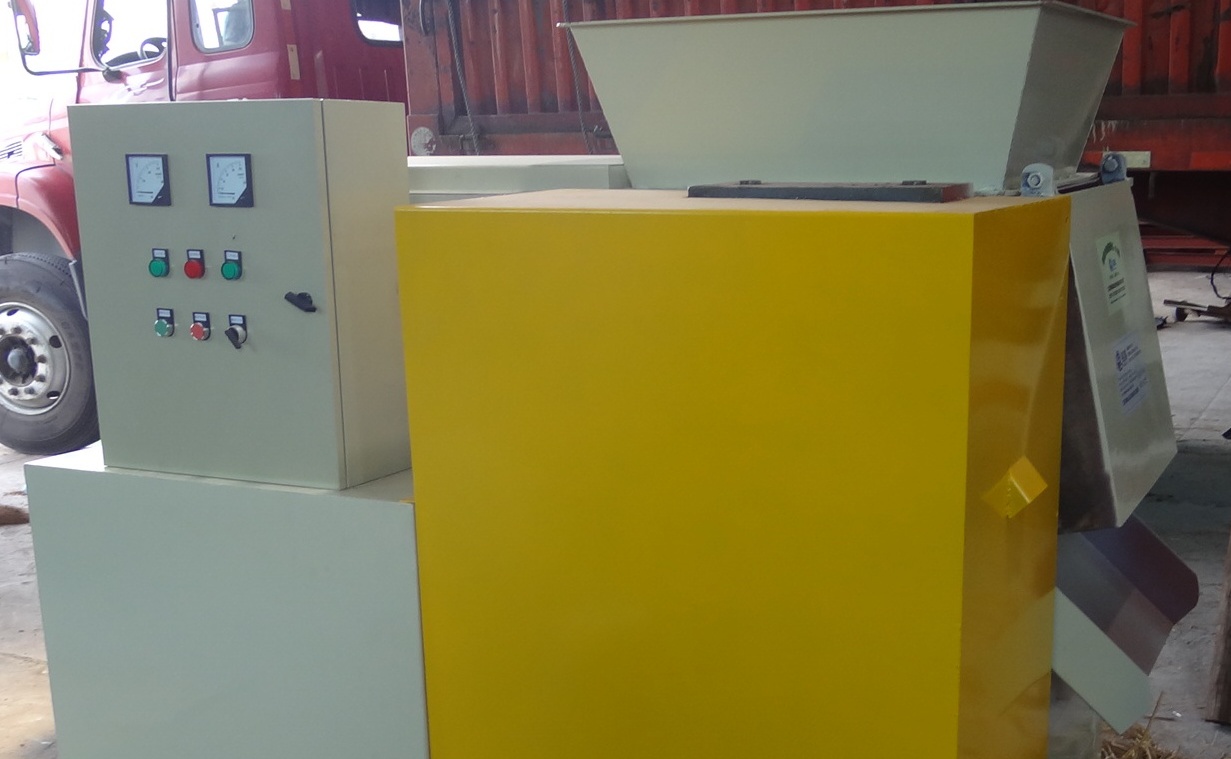
Instead of mega-plants, expect neighborhood-scale hubs with small granulators—even container-sized units—processing local e-waste onsite. San-Lan’s mini scrap cable recycling machines already allow small recyclers to compete in cities like Chengdu.
Circular Supply Integration
Pioneering firms now design products—think EV batteries or server racks—with end-of-life machine disassembly in mind. Picture copper coils marked with machine-readable codes identifying their alloy for instant sorting years later.
But the grand prize remains elusive: making recycled copper cheaper to produce than mined metal. 2025 saw recycled production costs within 5-7% of primary copper—still a gap. When that finally closes, China's recycling machine frenzy will shift from necessity to pure profit.
Final Thoughts: Scrap Machines as Climate Heroes?
Watching a copper cable granulator at work feels hypnotic—chunks of dirty wire vanish while gleaming granules cascade out. But beyond the mechanics lies something bigger: these machines represent China’s most pragmatic climate solution. Every tonne of scrap copper recycled slashes mining emissions by 65-90%, while granting smelters insulation from volatile ore markets.
That’s why 2025's real headline wasn’t Trump tariffs or blister copper RCs—it was Beijing waking up to scrap’s strategic value. By boosting domestic collection and incentivizing advanced machinery through tax breaks and state R&D grants, China positioned scrap recycling not as a dirty industry, but as an essential national security resource.
Will it work? Early signs say yes—recycled copper now feeds 30% of production, up from 22% in 2020. With new non-ferrous metal melting furnaces boosting processing efficiency and firms like China Resources Recycling expanding into rural collection networks, that figure could hit 45% by 2030.
The irony? Those noisy, grease-stained scrap shredders in industrial parks may quietly become China’s unexpected weapon against resource scarcity and carbon footprints. For copper’s future, that’s the most thrilling twist of all.