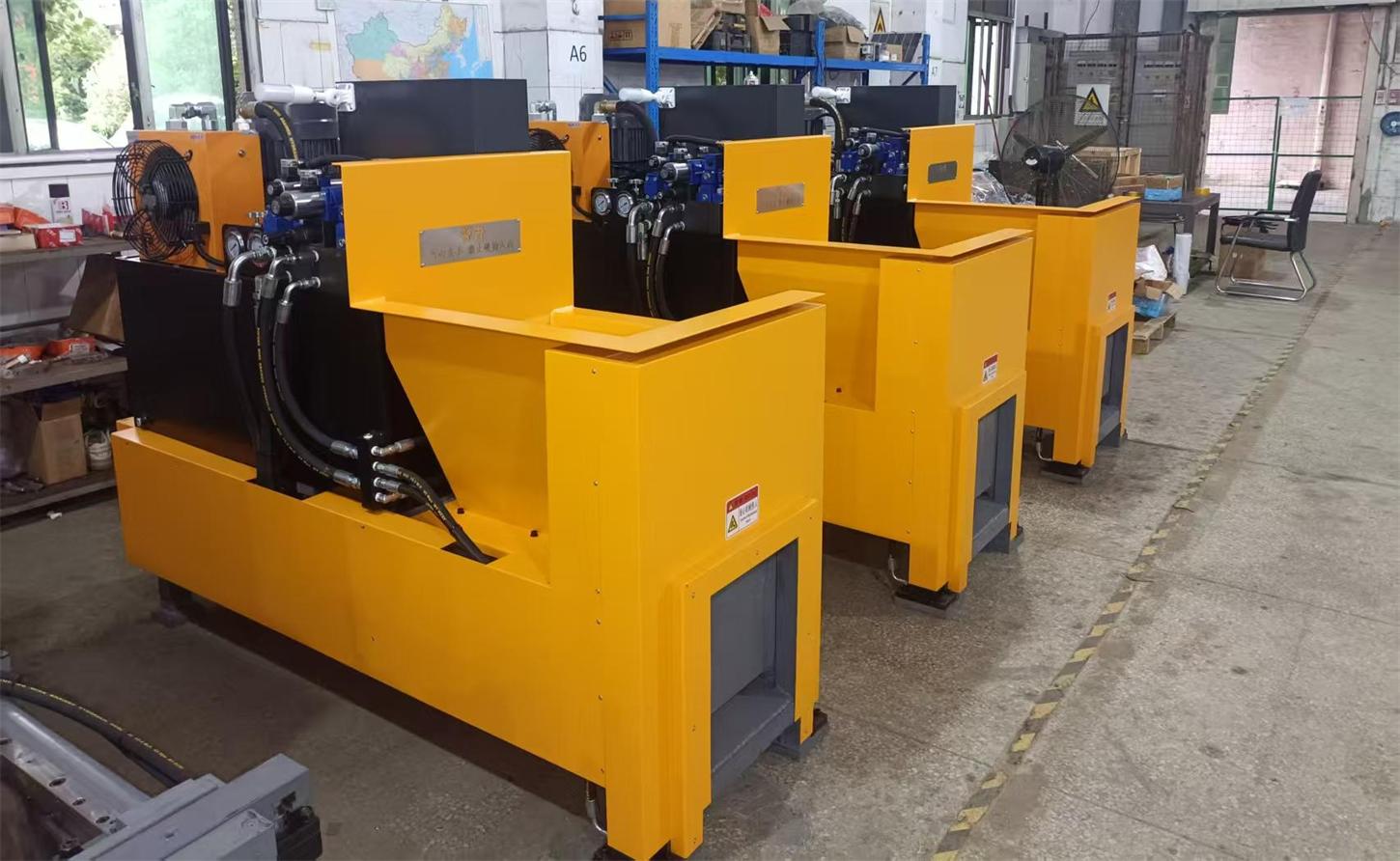
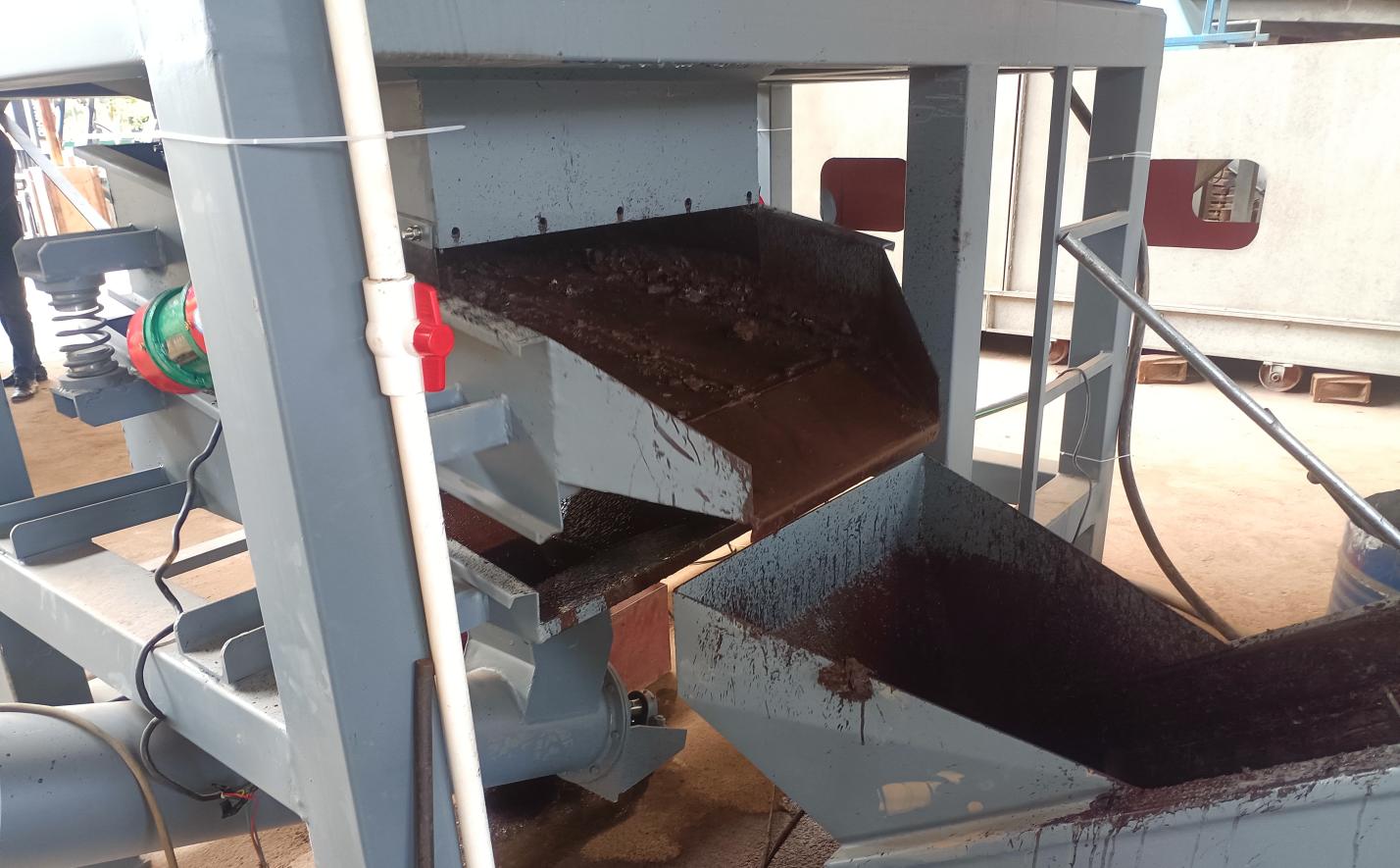
When it comes to heavy machinery, you've probably noticed hydraulic presses everywhere – from your local auto shop bending metal frames to massive factories shaping aircraft components. But what if I told you these mechanical workhorses are getting brain transplants? That's right, artificial intelligence is breathing new life into hydraulic systems, creating smarter, more efficient machines that practically run themselves.
Why Your Grandpa's Hydraulic Press Needs an Upgrade
Traditional hydraulic systems operate like a stubborn mule – powerful but not too bright. They push fluid through valves and cylinders with brute force, guzzling energy while operators constantly adjust controls hoping everything comes out right. It feels like steering a cruise ship with a canoe paddle: doable, but exhausting.
Enter the automatic hydraulic press powered by AI. Suddenly, the system anticipates material resistance before contact, self-adjusts pressure mid-cycle, and learns from every operation like a seasoned craftsman. This isn't just incremental improvement; it's like trading that mule for a racehorse with ESP.
5 Game-Changing AI Hydraulic Control Trends
1. The Self-Tuning Orchestra
Imagine hydraulic valves that recalibrate themselves like guitar strings automatically tuning during a concert. Modern AI controllers use neural networks to constantly analyze:
- Fluid viscosity changes from temperature swings
- Seal wear patterns affecting pressure consistency
- Pump efficiency degradation over time
Instead of quarterly maintenance schedules, these systems ping technicians when they need attention – usually right before failures become catastrophic.
2. Predictive Squeeze Technology
What if your press could predict how materials will react? Take automotive battery casing production – AI now studies:
- Material thickness variances in aluminum sheets
- Ambient humidity's effect on formability
- Historical deformation patterns for specific alloys
The system makes micro-adjustments between each cycle, like a baker adjusting oven temperature for each loaf. Some setups now achieve consistent tolerances within 0.03mm – thinner than a human hair.
3. The Invisible Dashboard
Old-school control panels look like airplane cockpits. New AI interfaces feel more like talking to a shop foreman:
- Voice commands replacing clunky buttons
- Gesture controls for emergency stops
- Augmented reality overlays showing component stress
Operators see real-time hydraulic flow visualized as glowing blue streams inside the machinery during training simulations.
Energy Savings That'll Make Your CFO Smile
Here's where things get juicy. Traditional hydraulic presses waste up to 70% of energy as heat and noise. AI optimization changes the game:
- Variable pumps matching exact energy demands
- Predictive flow algorithms eliminating pressure spikes
- Heat recovery systems repurposing wasted energy
Automotive parts manufacturer Gestamp reported 40% energy reduction after installing these systems. That's like powering an entire press shop with leftover energy.
The Hidden Brain Inside Your Hydraulics
Modern AI controllers function like factory floor data centers:
- Tiny sensors monitoring 200+ parameters simultaneously
- Edge computing chips processing data locally
- Secure wireless updates pushing midnight improvements
It's less like operating machinery and more like collaborating with an ultra-observant engineer who never sleeps.
Real-World Transformation Stories
Let's cut through the hype with actual results:
Aerospace Titan Forgings
Material cost: $10,000 per titanium disc
Traditional rejection rate: 17%
AI-optimized rejection: 3.2%
The difference? AI detected microscopic alloy inconsistencies and automatically adjusted ram speeds by 0.2 seconds.
Pharmaceutical Tablet Pressing
Before AI: Operator adjusting pressure every 15 minutes
With AI: Fully autonomous runs for 72 hours
The system learned to compensate for powder humidity fluctuations that human operators couldn't detect.
The Road Ahead: Next Generation Hydraulics
The future looks even smarter:
- Self-healing fluids : Nano-particles sealing leaks automatically
- Quantum sensors : Detecting pressure fluctuations at atomic levels
- Blockchain maintenance logs : Tamper-proof records ensuring compliance
Factories will soon deploy autonomous hydraulic presses that order their own spare parts and train new operators via VR. It sounds sci-fi, but prototypes exist today.
Making The Switch Without Chaos
Transitioning doesn't require "rip and replace":
- Start with vibration sensors feeding data to cloud AI
- Add smart valves to oldest presses first
- Implement predictive maintenance modules
- Phase in new operator interfaces
The beauty? Most legacy presses can get 80% of the benefits with just 20% hardware upgrades.
The Human Advantage
Contrary to fears, AI in hydraulics creates more meaningful jobs:
- Technicians interpreting AI diagnostics
- Operators managing multiple presses simultaneously
- Data scientists optimizing factory-wide flow
One Boeing plant reported operators preferring the new systems because "they handle the annoying parts" of press operations.
Why This Matters Now More Than Ever
With manufacturing pressures mounting from:
- Tighter sustainability mandates
- Shrinking skilled labor pools
- Hyper-customization demands
AI-optimized hydraulics become the competitive edge. Early adopters like Tesla and Siemens report fewer press accidents and near-zero unscheduled downtime.
We're witnessing the third revolution in hydraulic technology – after steam power and electricity – and it's being driven by algorithms that turn raw power into precision artistry.