Picture a busy paper mill - towering machinery humming, rolls of fresh paper streaming off production lines, and stacks of discarded paper piling up in corners. This waste isn't garbage; it's potential profit waiting to be unlocked. Enter the hydraulic baler, the quiet workhorse that transforms messy piles into neatly packed bales of recyclable treasure.
From Waste Stream to Profit Stream: How Balers Change the Game
It's easy to think of waste paper as just... well, waste. But in reality, that discarded material represents significant value that paper mills simply can't afford to lose. Here's where waste paper hydraulic balers step in as true game-changers. These robust machines act like industrial-sized trash compactors with a PhD in efficiency, turning loose, bulky waste into dense, easy-to-handle cubes.
Unlike their smaller or manual counterparts, modern hydraulic balers are engineered to handle the massive volumes that paper mills generate daily. They don't just crush paper - they intelligently compress it with tremendous force (we're talking pressures of up to 150 tons!), systematically removing air pockets and creating those neat, stackable bales that recycling facilities love. This compression isn't just about making things smaller; it's about transforming waste into a valuable commodity that mills can actually sell.
Imagine reducing a truckload of loose paper scraps to just a quarter of its original volume. That's what these machines do every single day. Suddenly, what was a storage nightmare becomes organized inventory. What was expensive transportation becomes cost-effective logistics. What was environmental liability becomes a revenue stream. And it all starts with the powerful, consistent squeeze of a hydraulic baler.
The Nuts and Bolts: How Hydraulic Balers Actually Work
The Heavy Hitter
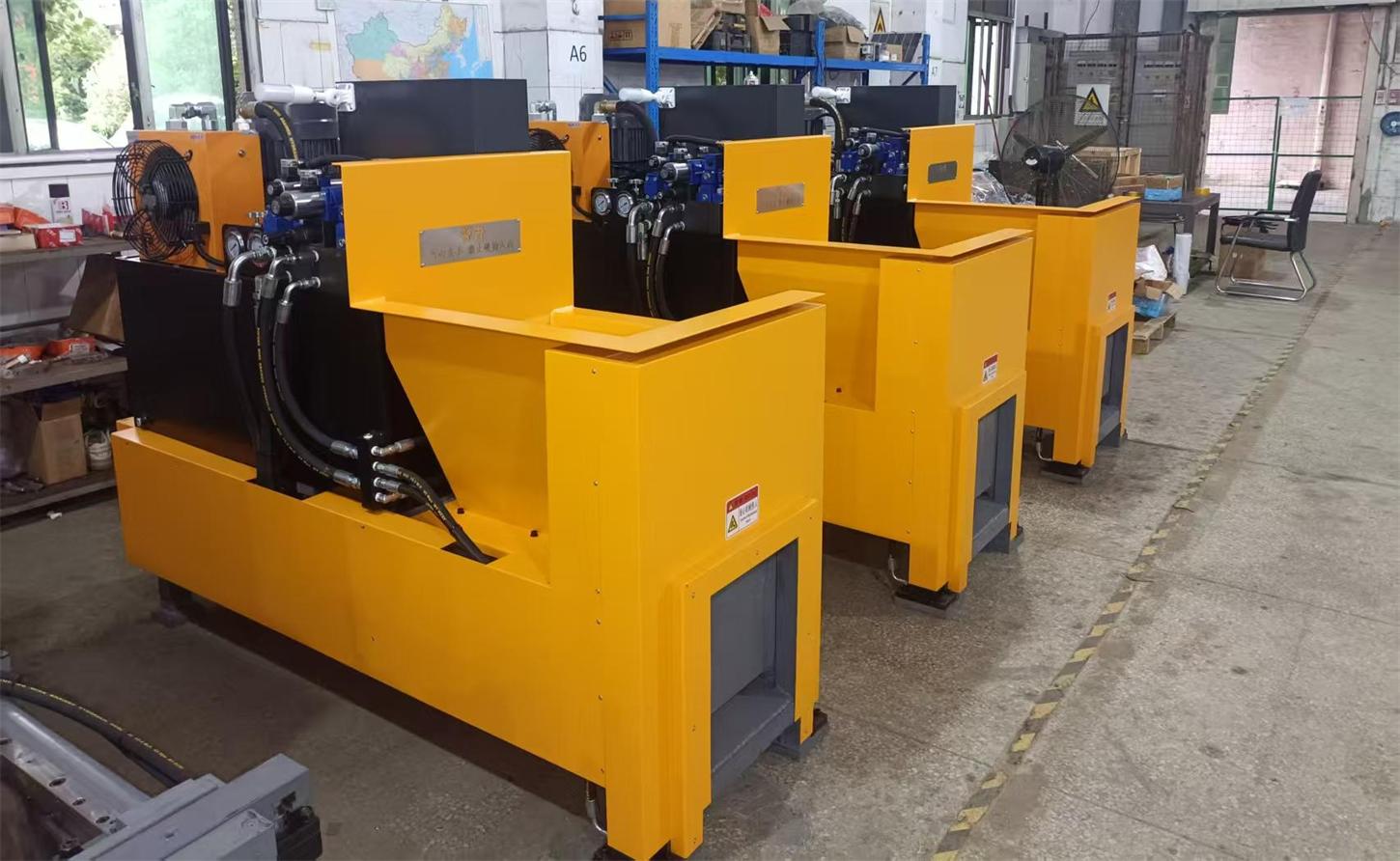
At the heart of every baler is its hydraulic system - essentially a muscular arrangement of cylinders that generate industrial-grade pressure. Think of it as a supercharged version of the hydraulic lift in your car's brake system, but powerful enough to compress entire bales of paper. This system creates the incredible force required to densify even stubborn paper materials.
Smart Compression Cycles
Modern balers operate through sophisticated compression cycles that maximize density while protecting the machine. Workers load waste paper into the chamber, then the hydraulic press kicks in with calculated force during a pre-set compression stroke. Many advanced models automatically adjust compression based on material density, ensuring optimal baling without straining the equipment.
The Tying Technique
Once paper reaches maximum density, specialized tying systems kick into action. High-strength wire or strapping is automatically fed around the compacted block before being securely cut and fastened. The precision of this step matters immensely - poorly tied bales can unravel during transport, creating costly messes and safety hazards.
Eject & Reset
The final act: once securely tied, the finished bale gets smoothly ejected onto a conveyor or collection area. Then it's back to start position for the next cycle. Top-tier balers accomplish this entire process in minutes, continuously processing waste throughout the workday without missing a beat.
Why Hydraulic Balers are Worth Every Penny: The Real Benefits
Space Savings That Matter
Imagine clearing up warehouse space equivalent to several parking spots. That's what balers deliver through incredible volume reduction. Less space wasted on waste means more room for revenue-generating activities. Many mills report reclaiming up to 80% of their former waste storage space.
Transportation That Doesn't Break the Bank
Because balers dramatically shrink volume, mills make fewer trips to recycling facilities and move more material per load. These logistical efficiencies quickly translate into tangible savings - often reducing hauling costs by 40-70% annually.
Turning Trash Into Cash
Properly baled recyclables fetch higher prices. Clean, dense, uniformly sized bales are premium inventory that recycling centers compete for. Instead of paying to discard waste, mills start collecting payments for their "trash." It's financial alchemy at its best.
Environmental Impact You Can See
Effective balers supercharge a mill's sustainability efforts. Reduced transport means lower emissions. Efficient recycling means less landfill waste. Responsible waste management means stronger environmental credentials that resonate with customers, communities, and regulators.
Safety You Can Count On
Say goodbye to towering piles of loose paper that create fall hazards or fire risks. Modern balers incorporate advanced safety features - light curtains, pressure sensors, lockout systems - protecting workers while organizing workspaces. Safer operations mean fewer accidents and lower insurance costs.
Operational Harmony
Nothing disrupts production like messy work environments. Balers maintain clean, organized spaces that keep operations flowing smoothly. Less clutter means fewer disruptions, better workflow, and employees who aren't fighting against chaotic waste piles all day.
Choosing Your Waste Warrior: Key Baler Considerations
Selecting the right baler isn't about just getting the biggest or most powerful model. It's about matching your specific needs to the right machine:
Volume Matters : Consider your daily waste production - choosing too big wastes money, too small causes bottlenecks. Aim for capacity that comfortably handles peak volumes.
Space Configuration : Consider both the machine's footprint and access needed around it. Horizontal vs vertical configurations offer different advantages for tight spaces.
Material Specifics : Are you primarily baling lightweight office paper, dense cardboard, or specialty materials? Material type significantly impacts force requirements.
Automation Sweet Spot : Analyze how much operator involvement you want. Semi-automatic balers balance cost and efficiency, while fully automated systems handle material flow continuously but require larger investment.
Future-Proofing : Think beyond current needs. Modular systems allow for upgrades and expansions as your business grows.
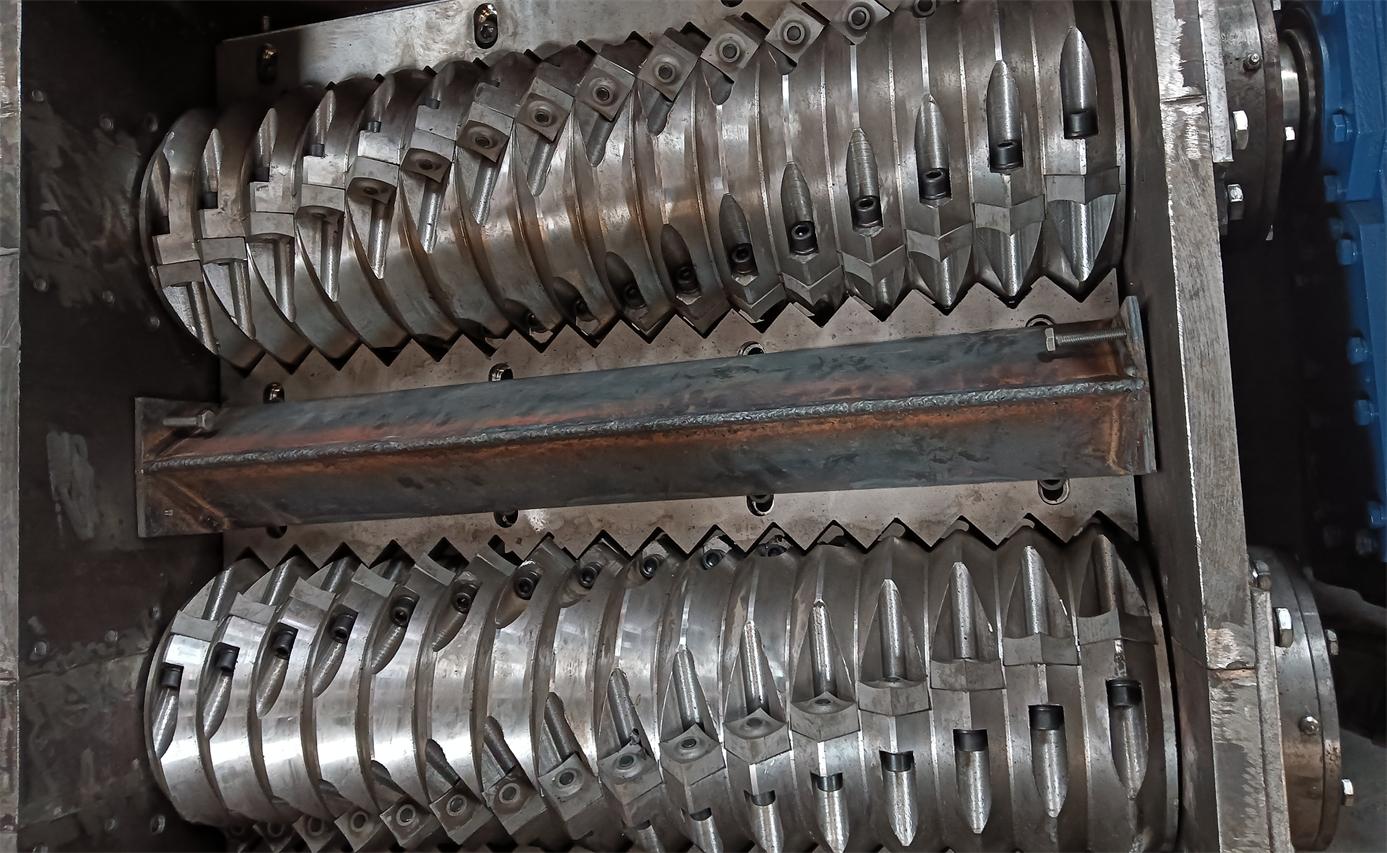
It's worth noting that modern material recycling facilities often incorporate balers as part of an integrated system rather than standalone units. For optimal results, consider how balers can work with material processing steps like shredding and sorting.
The Green Advantage: Beyond Profit Margins
While the financial benefits of balers are impressive, their environmental impact deserves equal attention. By efficiently compressing recyclables, balers help close the loop on valuable resources:
Consider fiber recovery - balers help preserve paper fiber quality during collection and transport, meaning recycled material requires less processing before reuse. Higher quality recycled pulp means less virgin material consumption.
Then there's carbon footprint reduction. Transporting uncompressed waste consumes significantly more fuel. A single truckload of baled paper can replace three truckloads of loose material, slashing emissions and fuel consumption dramatically.
Baling also streamlines landfill alternatives for materials that can't be recovered. While paper mills focus on fiber recovery, the compression principle benefits other waste streams too - including various scrap metal recycling applications.
A mid-sized paper mill processing 200 tons of waste paper monthly can eliminate over 500 tons of CO2 emissions annually just through efficient baling and transportation. That's equivalent to taking more than 100 cars off the road.
Tomorrow's Balers: Innovation on the Horizon
The future looks exciting for baler technology as manufacturers incorporate Industry 4.0 advancements:
IoT Integration : Sensors monitor everything from oil pressure to strap tension, predicting maintenance needs before failures occur. Cloud-connected machines provide operators with real-time performance dashboards and alert management to inefficiencies.
Automated Load Detection : Advanced systems automatically identify when a full load is achieved, initiating compression cycles without human input. Machine vision technologies identify material types and adjust compression accordingly.
Energy Innovations : New regenerative hydraulic systems capture energy during retraction cycles, significantly reducing electricity consumption. Variable frequency drives optimize motor operation for actual workloads.
Smart Material Handling : Conveyor systems with AI-powered sorting recognize and separate materials before they reach the baler chamber, improving bale purity and value. This transforms basic compression into intelligent material processing.
What's emerging is not just better balers, but integrated waste recovery systems. The goal? Achieving near-tautology between manufacturing output and material input requirements. Today's paper scrap becomes tomorrow's stationery without ever seeing a landfill.
The Bottom Line: Why Every Modern Paper Mill Needs a Baler
Paper mills no longer have the luxury of treating waste as an afterthought. In an industry where margins can be razor-thin and sustainability expectations constantly rise, hydraulic balers have transformed from optional equipment to essential infrastructure.
These machines offer a rare win-win-win scenario: they improve operational efficiency, they generate new revenue streams, and they significantly reduce environmental footprint. The transformation they enable is tangible - messy waste piles become valuable inventory, storage nightmares become organized warehouses, and disposal costs become recycling profits.
Investing in a hydraulic baler isn't about adding another piece of machinery; it's about fundamentally transforming how your mill approaches waste. It's about turning what was once considered a necessary cost center into a strategic asset that works around the clock to strengthen both your bottom line and your environmental impact.
The message is clear: in today's competitive market, efficient waste paper processing isn't just good practice - it's business-critical. Hydraulic balers empower paper mills to reclaim maximum value from every scrap of material, turning the inevitable byproducts of paper production into powerful drivers of profitability and sustainability.