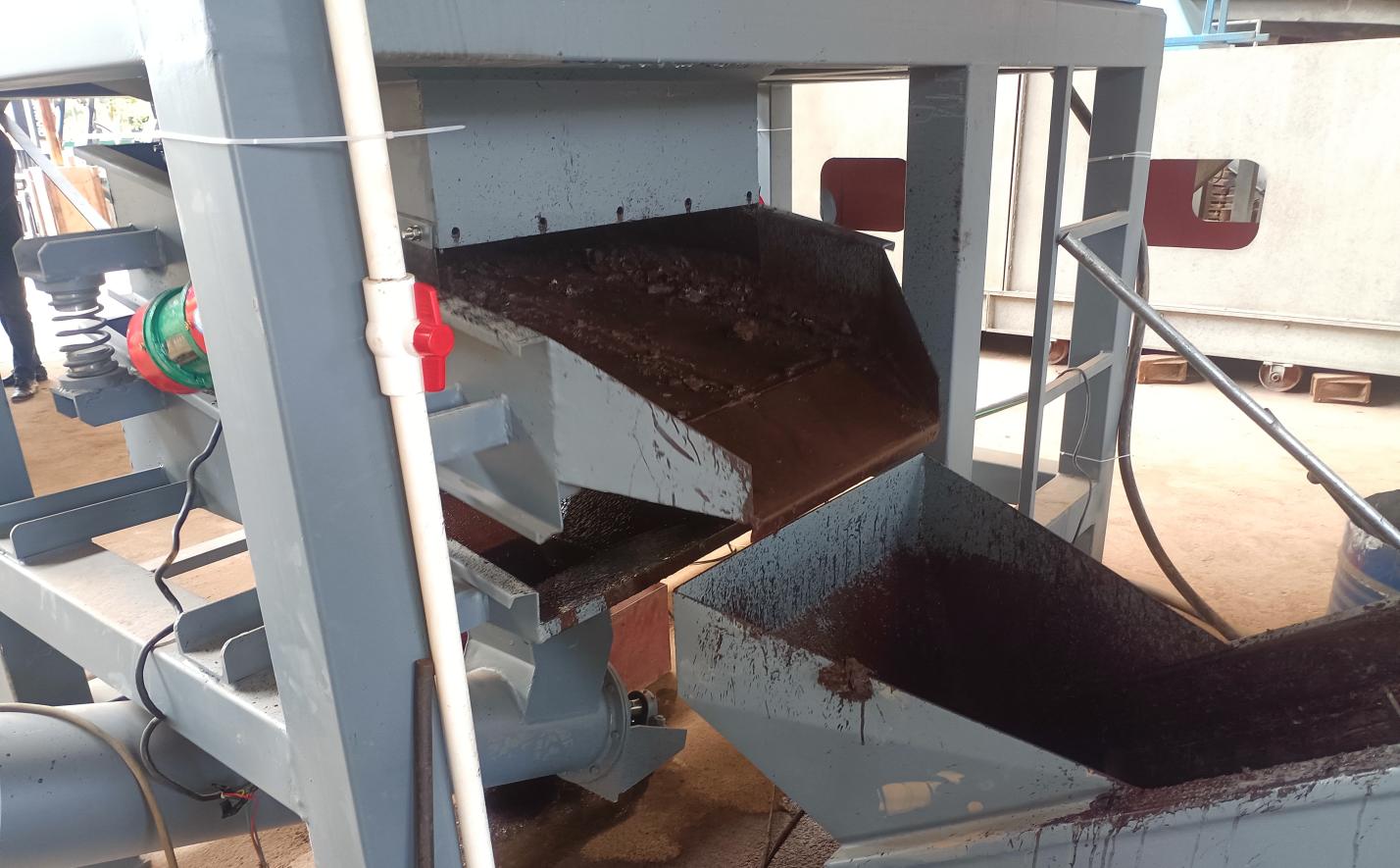
Okay folks, let's talk hydraulic safety - the unsung hero of your portable ball making machine. You know that satisfying feeling when everything runs smoothly, punching out perfect metal balls like clockwork? That magic happens thanks to your hydraulic overload protection system. It's like having an invisible guardian angel inside your machine, ready to step in when things get dicey.
Remember those old mechanical overload systems? They'd basically sacrifice themselves like kamikaze pilots when something went wrong. You'd hear that sickening "crunch" and know you were in for hours of downtime and repairs. Modern hydraulic protection? That's like having a professional goalkeeper – quick, responsive, and gets you back in the game in minutes.
The Anatomy of Your Hydraulic Bodyguard
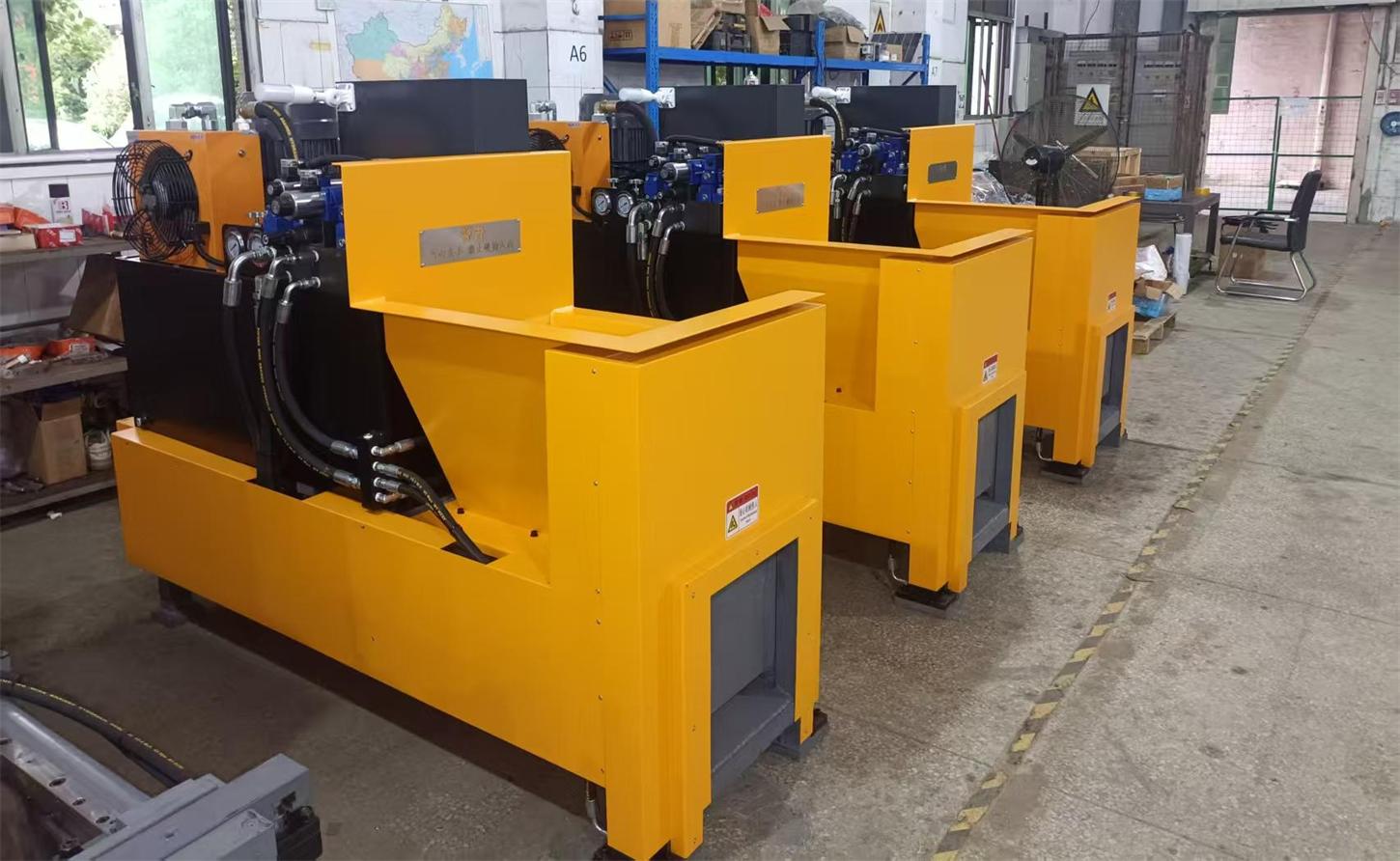
Let's peel back the curtain and see what makes this protection system tick. Picture these four key players working together to keep your operation safe:
- The Pneumatic Pump: The heart of the system. It's always quietly ticking away, maintaining that perfect pressure balance. When things go haywire, this component snaps into action like a first responder.
- The Unloading Valve: Think of this as the system's bouncer. Normally calm and composed, but the moment pressure spikes, it instantly opens the escape routes.
- Pressure Relays: These are your nervous system, constantly monitoring vibrations and pressure waves throughout the machine. They're the first to shout "Danger!" when trouble brews.
- Hydraulic Cylinder & Sensors: This dynamic duo acts like stretch receptors in muscles, detecting when something's out of alignment before damage occurs.
Why Your Machine Needs This Guardian
Without proper overload protection, you're basically gambling every time you run your ball maker. One double-feed incident or material jam could mean catastrophic failure. With hydraulic protection? That potential disaster becomes a minor hiccup solved with a quick reset.
When Things Get Heavy: Overload Scenarios Unpacked
Let's walk through what actually happens when your system jumps into action:
- First 0.5 Seconds: Pressure spikes in the cylinder, the unloading valve piston drops like a stone, oil evacuates faster than a fire drill.
- Critical Safety Move: Your machine's balancer lifts the slider 20mm - just enough clearance to prevent crushing damage.
- The Kill Switch: Pressure relays simultaneously cut power to the clutch control circuit. Everything stops. "Normal" light off, "Unloading" light on - visual confirmation you're in safe mode.
Here's the beauty part – recovery is astonishingly quick. After fixing whatever caused the overload (material jam, height miscalculation etc.), you hit reset. Compressed air refills the unloading valve chamber while the pneumatic pump kicks back to life. Within about 3 minutes? You're back in production. That's faster than most operators take for a coffee break!
Headaches Solved: Troubleshooting Your Protection System
Even the best systems need TLC. Here's how to diagnose common issues:
The Pneumatic Pump Blues
Start with your ears. That rhythmic "thump-thump-thump"? That's the sound of healthy commutation. No sound? Could be:
- Air pockets in your cylinders (reprime and seal those suction lines)
- Clogged oil filters (time for cleaning)
- Worn plunger seals (replace pronto)
- Sticky check valves (dirt infiltration)
Unloading Valve Woes
If pressure won't hold despite the pump working overtime, suspect 100° cone surface damage. Minor scratches can often be polished out with grinding paste. Serious damage? replace the valve and flush your entire system.
Pressure Relay Tantrums
Two classic failures:
- Oil leakage around the plunger (check for telltale drips)
- Micro switches refusing to reset (replace fatigued copper reeds)
Operator Habits That Make or Break Your System
After years observing hydraulic ball makers in action, here's what separates smooth operators from breakdown-prone machines:
- Water is Your Enemy: Condensation traps in airline systems cause rust explosions. Always drain receiver tanks before operation. This is non-negotiable.
- Oil Changes Save Careers: Contaminated oil is the silent killer of hydraulic systems. Change fluids religiously and filter religiously.
- Don't Be a Hero: See unusual fluctuations? Stop. Investigate. Better 30 minutes of downtime than 30 hours of repairs.
- Lubrication is Love: That pneumatic pump needs daily mist lubrication like we need oxygen. Skip this step and you'll hear the metal-on-metal screams.
Critical Do-Not-Do
When doing maintenance, treat your hydraulic system like open-heart surgery:
- Zero tolerance for workshop debris (metal shavings, shop towels)
- Component reset only after confirming the root cause is fixed
- Magnetized pistons? They attract every metal fragment in the oil - purge thoroughly
Why Overload Protection is the Ultimate Productivity Tool
Too many shops see hydraulic protection as an insurance policy. That's under-selling it. This system is actually your productivity multiplier:
- Agile Manufacturing: Material changes or operator errors become learning opportunities, not production-stoppers
- Confidence Building: Operators get bolder with challenging jobs knowing the safety net is there
- Asset Protection: Machines live longer between rebuilds, reducing capital expenditure cycles
- Reducing human error risks through automated safety responses that outperform even the most attentive operator
Remember that scary moment when your machine suddenly stops mid-cycle? Instead of panic, let appreciation set in. Your hydraulic overload protection system just paid for itself - again.
Future-Proofing Your Operation
The evolution isn't stopping:
- Smart Diagnostics: Emerging IoT sensors predict valve failures before symptoms appear
- Adaptive Response: Systems learning to differentiate between intentional heavy loads and genuine overloads
- Self-Healing Materials: Surfaces that regenerate minor scratches during routine operation
- Enhanced compatibility with modern hydraulic press automation systems for seamless integration
The message? Protecting your portable ball maker isn't maintenance - it's an investment in competitive advantage. Because in our world, consistent uptime separates the contenders from the champions.