Making the Right Choice for Your Recycling Operation
Picture your recycling facility five years from now. Is it bustling with efficient machinery processing materials effortlessly? Or are you still wrestling with outdated equipment? The difference often lies in choosing between two distinct approaches to material baling: hydraulic power versus manual force.
The Heart of the Matter: Baling Fundamentals
Before we dive into the hydraulic vs. manual debate, let's understand the core purpose of baling machines. These indispensable pieces of recycling equipment transform mountains of loose materials - cardboard, plastics, aluminum cans - into neat, compact cubes called bales. This compression isn't just about looking tidy; it revolutionizes logistics:
- Space efficiency : Store up to 10x more material in the same footprint
- Transportation savings : Move more material with fewer truckloads
- Value preservation Keep recyclables clean and market-ready
Whether you're preparing materials for the next stage of the recycling process or shipping directly to mills, choosing the right baler impacts your bottom line every single day.
Hydraulic Balers: The Powerhouse Choice
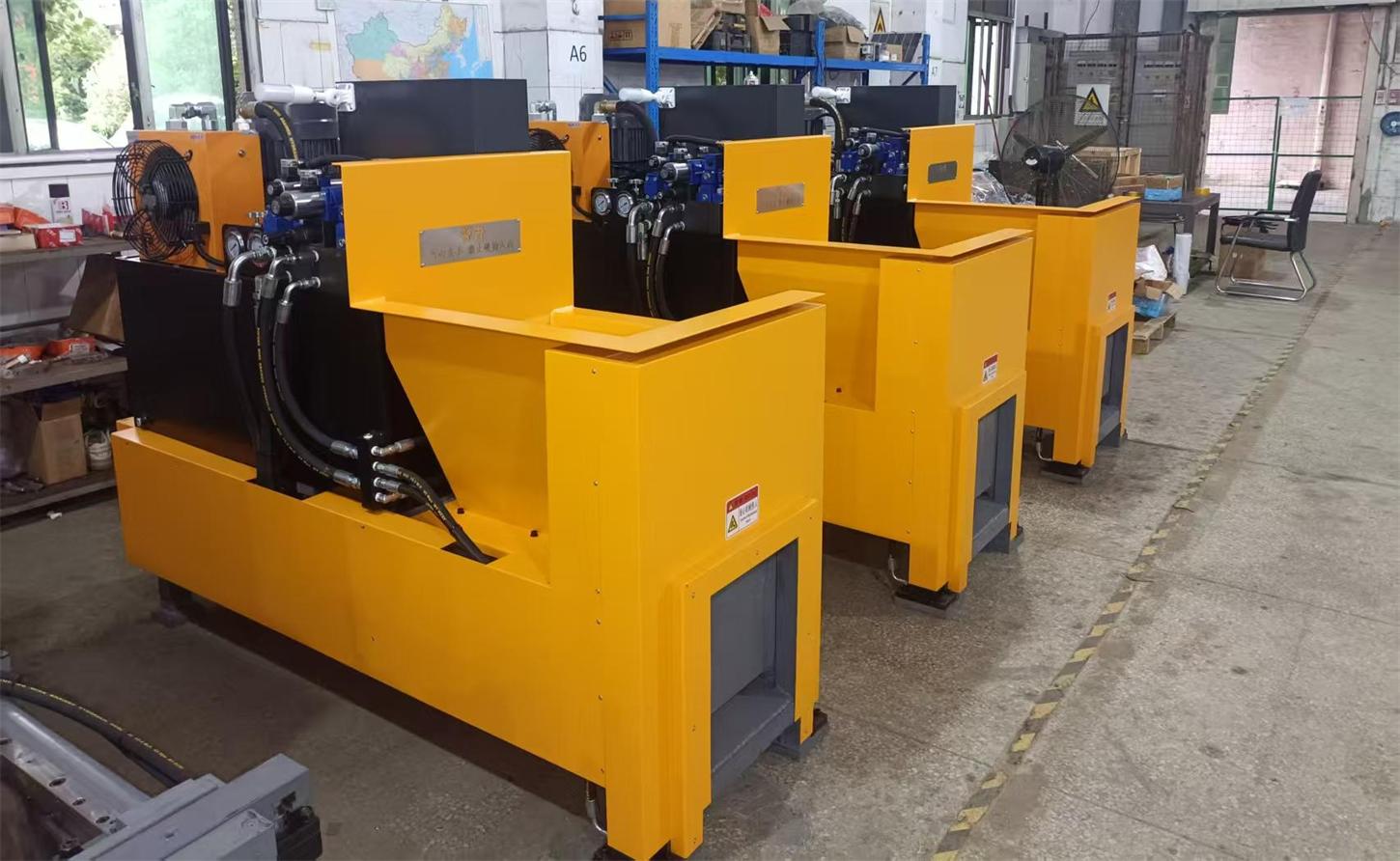
How Hydraulic Balers Work
The magic of hydraulic balers lies in their pressurized fluid systems. Here's what happens when you feed materials into one:
- The electric motor activates a hydraulic pump
- Hydraulic oil gets pressurized up to 5,000 PSI
- This force moves hydraulic cylinders that compress materials
- A sophisticated control system manages pressure cycles
Imagine the difference between crushing a soda can with your hand versus a car slowly rolling over it. That's hydraulic power - relentless, consistent pressure that creates dense, uniform bales regardless of material type.
Why Operations Love Hydraulic Balers
- Muscle that matters : Generate compression forces impossible manually
- One-size-fits-most flexibility : Handle cardboard, plastics, metals, textile effortlessly
- Stamina : Run continuous shifts without operator fatigue
- Bale consistency : Produce uniformly sized bales for simplified stacking
- Scalable capacity : From compact warehouse models to industrial giants
Hydraulic Challenges
- Steeper startup costs : Initial investment that needs ROI justification
- Technical know-how required : Maintenance beyond basic wrench skills
- Fixed positions : Less mobile than manual alternatives
- Power dependence : Operation halts during electricity failures
"We processed just 2 tons daily with our manual baler. After switching to a hydraulic system, we now handle 8 tons without overtime. The bale density increased our revenue per truckload by 35%" - Recycling Facility Manager, Midwest USA
Manual Balers: The Accessible Option
The Human-Powered Approach
Manual balers strip away complex machinery for direct human-powered compression. The simplicity is beautiful:
- Load material into the compression chamber
- Operate a lever mechanism to create pressure
- Physically compress material through repetitive motion
- Secure the finished bale manually
Think of it like pressing grapes for wine versus industrial crushing equipment. The manual approach connects you directly to the process - sometimes literally with your sweat.
Manual Baler Advantages
- Zero electricity operation : Work during blackouts or remote sites
- Lowest entry cost : Affordable startup for new operations
- Portability : Move between sites without special equipment
- Minimal technical training : Operate immediately
- Energy savings : No power consumption beyond human calories
Operational Limitations
- Capacity constraints : Maximum input limits before fatigue sets in
- Inconsistent compression : Bale density varies with operator strength
- Time intensive : Each bale takes significantly longer
- Ergonomic concerns : Potential for repetitive strain injuries
"Our community recycling center operates on slim margins. The manual baler gets the job done without expensive power installations. For our 50 bales/week operation, it's perfect." - Nonprofit Recycling Coordinator
The Crossroads: Side-by-Side Comparison
| Factor | Hydraulic Balers | Manual Balers |
|---|---|---|
| Daily Bale Capacity | 25-100+ bales | 5-15 bales |
| Bale Density | Superior compression | Variable compression |
| Operation Cost/Bale | $0.15-$0.40 | $1.20-$2.50 |
| Setup Cost | $8,000-$50,000 | $800-$3,000 |
| Space Requirement | Dedicated floor space | Minimal footprint |
| Operator Skill Level | Technical training needed | Basic orientation |
| Material Flexibility | Cardboard, plastic, metal | Light cardboard only |
Watching recycling operations grow shows predictable patterns. Most start manually - that $1,500 manual baler feels like salvation. Then comes the watershed moment: either you hit capacity limitations or receive feedback about bale quality.
That's when facilities discover hydraulic systems aren't luxury upgrades but necessities. The real cost difference emerges not in equipment pricing but in operational efficiency and labor economics.
The Automation Factor: Beyond Basic Hydraulics
Modern hydraulic balers bring more than brute force. They incorporate features that redefine efficiency:
Integrated Control Systems
Touchscreen interfaces now handle complex operations with single-touch commands. One facility manager described it as "going from driving manual transmission vehicles to Tesla autopilot."
Density Sensors
Smart sensors now guarantee every bale meets exact specifications required by mills. No more rejection notices for under-compacted bales.
Automatic Tying Systems
Combined with automated wire recycling equipment , these systems eliminate manual tying - historically the most labor-intensive part of the process.
These features explain why automated hydraulic systems are considered essential equipment in modern recycling plants rather than optional upgrades.
Making Your Decision: Key Considerations
Choosing between hydraulic and manual balers means navigating through real operational realities:
Volume Thresholds
If you're processing under 1 ton daily, manual might suffice. Between 1-3 tons, hydraulic becomes worthwhile. Beyond 3 tons? Manual operation simply can't keep pace.
Labor Realities
Consider availability, cost and turnover of physical laborers. Manual baling requires constant staffing for production while hydraulic systems need specialized but less frequent attention.
Future Growth Path
For operations planning expansion, manual balers become temporary solutions. The tipping point comes faster than most expect - typically within 18-24 months.
Market Requirements
Processing plants increasingly demand uniform bale specifications. Hydraulic systems deliver consistent compliance while manual results vary significantly.
The hydraulic vs. manual decision ultimately reflects your business identity: are you a stopgap recycling effort or building a sustainable material recovery enterprise?
The Verdict: Beyond Simple Choice
This isn't merely equipment selection but operational philosophy. Manual balers serve specific contexts: small-scale operations, temporary setups, budget-constrained startups or sites without reliable power.
But for facilities serious about recycling as a viable business? The hydraulic advantage becomes undeniable beyond minimal volumes. The higher throughput, labor savings, bale quality consistency and reduced injury risk transform its premium pricing into long-term value.
The recycling industry continues evolving toward greater efficiency. Choosing between these systems determines whether you lead that evolution or perpetually play catch-up. Your baler choice today echoes through years of operational efficiency - choose the tool that matches your ambitions.