Ever wondered why your hydraulic baler suddenly starts acting sluggish, making strange noises, or worse—breaking down completely? The culprit often isn't mechanical failure itself. It's your hydraulic oil temperature quietly sabotaging performance. Hydraulic balers rely on fluid power to generate crushing force for materials like scrap metal or waste, and when oil overheats, it's like trying to run a marathon in a sauna.
Imagine your hydraulic fluid as the lifeblood of your baler. Just like our bodies maintain a core temperature around 98.6°F (37°C), hydraulic systems have their "sweet spot"—typically between 150-180°F (65-82°C). Cross that 180°F threshold, and things get ugly fast. Seals turn brittle as old rubber bands, viscosity drops like a rock, and oxidation turns premium oil into toxic sludge.
Whether you're compacting scrap metal in a recycling plant or baling agricultural waste, hydraulic baler oil temperature control is the unsung hero of machine longevity and efficiency. Let's dive into what makes this component so critical and how smart cooling strategies can save you thousands in downtime and repairs.
The High Cost of Hot Oil
Running hydraulic balers with overheated oil is like pouring sugar into a gas tank—damage is inevitable. Here's the silent destruction happening when temperatures creep past 82°C:
Seal & Hose Catastrophes
Ever seen a hydraulic hose burst like an overcooked sausage? At 180°F+, elastomers in seals and hoses degrade rapidly. The synthetic rubber loses flexibility, leading to:
- Micro-cracks that bloom into dangerous leaks
- Catastrophic seal blowouts during high-pressure cycles
- Sudden hydraulic line ruptures spraying hot oil everywhere
The Viscosity Vanish Act
Hydraulic balers need oil thickness for cushioning and force transmission. Heat thins oil dramatically—like maple syrup turning into water:
- Pump cavitation : Vapor bubbles imploding with explosive force
- Metal-on-metal contact in cylinders and valves
- Whining pump sounds signaling imminent failure
Oxidation Sludge Party
Overheated oil chemically breaks down into sludge and acids:
- Filter-blocking goo restricts flow like clogged arteries
- Corrosive acids that eat brass fittings and valve seats
- Carbon deposits scoring cylinder walls like sandpaper
Why Your Baler Turns into a Furnace
Diagnosing overheating starts with hunting heat sources like a thermal detective. Common culprits:
1 Cooling System Failures
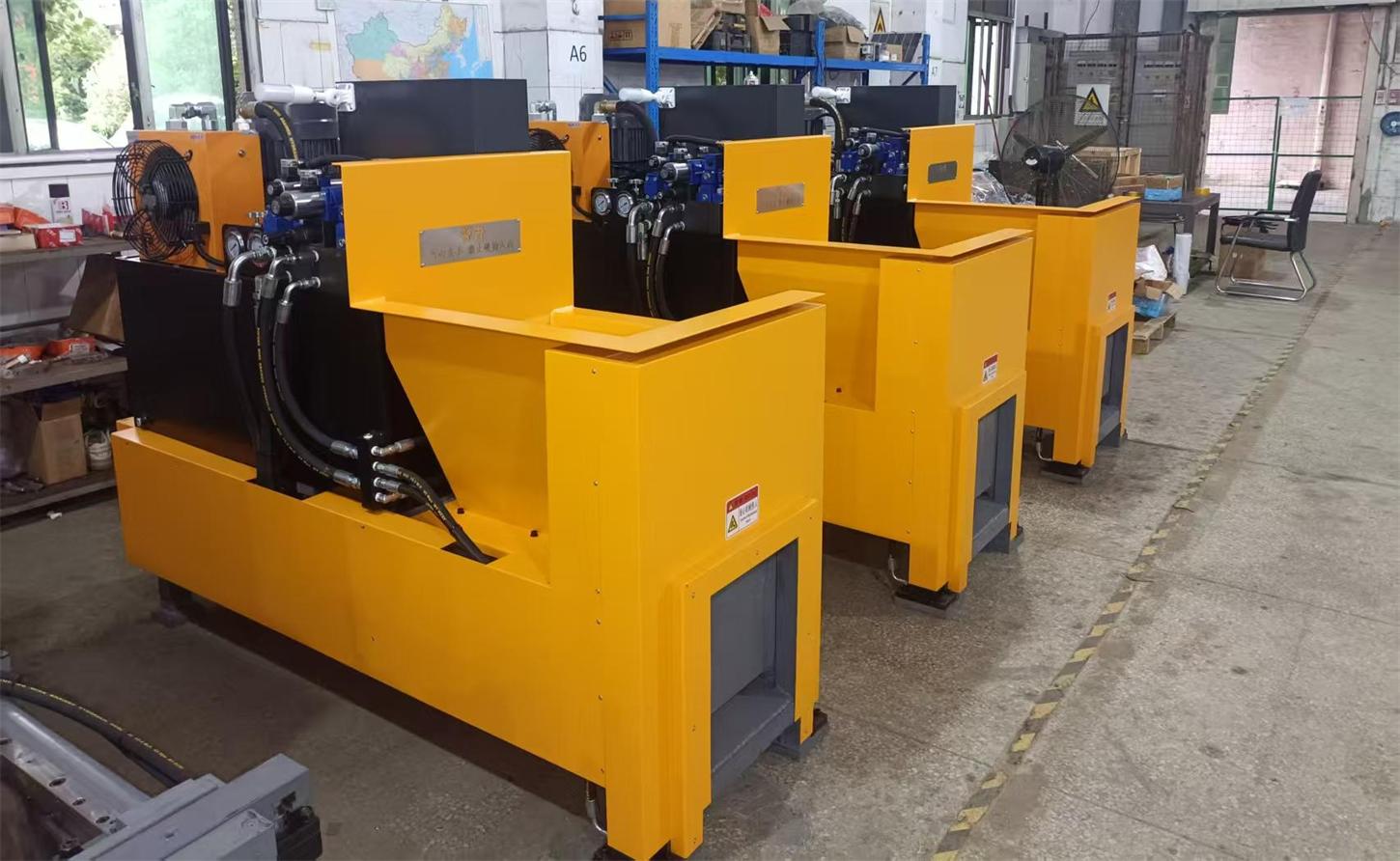
That radiator-looking thing behind your baler isn't decoration. Heat exchangers get crippled by:
- Dust-clogged fins reducing airflow by 80%
- Calcium buildup in water-cooled cores acting like insulation
- Faulty thermostat jamming valves closed
2 Fluid & Reservoir Issues
Your oil tank should be a cooling champion, not a heat trap:
- Low fluid levels : Reduced thermal mass overheating faster
- Dirty reservoirs : Sludge coating walls insulating heat
- Substandard oil : Cheap fluids with low thermal conductivity
3 Silent Efficiency Killers
Hidden flaws that sneak heat into your system:
- Internal leakage : Worn seals letting fluid bypass work circuits
- Relief valve chatter : Constant pressure bleeding=energy=heat
- Undersized components : Pumps struggling against demand
Cooling Solutions That Actually Work
Beating hydraulic baler overheating isn't just about slapping on a bigger fan—it's strategic thermal management:
1. Smart Heat Exchange Systems
Modern heat exchangers come in multiple flavors:
2. Hydraulic Fluid Hacks
- Viscosity Index Boosters - Maintain oil thickness across temperature swings
- Synthetic Fluids - Last 3X longer with higher thermal limits
- Micro-Sized Reservoirs - Add 10% cooling fins to surface area
3. Maintenance Routines That Prevent Overheating
Infrared Thermometer Trick:
Monthly scans of hydraulic lines reveal developing problems:
- Red hotspots (>200°F) near pumps signal trouble
- Cool zones indicate flow restrictions
Modern Oil Temperature Guardians
Stop guessing about oil health—install these monitoring solutions:
Real-Time Sensors
Affordable IoT devices clamp onto lines:
- Alerts to phones when >175°F
- Historical graphs showing thermal patterns
Thermal Cameras
Like X-ray vision for heat issues:
- Identifies failing bearings before seizure
- Pinpoints internal leakage paths
Fluid Analysis
Oil doesn't lie—send samples quarterly:
- Detects oxidation at chemical level
- Identifies wear metals from overheating damage
The Bottom-Line Benefits
Controlling hydraulic oil temperatures isn't just technical—it's financially transformative:
47% Longer Component Life
Pistons and pumps at proper temperatures avoid thermal fatigue cracks
Oil Replacement Halved
Clean, cool oil lasts 8,000 hours vs. 3,000 in hot systems
87% Fewer Emergency Repairs
Seal replacements drop by 90% with temperature management
"A recycling plant implemented thermal controls on their scrap metal balers and saw $28,000 annual savings in hydraulic repairs alone—payback period: 5 months"
Practical Temperature Control Steps
Ready to cool down your hydraulic balers? Follow this action plan:
Step 1: Thermal Audit
Using IR cameras, map your baler's temperature profile during operation cycle. Identify hotspots >200°F.
Step 2: Cooling Upgrade Path
Choose solutions based on findings:
- Low airflow? → Install auxiliary fans
- Fluid degradation? → Switch to premium synthetics
Step 3: Maintenance Protocols
Implement:
- Monthly IR scans
- Fluid sampling every 500 hours
- Heat exchanger cleaning schedules
The Final Word: Prevention Beats Repairs
Hydraulic balers push enormous forces when compacting materials—forces that generate incredible heat. Just 20°F above normal temperature doubles wear rates and halves fluid life. The difference between smooth operations and disaster comes down to intentional temperature control.
From simple radiator maintenance to advanced phase-change coolers, solutions exist at every budget level. What matters is acknowledging hydraulic oil temperature as the crucial parameter it truly is. Your baler will repay that attention with years of smooth, reliable service—transforming heat from an enemy into a managed resource.
Golden Rule: Check your hydraulic baler oil temperature gauge regularly—if the needle lives above the 180°F mark, trouble is brewing in your power pack.