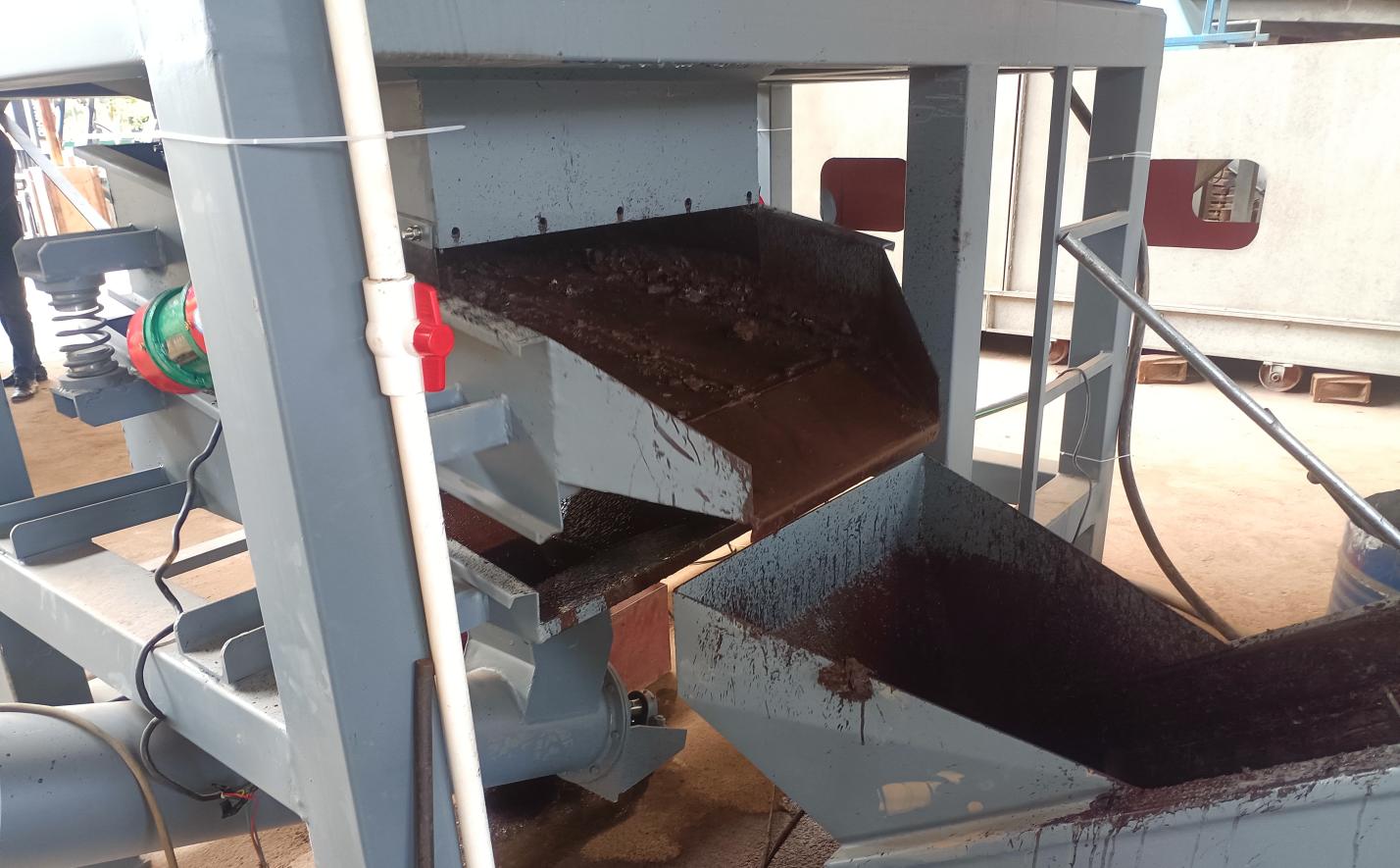
Picture this: a blazing inferno swallowing raw materials, transforming them into liquid metal. That's what happens inside a blast furnace. But what separates okay results from amazing ones? It's all about fine-tuning the components and making every breath of air count. Just like a master chef balances ingredients to craft the perfect dish, optimizing materials and airflow in blast furnace operations creates efficiency magic.
The Foundations of Modern Blast Furnaces
Material Science Magic
Getting raw materials right isn't just important – it's everything. Think about iron ore pellets. Not all are made equal. Some crumble under pressure, while others hold strong. Studies show that pellets with just the right composition can boost output by a solid 10%. But why? It's the balance between silica and alumina that makes or breaks the performance.
"The difference between average and exceptional output often comes down to material prep. Overlook it, and you're literally burning money." – Leading metallurgy expert at Steel Dynamics 2023 Symposium
Coke Matters More Than You Think
Coke isn't just fuel. It's the backbone holding everything together. Ever wonder why some furnaces work longer between repairs? High-grade coke with less than 8% ash content extends campaigns noticeably. And here's a tip most overlook: pre-treating coke with tar can reduce erosion by nearly 15%.
Airflow Secrets: Breathing Life Into Efficiency
Hot Blast Optimization
That air rushing into the furnace? It needs to be just hot enough – but not too hot. Most plants aim for 1100-1300°C. Push it higher, and you risk damaging the stove linings. Too low? Reduced efficiency. New sensors placed at tuyere level give real-time data, letting operators make minute adjustments that add up to big savings.
Oxygen Enrichment Tricks
Adding oxygen feels like cheating physics. But it's not about dumping more – it's about distributing smarter. Systems that pulse oxygen rather than blast it continuously show 7% better utilization rates. The key? Matching oxygen flow rates with burden descent rates.
"We saw production jump 12% overnight after installing multi-point injection. It wasn't revolutionary tech, just smarter application of existing principles." – Operations Manager, ArcelorMittal Brazil
Waste Gas Recovery Wins
Exit gases shouldn't just be pollution – they're wasted opportunities. Modern plants capture over 85% of thermal energy from exhaust. One metal melting furnace facility in Germany even uses captured gas to power its entire material handling system. Talk about closing the loop!
The Human Element: Where Tech Meets Experience
Operator Intuition
No computer can replace decades of instinct. Experienced operators detect subtle sound changes – the furnace "breathing" differently – before instruments register anything. One veteran at a South Korean plant describes it as "hearing the iron's heartbeat." Digital tools help, but human senses still catch early-stage issues 20% faster than sensors alone.
Training for Tomorrow
Simulators are game-changers. Instead of learning during actual production (and potentially costly mistakes), new operators train in VR environments. These lifelike simulations respond realistically to bad decisions, building muscle memory faster than traditional methods.
Sustainable Steel: Efficiency Beyond Production
Slag: From Waste to Resource
Blast furnaces produce mountains of slag, but now it's becoming gold. Concrete manufacturers pay premium prices for processed slag that makes stronger, more durable buildings. Some plants even offset up to 30% of operating costs through slag sales.
Carbon Capture Innovations
The holy grail? Making carbon capture economical. Pilot plants testing amine absorption technology show promise, capturing over 90% of CO2 with reusable solvents. But the breakthrough lies in making this energy-efficient – prototypes now use only 30% of the energy traditional methods consume.
The Road Ahead: Emerging Technologies
Hydrogen Revolution
Hydrogen isn't science fiction anymore. Trials replacing coke with hydrogen show reductions in carbon emissions by 60-95%. The challenge? Scaling production affordably. Companies racing to solve this promise green steel within 5-7 years.
AI Control Systems
Self-optimizing furnaces aren't a dream. Machine learning algorithms digest thousands of sensor inputs per second, adjusting settings continuously. Early adopters report 5-8% efficiency jumps with no hardware changes – just smarter software.
Conclusion: Small Tweaks, Big Impacts
What transforms blast furnaces from mere industrial equipment into marvels of efficiency? Attention to detail. Whether it's selecting slightly better pellets, adjusting oxygen flow by fractions, or listening to the furnace's unique rhythms, small continuous improvements yield massive dividends. As steelmaking evolves, these optimization techniques become not just profit-boosters but necessities for survival in a competitive landscape.
"In steelmaking, you can't just set it and forget it. Like a living thing, the furnace constantly tells you what it needs – the magic is learning to listen." – Senior Metallurgist with 40 years experience