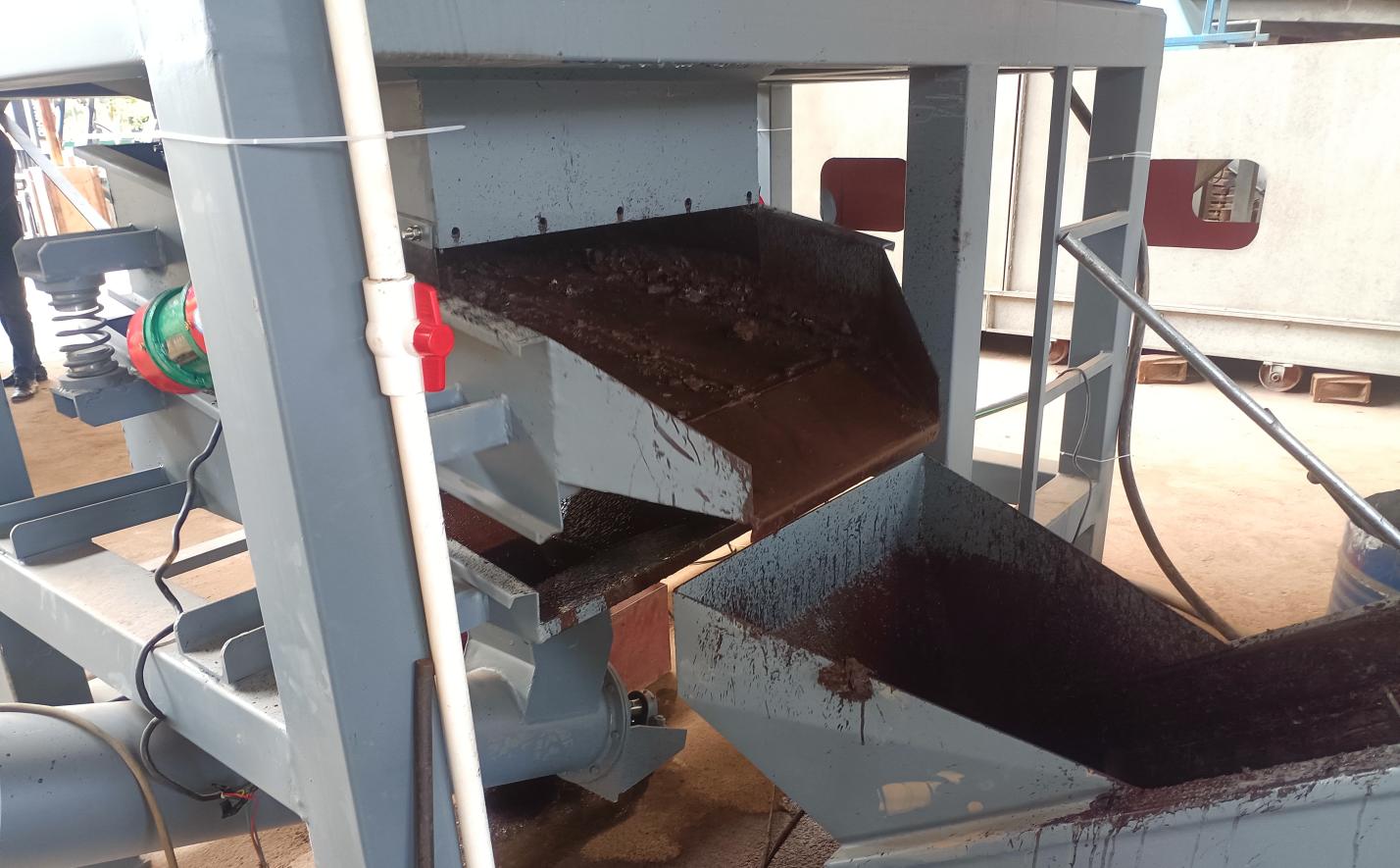
The global volume of electronic waste continues to rise at an unprecedented rate. Discarded batteries, obsolete circuit boards, and end-of-life cables contain valuable metals that can be recovered and reintroduced into the supply chain. For entrepreneurs and established companies looking to enter this market, the difference between modest returns and substantial profit often comes down to one factor: the quality of the recycling equipment in use.
This guide outlines the core equipment categories required for industrial-scale e-waste recycling, the technical specifications that matter, and how to select a reliable equipment partner to support your operation from planning through production.
Small-scale or manual recycling operations may handle limited volumes, but they struggle with consistency, safety, and environmental compliance. Industrial recycling plants require automated systems capable of processing tons of material per hour while maintaining high recovery rates and minimizing emissions.
Professional recycling equipment delivers three critical advantages:
- High Recovery Rates: Advanced separation technologies ensure maximum extraction of valuable metals such as copper, lead, aluminum, and precious metals.
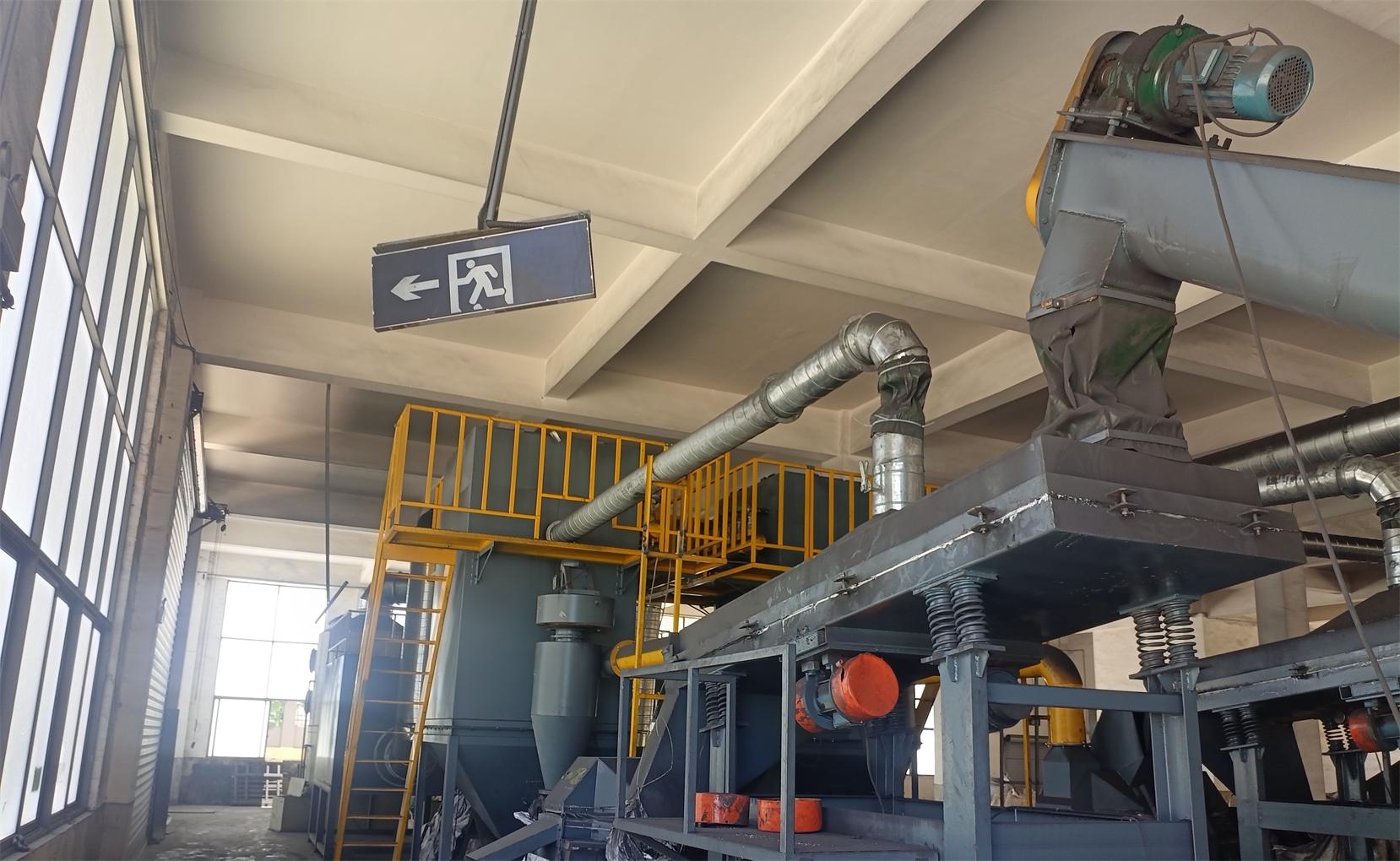
- Environmental Compliance: Integrated pollution control systems capture dust, neutralize acidic gases, and treat wastewater to meet strict environmental standards.
- Scalable Capacity: Industrial plants are designed for continuous operation with throughputs ranging from hundreds to thousands of kilograms per hour.
Used lead acid batteries represent one of the most recycled products globally due to their dense metal content and established recovery processes. A complete lead acid battery recycling equipment line typically includes a battery breaking and separation system, de-sulfurization unit, rotary furnace or blast furnace for smelting, lead refinery kettle, and air pollution control system.
Modern breaking and separation plants can process 1 to 10 metric tons per hour, separating lead paste, lead grids, plastic shells, and hard rubber with high efficiency. Lead recovery rates reach 95% in well-designed systems, and refined lead can achieve 99.999% purity suitable for battery manufacturing.
With the explosive growth of electric vehicles and portable electronics, spent lithium-ion batteries have become a critical feedstock. Li battery recycling equipment handles the complete chain from discharging and pre-crushing to secondary granulation and black powder separation.
A standard lithium battery recycling plant processes 500 to 2,500 kilograms per hour, recovering black mass containing nickel, cobalt, and graphite along with separated copper, aluminum, and plastic fractions. Air pollution control systems are essential to neutralize harmful gases generated during crushing.
Printed circuit boards contain copper, gold, silver, and other precious metals embedded in fiberglass and resin. Circuit board recycling equipment uses either dry air separation or wet water separation to liberate metal powders from non-metallic materials.
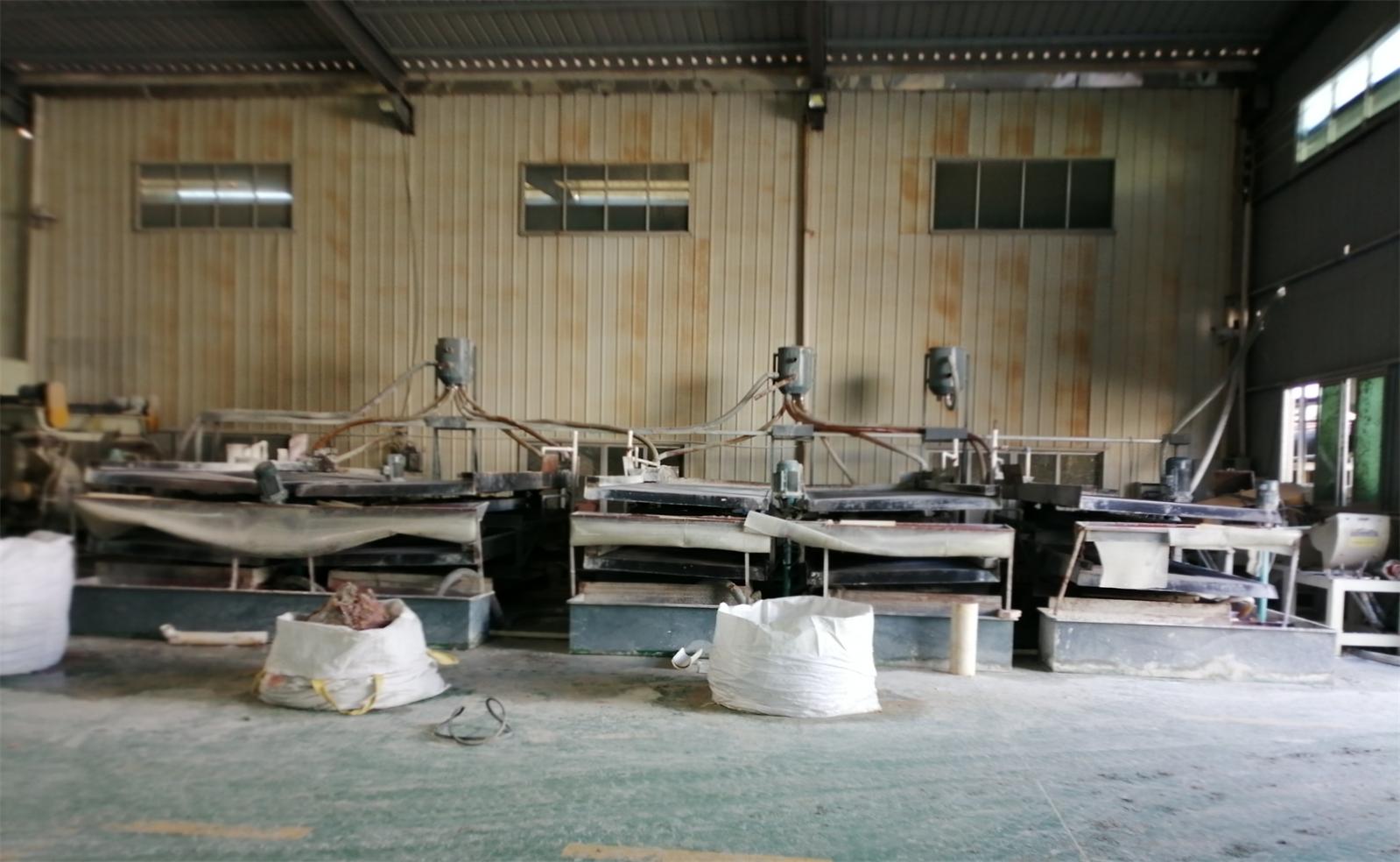
Dry separation plants with air classifiers and electrostatic separators achieve copper powder purity of 96% to 98% with recovery rates around 95%. Wet separation systems handle larger volumes and can process boards with components still attached, offering flexibility for different feedstock types.
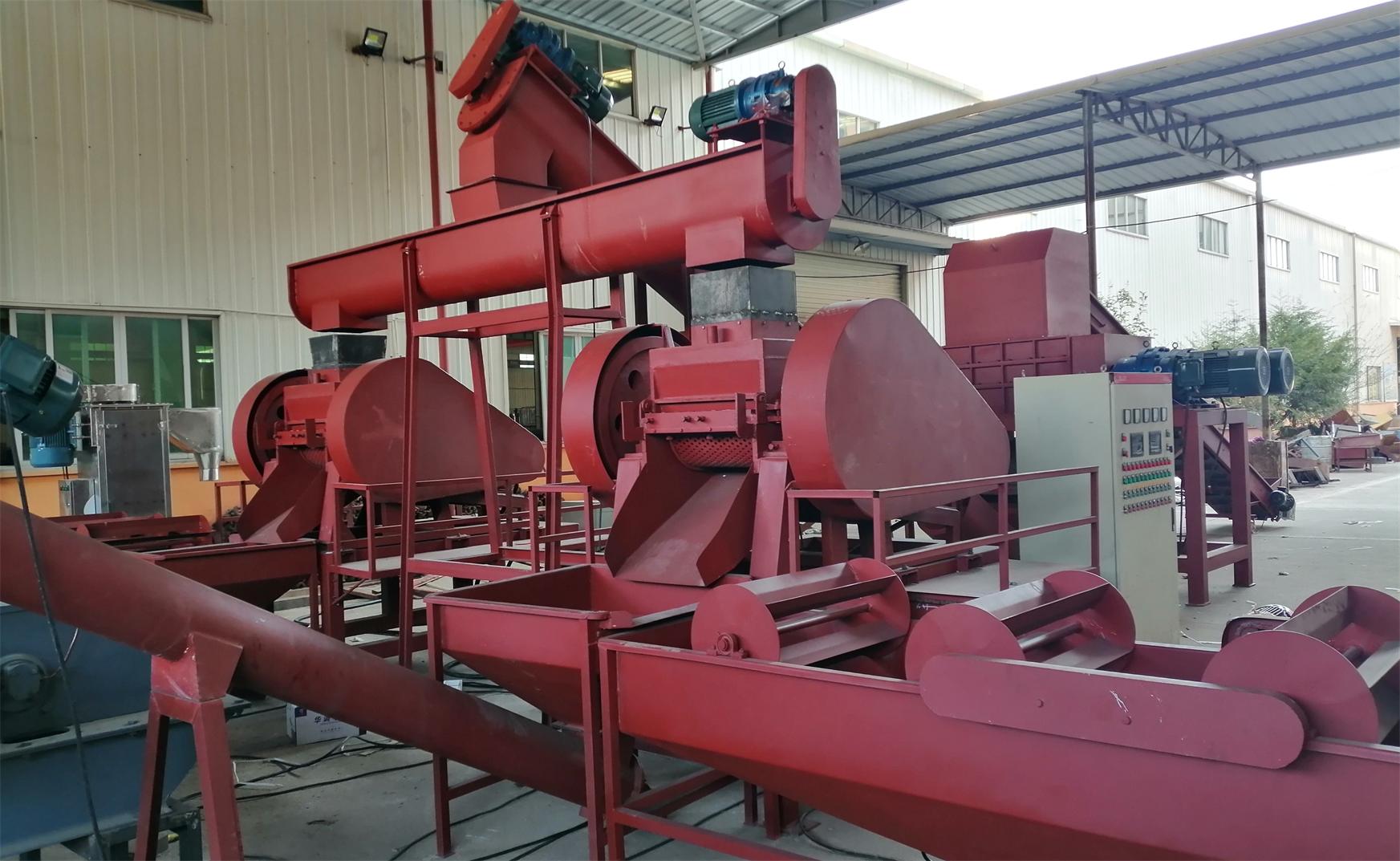
Scrap cables and wires are among the most accessible feedstocks for new recycling businesses. Cable recycling equipment ranges from simple scrap cable strippers for large-diameter wire to fully automated cable granulators with dry separators that process mixed cable waste.
Cable granulators separate copper or aluminum from plastic insulation through a combination of crushing, vibrating screens, and air classification. The resulting copper rice commands strong market prices, and the separated plastic can be pelletized for resale.
Beyond the core recycling lines, a fully operational plant typically includes supporting equipment:
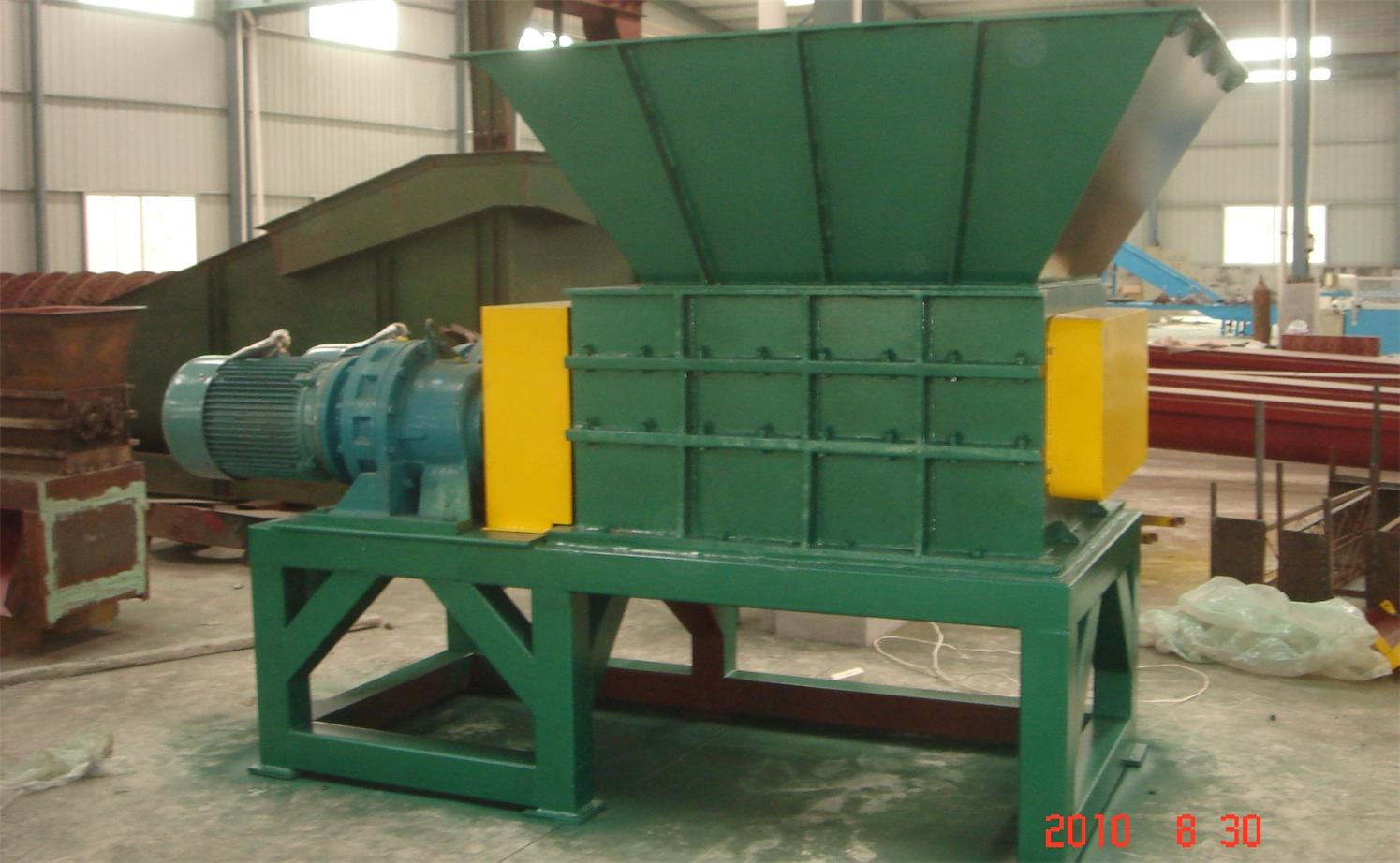
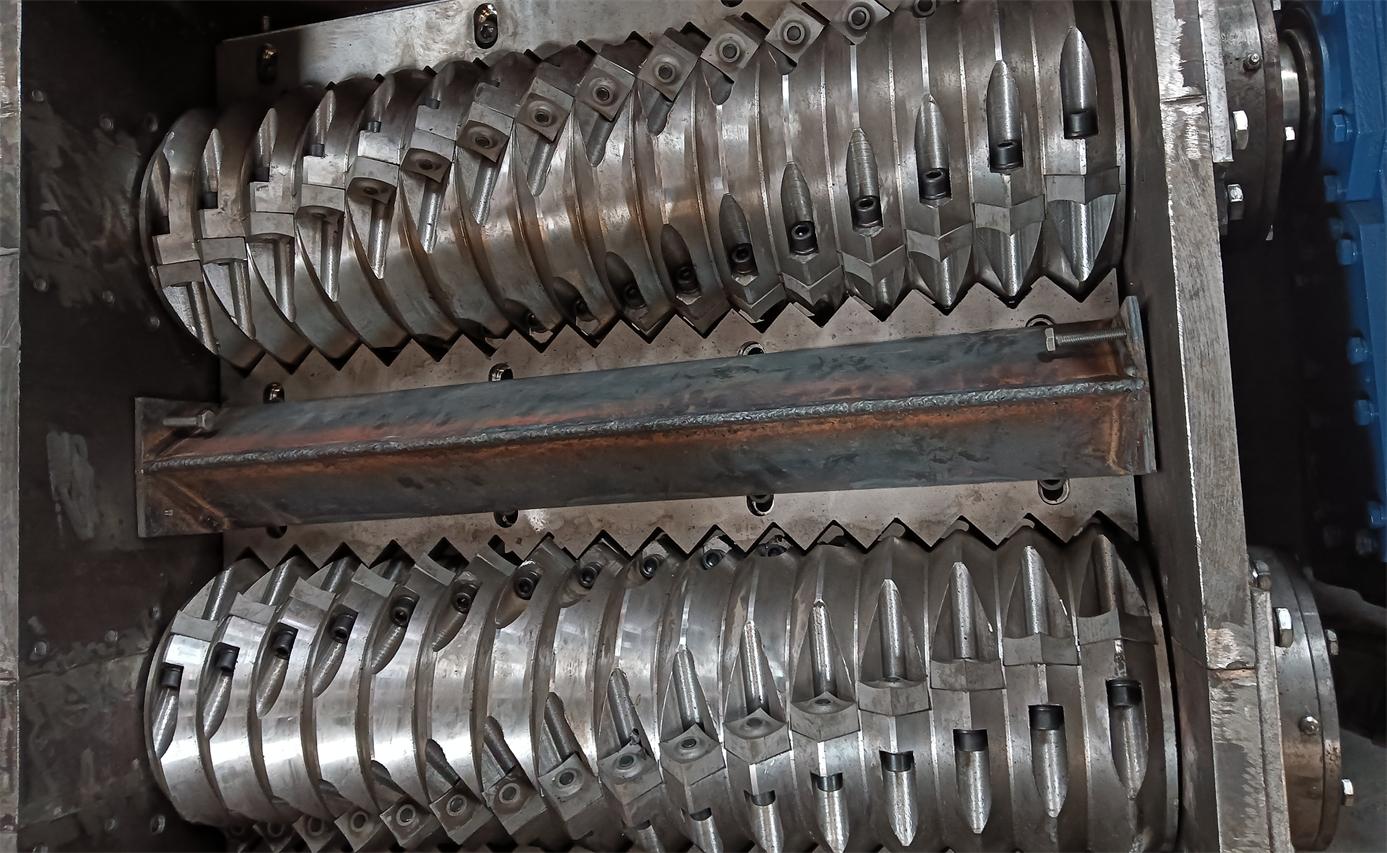
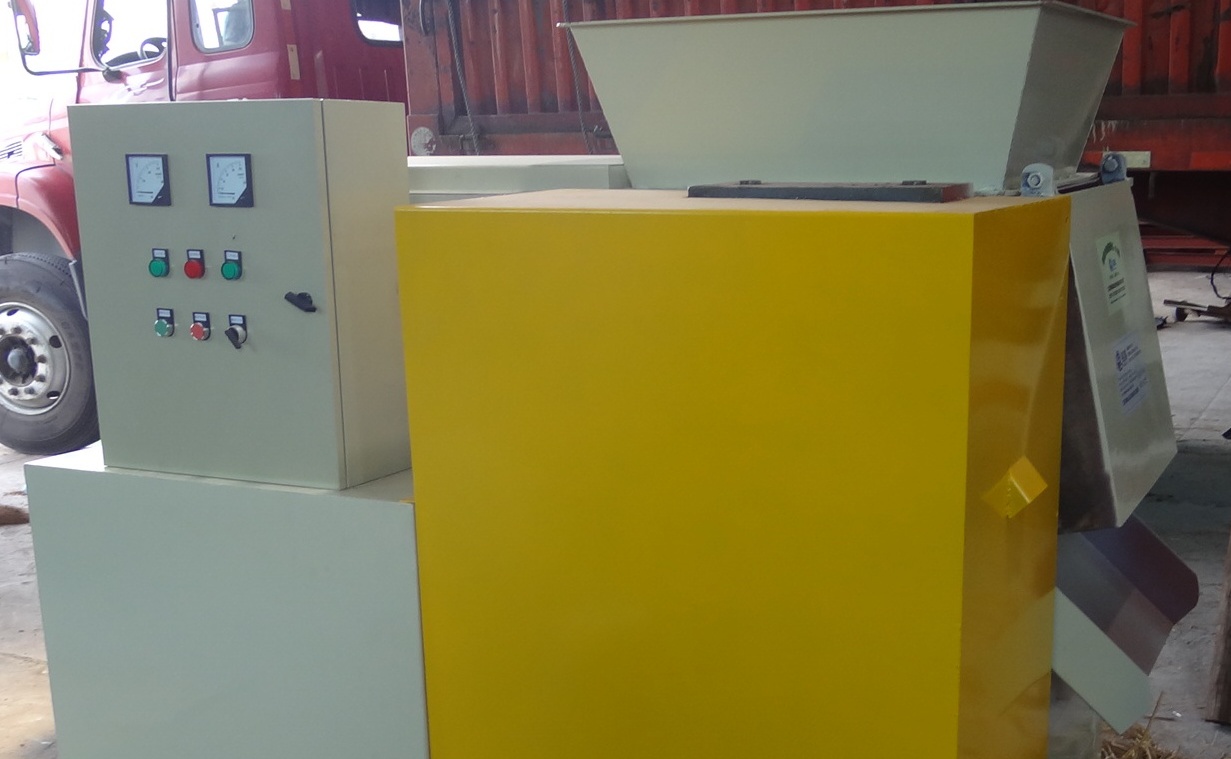
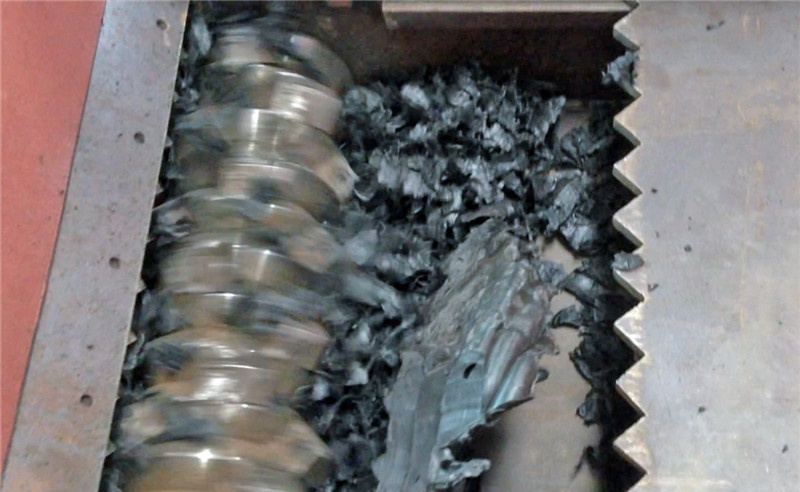
- Shredders and Pre-choppers: Reduce large or mixed e-waste to uniform size before feeding into specialized separation lines.
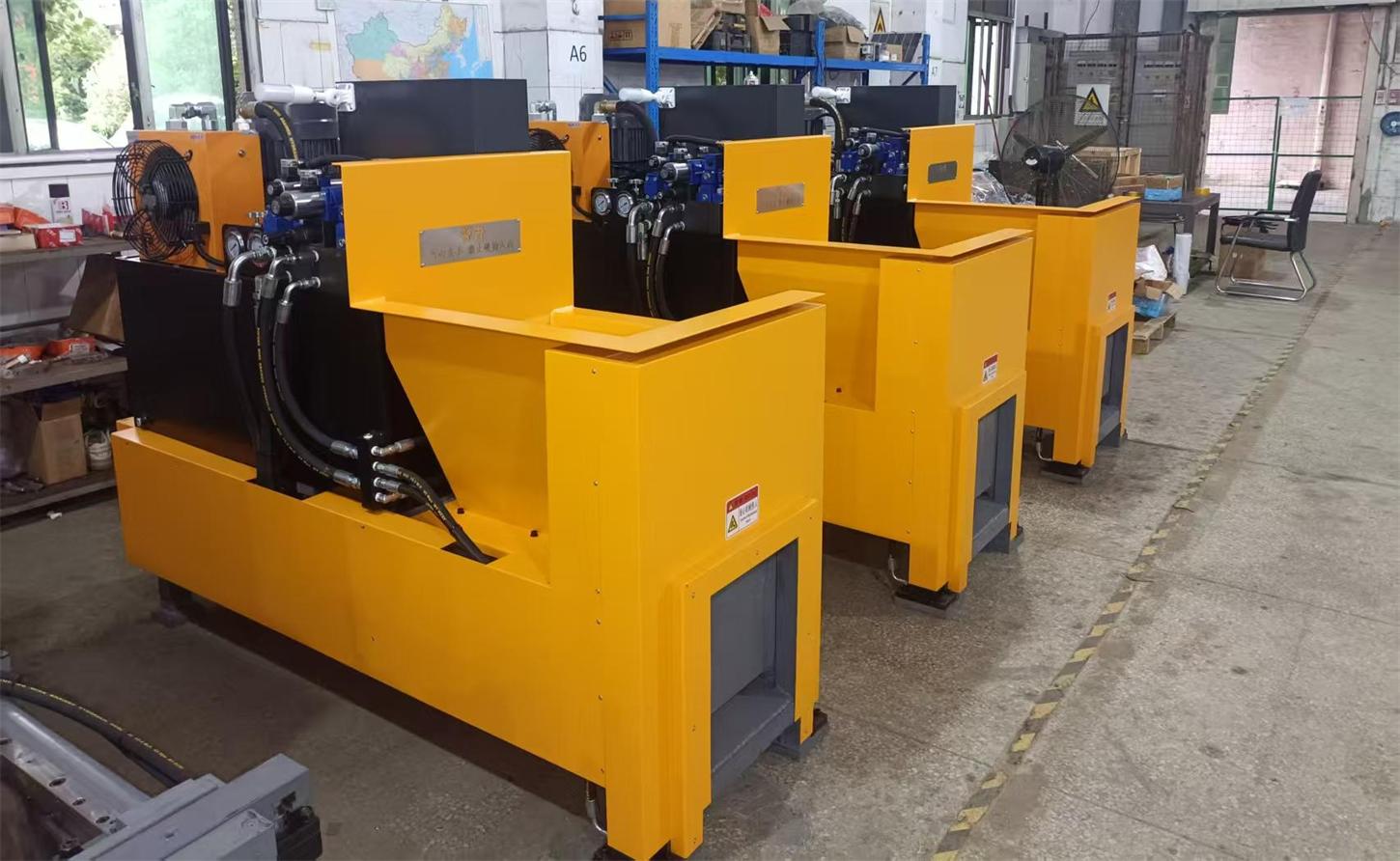
- Hydraulic Press Machines: Compact metal chips, plastic films, and other loose materials into dense briquettes or bales for transport and smelting.
- Refrigerator and AC Recycling Lines: Safely extract refrigerants and separate metals, plastics, and polyurethane foam from end-of-life cooling appliances.
- Motor Recycling Machines: Dismantle electric motor stators to recover copper windings from iron cores.
- Metal Melting Furnaces: Convert recovered metals into ingots for direct sale to foundries and manufacturers.
Selecting the right equipment partner is as important as choosing the right machines. A capable supplier should offer more than hardware. Look for these capabilities when evaluating potential partners:
- Engineering, Procurement, and Construction (EPC) project experience
- Customized plant design based on your specific feedstock and capacity targets
- Technical support team with deep mechanical engineering expertise
- Assistance with raw material sourcing and product offtake
- Installation, commissioning, and operator training services
- Proven international project references across multiple continents
San Lan Technologies Co., Ltd, established in 2007 and based in Ganzhou, Jiangxi Province, China, specializes in manufacturing WEEE recycling machinery and mining equipment. With over 15 years of experience, the company has delivered equipment to customers in more than 21 countries including Singapore, Colombia, Vietnam, Mexico, Argentina, Korea, Malaysia, and South Africa.
The company manufactures a comprehensive range of recycling equipment covering lead acid battery recycling plants, lithium battery recycling lines, circuit board recycling systems, cable granulators, shredders, hydraulic presses, refrigerator recycling lines, motor dismantling machines, and metal melting furnaces. San Lan also provides EPC services for complete plant construction, from initial design and equipment supply through installation and commissioning.
San Lan's technical team holds master's degrees in mechanical engineering and brings solid experience in e-waste recycling plant design. The company supports customers with feedstock sourcing, operational guidance, and assistance selling recovered products such as copper rice, lead ingots, and aluminum fractions.
Starting an industrial recycling plant involves clear planning and execution. Follow these steps to move from concept to production:
- Feedstock Assessment: Identify reliable sources of scrap material in your region and estimate monthly volumes.
- Capacity Planning: Match your equipment capacity to available feedstock. Start with a realistic throughput and plan for expansion.
- Regulatory Compliance: Secure environmental permits, industrial licenses, and waste handling authorizations required in your jurisdiction.
- Site Preparation: Prepare adequate space for equipment, raw material storage, finished product areas, and pollution control infrastructure.
- Equipment Procurement: Work with your supplier to finalize equipment specifications, layout drawings, and delivery schedules.
- Installation and Training: Complete mechanical and electrical installation, followed by commissioning and operator training.
- Production and Optimization: Begin production, monitor recovery rates and product quality, and fine-tune operating parameters.
Industrial e-waste recycling offers strong profit potential for operators who invest in the right equipment and partner with experienced manufacturers. Whether you are planning a lead acid battery recycling plant, a lithium battery recovery line, or a mixed e-waste processing facility, professional machinery is the foundation of your success.
Contact San Lan Technologies to discuss your project requirements, request a customized equipment proposal, and learn how their complete range of recycling solutions can help you build a profitable and environmentally compliant operation.