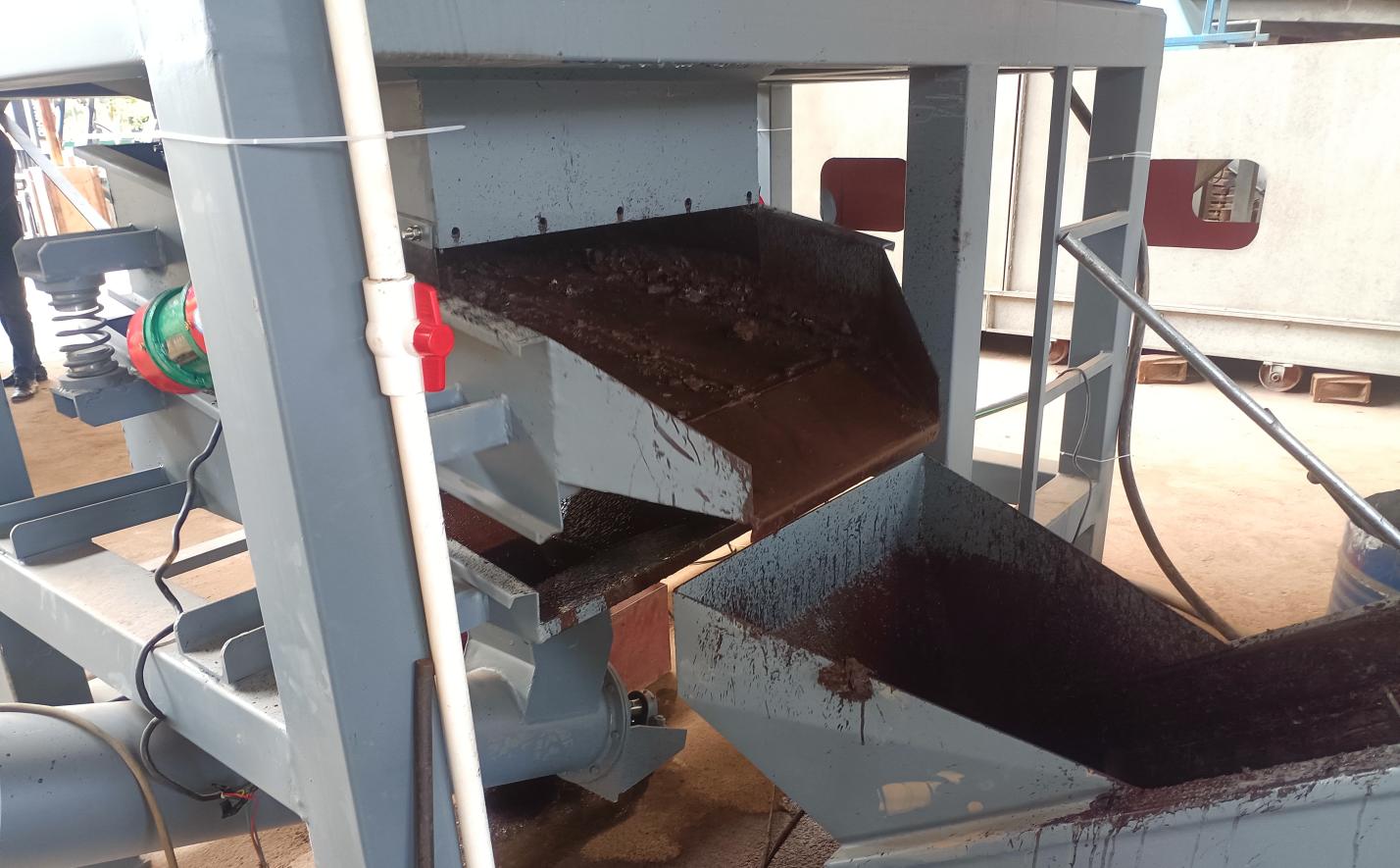
The shredder is the unsung hero of every recycling line. Get the pre-chopping stage wrong, and downstream separation efficiency collapses, maintenance costs soar, and your return on investment evaporates. This guide walks through the practical decisions plant operators face when selecting shredder and pre-chopper equipment for e-waste, cable scrap, and battery recycling operations.
Why Pre-Shredding Dictates Your Entire Line Performance
Every recycling plant, whether handling cable recycling equipment feedstock or end-of-life refrigerators, faces the same constraint: raw material arrives in bulky, irregular forms that cannot be fed directly into granulators, smelters, or separators. A poorly specified shredder creates a cascade of problems: jammed conveyors, uneven particle size, excessive dust, premature blade wear, and reduced metal liberation rates.
In circuit board recycling equipment lines, for example, populated PCBs must first be reduced to manageable fragments before hammer mills or pulverizers can release copper traces and precious metals. In lead acid battery recycling equipment plants, whole batteries require controlled breaking rather than aggressive shredding, to prevent acid spillage and short-circuit hazards. The shredding stage is not merely about size reduction; it is about preparing material so that every downstream process operates at its design efficiency.
Single-Shaft, Twin-Shaft, or Four-Shaft: Which Configuration Fits Your Feedstock?
The first decision is rotor configuration. Each design solves a different material problem:
| Configuration | Best For | Typical Output |
|---|---|---|
| Single-shaft | Homogeneous materials: cable scrap, plastic, paper | Consistent chip size, 300–1000 kg/h |
| Twin-shaft | Bulky, variable feed: refrigerators, motors, mixed e-waste | Strip-like or coarse chunks, 200–800 kg/h |
| Four-shaft | Heavy, dense, or tough materials: lead acid batteries, thick cables, metal housings | Controlled coarse-to-medium size, 2–6 MT/h |
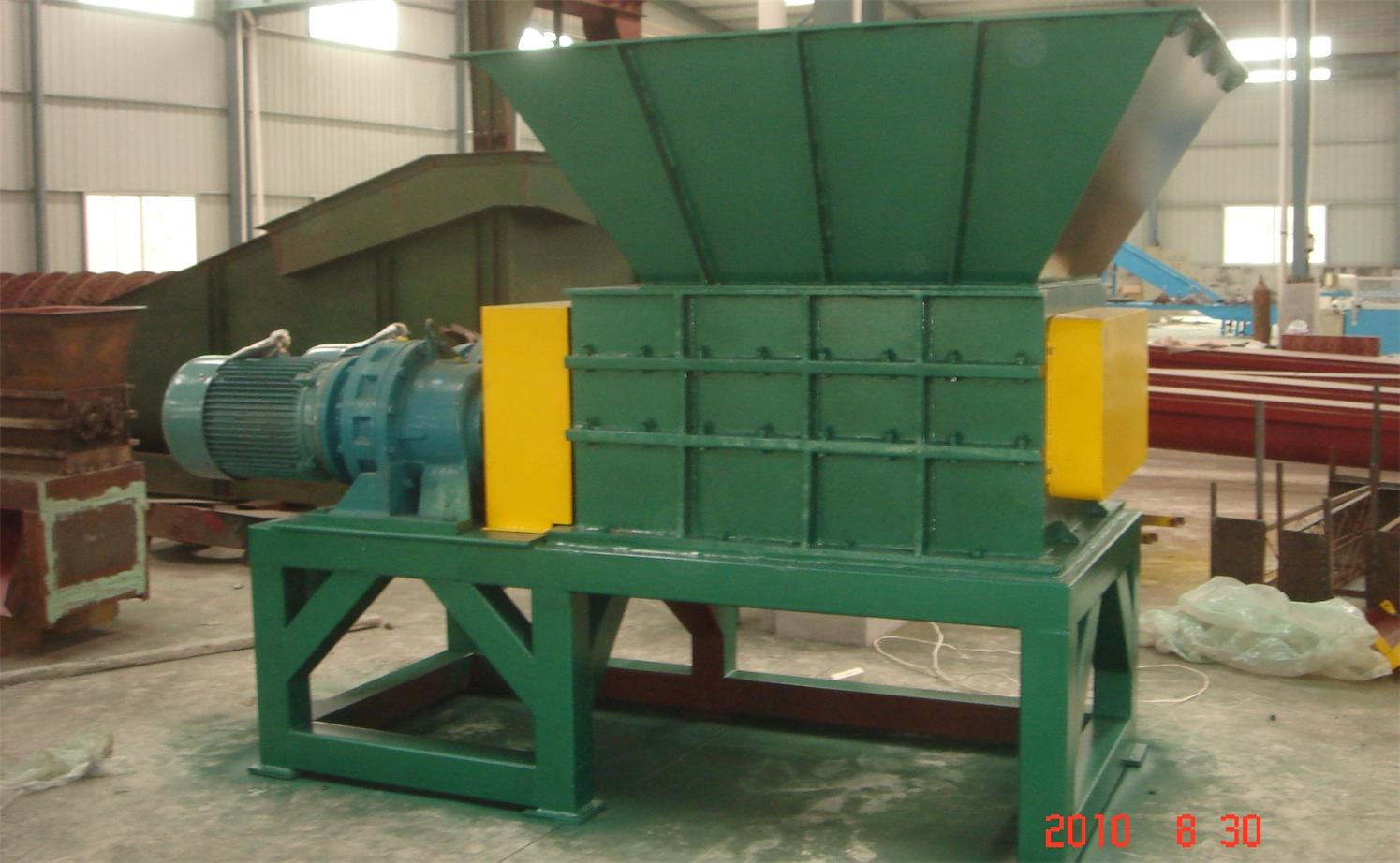
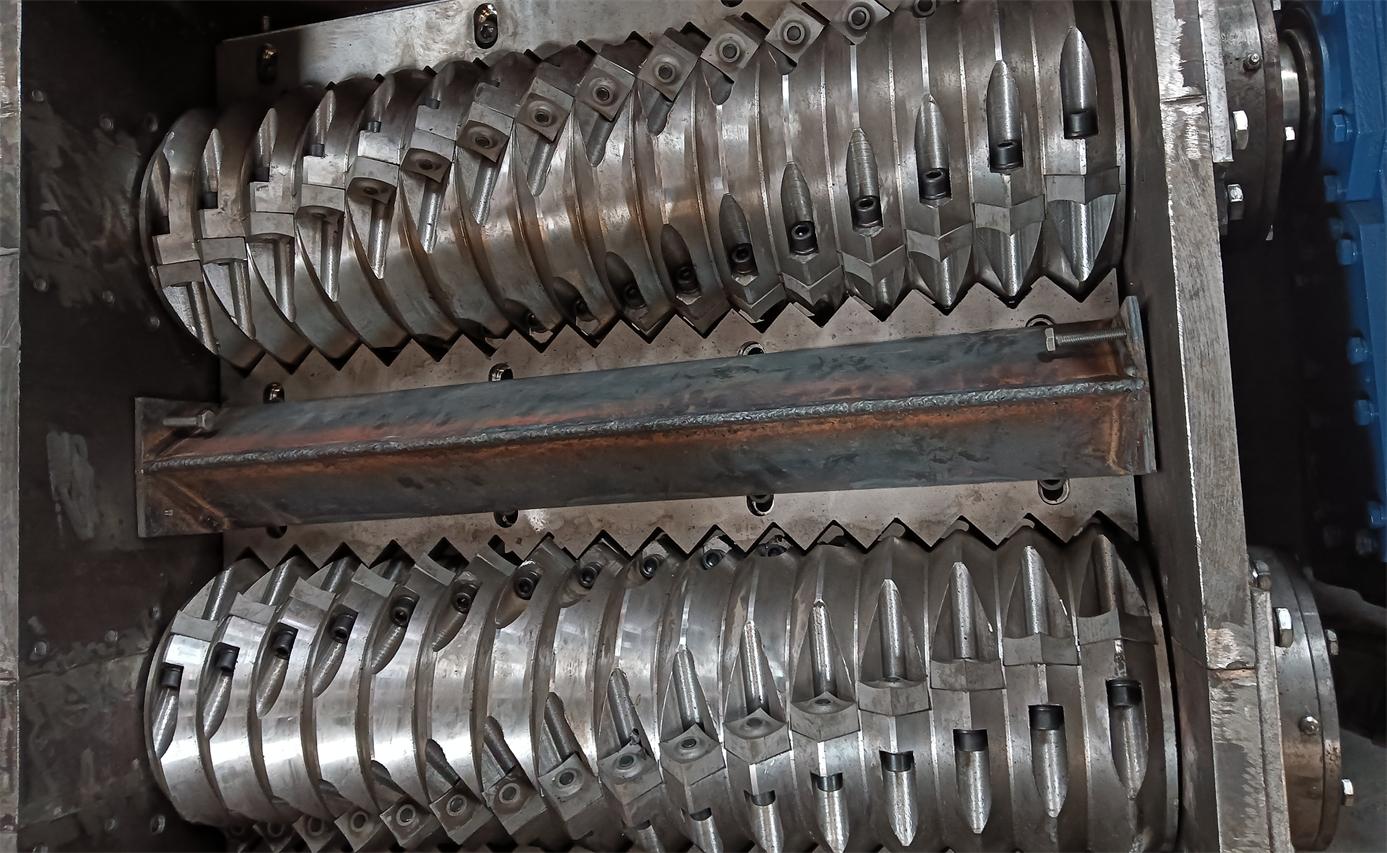
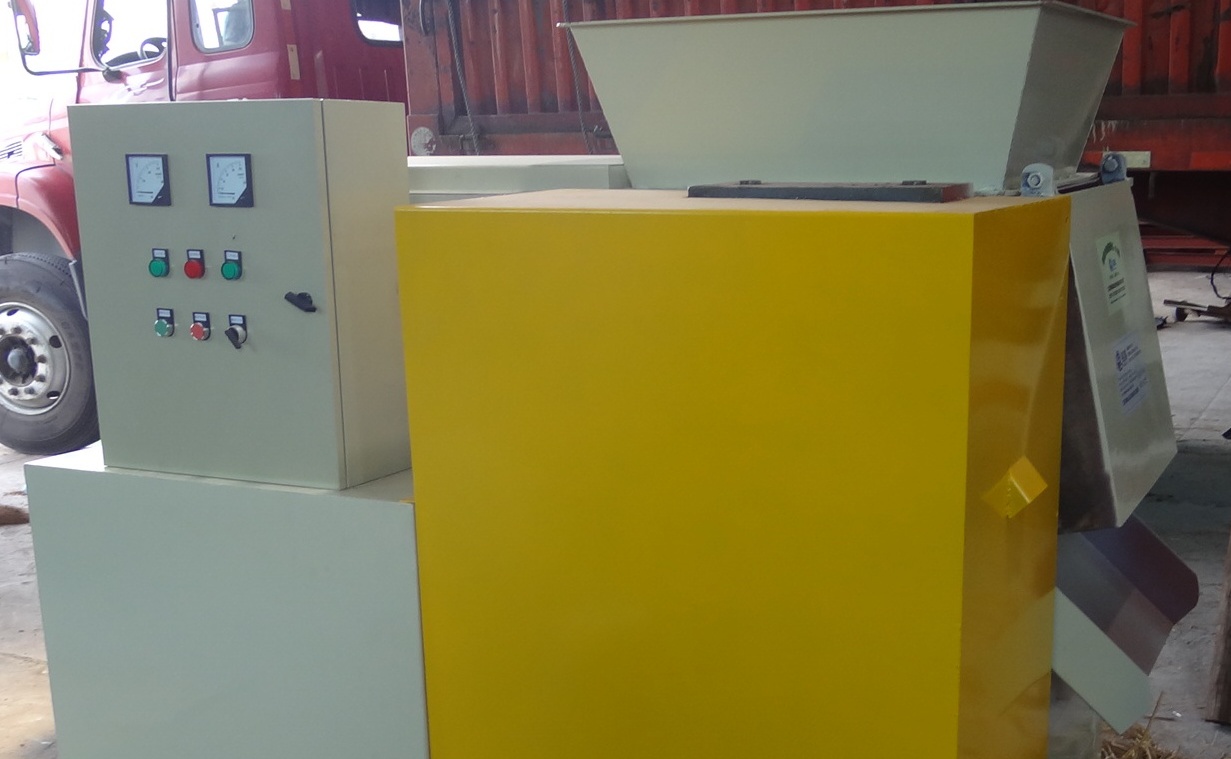
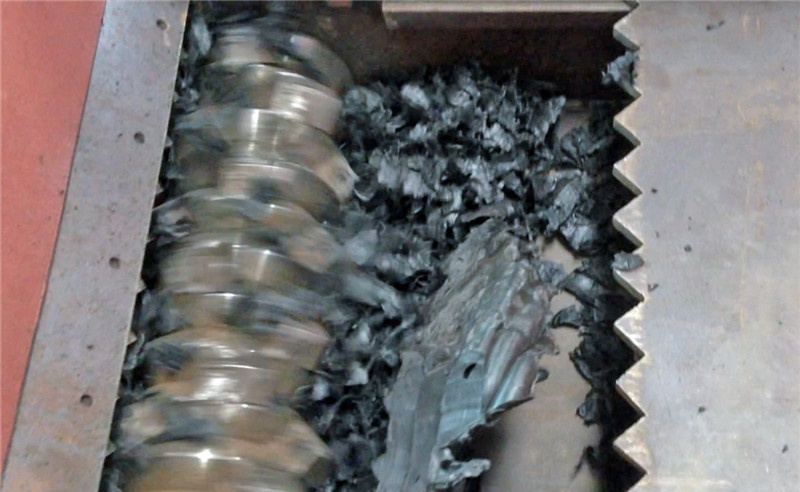
Single-shaft shredders use a high-speed rotor with a hydraulic pusher, making them ideal when the feedstock is relatively uniform and the goal is controlled particle size for subsequent separation. Twin-shaft units run at low speed and high torque, gripping and tearing bulky items without the vibration and noise of high-speed impact. Four-shaft designs add a secondary shredding stage, which is particularly valuable when processing thick-walled materials or when the output must meet a tight size specification before entering a furnace or chemical bath.
Four Critical Dimensions for Evaluating Shredder Quality
Once you know the configuration, evaluate candidates across these four dimensions:
1. Tool Steel and Heat Treatment
Blades should be manufactured from alloy steels such as SKD-11 or Cr12MoV, vacuum-quenched to HRC 56–62. San Lan's blade specifications fall within this range, with hardness ratings of HRC 56–62 on the used lead battery cutter series, indicating comparable metallurgical standards across their shredding portfolio.
2. Shaft and Chamber Construction
The cutting shaft must be forged from high-strength alloy steel, not cast, and should undergo heat treatment to improve fatigue resistance. The chamber walls should be reinforced with stiffeners at stress concentration points. In heavy-duty applications such as refrigerator shredding or battery breaking, insufficient body rigidity leads to frame deformation within months, misaligning blades and accelerating wear.
3. Drive and Overload Protection
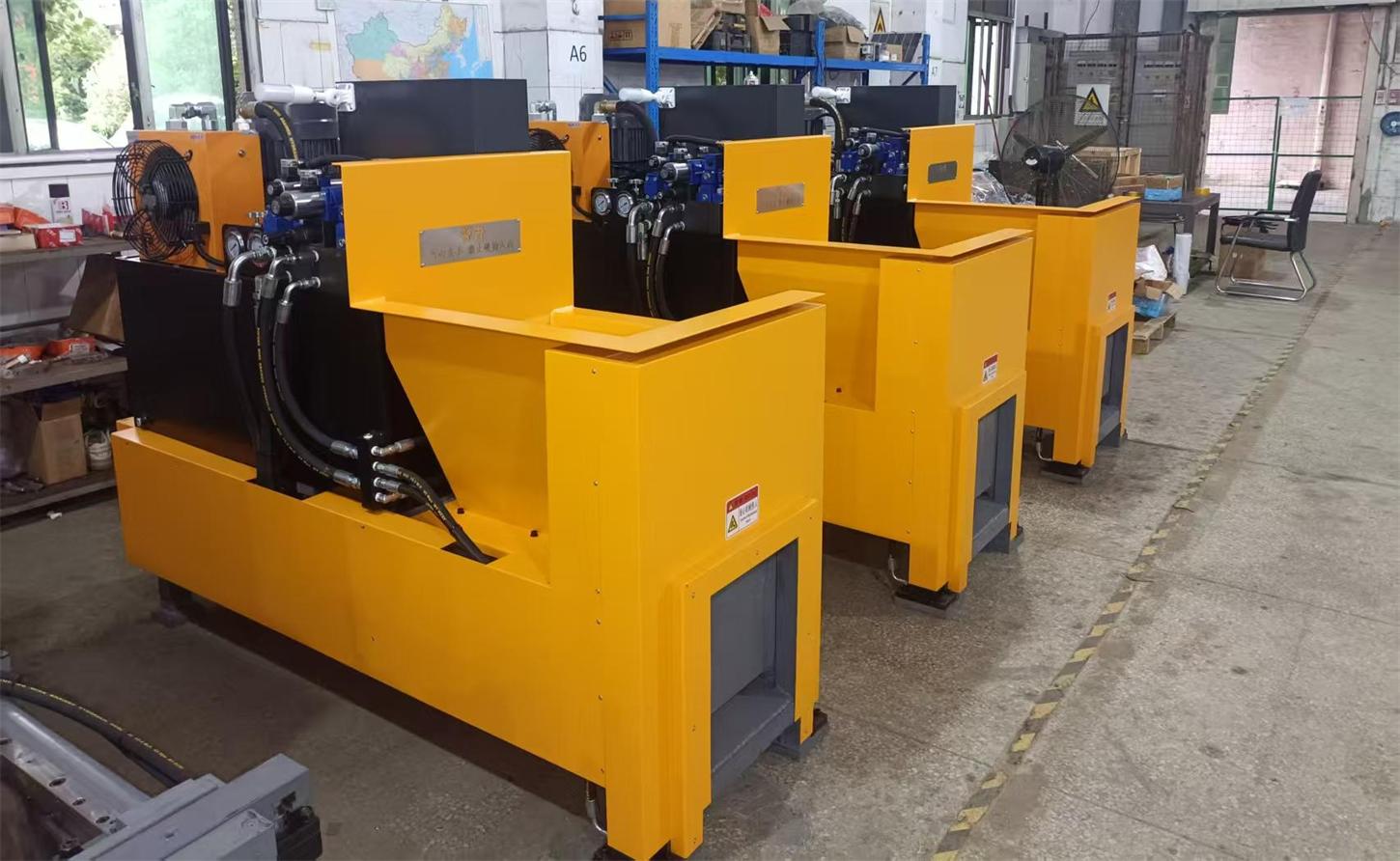
Look for dual-motor independent drive on multi-shaft units, which prevents shaft locking when one side encounters an unbreakable object. Intelligent overload reverse protection is essential: when torque spikes, the machine should stop, reverse, and attempt re-feed automatically. This single feature can reduce operator intervention by over 70 percent in mixed-waste lines.
4. Screen and Discharge Control
Interchangeable screen plates let you tune output size to match downstream equipment. A granulator feeding a wet separator may accept 30 mm fragments, while a dry air separator performs better with 10 mm inputs. Quick-change screen systems reduce changeover time from hours to minutes.
Matching Capacity to Your Real-World Feed Rate
Manufacturers quote throughput in ideal conditions. Your actual rate depends on bulk density, moisture content, and the proportion of unshreddables (steel brackets, stones, concrete). A practical rule is to size the shredder for 1.2 to 1.5 times your average hourly feed rate, allowing headroom for peak deliveries and reducing motor thermal stress.
San Lan's shredder portfolio spans 200 kg/h entry-level twin-shaft units up to 6 MT/h heavy-duty four-shaft machines. For a cable recycling plant processing 2 tonnes of mixed scrap cable per day, a single-shaft model rated at 500–1000 kg/h provides comfortable capacity with room for growth. For an e-waste dismantling facility handling refrigerators, washing machines, and CRT housings, a four-shaft unit at 4–6 MT/h is more appropriate, given the low bulk density and intermittent feeding of large appliances.
Safety and Environmental Compliance
Shredders are among the most hazardous machines in a recycling plant. Essential safety features include emergency stop cables along the full length of the infeed conveyor, locked rotor detection, and enclosed discharge chutes with dust extraction ports. For lithium battery or lead acid battery preprocessing, nitrogen inerting and temperature monitoring are critical, because punctured cells can enter thermal runaway.
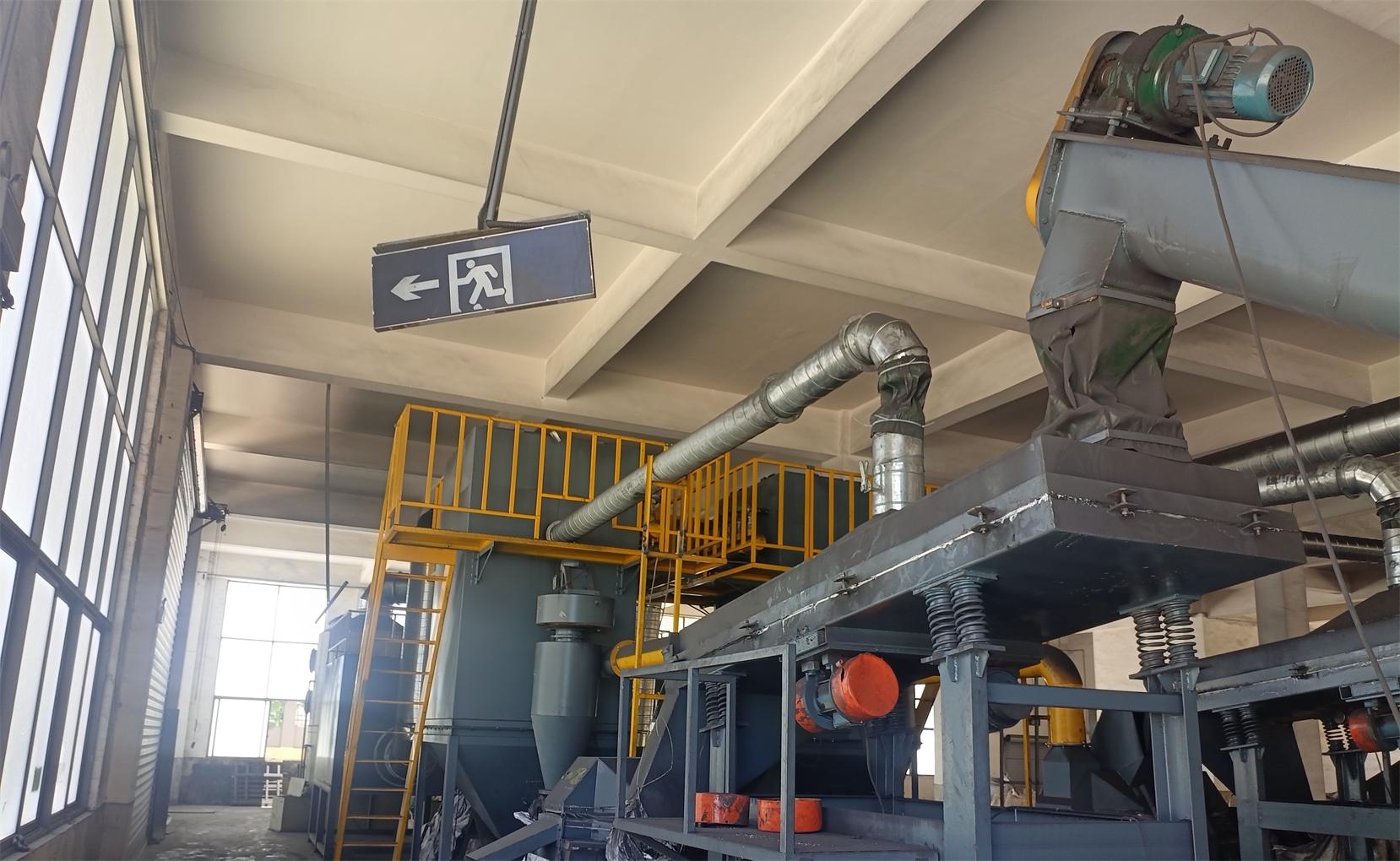
Environmental compliance extends to noise and dust. Low-speed twin-shaft and four-shaft designs naturally generate less noise (typically under 85 dB at 1 meter) than high-speed hammer mills. Integrated dust collection, either through cyclone separators or pulse-jet baghouses, should be planned at the shredder discharge to protect worker health and prevent combustible dust accumulation.
Beyond the Machine: EPC Support and Spare Parts Availability
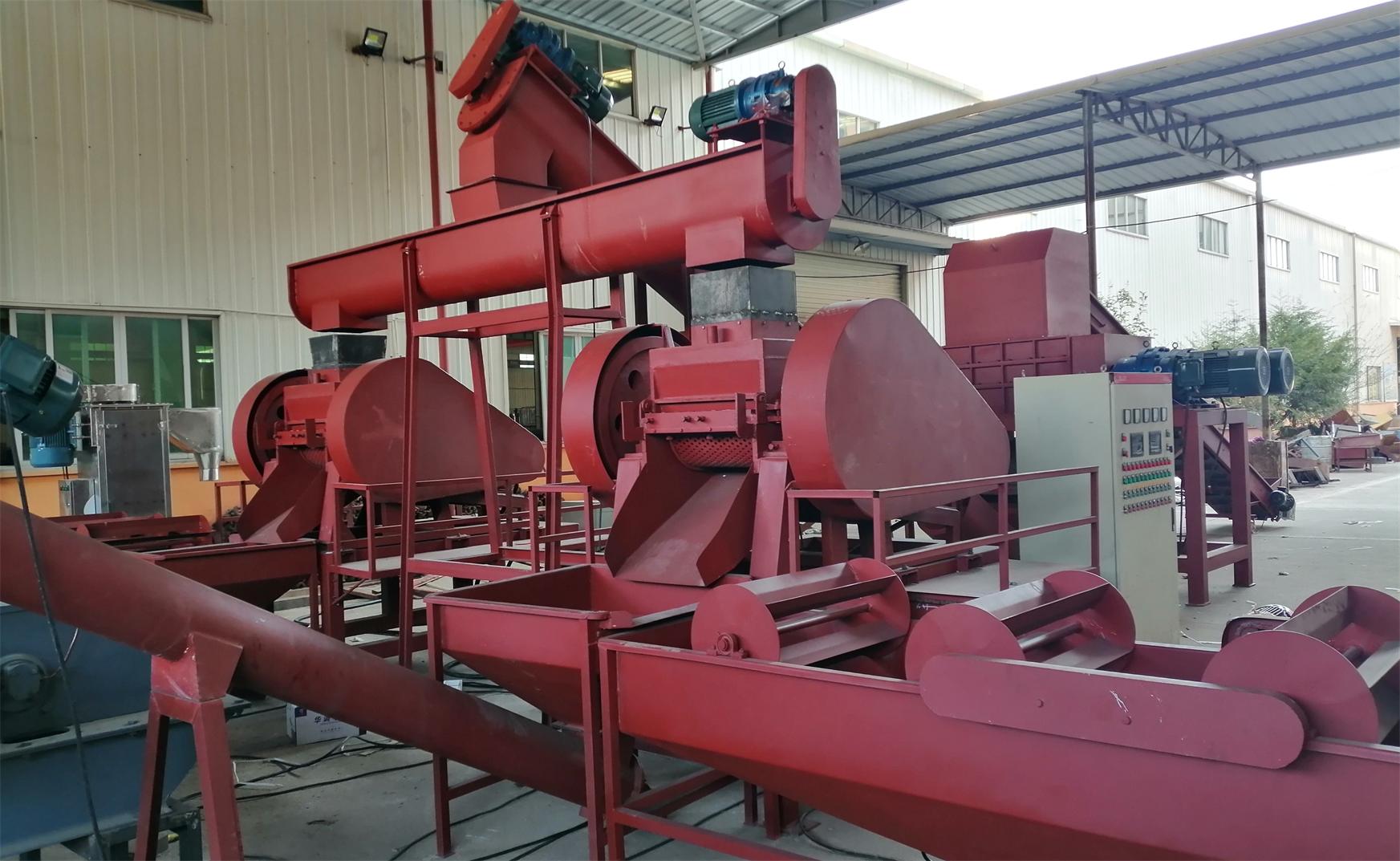
A shredder is a long-term capital asset. The quality of the manufacturer matters as much as the quality of the steel. Look for suppliers with demonstrated experience in Engineering-Procurement-Construction (EPC) projects, who can integrate the shredder into a complete line including conveyors, magnetic separators, and dust control. Spare parts availability is equally critical: blades, bearings, and seals are wear items. If delivery takes 8 weeks, your plant stops.
San Lan Technologies, established in 2007, operates from a manufacturing base in Jiangxi Province, China, and has supplied shredder and pre-chopper equipment to recycling plants across 21 countries. Their engineering team includes master's-degree-level mechanical engineers with over 15 years of experience in e-waste recycling machinery design. Beyond equipment supply, San Lan offers customized line design, installation and commissioning, and assistance with raw material sourcing and product offtake for recycling plant operators.
Need Help Specifying the Right Shredder for Your Recycling Line?
Whether you are building a new cable recycling equipment plant or upgrading an existing e-waste facility, San Lan Technologies can guide you through shredder selection, line integration, and commissioning. Contact their technical team at info@san-lan.com or via WhatsApp at +86 139 2377 4083 for a material test and customized proposal.
Whether you are building a new cable recycling equipment plant or upgrading an existing e-waste facility, San Lan Technologies can guide you through shredder selection, line integration, and commissioning. Contact their technical team at info@san-lan.com or via WhatsApp at +86 139 2377 4083 for a material test and customized proposal.