Why the right shredding equipment determines your entire recycling line's efficiency, safety, and profitability
The Hidden Cost of Poor Size Reduction
Many recycling plant operators invest heavily in separation and refining equipment, only to discover that inconsistent particle size from inadequate pre-processing becomes the bottleneck. Circuit boards, cables, and mixed e-waste arrive in wildly varying dimensions. Feeding oversized material directly into granulators, air separators, or smelting furnaces causes jamming, accelerated blade wear, and uneven separation results.
The economics are straightforward: a well-configured shredding stage reduces unplanned downtime and premature blade wear in downstream equipment while improving overall metal recovery rates. For operators processing printed circuit boards, scrap cables, or end-of-life appliances, pre-shredding ensures that each subsequent machine receives uniform feedstock sized appropriately for its design parameters.
Matching Shredder Type to Your Feedstock
Not all shredders handle the same material equally. The e-waste stream contains everything from thin copper wires and plastic housings to dense refrigerator compressors and CRT monitors. Understanding the four primary shredder configurations helps buyers specify equipment that matches their actual waste profile rather than purchasing oversized, energy-hungry machines.
Single Shaft Shredders: Precision for Cable and PCB Waste
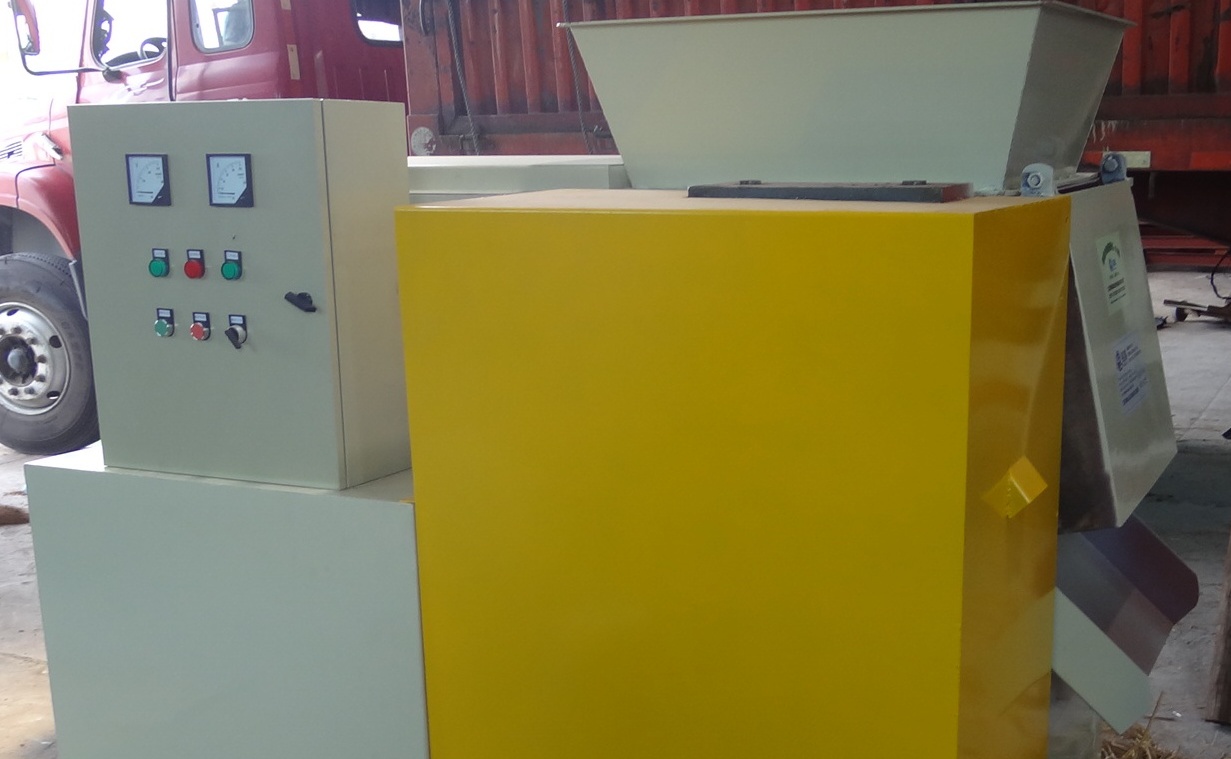
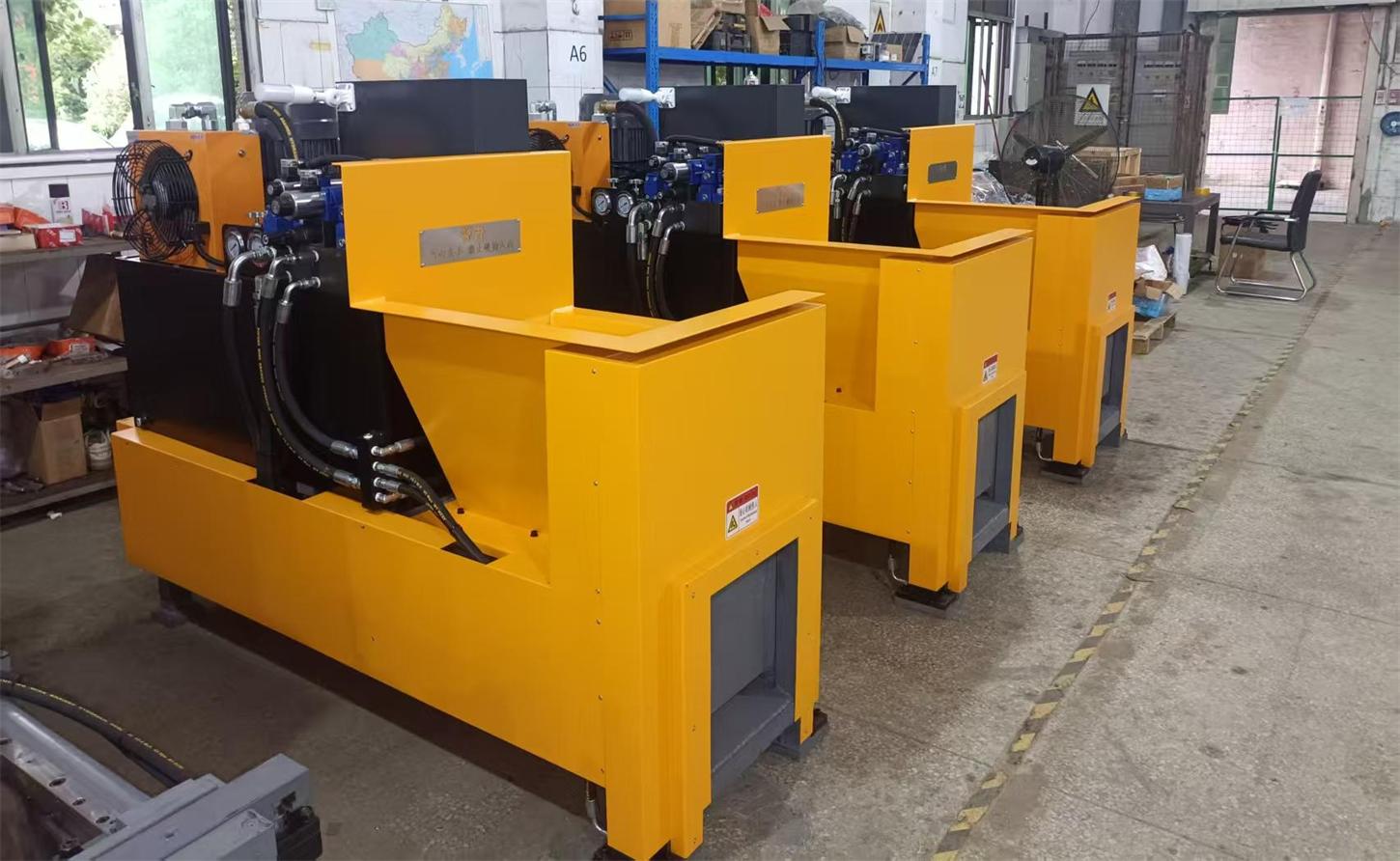
Single shaft shredders operate with one high-torque rotor and a hydraulic pusher system. This design excels at processing relatively uniform, medium-density materials such as cable bundles, circuit boards, and plastic enclosures. The controlled feed rate prevents overload while producing consistent particle sizes ideal for subsequent granulation.
For cable recycling plants and PCB recycling lines, single shaft models in the 300-1000 kg/hour range offer the best balance of throughput and energy efficiency. Their simpler mechanical design also translates to lower maintenance requirements and faster blade replacement cycles.
Twin Shaft Shredders: Versatility for Mixed E-Waste
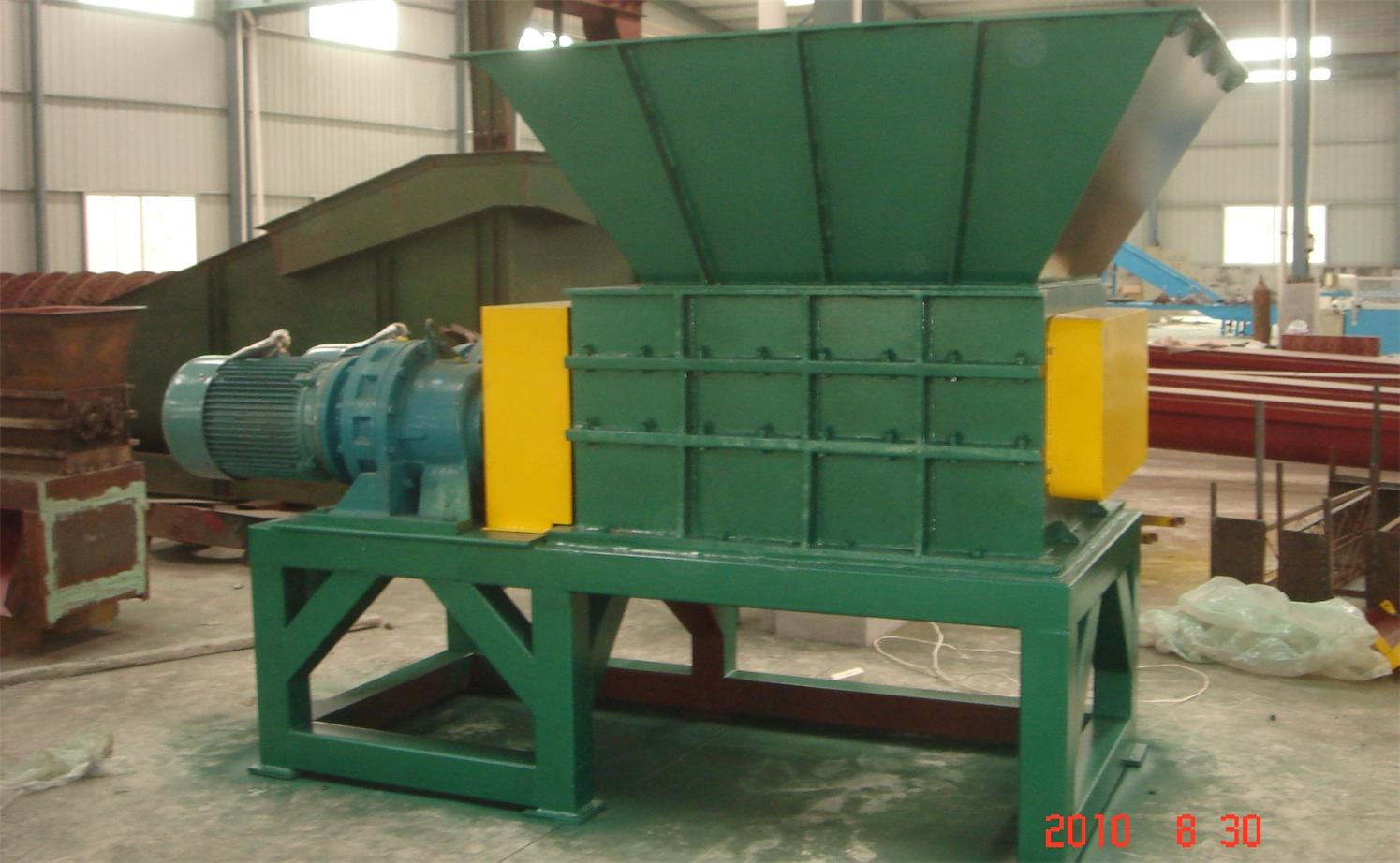
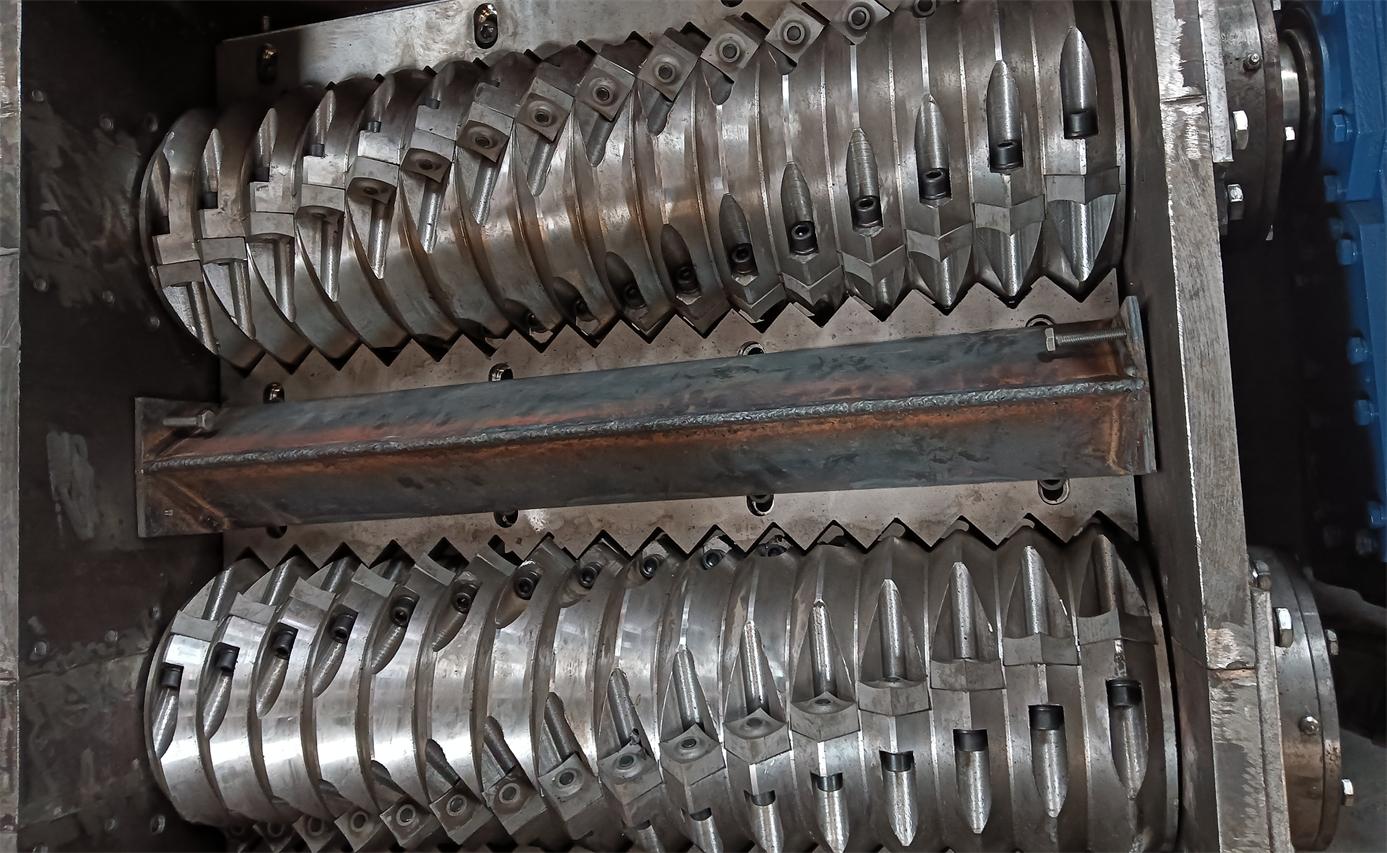
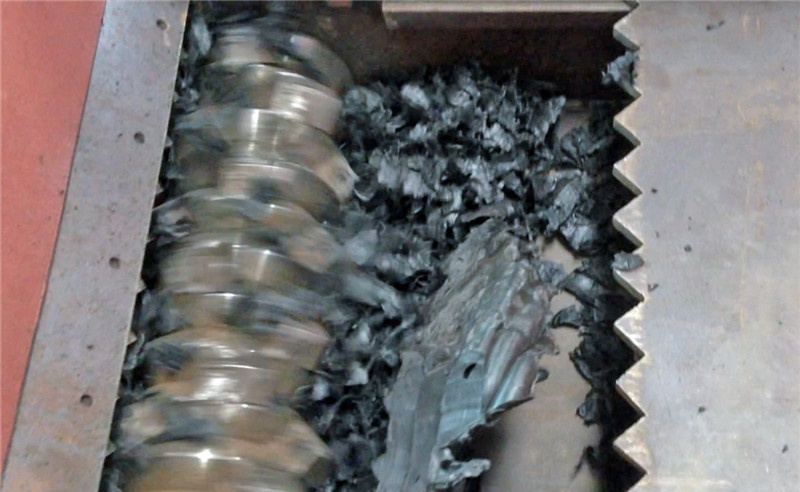
Twin shaft shredders use two counter-rotating shafts with interlocking blades. This configuration handles mixed, bulky e-waste—including refrigerators, washing machines, and lead-acid batteries—without jamming. The low-speed, high-torque cutting action tears material apart rather than pulverizing it, reducing dust generation and preserving the integrity of separable components.
Operators running general e-waste collection and dismantling facilities typically specify twin shaft shredders as their primary size reduction equipment. Capacities from 200-800 kg/hour cover the needs of small-to-medium recycling plants processing diverse incoming material.
Four Shaft Shredders: Heavy-Duty Processing
When the feedstock includes large appliances, thick metal housings, or high volumes of industrial e-waste, four shaft shredders provide the robust cutting force required. With two primary shafts for coarse cutting and two secondary shafts for finer size reduction, these machines process material in two stages within a single unit.
Capacities ranging from 2-6 metric tons per hour make four shaft shredders suitable for large-scale recycling plants and municipal e-waste processing centers. The multi-stage cutting action produces surprisingly uniform output even from highly variable input.
Dual Single-Shaft Systems: Cable Pre-Processing Specialists
A specialized configuration places two independent single shafts within one cutting chamber. This design was developed specifically for cable scrap shredding as a pre-chopper before granulation. The dual-rotor arrangement prevents long cables from wrapping around the shaft while maintaining the controlled cutting action that single-shaft systems provide.
For cable recycling equipment lines processing armored cable, communication wire, or mixed copper-aluminum scrap, this configuration delivers 2-3 metric tons per hour of consistently pre-cut material ready for granulator feeding.
Technical Specifications That Matter
Shredder selection should be driven by quantitative parameters rather than marketing claims. The following specification matrix summarizes the key decision factors across San Lan Technologies' shredder and pre-chopper range:
| Model Category | Capacity | Motor Power | Weight | Ideal Applications |
|---|---|---|---|---|
| Single Shaft SS-600 | 300-500 kg/h | 22 kW | Compact | Cable, PCB, plastic |
| Single Shaft SS-900 | 1000 kg/h | 30 kW | 2500 kg | Cable, PCB, plastic recycling |
| Twin Shaft IC-500/600/800 | 200-800 kg/h | Varies by model | Medium | Mixed e-waste, appliances |
| Four Shaft IC-1100 | 2-3 MT/h | 11 kW × 2 | 2500 kg | Bulky e-waste, refrigerators |
| Four Shaft IC-1800 | 4-6 MT/h | 22 kW × 2 | 5200 kg | Large appliances, batteries |
| Dual Single-Shaft DSS-3000 | 2-3 MT/h | 37 kW × 2 | Heavy-duty | Cable scrap pre-chopping |
Buyers should verify that the shredder's throughput rating matches their actual daily volume, not peak theoretical capacity. Operating a shredder at 80% of its rated capacity provides headroom for material surges and reduces motor thermal stress, extending equipment lifespan.
Integration with Downstream Equipment
A shredder does not operate in isolation. Its output particle size must match the input requirements of the next processing stage. For example, cable granulators typically accept material pre-cut to 100-200mm lengths. Circuit board recycling plants using air separation require feedstock under 50mm for efficient metal-resin classification.
Experienced equipment suppliers design complete process flows where shredder discharge specifications are calibrated to match granulator inlet requirements, screen apertures, and separation technology parameters. This systems-level approach prevents the common problem of incompatible equipment purchased from different vendors.
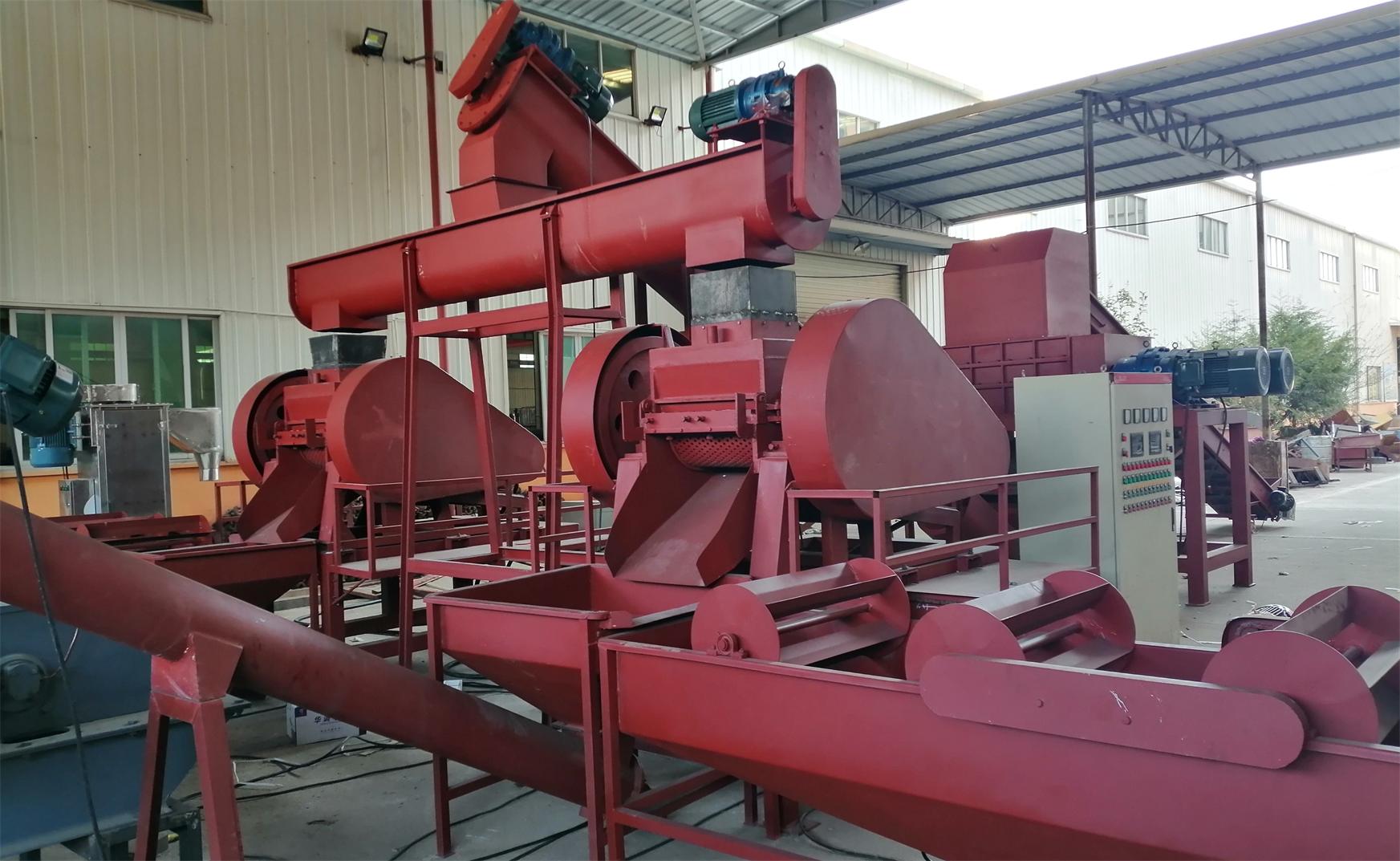
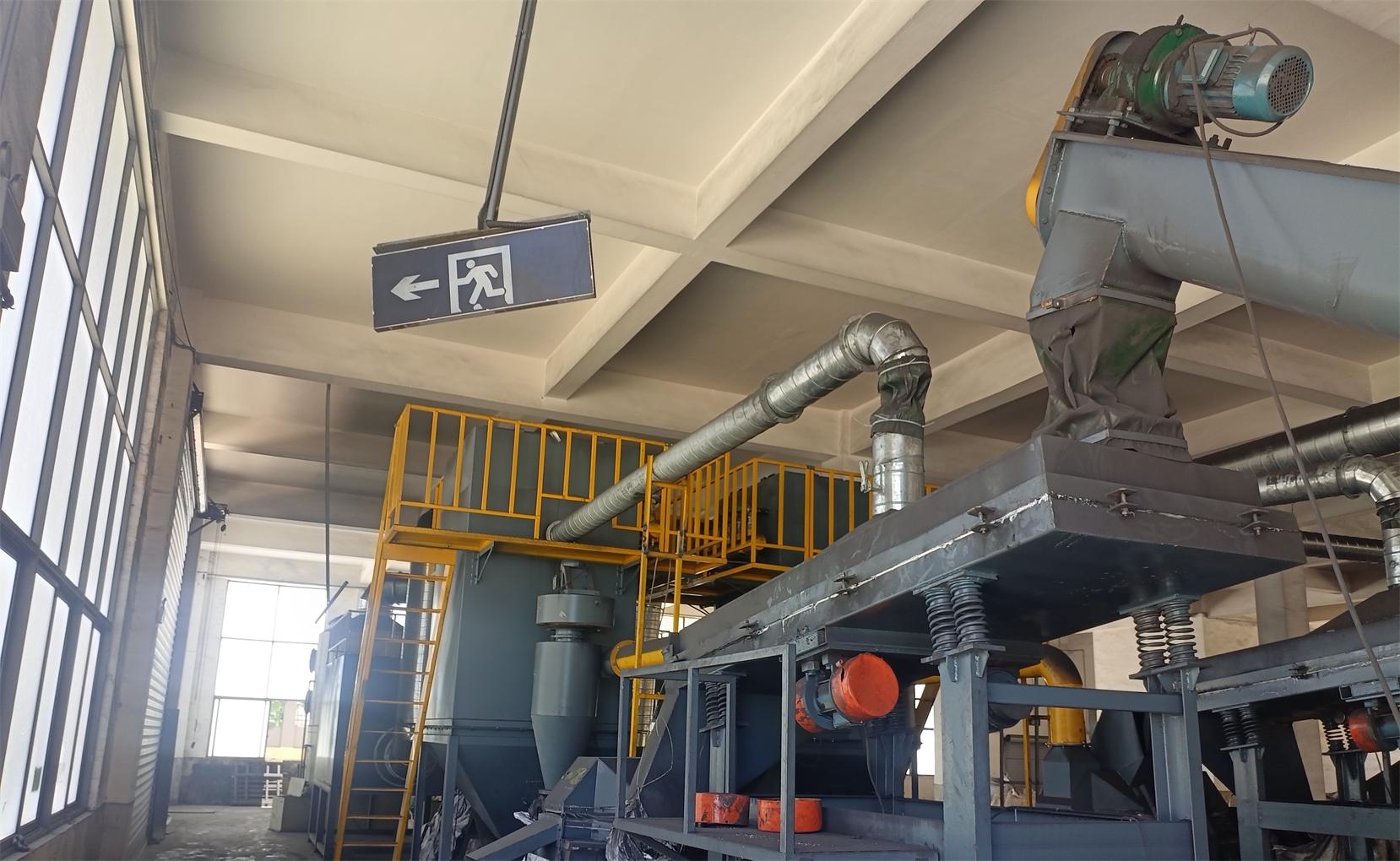
San Lan Technologies provides complete e-waste recycling equipment lines where shredders, granulators, separators, and dust collection systems are engineered as integrated units rather than standalone machines.
What Experienced Buyers Verify Before Purchasing
After analyzing specifications, seasoned recycling plant operators conduct practical due diligence before finalizing shredder procurement. The following checklist reflects common verification steps:
- Blade material and hardness: Verify that cutting blades use wear-resistant alloy steel (typically HRC 56-62 hardness) suitable for continuous metal cutting.
- Bearing and seal quality: Insist on branded bearings and multi-labyrinth seals that prevent dust ingress during continuous dusty operation.
- Spare parts availability: Confirm that replacement blades, screens, and wear parts can be shipped within 2-3 weeks to minimize unplanned downtime.
- Overload protection: Ensure the control system includes automatic reverse and stop functions when unshreddable objects enter the cutting chamber.
- Dust containment: Verify that the shredder interfaces with your plant's dust collection system, particularly when processing dry PCB or cable waste.
- Power supply compatibility: Confirm voltage, phase, and frequency specifications match your local electrical infrastructure, or that the manufacturer provides transformers.
Why San Lan Technologies for Shredding Equipment
San Lan Technologies Co., Ltd, established in 2007, manufactures a complete range of shredders and pre-choppers alongside its full e-waste and battery recycling equipment portfolio. The company's engineering team holds master's degrees in mechanical engineering with over 15 years of specialization in recycling machinery design.
Unlike traders who source equipment from multiple factories, San Lan designs and builds shredding equipment as part of integrated recycling plants. This vertical integration ensures that shredder output specifications precisely match the requirements of downstream separation equipment in the same production line.
San Lan's shredder customers span 21 countries including Singapore, Colombia, Vietnam, Mexico, Argentina, Korea, Malaysia, Indonesia, South Africa, Tunisia, India, Kenya, Saudi Arabia, Philippines, and Zambia. The company provides EPC (Engineering, Procurement, Construction) project services including customized design, installation, and commissioning—critical for buyers establishing recycling operations in regions without extensive local technical support.
Additional value-added services include: assistance sourcing waste feedstock (cable scrap, PCB scrap, used lead-acid batteries), connecting buyers with investors for plant construction, and helping customers sell recovered commodities (copper rice, copper powder, lead ingot) to established metal trading channels.
Conclusion: Size Reduction as Strategy
The shredder selection decision extends beyond horsepower and throughput ratings. It determines material flow consistency, downstream equipment utilization, maintenance scheduling, and ultimately the economic viability of the entire recycling operation. Buyers who treat size reduction as a strategic system component—rather than an afterthought—achieve higher metal recovery, lower operating costs, and longer equipment life across their entire plant.
For operators planning new e-waste recycling facilities or upgrading existing pre-processing stages, specifying the correct shredder type, capacity, and integration parameters with downstream equipment represents one of the highest-ROI decisions in the entire project.
Ready to specify shredding equipment for your recycling operation? San Lan Technologies provides complete shredder and pre-chopper equipment solutions integrated with cable recycling, PCB recycling, and battery recycling lines. Contact their engineering team at info@san-lan.com or via WhatsApp at +86 139 2377 4083 to discuss your material profile and capacity requirements.