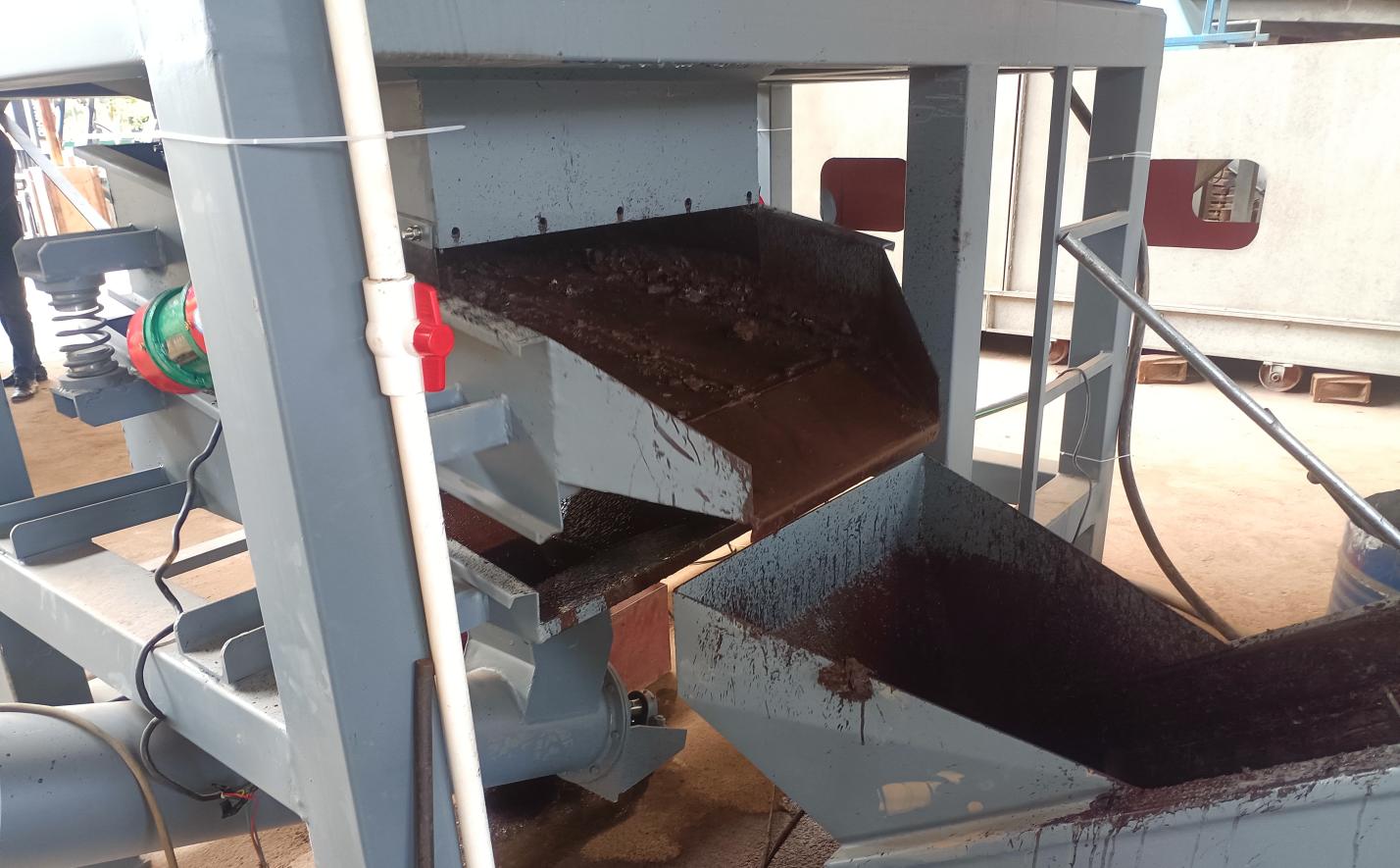
Picture this: mountains of used car batteries piling up at scrap yards, leaking acid into the soil. Now imagine turning that environmental threat into valuable resources through smart recycling. That's the powerful transformation we're seeing with modern lead acid battery recycling technology. It's not just about waste management anymore; it's about closing the loop in the most responsible way possible.
Across the globe, companies are stepping up their game to meet the surge in lead battery demand – expected to grow another 25% by 2027. As electric vehicles multiply and renewable energy storage expands, we're left with a critical question: how do we handle all those spent batteries without poisoning our planet? The secret lies in revolutionary recycling machines that turn trash into treasure while keeping workers safe.
The Evolution of Battery Recycling
Just twenty years ago, most battery recycling looked like something from the industrial revolution. Workers used axes and hammers to break batteries open – talk about a hazardous job! Acid spills were common, lead dust filled the air, and valuable materials got wasted. Frankly, it was a mess.
But today? We've got automated systems that handle everything from collection to smelting. It's like watching a perfectly choreographed dance: batteries get sorted, broken down, separated into components, and transformed into pure materials again. The journey from that leaky battery in your old car to brand new products is nothing short of miraculous.
Core Recycling Workflow & Technologies
1. Collection & Transportation
Forget loose batteries rattling around in pickup trucks. Modern collection uses UN-certified leak-proof containers that fit perfectly in any vehicle. Workers stack batteries upright in specialized racks, checking each one. Any leaky batteries get quarantined immediately – no more acid seeping into truck beds.
"The moment batteries leave the collection point, they're tracked like precious cargo. GPS monitors their journey, hazard signs warn emergency responders, and drivers know exactly how to handle spills. We're treating these batteries like the potentially dangerous materials they are, not just scrap," notes environmental engineer Lisa Monroe.
2. Smart Battery Breaking
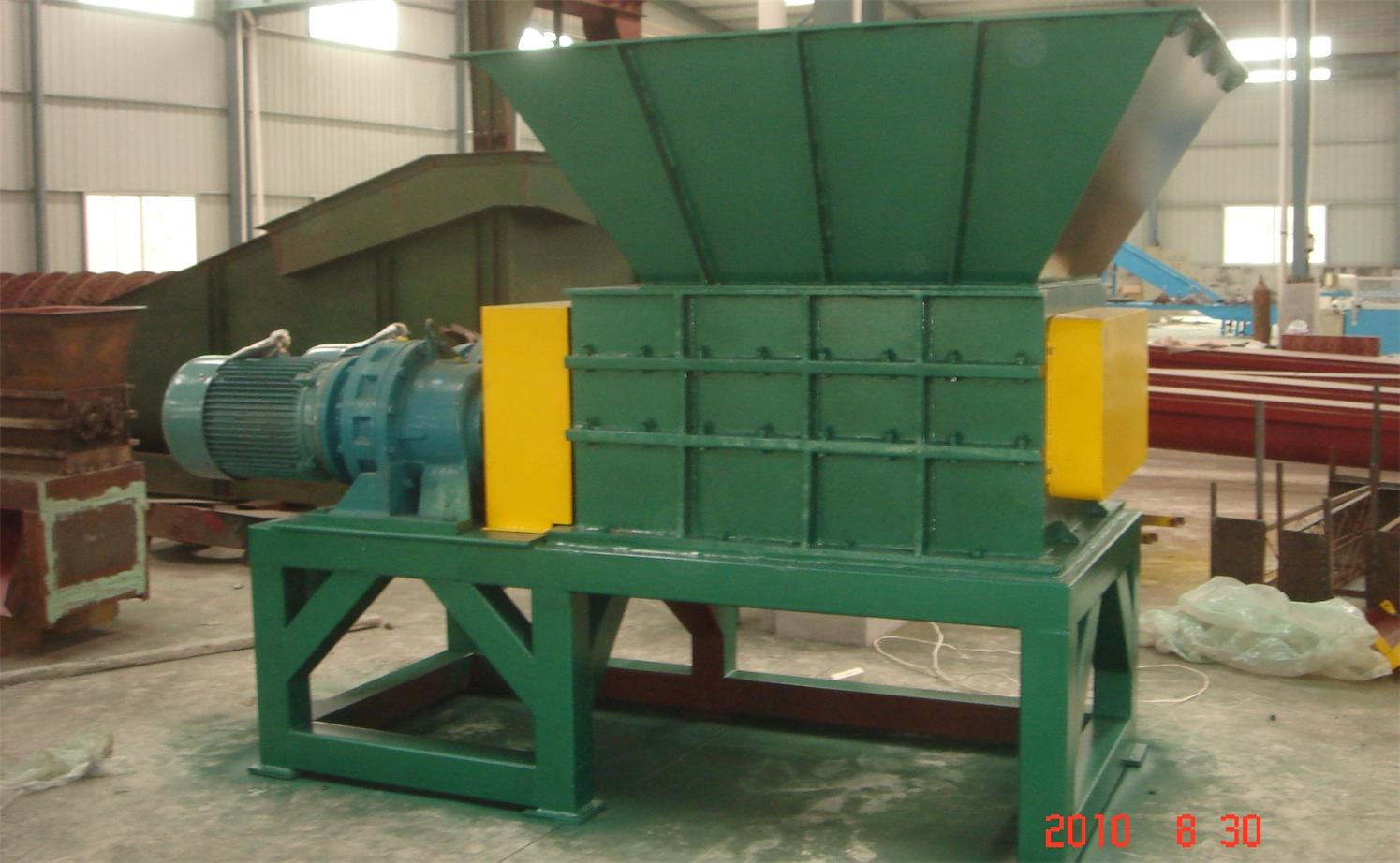
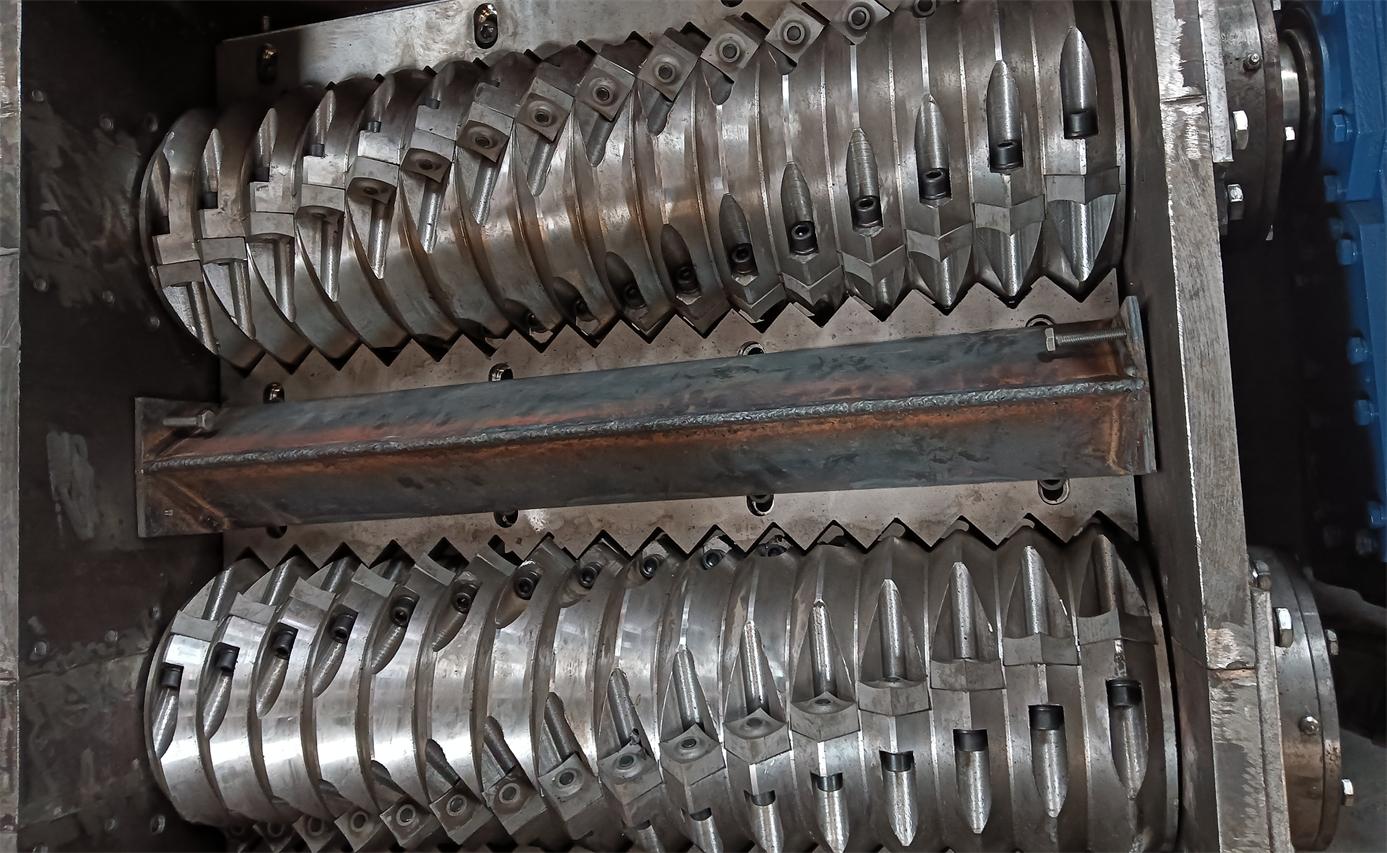
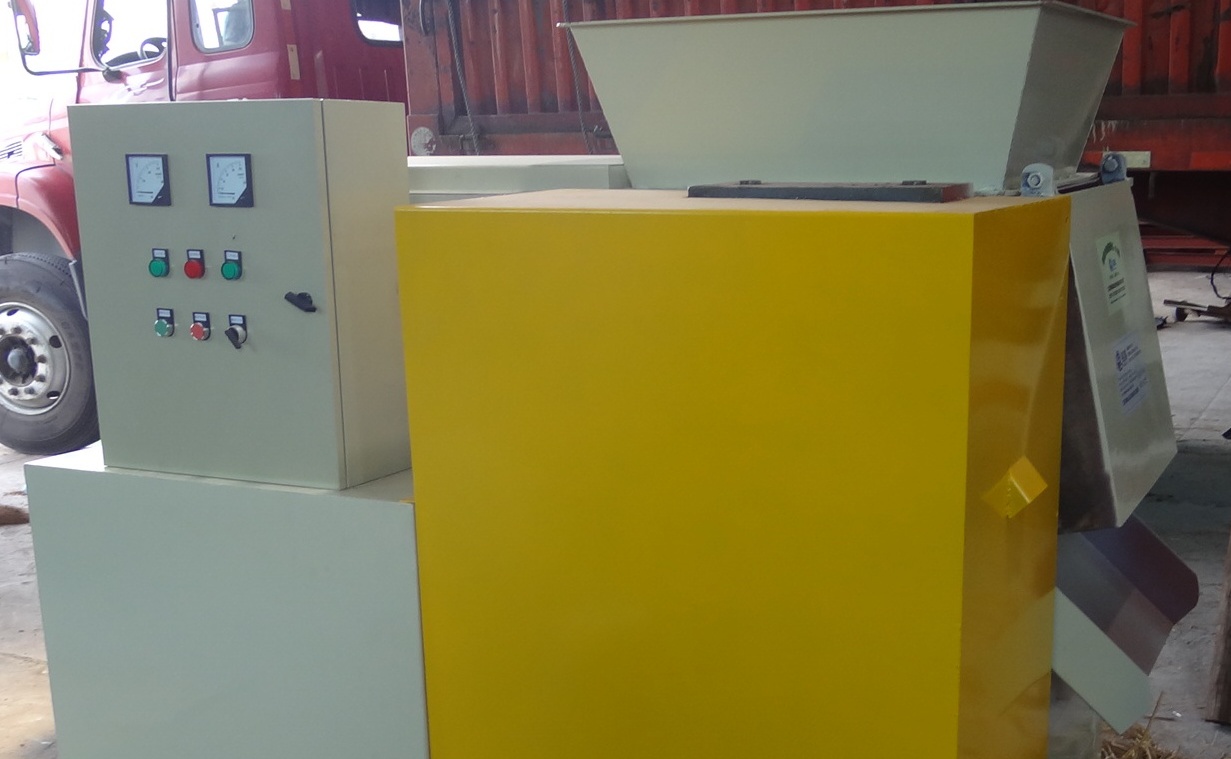
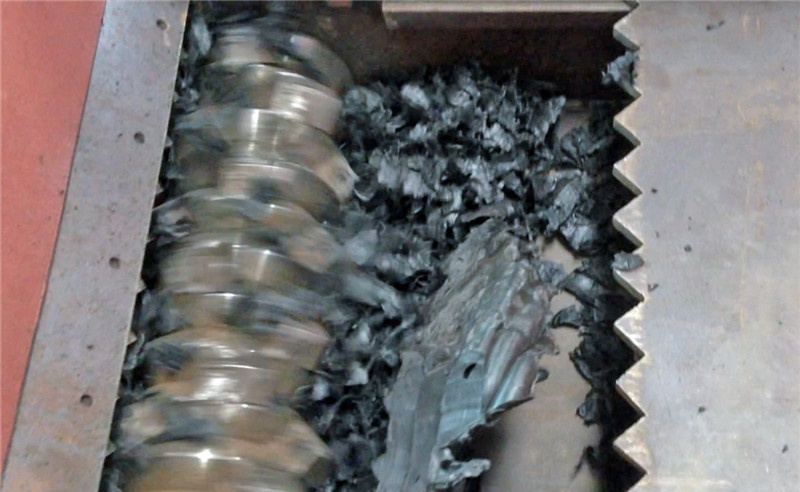
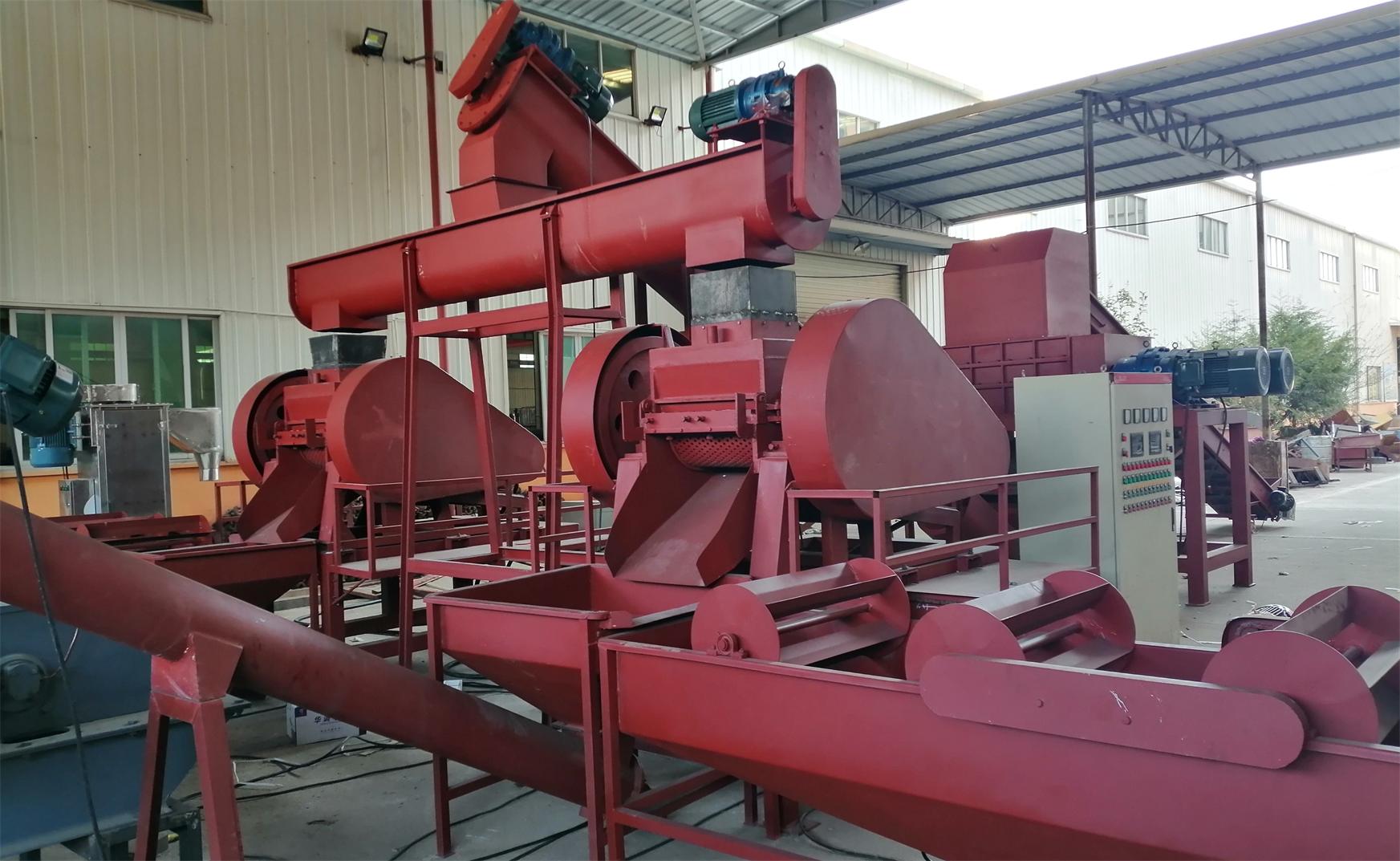
At the heart of every good lead acid battery recycling plant, you'll find specialized breaking machines:
- Battery Saws – OSHA-approved ventilated systems that neatly slice off battery tops
- Hammer Mills – For wet processing where acids remain contained
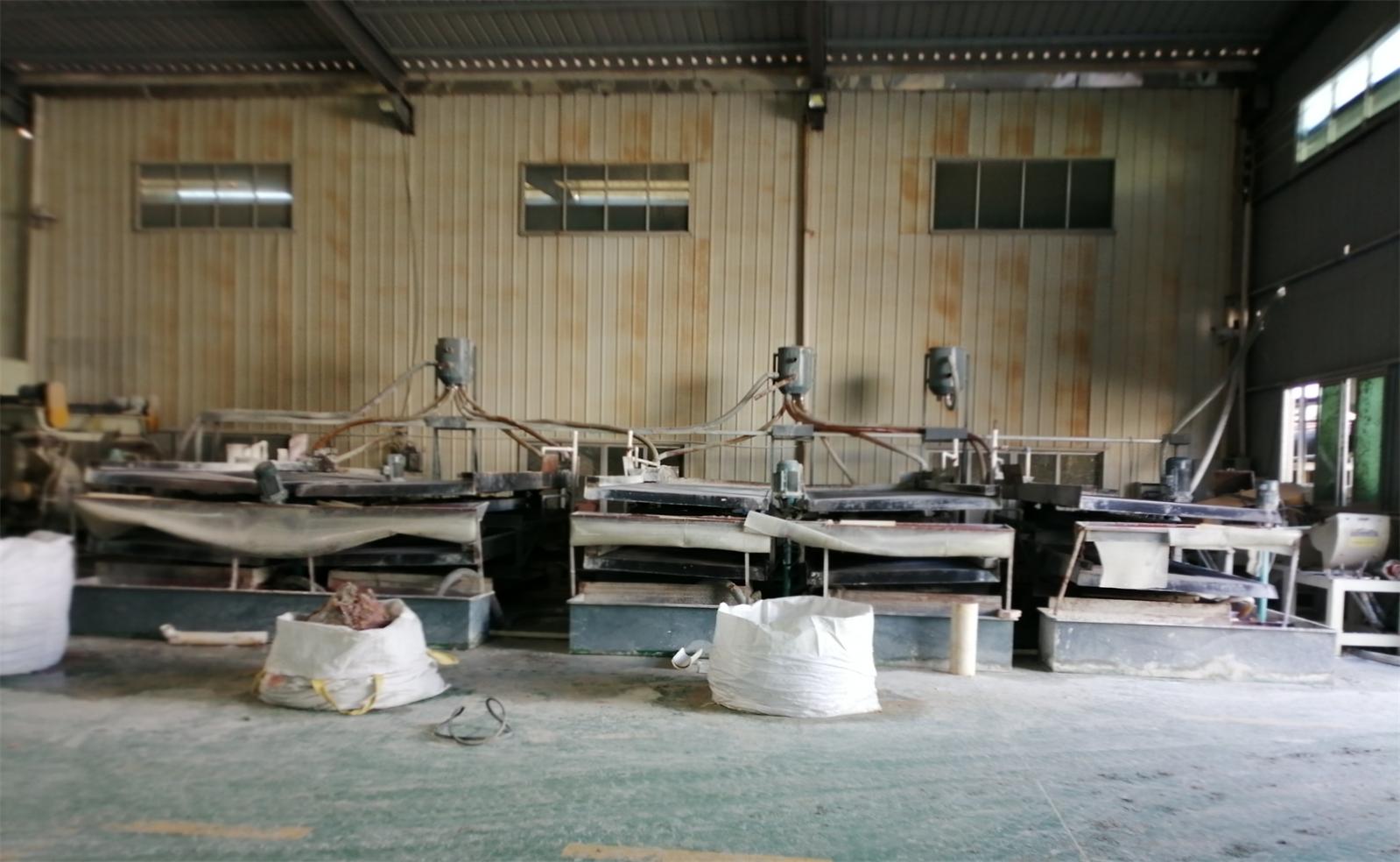
- Hydro-Gravitational Separators – Sort components using clever density differences
The latest systems automatically separate white and colored plastic cases – something worth $800 per ton as pellets rather than $500 as mixed chips. That's the difference between scraping by and running a profitable recycling business.
3. Acid Neutralization Innovations
This is where chemistry gets clever. Instead of dumping battery acid, modern recyclers transform it:
| Method | Chemistry | End Product | Value |
|---|---|---|---|
| Lime Treatment | H₂SO₄ + Ca(OH)₂ → CaSO₄·2H₂O | Gypsum | $50/ton to cement industry |
| Ammonium Carbonate | H₂SO₄ + (NH₄)₂CO₃ → (NH₄)₂SO₄ | Fertilizer | $300-500/ton |
| Sodium Hydroxide | H₂SO₄ + 2NaOH → Na₂SO₄ + 2H₂O | Glass making additive | $180/ton |
4. Advanced Smelting Systems
The smelting space has evolved dramatically with two dominant technologies:
Rotary Furnaces with rear-mounted burners are becoming the gold standard. Their double-pass heat design slashes energy use by up to 40% compared to traditional setups. But the real innovation comes with fume capture – modern plants use "smelting jackets" that completely encapsulate furnaces during tapping, trapping every bit of dangerous dust.
For lead paste processing, the sulfur question is critical. Top facilities use three complementary approaches to eliminate sulfur dioxide emissions:
- Pre-Smelting Desulfurization – Converting lead sulfate to carbonate
- In-Process Capture – Adding iron to form stable erdite slag
- Post-Combustion Scrubbing – 99% efficient alkaline towers
The best plants combine all three, creating multiple safety nets against emissions.
5. Emission Control Evolution
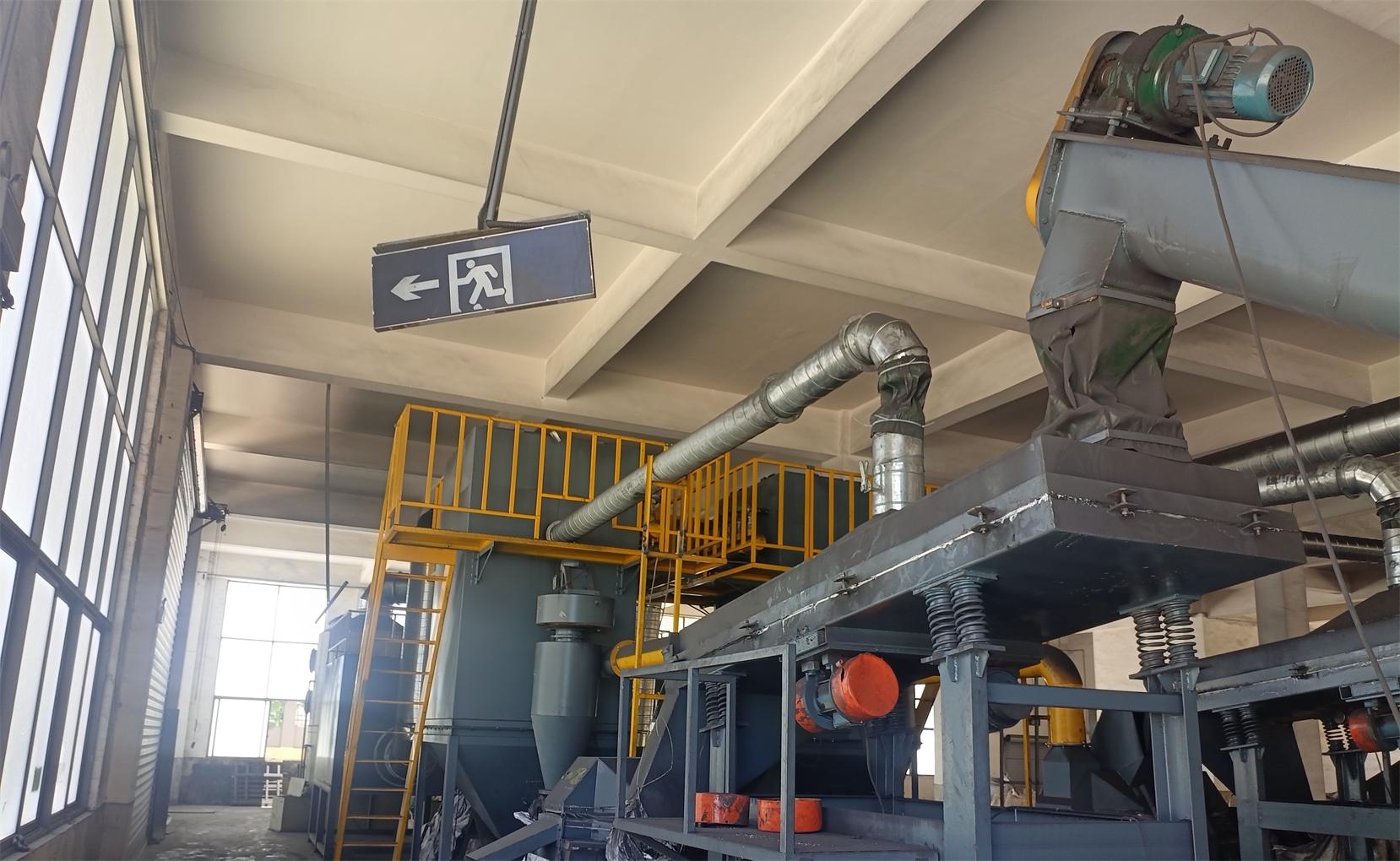
Modern baghouses are engineering marvels. Dust-laden gases pass through sequential chambers where:
- Large particulates "drop out" naturally
- Fabric filters trap fine particles
- Automated pulsing systems keep filters clean
- Sealed drums collect dust for lead recovery
When designed right, these systems recover over 300kg of lead per 1,000 batteries processed – worth about $600 in additional revenue while preventing environmental contamination.
The Human Factor
"The most advanced equipment means nothing without the right people protocols," stresses occupational health expert Dr. Arjun Patel. "We're seeing a cultural shift – from seeing PPE as optional to making it non-negotiable, from 'toughing it out' to mandatory shower policies."
Modern facilities implement tiered protection:
- Basic Ops : Neoprene respirators with exhaust valves
- Baghouse Maintenance : Full-face respirators with coveralls
- Furnace Tapping : Heat-resistant suits, face shields, and specialized gloves
The most forward-thinking plants go further with positive-pressure HEPA-filtered control rooms and canteens. Changing rooms follow a strict "clean zone/dirty zone" separation, preventing workers from taking lead dust home to their families.
Transforming Waste to Resources
Plastic Rebirth
Those battery casings aren't trash – they're valuable polypropylene. After being washed to remove lead residue, the plastic goes through:
- Precision shredding
- Multi-stage washing
- Drying systems
- Pelletization
The results? Pellets as pure as virgin plastic, ready for new battery cases, garden furniture, or automotive parts. It's the ultimate circular economy play.
Slag Renaissance
Slag – once a problematic waste product – is now a prized ingredient thanks to innovations from Indonesia to Colombia:
- Hexagonal paving slabs (15% slag content)
- Decorative ceramic bricks
- Construction aggregate
Processes now consistently reduce lead content in slag to below 1%, transforming what was hazardous waste into safe, marketable products.
Benchmarking Global Excellence
The Lead Battery 360° initiative has transformed industry standards with its Guiding Principles framework:
| Principle | Real-World Impact |
|---|---|
| Environmental Health & Safety Focus | 43% reduction in reportable incidents at certified plants |
| Continuous Emissions Improvement | 98.5% sulfur capture rates achieved |
| Responsible Sourcing | Supply chain audits reducing "leaky battery" rates |
| Stakeholder Engagement | Community air monitoring programs at 78% of leading plants |
The Benchmarking Assessment Tool delivers particular value through its holistic approach. Unlike traditional regulatory inspections that focus on specific parameters, this tool examines:
- Complete value chain integration
- Worker safety culture indicators
- Preventative maintenance systems
- Community relations quality
Global Innovators Leading the Way
"You know you're making real progress when workers ask why they'd want to take contaminated clothes home," reflects Costa Rica plant manager Ricardo Mendez. "That cultural shift – where safety becomes personal – changes everything."
Around the world, pioneers are setting remarkable benchmarks:
India : Gravita India has pioneered encapsulated rotary furnaces combined with zero-discharge acid treatment. Their operation recovers 99.2% of lead while eliminating liquid effluent through advanced evaporation systems.
Costa Rica : Pb Metals runs what many consider the safest battery breaking operation with fully automated hammer mills handling 30 tonnes daily. Their worker blood-lead levels are consistently below 15µg/dL – meeting strict international standards.
Indonesia : Innovators here turn 100% of slag waste into decorative paving stones that pass all leachate tests. Their creative approach transforms an environmental liability into community assets.
Future Horizons
The next wave of innovation is already coming:
- AI-Powered Sorting : Computer vision systems automatically classify battery types for optimized processing
- Green Energy Integration : Solar arrays now power 30-40% of plant operations at leading facilities
- Robotic Disassembly : Pilot projects show 50% reduction in worker exposure during battery breaking
- Modular Mini-Plants : Containerized systems making professional recycling viable in remote areas
As renewable energy storage explodes, these technological leaps can't come soon enough. Companies investing in advanced recycling aren't just preventing pollution – they're building resilient, circular supply chains.
The Bigger Picture
What we're seeing isn't just better waste management – it's a fundamental rethinking of materials flow. In a world electrifying everything, responsible battery recycling becomes both environmental necessity and economic opportunity. The plants combining technical excellence with worker safety and community responsibility aren't just recycling batteries; they're proving that heavy industry can operate in harmony with people and planet.
The transformation from informal battery scrapping to technologically advanced recovery demonstrates how industrial progress should work – protecting people while preserving value. The lead acid battery recycling plant of tomorrow doesn't hide behind fences; it becomes a point of community pride, proving that responsible manufacturing isn't just possible – it's profitable.