Why Standards Matter in Shredding
Picture walking into a busy recycling facility – the rhythmic hum of machinery, the scent of hot metal, and mountains of materials awaiting processing. At the heart of this operation stands an industrial shredder, pulverizing everything from discarded electronics to scrapped automobiles. But how do we know these mechanical giants won't suddenly turn dangerous? How can recyclers trust they'll deliver consistent results day after day?
This where industry standards become our silent guardians. They're not just bureaucratic paperwork; they're a carefully crafted blueprint guaranteeing shredders won't unexpectedly spit out shrapnel or fail under pressure. Consider them the constitution of the shredding world – establishing non-negotiable rules for safety, performance, and reliability.
Breaking Down the Blueprint
Core Safety Pillars
Industrial shredders deal with immense kinetic forces capable of tearing apart truck engines. Safety standards ensure this power remains contained:
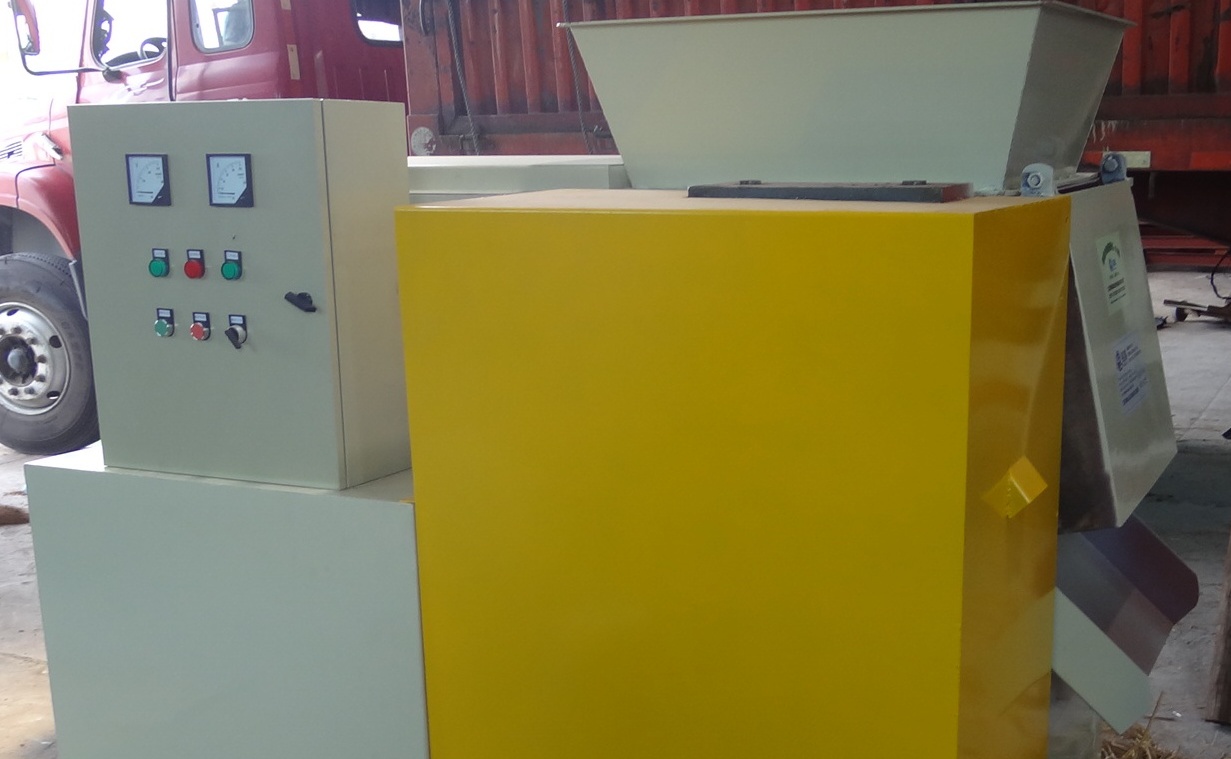
- Physical Guarding: Mandates physical barriers that can withstand impacts from flying debris while allowing operators visibility to the cutting chamber.
- Emergency Response: Requires multiple accessible emergency stop systems that can halt a shredder mid-rotation within 3 seconds.
- Lockout Protocols: Establishes foolproof procedures ensuring maintenance teams can't accidentally restart machinery during repairs.
- Material Containment: Specifies systems that capture dangerous dust particles and metal fragments before they escape into the work environment.
The Anatomy of Compliance
Beyond safety shields and emergency buttons lies a comprehensive technical framework:
| Component Standard | Technical Requirement | Real-world Impact |
|---|---|---|
| Power Transmission | Drive systems must withstand 150% of maximum torque loads without deformation | Prevents catastrophic gearbox failures that could cause multi-day production stoppages |
| Rotational Elements | Moving parts require vibration tolerance up to 25% above operational maximums | Eliminates "walking" phenomenon where unsecured machines damage factory floors |
| Cutting Mechanisms | Blade retention systems tested at rotational speeds exceeding operational limits by 40% | Ensures blade fragments never become projectiles during unexpected jams |
Beyond Compliance: The Human Factor
Rigorous standards transform dry specifications into living protections:
- Operator Confidence: Standardized visual warnings and intuitive controls make operators 65% less likely to bypass safety systems.
- Maintenance Efficiency: Uniform part numbering and disassembly sequences cut maintenance downtime by an average of 40% across facilities.
- Disaster Prevention: Required fire suppression systems reduced shredder-related industrial fires by 89% since 2015 enforcement began.
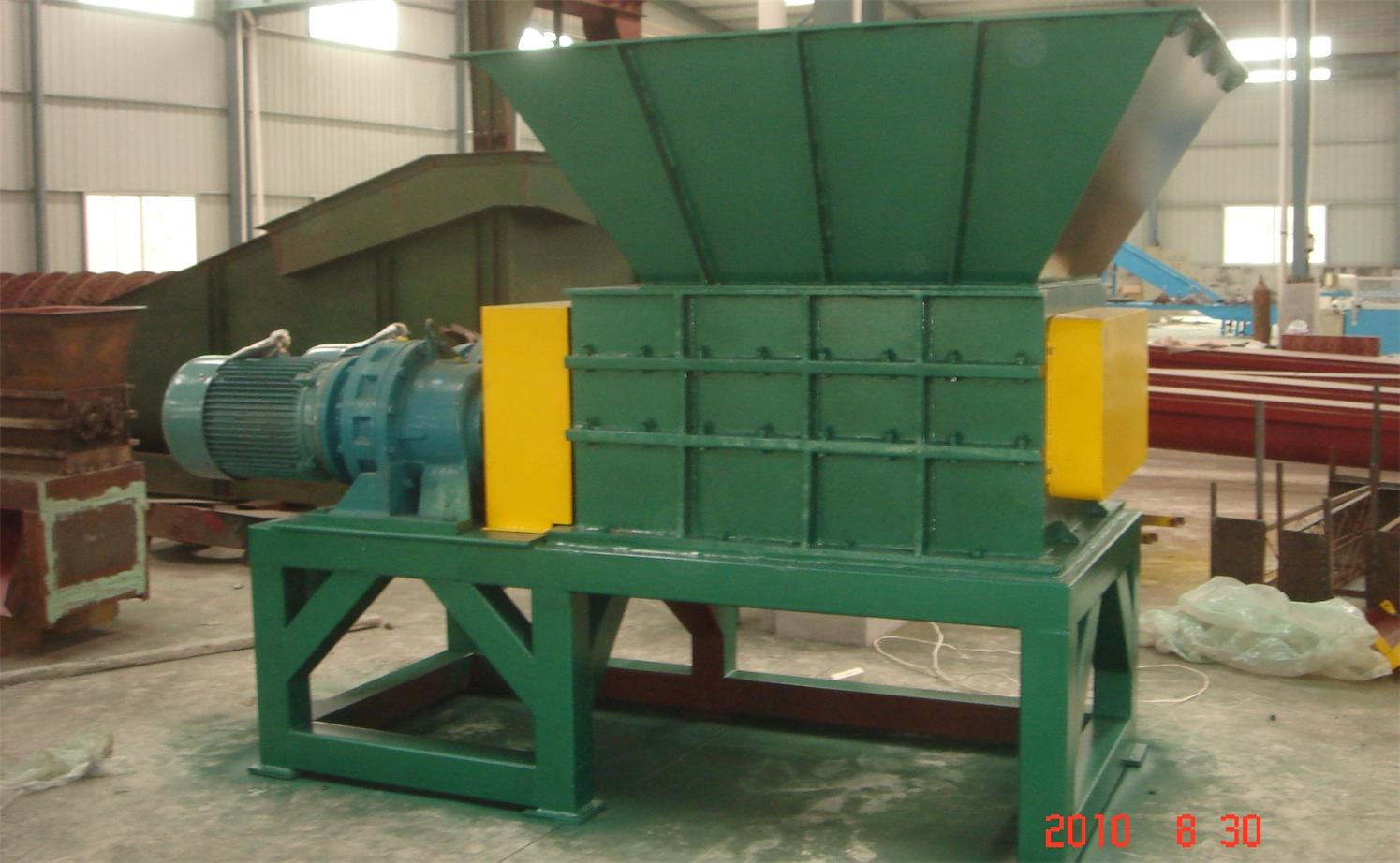
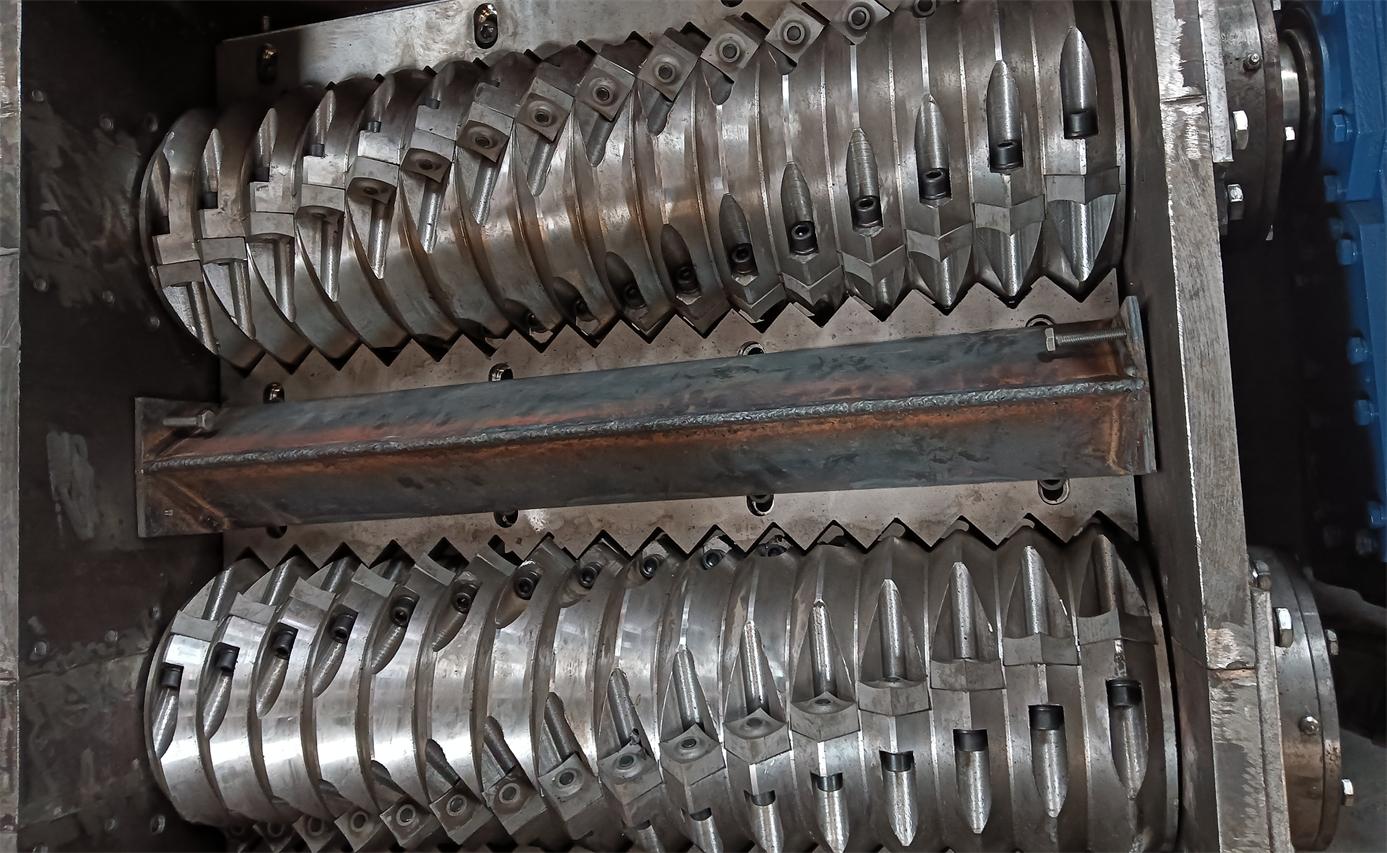
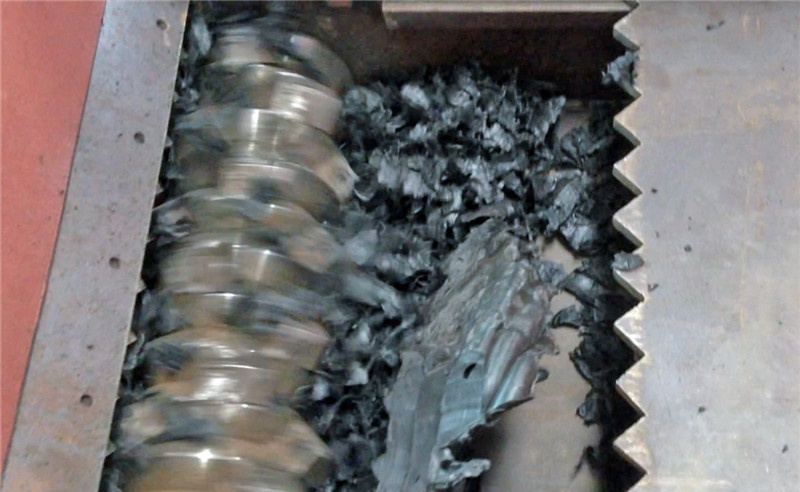
Consider modern solutions like double shaft shredders. Their rugged design allows processing of challenging materials while inherently meeting blade containment standards through interlocking mechanisms. The torque sharing between twin shafts also reduces individual component strain, naturally satisfying longevity requirements.
Navigating the Certification Maze
Understanding compliance requires clarity on three key frameworks:
The Regulatory Triad
- OSHA 1910.212: Your fundamental safety foundation covering machine guarding basics.
- ANSI B15.1: The detailed engineering bible for power transmission systems.
- Local Fire Codes: Often overlooked but critical for dust explosion prevention.
Implementation Reality Check
Theoretical compliance differs dramatically from practical reality:
- Accessibility Matters: Emergency stops must be reachable from operating positions—not behind equipment.
- Environmental Variables: Humidity and temperature extremes affect material properties; certification testing must mirror actual operating conditions.
- Maintenance Documentation: Properly formatted lockout/tagout procedures reduce human error during critical interventions.
The Future of Shredding Standards
As shredding technology evolves, so must our protective frameworks:
- AI Integration: Upcoming standards will govern machine learning algorithms that predict jams before they occur.
- Modular Design: Standards adapting to plug-and-play components allowing on-site upgrades.
- Data Transparency: Required real-time performance monitoring accessible to operators and inspectors.
- Material Innovation: Guidelines covering composite shredding as new automotive/electronics materials emerge.
The core mission remains unchanged: creating industrial environments where humans and powerful machinery coexist safely. Standards aren't constraints—they're the guardrails enabling innovation at the extreme edges of what shredders can achieve.