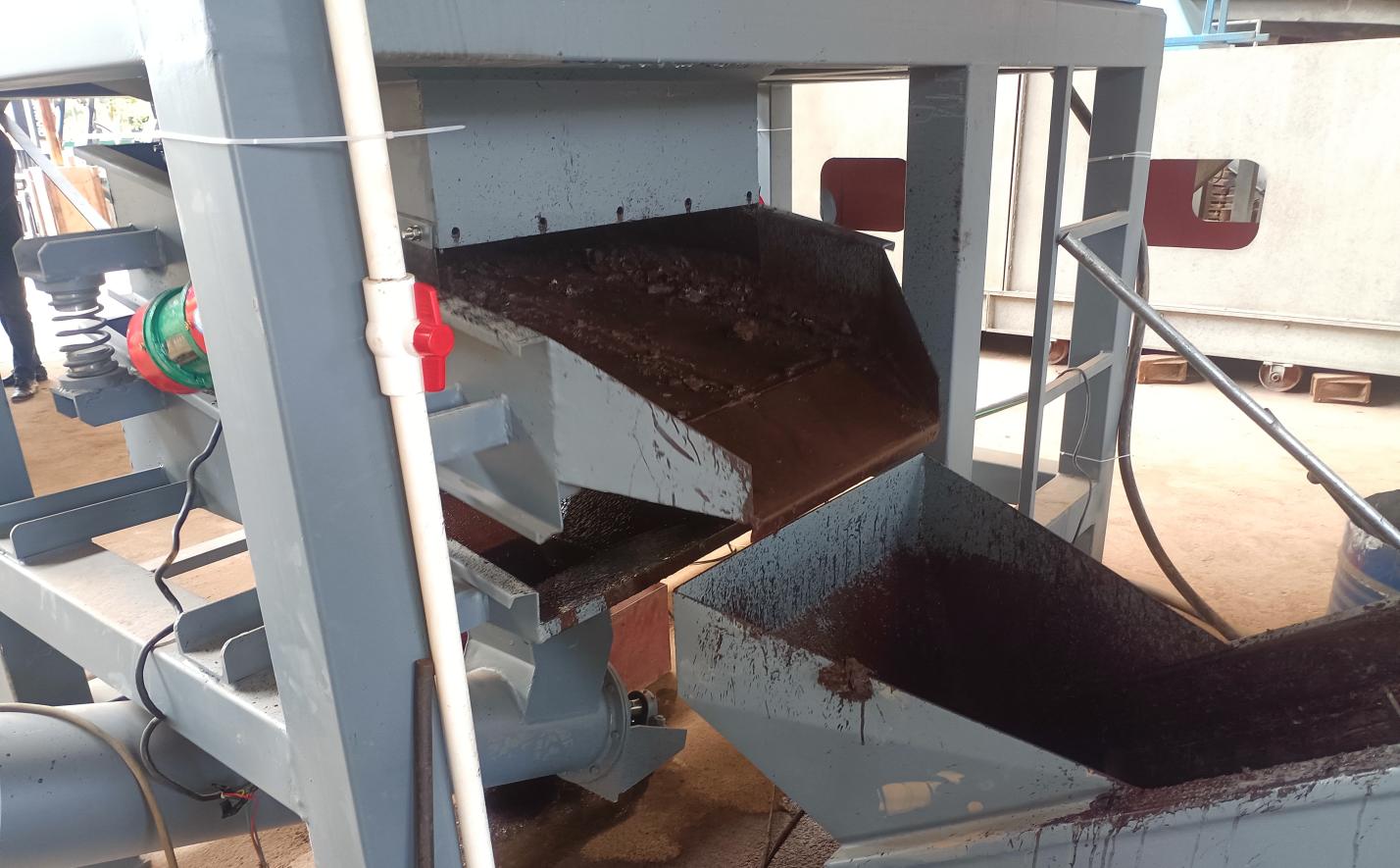
Engineering Safety Where Sparks and Dust Collide
1. Energy Limitation Circuits
The heartbeat of any PCB recycling machine's safety starts with strict energy control. By using:
- Current-limiting resistors acting like precise valves for electrical flow
- Voltage-regulation Zeners creating unbreakable ceilings for power surges
- Fast-acting fuses designed to fail within milliseconds of abnormalities
These machines ensure that even during component failures or short circuits, energy levels stay below the combustion threshold of hazardous dust or vapors.
2. Thermal Management System
Machines integrate a three-layer approach to heat control:
- Embedded thermal sensors monitoring component hotspots in real-time
- Active cooling channels diverting heat from crushing chambers
- Passive heat sinks absorbing and dissipating energy from power drivers
This creates overlapping safety nets ensuring no surface exceeds 135°C (T4 rating), the critical threshold for preventing dust ignition.
3. Separation Barriers
The silent warriors of safety - specialized isolation barriers physically divide:
- High-energy shredding zones from low-voltage control systems
- Spark-producing motors from dust collection chambers
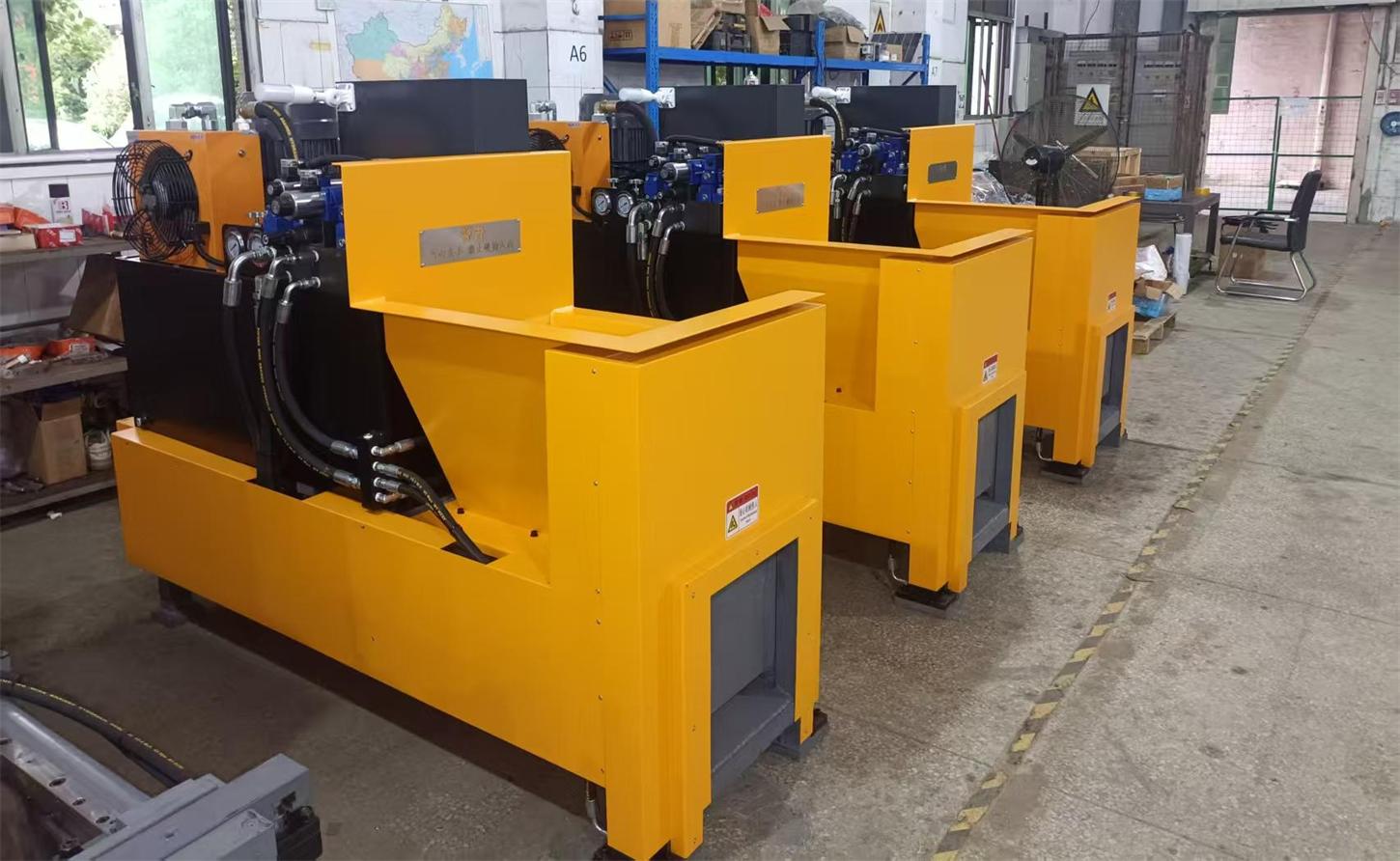
- Hydraulic power units from electronic monitoring circuits
These barriers aren't just physical shields but incorporate arc-suppression materials that convert dangerous discharges into harmless thermal energy.
4. Component Derating Practices
We design with a built-in "safety cushion" - no component operates beyond 50% of its rated capacity. This conservative approach:
- Extends equipment lifespan by reducing thermal stress
- Creates tolerance buffers during power fluctuations
- Allows safe operation at 50°C ambient temperatures
A relay rated at 10A will never carry more than 5A under normal operation - creating engineering humility where it matters most.
5. Dust Encapsulation System
Specialized sealing techniques create atmospherically isolated environments:
- IP67-rated housings with pressure-equalizing membranes
- Conformal coatings protecting circuit boards from conductive dust
- Labyrinth seals preventing particulate migration between zones
This represents the cornerstone of combining intrinsic safety with operational durability in harsh recycling environments.
6. Fault Tolerant Architecture
Machines are designed to fail safely with redundant protections:
- Dual-input power monitoring detecting phase imbalances
- Voting systems requiring agreement between multiple sensors
- Graceful shutdown sequences preserving safety during faults
Even if two components fail simultaneously (IA protection standard), the system maintains non-incendive status. It's like having emergency parachutes for your electronics.
7. Cable Parameter Management
Careful calculation of distributed electrical properties:
- Capacitance-controlled wiring preventing energy storage
- Inductance-managed cable runs eliminating spark potential
- Continuous impedance monitoring through shielded conductors
These seemingly small details transform ordinary copper pathways into intrinsically safe conduits, especially critical around separation equipment where metal dust accumulates.
8. Grounding Philosophy
A holistic approach to potential equalization:
- Single-point grounding stations preventing ground loops
- Electrostatic discharge paths from conveyor systems
- Continuous monitoring of ground integrity below 2Ω resistance
This creates an electrical "anchor" that safely channels stray energy away from sensitive areas, particularly around sorting conveyors and metal extraction zones.
9. Dynamic Pressure Relief
Integrated mechanical safeguards:
- Flame-arresting vents on shredding chambers
- Pressure-equalizing valves preventing containment failures
- Deformation zones that redirect explosive forces upward
These physical defenses work in concert with electrical protections, creating a comprehensive safety ecosystem where rapid material processing occurs.
10. Continuous Monitoring Network
A nervous system for hazard detection:
- Distributed oxygen sensors detecting atmosphere changes
- Optical particle counters tracking dust concentration
- Embedded thermographic cameras monitoring thermal profiles
This creates an anticipatory safety culture where machines respond to developing conditions rather than waiting for threshold breaches.
Living Safety Systems
The beauty of intrinsic safety isn't in isolated components but in how these systems collaborate. Like musicians in an orchestra, each protection mechanism plays a distinct role:
During normal PCB processing, the energy limitation circuits and component derating work as frontline defenders. When an overload occurs at the metal separator, the fault tolerant architecture engages while thermal management counters rising temperatures. Simultaneously, separation barriers contain any spark potential while grounding systems dissipate transient energy.
Beyond Compliance: Safety Culture
True intrinsic safety extends beyond engineering into operational philosophy:
- Predictive maintenance replacing calendar-based servicing
- Embedded training modules within machine interfaces
- Blockchain-component tracking from manufacture to decommissioning
This creates a living safety ecosystem where machines grow safer through operational experience, continuously improving protection protocols.
Intrinsic Safety in Changing Landscapes
The future demands adaptability in safety engineering:
- Machine-learning algorithms predicting component degradation
- Modular safety certifications allowing component upgrades
- Self-diagnosing protection circuits with digital twins
These innovations ensure that as electronics recycling evolves toward near-zero waste targets, safety keeps pace without compromising protection principles. The core mechanisms remain constant guardians - energy control, thermal management, and intelligent containment - adapted through increasingly sophisticated implementations.
For facility managers and operators, understanding these protection layers transforms safety from a compliance checklist to an operational advantage, reducing downtime while protecting what matters most - people and productivity in demanding recycling environments.