You've probably seen those tangled bundles of copper wires lying around construction sites or in your garage. Maybe you've wondered if collecting them could actually put money in your pocket. With copper prices fluctuating and recycling options increasing, the question of profitability deserves a serious look beyond just hoarding wires in your shed.
Let's be real - sorting through wires isn't as glamorous as finding gold coins in your attic. But unlike that old furniture you hoped would be antique treasure, copper wires actually do have real cash value. The real question isn't whether you can make money with scrap copper wires, but how to turn them into maximum profit without losing your sanity or risking your fingers.
We'll break down everything that impacts the value of those shiny red wires in your hands right now. From understanding what makes one wire more valuable than another to calculating whether stripping insulation is worth your time, you'll walk away knowing exactly how to turn that wire pile into real dollars.
Not all copper wires are created equal when it comes to recycling value. That ethernet cable you ripped out of your wall? Completely different animal from the thick grounding wire at an industrial site. Here's what really moves the needle on pricing:
That deep reddish-orange shiny copper you see in some wires? That's "bare bright" - the champagne of copper scrap. Recycling centers love this stuff because it's pure, ready-to-melt copper without contaminants. Compare that to wires with thin plastic coating or those coated with nickel or tin - they require extra processing and are automatically worth less per pound.
Pro Tip: Before hauling your wire to a recycler, clean it with a dry rag. Dirt and grease can downgrade your copper from "bare bright" to a lower category - meaning less cash in your pocket.
Here's where it gets technical: wire gauge. The lower the gauge number, the thicker the wire. Thicker wires have significantly more copper inside relative to their insulation:
12-gauge wire: 75% copper recovery (25% plastic by weight)
250-750mcm wire: 90% copper recovery (only 10% plastic)
Why does this matter? Because you're paid by copper weight, not total wire weight. That thick grounding wire might be heavier overall, but its higher copper-to-plastic ratio means more valuable content per pound.
Prices change daily based on commodities markets, but here's a snapshot of typical ranges as of late 2023:
| Copper Wire Type | Price Range/LB (USD) |
|---|---|
| Bare Bright Copper Wire | $3.70 - $4.00 |
| #1 Insulated Wire (thicker than 1/16") | $2.60 - $2.90 |
| #2 Insulated Wire (thinner than 1/16") | $0.80 - $2.00 |
| Romex Cable | $2.00 - $2.25 |
| Communication Cable | $1.20 - $1.45 |
*Prices fluctuate based on market conditions and location
Notice the massive gap between bare bright and #2 insulated? This is why understanding what's inside your wire bundle matters more than how much your pile weighs.
Everyone in the copper game faces this dilemma: Should you remove that insulation yourself or sell the wires as-is? Let's do the real math you won't hear from most YouTube scrappers:
Scenario 1: Thick Wire (250-750mcm)
As-Is Price:
~$1.50/lb = $150 for 100lb bundle
Stripped Price:
90lb copper @ $1.90/lb = $171
Profit Difference: $21
For thick wires, stripping makes sense - easier to handle and higher percentage return.
Scenario 2: Medium Wire (12-gauge)
As-Is Price:
~$1.30/lb = $130 for 100lb
Stripped Price:
75lb copper @ $1.90/lb = $142.50
Profit Difference: $12.50
Minimal return after hours of labor and safety risks.
Using box cutters or knives to strip insulation isn't just tedious - it's dangerous. Emergency room visits from slipping blades are common enough that many professional yards won't recommend DIY stripping:
- Deep cuts requiring stitches
- Permanent nerve damage in fingers
- Contaminated wounds from dirty insulation
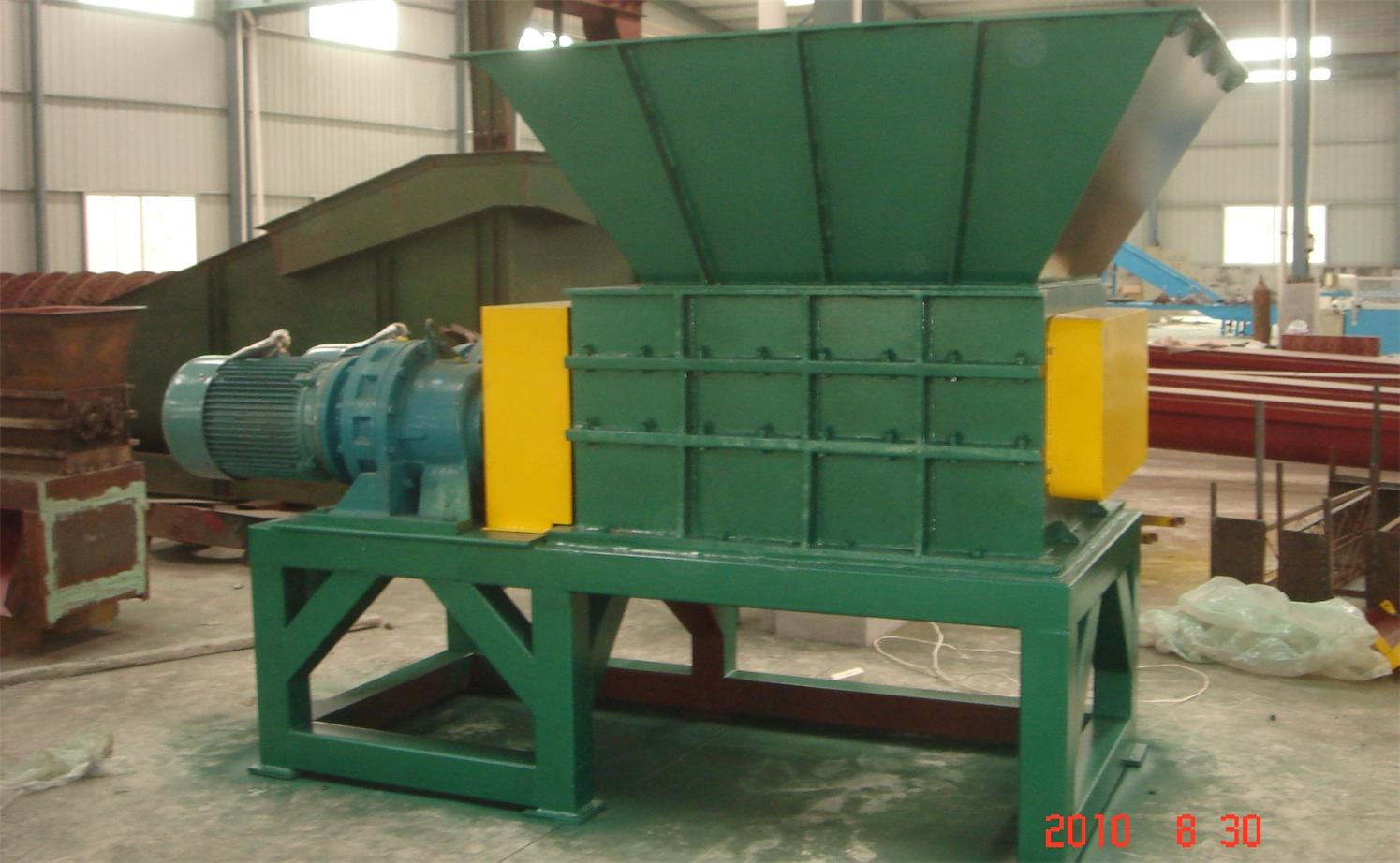
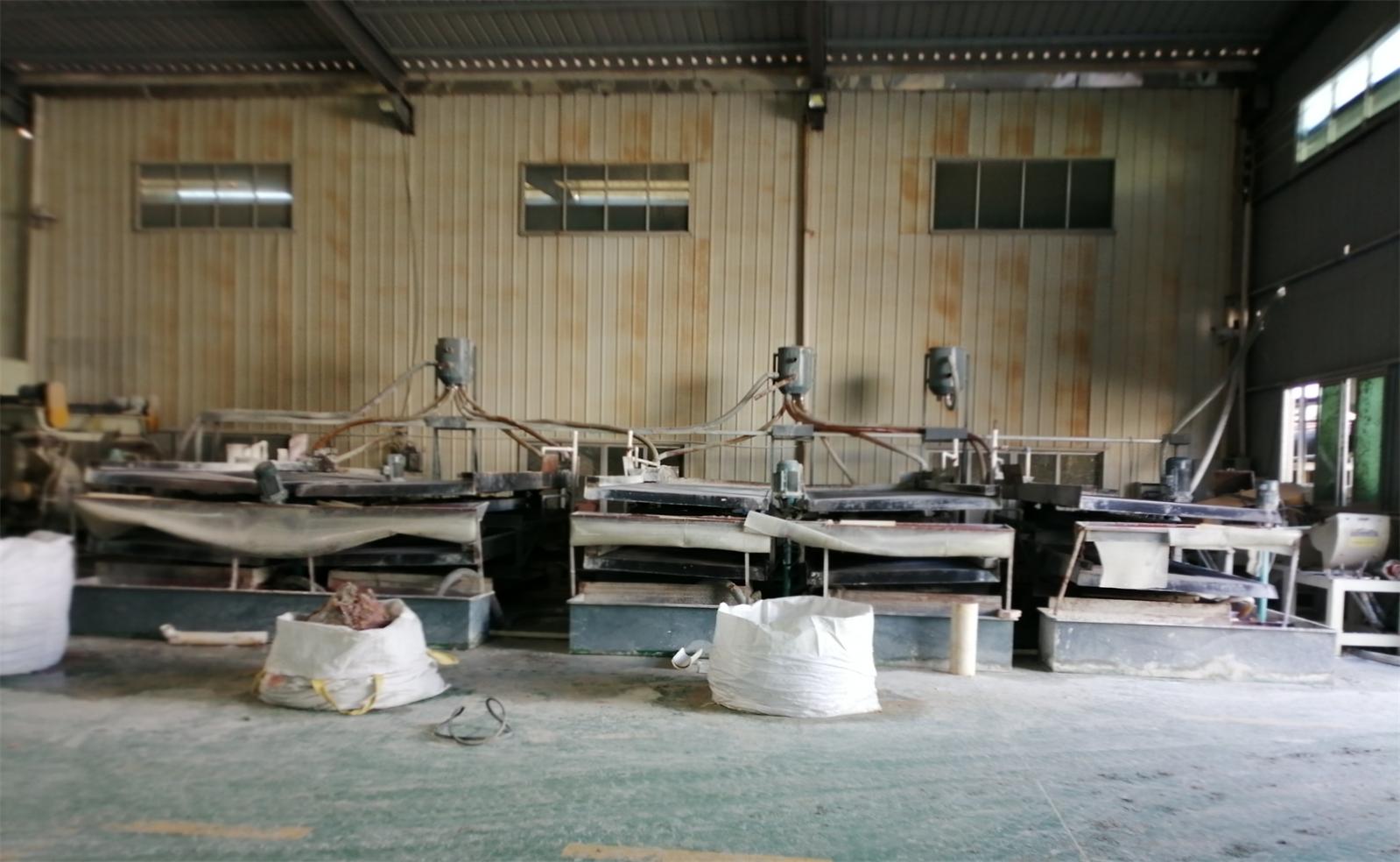
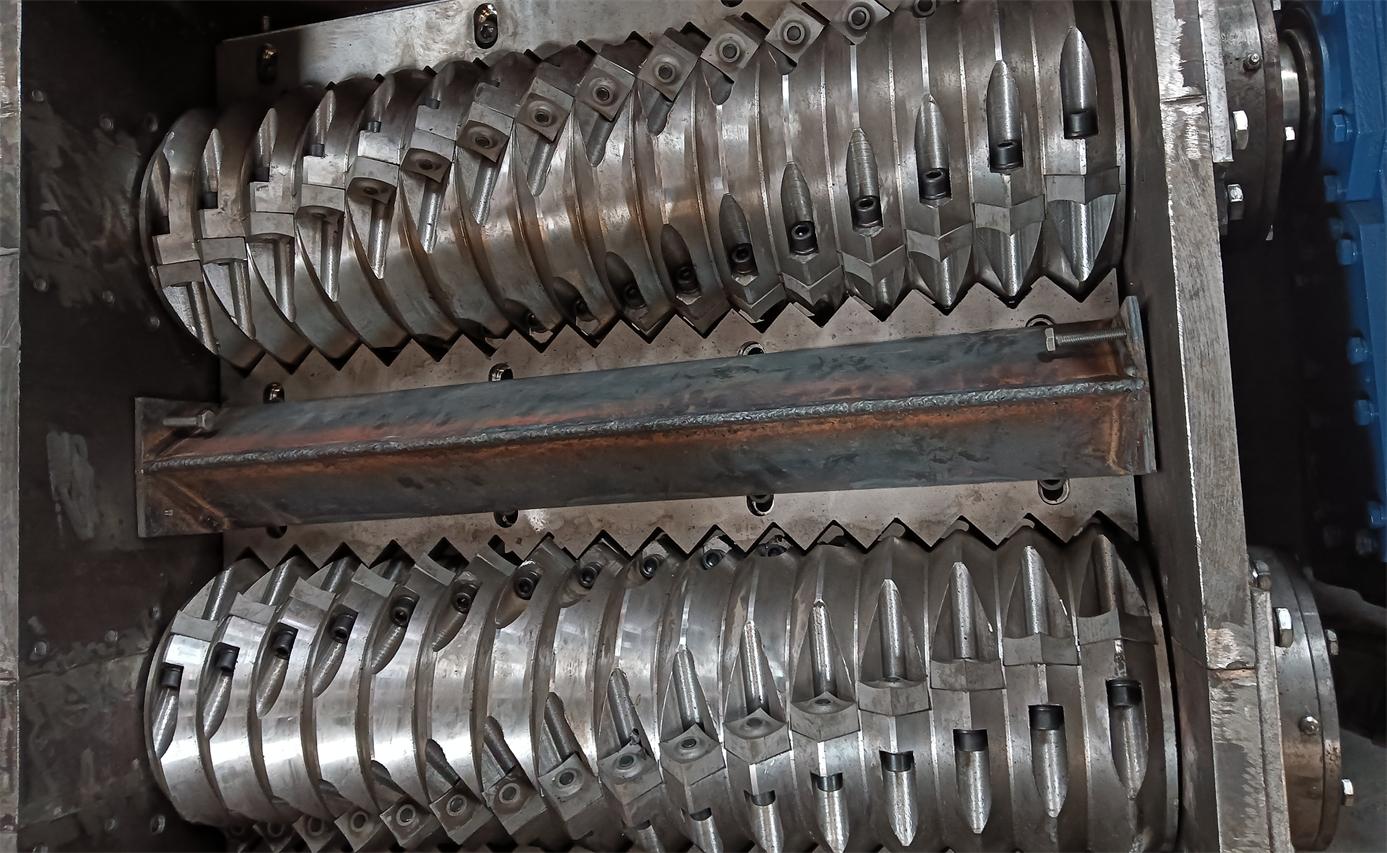
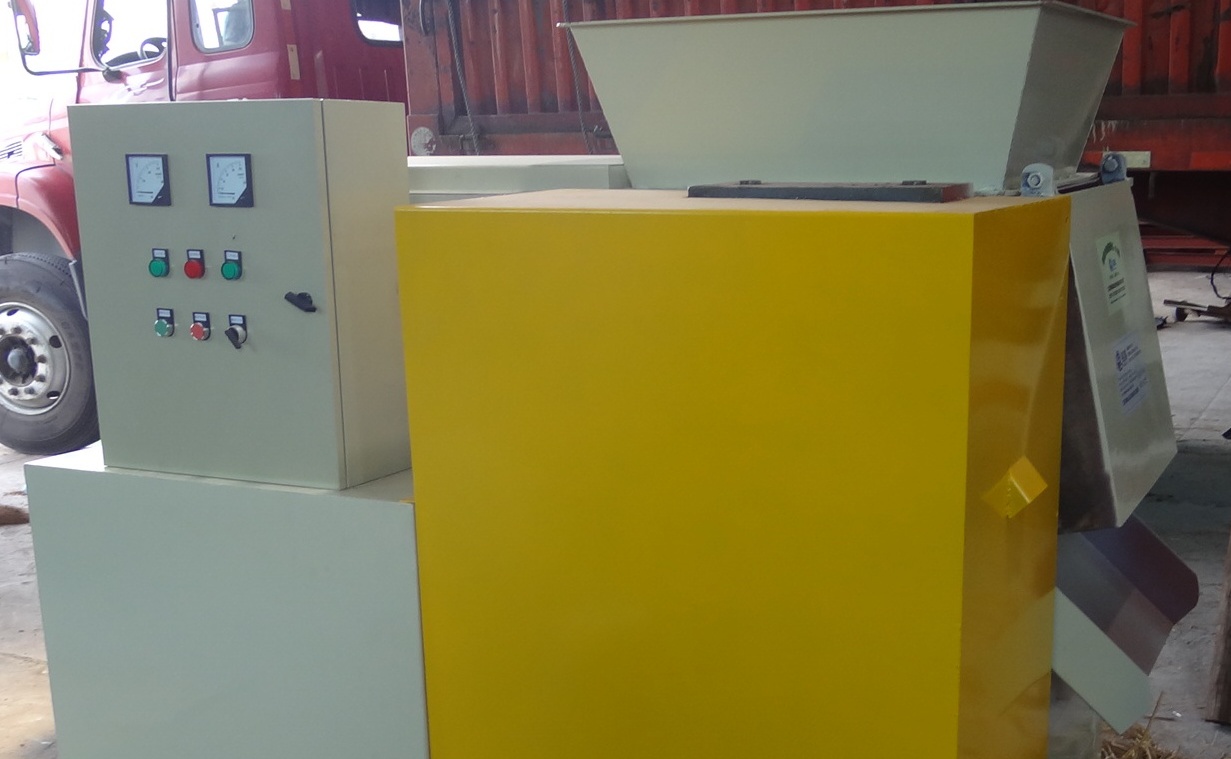
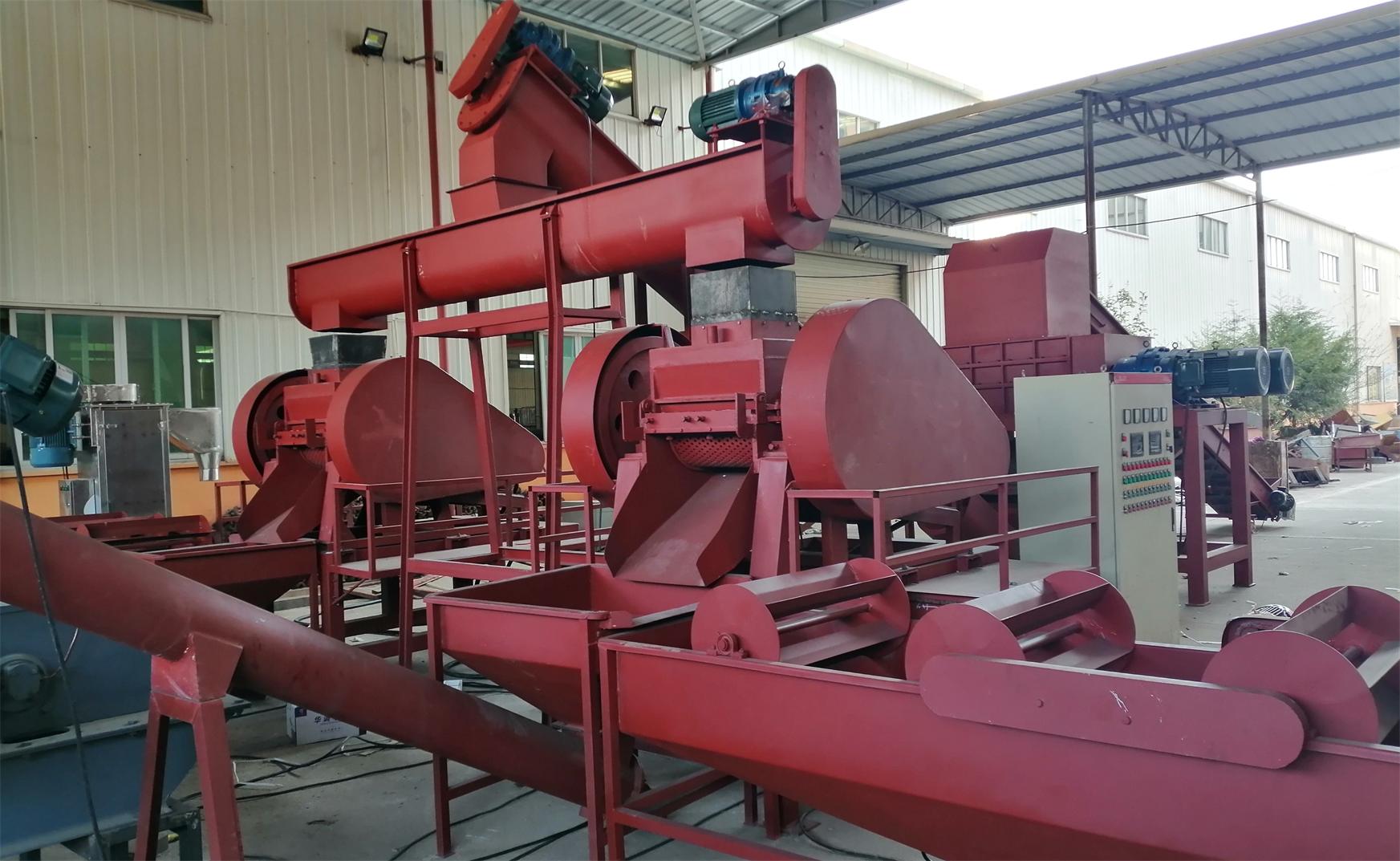
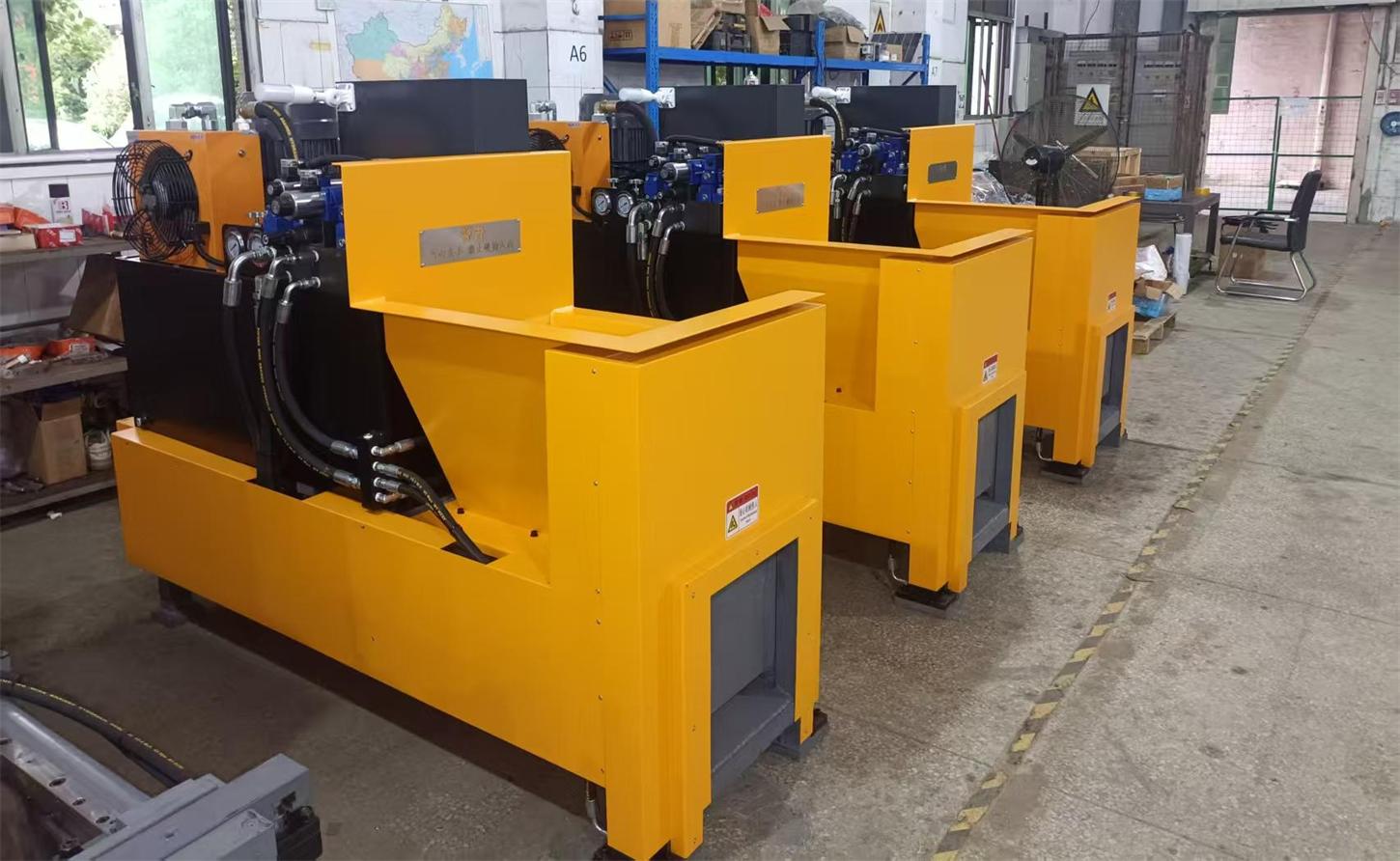
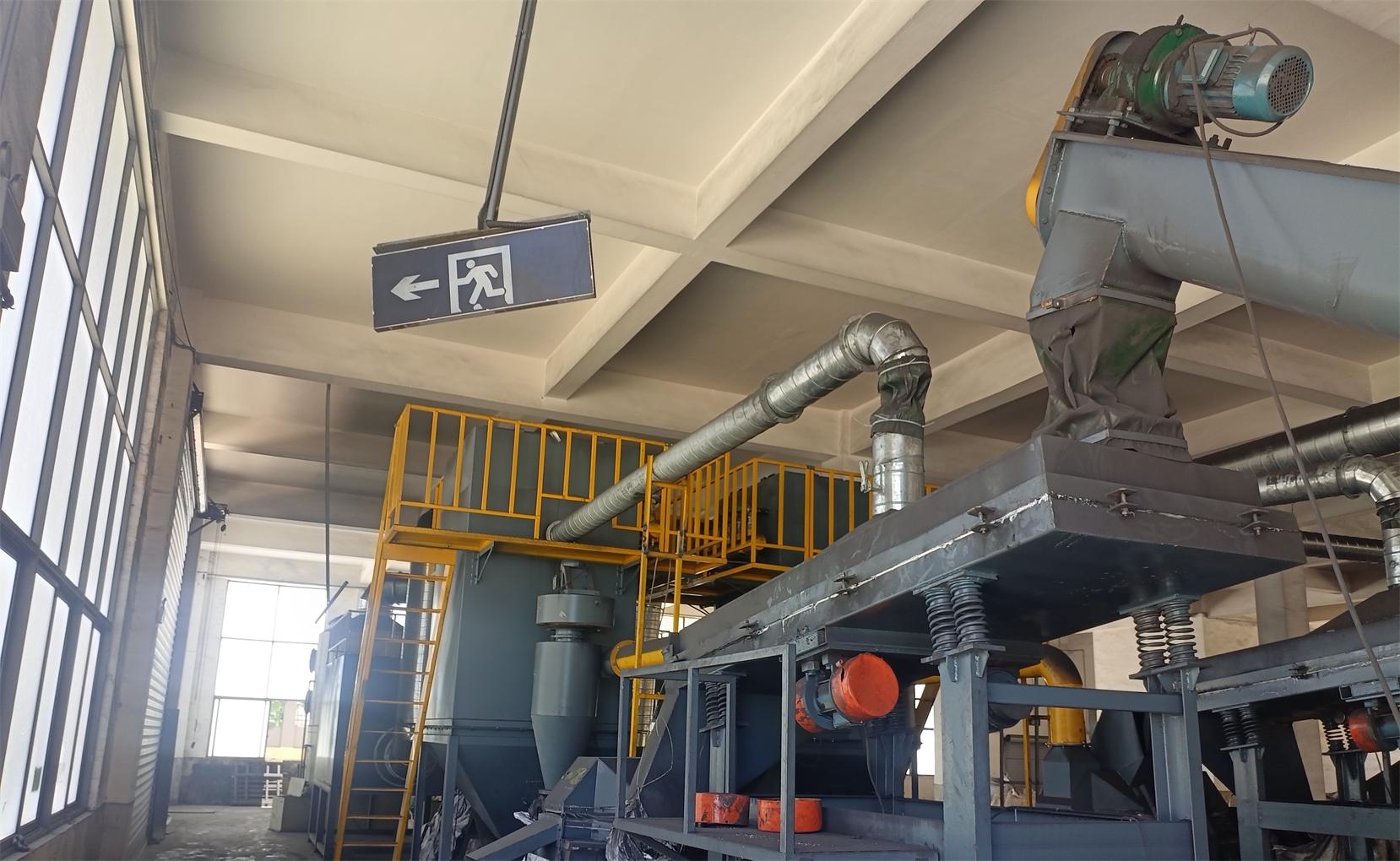
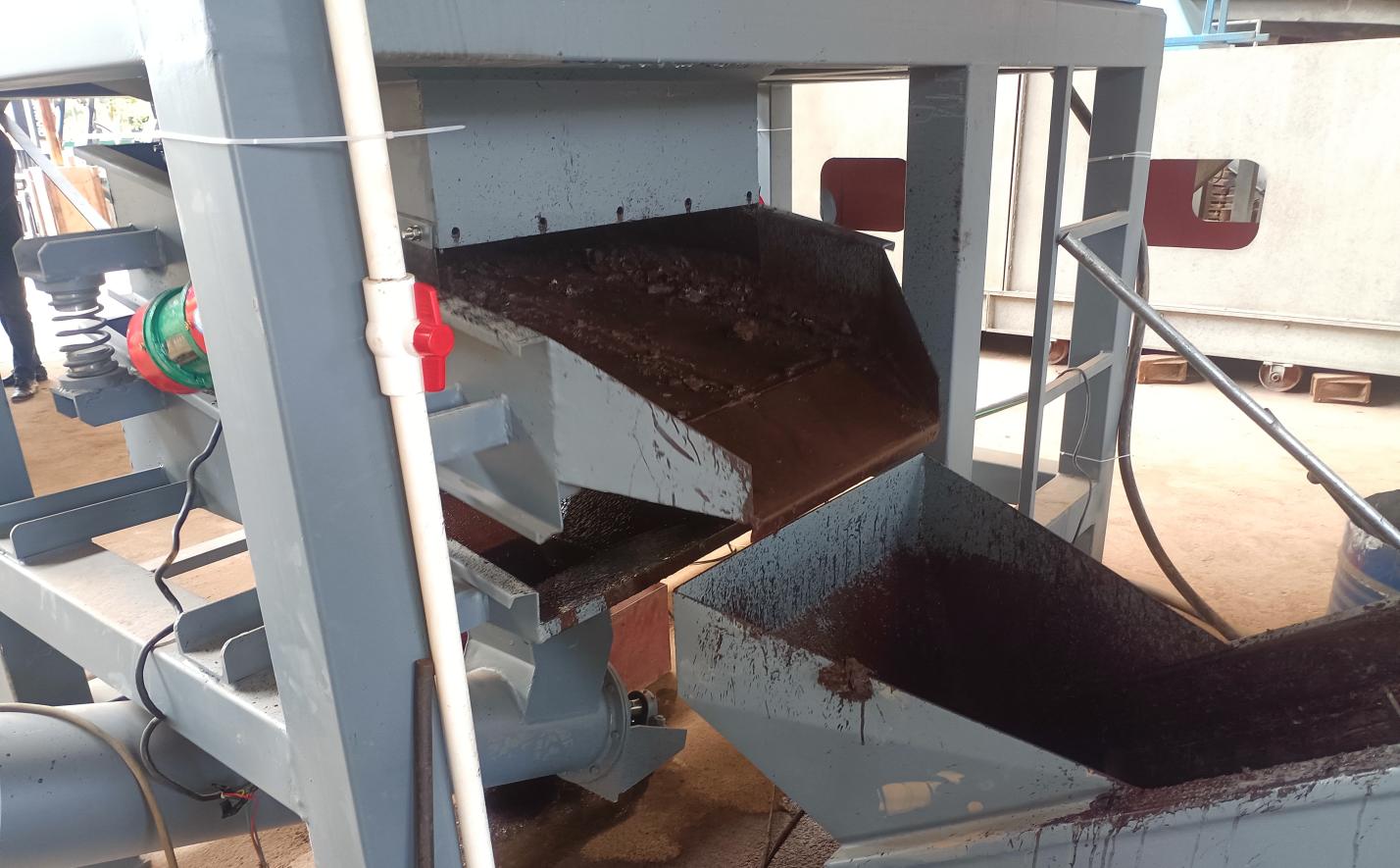
Professional yards use industrial cable recycling machines that separate insulation automatically - what they don't show is the five-figure price tag for that specialized equipment.
Ever wonder why copper prices seem to jump randomly? These invisible forces determine what ends up in your pocket:
When China launched its massive infrastructure boom? Copper prices skyrocketed as they consumed nearly half the world's supply. Now, green energy projects are the new driver - wind turbines and solar farms are copper-hungry beasts requiring miles of cabling.
Major copper mines in Chile and Peru often face strikes and operational issues. When production dips even 5%, recycling becomes critical for manufacturers - driving up scrap prices even when commodities markets stall.
Your local yard isn't just making up prices. Their buy price depends on:
- Distance to smelters (transport costs)
- Energy prices in your region
- Labor costs for sorting
- Local competition (multiple yards nearby?)
You don't need to become a professional scrapper to boost your copper income. These realistic strategies work whether you have one bucket or a truckload:
Separating wires by type isn't just pedantic - it's profitable. Mixed wire loads get downgraded to the lowest value category. By spending 15 minutes sorting:
Without Sorting:
Mixed load = ~$1.10/lb
With Sorting:
Separated types = $2.00-4.00/lb
Profit Gain:
80-260% increase
Recycling centers offer better rates for bigger loads because it reduces their processing overhead. Don't waste gas for five pounds:
- Combine with neighbors' wires
- Set up collection points at local businesses
- Wait until you have at least 100lbs for serious negotiations
Copper prices trend seasonally - stronger in summer (construction season) and weaker around Chinese New Year (Asia factory slowdown). Use apps like ScrapPrice to track local rates before selling.
Beyond knife dangers, copper recycling has hidden risks that pros take seriously:
Older wires contain lead-based PVC and brominated flame retardants. When burned illegally (a disturbingly common practice), they release:
- Dioxins that accumulate in your body
- Hydrochloric acid vapor that damages lungs
- Fine particulates that embed in soil
Reputable recyclers use specialized emissions-controlled plants. Burning wire for copper isn't worth hospital bills or environmental fines.
Copper wires often have solder joints with lead, cadmium and other metals. Simple precautions like nitrile gloves and dust masks cost pennies but prevent long-term health issues.
While construction sites are copper goldmines, you can find valuable wire where others don't look:
Old CRT monitors and TVs contain thick copper yokes. A 32" tube TV yields nearly 5 pounds of insulated copper wire. Just learn safe discharge techniques for high-voltage components.
Harnesses from junk cars vary wildly. Starter cables? Pure thick copper. Modern sensor wires? Nearly worthless. Focus on pre-2000s vehicles for serious copper content.
Air conditioners have compressor wires like Romex. Older refrigerators have defrost heaters with thick wire coils. These often get overlooked at bulk appliance recycling.
Let's remove the hype and calculate realistic earnings with transparency:
Collecting wires 8 hours/week:
- Gas and equipment: $25/week
- Average collected: 80 lbs
- Average earnings (@$2.20/lb): $176
- Weekly profit: $151
- Monthly profit: $604
Commercial volumes require different economics:
- Industrial copper cable recycling machine : $15,000-$40,000
- Labor and overhead: $0.25/lb processing
- Volumes: 5,000+ lbs/week
- Margin: $0.35-$0.80/lb after costs
- Profit range: $1,750-$4,000/week
Beyond cash, recycling copper impacts our world:
Recycling copper uses 85% less energy than mining new ore. That saved energy powers:
- 25 homes for a day from 100lbs scrap
- A 60-watt bulb for 15 years per discarded wire bundle
Every ton of recycled copper prevents 15 tons of greenhouse gases versus mining operations. That's equivalent to taking 3 cars off the road for a year.
After peeling back the layers (sometimes literally), here's the honest truth:
Scrap copper wire recycling isn't a get-rich-quick scheme - it's consistent work with tangible rewards. At current prices, even modest collectors can add $400-$800 monthly income by treating it as a serious side business rather than a garage hobby.
The profitability tipping point comes when you treat your wire collection systematically:
- Know your wire types better than scrap yards do
- Time your sales to market peaks
- Process only when the math justifies risks
- Invest in basic safety equipment
- Build relationships with multiple yards
And here's the beautiful part - unlike many passive income ideas, copper recycling puts money in your pocket immediately, helps your local economy, and actually reduces environmental damage. Those wires in your hands aren't just scrap - they're untapped profit potential waiting for someone with the knowledge to unlock it.