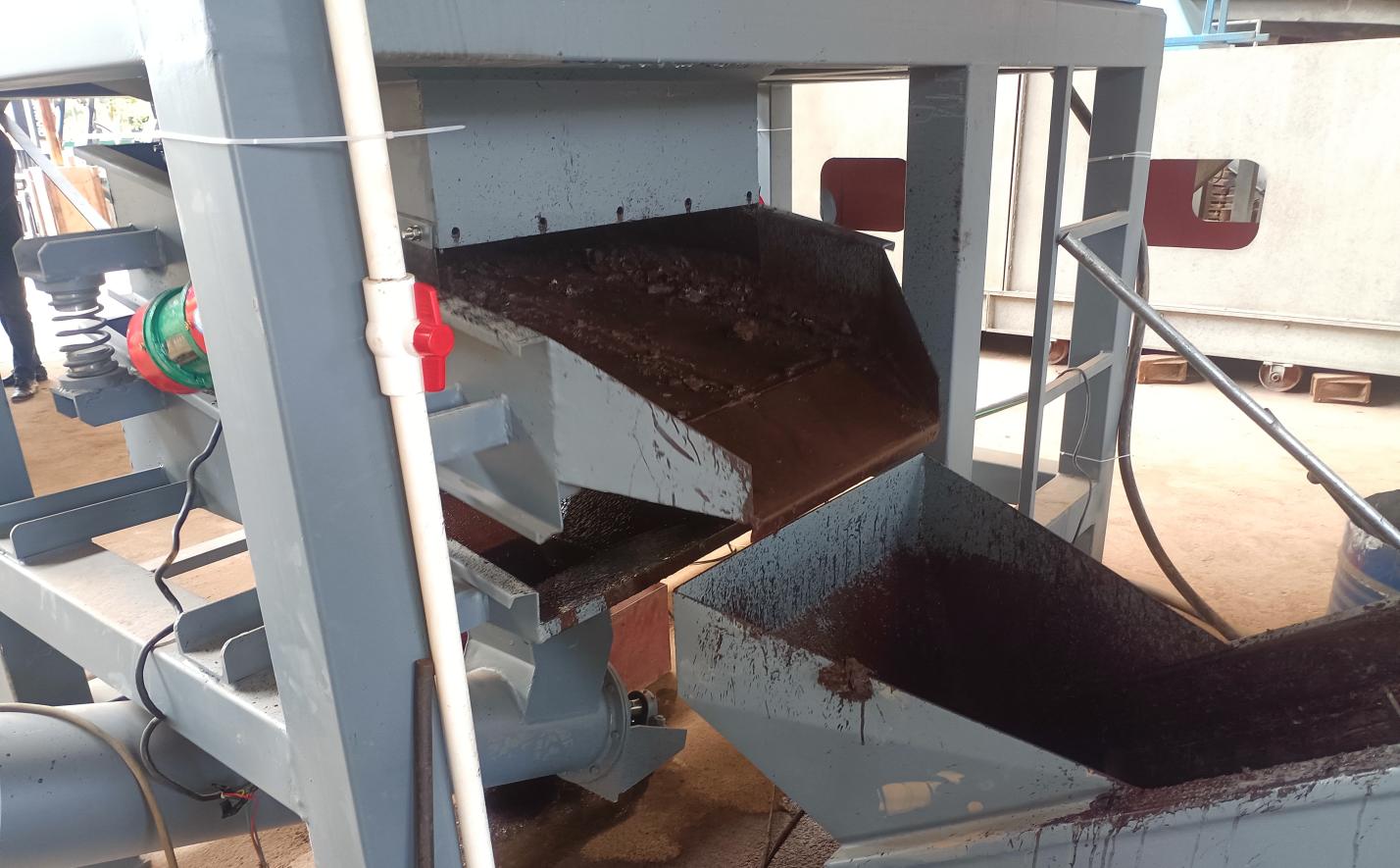
Why Lamp Recycling Matters More Than You Think
Walk into any office, factory, or warehouse, and you'll likely see rows of lamps lighting up the space—fluorescent tubes, compact fluorescent lamps (CFLs), LEDs, and even older incandescent bulbs. What many businesses overlook, though, is what happens to these lamps once they burn out. Discarding them in the trash isn't just a missed opportunity; it's a potential environmental disaster and a regulatory minefield.
Lamps, especially fluorescent and CFL varieties, contain mercury—a toxic heavy metal that can leach into soil and water if not handled properly. In fact, just one broken CFL can release enough mercury vapor to exceed safe indoor air levels, according to the Environmental Protection Agency (EPA). On an industrial scale, improper disposal of thousands of spent lamps each year poses significant risks to local ecosystems and public health. Beyond the environmental impact, there are strict regulations in place (like the EPA's Resource Conservation and Recovery Act in the U.S.) that mandate proper recycling of mercury-containing lamps. Non-compliance can result in fines reaching tens of thousands of dollars, not to mention damage to your brand's reputation as a responsible corporate citizen.
But here's the flip side: Lamp recycling isn't just about avoiding penalties. It's a goldmine of opportunity. Lamps contain valuable materials—glass, aluminum, copper, and even rare earth elements in LEDs—that can be recovered and resold. For businesses that handle large volumes of lamps, recycling transforms waste into a revenue stream. The key to unlocking this potential? The right lamp recycling equipment.
The Hidden Challenges of Lamp Recycling (And Why Equipment Matters)
If you've ever tried to recycle lamps manually, you know it's far from straightforward. Let's break down the hurdles:
Inefficiency: Crushing lamps by hand or using basic tools is slow and labor-intensive. A single worker might process a few dozen lamps an hour, which is impractical for facilities generating hundreds or thousands monthly.
Contamination: Without controlled crushing and separation, mercury vapor can escape, exposing workers to health risks. Glass shards might also get mixed with other materials, reducing the quality of recycled output and making it harder to sell recovered resources.
Regulatory Compliance: Even if you manage to collect lamps, proving proper recycling to regulators requires detailed documentation of the process—something that's nearly impossible with manual methods. Auditors want to see that mercury is captured, materials are separated, and waste is tracked from collection to final disposal.
These challenges aren't just operational headaches; they directly impact your bottom line. Inefficiency raises labor costs, contamination lowers the value of recovered materials, and non-compliance opens the door to fines. This is where specialized lamp recycling equipment steps in—not as a luxury, but as a critical investment in your business's sustainability and profitability.
Lamp Recycling Equipment: More Than Just a "Crusher"
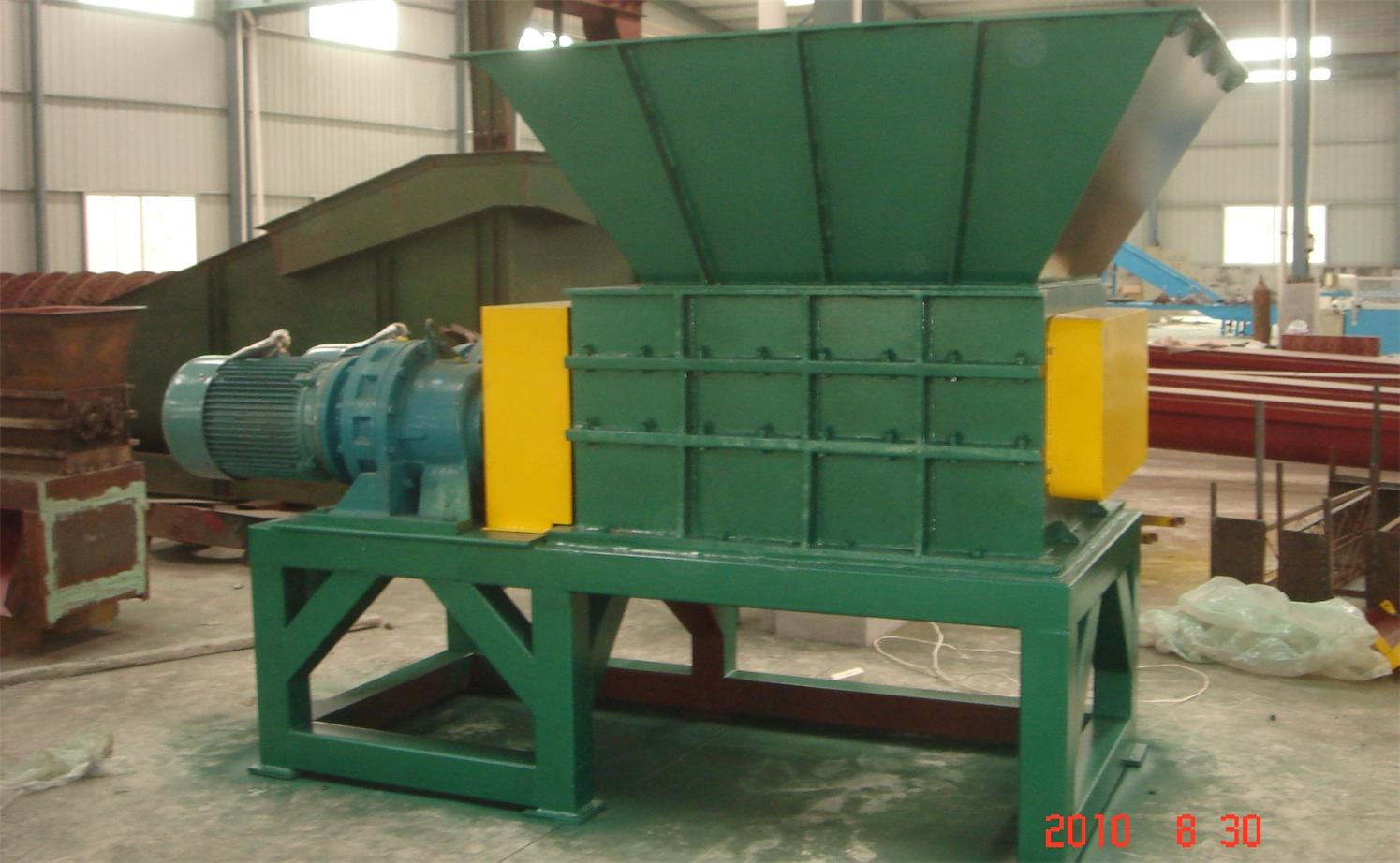
When we talk about lamp recycling equipment, we're not referring to a one-size-fits-all machine. The market offers a range of solutions tailored to different operational scales, from small offices to large industrial facilities. At the heart of this category is lamp recycling equipment —a broad term encompassing everything from compact, tabletop units to fully automated industrial systems. Let's take a closer look at the workhorses of this industry, including the ever-popular bulb eater equipment .
Bulb Eater Equipment: The Compact Powerhouse
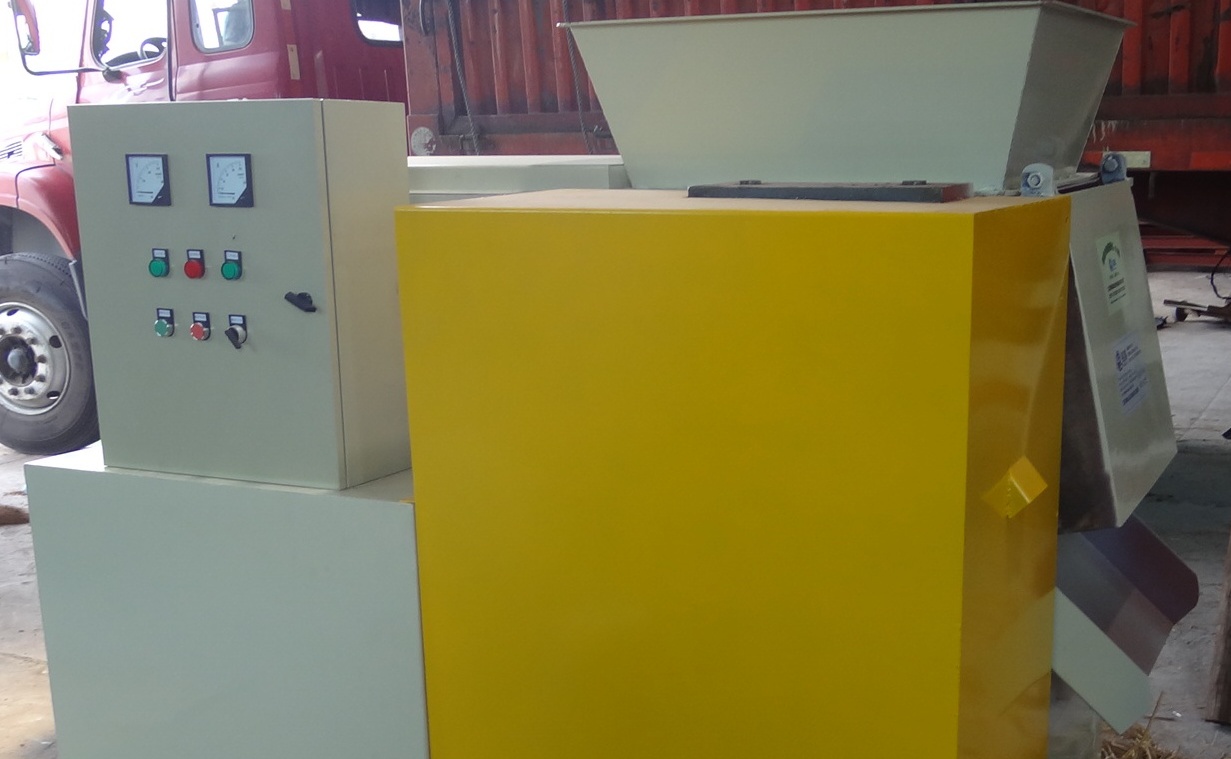
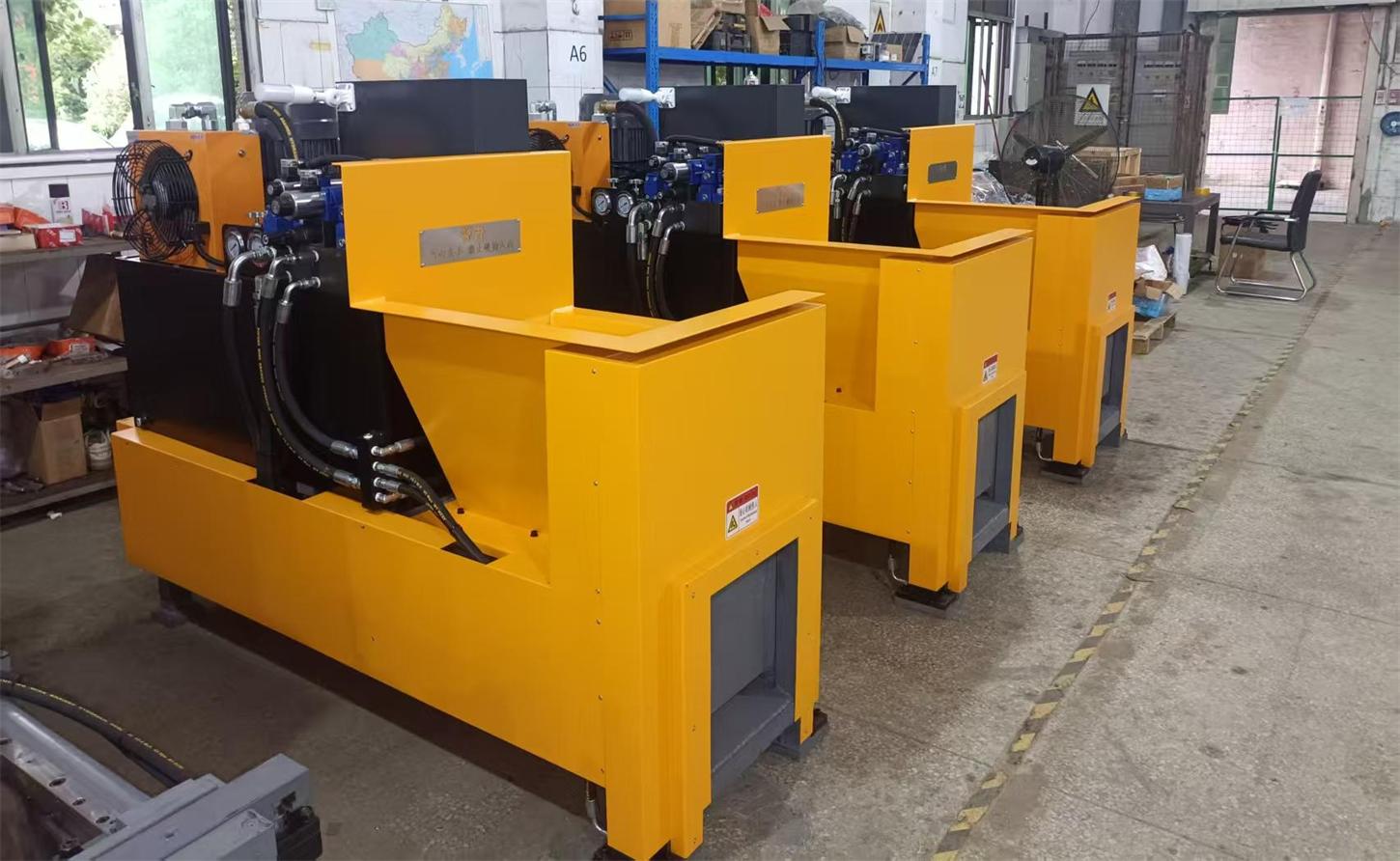
For businesses with moderate lamp volumes—think retail stores, schools, or small manufacturing plants—bulb eater equipment is a game-changer. These machines are designed to safely crush fluorescent tubes, CFLs, and LED bulbs into manageable fragments while capturing mercury vapor. Here's why they're so popular:
- Portability: Most bulb eaters are compact enough to fit in a utility closet or storage room, making them ideal for facilities with limited space.
- Safety First: Equipped with HEPA filters and activated carbon systems, they trap mercury vapor and dust, ensuring workers aren't exposed to toxins.
- Efficiency: A single bulb eater can process up to 500 lamps per hour, depending on the model—far faster than manual crushing.
- Waste Reduction: Crushed lamp fragments take up 80-90% less space than whole lamps, cutting down on storage and transportation costs.
One facility manager at a mid-sized university shared, "Before we got our bulb eater, we were storing dozens of boxes of spent lamps in the basement. Now, we crush them on-site, and the crushed material fits into a single drum. It's saved us thousands on hauling fees alone."
Industrial-Scale Lamp Recycling Systems
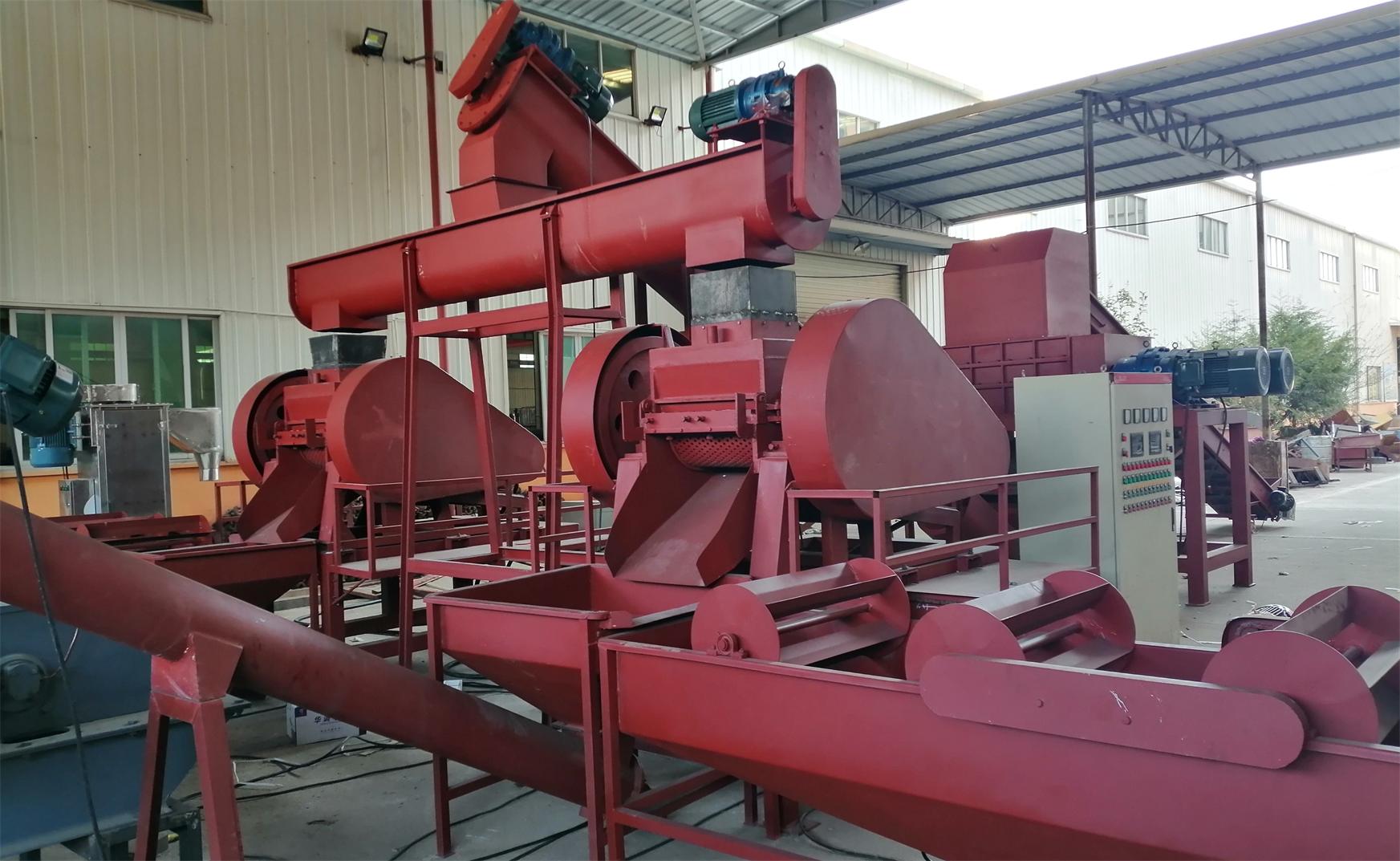
For large operations—like hospitals, industrial parks, or lamp manufacturers—bulb eaters might not keep up with demand. That's where industrial-grade lamp recycling equipment comes in. These systems are designed to handle thousands of lamps daily, with features like:
- Automated Feeding: Conveyor belts or hoppers that load lamps into the machine without manual intervention.
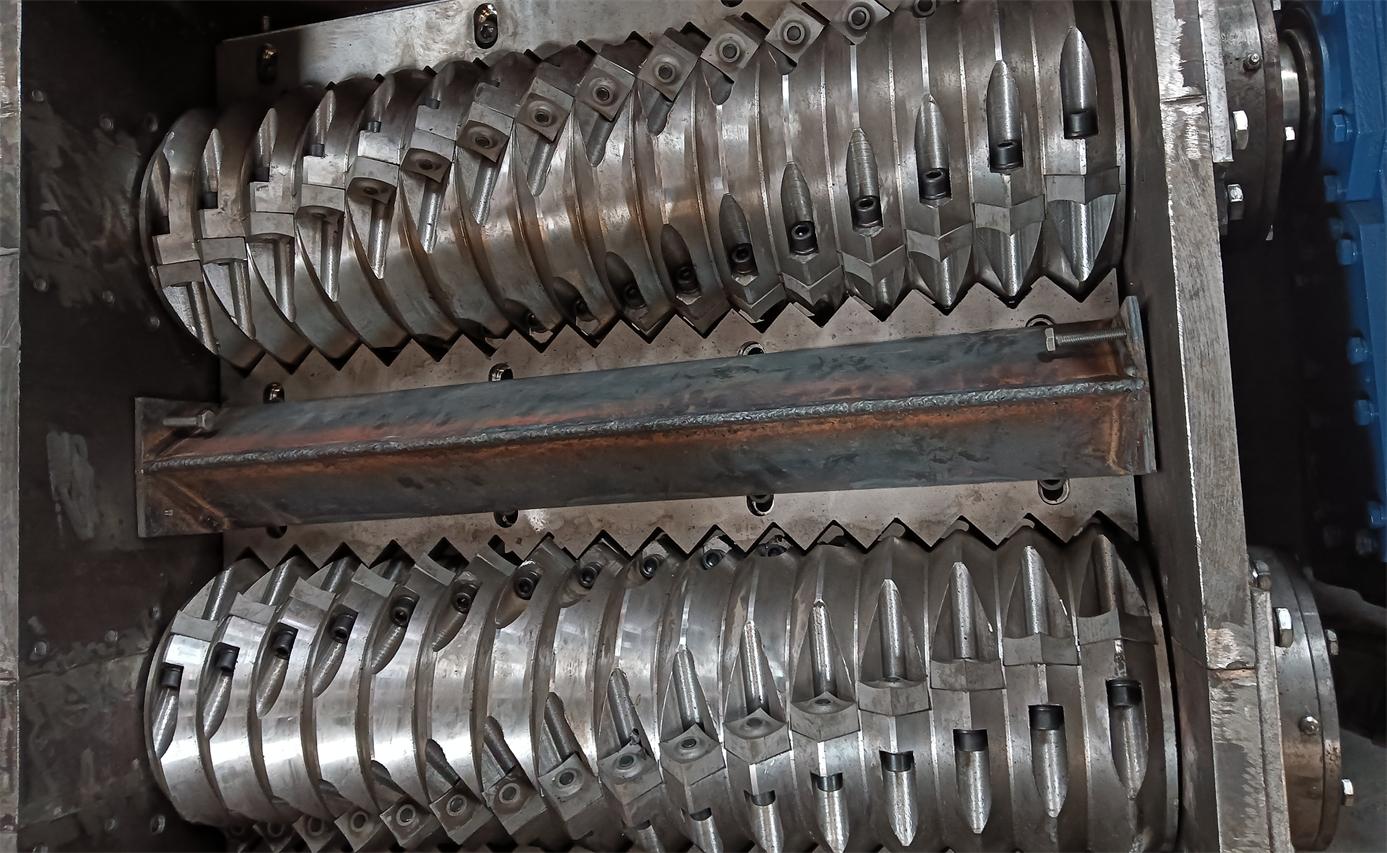
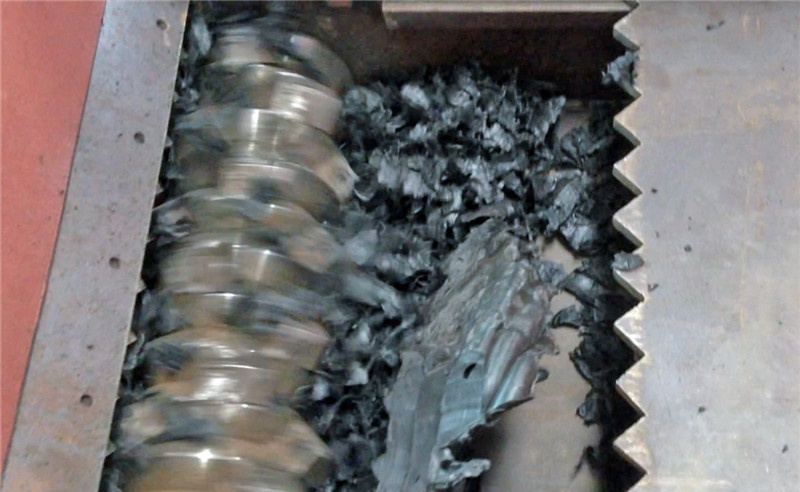
- Multi-Stage Processing: Crushing, separation of glass from metal bases, and mercury capture in one integrated system.
- Data Tracking: Built-in software that logs the number of lamps processed, materials recovered, and compliance records—perfect for audits.
- High Capacity: Some industrial systems can process 2,000+ lamps per hour, turning a once-daunting task into a streamlined process.
Key Features to Look for in Lamp Recycling Machines
Not all lamp recycling equipment is created equal. To ensure you're investing in a machine that will boost your bottom line and keep you compliant, keep an eye out for these critical features:
Mercury Capture Efficiency: The best machines capture over 99% of mercury vapor, preventing environmental contamination and protecting worker health. Look for models with dual-filter systems (HEPA + activated carbon) and certifications like EPA approval.
Material Separation: After crushing, the machine should separate glass, metal (like lamp bases and filaments), and plastic components. Clean separation means higher resale value for recycled materials—glass can be sold to glass manufacturers, while metals go to scrap yards.
Ease of Maintenance: Lamps can leave behind sticky residues or glass dust, so the machine should have easy-to-access parts for cleaning and filter replacement. Downtime for maintenance eats into productivity, so choose a model with tool-free access panels.
Scalability: Your business might grow, and so will your lamp recycling needs. Opt for equipment that can be upgraded with additional feeding systems or higher-capacity crushers as your volume increases.
To help visualize the differences between options, here's a comparison of common lamp recycling machines:
| Equipment Type | Capacity (Lamps/Hour) | Space Requirement | Mercury Capture | Best For |
|---|---|---|---|---|
| Bulb Eater Equipment (Compact) | 100-500 | Tabletop/Compact (2-4 sq ft) | HEPA + Carbon Filter (99%+) | Small offices, retail, schools |
| Mid-Size Industrial System | 500-1,500 | Standalone (10-15 sq ft) | Integrated Filtration + Vapor Traps | Hospitals, large offices, warehouses |
| High-Capacity Industrial Line | 1,500-3,000+ | Production Line (50+ sq ft) | Multi-Stage Filtration + Emission Monitoring | Lamp manufacturers, recycling facilities |
Beyond the Main Machine: The Role of Supporting Systems
Lamp recycling equipment doesn't work in a vacuum. To maximize efficiency and compliance, you'll need supporting systems that turn a single machine into a fully optimized workflow. Two critical players here are air pollution control system equipment and auxiliary equipment equipment .
Air Pollution Control System Equipment: Keeping the Air Clean
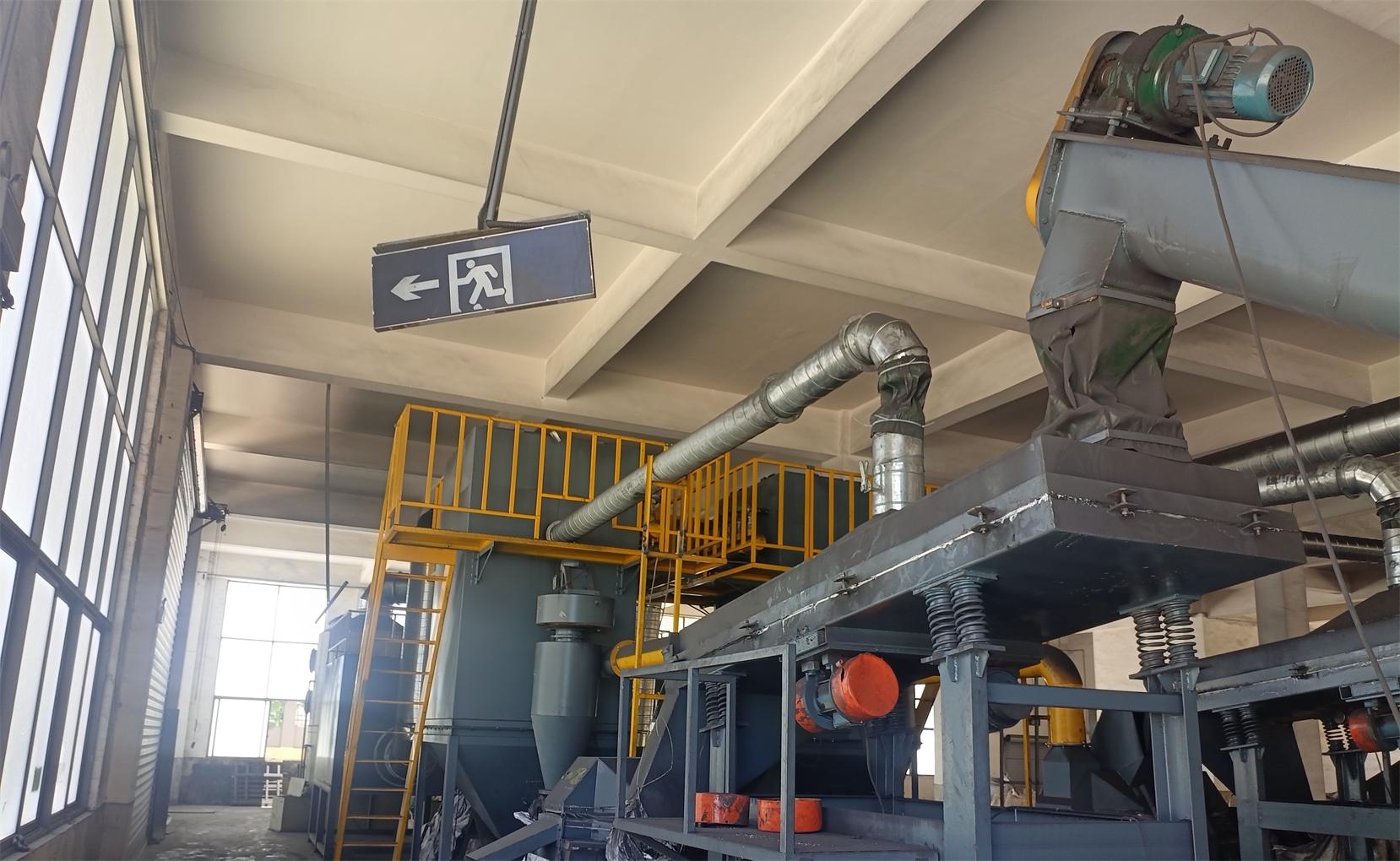
Even the best lamp recycling machines can release trace amounts of dust or mercury vapor during loading or maintenance. Air pollution control system equipment—like local exhaust ventilation (LEV) hoods or room air purifiers—ensures your facility meets OSHA air quality standards. For large-scale operations, integrating the lamp recycler with a central dust collection system can further reduce contamination risks.
Auxiliary Equipment: Streamlining the Entire Process
Auxiliary equipment includes everything from lamp collection bins (with leak-proof lids to prevent breakage during storage) to conveyor belts that transport crushed material to storage drums. For example, a simple pneumatic conveying system can move glass fragments from the recycler to a silo, reducing manual handling and speeding up the process. Other auxiliary tools might include barcode scanners for tracking lamp types (fluorescent vs. LED) or weighing scales to log material recovery volumes.
One recycling facility in Ohio shared how adding auxiliary equipment transformed their operation: "We used to have workers carry crushed lamp material from the recycler to the storage area—backbreaking work that slowed us down. Now, a small conveyor belt does the job, and our team can focus on feeding lamps into the machine. We've increased throughput by 30% just by adding that one auxiliary tool."
Real-World Impact: How the Right Equipment Drives Industrial Success
It's one thing to talk about the benefits of lamp recycling equipment, but let's look at how it translates to tangible results for businesses:
Case Study 1: A Regional Hospital Cuts Costs and Boosts Compliance
A 300-bed hospital in the Midwest was generating over 2,000 spent fluorescent tubes monthly. Before investing in lamp recycling equipment, they were paying a third-party recycler $1.50 per lamp—costing $3,000 monthly, or $36,000 annually. They also struggled with audit preparation, as the third-party's documentation was often delayed or incomplete.
The hospital purchased a mid-size industrial lamp recycling system ($45,000 upfront) and added a bulb eater for smaller CFLs. Within a year, they recovered over 10 tons of glass and 500 pounds of aluminum, which they sold to local recyclers for $8,000. Their third-party hauling costs dropped to $500 monthly (for transporting crushed material), saving $2,500 monthly. By year two, they'd recouped the equipment cost and continued to save $30,000+ annually while easily passing regulatory audits with their in-house tracking system.
Case Study 2: A Manufacturing Plant Turns Waste into Revenue
A automotive parts manufacturer with 500 employees was discarding over 5,000 lamps yearly. Their sustainability director researched lamp recycling and discovered that LED bulbs contain small amounts of copper and rare earth elements. The plant invested in a high-capacity industrial system with advanced material separation, allowing them to recover these metals.
In the first year, they recovered 200 pounds of copper (sold for $4 per pound, totaling $800) and 50 pounds of rare earth elements (sold to a specialty recycler for $20 per pound, totaling $1,000). While these amounts seem small, they added up to $1,800 in annual revenue—plus, the plant qualified for a state environmental grant for "innovative recycling practices," netting an additional $10,000. Beyond the financial gains, the plant reduced its carbon footprint by 15% and used the recycling program in its marketing materials to attract eco-conscious clients.
Choosing the Right Supplier: More Than Just a Vendor
Investing in lamp recycling equipment is a big decision, and the supplier you choose matters as much as the machine itself. Here's what to look for in a partner:
Experience in Lamp Recycling: Avoid suppliers who sell "general recycling equipment" and instead opt for those specializing in lamp and e-waste recycling. They'll understand the unique challenges (like mercury handling) and can recommend the best setup for your needs.
After-Sales Support: Equipment breakdowns happen. Ensure your supplier offers 24/7 technical support, on-site maintenance, and a clear warranty (at least 2 years for parts and labor). A good supplier will also provide training for your team to operate the machine safely and efficiently.
Customization Options: Every facility is different. A supplier who can tailor the equipment to your space, volume, and material recovery goals will deliver a solution that truly fits your operation.
Don't be afraid to ask for references. A reputable supplier will happily connect you with current customers who can share their experience with the equipment and support.
Conclusion: Lamp Recycling Equipment as a Catalyst for Industrial Success
Lamp recycling isn't just an environmental obligation—it's a strategic opportunity to cut costs, generate revenue, and build a reputation as a responsible business. The right lamp recycling equipment turns a once-overwhelming task into a streamlined, profitable process. Whether you're a small office using bulb eater equipment or a large plant with an industrial recycling line, investing in quality machinery pays off in compliance, efficiency, and bottom-line results.
As regulations tighten and consumers demand more sustainable practices, businesses that prioritize proper waste management will stand out from the competition. Lamp recycling equipment isn't just a tool—it's a bridge to a more successful, sustainable future for your industrial operation. So, take the first step: evaluate your lamp volume, research your options, and partner with a supplier who understands your goals. Your bottom line, your team, and the planet will thank you.