What to look for in capacity, recovery rates, environmental controls, and long-term partnership.
Walk through any automotive workshop, telecom facility, or backup power room and you will find rows of lead acid batteries quietly doing their job. Decades after newer chemistries entered the market, lead acid technology still dominates stationary power, forklift fleets, and vehicle starting applications. That scale creates a predictable stream of end-of-life material, and for operators who understand the process, it also creates a reliable revenue stream.
The difference between a recycling operation that merely breaks even and one that generates consistent profit usually comes down to one decision: the choice of lead acid battery recycling equipment. Equipment affects recovery rate, labor cost, energy consumption, emissions compliance, and maintenance downtime. This guide walks through what buyers should evaluate before committing capital.
Why Lead Acid Battery Recycling Remains a Solid Investment
Unlike many consumer electronics streams, lead acid batteries follow a closed-loop model that has been refined for decades. Lead is one of the most recyclable industrial metals, and modern plants routinely recover it at rates above 95 percent. The plastic cases, separator materials, and even the sulfuric acid can be captured and reused or sold into secondary markets.
Regulatory pressure is also increasing. Governments across Asia, Africa, Latin America, and the Middle East are tightening rules on informal battery breaking, which historically caused lead contamination in soil and water. Licensed, mechanized plants are becoming the only legal option in many jurisdictions. For investors who move early, this transition represents both an environmental obligation and a market opportunity.
Key insight: A well-designed lead acid battery recycling plant does not just recover lead. It produces four distinct saleable outputs: lead ingot, lead alloy, polypropylene granules, and reclaimed acid. Each stream adds revenue and reduces waste disposal cost.
The Complete Workflow: From Battery to Ingot
Before comparing vendors, buyers should understand the process sequence. Skipping a stage or undersizing one piece of equipment creates a bottleneck that reduces overall plant throughput. A typical lead acid battery recycling line includes the following stages:
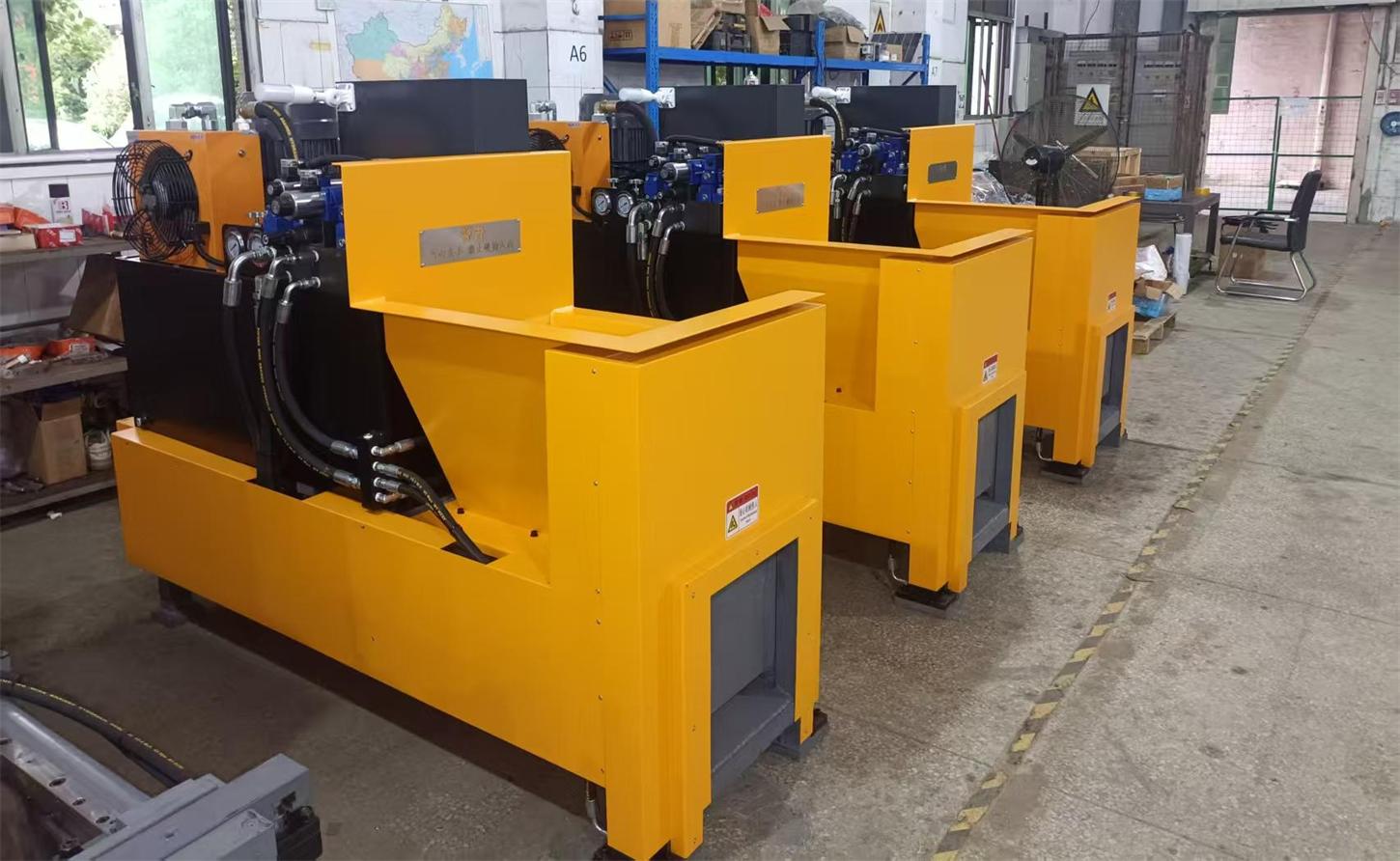
- Cutting and Draining: Whole batteries are cut open and the electrolyte is collected. Hydraulic cutters can process batteries at roughly 45 seconds per piece, separating the casing and emptying the acid safely.
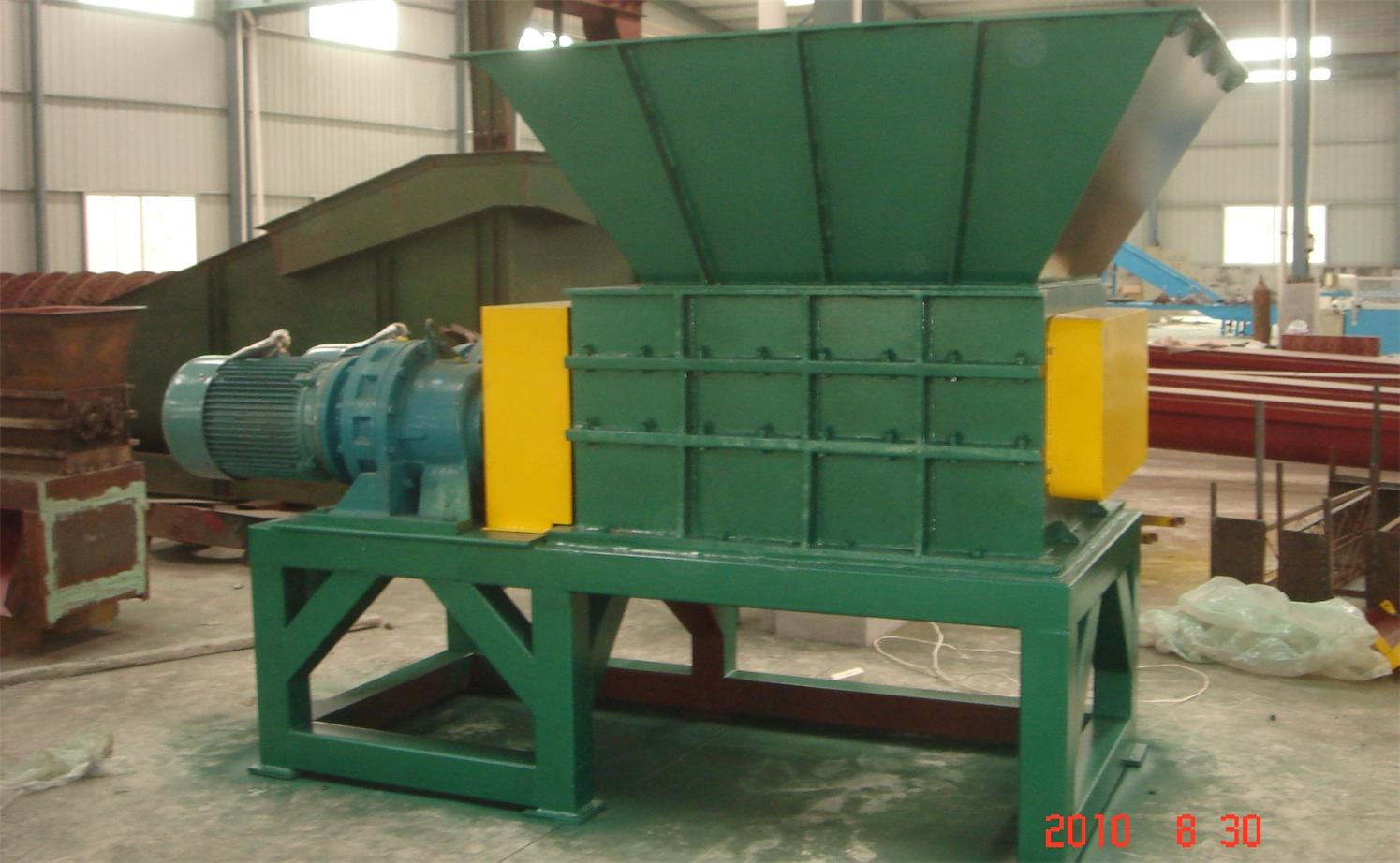
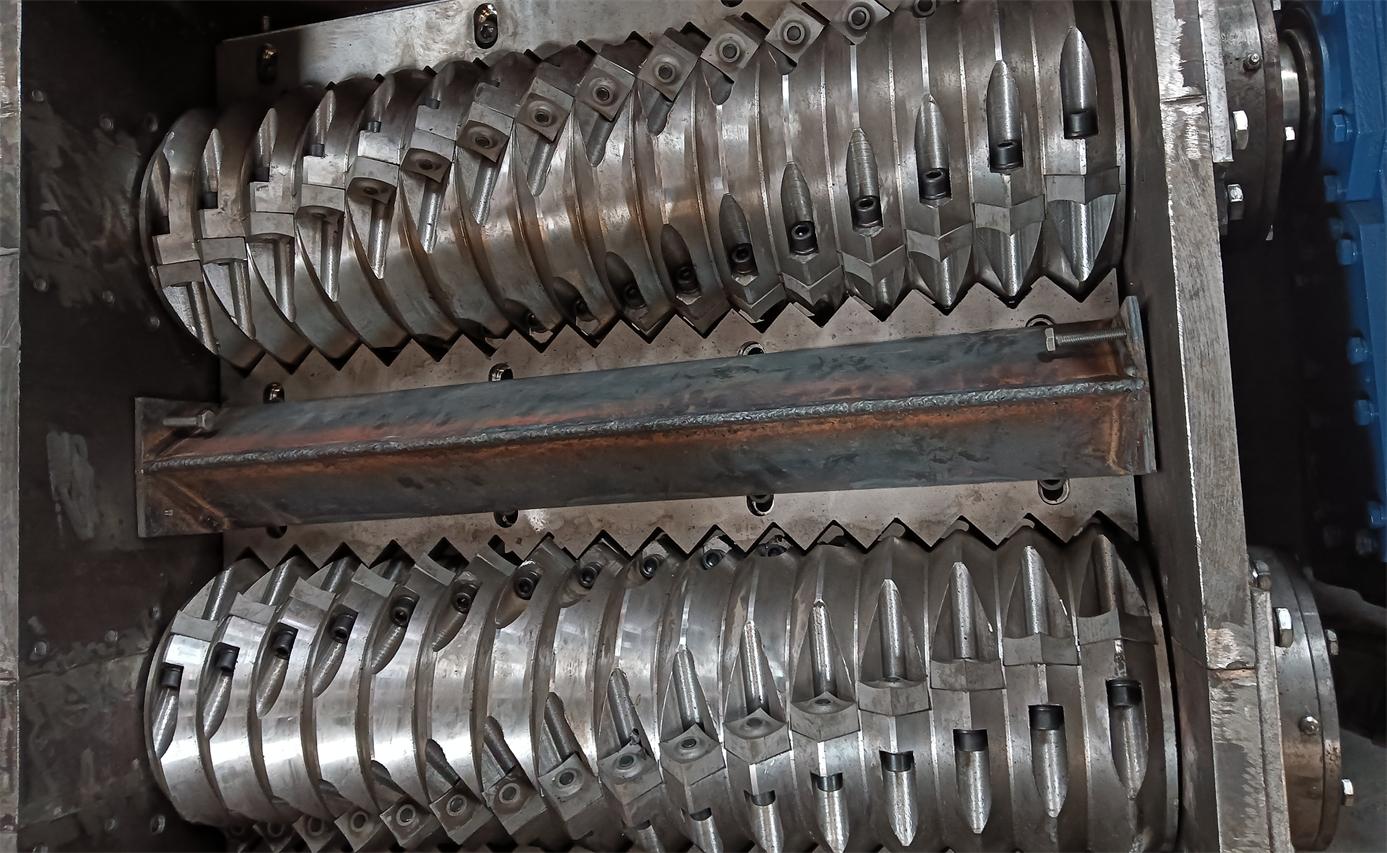
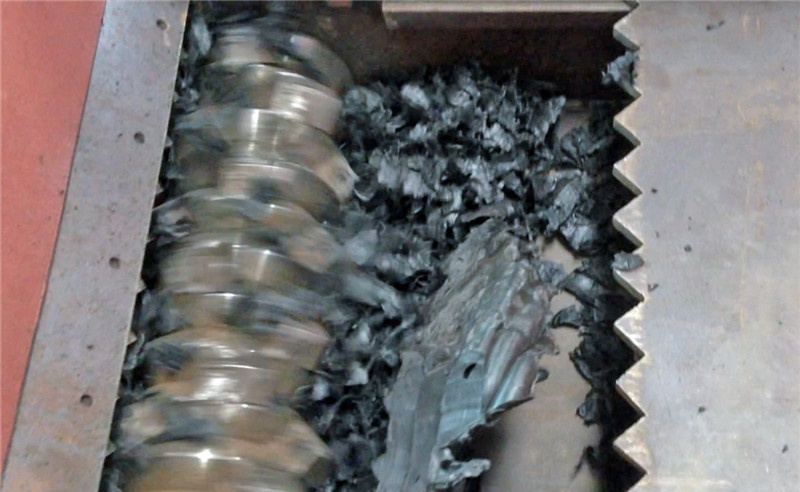
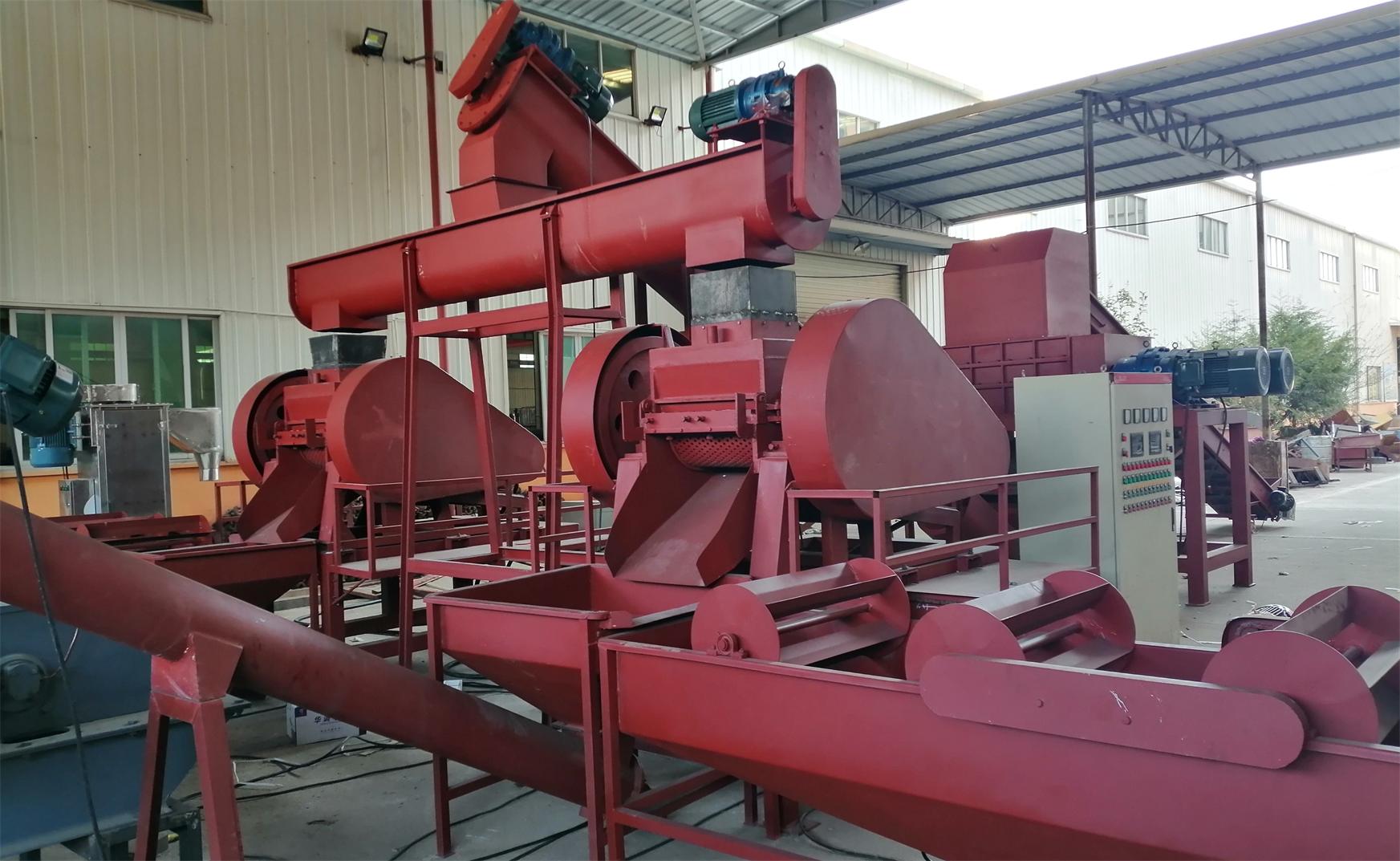
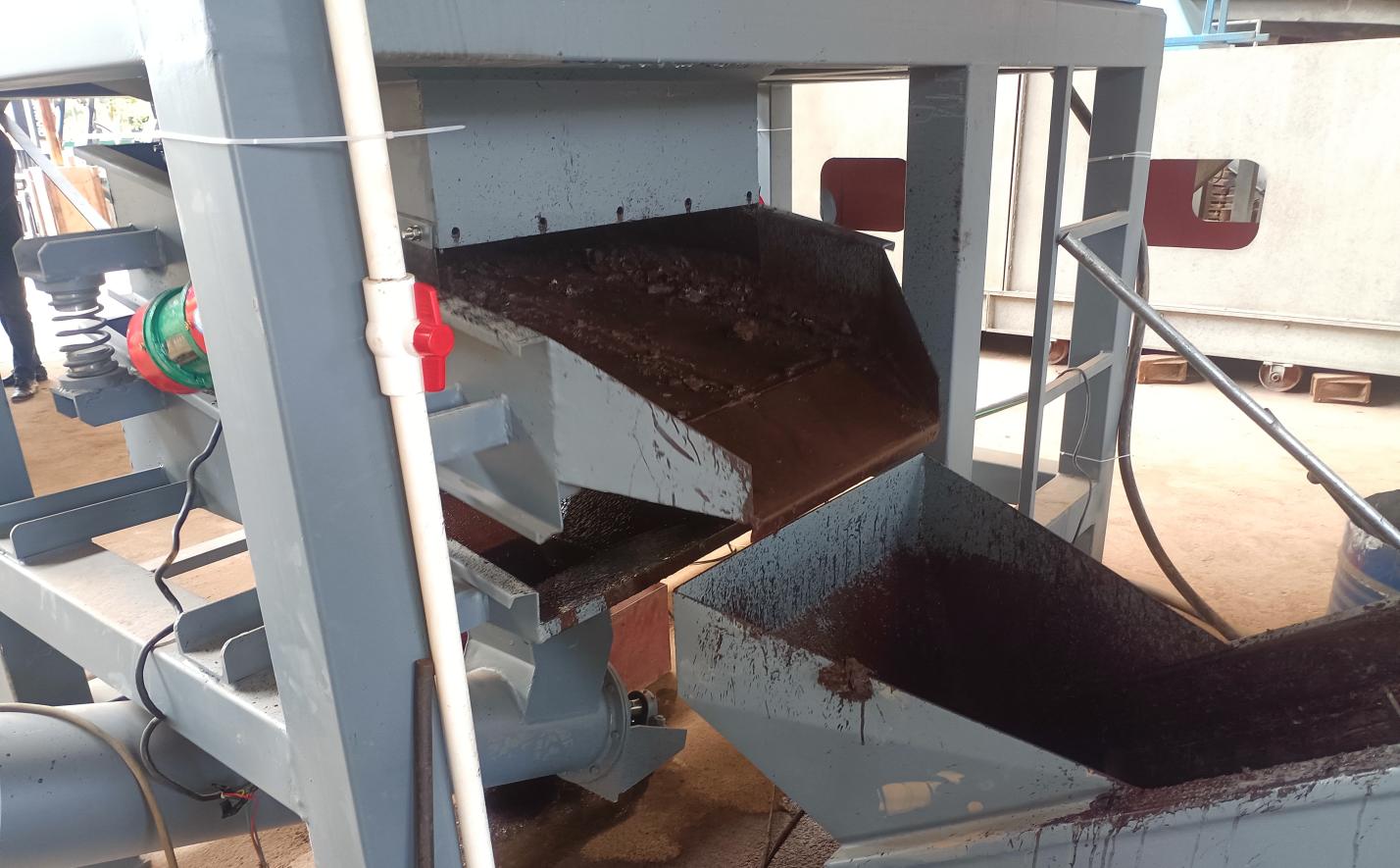
- Breaking and Separation: The drained batteries enter a crushing and classifying system that separates the four main fractions: lead paste, lead grid, plastic, and hard rubber. A lead acid battery breaking and separation system typically handles 1 to 10 metric tons per hour depending on model and feed mix.
- Desulfurization: Lead paste contains lead sulfate (PbSO4). A desulfurization unit removes sulfur before smelting, which lowers the melting temperature, cuts SO2 emissions, and reduces the need for flux additives.
- Smelting: The treated paste is reduced to crude metallic lead in a furnace. Blast cupola furnaces can process 40 to 100 metric tons per 24-hour period with a lead recovery rate around 95 percent. Rotary furnaces, often used for paste reduction, operate in batches of 2 to 20 metric tons and can achieve even higher recovery than blast furnaces.
- Refining: Crude lead is further purified in a refinery kettle to reach 99.999 percent purity. Electric heated kettles using near-infrared technology can save 30 to 50 percent on energy compared with traditional fuel-fired designs.
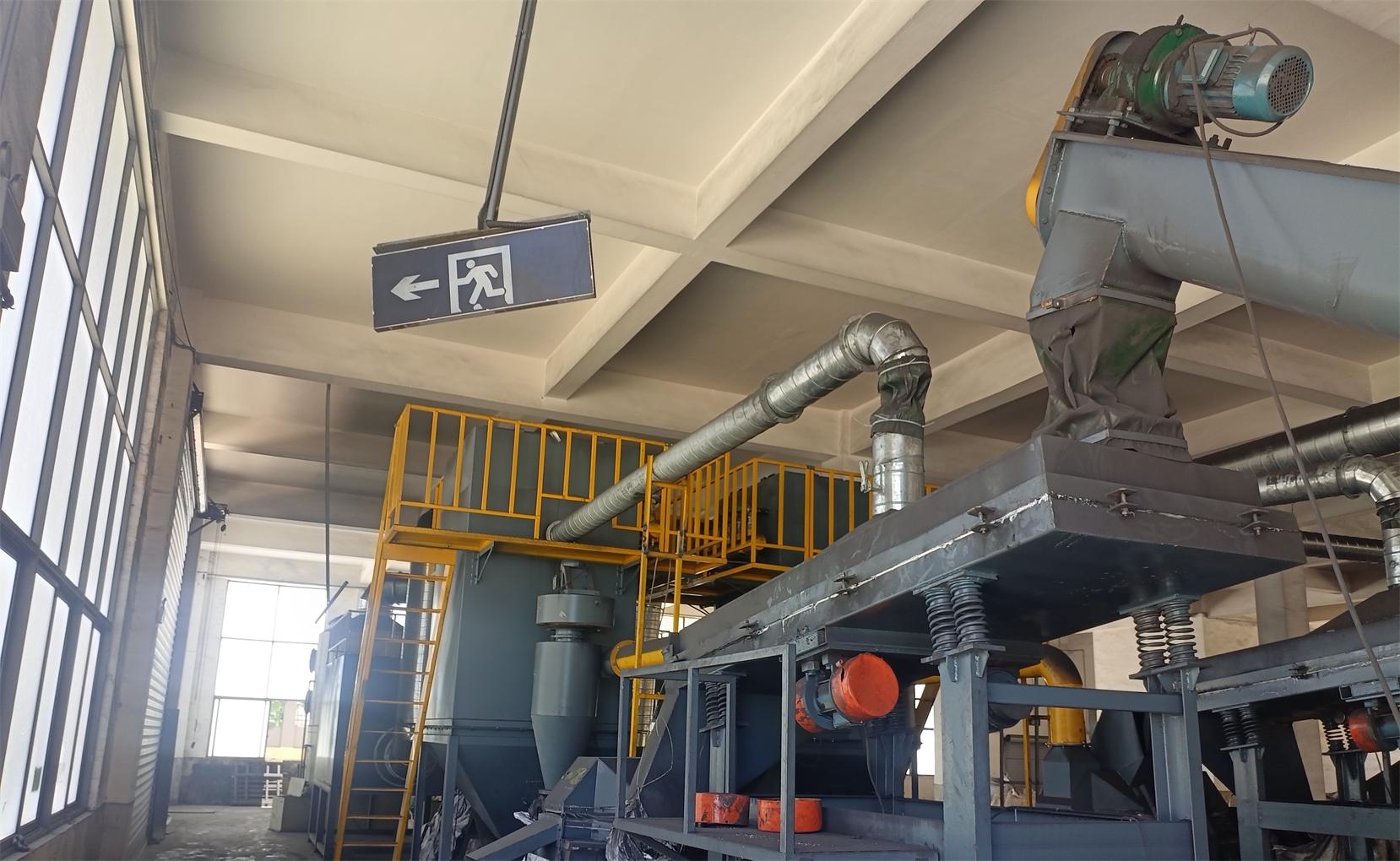
- Environmental Control: Smelting and refining generate off-gas and wastewater. An integrated air pollution control system treats gases from the furnace and kettle to meet local environmental limits, while a water treatment plant neutralizes acidic wastewater from the breaking and cleaning stages.
Core Equipment and What the Specs Actually Mean
Catalog pages list numbers, but not all numbers carry equal weight for your project. Below is a practical look at the key equipment categories and the specifications that matter for production planning.
| Equipment | Capacity / Specification | Why It Matters |
|---|---|---|
| Battery Cutter | ~45 sec/piece, blade hardness HRC 56-62 | Determines upstream feed rate and operator safety |
| Breaking & Separation System | 1–10 MT/hour | Sets the plant's maximum throughput |
| Blast Furnace | 40–100 MT/24h, max 1800°C, recovery ~95% | Higher capacity for large-scale continuous operation |
| Rotary Furnace | 2–20 MT/batch | Flexible batch operation; higher recovery than blast furnace |
| Lead Refinery Kettle | 99.999% purity output | Determines final product grade and market price |
| Filter Press | 800×800mm plates, 60m² filtration area | Controls paste moisture before smelting |
One detail that separates experienced suppliers from traders is whether they size the entire line as an integrated system. A breaking machine rated for 10 MT per hour is wasted if the downstream furnace can only accept 4 MT per day. Look for vendors who offer process engineering support, not just individual machines.
Three Mistakes First-Time Buyers Make
After eighteen years in the recycling machinery sector, we have seen the same errors repeat across continents. Avoiding them can save months of delay and significant capital.
Mistake 1: Evaluating price without calculating recovery rate. A lower-priced furnace that recovers 92 percent of lead instead of 95 percent may seem like a bargain, but over a five-year production run the 3 percent loss in metal recovery usually costs far more than the initial equipment savings.
Mistake 2: Treating environmental systems as optional add-ons. In many regions, emissions and effluent standards are becoming the primary barrier to obtaining an operating license. A air pollution control system and water treatment plant are not afterthoughts; they are part of the core process. Integrating them from the design phase prevents costly retrofitting later.
Mistake 3: Ignoring feedstock variability. Not all used lead acid batteries are identical. Automotive batteries, stationary industrial cells, and traction batteries differ in size, paste composition, and grid alloy. Equipment that works well on one type may struggle with another. Ask your supplier whether they have tested their system on the specific battery mix you expect to receive.
Why EPC Partnership Matters More Than Catalog Shopping
Buying lead acid battery recycling equipment is not like ordering standard industrial machinery. Every plant sits in a different regulatory environment, feeds different battery mixes, and targets different output products. A supplier who only ships crates and manuals leaves the buyer to solve integration, civil works, and commissioning alone.
An Engineering-Procurement-Construction (EPC) partner handles the project as a system. That means custom layout design, one-stop equipment supply, installation supervision, operator training, and commissioning support. For buyers entering the recycling sector for the first time, this difference often determines whether the plant reaches designed capacity within three months or remains underperforming for years.
San Lan Technologies, established in 2007, has delivered lead acid battery recycling plants to operators in more than twenty countries across Asia, Africa, Latin America, and the Middle East. The engineering team includes mechanical engineers with over fifteen years of direct experience in e-waste recycling machine design. Beyond equipment, San Lan assists with waste material sourcing, investor partnership, and product offtake for recovered lead and plastic.
Final Checklist Before You Sign
Use the following questions to compare suppliers on equal terms:
- Has the supplier built and commissioned at least three lead acid battery recycling plants in the last five years?
- Can they provide references from plants operating in a climate and regulatory environment similar to yours?
- Do they offer a guaranteed recovery rate for lead, plastic, and acid, backed by process data?
- Is the air pollution control system sized for your local emission standard, not a generic default?
- Will they supervise installation and train your operators, or only deliver crates to the port?
- Do they offer spare parts and technical support with documented response times?
Ready to evaluate your lead acid battery recycling project? San Lan Technologies designs and builds complete recycling plants from 1 to 10 metric tons per hour, with integrated environmental controls and refining systems. Whether you are planning your first facility or expanding existing capacity, contact the team to discuss feedstock analysis, process flow design, and equipment configuration tailored to your market. Reach us at info@san-lan.com or via WhatsApp at +86 139 2377 4083.