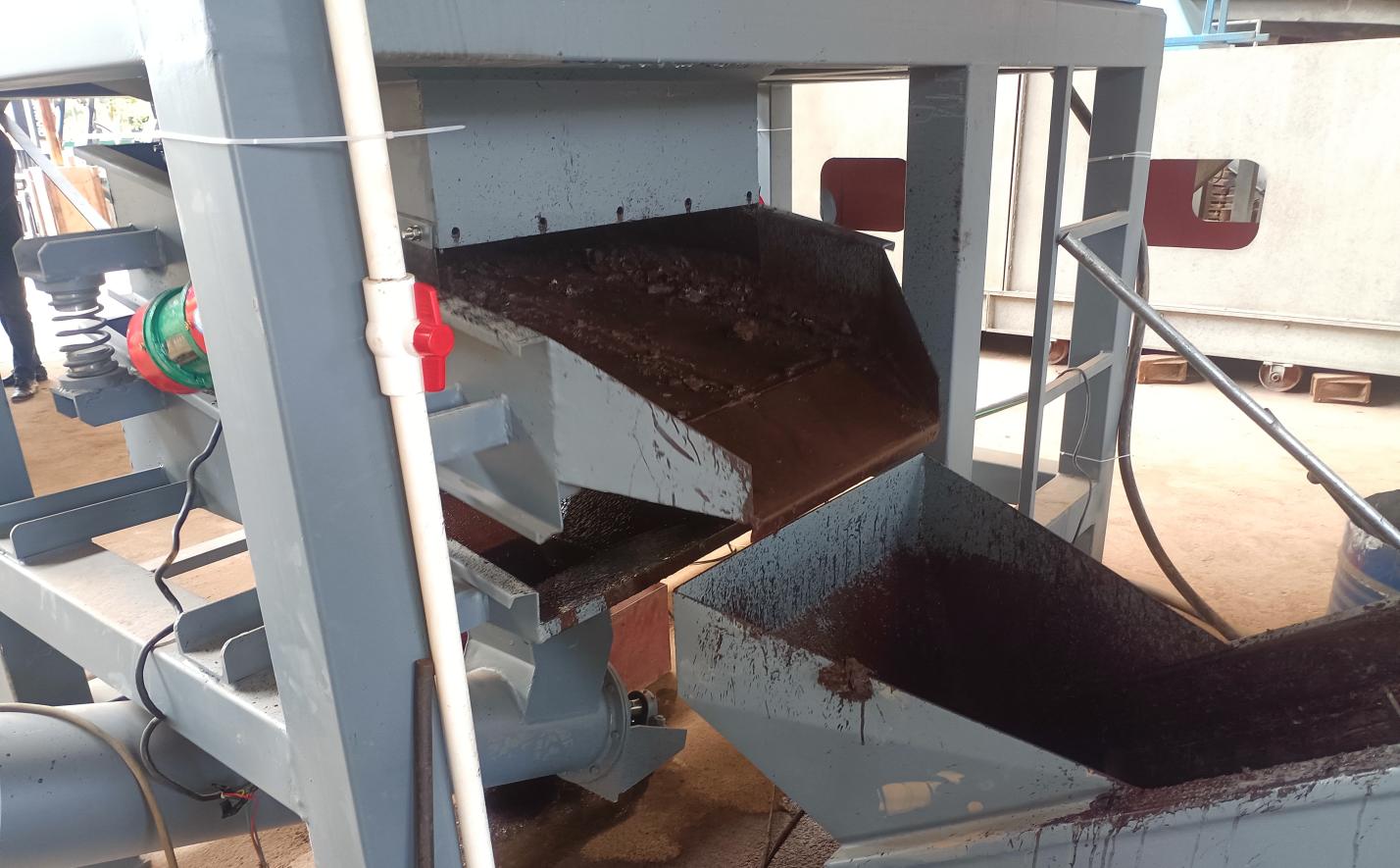
Lead Acid Battery Recycling Equipment: A Complete Buyer's Guide for 2026
With millions of used lead acid batteries discarded annually worldwide, the demand for efficient lead acid battery recycling equipment has never been greater. Whether you are launching a new recycling facility or upgrading existing operations, choosing the right machinery is critical to maximizing recovery rates, ensuring environmental compliance, and generating consistent profits.
Why Lead Acid Battery Recycling Matters
Lead acid batteries remain one of the most widely used rechargeable power sources for vehicles, UPS systems, telecommunications, and industrial applications. However, improper disposal poses severe environmental hazards. Spent batteries contain toxic lead compounds and sulfuric acid that can contaminate soil and water supplies if not handled correctly.
The good news is that lead acid batteries are also one of the most recyclable products on the market. Over 95% of the materials can be recovered and reused, including lead, plastic casings, and electrolyte. This makes lead acid battery recycling both an environmentally responsible choice and a highly profitable business opportunity.
Key Market Drivers
- Stringent environmental regulations worldwide mandating proper battery disposal
- Rising demand for recycled lead in automotive and industrial sectors
- Growing awareness of circular economy principles among manufacturers
- Increasing volumes of end-of-life batteries from electric vehicles and renewable energy storage
Essential Equipment for Lead Acid Battery Recycling
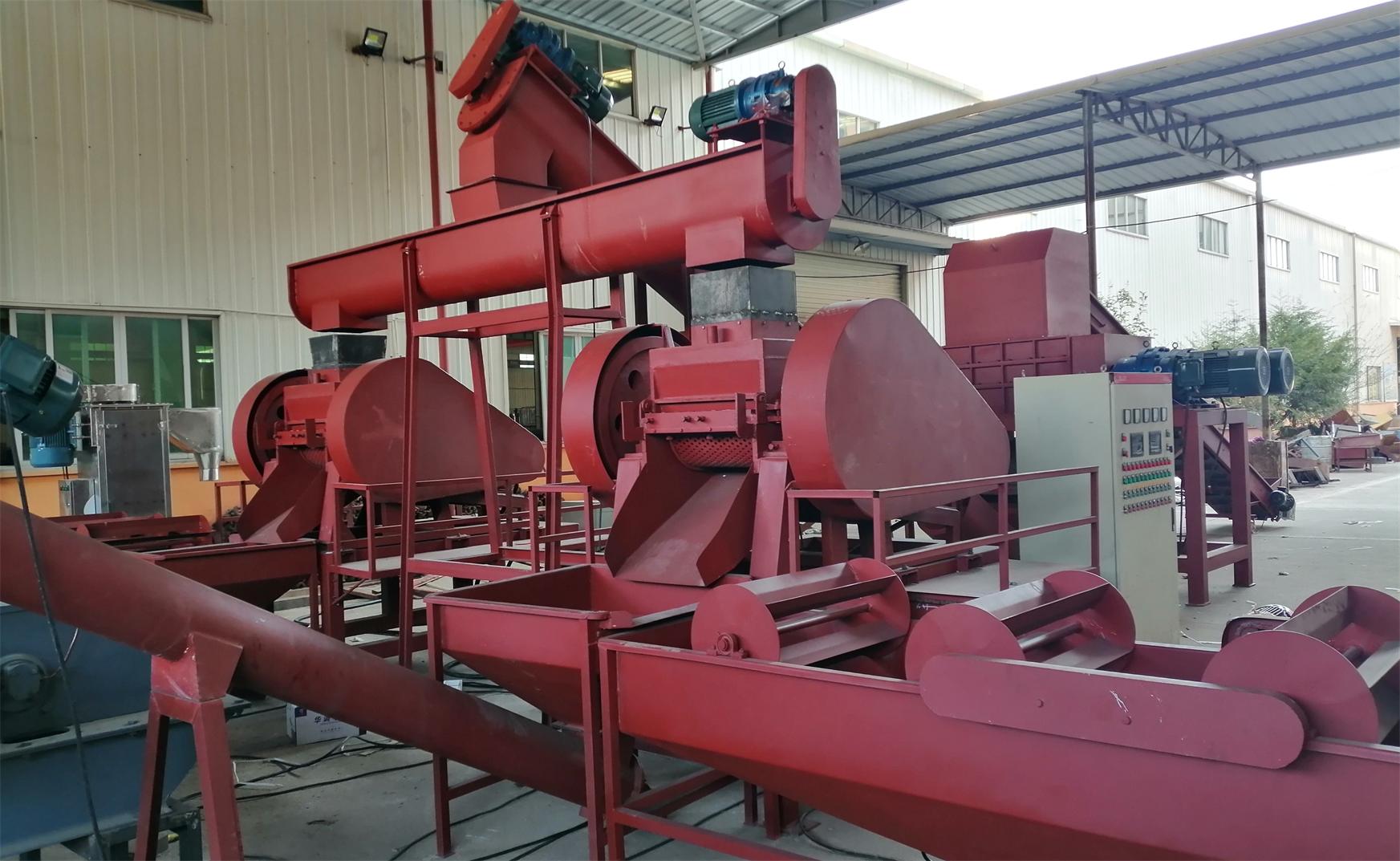
A complete lead acid battery recycling plant consists of multiple integrated systems, each designed to handle a specific stage of the recycling process. Below is a breakdown of the core equipment you will need.
1. Battery Breaking and Separation System
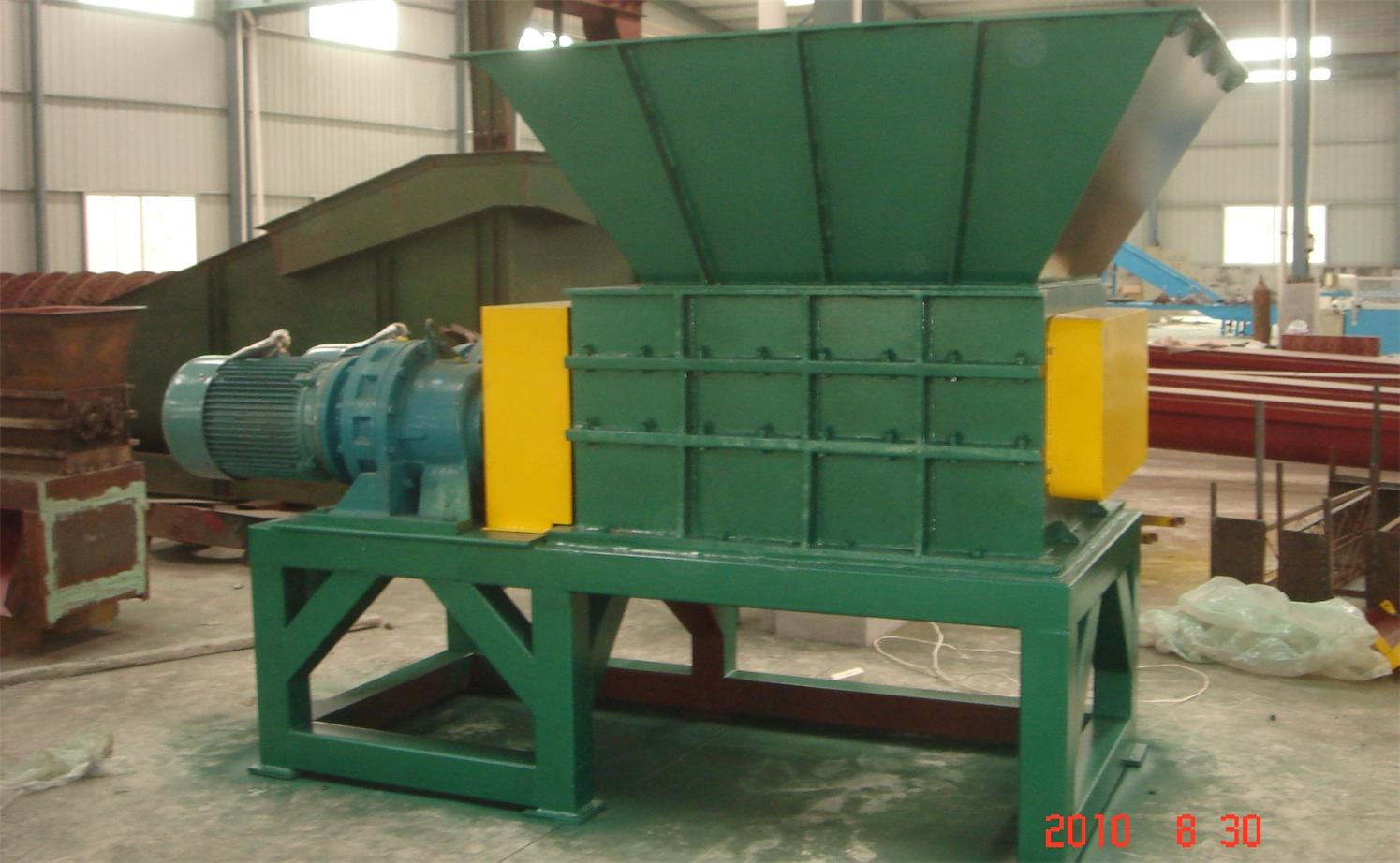
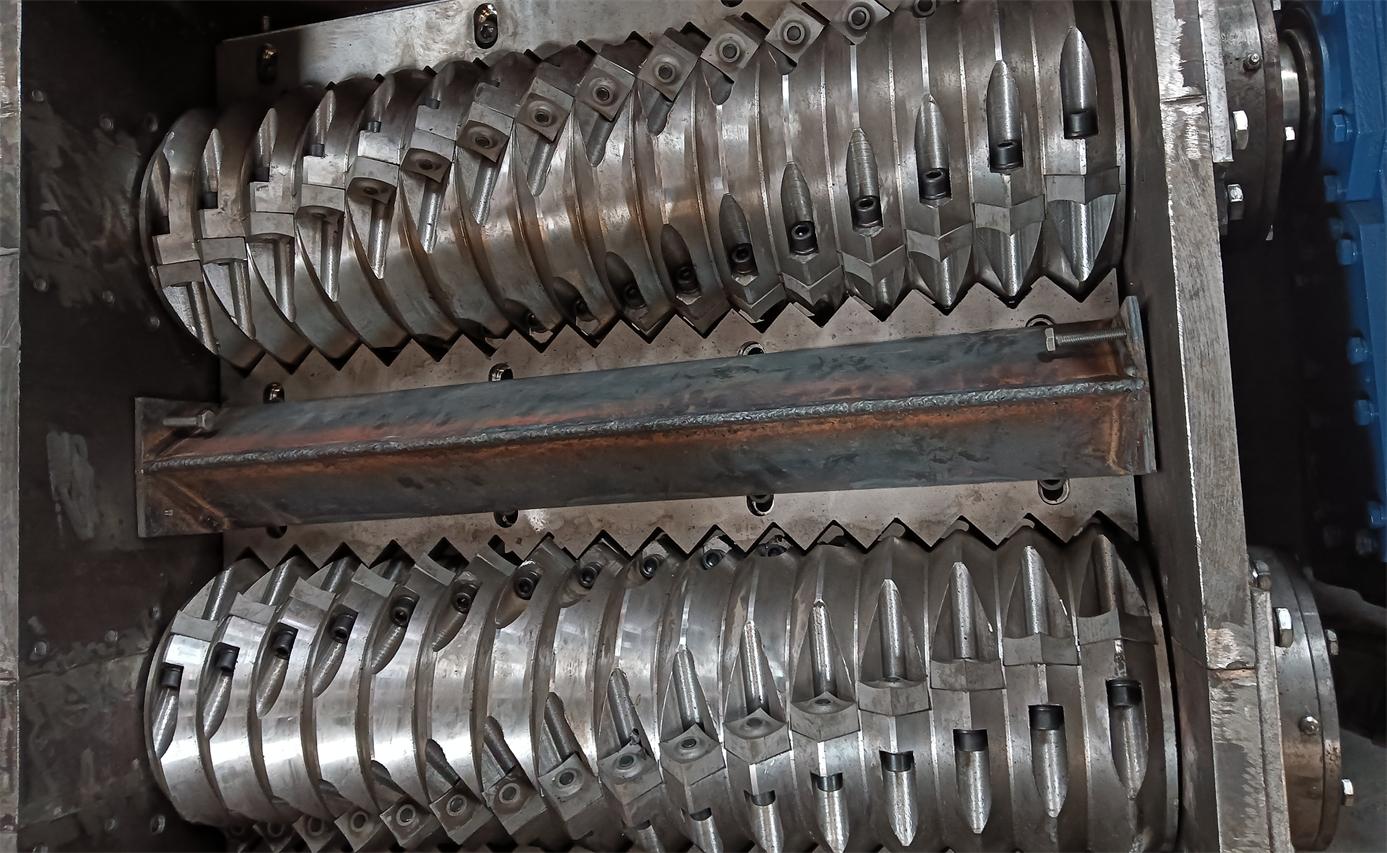
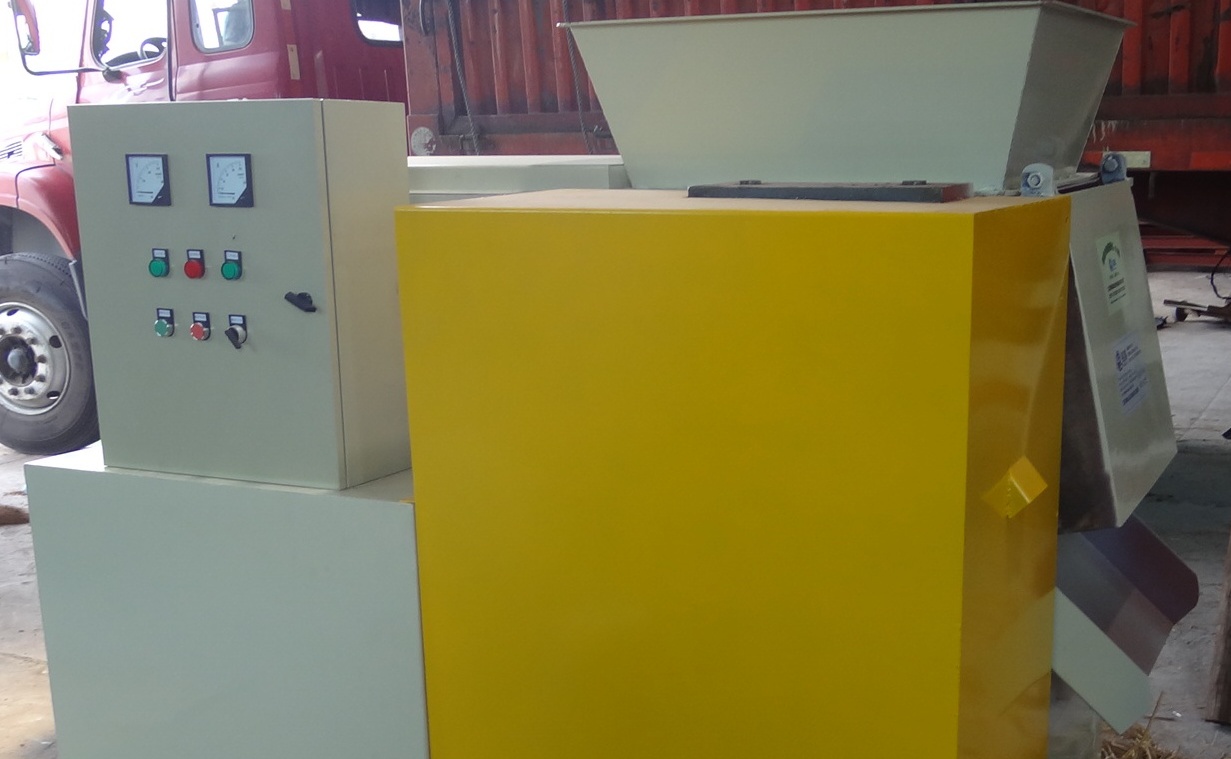
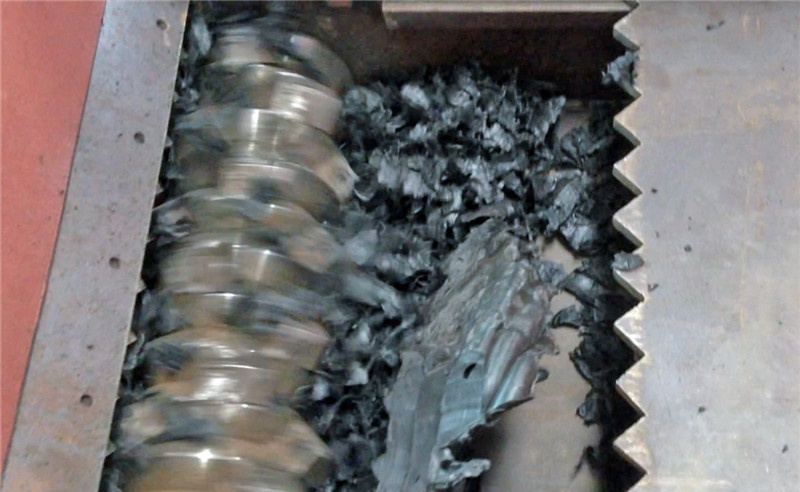
The first step in recycling is breaking the batteries into their constituent parts. A modern lead battery cutter equipment efficiently slices used batteries into sections, allowing acid drainage and initial material separation. Advanced breaking systems can process 1-10 metric tons per hour, separating lead paste, lead grids, plastic casings, and hard rubber with high precision.
2. Lead Smelting and Refining Equipment
Once separated, the lead paste and grids must be smelted to extract pure metallic lead. Rotary furnaces are commonly used for paste reduction, with capacities ranging from 2-20 metric tons per batch. Blast furnaces offer continuous operation with lead recovery rates up to 95%. For final purification, lead refinery machine equipment refines crude lead to 99.999% purity, ready for resale to battery manufacturers and other industries.
3. De-sulfurization Unit
Before smelting, lead paste typically contains lead sulfate (PbSO4), which must be treated to remove sulfur. A de-sulfurization unit reduces melting temperatures, decreases sulfur dioxide emissions, and significantly lowers energy consumption and additive costs.
4. Air Pollution Control System
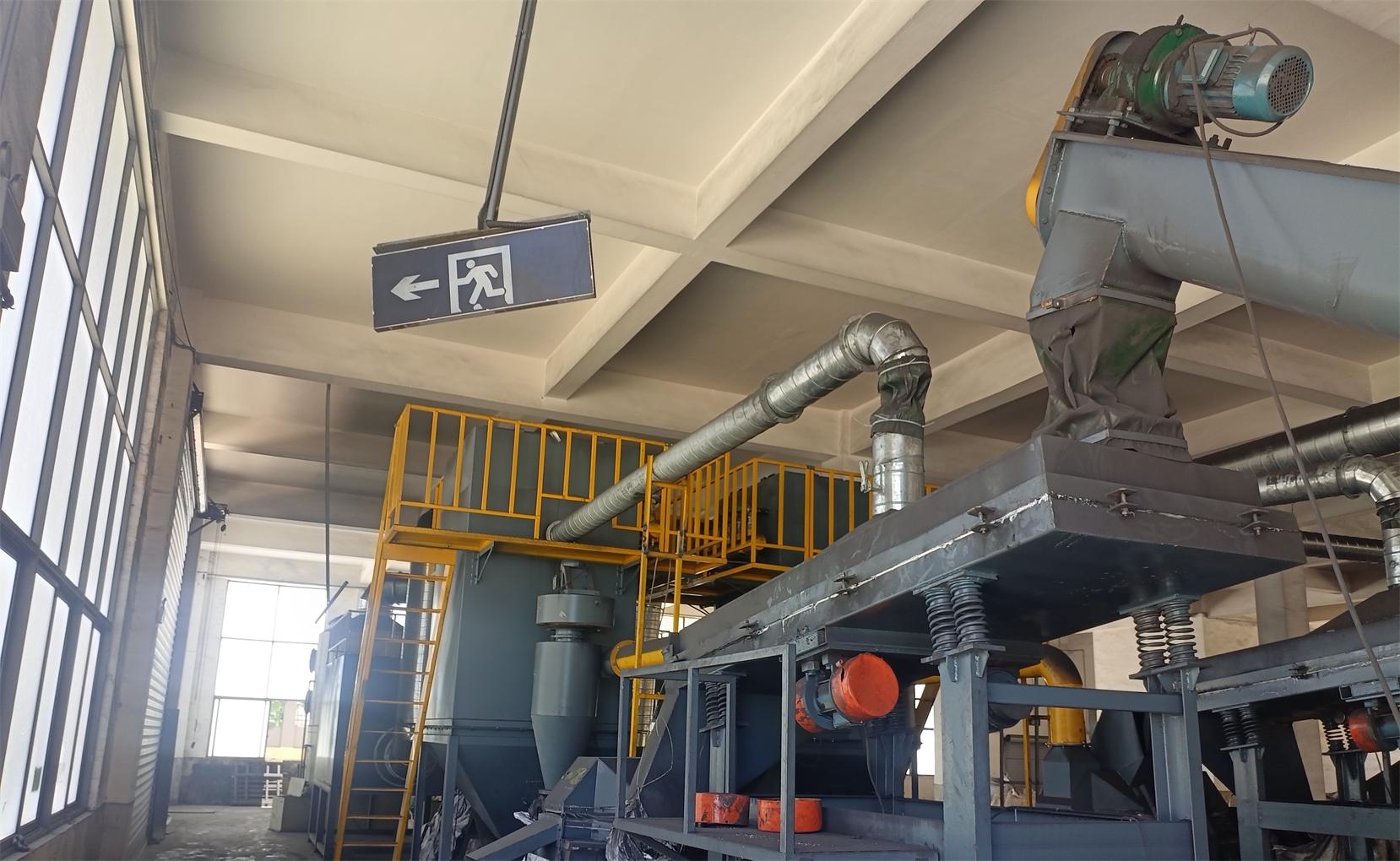
Environmental compliance is non-negotiable in battery recycling. A robust air pollution control machines equipment system captures and neutralizes harmful gases from furnaces and refinery kettles before they reach the atmosphere. This ensures your plant meets local and international emission standards while protecting worker health and surrounding communities.
5. Water Treatment and Effluent Management
The breaking and separation process generates acidic wastewater that cannot be discharged without treatment. A dedicated water treatment plant neutralizes acids, removes heavy metals, and ensures all effluent meets regulatory requirements before release or reuse.
6. Filter Press and Auxiliary Equipment
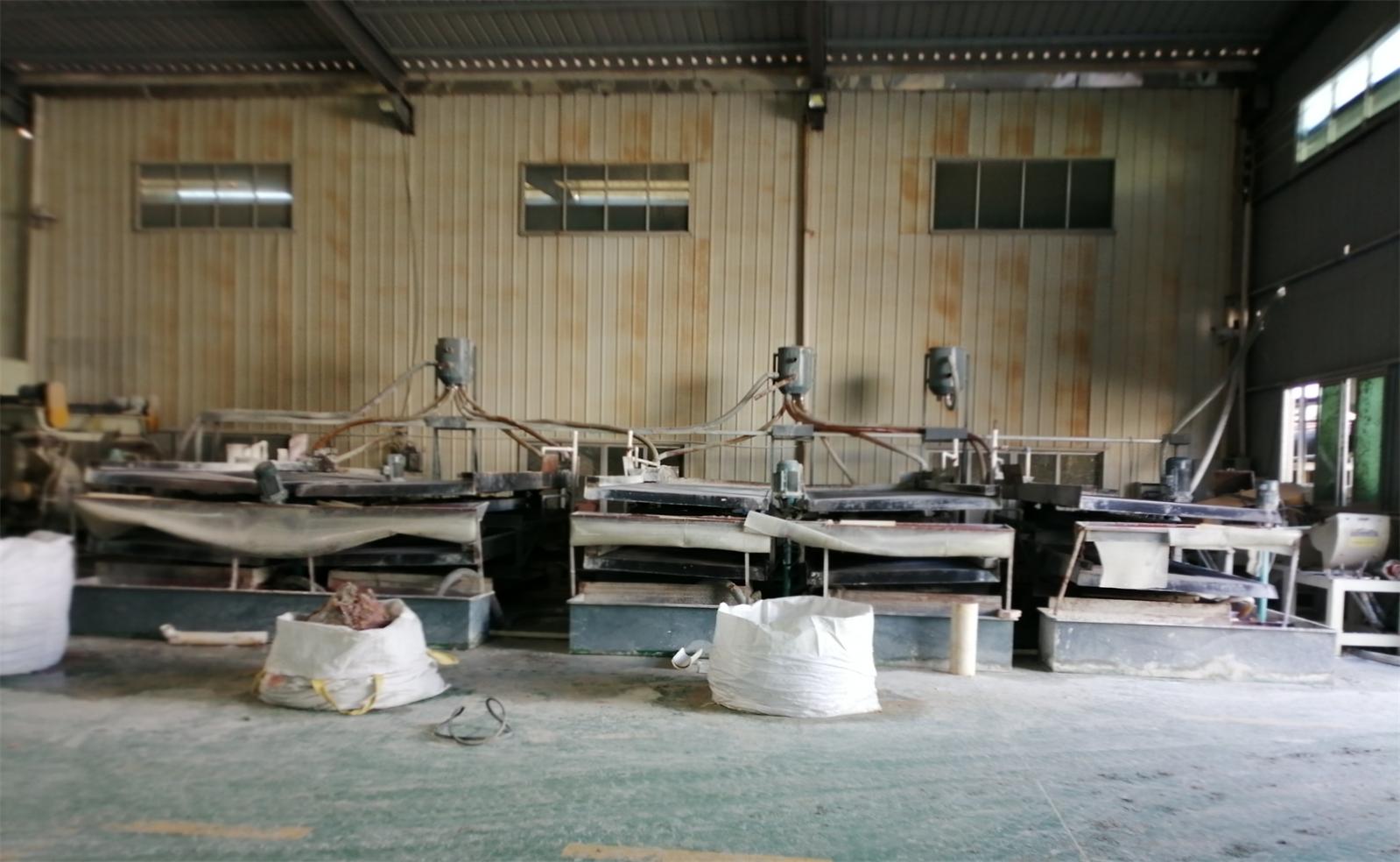
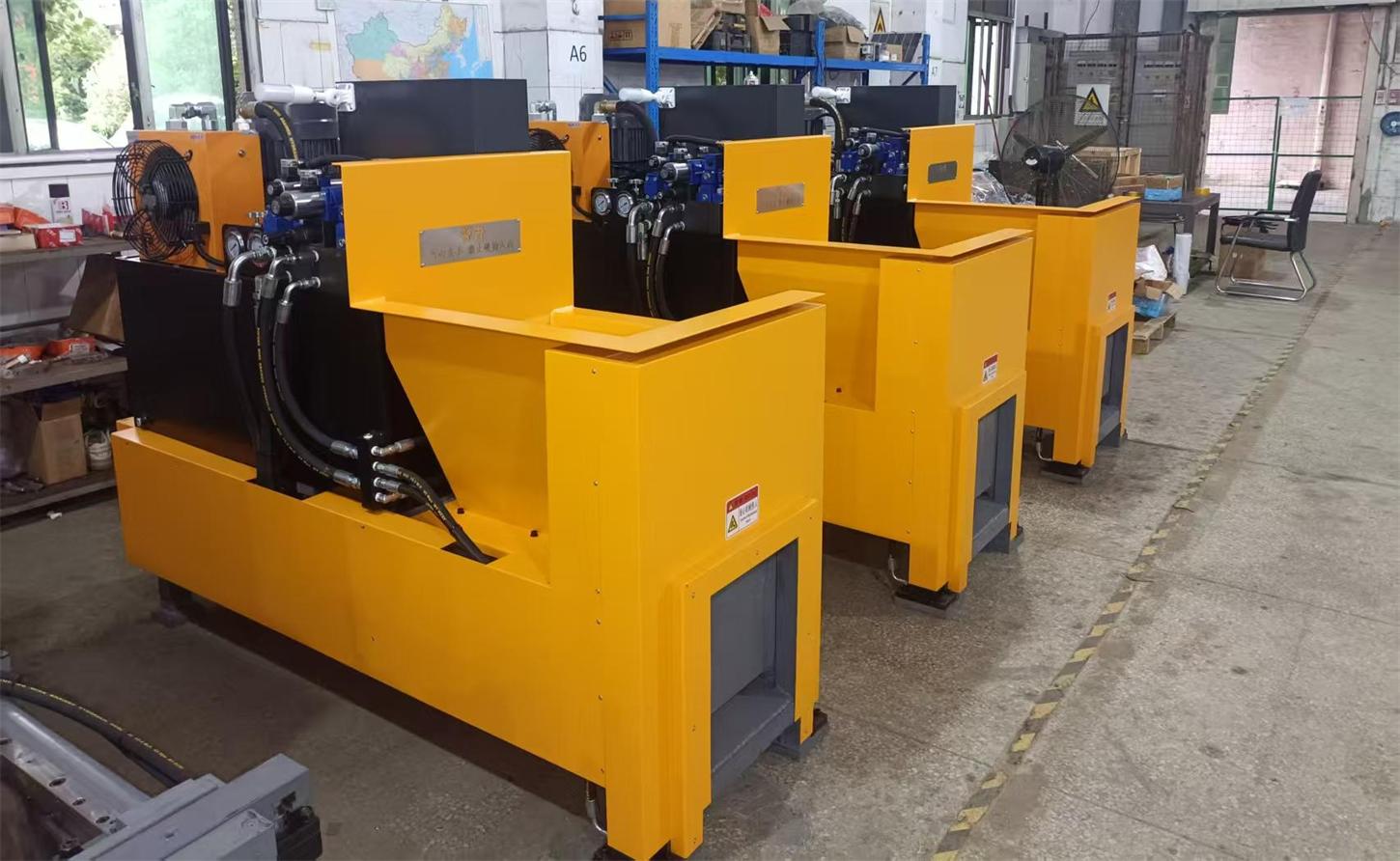
Filter presses separate lead paste from slurry efficiently, while hydraulic balers compress recyclable materials for storage and transport. Medium frequency induction furnaces can further melt recovered metals into ingots for easier handling and resale.
How to Choose the Right Recycling Equipment
Selecting the optimal recycling equipment supplier and machinery configuration requires careful evaluation of several factors:
| Factor | Considerations |
|---|---|
| Processing Capacity | Match equipment throughput to your projected feedstock volume. Systems range from 500 kg/hour to over 10 MT/hour. |
| Recovery Rate | Look for equipment that achieves 95%+ lead recovery and high purity copper powder output. |
| Environmental Compliance | Ensure all machinery includes integrated dust collection, gas scrubbing, and wastewater treatment. |
| Automation Level | Automated control systems reduce labor costs and improve operational consistency. |
| Power and Infrastructure | Verify voltage compatibility, power requirements, and space constraints at your facility. |
| After-Sales Support | Choose manufacturers offering installation, commissioning, training, and spare parts availability. |
San Lan Technologies: Your Trusted Recycling Partner
Founded in 2007, San Lan Technologies Co., Ltd has established itself as a professional manufacturer of WEEE recycling machines and mining equipment. With customers in over 21 countries including Singapore, Colombia, Vietnam, Mexico, Argentina, and South Africa, San Lan delivers turnkey solutions tailored to diverse operational requirements.
What sets San Lan apart is its comprehensive approach to client success. Beyond manufacturing high-quality lead acid battery recycling equipment, the company provides end-to-end support including customized plant design, installation and commissioning, raw material sourcing assistance, and even help marketing recovered products such as copper rice, lead ingots, and plastic pellets.
Core Competencies
- Technical team with master's degrees in mechanical engineering and 15+ years of experience in e-waste recycling machines
- Full EPC project capability: Engineering, Procurement, and Construction
- Customized design and one-stop purchasing center
- Bilingual English and Chinese support for international clients
- Strategic consulting from plant setup to business development
Conclusion
Investing in lead acid battery recycling equipment is a strategic decision that combines environmental stewardship with strong financial returns. As regulatory pressures intensify and raw material prices fluctuate, having a reliable, efficient recycling plant positions your business for long-term growth.
By partnering with an experienced recycling equipment supplier like San Lan Technologies, you gain access to proven technology, expert guidance, and comprehensive after-sales support. Whether you need a single machine or a complete turnkey plant, San Lan's engineering team can design a solution that matches your capacity goals, budget, and local regulatory requirements.
Ready to start your lead acid battery recycling project? Contact San Lan Technologies today for a free consultation and customized equipment proposal. Reach us via email at info@san-lan.com or WhatsApp at +86 139 2377 4083. Visit www.san-lan.com to explore our full product range and request a detailed quote.