Turning waste into worth while protecting our planet
The Silent Environmental Crisis in Plain Sight
Picture this: You're driving home after work, your car's lead-acid battery quietly powering your journey. In factories, forklifts glide on lead-acid energy. In cell towers across remote landscapes, these batteries keep our world connected. They're everywhere - reliable, affordable, and often taken for granted. But what happens when these workhorses of industry retire?
A staggering 300,000 tons of lead-acid batteries reach end-of-life annually just from vehicles in China, growing at 7% each year. That's like throwing away the Statue of Liberty in lead weight. Every. Single. Year.
Here's where the plot thickens. When improperly handled, these batteries don't just vanish. They leak sulfuric acid into our soil, leaching lead into groundwater. They become toxic time bombs in landfills. But there's a hero in this story – modern lead-acid battery recycling equipment . It's not just machinery; it's an environmental safeguard that transforms danger into opportunity.
The Anatomy of a Solution: Breaking Down the Recycling Process
Recycling lead-acid batteries isn't like tossing paper in a blue bin. It's a sophisticated technological ballet where every component gets a second life. Let's peel back the curtain:
Stage 1: The Safe Breakdown
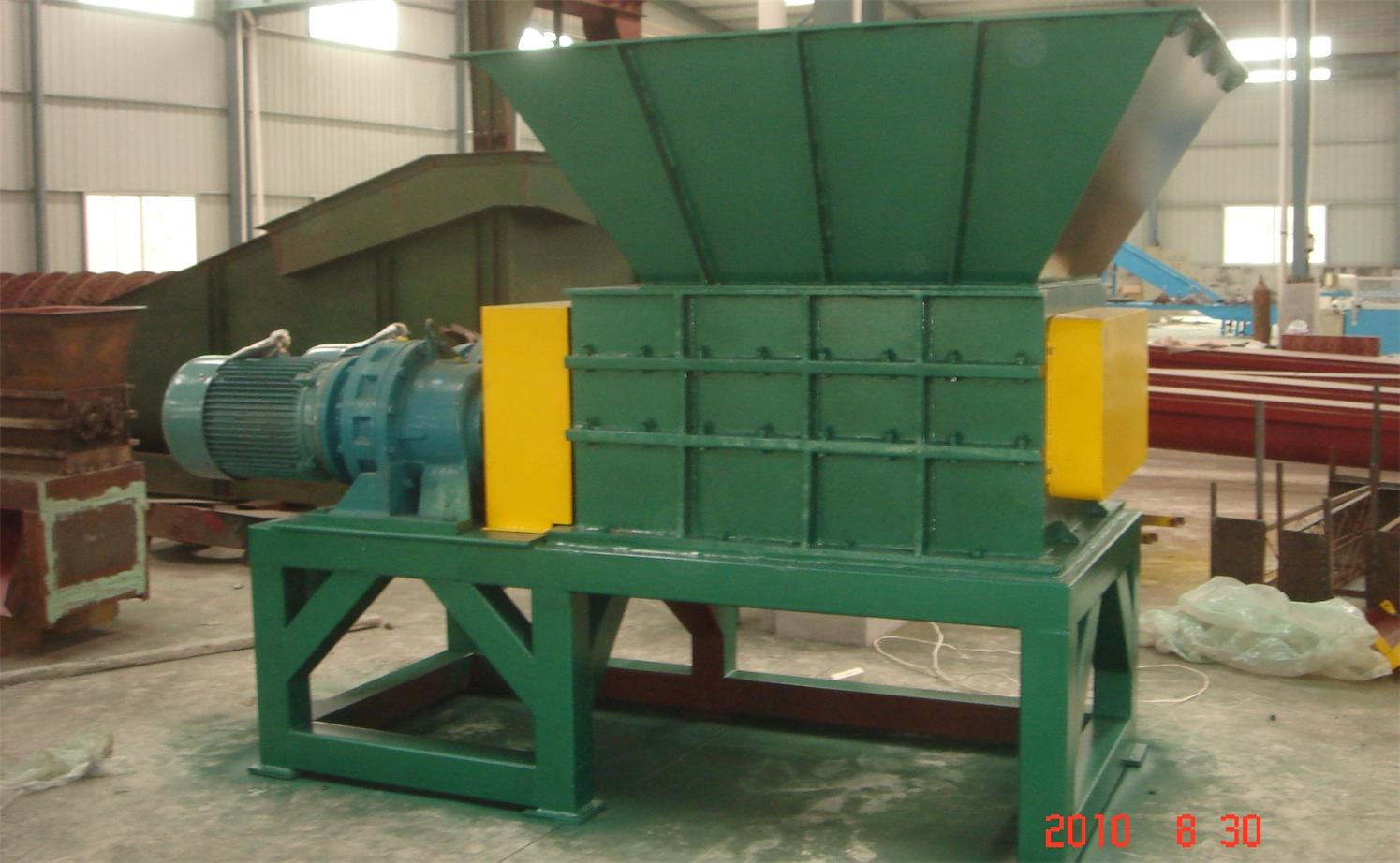
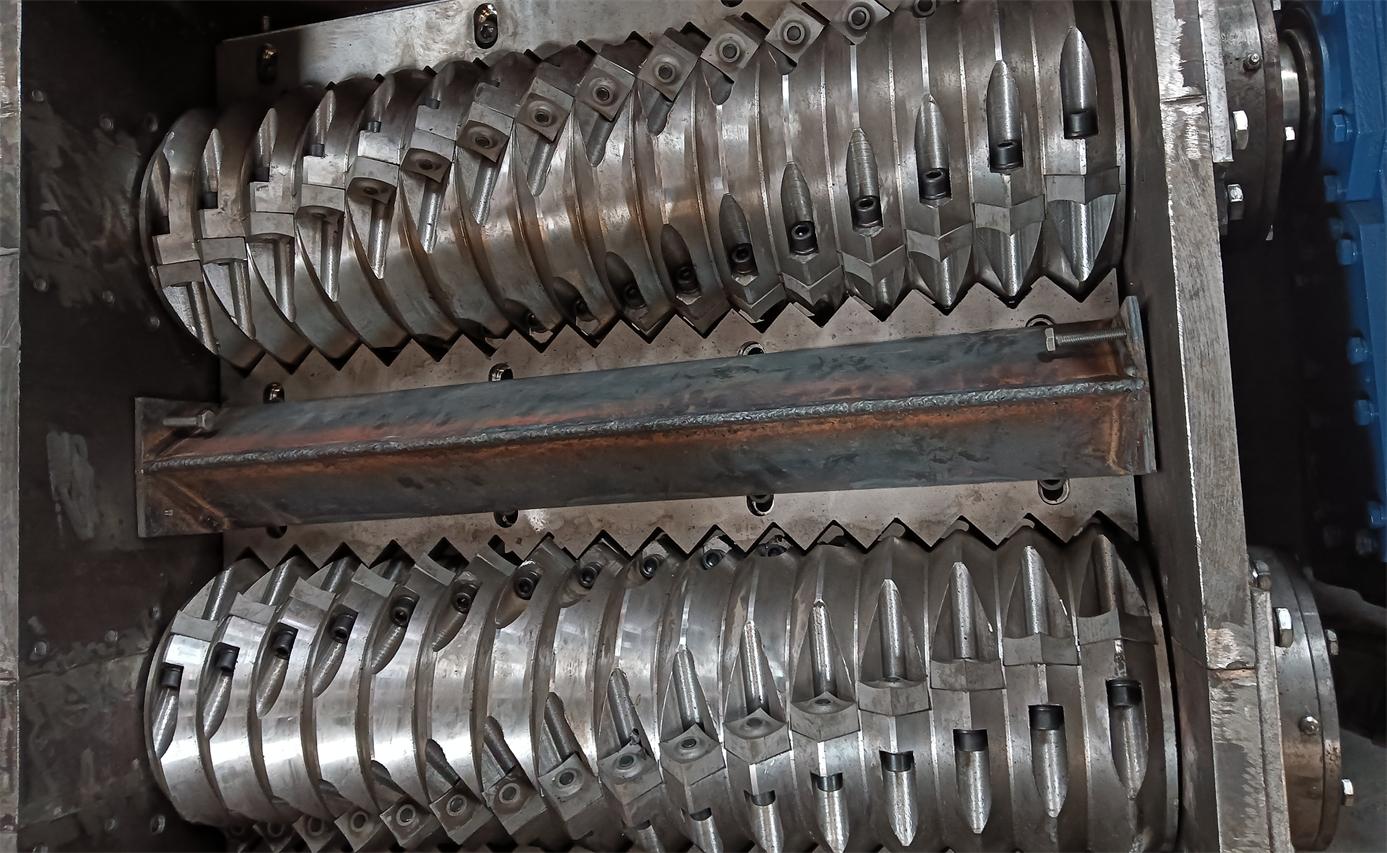
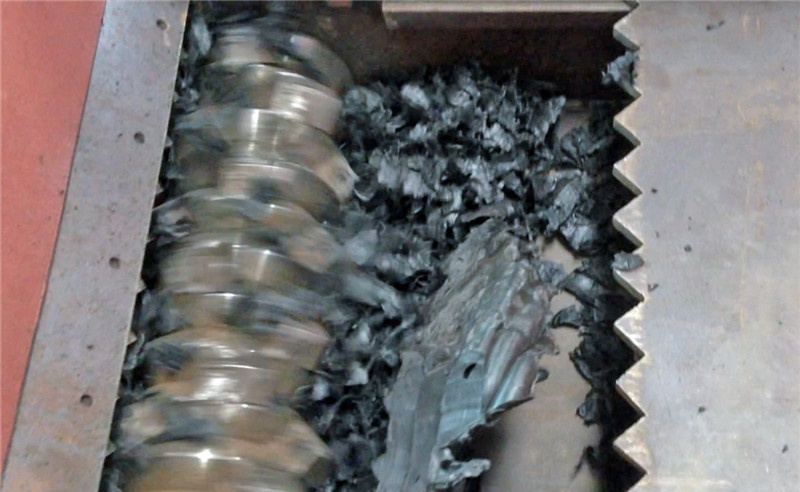
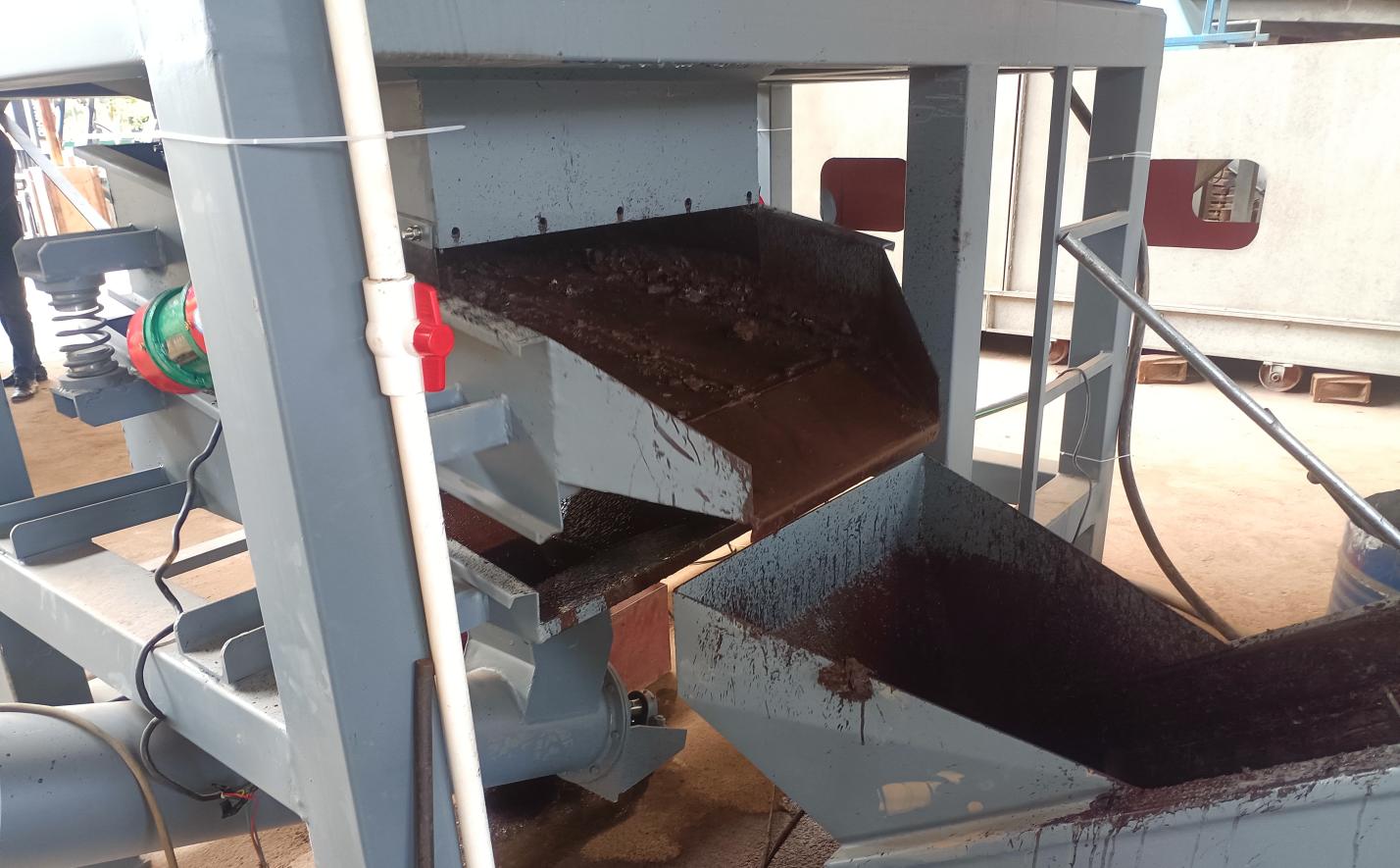
First, batteries enter specialized crushing chambers – imagine industrial-scale nutcrackers designed for toxic walnuts. These units carefully crack open battery casings without spilling hazardous materials. The separation begins: plastic shells head one way, lead plates another, and acidic electrolytes get carefully siphoned off.
Stage 2: The Transformation
Plastic components get washed and shredded into pellets – future battery casings in the making. Lead plates undergo smelting in advanced furnaces that capture emissions, turning scrap into pure lead ingots. That sulfuric acid? Neutralized and processed into sodium sulfate for detergent manufacturing. Nothing gets wasted.
Stage 3: Closing the Loop
The magic of circular economy unfolds. Those lead ingots become new battery plates. Plastic pellets form new casings. Studies show recycled lead production
consumes 35-40% less energy
than mining virgin ore, making it both ecologically and economically superior.
Why This Isn't Just Recycling – It's a Strategic Investment
Let's talk numbers without the Wall Street jargon. Investing in battery recycling infrastructure isn't charity work – it's financially astute:
Globally, recycled lead satisfies 37-40% of manufacturing demand. With China's recycling rate currently at just 40% despite producing over 2.4 million tons annually, the growth runway looks like an open highway.
The Automotive Gold Rush
Here's a stunning reality: there are
1.4 billion cars
on roads worldwide. Each carries a lead-acid battery replaced every 3-5 years. That adds up to over 150 million batteries retired annually. Like a conveyor belt constantly feeding the recycling ecosystem.
Beyond Cars: The Hidden Market
Solar farms need battery backups for night operations. Cell towers require uninterrupted power. Hospitals need emergency power systems. This creates massive demand streams outside traditional automotive channels. One solar farm battery bank alone can contain
thousands of pounds
of recyclable lead.
And let's not overlook regulatory tailwinds. Governments worldwide are tightening battery disposal rules and enacting extended producer responsibility (EPR) laws. This creates regulatory moats around recycling businesses – legislation essentially funneling materials to compliant facilities.
The Nuts and Bolts: Building Your Recycling Operation
Imagine setting up this environmental powerhouse. What would it take?
Location Logic
Place matters. Plants located near industrial zones or port cities typically see 15-20% lower transportation costs for both intake (spent batteries) and output (recycled materials). Existing industrial infrastructure also slashes setup costs.
Core Equipment Breakdown
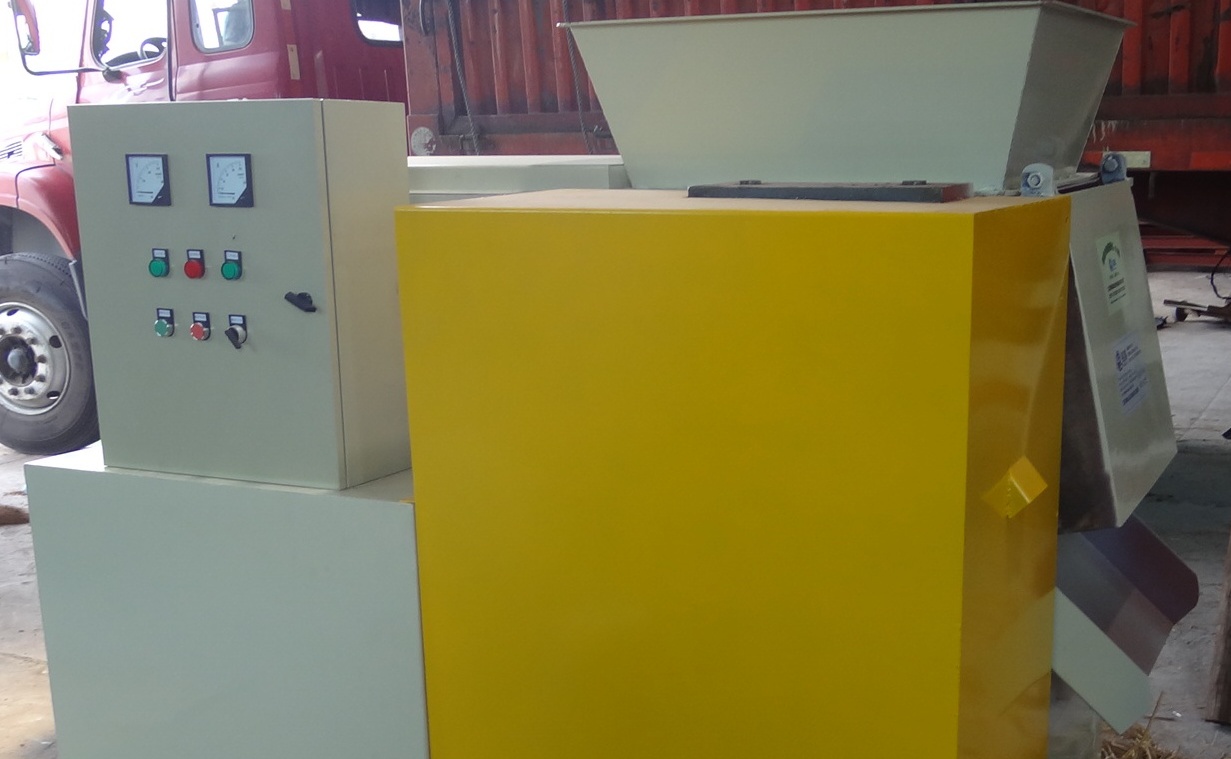
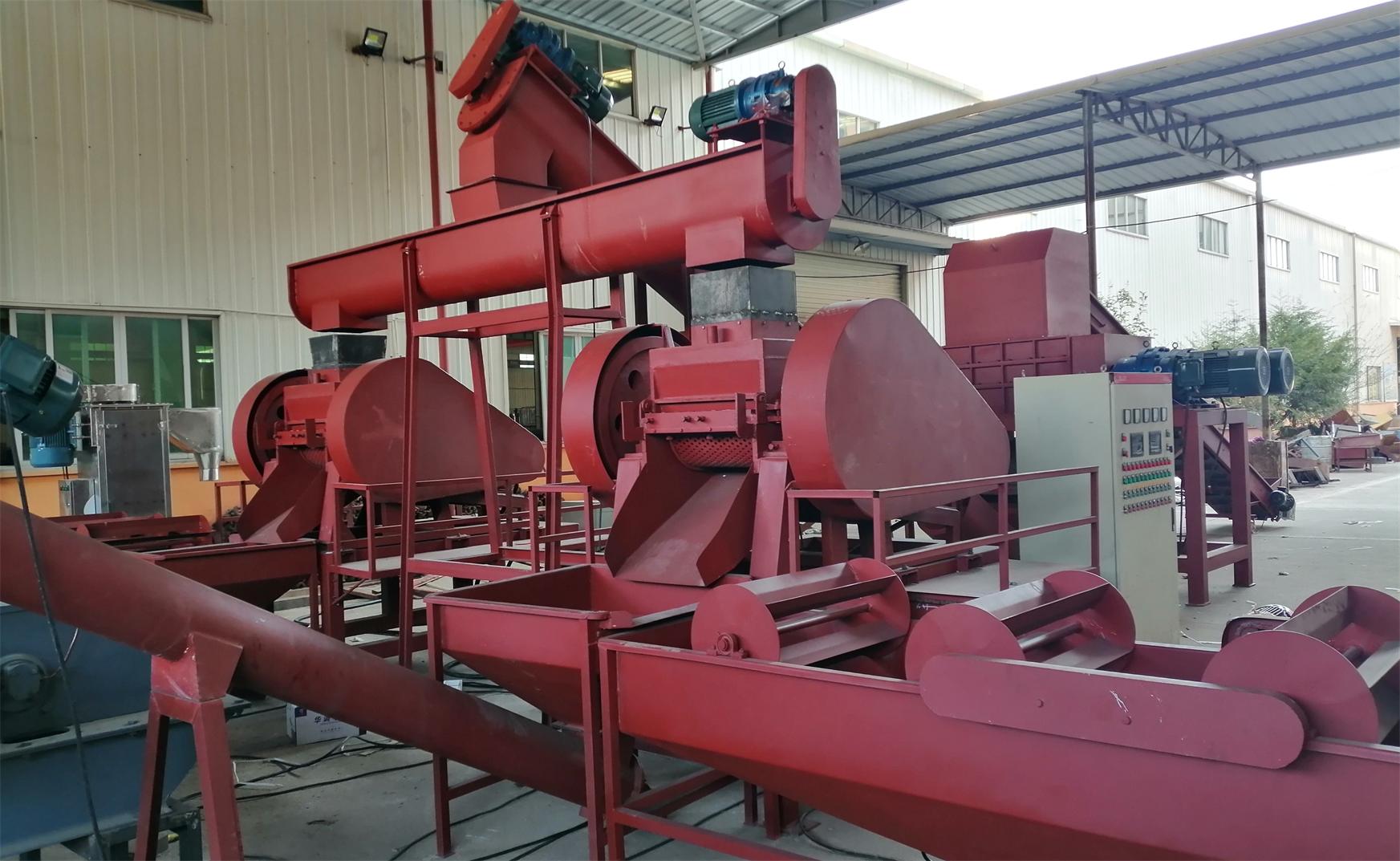
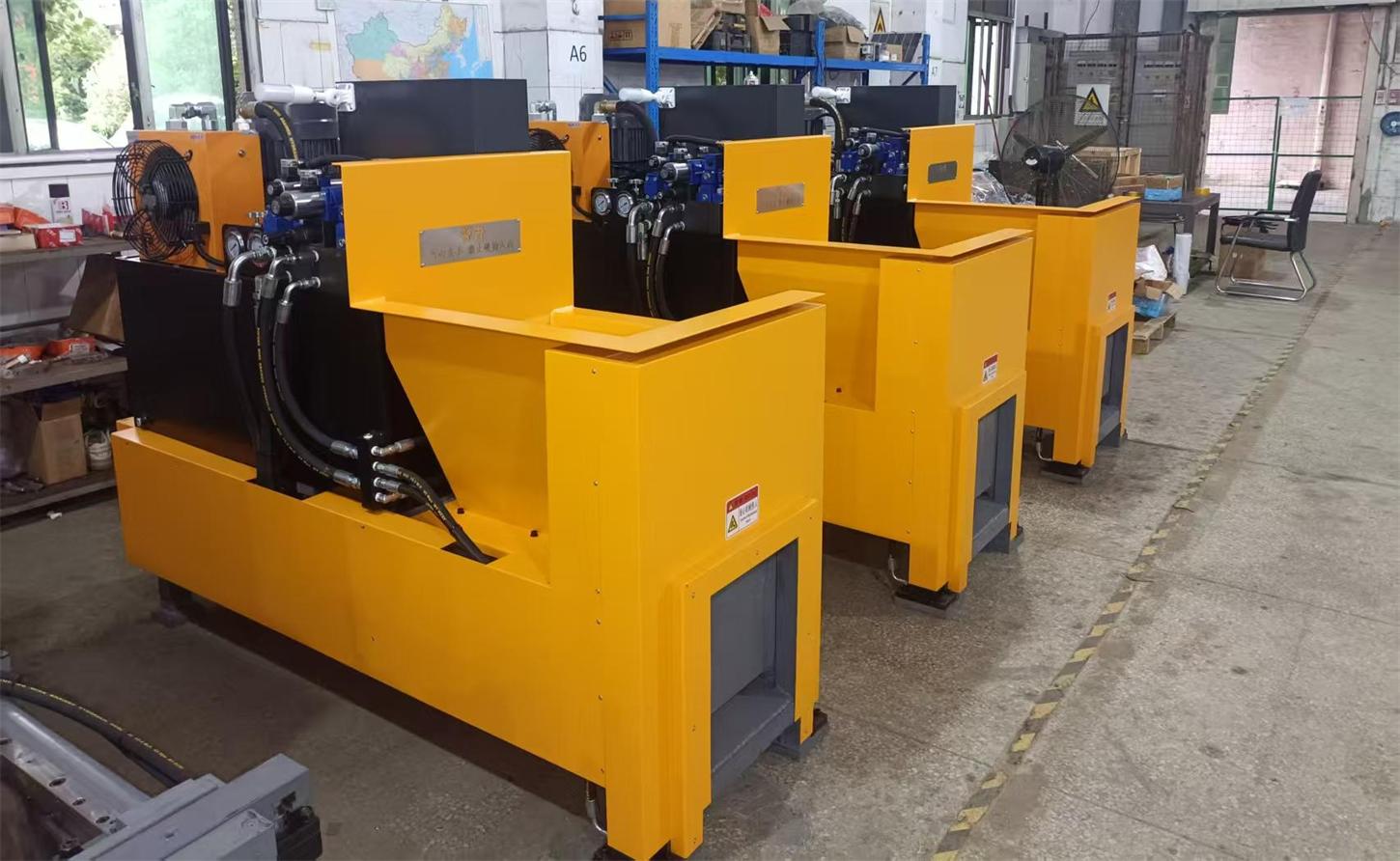
- Crushing & Separation Systems: Industrial-scale units handling up to 10 tons/hour
- Smelting Furnaces: Advanced designs capturing 99.9% of emissions
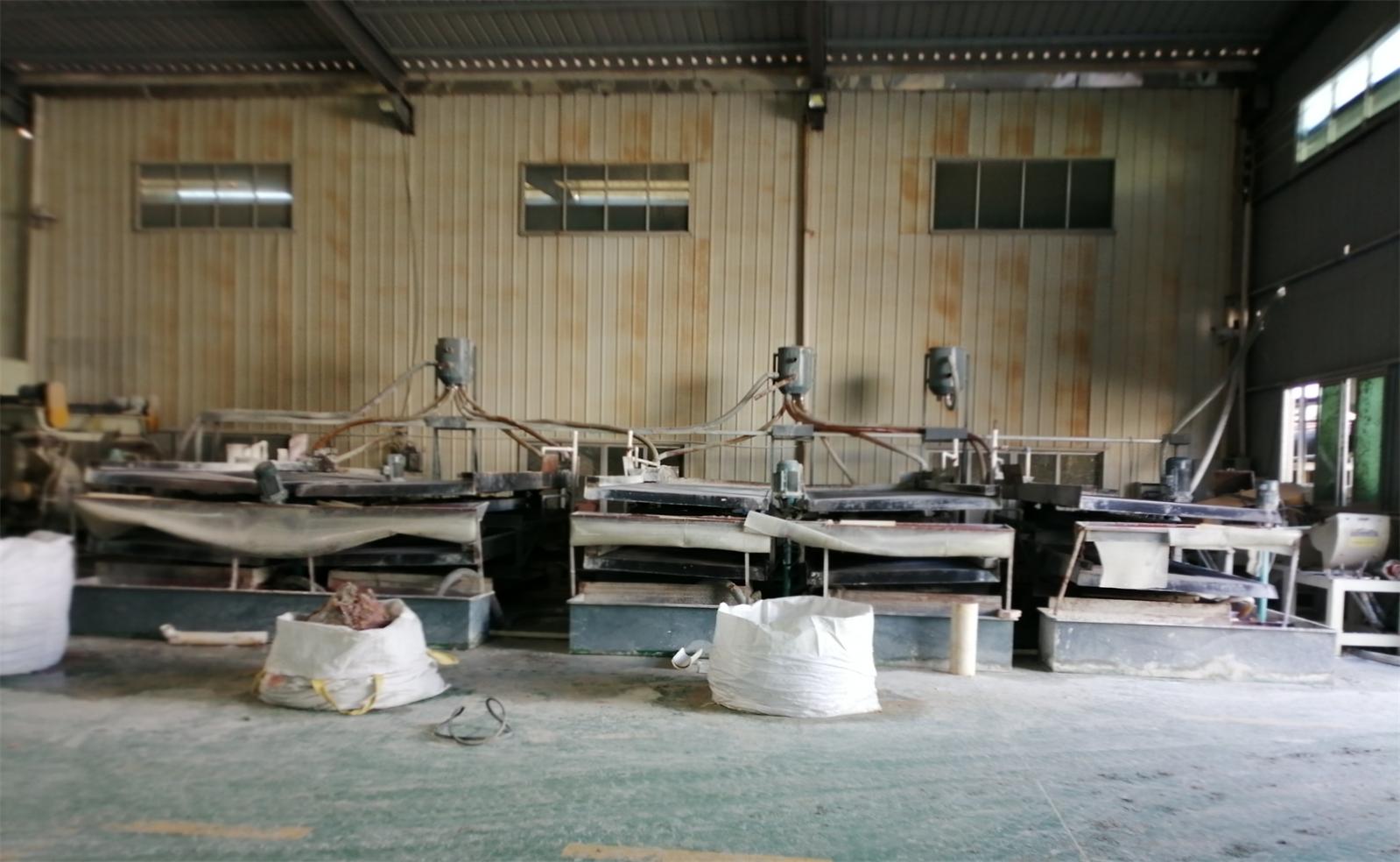
- Material Recovery Lines: For plastics and electrolytes
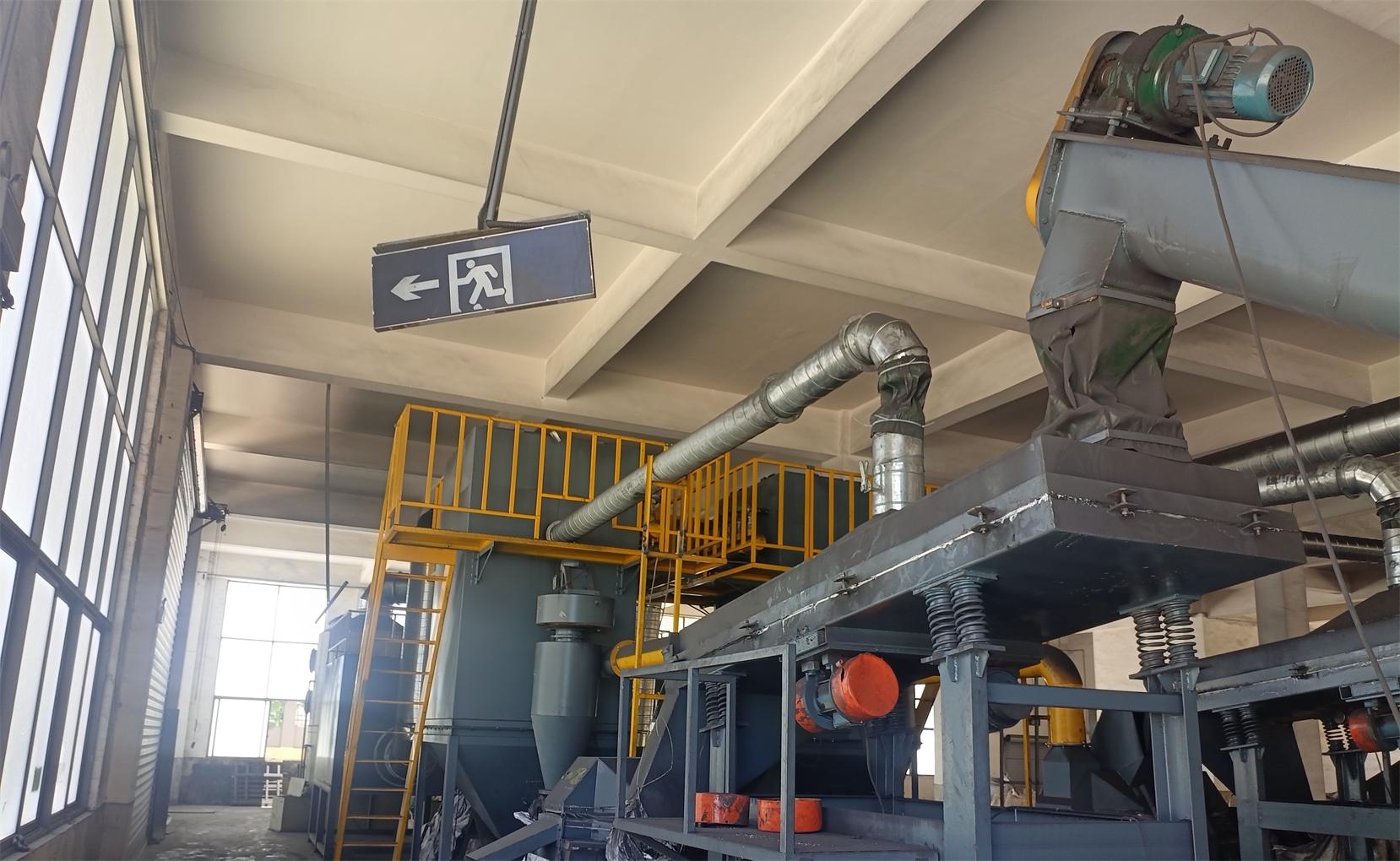
- Pollution Control: The unsung heroes keeping operations clean
A mid-scale plant needs about
50,000 sq ft
– think two football fields of transformation space.
The Green Premium
Modern equipment does more than recycle – it solves historical pain points. Take rotary furnaces with acid-resistant linings that withstand corrosive materials. Or baghouse filters capturing 99.9% of particulates. This tech evolution creates cleaner, more profitable operations compared to legacy smelters.
The Economic Blueprint: Crunching the Numbers
Let's break down the financial realities without spreadsheets:
A plant processing
75,000 tons
annually requires a roughly $15-20 million investment. But here's what makes it pencil out:
- Lead recovery can hit
98% efficiency
- Plastic recovery yields another 8-10% revenue stream
- Byproducts like sodium sulfate add incremental income
Operational Lifelines
- Raw Materials: 50-60% of ongoing costs (your spent batteries)
- Energy: Advanced furnaces consume less power
- Labor: Requires technical expertise, not massive crews
The kicker? Recycled lead typically sells at
85-90%
of virgin lead prices while costing less to produce – creating healthy margins.
Long-Term Payoff
With modern plants operating at 80-85% capacity, payback periods average
5-7 years
. Beyond this threshold? Pure profit while continuously diverting hazardous waste from landfills. It's the definition of doing well by doing good.
Green Horizons: What's Next for Battery Recycling?
This industry isn't static – it's evolving rapidly:
Smarter Sorting
AI-powered systems now identify and separate battery chemistries with 95% accuracy. Imagine conveyor belts that "know" which batteries pass by.
Carbon Calculus
Studies show secondary lead production generates
60-70% less CO2
than mining and refining virgin materials. This carbon advantage translates to real monetary value in emissions markets.
Urban Mining Boom
Cities are becoming resource mines. A typical metropolitan area discards thousands of vehicle batteries monthly – concentrated resources needing processing nearby. This proximity revolution lowers collection costs.
And critically, we're seeing markets mature beyond price volatility. Recycled lead prices demonstrate 30% less fluctuation than virgin materials, creating predictable economics for investors.
The Verdict: Why This Moment Matters
We stand at a convergence point. Battery demand continues climbing – lead-acid remains irreplaceable for critical applications requiring reliability. Environmental regulations tighten yearly. And recycling technology has matured enough to make circular models profitable.
Globally, the battery recycling market will exceed $35 billion by 2030. The companies positioned now will become the waste-to-value leaders of tomorrow.
Investing in battery recycling infrastructure represents a rare alignment of purpose and profit. It safeguards communities by preventing toxic waste leaching. It conserves resources by recovering valuable materials. And it builds profitable enterprises with decades-long lifespans. This isn't just industrial equipment – it's environmental armor creating durable value in an increasingly resource-conscious world. The question isn't whether to invest, but how quickly one can enter this sustainable value chain.