Why Lead-Acid Battery Recycling Remains a Defensible Business
Despite the rise of lithium-ion, lead-acid batteries still dominate automotive starting, uninterruptible power supplies, and industrial backup systems. Every vehicle, forklift, and telecom tower eventually produces a spent battery. That steady feedstock, combined with a well-established market for secondary lead, makes this one of the few recycling sectors where demand is both predictable and massive.
Regulatory pressure is adding tailwinds. Extended producer responsibility laws and landfill bans are expanding across Asia, Africa, and Latin America. Governments increasingly require documented recycling chains, which favors formal plants with proper environmental controls over informal backyard smelters.
What makes lead-acid recycling economically attractive:
- A liquid, global market for secondary lead with transparent pricing
- Mature mechanical separation technology with proven recovery rates
- Multiple revenue streams: lead metal, plastic cases, sulfuric acid, and polypropylene
- Shorter payback periods compared to lithium-ion or e-waste recycling
- Regulatory trends that restrict informal competition
The Complete Process Chain: Seven Steps from Scrap to Ingot
A profitable lead-acid battery recycling plant is not a single machine. It is an integrated process line where each unit feeds the next, and where environmental controls protect both margins and operating licenses. Here is how the material flows.
1 Cutting and Acid Drainage
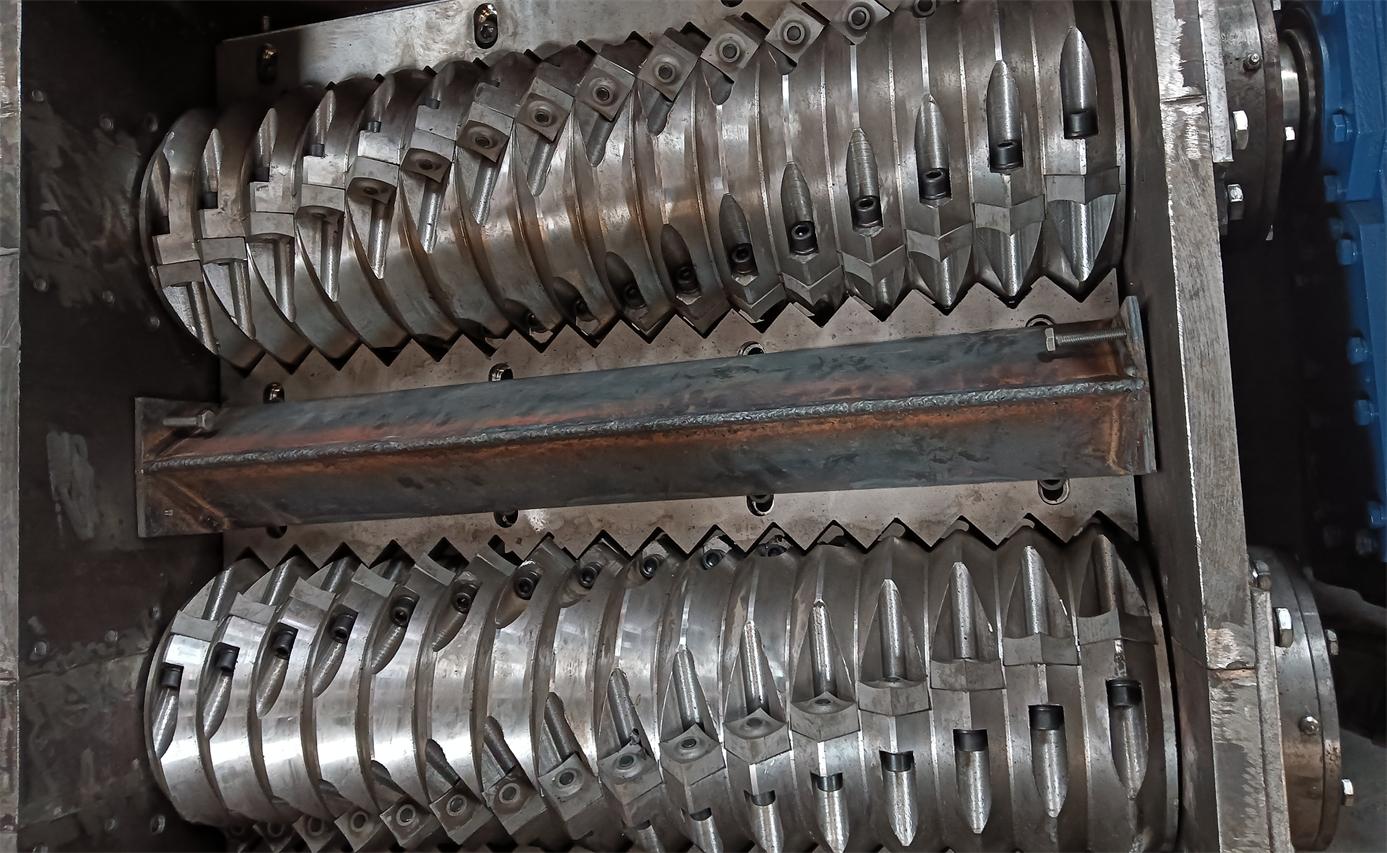
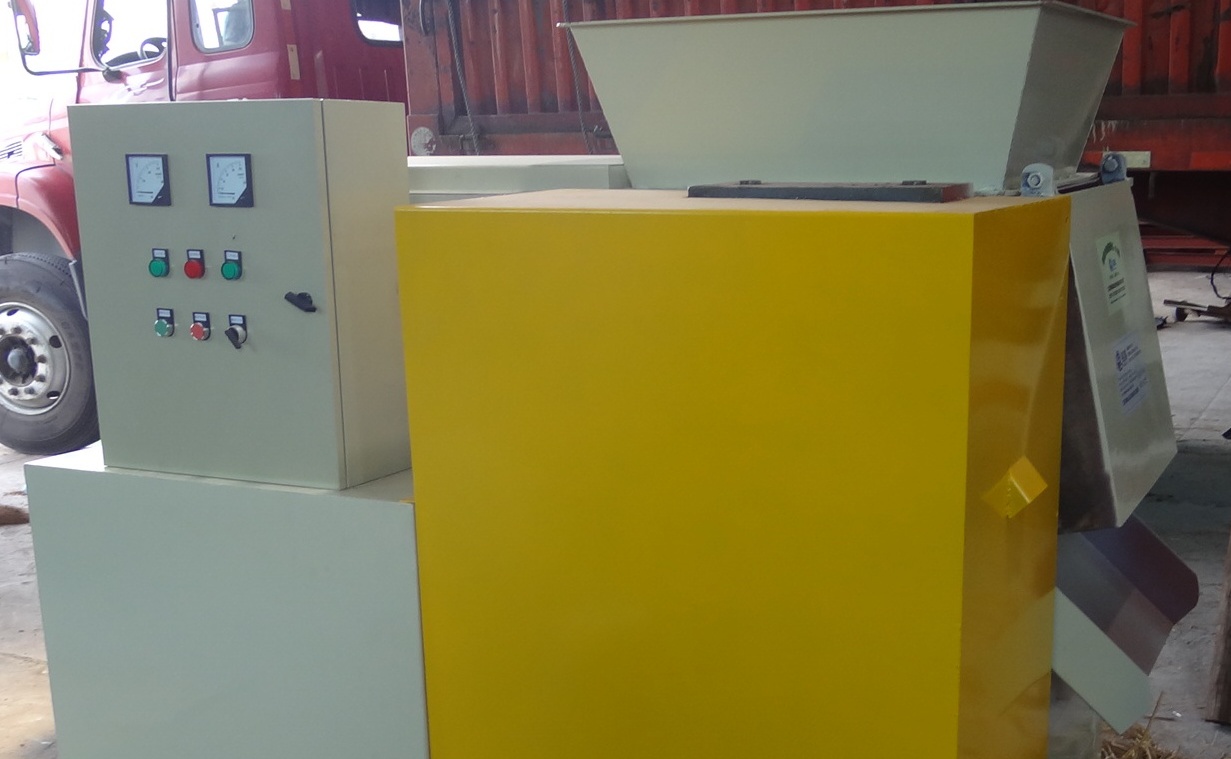
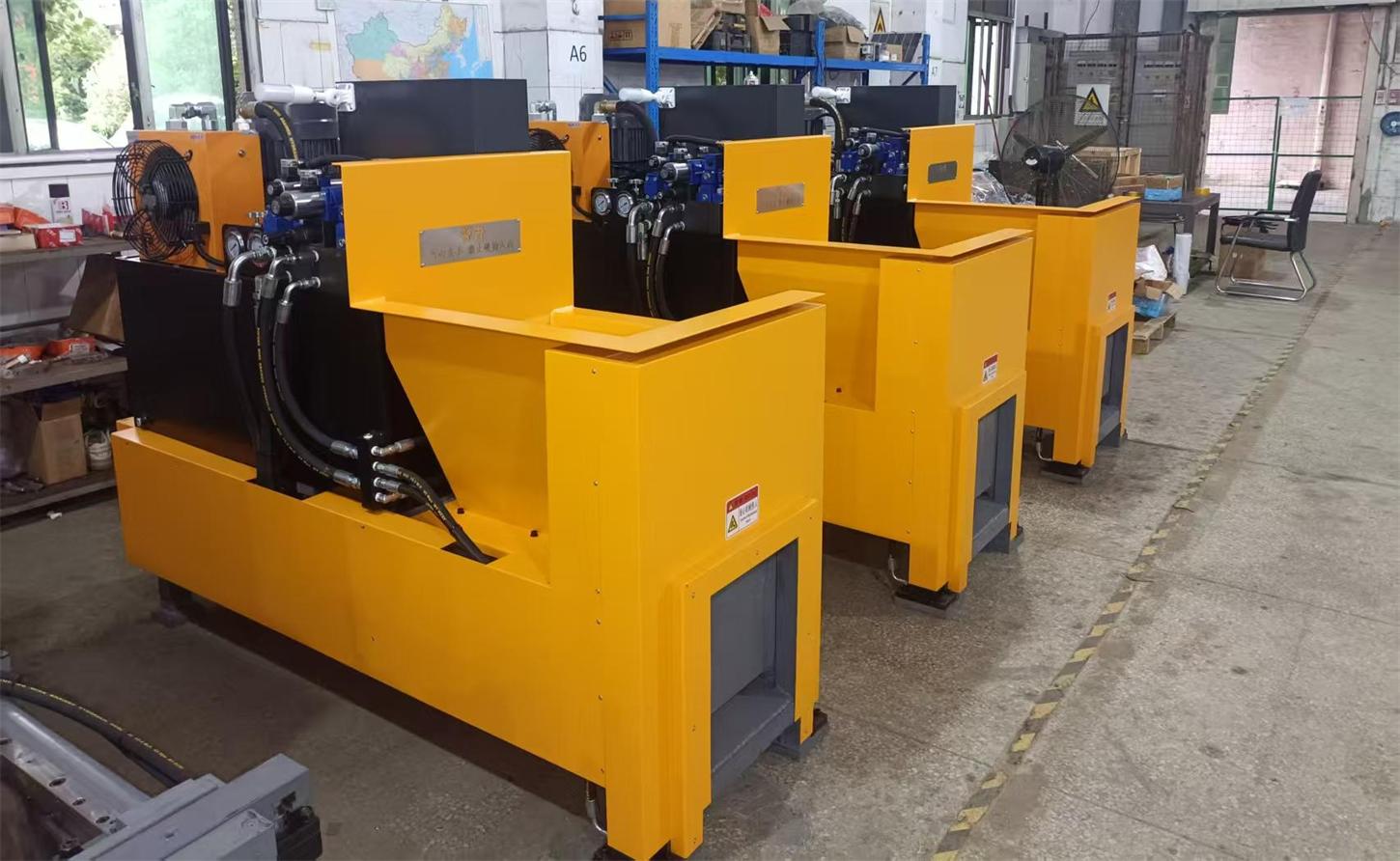
Whole batteries enter a hydraulic cutter that slices the case and empties sulfuric acid. The acid is collected for neutralization or reuse. The cut sections then move to the breaker. A well-designed cutter processes one battery every 45 seconds, with hardened blades rated to HRC 56-62 to withstand abrasive lead paste and plastic.
2 Breaking and Separation
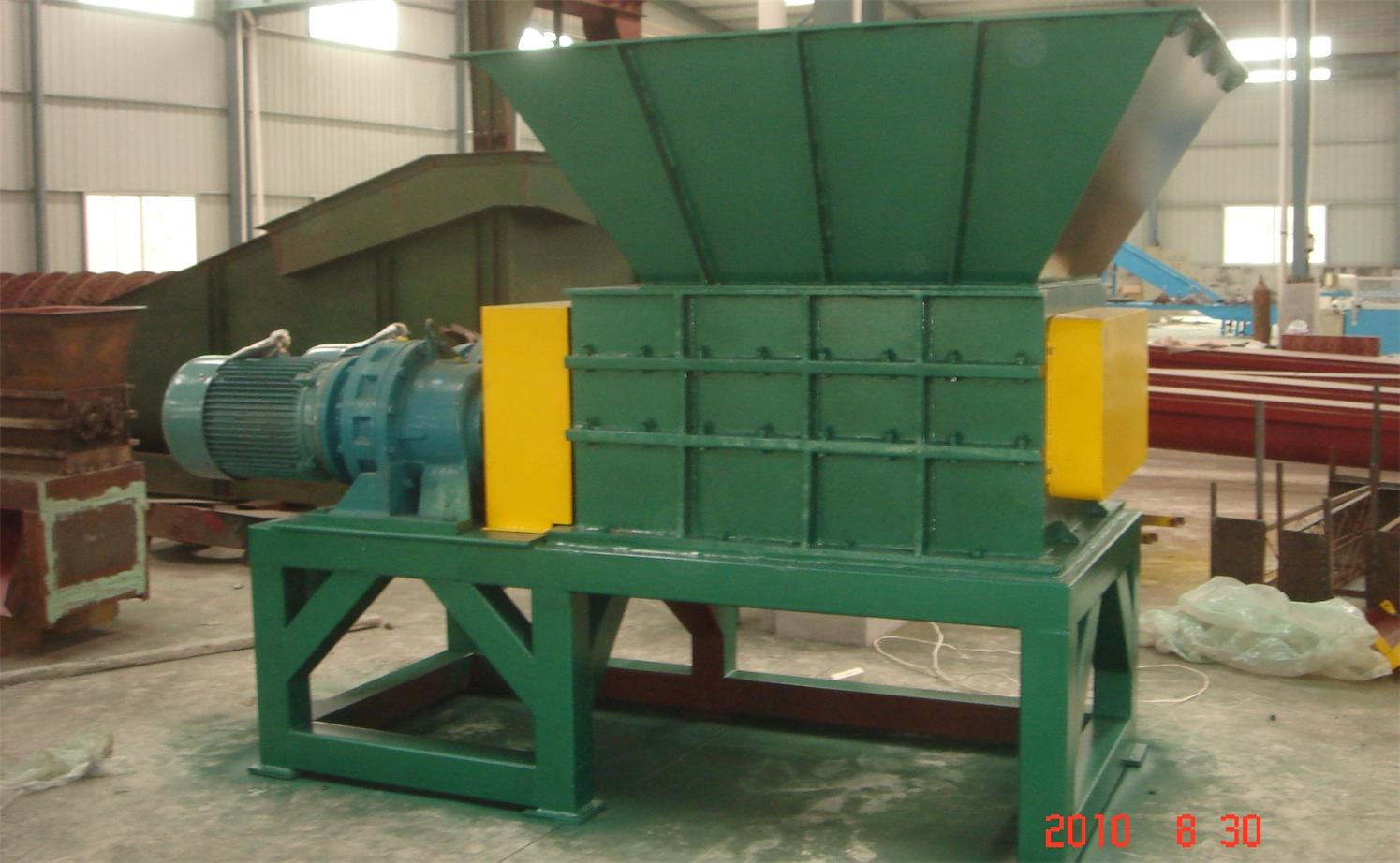
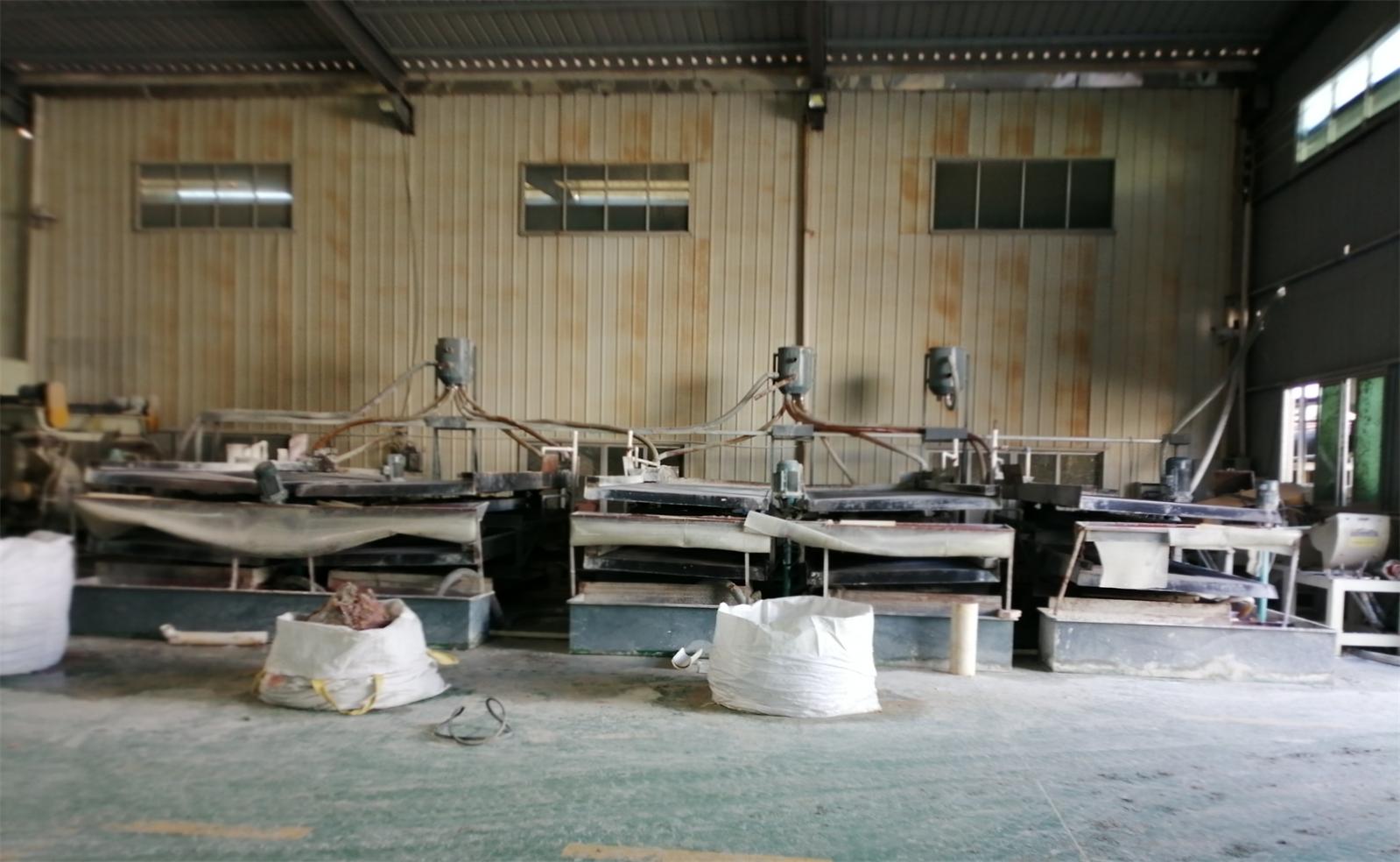
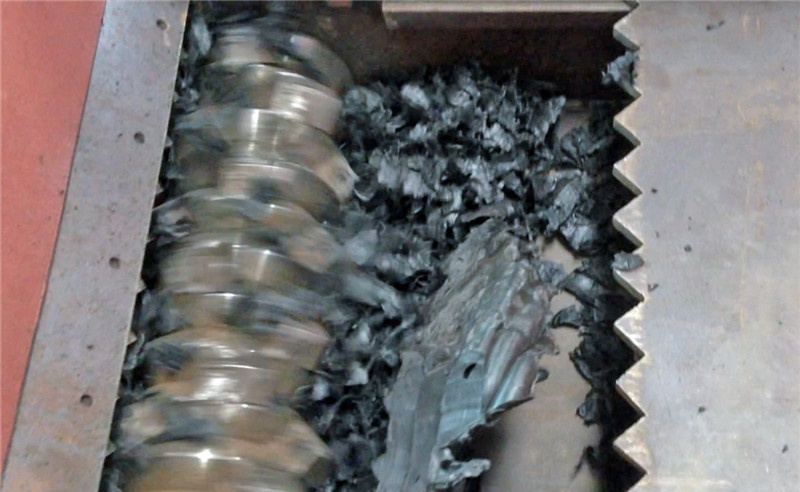
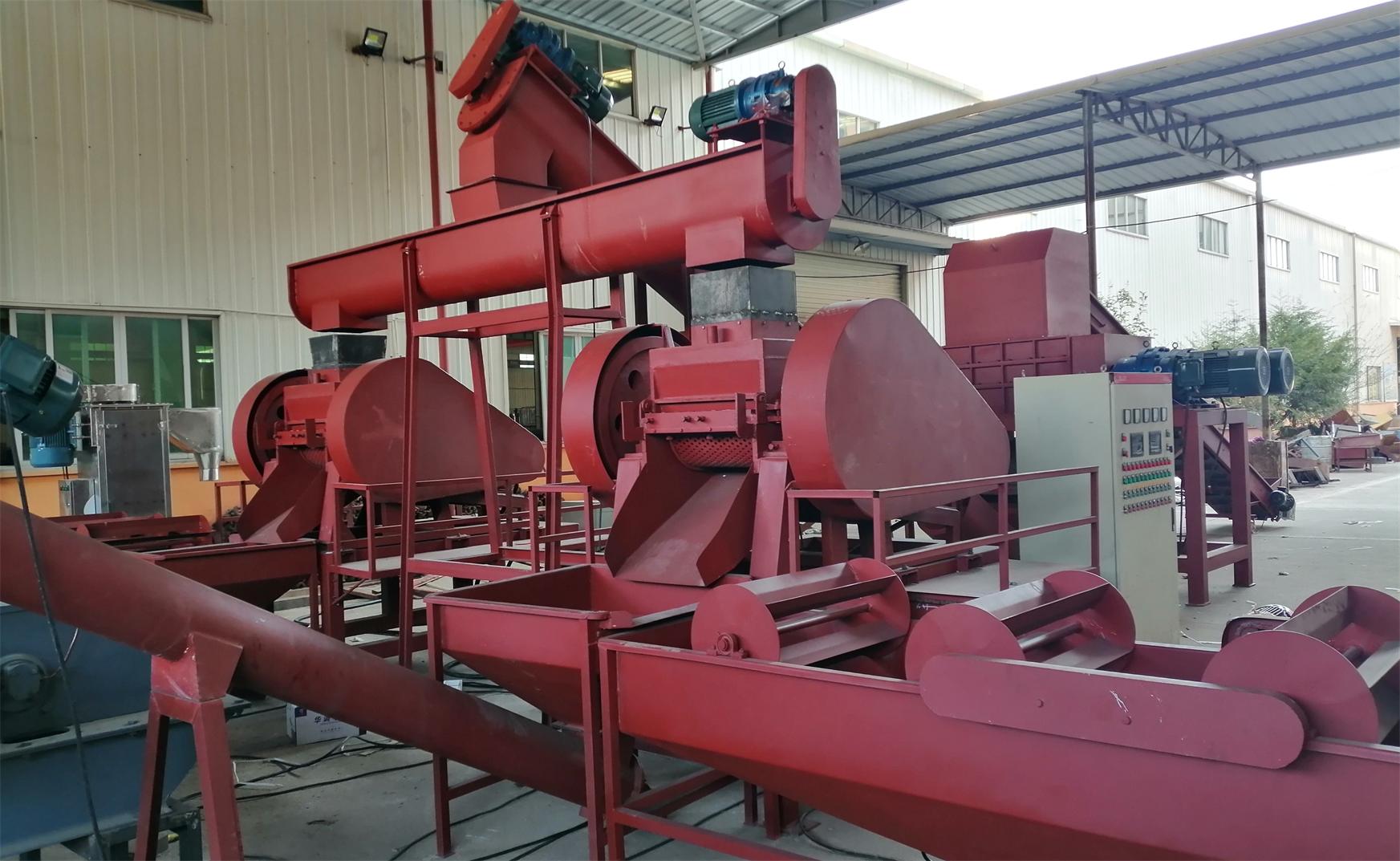
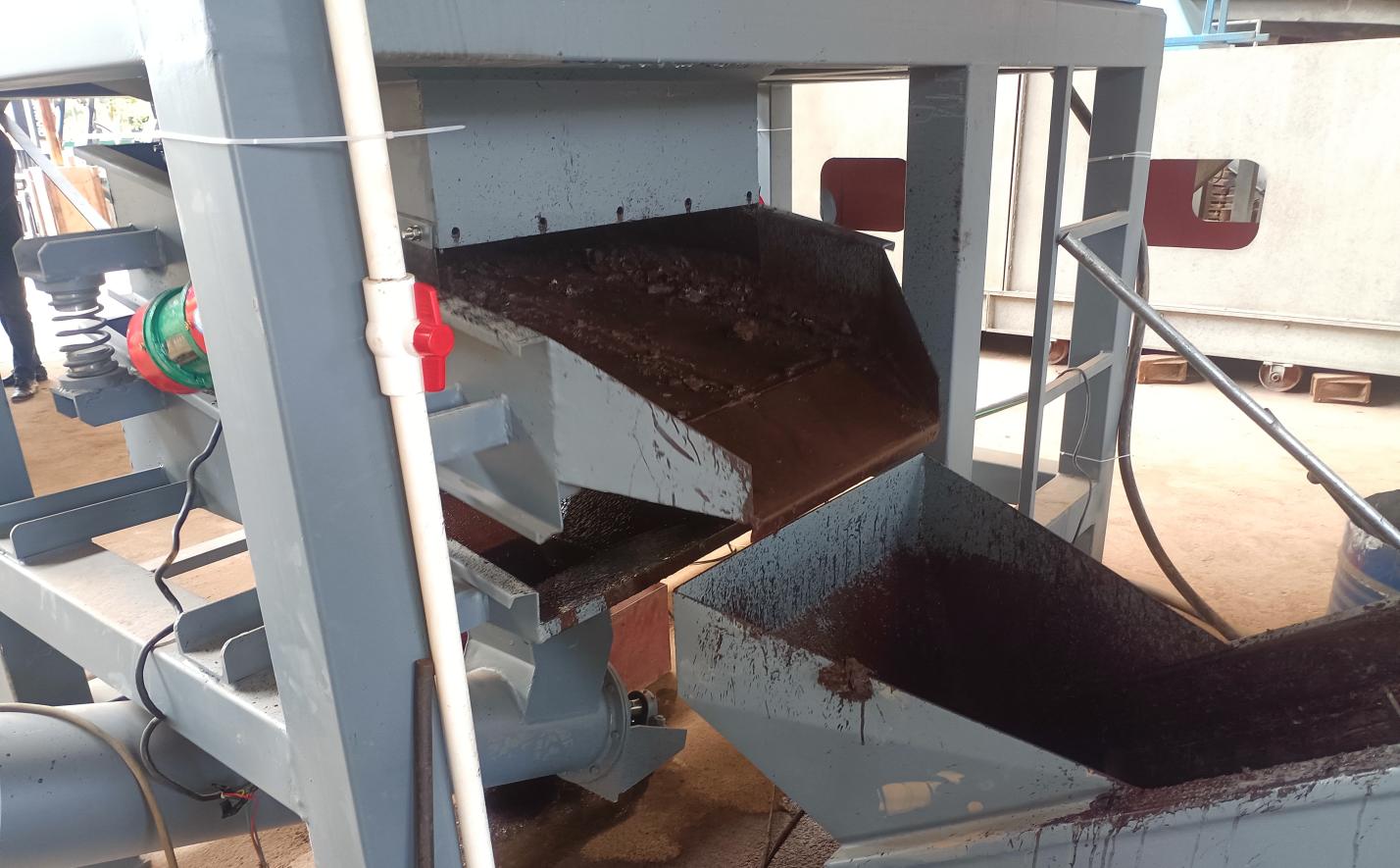
This is where value creation begins. A complete lead acid battery breaking and separation system crushes the batteries and classifies the output into four clean fractions: lead paste, lead grid, polypropylene or PVC plastic, and hard rubber. Capacity typically ranges from 1 to 10 metric tons per hour. The cleaner the separation, the higher the downstream recovery rates and the lower the smelting energy cost.
3 Paste Collection and De-Sulfurization
Lead paste, which contains lead sulfate, must be processed before smelting. A filter press separates paste from slurry. Then a de-sulfurization unit removes sulfur from PbSO4. This step is critical because it lowers the melting temperature, reduces sulfur dioxide emissions, cuts energy consumption, and reduces the volume of additives needed in the furnace.
4 Smelting and Reduction
The treated paste and metallic fractions move to a furnace for reduction. Two primary technologies dominate the industry. Blast furnaces, also known as cupola furnaces, operate continuously with capacities of 40 to 100 metric tons per 24 hours and achieve lead recovery rates around 95 percent. A blast (cupola) furnace for lead battery recycling plant is often the choice for high-volume operations. Rotary furnaces, by contrast, process paste in batches of 2 to 20 metric tons. They offer even higher recovery rates than blast furnaces and are preferred when feedstock quality varies or when operators want the flexibility to process other lead-bearing materials.
5 Refining to Commercial Purity
Crude lead from the furnace contains impurities that must be removed before the metal meets smelter or battery-grade specifications. A lead refinery furnace refines crude lead to 99.999 percent purity. The equipment is available in natural gas, diesel, or electric heated configurations. Electric models using near-infrared heating can reduce energy consumption by 30 to 50 percent compared to conventional fuel-fired kettles, a significant operating cost advantage over the life of the plant.
6 Water and Effluent Treatment
The breaking and separation stages produce acidic wastewater from paste washing and equipment cleaning. A dedicated water treatment plant neutralizes acidity and removes suspended solids before discharge or reuse. This is not optional. Plants without closed-loop water systems face regulatory shutdowns in most jurisdictions.
7 Air Pollution Control
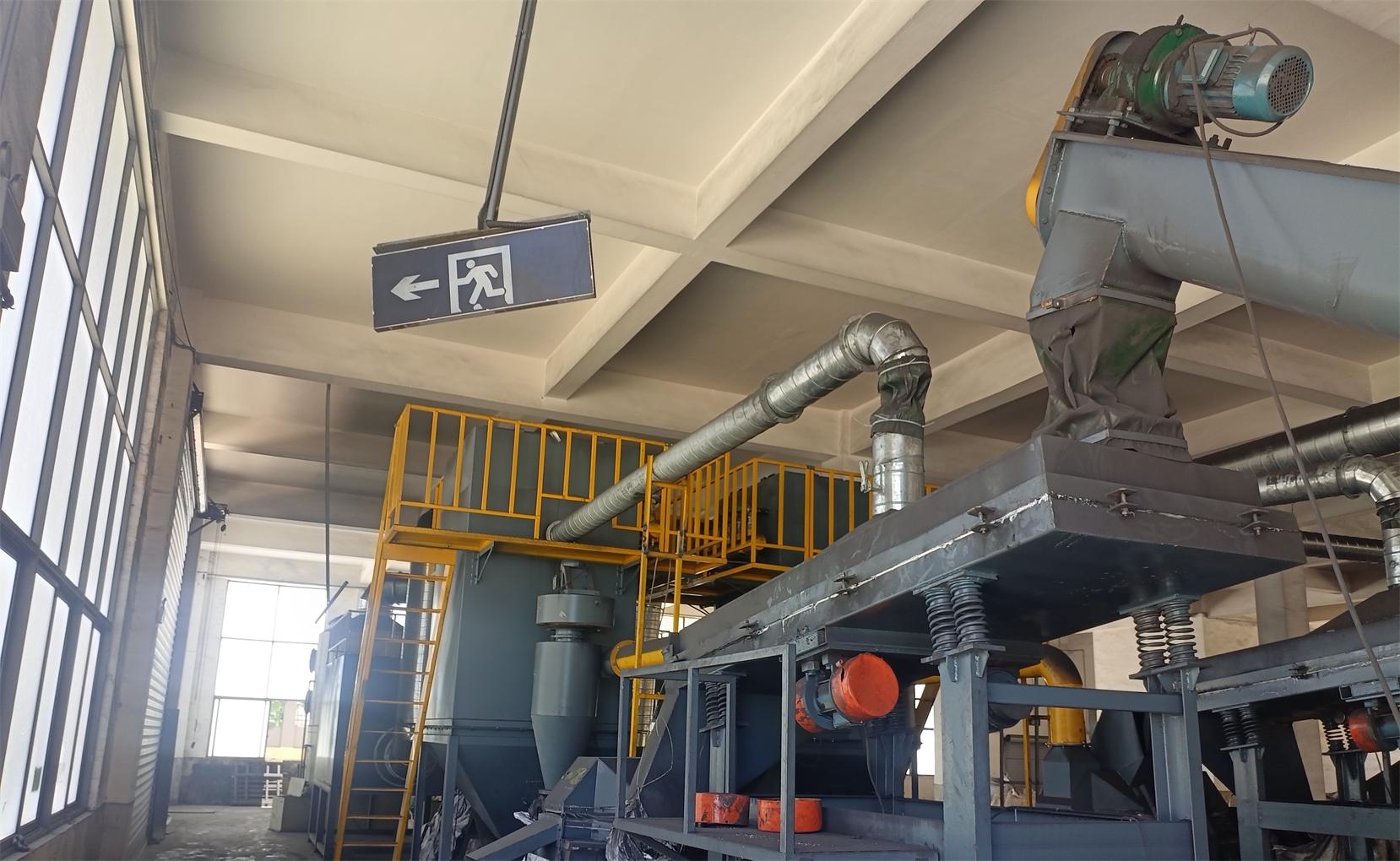
Furnace off-gases contain lead dust, sulfur dioxide, and other volatile compounds. An integrated air pollution control system scrubs and filters these emissions to meet environmental requirements. This system is engineered specifically for the gas composition of lead smelting, with stages that may include cyclones, bag filters, wet scrubbers, and activated carbon injection depending on local regulations.
How to Evaluate Equipment Before You Buy
Not every supplier that advertises lead-acid recycling equipment delivers an integrated, compliant process line. Here are the evaluation criteria that separate professional suppliers from traders who assemble mismatched machines.
| Evaluation Point | What to Verify |
|---|---|
| Separation purity | Written specifications for lead paste, grid, plastic, and rubber purity after breaking |
| Recovery rate | Documented lead recovery from breaking through refining, backed by reference plant data |
| Environmental integration | Whether air pollution control, water treatment, and sealed effluent systems are included |
| Capacity match | Equipment sized to actual feedstock volume, with buffer for seasonal variation |
| Energy efficiency | Options for electric heating or heat recovery that reduce long-term fuel costs |
| After-sales support | On-site installation, commissioning, operator training, and spare parts inventory |
Why Experienced Operators Choose Turnkey EPC Partners
Buying machines individually from different suppliers creates integration risk. Conveyors may not align. Control systems may not communicate. Environmental units may be undersized for the actual gas or wastewater volume. The result is cost overruns, permit delays, and lost production.
A turnkey EPC partner designs the entire line as a single system. Engineering, procurement, and construction sit under one responsibility matrix. San Lan Technologies, established in 2007 and headquartered in Jiangxi Province, China, has delivered complete lead-acid battery recycling plants to operators across more than 21 countries. The engineering team holds master’s degrees in mechanical engineering and brings over 15 years of direct experience in e-waste and battery recycling machinery.
What a full-service partner should handle:
- Preliminary engineering study of local feedstock, energy supply, and environmental rules
- Custom plant layout and process flow design matched to your capacity and budget
- Integrated supply of breaking, separation, smelting, refining, and pollution control equipment
- On-site installation, cold and hot commissioning, and operator training
- Assistance sourcing waste batteries and marketing recovered lead ingots and plastic
- Introductions to investors and construction partners where project financing is needed
Real-World Performance: What the Numbers Show
San Lan’s lead-acid battery recycling lines operate at capacities from 1 to 10 metric tons per hour, depending on the breaking and separation system selected. Blast furnaces deliver 40 to 100 metric tons of crude lead per day at recovery rates of 95 percent. Rotary furnaces achieve even higher recovery in batch mode. Refinery kettles produce 99.999 percent pure lead, suitable for battery manufacturing or smelter resale without further treatment.
The installed base spans Singapore, Colombia, Vietnam, Mexico, Argentina, Korea, Malaysia, Indonesia, South Africa, Tunisia, India, Kenya, Saudi Arabia, the Philippines, Zambia, Israel, and beyond. That geographic diversity means the designs have been stress-tested under varied regulatory regimes, climate conditions, and feedstock qualities.
Your Next Step
A lead-acid battery recycling plant is a 15- to 20-year capital commitment. The equipment you specify on day one will determine your operating costs, environmental compliance, and metal recovery for the life of the project. Cutting corners on breaking efficiency or omitting pollution control may save money in the purchase order, but it destroys margin every day the plant runs.
San Lan Technologies offers free preliminary project consultation, including feedstock assessment, custom process design, and budget estimation. If you are evaluating a lead-acid battery recycling investment, contact the team to review capacity, layout, equipment configuration, and compliance strategy before you commit to any purchase.
Contact San Lan Technologies:
Email: info@san-lan.com
WhatsApp: +86 139 2377 4083
Website: www.san-lan.com