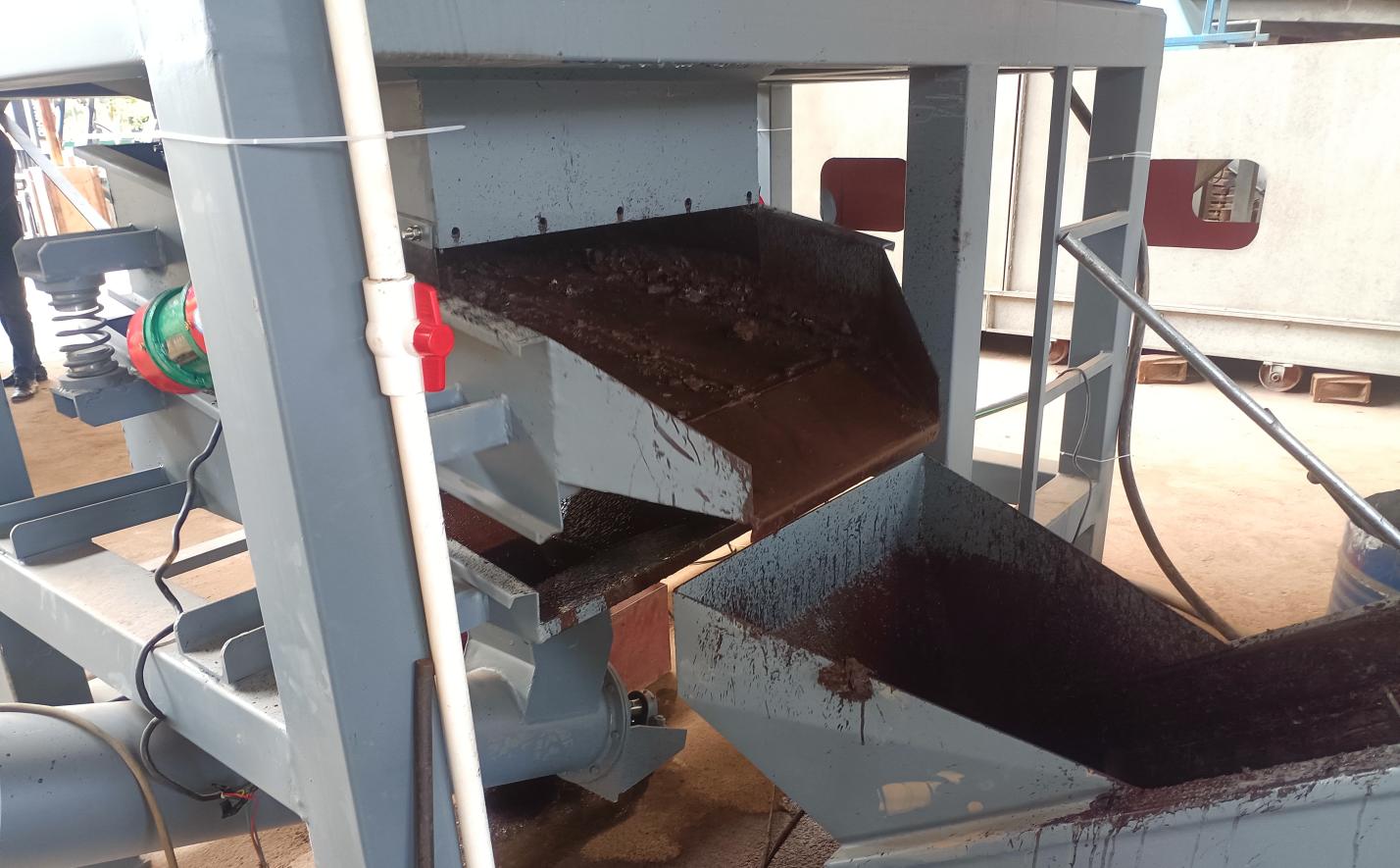
In the bustling world of recycling, where waste transforms into resource, few machines work as tirelessly as the hydraulic briquetting press. It's more than just steel and hydraulics—it's a silent partner in the fight against waste, compressing metal powder, plastic scraps, and other materials into dense, manageable briquettes that can be melted down, repurposed, or sold. But like any hardworking companion, a hydraulic briquetting press has a lifecycle: a journey from the moment it leaves the factory floor to the day it retires, making room for newer, more efficient models. Let's walk through that journey, step by step, and discover the stories, challenges, and triumphs that shape its life.
1. Installation: The Arrival and First Steps
The lifecycle begins with a delivery truck rumbling into the recycling yard, carrying a heavy load wrapped in protective tarp. Inside is the hydraulic briquetting press—fresh from the manufacturer, its metal surfaces gleaming, hoses coiled neatly, and controls waiting to spring to life. For the recycling facility team, this is more than a delivery; it's the start of a new chapter in their operations.
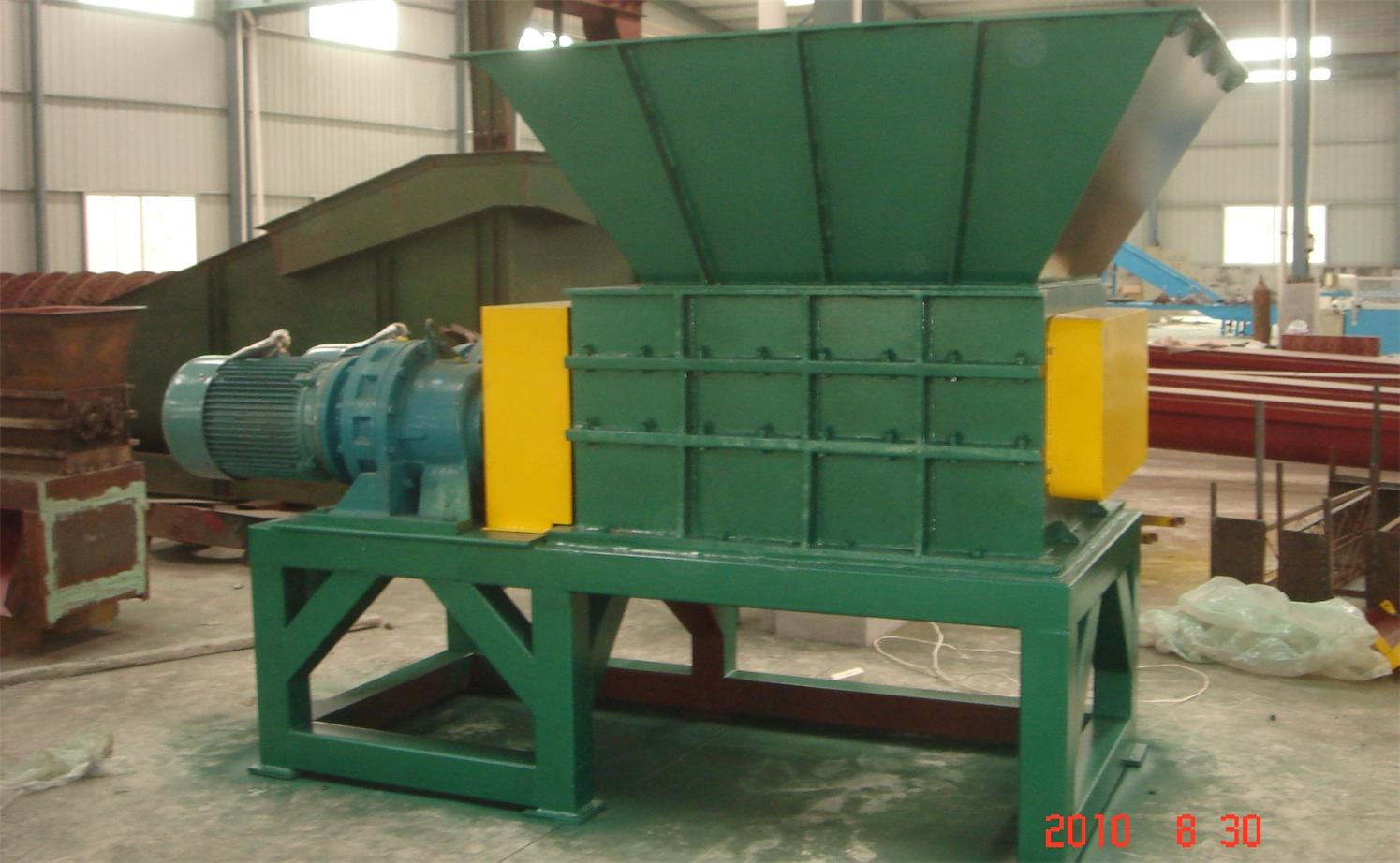
Uncrating the machine is a careful dance. Technicians, wearing gloves and hard hats, use forklifts to gently lift the press from the truck, ensuring no jolts damage its internal components. The first surprise? Its size. Even a standard hydraulic briquetting press can weigh several tons, so the facility must have prepared a level, reinforced concrete pad to support it—no small feat. Nearby, pallets of auxiliary equipment wait: hoses, control panels, and safety guards, each piece a puzzle piece in the larger system.
Site preparation is key. The press needs space to breathe: room for operators to load materials, access for maintenance, and connections to power, water (if part of a wet process line), and sometimes even a plastic pneumatic conveying system to move briquettes to storage. For smaller facilities, a portable briquetting machine might be the choice—easier to maneuver, but still requiring careful placement to avoid uneven floors that could throw off its balance.
Assembly day is a mix of precision and teamwork. Technicians align the press's frame, bolt it to the concrete pad, and connect hydraulic lines with the care of a surgeon suturing a wound. "One wrong twist here, and you could have a leak later," a veteran technician once said, tightening a fitting with a torque wrench. Auxiliary equipment, like conveyors to feed metal powder into the hopper, is bolted into place next, turning the standalone press into a fully integrated system.
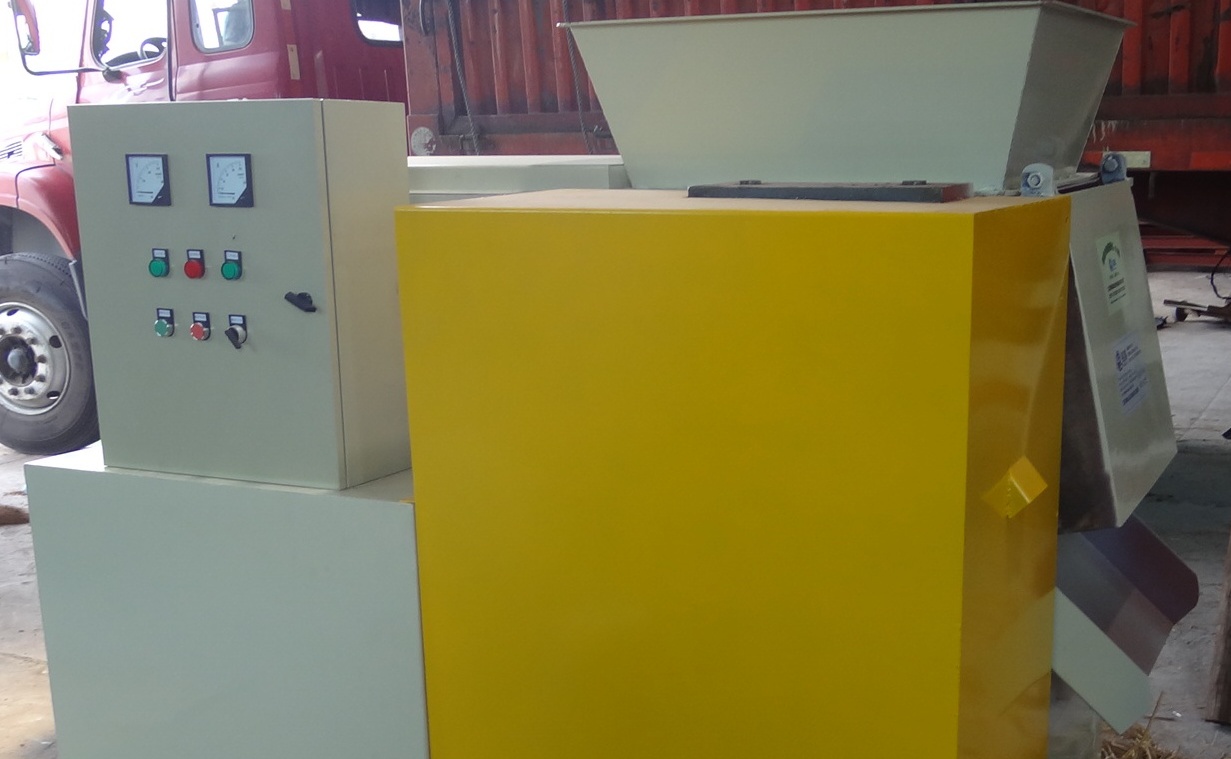
Calibration follows. The control panel lights up, and the press rumbles to a test start—no materials, just the hum of hydraulics. Sensors check alignment; the ram moves up and down, slow at first, then faster, until it hits the perfect rhythm. For a plastic hydraulic briquetter, this might involve adjusting the compression force to avoid crushing plastic too finely; for a metal powder model, ensuring the briquettes hold their shape without cracking. By the end of installation, the press stands tall, ready to prove its worth.
| Installation Step | Key Focus | Common Challenge |
|---|---|---|
| Unloading & Placement | Weight distribution, level surface | Space constraints in small facilities |
| Assembly of Auxiliary Equipment | Alignment with press hopper/exit | Matching conveyor speed to press capacity |
| Hydraulic & Electrical Connections | Leak-proof seals, proper voltage | Compatibility with existing facility wiring |
| Calibration | Ram speed, compression force, safety sensors | Achieving consistent briquette density |
2. Commissioning: The First Test Runs and Training
With installation complete, the press moves to commissioning—the phase where it transitions from a static machine to a working member of the team. For operators, this is when the excitement really builds: "Will it work as well as the sales rep promised?" they wonder, eyeing the hopper eager to be filled.
The first test run is a low-stakes affair: a small batch of metal powder, fed into the hopper by hand. The operator hits "start," and the press comes alive. The hydraulic system hisses, the ram descends, and with a loud clunk , the first briquette is born. It's not perfect—maybe a bit lopsided, or too loose—but it's a start. Technicians huddle, adjusting the feed rate and compression time. By the fifth try, the briquettes are uniform, dense, and ready for the next step: melting in a metal melting furnace downstream.
Operator training is next. Manufacturers send trainers to walk the team through the controls: how to adjust settings for different materials (plastic vs. metal powder), how to troubleshoot common issues like a jammed hopper, and—most importantly—how to operate the press safely. "Never reach into the hopper while it's running," a trainer emphasizes, pointing to the emergency stop button. "This machine has power, but it's only as safe as the person using it."
Fine-tuning takes weeks. The press handles its first full production run: 500kg of metal powder in an hour, transformed into neat stacks of briquettes. Operators learn its quirks: it runs smoother with dry powder than damp, and plastic scraps need a slower feed rate to avoid clogs. By the end of commissioning, the press is no longer a stranger—it's a colleague, its rhythms as familiar as the morning coffee break.
3. Routine Operation: The Daily Grind
Now, the real work begins. For the next 5–10 years (depending on usage and maintenance), the hydraulic briquetting press becomes the heart of the recycling line. Its day starts early, as operators arrive to prep: checking oil levels in the hydraulic system, clearing dust from sensors, and loading the first batch of material into the hopper.
The rhythm is hypnotic. Material flows into the press, the ram cycles up and down, and briquettes emerge onto a conveyor belt, each one a small victory against waste. Some days, it's metal powder from a nearby manufacturing plant; other days, plastic scraps from a packaging facility, making the press a plastic hydraulic briquetter for the shift. "You learn to read its sounds," says Maria, an operator with five years of experience. "A high-pitched whine means the filters need changing. A thud that's too loud? Probably a rock in the material—time to hit pause."
Efficiency is the name of the game. A well-maintained press can process 1–2 tons of material per hour, turning waste into revenue. For facilities with tight schedules, this consistency is gold. "We used to send loose metal powder to the smelter, and half of it would blow away in transit," says the plant manager. "Now, the briquettes are dense—no loss, no mess. The smelter even pays us a premium for them."
But routine doesn't mean monotony. The press faces challenges: sticky material that gums up the hopper in humid weather, power surges that temporarily shut it down, or the occasional operator error (like overloading the feed). Each problem is a puzzle, solved with a combination of experience and the manufacturer's manual. "It's like having a pet," jokes a maintenance worker. "You learn what makes it happy, and what makes it grumpy."
4. Maintenance: Keeping the Machine Healthy
A hydraulic briquetting press, like any machine, needs care to stay in top shape. Think of it as a car: skip the oil change, and you'll be stuck on the side of the road. For the press, maintenance falls into two categories: daily checks and scheduled overhauls.
Daily checks are quick: oil levels, hydraulic pressure, belt tension, and a visual inspection for leaks. Operators note anything unusual in a logbook: "Hose near ram has a small drip—needs replacement." These small issues, if ignored, can snowball into big problems. A leaking hose, for example, might lead to low hydraulic pressure, reducing briquette density and wasting energy.
Scheduled maintenance happens every 6 months to a year, depending on usage. Technicians drain and replace hydraulic oil, clean filters, inspect seals for wear, and test safety features like emergency stops. "The most common wear part is the ram's seal," explains a service technician. "Every 2–3 years, it starts to leak, so we replace it before it fails. It's cheaper than downtime."
Unexpected repairs are part of life, too. A broken sensor might shut down the press mid-shift, sending the maintenance team scrambling for a replacement. Or a jammed feed mechanism could require disassembling the hopper, covered in dust and grime. "You get used to getting your hands dirty," says a technician, wiping oil off his gloves. "But when the press starts up again and the briquettes start flowing? That's the reward."
5. Upgrades: Adapting to a Changing World
Recycling technology evolves fast. New materials, stricter regulations, and higher efficiency standards mean even a reliable hydraulic briquetting press might need upgrades to stay relevant. Maybe the facility starts processing lithium-ion battery scraps, requiring a higher compression force. Or they want to integrate the press with a smart monitoring system to track output in real time.
Upgrades can be minor or major. A minor upgrade might involve installing a new control panel with touchscreen displays, replacing old analog gauges with digital sensors that send alerts to a phone app. "Now, I can check oil levels from my desk," says the plant manager, showing off the app. "No more running out to the floor every hour."
Major upgrades are more involved. For example, retrofitting the press to handle plastic pneumatic conveying system integration, allowing automated feeding from a storage silo. Or adding a cooling system to prevent overheating during long runs. These projects take downtime—sometimes a week or more—but the payoff is worth it: higher throughput, lower labor costs, and the ability to take on new recycling contracts.
Not all upgrades are about efficiency, though. Some are about sustainability. A facility might add an air pollution control system near the press to capture dust, ensuring compliance with environmental laws. "We used to have a lot of dust in the air," an operator recalls. "Now, with the new filters, I don't cough as much at the end of the day."
6. Replacement: Knowing When It's Time to Say Goodbye
Even with the best care, a hydraulic briquetting press can't last forever. After 10–15 years of loyal service, signs of decline start to show: frequent breakdowns, parts that are hard to source (manufacturers discontinue old models), and efficiency that dips below acceptable levels. "It used to make 200 briquettes an hour," the plant manager sighs. "Now, it's lucky to hit 150—and half of them need re-pressing."
The decision to replace isn't easy. There's nostalgia: this press helped the facility expand, weathered a recession, and trained a generation of operators. But numbers don't lie. The cost of repairs—new hydraulic pumps, replacement rams, emergency service calls—starts to exceed the savings from keeping it. Meanwhile, newer models promise 30% higher efficiency, lower energy use, and compatibility with next-gen recycling tech, like lithium ore extraction byproducts.
Decommissioning is a bittersweet process. The press is powered down for the last time, its hoses disconnected, and its frame stripped of reusable parts—motors, sensors, even nuts and bolts that can be used for other machines. The remaining metal is cut into pieces and sent to a scrap yard, where it will be melted down and recycled into… well, maybe part of a new hydraulic briquetting press. "Full circle," smiles the technician, watching the scrap truck drive away.
The new press arrives a month later, bigger, smarter, and ready to write its own lifecycle story. But the old one isn't forgotten. In the break room, a photo hangs on the wall: the team gathered around the old press, covered in dust but still standing tall. "Here's to the machine that built this place," reads the caption. And so the cycle continues—one machine's end is another's beginning.
Conclusion: More Than a Machine
A hydraulic briquetting press's lifecycle is more than just metal and mechanics—it's a story of people: the technicians who install it, the operators who run it, the maintenance crews who keep it alive, and the managers who decide when it's time to let go. It's a story of progress, too: from manual labor to automated systems, from waste to resource, and from individual machines to interconnected recycling ecosystems.
So the next time you see a stack of metal briquettes or a bale of plastic, take a moment to think about the machine that made it possible. It may not have a voice, but its lifecycle is a testament to the power of human ingenuity—and the quiet, relentless work of turning the old into something new.