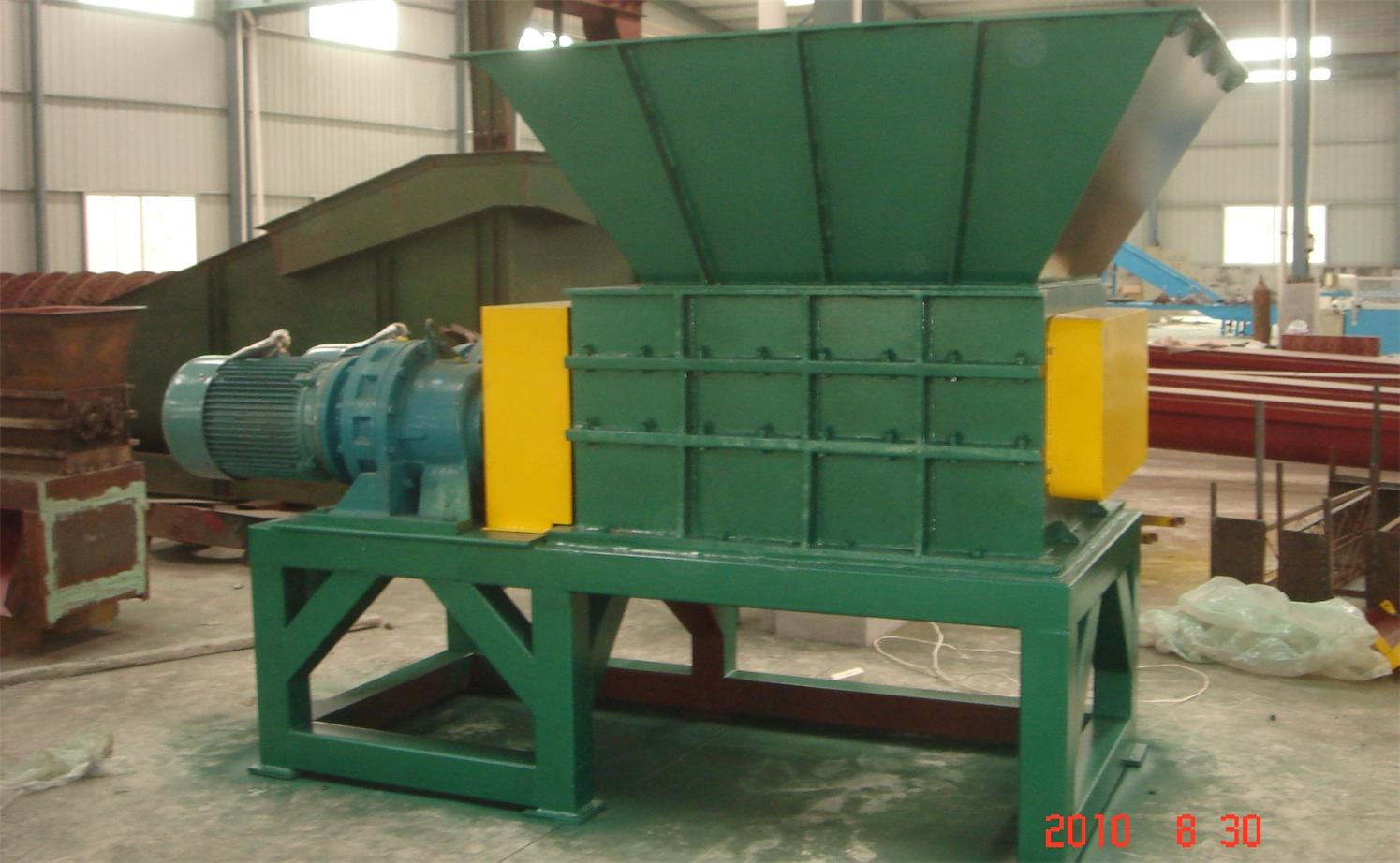
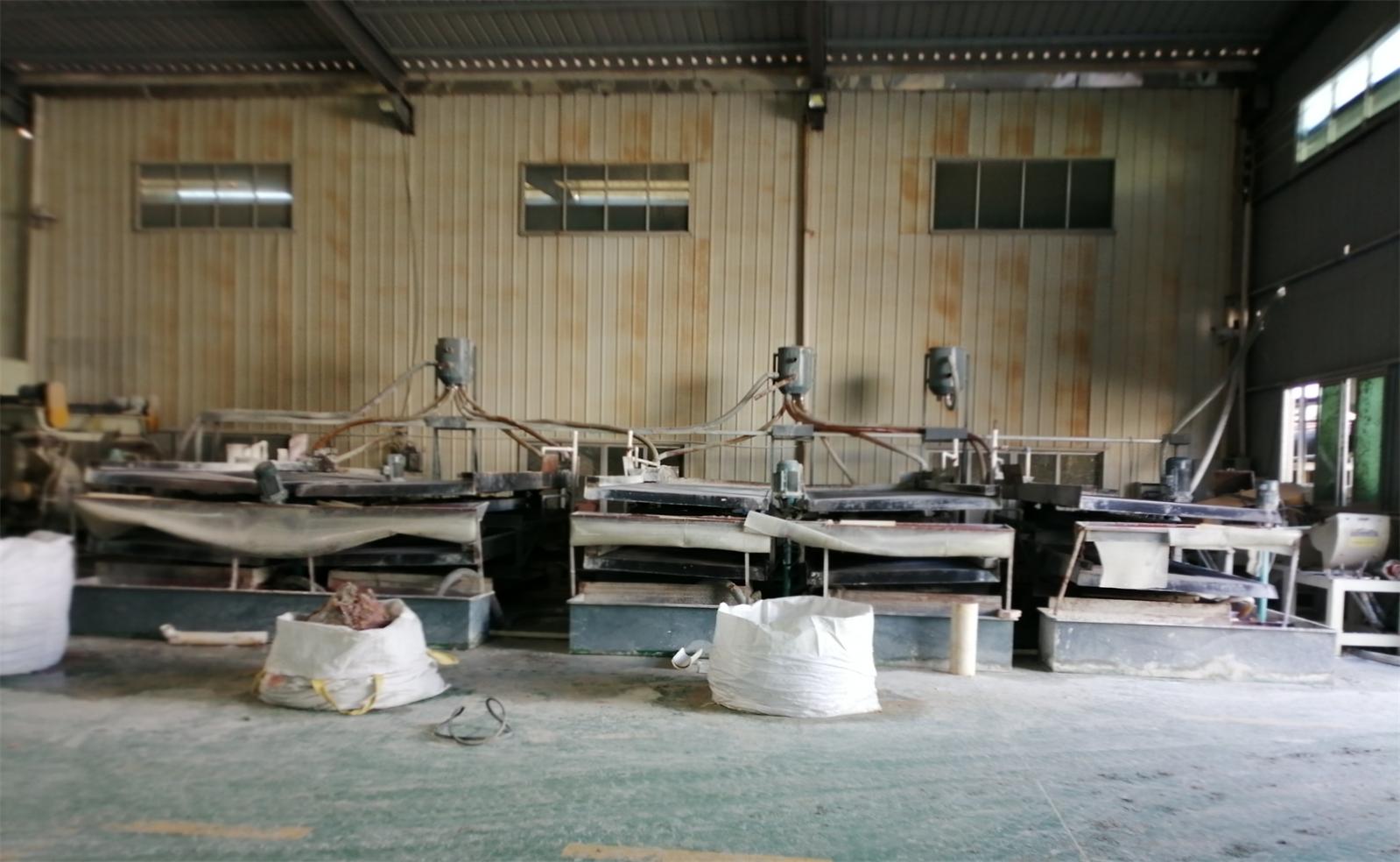
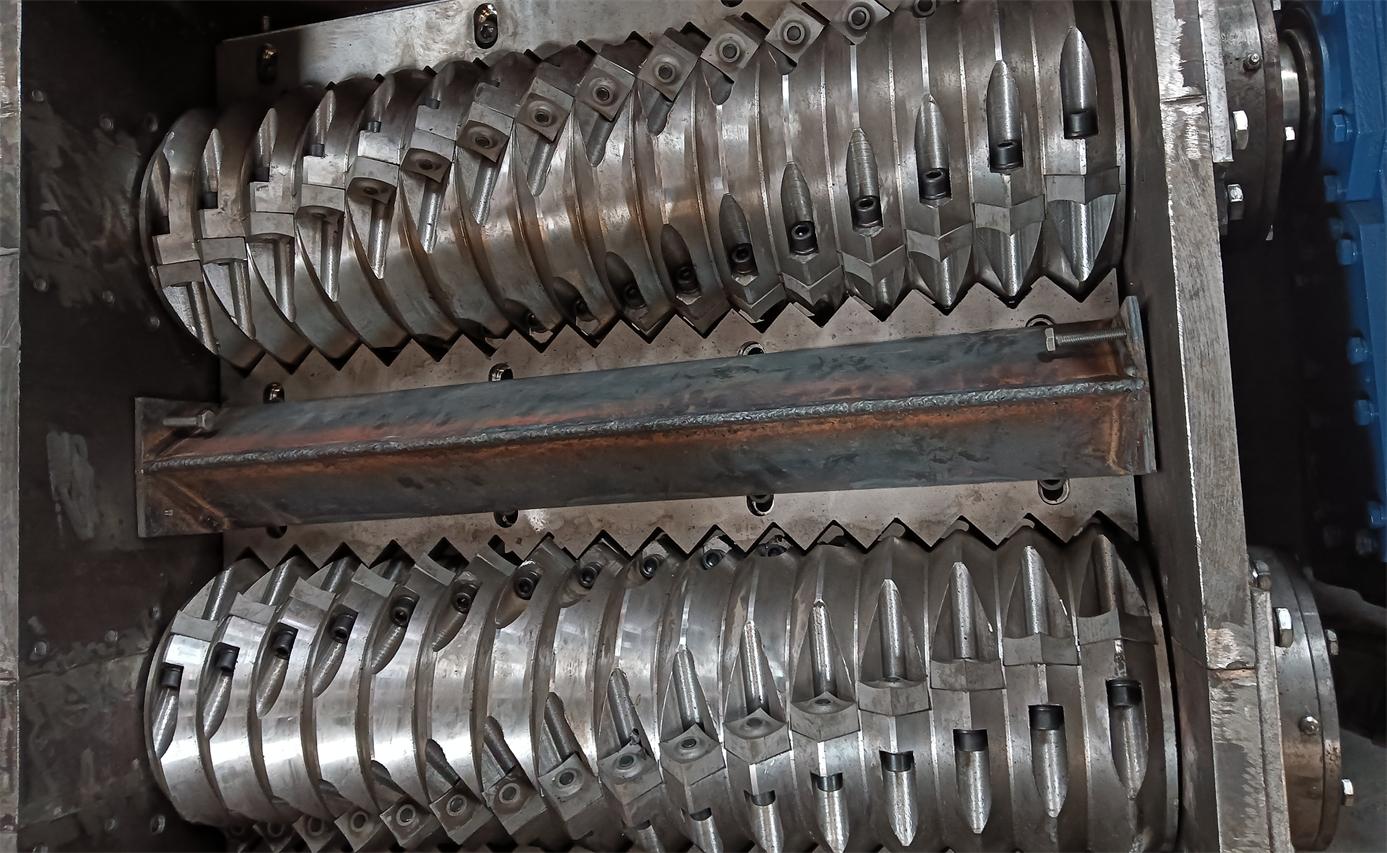
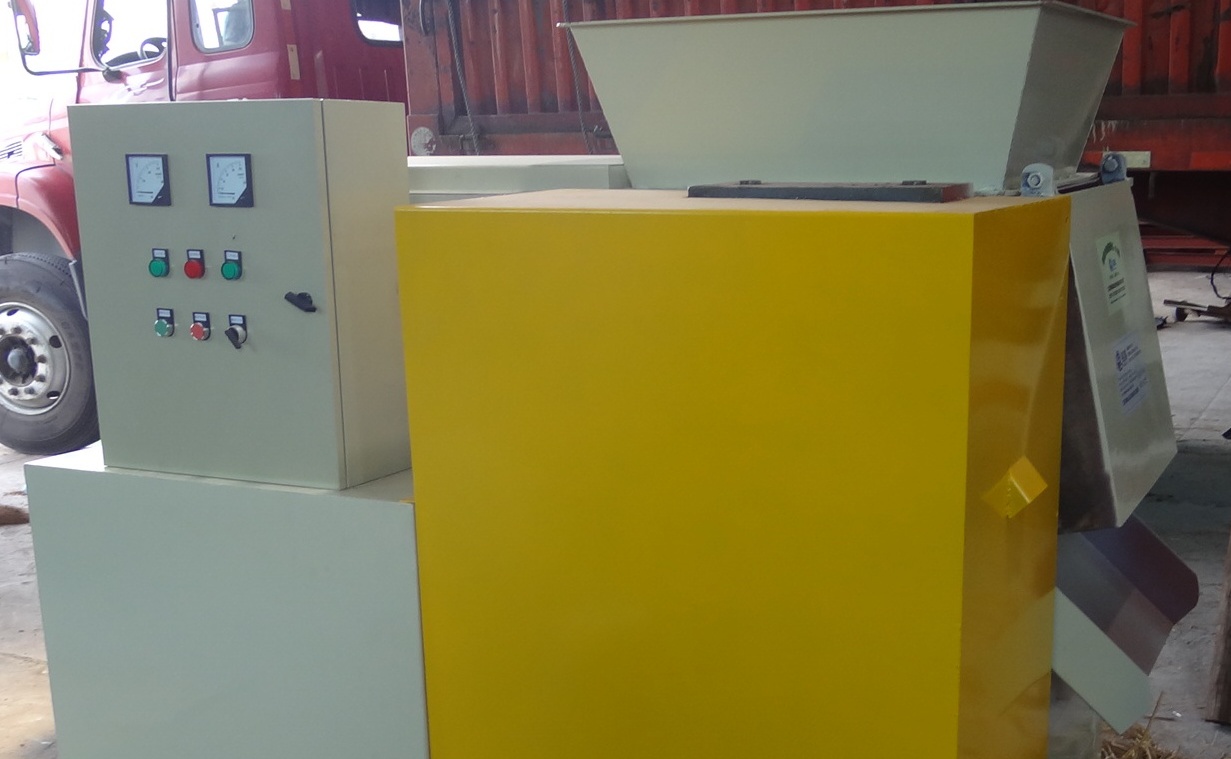
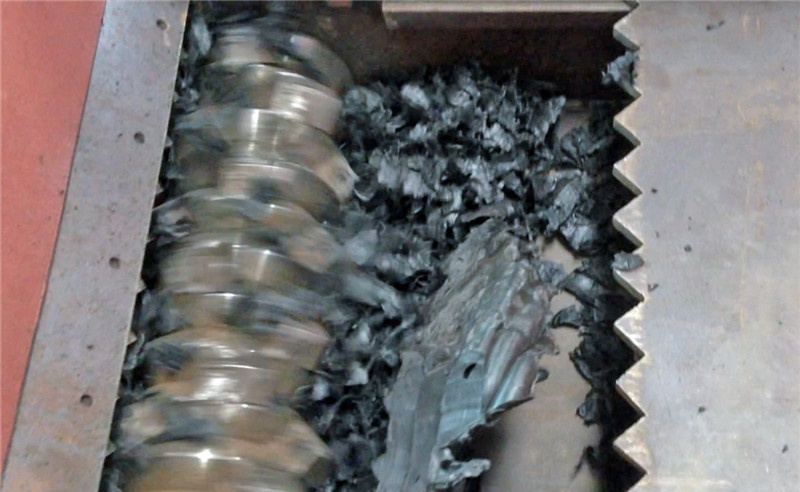
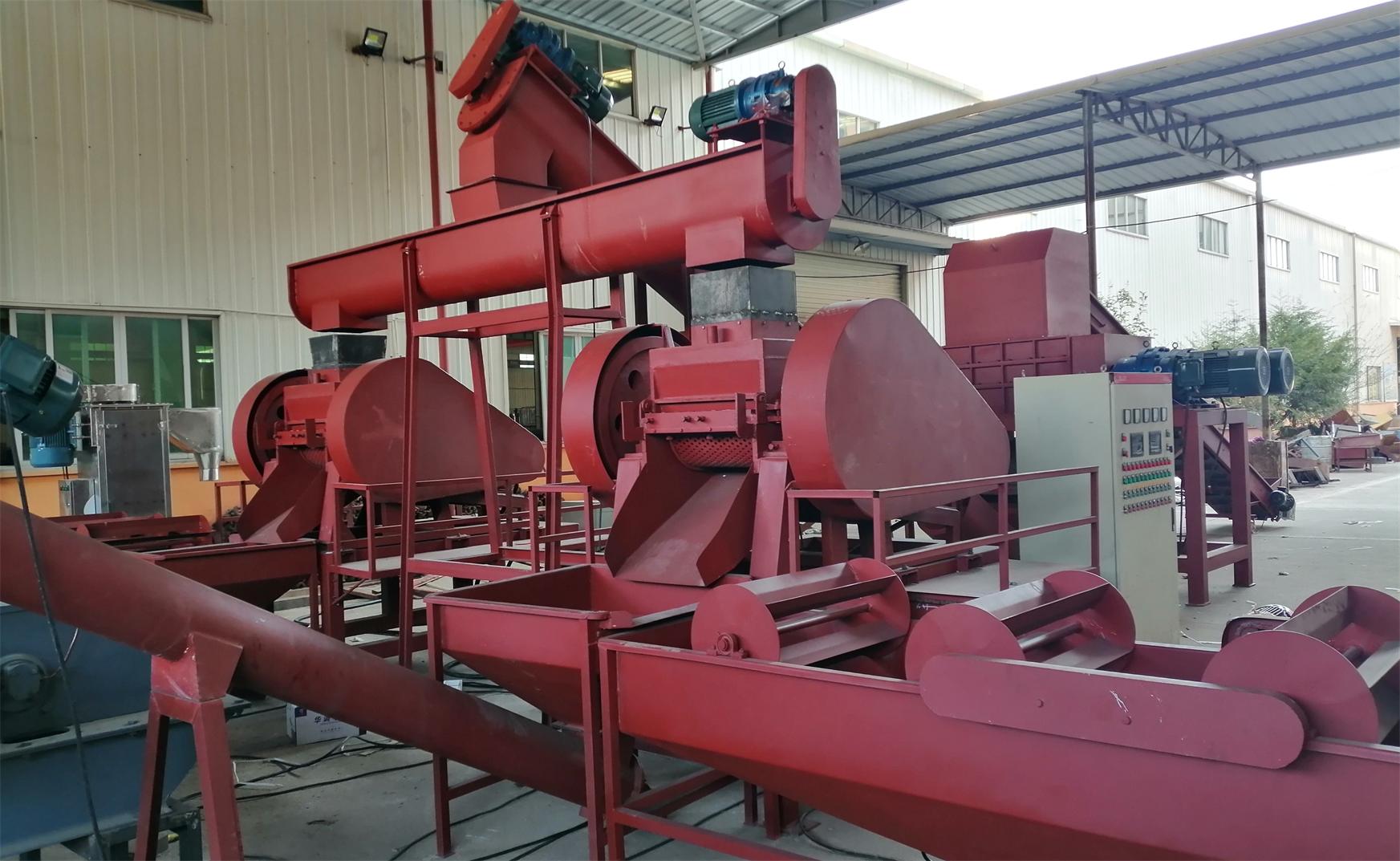
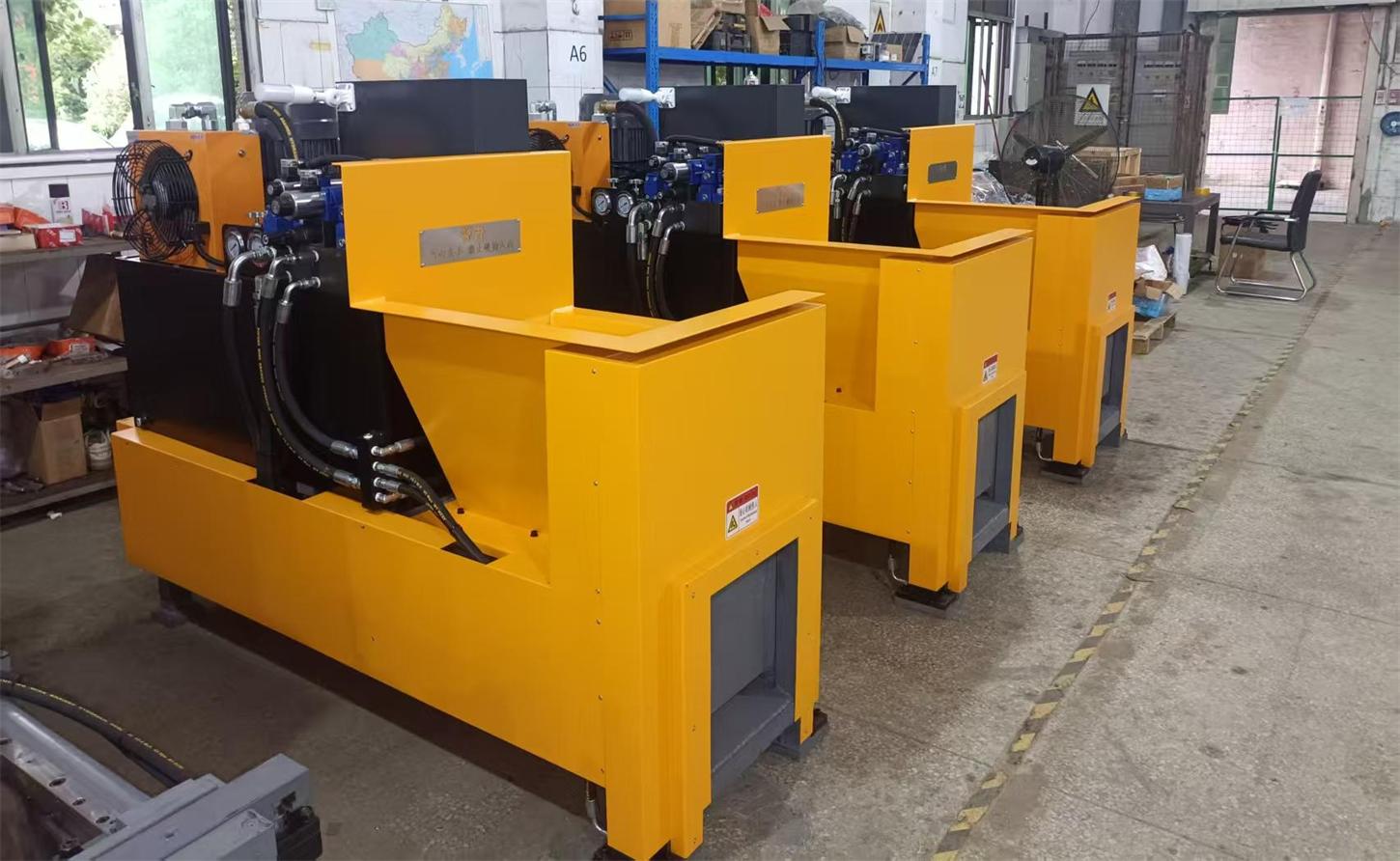
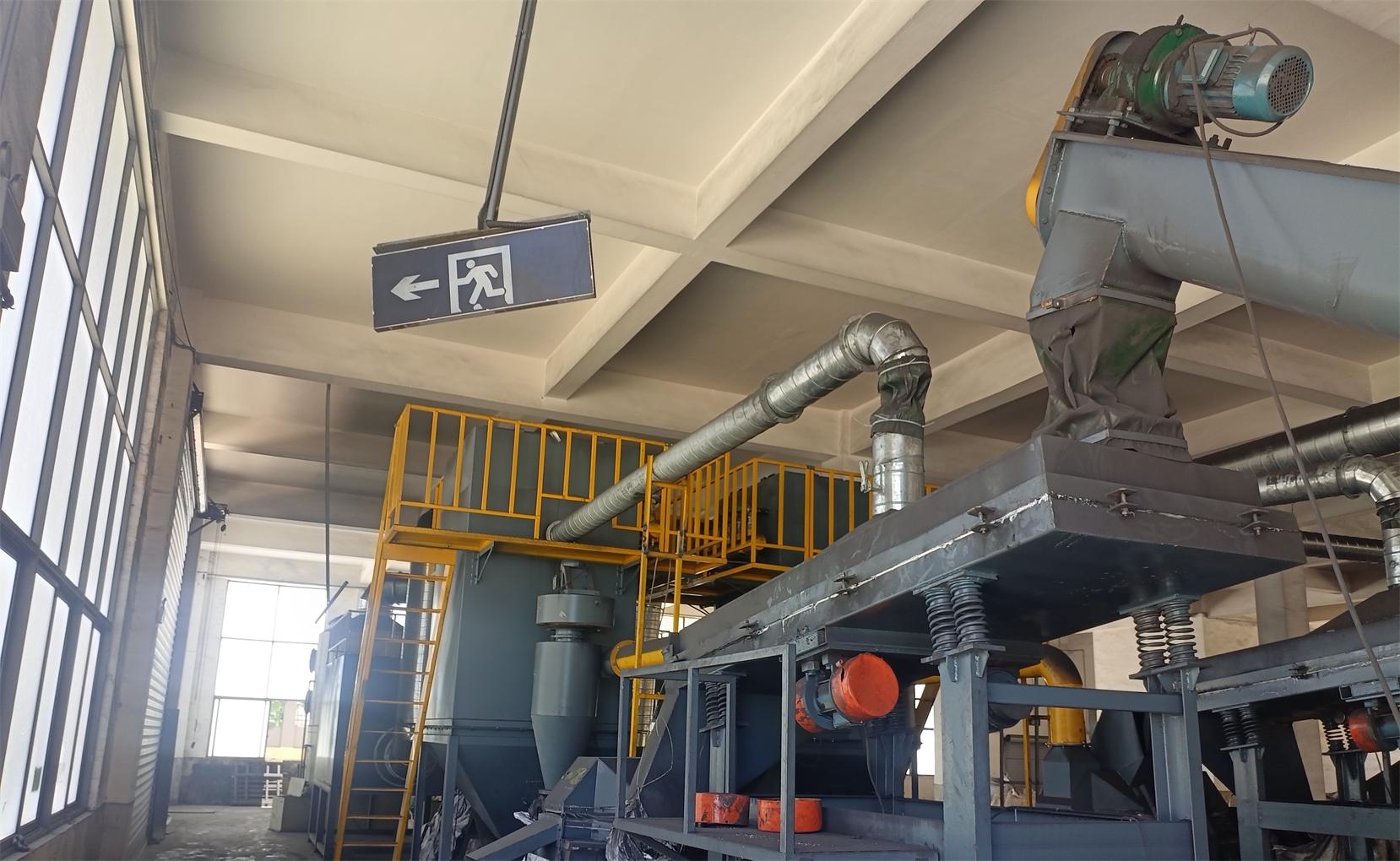
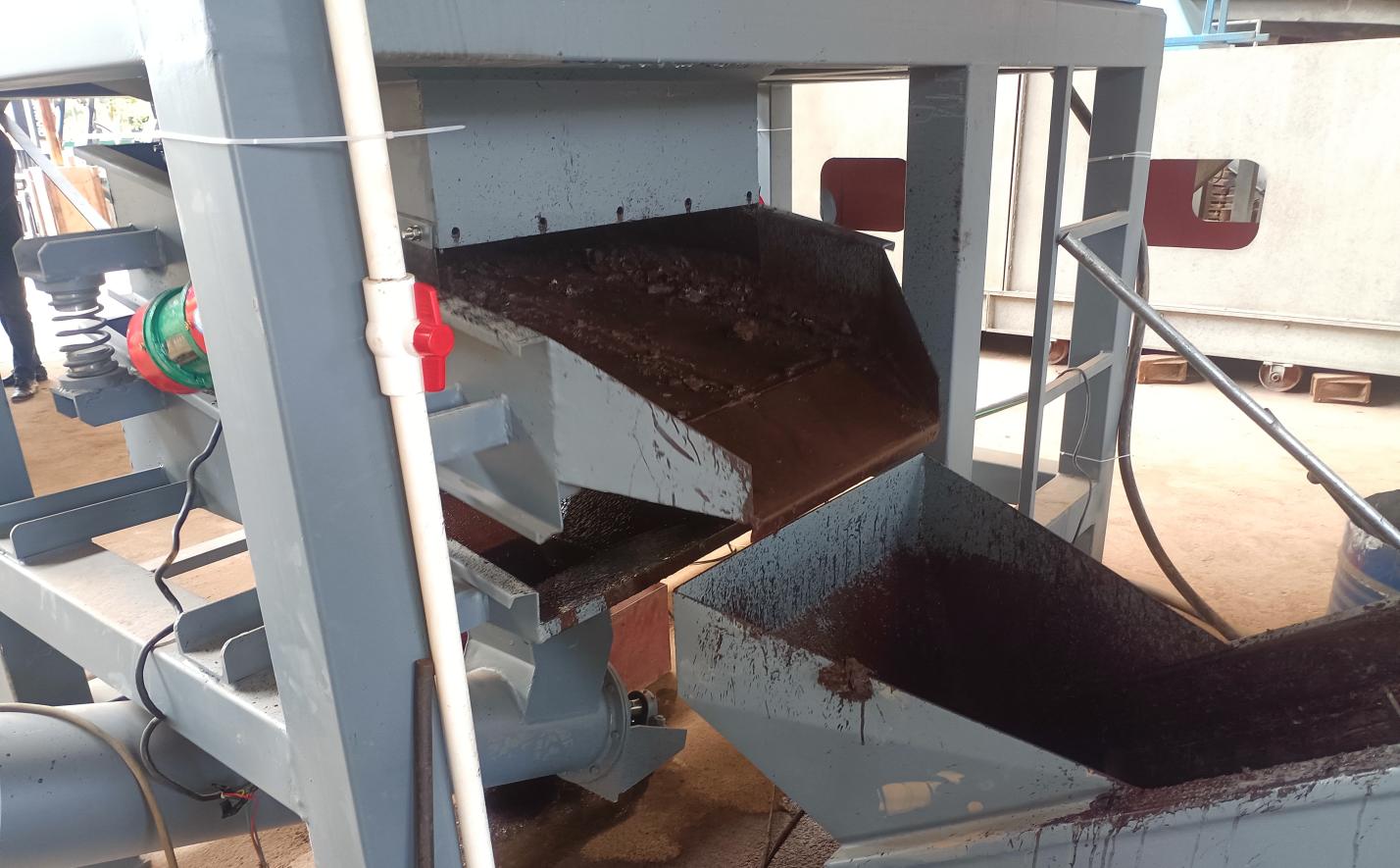
A recycler in Malaysia once shipped us a container of mixed PCB scrap from old computers and telecom equipment, convinced it was worthless. Three months later, after installing the right circuit board recycling equipment, he was recovering copper powder at 96% purity and selling it to a local refinery. The difference was not the scrap. It was the separation technology.
Circuit board recycling is one of the highest-margin segments in the e-waste recovery business. Printed circuit boards contain copper, gold, silver, and palladium in concentrations that exceed many natural ores. The challenge is choosing equipment that can separate these metals efficiently without generating hazardous waste or losing valuable fractions to dust and slag.
Not all PCB scrap is the same. Bare boards from manufacturing offcuts, populated boards from discarded electronics, and multi-layer server boards each behave differently in a recycling line. Buying a dry separator and then feeding it wet, component-laden boards is a fast way to clog air classifiers, damage grinding chambers, and lose metal to the plastic fraction.
Start by classifying your waste stream across three dimensions:
Once you have honest answers to these questions, you can narrow the field to machines that are actually designed for your material.
Circuit board recycling generally follows two technical routes: dry physical separation and wet water-based separation. Understanding the trade-offs between them prevents over-investment on one end or recovery losses on the other.
New buyers often fixate on the largest machine in a catalog, assuming bigger is safer. In reality, an oversized separator running at half capacity wears grinding media unevenly, consumes excess power, and ties up capital that could have funded a pre-shredder or a second sorting stage.
A better approach is to calculate your realistic monthly PCB availability, then choose a machine that can process that volume in roughly twenty days. This leaves headroom for demand spikes and maintenance downtime without forcing you to hunt for extra scrap just to keep the line fed.
Rule of thumb: If you handle less than 20 tons per month of PCB scrap, a compact dry or wet separator is usually sufficient. Above 100 tons per month, a complete plant with pre-shredding and automated feeding starts to pay for itself in labor savings and recovery rate improvements alone.
San Lan Technologies Co., Ltd, established in 2007 and based in Jiangxi Province, China, manufactures a comprehensive range of circuit board recycling plants alongside cable recycling equipment, battery recycling systems, shredders, and refrigerator recycling lines. With over 15 years of experience in e-waste recycling machinery, the company serves customers across 21 countries including Singapore, Colombia, Vietnam, Mexico, Argentina, Korea, Malaysia, and South Africa.
The engineering team holds master's degrees in mechanical engineering and brings over 15 years of direct experience in e-waste recycling machine design. This technical depth shows in the equipment details: wear-resistant alloy steel for crushing blades, high-precision electrostatic sorting modules, sealed dust-proof structures, and customizable voltage and control language options for overseas buyers.
Equipment is only part of the equation. Many first-time recyclers discover, too late, that they need help sourcing consistent PCB feedstock, or that their separated copper powder does not meet the refiner's size or purity specification. A supplier who drops off a machine and disappears leaves you to solve logistics, chemistry, and sales alone.
This is where full-service recycling equipment supplier capabilities matter. San Lan provides engineering, procurement, and construction (EPC) services for circuit board recycling plants. Beyond manufacturing dry and wet separation lines, the team assists customers with purchasing PCB scrap, designing plant layout, commissioning the line, and even finding buyers for the finished copper powder or precious metal concentrate.
For investors who want to enter the recycling business but lack technical background, this turnkey support reduces the learning curve from years to months. San Lan also actively seeks investors and partners for recycling plant construction, offering opportunities for collaborative business development.
Circuit board recycling rewards operators who think in systems, not single machines. The right configuration depends on your scrap mix, your volume, your local market for separated metal, and your appetite for managing water, dust, and labor. Start with an honest material audit, match the equipment category to that reality, and partner with a supplier who understands the business beyond the bill of lading.
If you are evaluating circuit board recycling equipment options or planning a complete PCB recycling plant, contact San Lan Technologies for a scrap sample test and a customized line proposal. The team speaks English and Chinese, supports EPC projects worldwide, and has helped operators across Asia, Africa, Latin America, and the Middle East turn PCB piles into revenue streams.
Ready to recover valuable metals from your PCB scrap? Send your material photos or samples to San Lan Technologies for a free process recommendation and equipment quote. Email info@san-lan.com or WhatsApp +86 139 2377 4083.